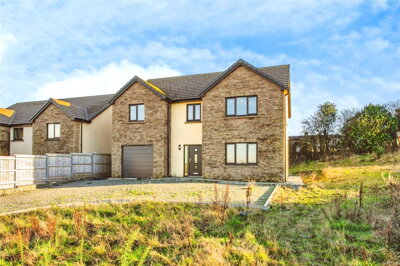
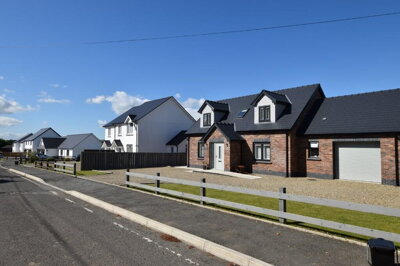
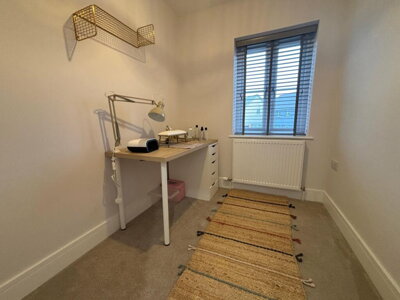
Browse 3 homes new builds in Llanfihangel-ar-Arth from local developer agents.
The Llanfihangel Ar Arth property market offers detached, semi-detached, and terraced houses spanning various price ranges and neighbourhoods. Each listing includes detailed property information, photographs, and direct contact with the marketing agent.
The property market in Llanfihangel-ar-Arth reflects its predominantly rural character, with detached homes forming the largest segment of transactions. Sales data since 2018 shows 106 detached properties changing hands, compared to 42 semi-detached and 40 terraced homes, highlighting the preference for standalone properties with generous outdoor space. Average prices for detached homes in the area sit around £244,057, while semi-detached properties average approximately £152,975 and terraced homes average £101,566. This tiered pricing structure gives buyers flexibility depending on their budget and space requirements.
Recent market activity indicates healthy transaction volumes, with 16 recorded sales in both 2024 and 2025 within the parish boundaries. The average sale price in 2025 reached £236,750, rising from £215,656 in the previous year, suggesting continued upward momentum despite broader national fluctuations. House prices in Llanfihangel-ar-Arth have grown 6% over the last twelve months, though they remain approximately 30% below the 2023 peak of £555,000. This correction from peak values may present opportunities for buyers seeking better value in a traditionally strong market.
Property types in the area showcase traditional Welsh construction, with stone-built and slated homes featuring prominently in listings. One notable example currently available is an 1860s stone-built three-bedroom cottage, exemplifying the character properties that attract buyers to this part of Carmarthenshire. New build activity in the immediate SA39 postcode area remains limited, meaning most available stock consists of established homes with unique architectural features and mature gardens. The limited new build supply helps maintain property values for existing stock while creating consistent demand for the character homes that define the local market.
Flat sales in Llanfihangel-ar-Arth are exceptionally rare, with only one recorded transaction since 2018 at approximately £40,000. This reflects the overwhelmingly house-based nature of the local housing stock, with few purpose-built flats or apartments in the village itself. Buyers specifically seeking flat accommodation would likely need to look toward Carmarthen town for greater selection.

Properties in Llanfihangel-ar-Arth predominantly feature traditional Welsh building methods that have characterised the region for centuries. Stone-built homes with natural slate roofing remain the hallmark of the local housing stock, offering robust construction that has stood the test of time. These solid-wall properties typically feature thicker walls than modern builds, providing excellent thermal mass that helps regulate internal temperatures throughout the year. The use of local stone and slate reflects the availability of these materials in the West Wales landscape.
When purchasing older stone properties in the SA39 area, buyers should expect construction features that differ significantly from contemporary standards. Traditional timber sash windows, flagstone floors, and exposed beam ceilings feature commonly in older homes, adding character but requiring specific maintenance approaches. Many properties include original fireplaces and chimneys that may require professional assessment before use. The solid construction of these traditional homes generally provides good structural integrity, though age-related wear to roofs, gutters, and pointing should be anticipated.
Given the prevalence of stone and slated construction, we strongly recommend commissioning a RICS Level 2 Survey before purchasing any property in Llanfihangel-ar-Arth. Our qualified surveyors understand the specific characteristics of traditional Welsh construction and can identify defects that might otherwise go unnoticed. Common issues in older stone properties include penetrating damp through degraded pointing, slipped or damaged slate tiles, and deterioration of lime-based mortar joints. A thorough survey provides the detailed information you need to make an informed purchase decision and budget appropriately for any remedial work.
Life in Llanfihangel-ar-Arth offers a tranquil pace rarely found in urban settings, making it particularly appealing to families, retirees, and those seeking escape from city pressures. The parish takes its name from the Welsh saint Maelgwyn, with the village church serving as a historical focal point for the community. Local amenities include a village pub and community hall, while the surrounding countryside provides endless opportunities for walking, cycling, and enjoying the natural beauty of West Wales. The area's designation reflects its agricultural heritage, with farms and farmland shaping both the landscape and local economy.
The community spirit in Llanfihangel-ar-Arth remains strong, with residents actively participating in village events and local initiatives. Annual events and seasonal celebrations bring neighbours together, creating the kind of close-knit atmosphere that many buyers specifically seek when relocating to rural Wales. The parish falls within Carmarthenshire County Council jurisdiction, providing residents with access to local government services, bin collections, and council tax structures applicable to the area. Understanding which council tax band applies to your potential new home is important for budgeting purposes alongside your mortgage and utility commitments.
Despite its peaceful setting, Llanfihangel-ar-Arth maintains good connections to surrounding towns and villages. The market town of Carmarthen, approximately 12 miles away, offers comprehensive shopping facilities, healthcare services, and secondary schools. Daily essentials and local services are available in nearby villages, reducing the need for lengthy journeys for routine needs. This balance of rural tranquility with accessible urban amenities makes the area particularly attractive to buyers prioritising quality of life while maintaining employment options in larger centres.

Families considering a move to Llanfihangel-ar-Arth will find educational provision available at primary level within reasonable travelling distance. The Welsh education system follows a national curriculum with strong emphasis on bilingual teaching, preparing children for life in both English and Welsh-speaking communities. Primary school pupils in the parish area typically attend schools in neighbouring villages or travel to larger settlements for Key Stage 2 education. Parents should research individual school catchments and admission policies when planning a relocation, as catchment areas can influence school placement significantly.
Secondary education options in Carmarthenshire include both Welsh-medium and English-medium secondary schools, with the closest institutions located in Carmarthen town. Yr Emlyn School in Newcastle Emlyn and Pr Myrddin School in Carmarthen serve surrounding communities, offering GCSE and A-Level programmes across a broad curriculum. These schools maintain Estyn inspection ratings equivalent to Ofsted, with parents encouraged to review individual school performance data when making decisions about family relocation. Sixth form provision is available at these secondary schools and at Glangwili Hospital for specialist vocational courses, providing progression routes for students beyond GCSE level.
For families prioritising academic excellence, Carmarthenshire offers several well-regarded secondary schools with strong examination results that attract pupils from across the wider region. Transport arrangements for secondary pupils living in rural areas like Llanfihangel-ar-Arth are typically provided by the local authority where distances exceed statutory walking limits. Early registration for school places is advisable given the rural location and potential for waiting lists at popular establishments. Private education options in the wider Carmarthenshire area include independent schools in Carmarthen and Pembrokeshire, accessible via daily transport arrangements for families seeking alternative educational approaches.
Transport connectivity from Llanfihangel-ar-Arth reflects its rural setting, with private vehicle travel serving as the primary means of transport for most residents. The village sits approximately 10 miles from the A484, which provides direct routes to Carmarthen and the M4 motorway corridor beyond. This connection to the wider trunk road network enables commuting to larger employment centres, though journey times should be factored into any relocation decision. The A48 M4 corridor offers access to Swansea and Cardiff for those working in South Wales on a regular basis.
Public transport options include local bus services connecting Llanfihangel-ar-Arth with surrounding villages and market towns operating at reduced frequencies compared to urban provision. Bus routes serving the SA39 postcode area provide access to Carmarthen for shopping, healthcare appointments, and leisure activities. However, service frequency in rural Carmarthenshire tends to be limited compared to urban areas, with some routes operating only on specific days of the week. Residents without private vehicles should carefully review current bus timetables and consider whether existing services meet their practical daily requirements.
Rail connections are available at Carmarthen station, approximately 14 miles from the village, offering services on the West Wales Line to major employment centres. Direct trains run to Swansea and Cardiff, with connections to the national rail network beyond for travel further afield. The journey from Carmarthen to Swansea takes approximately one hour, while Cardiff Central can be reached in around two and a half hours. For buyers working in major cities but seeking rural living, these commute times may be manageable on an occasional or hybrid working basis with appropriate planning. Parking facilities at Carmarthen station provide additional flexibility for residents combining rail travel with daily commuting needs.
Spend time exploring Llanfihangel-ar-Arth at different times of day and week to understand what daily life would be like. Visit local amenities, speak with residents, and get a feel for the community atmosphere before committing to a purchase. Pay particular attention to travel times to work, school catchments, and proximity to essential services.
Speak with a mortgage broker to obtain an Agreement in Principle before viewing properties. This strengthens your position when making offers and demonstrates to sellers that you are a serious, financially-prepared buyer. Having your financing arranged also helps you understand your true budget and avoid disappointment when viewing properties beyond your means.
Use Homemove to browse listings and arrange viewings through our partner estate agents. Pay particular attention to property condition, given the age of many homes in the area, and note any maintenance concerns worth investigating further. For older stone properties, examine the roof covering, pointing condition, and signs of damp or structural movement before proceeding.
Once your offer is accepted, arrange a Level 2 Survey (Homebuyer Report) for the property. Given the prevalence of older stone and slated properties in Llanfihangel-ar-Arth, this survey will identify any structural issues, damp problems, or roof concerns before you commit. Our surveyors understand traditional Welsh construction methods and can provide detailed assessments of the specific defects common in this housing stock.
Appoint a solicitor to handle the legal aspects of your purchase, including local searches, contract review, and land registry checks. Your solicitor will coordinate with your mortgage lender and the seller's representatives through to completion, managing the complex paperwork involved in property transactions in Carmarthenshire.
Once all legal requirements are satisfied and funds transferred, you will receive the keys to your new home in Llanfihangel-ar-Arth. Congratulations on becoming part of this welcoming Carmarthenshire community and enjoying the peaceful lifestyle that village living in West Wales provides.
Property buyers considering Llanfihangel-ar-Arth should recognise that the area's housing stock includes many traditional stone-built and slated homes dating from the Victorian era and earlier. These properties offer tremendous character and solid construction but may require more maintenance than modern builds. When viewing older properties, pay close attention to signs of damp in walls and ceilings, the condition of slate roofs, and the age and condition of plumbing and electrical systems. A thorough RICS Level 2 Survey can identify these issues before you commit your savings to the purchase.
Given the rural setting, buyers should investigate broadband speeds and mobile phone coverage at specific properties, as these can vary significantly even within small geographic areas. Rural connectivity has improved in recent years with superfast broadband rollout across Carmarthenshire, but coverage can still be patchy in some locations. Request information about previous broadband speed tests and research current mobile network coverage for the exact property location before proceeding with a purchase, particularly if home working is a priority.
Planning restrictions in Carmarthenshire may affect what you can do with a property after purchase, particularly for properties near farmland or in areas with specific designations. If you are considering extensions, outbuildings, or significant alterations, contact Carmarthenshire County Council planning department to discuss any potential restrictions before finalising your purchase decision. Properties with agricultural land or paddocks may carry additional considerations around planning use and potential future development rights that should be factored into your due diligence process alongside the usual legal searches and checks.
The average sold house price in Llanfihangel-ar-Arth stands at approximately £387,500 based on recent market activity. Detached properties average around £244,057, semi-detached homes around £152,975, and terraced properties approximately £101,566. House prices have increased by 6% over the past year and by 50.4% over the last decade, though they remain 30% below the 2023 peak of £555,000. Current buyers may find better value compared to peak prices while still benefiting from long-term growth trends demonstrated in the SA39 postcode area.
Properties in Llanfihangel-ar-Arth fall under Carmarthenshire County Council jurisdiction for council tax purposes, with annual charges based on property banding assessed by the Valuation Office Agency. Bands range from A (lowest) through to H (highest), with charges varying accordingly across the different valuation bands. Prospective buyers should request the council tax band for any specific property before purchase, as this forms part of your ongoing annual costs alongside mortgage payments, utility bills, and building insurance premiums. You can verify council tax bands through the Valuation Office Agency website using the property address.
Primary education is available at local schools serving the SA39 postcode area, with specific catchment schools depending on your exact location within the parish boundaries. Secondary options include Yr Emlyn School in Newcastle Emlyn and Pr Myrddin School in Carmarthen, both offering GCSE and A-Level programmes across a range of subjects. Welsh-medium education is available for families seeking bilingual schooling throughout the county. Parents should verify current catchment areas and admission arrangements directly with Carmarthenshire County Council education department before purchasing, as school admissions policies can change and affect placement eligibility.
Public transport connectivity in Llanfihangel-ar-Arth reflects its rural location, with local bus services providing connections to surrounding villages and Carmarthen town on reduced frequencies compared to urban areas. Service frequency is limited, so residents relying on buses should review current timetables carefully and plan accordingly for daily travel requirements. The nearest railway station is in Carmarthen, approximately 14 miles away, offering services to Swansea and Cardiff on the West Wales Line. A private vehicle provides the most practical daily transport solution for most residents, with journey times to Carmarthen typically taking around 30 minutes by car.
Llanfihangel-ar-Arth has demonstrated consistent property value growth over the past decade, with prices increasing by 50.4% since 2014 and 6% in the most recent twelve-month period. The rural lifestyle appeal, limited new build supply, and proximity to Carmarthen and the M4 corridor support ongoing demand from buyers seeking traditional Welsh properties. However, as with any property investment, buyers should consider their personal circumstances, intended holding period, and local market conditions before committing. The area's peaceful character and strong community atmosphere make it appealing for long-term owner occupation, while rental demand in rural Carmarthenshire tends to be driven by local workers rather than urban commuters seeking buy-to-let investments.
Stamp Duty Land Tax (SDLT) rates for residential purchases in England and Wales start at 0% on the first £250,000 of property value, then 5% on the portion between £250,001 and £925,000. First-time buyers may qualify for relief on the first £425,000, paying 5% between £425,001 and £625,000. For a property priced at the area average of £387,500, a standard buyer would pay no SDLT on the first £250,000 and 5% on £137,500, totalling £6,875 in Stamp Duty. Additional SDLT surcharges apply for second homes and investment properties. Always verify your SDLT liability with a solicitor or tax adviser based on your specific circumstances and residency status.
Given the prevalence of older stone and slated properties in Llanfihangel-ar-Arth, we recommend a RICS Level 2 Survey (Homebuyer Report) for most purchases to identify structural issues, damp, roof condition, and other common defects in traditional Welsh construction. Properties over 50 years old, or those with visible signs of wear such as cracked plaster or damaged slates, particularly benefit from this level of professional inspection before commitment. Your surveyor can advise whether a more detailed Level 3 Structural Survey is warranted based on initial findings, particularly if significant defects are discovered or the property shows signs of structural movement requiring specialist investigation.
Llanfihangel-ar-Arth contains several period properties of historical significance, with traditional stone cottages and farmhouses forming part of the village's architectural heritage. Properties constructed before 1840 may potentially fall within listing considerations, and any property showing signs of historical importance should be investigated with the local planning authority. Listed buildings require specialist surveys and consent for alterations under additional planning controls that affect what owners can do with the property. If purchasing a period property in the parish, we recommend verifying its listing status through Historic England or Cadw records and understanding the implications for future maintenance and alterations before proceeding with your purchase.
From £350
A detailed inspection of property condition, ideal for traditional stone and slated homes in Llanfihangel-ar-Arth
From £450
Comprehensive structural survey for older or complex properties requiring detailed analysis
From £80
Energy performance certificate required for all property sales
From £499
Solicitors handling the legal transfer of property ownership
Budgeting for your Llanfihangel-ar-Arth purchase requires careful consideration of all costs beyond the property price itself. The primary government tax is Stamp Duty Land Tax, which for a property priced around £387,500 (the current area average) would cost a standard buyer approximately £6,875. This calculation works on 0% for the first £250,000 and 5% on the remaining £137,500. First-time buyers may benefit from reduced rates, paying nothing on the first £425,000 of their purchase, making the transition more affordable for those entering the property market without prior ownership.
Additional purchase costs typically include solicitor fees for conveyancing, which generally range from £500 to £1,500 depending on complexity and whether the property is freehold or leasehold. Local searches with Carmarthenshire County Council usually cost between £200 and £400, while survey fees for a RICS Level 2 Homebuyer Report start from around £350 for standard properties in the SA39 area. Mortgage arrangement fees vary by lender but commonly range from 0% to 1.5% of the loan amount and should be factored into your comparison of different mortgage products. Valuation fees charged by your mortgage lender typically range from £300 to £500, though these vary between providers.
Moving costs for a rural relocation can include transportation of belongings, potential storage costs, and connection fees for utilities at your new property. Buildings insurance must be in place from the day of completion, while contents cover is advisable from the point you start moving belongings into the property. Setting aside a contingency fund of around 5% of the purchase price is sensible to cover unexpected costs or any issues identified during survey investigations of older properties. Planning these finances carefully ensures a smooth path to completion and helps you avoid last-minute stress when purchasing your new Welsh home in this attractive Carmarthenshire village.
Properties New Builds In London

Properties New Builds In Plymouth

Properties New Builds In Liverpool

Properties New Builds In Glasgow

Properties New Builds In Sheffield

Properties New Builds In Edinburgh

Properties New Builds In Coventry

Properties New Builds In Bradford

Properties New Builds In Manchester

Properties New Builds In Birmingham

Properties New Builds In Bristol

Properties New Builds In Oxford

Properties New Builds In Leicester

Properties New Builds In Newcastle

Properties New Builds In Leeds

Properties New Builds In Southampton

Properties New Builds In Cardiff

Properties New Builds In Nottingham

Properties New Builds In Norwich

Properties New Builds In Brighton

Properties New Builds In Derby

Properties New Builds In Portsmouth

Properties New Builds In Northampton

Properties New Builds In Milton Keynes

Properties New Builds In Bournemouth

Properties New Builds In Bolton

Properties New Builds In Swansea

Properties New Builds In Swindon

Properties New Builds In Peterborough

Properties New Builds In Wolverhampton

Enter your details to see if this property is within your budget.
Loans, cards, car finance
Estimated property budget
Borrowing + deposit
You could borrow between
Typical borrowing
Monthly repayment
Est. at 4.5%
Loan-to-value
This is an estimate only. Your actual budget may vary depending on interest rates, credit history, and personal circumstances. For an accurate affordability assessment, speak to one of our free mortgage advisors.
This calculator provides estimates for illustrative purposes only and does not constitute financial advice. Your home may be repossessed if you do not keep up repayments on your mortgage. Estimates based on 4.5% interest rate, repayment mortgage. Actual rates depend on your circumstances.
Homemove is a trading name of HM Haus Group Ltd (Company No. 13873779, registered in England & Wales). Homemove Mortgages Ltd (Company No. 15947693) is an Appointed Representative of TMG Direct Limited, trading as TMG Mortgage Network, which is authorised and regulated by the Financial Conduct Authority (FRN 786245). Homemove Mortgages Ltd is entered on the FCA Register as an Appointed Representative (FRN 1022429). You can check registrations at NewRegister or by calling 0800 111 6768.

We use cookies to show you personalised content and improve your experience of our website. Find out more in our Privacy policy and Cookie policy.