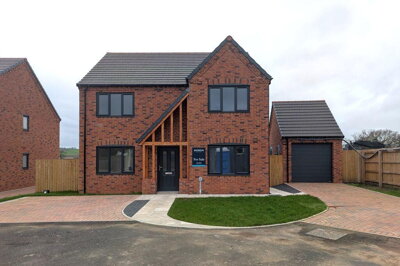
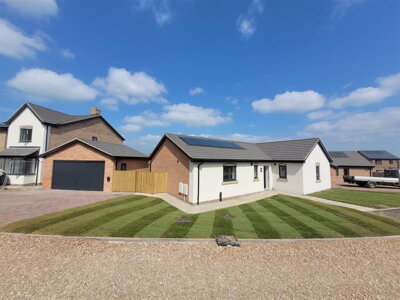
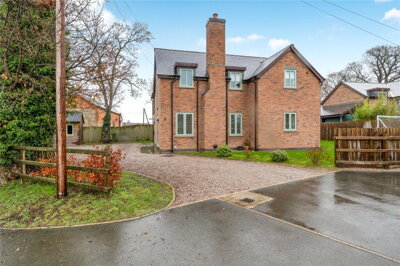
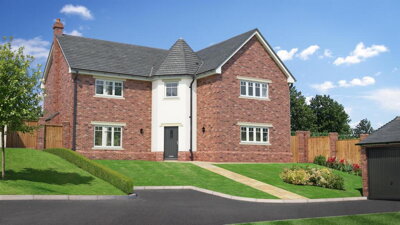
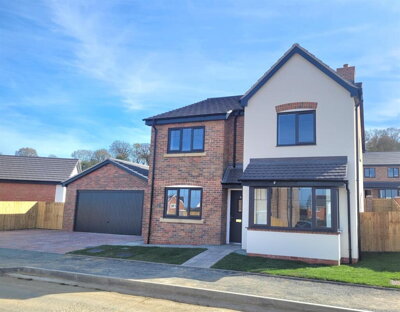
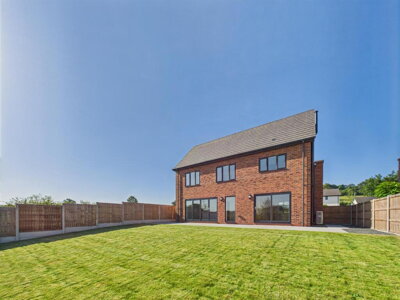
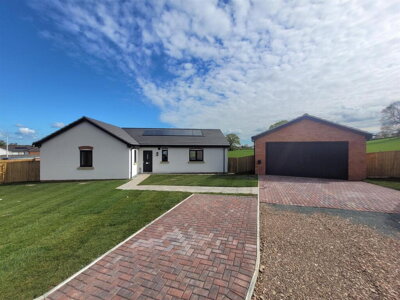
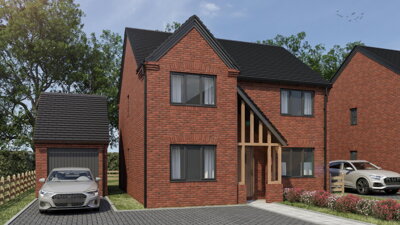
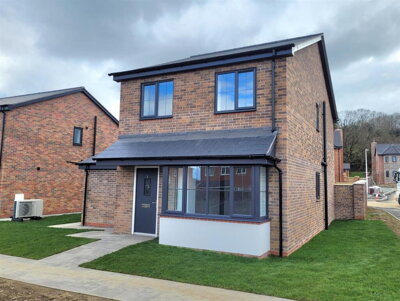
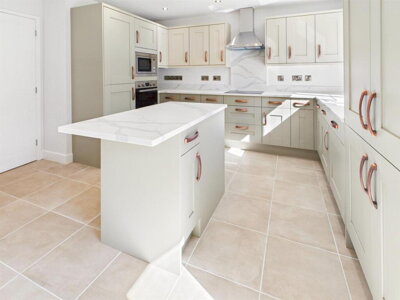
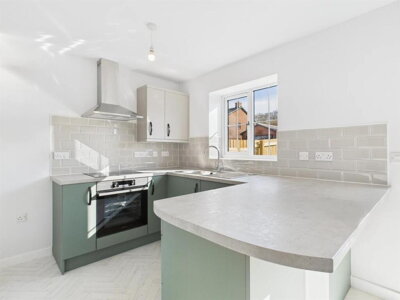
Browse 11 homes new builds in Llandrinio, Powys from local developer agents.
£380k
23
1
214
Source: home.co.uk
Source: home.co.uk
Detached
15 listings
Avg £436,630
Barn Conversion
4 listings
Avg £339,988
Bungalow
2 listings
Avg £387,500
Country House
1 listings
Avg £600,000
Detached Bungalow
1 listings
Avg £400,000
Source: home.co.uk
Source: home.co.uk
The property market in Walterstone reflects its status as a highly desirable rural village where large detached homes on generous plots command significant premiums. Available sales data from the HR2 postcode area reveals considerable variation in property values depending on size, condition, and location. A detached house in the village sold for £1,595,000 in October 2021, representing the upper end of the market for substantial country estates, while more modest detached properties have traded between £400,000 and £630,000 in recent years. The market includes period farmhouses, converted agricultural buildings, and traditional village homes, each offering distinct character and appeal. Unlike more active suburban markets, Walterstone experiences limited turnover due to its small size and the tendency of owners to remain in their properties for extended periods, creating scarcity that drives prices upward for those properties that do become available.
Properties in Walterstone predominantly consist of detached houses and occasional semi-detached dwellings, consistent with the rural character of the area. The village lacks the flat developments and terraced housing more common in urban settings, instead offering standalone homes with substantial gardens and access to surrounding countryside. Given the prevalence of older properties including those dating from the 16th and 17th centuries, buyers should anticipate traditional construction methods using local stone and timber framing throughout much of the housing stock. Properties in the village often come with land attachments, outbuildings suitable for conversion or workspace, and stunning rural views that extend across the Herefordshire landscape. The absence of significant new build development in the immediate area means buyers purchasing existing properties will find character-rich homes requiring varying degrees of modernization and upkeep.
The construction of homes in Walterstone typically reflects the materials available locally, with many historic properties built using the distinctive red and grey sandstones common to this part of the Welsh Marches. Timber framing appears frequently in older properties, often with render or brick infill panels that may show signs of movement or deterioration over more than a century of weathering. Lime mortar rather than cement was traditionally used in these older buildings, meaning that any pointing or repair work should ideally use compatible materials to prevent moisture entrapment and subsequent wall deterioration. Our inspectors frequently encounter solid wall construction in Walterstone properties, which behaves differently from modern cavity walls in terms of insulation performance and moisture management. Buyers considering properties with exposed stone walls should budget for potential damp-proof course installation or other remediation if rising dampness appears in ground-floor rooms.
Specific recent transactions in the HR2 0DX postcode, which covers part of the Walterstone area, demonstrate the range of values achievable in this market segment. A detached bungalow at HR2 0PF sold for £450,000 in March 2022, while larger country houses have achieved prices up to £1,595,000 for premium locations with substantial grounds. Semi-detached properties remain rarer in Walterstone, with limited historical sales data suggesting values in the £193,000 range for smaller period homes, though this figure relates to earlier transactions and current values would be considerably higher.

Walterstone embodies the essence of rural Herefordshire living, offering residents a close-knit community atmosphere set within some of England's most attractive countryside. The village name reflects its position in the Welsh Marches, a historic border region where English and Welsh cultures have blended over centuries to create a distinctive local character. With a population of approximately 97 residents according to the 2001 census, Walterstone maintains an intimate scale where neighbours know one another and community events bring people together throughout the year. The surrounding landscape comprises a patchwork of farmland, woodland, and hedgerows that support abundant wildlife and provide endless opportunities for countryside walks, cycling, and outdoor recreation. The proximity to the Brecon Beacons National Park places stunning mountain scenery within easy reach for day trips and weekend adventures.
The local environment around Walterstone features the tranquil River Monnow, which flows through the valley southeast of the village and contributes to the pastoral character of the area. Properties in Walterstone benefit from direct access to extensive public footpaths and bridleways that traverse the surrounding countryside, making it ideal for dog walkers, horse riders, and nature enthusiasts. The village sits equidistant from several thriving market towns in Herefordshire, where residents can access supermarkets, doctors' surgeries, banks, and a wider range of shops and restaurants. Cultural attractions in the wider area include historic manor houses, ancient churches, and traditional pubs serving local food and Herefordshire cider. The sense of space and tranquility found in Walterstone stands in stark contrast to urban living, offering residents clean air, dark night skies, and a connection to the natural world that increasingly appeals to buyers seeking escape from city pressures.
Community life in Walterstone centres around the historic St Mary's Church, a Grade II listed building whose origins extend back several centuries, forming the spiritual and social heart of the village. The churchyard cross, separately Grade II* listed, represents one of the finest examples of medieval churchyard monuments in the region and attracts visitors interested in ecclesiastical architecture and local history. Allt Yr Ynys manor house, located approximately 1¼ miles south of the village, exemplifies the substantial country residences that characterize this part of the Welsh Marches, with its 16th-century construction reflecting the prosperity of agricultural estates in this fertile border region. Residents participate in seasonal events, village fundraisers, and informal gatherings that maintain the strong social fabric connecting long-established families with newer arrivals to the community.
For those moving from urban areas, adjusting to life in Walterstone requires acceptance of a different rhythm and the practical realities of rural living. Broadband speeds, while improved in recent years, may not match those available in towns and cities, making home working arrangements something to verify before purchase. Mobile phone coverage varies depending on network and location within the village, with some properties requiring landline internet as their primary connection. Local amenities require short journeys to nearby towns, meaning regular access to a car has become essential rather than optional for most residents. These considerations rarely deter buyers drawn to the village's exceptional natural beauty and strong community spirit, with most newcomers quickly finding that the advantages of rural life in Walterstone far outweigh any initial adjustments required.
Families considering a move to Walterstone will find a selection of educational options within reasonable driving distance across Herefordshire and the Welsh border region. The village falls within the catchment area for primary schools in nearby market towns, with several well-regarded village primary schools serving the surrounding communities. Parents should verify current catchment boundaries and admissions policies with Herefordshire Council, as these can influence school placement decisions for younger children. Primary education in the area typically covers Reception through Year 6, with schools providing a nurturing environment that takes advantage of the rural surroundings for outdoor learning activities. Many local primary schools have received positive evaluations from Ofsted, reflecting the commitment of teachers and staff in these communities to children's development and wellbeing.
The nearest primary schools to Walterstone include settings in nearby villages that serve the broader rural community, with school transport arrangements typically organized through Herefordshire Council for families beyond walking distance. These smaller schools often benefit from close relationships between staff, pupils, and parents, creating supportive learning environments where children can develop confidence and academic skills simultaneously. Rural primary schools frequently incorporate outdoor education into their curriculum, using the surrounding countryside as a living classroom for nature studies, geography fieldwork, and physical education activities like woodland walks and farm visits. For younger children in their early years, preschool facilities may be available in neighbouring villages, with some operating from village halls or community centres that host regular sessions during term time.
Secondary education options for Walterstone residents include comprehensive schools in nearby towns offering GCSE courses and sixth form provision for older students. Herefordshire's grammar school system provides additional educational pathways for academically gifted students, with grammar schools located in Hereford city and other towns within the county. Students traveling to secondary schools typically benefit from dedicated school bus services organized by the local authority, though journey times from Walterstone to secondary schools in Hereford or surrounding towns can extend to 30-45 minutes depending on the specific route and traffic conditions. Parents seeking independent education will find private school options in the wider region, including boarding and day schools catering to various age groups, with some families choosing preparatory schools in Herefordshire or Monmouthshire that prepare children for entry to senior independent schools.
For families with younger children or those planning families, proximity to good schools may influence property choices within and around Walterstone, with some buyers prioritizing locations that offer straightforward daily journeys to educational facilities. The rural setting also provides opportunities for children to learn about agriculture, conservation, and countryside management, complementing classroom-based education with practical outdoor experiences. Secondary school choices become particularly important for families with children aged 11 and above, as catchment areas for popular schools can be competitive and early research into admission criteria helps parents make informed decisions about where to focus their property search.
Transport connections from Walterstone reflect its rural character, with residents typically relying on private vehicles as the primary means of daily transport. The village sits within convenient driving distance of several Herefordshire market towns, where residents access rail services, larger shopping centres, and additional amenities. The A465 Heads of the Valleys road provides an important route connecting the area to larger centres in Wales and the West Midlands, while the A49 offers a direct route north-south through Herefordshire toward Shrewsbury and south toward Hereford city. Journey times by car to major employment centres include approximately 45 minutes to Hereford, around 90 minutes to Worcester, and approximately two hours to Birmingham city centre depending on traffic conditions and exact starting point.
The A465 Heads of the Valleys road, which passes through nearby Abergavenny, has undergone significant improvements in recent years, enhancing connectivity between Herefordshire and south Wales for residents willing to travel for employment. This route opens access to major employers in Newport and Cardiff, where financial services, public sector roles, and professional occupations provide career opportunities that complement the predominantly rural local economy. The A49 provides an alternative route for travel toward Chester and Liverpool in the north, and toward Bristol and the South West via connections with the M5 motorway. For commuters working in Birmingham, the journey from Walterstone typically involves travel via the A49 to join the M5 or M6 motorway network, with typical journey times of one and a half to two hours depending on time of day and road conditions.
Public transport options serving Walterstone include local bus routes that connect the village to surrounding communities and market towns, though frequencies tend to reflect the rural nature of the area with limited evening and weekend services. The nearest railway stations are located in Hereford and Abergavenny, both offering regular services to major cities including Birmingham, Cardiff, and London. Train services from Hereford connect to Birmingham New Street in approximately 90 minutes and to London Paddington via Oxford or Reading in around three hours. Abergavenny station provides access to services toward Newport and Cardiff, opening Welsh employment markets for commuters willing to travel. For those working from home, the rural location offers the peace and space necessary for productive remote work, though prospective buyers should verify broadband speeds and mobile phone coverage before committing to a purchase.
Local bus services operating in the Walterstone area typically serve routes connecting to Abergavenny and Hereford, with some services continuing to smaller villages in the surrounding countryside. Service frequencies vary considerably, with most routes operating primarily during weekday daytime hours and reduced or no services on weekends and public holidays. This pattern means residents relying on public transport for regular commuting or shopping trips need to plan their journeys carefully and consider the availability of local taxi services for times when buses do not operate. Community transport schemes operate in some parts of Herefordshire, providing door-to-door services for residents unable to access conventional public transport, with details available through Herefordshire Council or local parish councils.
Spend time understanding the Walterstone property market, visiting the village at different times of day and week, and exploring nearby towns for amenities and services. The small number of available properties means opportunities may arise infrequently, so early research positions you to act quickly when the right home becomes available. Speak to local estate agents who handle rural properties in the HR2 area, as many desirable homes sell quietly before reaching mainstream property portals. Understanding the seasonal patterns of the rural property market helps buyers time their search effectively, with spring and early summer often seeing increased listings.
Obtain a mortgage agreement in principle from a lender before beginning your property search. Given the higher property values typical for rural Herefordshire homes, ensure your borrowing capacity aligns with local prices. Contact mortgage brokers who understand the rural property market and can secure competitive rates for country homes. Rural properties often involve non-standard construction, land attachments, or outbuildings that some lenders treat differently from standard urban houses, so working with a broker experienced in these transactions helps secure appropriate finance. Factor in additional costs including stamp duty, solicitor fees, survey costs, and potential renovation budgets when calculating your total budget for purchasing in Walterstone.
View properties in person to assess their condition, location within the village, and proximity to neighbouring properties. Pay particular attention to the age and construction of historic properties, noting any signs of damp, structural movement, or outdated services that may require remediation. Bring a torch, tape measure, and notebook to viewings to document your observations systematically. Ask vendors about the age of roofs, recent boiler replacements, insulation upgrades, and any planning permissions obtained in recent years. Viewing properties multiple times and at different times of day helps assess how the property performs in different conditions, including morning light, afternoon shade, and evening quiet levels.
Book a RICS Level 2 or Level 3 survey depending on property age and complexity. Given the prevalence of historic properties in Walterstone including 16th-century buildings, a thorough survey identifies defects and necessary repairs before you commit to purchase. The national average for RICS Level 2 surveys ranges from £416 to £639, with older or more complex properties requiring Level 3 assessments. Pre-1900 properties in Walterstone typically incur a 20-40% increase in survey costs due to their construction complexity and the specialist knowledge required to assess traditional building methods properly. We always recommend choosing a surveyor with experience in historic rural properties, as they understand the specific defects common to stone walls, timber frames, and lime mortar construction.
Choose a conveyancing solicitor with experience in rural property transactions including any land, outbuildings, or agricultural obligations that may form part of the sale. Your solicitor will handle searches, contracts, and registration with HM Land Registry while keeping you informed throughout the process. Rural properties in Walterstone may involve additional legal considerations including rights of way, boundary disputes, or ancient covenant restrictions that require specialist attention. Ensure your solicitor obtains copies of all available documentation including the seller's property information forms, fittings and contents inventories, and any guarantees or warranties relating to recent works. Budget for additional search costs if the property includes land, septic tanks, or private water supplies, as these require separate legal enquiries beyond standard local authority searches.
Once all searches are satisfactory and finance is confirmed, your solicitor will exchange contracts and agree a completion date with the seller. On completion day, the remaining funds transfer to the seller and you receive the keys to your new Walterstone home. Before completion, conduct a final walkthrough to verify the property's condition matches your expectations and that no unexpected changes have occurred since your last visit. Arrange buildings insurance to commence from completion day, as mortgage lenders require evidence of insurance coverage before releasing funds. Once you have the keys, you can begin enjoying your new life in one of Herefordshire's most attractive rural villages, with the Brecon Beacons, historic market towns, and stunning countryside all waiting to be explored from your Walterstone home.
Purchasing property in Walterstone requires attention to several factors specific to historic rural villages in the Welsh Marches. The concentration of listed buildings including the Grade II listed Allt Yr Ynys manor house and St Mary's Church means many village properties may carry listed status or fall within conservation considerations that influence what alterations owners can make. Before purchasing, verify whether the property is listed and understand the implications for future renovations, extensions, or even routine maintenance. Listed building consent may be required for changes that would otherwise not need planning permission, adding time and cost to any significant works. The age of many properties also means traditional construction methods and materials were used, including potentially lime mortar, solid walls, and timber frames that require different approaches to insulation and weatherproofing compared to modern buildings.
Our inspectors frequently identify dampness issues in older Walterstone properties, arising from various causes including failed or absent damp-proof courses, deteriorating lime mortar pointing, and inadequate sub-floor ventilation beneath suspended timber floors. Ground-floor rooms in properties with solid ground floors may show signs of moisture penetration, particularly in external walls where rainfall can penetrate porous stone or degraded render. Timber decay, including both wet rot and dry rot species, commonly affects wooden elements in historic buildings where moisture has accumulated over time. Structural timbers in roofs, floors, and wall frames should be inspected for signs of beetle activity, fungal growth, or physical deterioration that could compromise their load-bearing capacity.
Roof condition demands particular attention in Walterstone properties, as the age of many buildings means original or early replacement coverings may be approaching the end of their serviceable life. Stone slate and clay tile roofs, common on period properties in this area, require specialist knowledge to assess properly, as repairs differ significantly from modern slate or concrete tile maintenance. Leadwork around chimneys, valleys, and roof junctions often requires replacement after 50-70 years, with deteriorated leadwork allowing water penetration into roof structures and internal ceilings. Properties with thatched roofs, while rare in Walterstone, would require specialist survey by a member of the National Federation of Roofing Contractors or similar recognized professional body due to the specialized nature of thatch maintenance.
Flood risk assessment should form part of any due diligence when purchasing in Walterstone, given the proximity of the River Monnow to the village. While specific flood risk data for individual properties was not available, the river's presence indicates potential fluvial flooding risk during periods of heavy rainfall or snowmelt. Buyers should review Environment Agency flood maps and consider arranging a specialist flood risk assessment for properties in lower-lying positions. Buildings insurance costs may be higher for properties with flood exposure, and mortgage lenders may require flood risk valuations before approving finance. Additionally, the rural nature of Walterstone means some properties rely on private water supplies, septic tanks, or individual drainage systems rather than mains services, each carrying their own maintenance responsibilities and costs that buyers should factor into their budget calculations.
Properties with private water supplies require testing to verify water quality and sufficient flow rates, with costs for connecting to mains water potentially running to several thousand pounds if the supply proves inadequate. Septic tanks and sewage treatment systems require regular emptying and maintenance, with Environment Agency regulations affecting where systems can discharge and how they must be maintained. Electrical wiring in older properties may date from the 1960s or earlier, requiring full rewiring or at minimum an electrical condition report to identify any safety concerns before purchase. Gas or oil heating systems similarly require assessment for efficiency and compliance with current safety standards, with replacement costs for aging heating systems potentially reaching £5,000 to £10,000 for older rural properties.
Specific average house price data for Walterstone is not published by major property indices due to the village's small size and limited transaction volumes. However, recent sales data from the HR2 postcode area shows detached properties selling between £400,000 and £630,000, with premium country houses commanding up to £1,595,000 depending on size, grounds, and condition. A detached bungalow at HR2 0PF sold for £450,000 in March 2022, while a substantial country house in the HR2 0DX area achieved £1,595,000 in October 2021. The scarcity of available properties in this sought-after rural village tends to support higher prices relative to comparable properties in more accessible locations. Prospective buyers should expect to budget at the upper end of the local market range when seeking substantial family homes in Walterstone.
Properties in Walterstone fall under Herefordshire Council administration for council tax purposes. Specific council tax bands depend on property valuation and are assigned by the Valuation Office Agency based on the property's market value as of April 1991. Rural properties with historic status or substantial grounds may be placed in higher valuation bands, reflecting their market value and the additional maintenance requirements of period buildings. Council tax bands for similar rural properties in Herefordshire typically range from Band D through to Band H for the most substantial country houses with extensive grounds. Prospective buyers should check the specific council tax band for any property through Herefordshire Council's online portal before completing a purchase to understand ongoing annual costs and any applicable discounts for single occupancy or qualifying disabilities.
Walterstone is served by primary schools in nearby villages and market towns, with several receiving positive Ofsted ratings for their quality of education and rural setting advantages. Primary schools in the surrounding area typically serve catchment zones covering multiple villages, meaning Walterstone families usually share educational facilities with neighbouring communities. Secondary education options include comprehensive schools in Hereford and surrounding towns, with grammar schools available for academically capable students through the 11-plus selection process. Parents should verify current school performance data and admissions catchment areas when planning a family move to the area, as catchment boundaries can change and properties in one area may suddenly fall outside the zone for their preferred school.
Public transport options from Walterstone are limited, reflecting its status as a small rural village. Local bus services provide connections to nearby towns including Abergavenny and Hereford, though frequencies are reduced compared to urban routes, particularly on evenings and weekends. Service 69 operates between Abergavenny and Hereford, passing through several villages in the surrounding area, though exact stops near Walterstone require verification with the current operator. The nearest railway stations at Hereford and Abergavenny offer mainline services to major cities, with journey times of approximately 90 minutes to Birmingham New Street and three hours to London Paddington. Most residents of Walterstone rely primarily on private vehicles for daily transport, making car ownership essential for practical living in this village location.
Walterstone offers potential for property investment given its desirable rural location near the Welsh border and Brecon Beacons National Park. The village's limited property supply combined with consistent demand from buyers seeking countryside living creates conditions supportive of long-term value retention, though capital growth tends to be steady rather than dramatic. Rural properties with land, historic features, or development potential for barn conversions may offer additional investment upside, though planning permission for conversions has become more restrictive under recent changes to agricultural permitted development rights. Buyers should consider the costs of maintaining historic properties, including potential listed building repair obligations and the specialist trades required for traditional construction. Rental demand in Walterstone remains limited due to the small local workforce and lack of corporate tenants, making speculative buy-to-let purchases less straightforward than in urban rental markets.
Stamp duty Land Tax applies to all residential property purchases in England, with current thresholds beginning at 0% for the first £250,000 of property value. For properties priced between £250,001 and £925,000, the rate increases to 5%, rising to 10% for the next £575,000 and 12% on any amount exceeding £1.5 million. First-time buyers qualify for increased thresholds, paying 0% up to £425,000 with 5% applied between £425,001 and £625,000. Given typical property prices in Walterstone, most purchases will attract stamp duty at the standard rates, making it advisable to budget several thousand pounds for this additional purchase cost.
When viewing properties in Walterstone, pay particular attention to the condition of stone walls and any signs of bulging, cracking, or mortar deterioration that might indicate structural movement. Check window frames and external joinery for signs of rot, as timber windows on exposed elevations often suffer deterioration after decades of weathering. Examine roof coverings from ground level where possible, noting any missing, slipped, or heavily moss-covered tiles that suggest imminent maintenance requirements. Properties with thatched or stone slate roofs warrant specialist inspection due to the specialized maintenance these materials require.
Walterstone falls within a conservation area, meaning planning authorities apply additional controls over demolition, extensions, and external alterations to preserve the village's historic character. Many properties carry listed building status, requiring consent from Herefordshire Council before undertaking works that might affect the building's special architectural or historic interest. The village's position in the Welsh Marches means certain matters may involve consultation with heritage bodies beyond the local planning authority. Prospective buyers should review the Herefordshire planning portal to check any planning history, enforcement actions, or outstanding permissions affecting a property before committing to purchase.
Purchasing a property in Walterstone involves several costs beyond the purchase price itself, with stamp duty Land Tax representing one of the most significant additional expenses. The current SDLT thresholds in England set the zero-rate band at £250,000, meaning a property priced at £500,000 attracts stamp duty of £12,500 on the amount above the threshold. Properties priced at £750,000 would incur SDLT of approximately £27,500, while higher-value rural properties in Walterstone commanding £1 million or more would face substantial stamp duty bills of £40,000 or more. First-time buyers benefit from higher thresholds, paying nothing on the first £425,000 and 5% on the next £200,000, though this relief does not extend to properties priced above £625,000.
Beyond stamp duty, buyers should budget for solicitor conveyancing fees, which typically range from £500 to £1,500 depending on complexity and whether the property includes land or outbuildings beyond the main dwelling. Rural transactions involving unregistered land, rights of way, or agricultural obligations may incur higher legal fees to reflect the additional work required. Survey costs vary based on property type and age, with RICS Level 2 surveys averaging between £416 and £639 for standard properties but increasing by 20-40% for older properties built before 1900 due to their construction complexity. Given that many Walterstone properties date from the 16th and 17th centuries, buyers should anticipate costs toward the higher end of typical ranges. Removal costs, valuation fees charged by mortgage lenders, and potential estate agent fees if you are selling a property simultaneously add further expenses to the total moving budget.
Building insurance must be in place from the point of completion, with costs varying significantly depending on property value, construction type, and flood risk assessment. Properties in Walterstone may face higher insurance premiums due to their age, thatch or stone slate roofing, and proximity to the River Monnow in some locations. Search fees charged by Herefordshire Council for local authority enquiries typically total around £250 to £400, while additional specialist searches for flooding, mining, or environmental factors may add further costs. Land registry fees for registering your ownership and updating the title deeds typically amount to a few hundred pounds depending on the property value. Our recommended approach involves obtaining detailed cost estimates from your solicitor and surveyor early in the transaction process, allowing you to build a complete budget that accounts for all purchase-related expenses beyond the property price itself.
Properties New Builds In London

Properties New Builds In Plymouth

Properties New Builds In Liverpool

Properties New Builds In Glasgow

Properties New Builds In Sheffield

Properties New Builds In Edinburgh

Properties New Builds In Coventry

Properties New Builds In Bradford

Properties New Builds In Manchester

Properties New Builds In Birmingham

Properties New Builds In Bristol

Properties New Builds In Oxford

Properties New Builds In Leicester

Properties New Builds In Newcastle

Properties New Builds In Leeds

Properties New Builds In Southampton

Properties New Builds In Cardiff

Properties New Builds In Nottingham

Properties New Builds In Norwich

Properties New Builds In Brighton

Properties New Builds In Derby

Properties New Builds In Portsmouth

Properties New Builds In Northampton

Properties New Builds In Milton Keynes

Properties New Builds In Bournemouth

Properties New Builds In Bolton

Properties New Builds In Swansea

Properties New Builds In Swindon

Properties New Builds In Peterborough

Properties New Builds In Wolverhampton

Enter your details to see if this property is within your budget.
Loans, cards, car finance
Estimated property budget
Borrowing + deposit
You could borrow between
Typical borrowing
Monthly repayment
Est. at 4.5%
Loan-to-value
This is an estimate only. Your actual budget may vary depending on interest rates, credit history, and personal circumstances. For an accurate affordability assessment, speak to one of our free mortgage advisors.
This calculator provides estimates for illustrative purposes only and does not constitute financial advice. Your home may be repossessed if you do not keep up repayments on your mortgage. Estimates based on 4.5% interest rate, repayment mortgage. Actual rates depend on your circumstances.
Homemove is a trading name of HM Haus Group Ltd (Company No. 13873779, registered in England & Wales). Homemove Mortgages Ltd (Company No. 15947693) is an Appointed Representative of TMG Direct Limited, trading as TMG Mortgage Network, which is authorised and regulated by the Financial Conduct Authority (FRN 786245). Homemove Mortgages Ltd is entered on the FCA Register as an Appointed Representative (FRN 1022429). You can check registrations at NewRegister or by calling 0800 111 6768.

We use cookies to show you personalised content and improve your experience of our website. Find out more in our Privacy policy and Cookie policy.