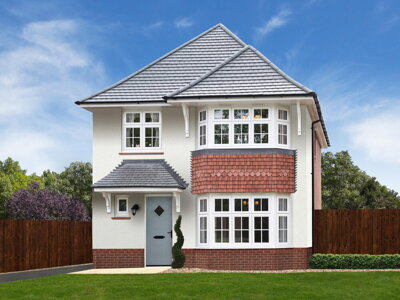
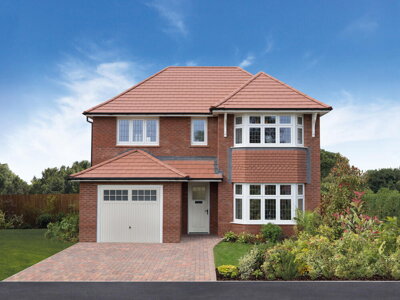
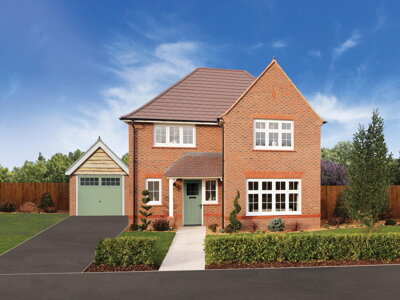
Browse 3 homes new builds in Llandaff North from local developer agents.
The larger property sector typically features multiple bathrooms, substantial reception space, and private gardens or off-street parking. Four bedroom houses in Llandaff North span detached, semi-detached, and occasionally terraced configurations, with styles ranging from period properties to modern executive homes.
The Llandaff North property market has demonstrated remarkable resilience and growth, with Rightmove reporting an average house price of £310,807 over the past twelve months. Zoopla's data, sourced from HM Land Registry, shows an average sold price of £285,369, while PropertyResearch.uk records a median price of £310,000 based on nine sales in 2025 alone. This price growth of 8.3% year-on-year places Llandaff North among Cardiff's top-performing suburbs, driven by strong demand from buyers seeking value outside the city centre while maintaining excellent transport links. The consistency of sales activity, with PropertyResearch.uk indicating 518 total sales, demonstrates the depth of buyer interest in this particular pocket of Cardiff.
Property types in Llandaff North reflect its varied housing stock, with terraced properties accounting for over half of all sales in the area. Detached homes command the highest prices, averaging around £393,375, followed by semi-detached properties at approximately £327,112. Terraced houses, which form the backbone of the neighbourhood's character, typically sell for around £286,667, while flats provide a more affordable entry point at approximately £177,700. The majority of properties sold in Llandaff North fall within the £200,000 to £300,000 price bracket, accounting for 83.63% of all transactions and indicating strong demand in this mid-range segment of the market.
The CF14 postcode area benefits from diverse micro-markets, with different streets and developments showing varying levels of price performance. Properties closer to the River Taff often command premiums due to their access to green spaces and walking routes along the waterway, while those near local shopping parades on Caerau Lane or the streets surrounding Llandaff North railway station offer practical convenience for daily amenities. Understanding these sub-market variations helps buyers identify properties that offer genuine value within the broader Llandaff North area.

Llandaff North exudes a warm, community-focused atmosphere that has attracted families and professionals to the area for generations. The neighbourhood centres around its local shops, pubs, and community facilities, creating a village-like feel within easy reach of Cardiff's vibrant city centre. Traditional red brick and rendered terraced houses line the residential streets, many featuring the characteristic Welsh slate roofs that give the area its distinctive appearance. The proximity to the River Taff provides residents with pleasant walking routes and green spaces, while the maturing trees and established gardens contribute to the suburb's tree-lined character that distinguishes it from newer Cardiff suburbs.
The housing stock in Llandaff North spans several eras of construction, from Victorian and Edwardian terraces built for workers in the late 19th century to inter-war semi-detached homes constructed in the 1920s and 1930s. Post-war developments added further variety to the area's architectural landscape, with more modern infill properties completing the picture from the 1980s onwards. This mix of property ages creates a neighbourhood with genuine character and variety, where period features such as original fireplaces, sash windows, and tessellated tile floors can be found alongside the conveniences of more recent renovations and improvements.
The local economy benefits from proximity to major employers including the University Hospital of Wales, locally known as the Heath Hospital, which is one of Wales' largest medical facilities. Healthcare professionals, university staff, and workers in Cardiff's service sector have long recognised Llandaff North as an attractive residential base that offers shorter commutes than central Cardiff while maintaining excellent connectivity. The suburb's local shops and amenities serve daily needs without requiring journeys into the city centre, with convenience stores, takeaways, and independent businesses contributing to the area's self-sufficient character.
Community life in Llandaff North centres on local events, sports clubs, and religious organisations that provide opportunities for residents to connect with their neighbours. The suburb's position alongside the River Taff also offers access to the Taff Trail, a popular cycling and walking route that connects Llandaff North to Cardiff Bay and the wider Cardiff network. This combination of residential charm, practical amenities, and green spaces makes Llandaff North a compelling choice for buyers seeking to establish roots in Cardiff's northern suburbs.
Education provision in Llandaff North serves families well, with several primary schools within walking distance of most residential areas. The local primary schools feed into secondary schools in the wider Cardiff area, with many families benefiting from the excellent transport connections to grammar schools and comprehensives across the city. Cardiff's comprehensive school system means that catchment areas play an important role in determining which schools children attend, making proximity to high-performing schools a significant factor in property values throughout Llandaff North.
Primary schools serving Llandaff North include establishments in the immediate vicinity and nearby neighbourhoods, with most children able to walk to their school without requiring significant commutes. Parents considering the area should research current catchment boundaries, as these can affect which schools children are eligible to attend. The performance of local primary schools is generally regarded positively, with many achieving good results in Welsh Government assessments and inspections by Estyn, Wales' education inspectorate.
For families considering higher education, Llandaff North's proximity to Cardiff University and Cardiff Metropolitan University makes the area particularly attractive. Students and academic staff often choose to live in the quieter residential streets of Llandaff North while maintaining easy access to university campuses. The University Hospital of Wales, one of Wales' largest hospitals, is also nearby and employs significant numbers of healthcare professionals who appreciate the convenient commute from residential areas like Llandaff North. This concentration of university and hospital workers creates consistent demand for rental properties and family homes in the area.
Grammar school access via Cardiff's city-wide selection process provides additional educational opportunities for families willing to navigate the application system. Schools such as Cardiff High School, Cantonian High School, and other Welsh-medium options attract students from across the city, meaning that Llandaff North's strong transport connections make these options accessible despite not falling within their immediate catchment areas.

Llandaff North offers excellent connectivity for commuters, with regular bus services linking the suburb to Cardiff city centre and surrounding areas. The nearby Danescourt and Waun-gron Park railway stations provide additional options for rail travel, connecting residents to Cardiff Central, Newport, and beyond. For those working in Cardiff city centre, the journey typically takes around 20-30 minutes by bus or car, making Llandaff North a practical choice for professionals who want to avoid the higher property prices of central Cardiff while maintaining a manageable commute.
Road connections from Llandaff North are well-developed, with the A4119 providing direct access to the M4 motorway at junction 32. This makes the suburb particularly attractive to workers who commute by car to areas beyond Cardiff, including the Vale of Glamorgan, Pontypridd, and the industrial areas of South Wales. The M4 corridor provides access to major employment centres in Newport, Bristol, and the Enterprise Zones along the motorway network. Commuters should note that junction 32 can experience congestion during peak hours, particularly during school runs and rush hour traffic.
For air travel, Cardiff Airport is accessible via the M4 and A4232, while Bristol Airport can be reached in approximately one hour by car for international destinations not available from Cardiff. Cyclists benefit from dedicated routes along the River Taff corridor, connecting Llandaff North to Cardiff Bay and the city centre via the Taff Trail. This traffic-free route is popular with commuters and recreational cyclists alike, offering a safe alternative to cycling on busy roads during peak travel times.
Public transport options within Llandaff North include several bus routes serving local streets and connecting residents to key destinations. The suburb's position relative to Cardiff's bus network means that most residential areas have access to regular services, though frequencies vary by route and time of day. Residents without access to a car should factor public transport availability into their property search, particularly if they require reliable commuting options or access to specific amenities.
Contact a Cardiff mortgage broker or use Homemove's comparison tool to obtain an agreement in principle before starting your property search. This strengthens your position when making offers and demonstrates to sellers that you are a serious buyer with confirmed borrowing capacity. Having your mortgage arranged in principle also clarifies your budget, helping you focus your search on properties within your price range rather than wasting time viewing homes outside your financial reach.
Use Homemove's property search to explore current listings in Llandaff North, comparing prices, property types, and locations. Consider factors such as proximity to schools, transport links, and local amenities when narrowing down your preferred areas within the suburb. Review recent sales data to understand how properties in your target segment are performing, paying attention to time-on-market figures and any price reductions that might indicate negotiation opportunities.
Schedule viewings of properties that match your criteria, taking time to assess the condition of the property, the surrounding neighbourhood, and any potential issues. Ask the estate agent about the property's history, any recent renovations, and the reason for sale. During viewings, take photographs and notes to help compare properties later, and don't hesitate to return for a second viewing before making an offer.
Once your offer is accepted, book a RICS Level 2 Survey to assess the condition of the property. Given Llandaff North's mix of older properties, including Victorian and Edwardian homes, a professional survey can identify issues such as damp, subsidence risk from clay soils, or roof problems that may not be visible during a viewing. The survey report provides detailed information about the property's condition, enabling you to negotiate repairs or price adjustments with the seller before completion.
Appoint a solicitor to handle the legal aspects of your purchase, including searches, contracts, and registration with HM Land Registry. Homemove offers conveyancing services from verified solicitors experienced in Cardiff property transactions. Your solicitor will conduct local authority searches, drainage searches, and environmental searches to identify any issues affecting the property, as well as handling the transfer of funds and registration of your ownership.
Once all searches are satisfactory and your mortgage is finalized, you will exchange contracts and pay your deposit. Completion typically follows within 2-4 weeks, after which you will receive the keys to your new Llandaff North home. Your solicitor will coordinate the final arrangements with the seller's representatives, and your removals team can be arranged for moving day.
Buyers considering properties in Llandaff North should be aware of the local geology and its implications for property condition. The area sits on Mercia Mudstone, a geological formation known for its shrink-swell potential when clay content is high. This can cause ground movement that affects foundations, particularly in properties with mature trees nearby or inadequate drainage. The superficial deposits of alluvium and glacial till found near the River Taff can also create compressible ground conditions that require careful assessment during property surveys.
Flood risk from the River Taff is another important consideration for properties located near the waterway or in lower-lying parts of Llandaff North. While not all properties are affected, those in flood-risk zones may face higher insurance premiums and potential disruption during periods of heavy rainfall. Surface water flooding can also occur in urban areas when heavy rainfall overwhelms drainage systems, particularly in locations with older infrastructure. Your survey should include an assessment of drainage and any history of flooding.
Properties in older Victorian and Edwardian terraced houses may have outdated electrical systems that do not meet current regulations, period features requiring specialist renovation, or original damp-proof courses that have since failed and need replacing. Many of these properties were built with solid walls rather than cavity walls, meaning they require different approaches to insulation and moisture management. A thorough survey will identify these issues and provide guidance on necessary remedial work and associated costs.
Roof conditions deserve particular attention in Llandaff North's older properties, where original slate or tile coverings may be approaching the end of their serviceable life. Signs of wear such as slipped tiles, damaged flashings, and aging felt can lead to water ingress and damage to ceiling timbers and plasterwork. Properties with larger gardens may also be affected by vegetation-related issues, including tree roots affecting foundations or subsidence caused by clay soil shrinkage during dry periods.
Properties in Llandaff North reflect the construction practices of their respective eras, with Victorian and Edwardian terraces typically featuring solid brick walls, timber suspended floors, and traditional pitched roofs with slate coverings. These solid wall constructions lack the cavity insulation found in more modern properties, meaning that older homes may require specialist treatment to improve thermal performance while preserving their character. Understanding these construction methods helps buyers appreciate the maintenance requirements and potential upgrade costs associated with period properties.
Inter-war semi-detached homes built in the 1920s and 1930s often incorporate cavity wall construction, representing an evolution in building technology that improved insulation and reduced moisture penetration. These properties typically feature more spacious rooms and larger gardens than their Victorian predecessors, making them popular with families seeking more floor space. Many have been updated over the decades with modern kitchens and bathrooms, though original features such as fireplaces and woodblock floors may still be present.
The prevalence of red brick and rendered facades throughout Llandaff North reflects the local building traditions of Cardiff and the surrounding area. Render finishes, while aesthetically pleasing, require maintenance to prevent cracking and water penetration that can lead to damp issues in the underlying structure. Our inspectors regularly assess render condition during surveys, noting any signs of delamination, cracking, or vegetation growth that might indicate ongoing moisture problems.
Properties bordering the nearby Llandaff village conservation area may be subject to additional planning controls that affect permitted development rights and required permissions for alterations. While Llandaff North itself has fewer listed buildings than the historic village centre, the proximity to this designated conservation area means that some properties could fall within buffer zones or have historical connections that affect how renovations can be approached.
Rightmove reports an average house price of £310,807 for Llandaff North over the past twelve months, while Zoopla's HM Land Registry data shows an average sold price of £285,369. PropertyResearch.uk records a median price of £310,000 based on nine sales in 2025 alone. House prices have increased by 8.3% year-on-year, with detached properties averaging around £393,375, semi-detached homes at approximately £327,112, terraced properties at £286,667, and flats at around £177,700. The majority of sales, 83.63%, fall within the £200,000 to £300,000 price bracket.
Properties in Llandaff North fall under Cardiff Council's jurisdiction, with council tax bands ranging from Band A for lower-value flats to Band H for larger detached properties. The majority of terraced and semi-detached homes in the area fall within Bands B to D, with exact bands depending on the property's assessed value. You can check the specific band for any property on the Welsh Government website or through the Homemove listing details when viewing property information.
Llandaff North has several well-regarded primary schools serving the local community, with good Ofsted ratings for most establishments within walking distance of residential areas. Secondary school options include comprehensives in the wider Cardiff area, with catchment areas varying by address, and grammar schools accessible through Cardiff's city-wide selection process. For higher education, Cardiff University and Cardiff Metropolitan University are both within easy reach, while the nearby University Hospital of Wales attracts healthcare professionals who often choose to live in the residential streets of Llandaff North.
Llandaff North benefits from regular bus services connecting the suburb to Cardiff city centre and surrounding areas, with journey times of around 20-30 minutes to the city centre. Nearby railway stations at Danescourt and Waun-gron Park provide access to the rail network, with connections to Cardiff Central, Newport, and beyond. The A4119 road provides direct access to the M4 motorway at junction 32, making car travel to areas across South Wales straightforward. Cyclists can use the Taff Trail traffic-free route to reach Cardiff Bay and the city centre.
With price growth of 8.3% over the past year, Llandaff North has demonstrated strong performance relative to the wider Cardiff market. The area attracts consistent demand from families, professionals, and commuters due to its combination of affordable property prices, good transport links, and pleasant residential character. The mix of traditional housing stock and proximity to major employers including the University Hospital of Wales and Cardiff University makes it attractive to both owner-occupiers and tenants. For investors, the £200,000 to £300,000 price range where 83.63% of sales occur represents an accessible entry point with potential for capital growth.
Stamp Duty Land Tax rates for standard buyers in Wales start at 0% on the first £250,000 of property value, rising to 5% on the portion between £250,001 and £925,000. First-time buyers purchasing properties under £425,000 benefit from relief, paying 0% on the first £425,000 and 5% on the remainder up to £625,000. For properties above £625,000, first-time buyer relief does not apply. At the Llandaff North median price of around £310,000, a standard buyer would pay SDLT of 5% on the £60,000 above the threshold, totalling £3,000, while a qualifying first-time buyer would pay nothing.
Given Llandaff North's mix of Victorian, Edwardian, and inter-war housing, common defects include rising damp in period properties with failed damp-proof courses, roof wear requiring tile replacement or re-felting, and outdated electrical wiring in older homes that may not meet current regulations. Properties near the River Taff may have flood risk considerations and potential issues with alluvial deposits affecting foundations. The local Mercia Mudstone geology can cause subsidence or heave in properties with foundations sensitive to ground movement, particularly those with mature trees drawing moisture from clay soils. A RICS Level 2 Survey will identify these issues before you commit to purchase.
Properties located near the River Taff in Llandaff North carry elevated flood risk from fluvial flooding during periods of heavy rainfall and high water levels. The river's proximity also means that underlying alluvial deposits can create challenging ground conditions for foundations. Surface water flooding can affect lower-lying areas of the suburb during intense rainfall events, potentially impacting gardens and ground-floor accommodation. Your solicitor will typically arrange drainage and water authority searches that identify flood risk designations, while a property survey can assess any visible signs of previous flooding or drainage issues.
Commuters from Llandaff North benefit from multiple transport options, including bus services to Cardiff city centre, rail connections from Danescourt and Waun-gron Park stations, and direct road access to the M4 motorway via the A4119 at junction 32. The Taff Trail provides a car-free cycling route to Cardiff Bay and the city centre, while Cardiff Airport offers domestic and international flights within approximately 45 minutes by car. Bristol Airport can be reached in around one hour for destinations not available from Cardiff.
From 3.89%
Compare mortgage rates from leading lenders to find the best deal for your Llandaff North purchase
From £499
Expert solicitors handling your legal work for property purchases in Cardiff
From £350
Professional condition survey ideal for modern and older properties
From £80
Energy performance certificate required for all property sales
Understanding the full costs of buying a property in Llandaff North helps you budget accurately for your move. Beyond the property purchase price, buyers should account for Stamp Duty Land Tax, solicitor fees, survey costs, and mortgage arrangement fees. For a typical Llandaff North property priced at the area median of around £310,000, a standard buyer would pay SDLT at 5% on the £60,000 above the £250,000 threshold, totalling £3,000. First-time buyers purchasing properties under £425,000 would pay no SDLT on the first £425,000 of value.
Solicitor fees for conveyancing typically range from £499 to £1,500 depending on the complexity of the transaction and whether the property is freehold or leasehold. Additional costs include search fees of approximately £250-£400 covering local authority, drainage, and environmental searches, land registry fees for property registration, and electronic money transfer charges. If you require a mortgage, arrangement fees typically range from 0% to 1.5% of the loan amount and may be added to your mortgage or paid upfront.
Survey costs vary by property type and the level of inspection required. A RICS Level 2 Survey costs from £350 depending on property size and value, providing a detailed assessment of the property's condition that can reveal issues before you commit to purchase. An Energy Performance Certificate is mandatory for all property sales and costs from £80. Homemove's partner services offer competitive rates on all these essential buying costs, helping you manage your budget effectively when purchasing in Llandaff North.
Removal costs, furniture purchases, and potential renovation work should also feature in your moving budget. Properties requiring updates or repairs may offer purchase prices that offset improvement costs, but buyers should obtain builder quotes before committing to purchase if significant works are anticipated. Factor in connection charges for utilities if moving into a new property or changing supplier, and consider the cost of redirecting post and updating addresses with banks, employers, and government services.
Properties New Builds In London

Properties New Builds In Plymouth

Properties New Builds In Liverpool

Properties New Builds In Glasgow

Properties New Builds In Sheffield

Properties New Builds In Edinburgh

Properties New Builds In Coventry

Properties New Builds In Bradford

Properties New Builds In Manchester

Properties New Builds In Birmingham

Properties New Builds In Bristol

Properties New Builds In Oxford

Properties New Builds In Leicester

Properties New Builds In Newcastle

Properties New Builds In Leeds

Properties New Builds In Southampton

Properties New Builds In Cardiff

Properties New Builds In Nottingham

Properties New Builds In Norwich

Properties New Builds In Brighton

Properties New Builds In Derby

Properties New Builds In Portsmouth

Properties New Builds In Northampton

Properties New Builds In Milton Keynes

Properties New Builds In Bournemouth

Properties New Builds In Bolton

Properties New Builds In Swansea

Properties New Builds In Swindon

Properties New Builds In Peterborough

Properties New Builds In Wolverhampton

Enter your details to see if this property is within your budget.
Loans, cards, car finance
Estimated property budget
Borrowing + deposit
You could borrow between
Typical borrowing
Monthly repayment
Est. at 4.5%
Loan-to-value
This is an estimate only. Your actual budget may vary depending on interest rates, credit history, and personal circumstances. For an accurate affordability assessment, speak to one of our free mortgage advisors.
This calculator provides estimates for illustrative purposes only and does not constitute financial advice. Your home may be repossessed if you do not keep up repayments on your mortgage. Estimates based on 4.5% interest rate, repayment mortgage. Actual rates depend on your circumstances.
Homemove is a trading name of HM Haus Group Ltd (Company No. 13873779, registered in England & Wales). Homemove Mortgages Ltd (Company No. 15947693) is an Appointed Representative of TMG Direct Limited, trading as TMG Mortgage Network, which is authorised and regulated by the Financial Conduct Authority (FRN 786245). Homemove Mortgages Ltd is entered on the FCA Register as an Appointed Representative (FRN 1022429). You can check registrations at NewRegister or by calling 0800 111 6768.

We use cookies to show you personalised content and improve your experience of our website. Find out more in our Privacy policy and Cookie policy.