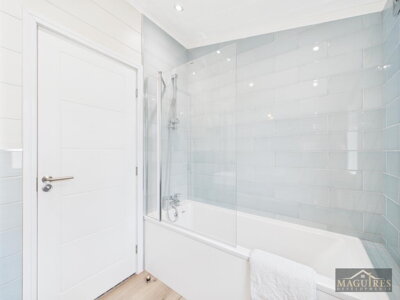
Browse 1 home new builds in Llanbadarn Fawr from local developer agents.
The Welsh property market has demonstrated steady growth, with the average house price reaching £215,000 in December 2025 following a 5.0% annual increase. This follows consistent upward movement, with prices rising 2.0% in the twelve months to July 2025 and 3.1% according to Nationwide data for September 2025. The market saw approximately 33,100 property sales in the twelve months to December 2025, with newly built properties accounting for around 556 transactions, representing 1.7% of total sales. While transactions fell by 16.1% compared to the previous year, the underlying demand remains solid across the nation, with properties in popular areas like Cardiff and the Gower Peninsula attracting competitive interest.
Property types across Wales cater to diverse budgets and preferences. Detached properties command an average of around £583,806, while semi-detached homes average approximately £209,000 to £335,292 depending on the data source and location. Terraced properties typically sell for around £199,312, making them an attractive option for first-time buyers, while flats and maisonettes offer the most accessible entry point at approximately £127,000. Major urban centres like Cardiff, Swansea, and Newport drive significant market activity, but smaller towns and rural communities are increasingly attracting buyers seeking more affordable housing options and enhanced quality of life.
Regional price variations within Wales reflect the diverse nature of the market. Properties in Cardiff and surrounding Vale of Glamorgan areas command premium prices, with four and five-bedroom homes in areas like Lisvane and Llandaff frequently exceeding £500,000. In contrast, terraced properties in former mining valley communities such as Rhondda, Cynon, and Torfaen offer much more accessible price points, often ranging from £100,000 to £180,000. Coastal and rural areas present their own market dynamics, with the Gower Peninsula, Pembrokeshire coast, and Snowdonia fringe attracting buyers willing to pay premiums for location and views.

Wales offers a distinctive living experience shaped by its rich Celtic heritage, dramatic landscapes, and warm community spirit. The nation is home to approximately three million people distributed across diverse communities, from the urban vibrancy of Cardiff to the tranquil villages scattered throughout the Brecon Beacons and Snowdonia national parks. The Welsh language remains central to cultural identity in many areas, particularly in the northwest around Anglesey and the western coast, where communities maintain strong traditions and hold their own distinct character. Historic towns like Conwy, Caernarfon, and St Davids showcase centuries of architecture built from locally quarried stone and slate, creating characterful streetscapes that blend seamlessly with modern amenities.
The natural environment defines daily life in Wales, with three national parks covering roughly a fifth of the country and an extensive coastline offering everything from sandy beaches to dramatic cliffs. Outdoor enthusiasts benefit from renowned walking routes including the Pembrokeshire Coast Path and the peaks of Snowdonia, while coastal towns like Tenby and Abersoch draw visitors seeking seaside leisure. Cultural attractions include UNESCO World Heritage Sites, medieval castles, and a thriving music and arts scene concentrated in cities but celebrated throughout the nation. The cost of living in Wales remains competitive compared to much of southern England, with lower property prices enabling buyers to access larger homes and more space for their money.
Employment opportunities across Wales span multiple sectors, with the public sector forming a significant portion of the economy including NHS Wales, local authorities, and education. Cardiff has established itself as a financial and professional services hub, while Swansea supports growing technology and creative industries. Manufacturing continues in areas like Deeside and Port Talbot, though the economy has diversified significantly in recent decades. For those working remotely or hybrid, Wales offers excellent value accommodation with reliable connectivity in many areas, making it possible to live in beautiful surroundings while maintaining career connections to London and other major cities.

Wales provides comprehensive educational opportunities across all levels, with strong provision for families considering relocation. Primary education is delivered through Foundation Phase settings for ages three to seven, followed by Key Stage 2 for older primary pupils, with numerous schools achieving excellent ratings from Estyn, the Welsh education inspectorate. Notable primary schools serving local communities include Ysgol Gymraeg Glantaf and Ysgol Gyfun Gymraeg Llantwit Major for Welsh-medium education, while English-language primaries like Monnow Primary School and Roald Dahl Primary serve diverse catchment areas. Parents should research specific catchment zones, as school placements are determined by geographic proximity in most areas.
Secondary education in Wales includes both English and Welsh-medium options, with notable institutions such as Cardiff High School, Whitchurch High School, and Llantwit Major Comprehensive providing strong academic programmes alongside extracurricular activities. Grammar schools in certain areas, including St Illtyd's Catholic High School and Cardiff's Welsh-medium schools, continue to attract families seeking specialist education provision. Post-16 education is well-served by sixth forms attached to secondary schools and further education colleges, while higher education opportunities include Cardiff University, Swansea University, Bangor University, and the University of South Wales, offering degree programmes across diverse disciplines and attracting students from across the UK and internationally.
Welsh-medium education represents a significant and growing sector within the Welsh education system, with increasing numbers of parents choosing this path for their children. Schools like Ysgol Gyfun Glantaf in Cardiff and Ysgol Gyfun Llantwit Major in the Vale of Glamorgan have established strong reputations for academic achievement while promoting Welsh language and culture. For families relocating to Wales, understanding the education landscape includes considering whether English-medium, Welsh-medium, or bilingual education best suits their children's needs and future plans. Further education colleges across Wales, including Coleg Gwent, Coleg Cambria, and Grwp Llandrillo Menai, provide vocational routes and apprenticeship opportunities alongside traditional A-level programmes.
Wales benefits from comprehensive transport connections that make commuting and regional travel highly practical. The Great Western Railway provides direct services from Cardiff Central to London Paddington in approximately two hours, with regular connections to Bristol Temple Meads taking around 90 minutes and Birmingham New Street reachable in roughly three hours. Additional services link Newport, Swansea, and other Welsh towns to major English destinations, while Transport for Wales operates regional and local services including the Valleys lines serving communities around Cardiff. Major rail upgrades and new station developments continue to improve connectivity across the network.
Road infrastructure centres on the M4 motorway running along the southern coast, connecting Newport, Cardiff, Swansea, and other key towns while linking directly to Bristol and London via the Severn Bridge crossings. The A55 provides the primary route through North Wales from Chester to Holyhead, offering efficient access to Liverpool and Manchester for residents of communities along the north coast. Bus services operated by Stagecoach, First Cymru, and local operators provide essential connectivity throughout Wales, with Cardiff, Swansea, and Newport operating urban networks. Cardiff Airport serves international destinations, while Bristol Airport provides additional options for South Wales residents. Active travel initiatives continue to expand cycling and walking infrastructure in urban areas, supporting sustainable transportation choices.
For commuters working in England, the practicalities of cross-border travel significantly influence property search areas. Towns like Abergavenny and Chepstow on the England-Wales border offer particularly attractive options for those needing regular access to Bristol or London, with direct rail services and motorway connections. Similarly, Wrexham and Deeside residents benefit from proximity to Chester and Liverpool, while Holyhead provides ferry connections to Ireland alongside rail services to Manchester and Birmingham. Understanding your specific commuting requirements will help identify which areas of Wales offer the best balance of property value, lifestyle, and practical access to your workplace.
Before beginning your property search, obtain a mortgage agreement in principle from a lender. This confirms your borrowing capacity and demonstrates to estate agents and sellers that you are a serious buyer with financing in place. Given that the average Welsh property costs around £215,000, most buyers will require mortgage financing, and having your agreement ready accelerates the purchasing process considerably.
Spend time exploring different regions of Wales to understand local amenities, transport links, school catchments, and property prices. Visit at various times of day and speak to residents to gauge community atmosphere and suitability for your lifestyle. Consider factors like proximity to work, family commitments, and preferred property types when narrowing your search to specific towns or neighbourhoods.
Once you have identified suitable properties, schedule viewings through our platform or directly with estate agents. Prepare questions about the property age, recent renovations, service charges, and any planned developments in the area. For listed buildings or conservation area properties, ask specifically about permitted development rights and any planning restrictions that may affect your plans.
Always obtain a professional survey before purchasing, particularly for older properties. A RICS Level 2 Homebuyer Report provides a thorough assessment of condition and identifies any defects that may affect value or require attention. Given Wales' diverse property stock including Victorian terraces, period farmhouses, and modern new builds, the right survey helps you understand exactly what you are purchasing.
Appoint a conveyancing solicitor to handle the legal aspects of your purchase. They will conduct searches, negotiate terms, handle contracts, and register the transfer of ownership with HM Land Registry. Your solicitor will also handle the Land Transaction Tax calculation, which applies in Wales rather than Stamp Duty.
Once all legal work is finalized and searches are satisfactory, you will exchange contracts and pay your deposit. Completion typically follows within two to four weeks, when you will receive the keys and take ownership of your new Welsh home.
Properties in Wales often include those within conservation areas or Listed Buildings, which carry specific planning restrictions affecting external alterations and improvements. Before purchasing, verify whether the property is designated, as this will require planning consent for modifications such as replacing windows, adding extensions, or changing external materials. Many historic Welsh properties feature traditional construction including solid stone walls, which require different maintenance approaches compared to modern cavity wall construction. Specialist surveys may be recommended for period properties to assess the condition of historic features and identify any required restoration work.
Wales features diverse geology that can affect property foundations and maintenance requirements. Clay soils prevalent in parts of South Wales, including areas around Cardiff, Newport, and the former Glamorgan mining valleys, can experience shrink-swell movement during extended wet or dry periods, potentially impacting foundations and causing structural movement. Limestone areas in South Wales may present karst features and dissolution characteristics that require professional assessment. Properties in areas like the Gower Peninsula and parts of Pembrokeshire may encounter localised ground conditions that benefit from specialist inspection. Our surveyors are experienced in identifying these regional construction and ground condition issues specific to Welsh properties.
Flood risk varies considerably across Wales, ranging from tidal flooding in low-lying coastal communities to river flooding in valleys and surface water accumulation in urban areas. Major rivers including the River Severn, River Wye, River Taff, River Usk, and River Conwy all present fluvial flood risks to properties in their floodplains. Coastal areas face combined tidal and storm surge risks, particularly during severe weather events. Buyers should review Environment Agency and Natural Resources Wales flood maps and ensure adequate insurance is available before committing to a purchase. Properties in flood risk areas may require additional surveys assessing drainage and flood resilience measures.
Regional construction types across Wales reflect local materials and building traditions. In North Wales and rural areas, you will commonly encounter granite and slate construction, with traditional cottages featuring thick solid walls and original feature fireplaces. South Wales valleys saw extensive Victorian and Edwardian terrace development using local sandstone and brick, while coastal towns feature distinctive architecture reflecting maritime influences. Newer developments across Wales typically use modern brick, block, and render construction. Understanding the typical construction for your target area helps you know what to expect and what specialist surveys may be advisable for your particular property.
The average house price in Wales was £215,000 as of December 2025, according to official Land Registry data. This represents a 5.0% increase over the previous year. Property prices vary significantly across Wales, with Cardiff and surrounding areas commanding higher values, while properties in rural and coastal communities often offer more affordable entry points. Flats and maisonettes average around £127,000, terraced properties approximately £199,000, and detached homes significantly higher. First-time buyers in Wales benefit from these relatively accessible price points compared to London and the South East of England.
Council tax in Wales is administered by individual local authorities and bands range from A to I, based on property valuation. Most Welsh local authorities collect council tax to fund services including education, social care, and waste collection. Bands are determined by the Valuation Office Agency and can be verified through the Welsh Government website or your local authority. Prospective buyers should confirm the specific band and associated annual charges for any property under consideration, as bands can vary significantly between similar properties in different areas.
Wales offers strong educational provision across all levels, with numerous primary and secondary schools achieving excellent Estyn ratings. Notable secondary schools include Whitchurch High School and Cardiff High School in the capital, while Welsh-medium education is well-served by institutions like Ysgol Gyfun Glantaf and Ysgol Gyfun Llantwit Major. Higher education opportunities include Cardiff University, Swansea University, and Bangor University. School quality varies by location, and parents should research specific catchment areas and admission policies for their preferred communities, as these can be highly localised.
Wales benefits from comprehensive rail connections including direct services from Cardiff to London Paddington in approximately two hours via the Great Western Railway. The Valleys lines provide frequent services within and around Cardiff, while Transport for Wales operates regional routes connecting coastal and rural communities. Major road infrastructure includes the M4 running through South Wales and the A55 providing North Wales connectivity. Local bus services operate in urban areas, while Cardiff Airport and Bristol Airport serve international travel needs. Transport links to rural communities may be less frequent, so buyers should verify specific route availability for their intended area.
Wales offers compelling investment opportunities due to its relative affordability compared to much of England. The average property price of £215,000 provides an accessible entry point, while the 5.0% annual price growth indicates healthy appreciation. Rental demand is particularly strong in university cities like Cardiff and Swansea, where student populations drive consistent tenant demand. First-time buyers benefit from lower purchase prices and available SDLT relief, while the Welsh Government's support schemes may provide additional assistance for eligible buyers seeking to get onto the property ladder. New build developments like Glan Llyn in Newport and Plasdwr in Cardiff continue to attract investor interest.
Stamp duty in Wales operates under the Land Transaction Tax (LTT) system rather than SDLT. Residential LTT rates for 2024-25 include zero percent on the first £225,000, 6% on the portion from £225,001 to £400,000, 7.5% from £400,001 to £750,000, 10% from £750,001 to £1.5 million, and 12% above £1.5 million. First-time buyers in Wales receive relief on properties up to £300,000, paying no LTT on the first £225,000 and reduced rates thereafter. Buyers purchasing additional properties face a 4% surcharge on all bands. For a typical £250,000 property, a first-time buyer would pay no LTT while a standard buyer would pay approximately £1,500.
Wales has numerous new build developments across all regions, with major sites including Plasdwr in North Cardiff (a garden city development of over 5,000 homes), Glan Llyn in Newport by St Modwen Homes (from £266,995), and Longwood Grange in Lisvane, Cardiff by Bellway Homes (from £349,995 to £629,995). In South Wales, Taylor Wimpey has developments at Cwrt Sirhowy in Blackwood (from £302,000), Melin Newydd in Miskin (from £335,000), and Parc Llandaf in Llandaff (from £384,000). North Wales developments include Bellway's Mountain View in Wrexham (from £298,995) and Holt Vale also in Wrexham. These new build properties offer modern construction, energy efficiency, and manufacturer warranties, though prices typically exceed equivalent older properties in the same areas.
Understanding the full cost of purchasing property in Wales requires awareness of the Land Transaction Tax system and other associated expenses. LTT applies to residential property purchases above £225,000, with rates calculated on a progressive scale. For a typical £250,000 property, a first-time buyer would pay no LTT, while a standard buyer would pay approximately £1,500. On a £500,000 property, LTT costs rise to around £17,500 for standard buyers and approximately £13,500 for first-time buyers benefiting from relief. These costs should be factored into your overall budget alongside deposit, legal fees, and moving expenses.
Additional purchasing costs typically include mortgage arrangement fees ranging from zero to £2,000 depending on the product chosen, valuation fees of approximately £300 to £500 for standard properties, and survey costs. A RICS Level 2 Homebuyer Report typically costs from £350, while more comprehensive Level 3 surveys start from around £600. Legal fees for conveyancing, including searches, are generally between £800 and £2,000, though First-tier Tribunal property chambers may charge additional fees for leasehold matters. Buildings insurance should be arranged from completion, and removals costs vary based on distance and volume. Budgeting for total purchasing costs of approximately 3% to 5% of the property value beyond your mortgage and deposit ensures you are prepared for all financial commitments.
When calculating your total budget, factor in additional costs that first-time buyers sometimes overlook. These include mortgage booking fees, valuation reports required by your lender, electronic identification checks, and land registry fees for title registration. Properties with leasehold tenure may incur ground rent and service charge costs that should be verified before purchase. If the property is in a conservation area or a listed building, factor in potentially higher maintenance costs for specialist repairs and the need for planning consent for certain works. Our recommended conveyancing solicitors can provide a detailed breakdown of all costs applicable to your specific purchase.
From 4.5%
Get competitive mortgage rates from trusted lenders
From £499
Expert legal services for your property purchase
From £350
Thorough condition report for your new home
From £600
Comprehensive structural survey for older properties
From £60
Energy performance certificate for your property
Properties New Builds In London

Properties New Builds In Plymouth

Properties New Builds In Liverpool

Properties New Builds In Glasgow

Properties New Builds In Sheffield

Properties New Builds In Edinburgh

Properties New Builds In Coventry

Properties New Builds In Bradford

Properties New Builds In Manchester

Properties New Builds In Birmingham

Properties New Builds In Bristol

Properties New Builds In Oxford

Properties New Builds In Leicester

Properties New Builds In Newcastle

Properties New Builds In Leeds

Properties New Builds In Southampton

Properties New Builds In Cardiff

Properties New Builds In Nottingham

Properties New Builds In Norwich

Properties New Builds In Brighton

Properties New Builds In Derby

Properties New Builds In Portsmouth

Properties New Builds In Northampton

Properties New Builds In Milton Keynes

Properties New Builds In Bournemouth

Properties New Builds In Bolton

Properties New Builds In Swansea

Properties New Builds In Swindon

Properties New Builds In Peterborough

Properties New Builds In Wolverhampton

Enter your details to see if this property is within your budget.
Loans, cards, car finance
Estimated property budget
Borrowing + deposit
You could borrow between
Typical borrowing
Monthly repayment
Est. at 4.5%
Loan-to-value
This is an estimate only. Your actual budget may vary depending on interest rates, credit history, and personal circumstances. For an accurate affordability assessment, speak to one of our free mortgage advisors.
This calculator provides estimates for illustrative purposes only and does not constitute financial advice. Your home may be repossessed if you do not keep up repayments on your mortgage. Estimates based on 4.5% interest rate, repayment mortgage. Actual rates depend on your circumstances.
Homemove is a trading name of HM Haus Group Ltd (Company No. 13873779, registered in England & Wales). Homemove Mortgages Ltd (Company No. 15947693) is an Appointed Representative of TMG Direct Limited, trading as TMG Mortgage Network, which is authorised and regulated by the Financial Conduct Authority (FRN 786245). Homemove Mortgages Ltd is entered on the FCA Register as an Appointed Representative (FRN 1022429). You can check registrations at NewRegister or by calling 0800 111 6768.

We use cookies to show you personalised content and improve your experience of our website. Find out more in our Privacy policy and Cookie policy.