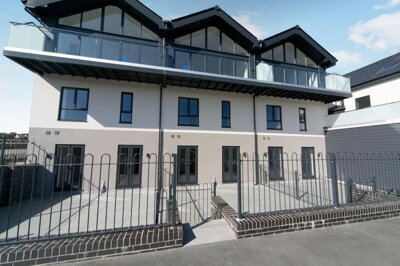
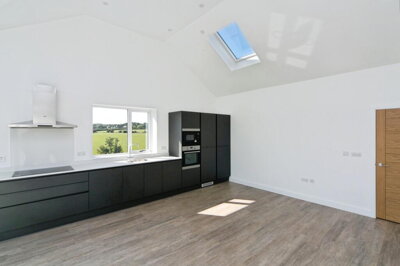
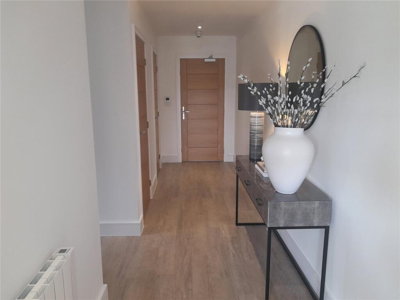
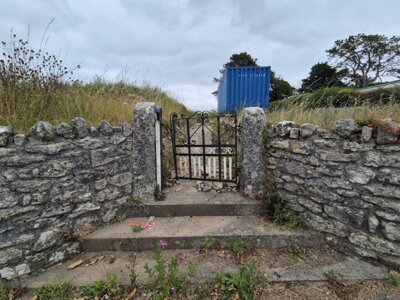
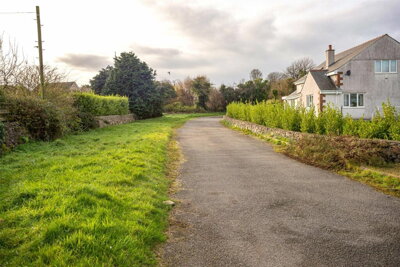
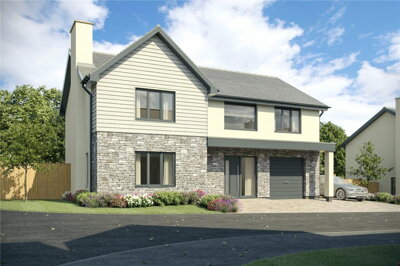
Browse 6 homes new builds in LL73 from local developer agents.
The LL73 property market offers detached, semi-detached, and terraced houses spanning various price ranges and neighbourhoods. Each listing includes detailed property information, photographs, and direct contact with the marketing agent.
£480k
1
0
271
Source: home.co.uk
Showing 1 results for Houses new builds in LL73. The median asking price is £480,000.
Source: home.co.uk
Detached
1 listings
Avg £480,000
Source: home.co.uk
Source: home.co.uk
The Barmouth property market has experienced notable price adjustments over recent years, creating opportunities for both first-time buyers and those looking to relocate to this beautiful coastal area. Rightmove data indicates that property prices in LL42 are currently 2% down on the previous year and 29% below the 2023 peak of £304,908. This correction has brought properties within more achievable reach, with terraced homes averaging around £173,182 and flats available from approximately £147,500. The market recorded 28 residential property sales over the past twelve months, representing a 10.71% decrease in transaction volume compared to the previous year.
Property types in Barmouth vary considerably, reflecting the town's rich architectural heritage and modern developments. Detached properties command the highest prices, averaging £336,700, while semi-detached homes sell for around £250,000. The majority of properties sold in LL42 during the last year were terraced properties, which is typical for a traditional Welsh seaside town with its historic centre and hillside terraces. New build activity in the area remains limited, though recent developments include bespoke properties such as the exclusive four-home peninsula development "Swn Y Dail," completed in 2022, and luxury holiday lodges in Barmouth Bay.
The housing stock in Barmouth spans several architectural periods, from traditional stone cottages in the older lanes to substantial Victorian villas built during the height of the resort's popularity. Many properties along the seafront and harbour area date from the late 19th century, featuring the characteristic rendered elevations and slated roofs typical of Welsh coastal architecture. Understanding the construction era and materials of any property you are considering is important, as older properties may require more maintenance investment. A RICS Level 2 Survey can help identify any issues specific to the property's construction before you commit to purchase.

Barmouth sits at the mouth of the Mawddach Estuary, where the river meets Cardigan Bay, creating a dramatic landscape of mountains, sea, and golden sands that has captivated visitors for generations. The town forms part of the Meirionnydd area of Gwynedd, a region renowned for its Welsh language heritage and strong sense of community. The local economy relies heavily on tourism, with the town benefiting from its popularity as a seaside resort while maintaining the character of a working fishing harbour and traditional Welsh community. Properties in the area frequently marketed with "sea views" and as potential "holiday lets" reflect the dual nature of Barmouth as both a permanent home and a sought-after holiday destination.
The town offers an excellent range of local amenities including independent shops, traditional pubs, restaurants serving fresh local seafood, and essential services such as GP surgeries and pharmacies. The historic harbour area provides a focal point for community life, while the surrounding countryside offers endless opportunities for walking, cycling, and outdoor pursuits. The nearby Mawddach Trail, a scenic cycling and walking path following the former railway line, connects Barmouth to Dolgellau and provides spectacular views of the estuary and Cadair Idris. Cregennan Lakes, situated in the hills above the town, offers further outdoor recreation opportunities and is particularly popular with sailors and windsurfers.
Community life in Barmouth centres on a network of local events, clubs, and societies that reflect the town's strong Welsh identity. The wet Seu, an annual festival celebrating the town's fishing heritage, brings the community together along the harbour front. The local language, Welsh, is widely spoken throughout the area, with many community activities conducted bilingually. For newcomers, embracing the local language is welcomed and appreciated, though English remains universally understood in shops, services, and daily interactions.

Families considering a move to Barmouth will find a selection of educational establishments serving the local community and surrounding villages. The town is served by several primary schools, with Ysgol Gynradd Barmouth (Barmouth Primary School) providing education for children from Reception through to Year 6. The school serves the immediate Barmouth area and draws pupils from the surrounding rural communities along the Mawddach Estuary. Primary education in the area follows the Welsh curriculum, with many schools teaching through the medium of Welsh, providing children with valuable bilingual skills that are highly valued in this part of North Wales.
Secondary education is available at Ysgol Ardudwy in Harlech, which serves the southern Meirionnydd area including Barmouth, or at Ysgol Dyffryn Du in Pwllheli for families in the northern parts of the catchment. For families seeking independent education, there are several well-regarded independent schools in North Wales and the wider region, including St. Gerard's School in Bangor and Moreton Hall near Oswestry. The presence of further education colleges in nearby towns such as Dolgellau and Bangor provides options for older students pursuing vocational or academic qualifications beyond GCSE level.
Parents should note that school catchment areas can significantly impact property values in certain streets, making it advisable to verify current arrangements with Gwynedd Council before committing to a purchase. School transport arrangements for secondary pupils travelling to Ysgol Ardudwy in Harlech should also be confirmed, particularly for families living in more rural parts of the LL42 area. The Welsh-medium education system means children develop strong bilingual abilities, which is increasingly valued by employers across Wales and the UK.

Barmouth railway station provides direct access to the Cambrian Coast Line, connecting the town to major destinations along the North Wales coast. The station offers regular services to Machynlleth, where connections can be made to the Heart of Wales Line, and onwards to Birmingham and beyond via Shrewsbury. Journey times include approximately 2 hours to Birmingham New Street and around 3 hours to Manchester Piccadilly, making Barmouth accessible for those who need to commute occasionally while enjoying a coastal lifestyle. The station is staffed and offers step-free access to both platforms, with the historic railway bridge providing a iconic connection between the town centre and the seafront.
Road access to Barmouth is via the A496 coastal road, which connects to the A470 trunk road providing routes to Dolgellau, Blaenau Ffestiniog, and onwards to North East Wales. The journey to Bangor takes approximately 45 minutes, while Chester can be reached in around 2 hours. For air travel, Liverpool John Lennon Airport is approximately 2.5 hours away by car, while Manchester Airport is accessible in approximately 3 hours. Local bus services operated by Arriva Buses Wales connect Barmouth with surrounding towns and villages, providing an alternative to car travel for daily needs and occasional commuting. Parking in the town centre can be challenging during peak summer season, making proximity to public transport a valuable consideration for some buyers.
The Cambrian Coast Line itself is a significant asset for the area, not only providing practical transport connections but also showcasing some of the most spectacular coastal scenery in Britain. The line follows the coast from Birmingham via Shrewsbury, Machynlleth, and Pwllheli, passing through landscapes of mountains, sea, and estuary that attract railway enthusiasts from around the world. For those working remotely or in digital industries, the improving mobile and broadband infrastructure in Barmouth makes it increasingly viable to work from home while enjoying the coastal lifestyle.

Start by exploring current property listings in Barmouth and the surrounding LL42 area. Understanding price trends, which have seen properties fall around 2% year-on-year, helps set realistic expectations. Consider registering with local estate agents who know the area intimately and can alert you to new listings before they reach major portals. Pay particular attention to the distinction between properties marketed for permanent residence versus holiday lets, as this can affect financing options and rental income potential.
Before arranging viewings, obtain a mortgage agreement in principle from a lender. This strengthens your position when making offers and demonstrates to sellers that you are a serious buyer. With terraced properties averaging £173,182 and detached homes around £336,700, knowing your budget helps focus your search effectively. If you are considering a holiday let investment, inform your lender early as different mortgage products apply for commercial properties.
Visit properties that match your criteria, paying attention to the specific characteristics of Barmouth properties including their traditional construction, potential for sea views, and proximity to the estuary. Many local properties are Victorian or early 20th century builds, so consider the maintenance implications of older construction. View properties at different times of day and in various weather conditions to assess aspects such as sunlight, wind exposure, and how the property sits within the local microclimate.
Given the age of much of Barmouth's housing stock, a comprehensive survey is essential. The RICS Level 2 Survey (Homebuyer Report) identifies defects common in traditional properties such as damp, roof condition issues, and outdated electrics. Properties in coastal locations may also have specific issues related to salt exposure and damp penetration. Our inspectors at Homemove have extensive experience surveying properties throughout Barmouth and understand the particular challenges of the local construction methods and coastal environment.
Once your offer is accepted, instruct a conveyancing solicitor to handle the legal aspects of your purchase. They will conduct local authority searches, check for any planning restrictions, and manage the transfer of ownership. For Listed properties such as "Yr Hen Feudy" in Glandwr, additional specialist knowledge may be required. Your solicitor will also investigate any flooding history, conservation area restrictions, and other factors specific to Barmouth properties.
Your solicitor will coordinate the exchange of contracts and finalise completion. On completion day, you will receive the keys to your new Barmouth home. Allow time to transfer utilities and update your address with relevant parties. Consider arranging buildings insurance well in advance, as coastal properties may require specialist insurers and quotes can take longer to arrange than for properties in non-coastal areas.
Properties in Barmouth require specific considerations due to the town's coastal location and predominantly older housing stock. The majority of homes in LL42 are Victorian or Edwardian builds, featuring traditional construction methods including rendered elevations beneath slated roofs and stone walls. These materials, while characterful and durable when maintained, require regular upkeep. Prospective buyers should carefully inspect render condition, check for signs of damp (particularly in properties close to the sea), and assess the condition of slate roofing which can be expensive to repair or replace.
Flood risk is an important consideration in Barmouth given its position at the mouth of the Mawddach Estuary. While specific Environment Agency or Natural Resources Wales flood risk data should be obtained through your solicitor's searches, buyers should physically assess ground floor levels, check for any signs of previous flooding, and consider the potential for tidal surge events. Properties elevated above street level or with upper-floor living accommodation may offer greater protection from flood events. Building insurance costs in coastal areas can be higher than average, so obtaining insurance quotes before completion is advisable.
The area includes Listed buildings, such as the Grade II Listed "Yr Hen Feudy" in nearby Glandwr, which carry additional responsibilities and restrictions on alterations. If considering a Listed property, ensure you understand the implications for future modifications, maintenance standards, and potential eligibility for grant aid. Conservation area designations may also apply in parts of Barmouth, limiting permitted development rights and requiring planning permission for certain changes. Always verify the Listed status and any conservation area designations through Gwynedd Council planning records before purchasing.
Electrical and plumbing systems in older Barmouth properties may not meet modern standards and could require updating. Look for signs of recent renovation work that may have addressed these issues, and check whether fuse boards have been upgraded and whether there is evidence of modern heating systems. Properties with original features such as fireplaces, cornicing, and timber floors may require specialist maintenance, but these characteristics often add significant value to period properties in the area.

According to recent market data, the average sold price for properties in LL42 over the last 12 months is approximately £244,773 according to Zoopla, or £216,407 according to Rightmove. Property prices vary significantly by type, with detached properties averaging £336,700, semi-detached homes around £250,000, terraced properties at approximately £173,182 to £196,000, and flats starting from around £147,500 to £163,045. The market has seen a 2% decrease in prices compared to the previous year and prices are currently 29% below the 2023 peak of £304,908. This price correction has created buying opportunities in the area for those looking to enter the Barmouth property market at a more accessible price point than was available during the peak period.
Properties in Barmouth and the wider LL42 area fall under Gwynedd Council's jurisdiction. Council tax bands in Gwynedd follow the standard England and Wales banding system from Band A through to Band H. Most terraced properties and smaller flats typically fall into Bands A to C, while larger detached properties and period homes may be in higher bands. Exact bands depend on the property's valuation and should be confirmed through the Valuation Office Agency or on the government council tax website before purchasing. Council tax charges in Gwynedd for 2024-25 range from around £1,400 per year for Band A properties to approximately £2,800 for Band H properties, with various discounts available for single occupancy and other circumstances.
Barmouth is served by Ysgol Gynradd Barmouth (Barmouth Primary School) for Reception through Year 6 education. Secondary aged pupils typically attend Ysgol Ardudwy in Harlech, which serves the southern Meirionnydd area. Both schools follow the Welsh curriculum and teach through the medium of Welsh, providing valuable bilingual education. The area benefits from strong community engagement in education, and parents should verify current catchment arrangements with Gwynedd Council as these can affect school placements. For families with younger children, there are also several nursery and playgroup options within the town, including Cylch Meithrin Barmouth which provides Welsh-medium early years education. Ysgol Ardudwy itself has a strong reputation for academic achievement and extracurricular activities, with pupils regularly progressing to further education in Bangor and beyond.
Barmouth railway station provides direct services along the Cambrian Coast Line, with connections to major destinations including Machynlleth, Shrewsbury, and Birmingham. Journey times include approximately 2 hours to Birmingham New Street and 3 hours to Manchester Piccadilly. The town is also served by local bus routes operated by Arriva Buses Wales, connecting Barmouth with surrounding villages and towns along the Mawddach Estuary and into Snowdonia. For air travel, Liverpool John Lennon Airport is approximately 2.5 hours away by car. The Cambrian Coast Line is considered one of the most scenic railway routes in Britain, passing through the Cambrian Mountains and along the coast between Pwllheli and Birmingham. Weekend and evening services may be less frequent than during peak weekday periods, so those relying entirely on public transport should check current timetables carefully.
Barmouth offers several attractive features for property investment. The strong holiday let market, driven by the town's popularity as a seaside destination and gateway to Eryri (Snowdonia) National Park, supports both short-term rental opportunities and long-term capital growth. Property prices have corrected from their 2023 peak, potentially creating buying opportunities. However, investors should consider factors including seasonal demand fluctuations, potential flood risk in certain areas, higher building insurance costs in coastal locations, and maintenance requirements for older properties. The recently completed "Swn Y Dail" development on the Barmouth peninsula demonstrates ongoing demand for quality properties in the area, with its four bespoke homes commanding premium prices. A RICS Level 2 Survey is particularly valuable for older properties to identify any potential issues before purchase.
Stamp Duty Land Tax (SDLT) rates for residential properties purchased in 2024-25 are: 0% on the first £250,000, 5% on £250,001 to £925,000, 10% on £925,001 to £1.5 million, and 12% on any amount above £1.5 million. First-time buyers benefit from increased thresholds: 0% on the first £425,000 and 5% on £425,001 to £625,000, with no relief available above £625,000. For a typical terraced property in Barmouth averaging around £180,000, most buyers would pay no SDLT as a first-time buyer, or 0% under standard thresholds. It is worth noting that SDLT rates in Wales are set by the Welsh Government and may differ from those in England, so buyers should ensure they are using the correct rates for Welsh property purchases.
Barmouth and the surrounding LL42 area include several Listed buildings that reflect the town's architectural heritage. Notable examples include "Yr Hen Feudy" in Glandwr, a Grade II Listed detached property, and "Glyn Cywarch" which is a Grade II* Listed Jacobean manor located in a secluded valley near Barmouth. The town's Victorian and Edwardian buildings contribute to its character, though not all are formally Listed. Properties within Gwynedd conservation areas may also be subject to additional planning controls affecting external alterations and extensions. If you are considering purchasing a Listed property, you should be aware that Listed Building Consent is required for most alterations, and maintenance standards must preserve the building's character. Grant funding may be available for eligible works through Historic Wales and other heritage bodies.
Properties in Barmouth face several specific risks associated with their coastal location. Salt exposure can accelerate corrosion of metal fixtures, deterioration of rendered finishes, and wear to roofing materials, meaning that maintenance schedules for coastal properties often need to be more frequent than for inland homes of similar age. Damp penetration, driven by sea spray and high humidity, can affect walls, timber, and internal finishes if properties are not adequately ventilated and maintained. Properties near the waterfront may be exposed to tidal events and should be assessed for flood risk, with particular attention to ground floor levels and the history of any flooding incidents. Obtaining specialist insurance quotes before completing a purchase is advisable, as some mainstream insurers may decline coastal properties or apply significant premiums. A thorough RICS Level 2 Survey from Homemove will identify any existing issues related to coastal exposure and provide guidance on necessary repairs and maintenance.
Understanding the full costs of purchasing property in Barmouth is essential for budgeting effectively. Beyond the property price, buyers should account for Stamp Duty Land Tax (SDLT), which applies to all residential property purchases in Wales. For properties purchased under the standard thresholds, SDLT is charged at 0% on the first £250,000 of the purchase price, rising to 5% on amounts between £250,001 and £925,000. This means a typical terraced property in Barmouth priced at £180,000 would attract no SDLT under standard rules. Higher value properties, such as the detached homes averaging £336,700, would incur SDLT of approximately £4,335.
First-time buyers benefit from enhanced thresholds in Wales, paying 0% SDLT on the first £425,000 and 5% on amounts from £425,001 to £625,000. This provides significant savings for first-time buyers purchasing properties within these price bands. However, first-time buyer relief does not apply to purchases above £625,000. Other costs to budget include solicitor fees typically ranging from £499 to £1,500 depending on complexity, survey costs (RICS Level 2 Surveys from £350 depending on property size), and Land Registry registration fees. Buyers should also consider ongoing costs including council tax (payable to Gwynedd Council), building and contents insurance (typically higher in coastal areas), and any service charges applicable to leasehold properties or apartments.
When arranging finance, obtaining a mortgage agreement in principle before starting your property search is strongly recommended. Mortgage rates in 2024 start from approximately 4.5% APR for those with substantial deposits, though rates vary significantly based on individual circumstances and loan-to-value ratios. For older properties in Barmouth, particularly those of traditional Victorian construction, factor in potential maintenance costs for items identified during survey such as roof repairs, rewiring, or damp treatment. Setting aside a contingency fund of 10-15% of the purchase price for unexpected works is prudent when buying any older property, and this is particularly advisable in coastal locations where wear and tear from salt exposure may be more pronounced.

Properties New Builds In London

Properties New Builds In Plymouth

Properties New Builds In Liverpool

Properties New Builds In Glasgow

Properties New Builds In Sheffield

Properties New Builds In Edinburgh

Properties New Builds In Coventry

Properties New Builds In Bradford

Properties New Builds In Manchester

Properties New Builds In Birmingham

Properties New Builds In Bristol

Properties New Builds In Oxford

Properties New Builds In Leicester

Properties New Builds In Newcastle

Properties New Builds In Leeds

Properties New Builds In Southampton

Properties New Builds In Cardiff

Properties New Builds In Nottingham

Properties New Builds In Norwich

Properties New Builds In Brighton

Properties New Builds In Derby

Properties New Builds In Portsmouth

Properties New Builds In Northampton

Properties New Builds In Milton Keynes

Properties New Builds In Bournemouth

Properties New Builds In Bolton

Properties New Builds In Swansea

Properties New Builds In Swindon

Properties New Builds In Peterborough

Properties New Builds In Wolverhampton

Enter your details to see if this property is within your budget.
Loans, cards, car finance
Estimated property budget
Borrowing + deposit
You could borrow between
Typical borrowing
Monthly repayment
Est. at 4.5%
Loan-to-value
This is an estimate only. Your actual budget may vary depending on interest rates, credit history, and personal circumstances. For an accurate affordability assessment, speak to one of our free mortgage advisors.
This calculator provides estimates for illustrative purposes only and does not constitute financial advice. Your home may be repossessed if you do not keep up repayments on your mortgage. Estimates based on 4.5% interest rate, repayment mortgage. Actual rates depend on your circumstances.
Homemove is a trading name of HM Haus Group Ltd (Company No. 13873779, registered in England & Wales). Homemove Mortgages Ltd (Company No. 15947693) is an Appointed Representative of TMG Direct Limited, trading as TMG Mortgage Network, which is authorised and regulated by the Financial Conduct Authority (FRN 786245). Homemove Mortgages Ltd is entered on the FCA Register as an Appointed Representative (FRN 1022429). You can check registrations at NewRegister or by calling 0800 111 6768.

We use cookies to show you personalised content and improve your experience of our website. Find out more in our Privacy policy and Cookie policy.