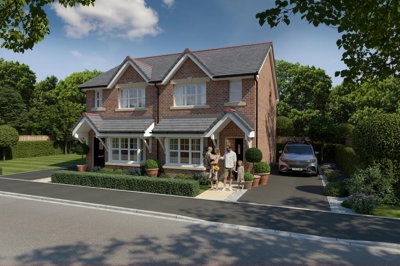
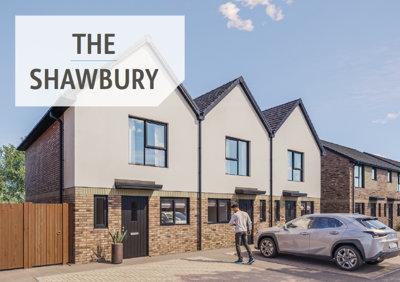
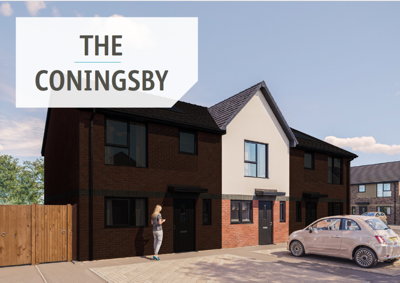
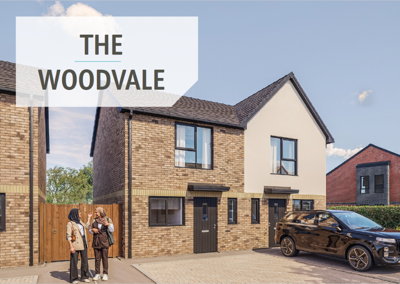
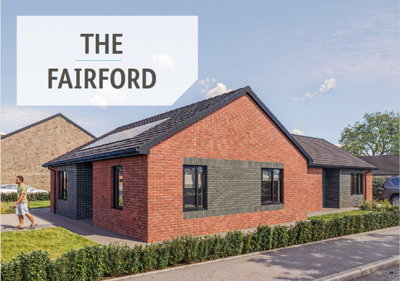
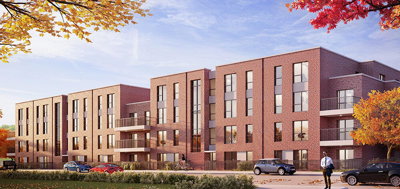
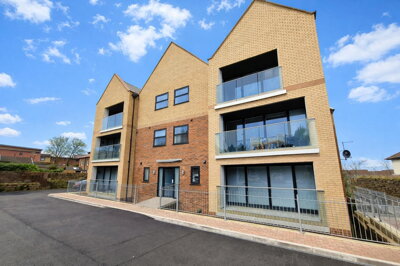
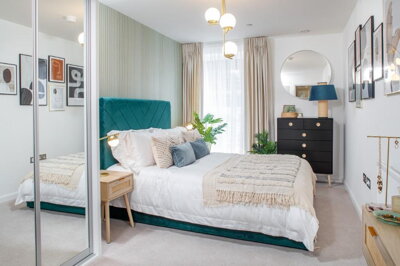
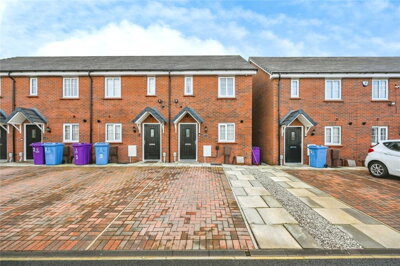
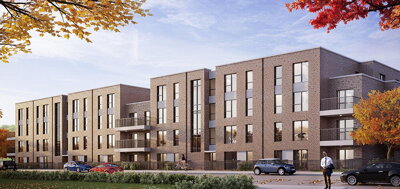
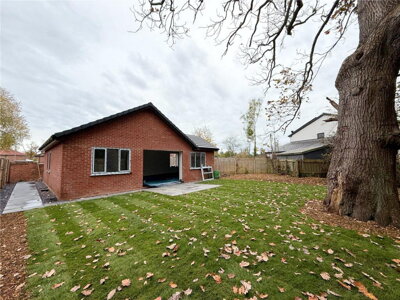
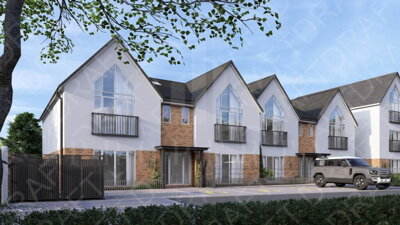
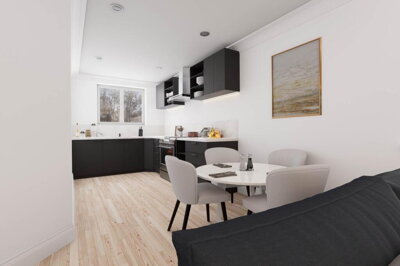
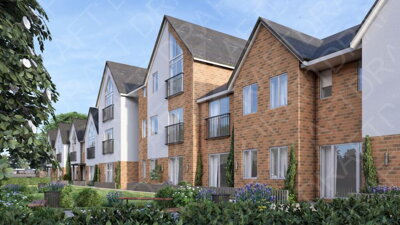
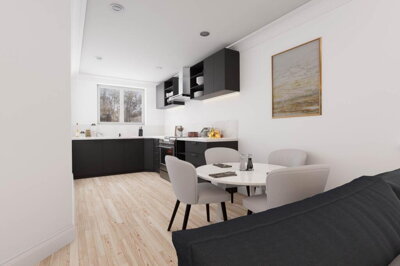
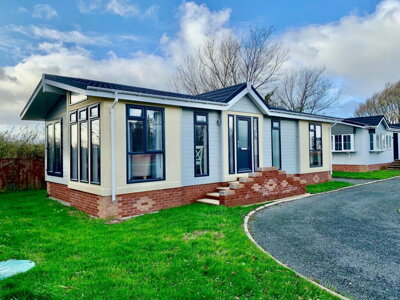
Browse 23 homes new builds in Liverpool City Region from local developer agents.
The 2 bed house market features detached, semi-detached, and terraced properties with two separate bedrooms plus living spaces. Properties in Liverpool City Region range across contemporary developments, with pricing varying across different neighbourhoods.
The Liverpool City Region property market has demonstrated remarkable resilience and growth over recent years, with property values in the area surging by an impressive 41% in the five years leading up to 2022 - the highest residential property price growth recorded anywhere in the UK during that period. This momentum has continued into 2025, with the Liverpool postcode area seeing average prices increase by 3% (representing £7,200) over the past twelve months, while the wider Merseyside county experienced growth of 4% (£8,600). Industry analysts project that house prices in the region will continue their upward trajectory, with expectations of an additional 20% increase by 2026, positioning Liverpool City Region as one of the most promising areas for property investment in the North West.
Property types across the region reflect its rich architectural heritage and modern development activity. Semi-detached homes command an average price of £232,000, while terraced properties offer excellent value at around £174,000, making them particularly attractive to first-time buyers entering the market. Flats and maisonettes average £130,000, providing accessible entry points into the property market for those prioritising city centre living or buy-to-let investments. Detached properties average £385,000, offering generous space for families seeking premium accommodation. Newly built properties in the Liverpool postcode area average £269,000, reflecting the premium associated with modern construction, energy efficiency, and contemporary design. Most properties in Liverpool sold within the £100,000 to £150,000 price range over the past year, accounting for 22.2% of all transactions, followed closely by properties in the £150,000 to £200,000 bracket at 19.5%.
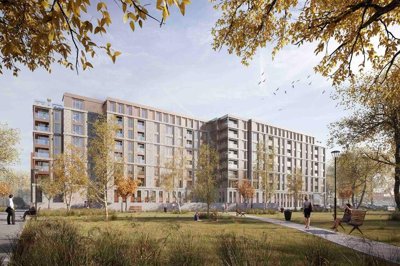
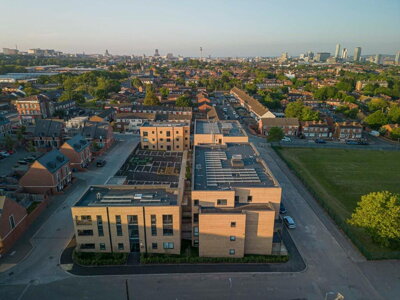
New development activity continues to transform the regional landscape. Housing delivery across the Liverpool City Region averaged 4,707 new dwellings per year between 2012 and 2023, with substantial programmes underway at Wirral and Liverpool Waters. The Liverpool Waters scheme includes the King Edward Triangle development, a £1 billion project featuring a 28-storey tower with 255 apartments approved for the city's northern docklands. Plans for Liverpool North (encompassing north Liverpool and south Sefton) could see designation as a New Town delivering 10,000 homes, while the Bold Forest Garden Village in St Helens and Halsnead Garden Village in Knowsley add further to the development pipeline. The Liverpool postcode area L1 8 has recorded 86 new build sales in the past twelve months, concentrated around the emerging city centre waterfront.

Life in the Liverpool City Region offers an exceptional quality of life that combines urban sophistication with community warmth and natural beauty. The region is home to approximately 1.6 million residents across its six constituent boroughs, with 677,000 households contributing to vibrant and diverse communities. Liverpool itself stands as a UNESCO World Heritage Site, renowned for its extraordinary architectural heritage ranging from Victorian grandeur to cutting-edge contemporary design. The city's famous waterfront, historic Albert Dock, and cultural attractions including the Tate Liverpool and the Royal Albert Hall draw visitors from around the world, while residents enjoy unparalleled access to world-class dining, entertainment, shopping, and arts scenes without the prohibitive costs associated with London or the South East.
Beyond the city centre, the Liverpool City Region encompasses a wonderful variety of neighbourhoods and towns that each offer distinct lifestyles. Sefton provides beautiful coastal communities including Formby, Crosby, and Southport, where residents enjoy stunning beach walks and the famous Antony Gormley sculptures at Crosby Marine Lake. The Wirral peninsula offers charming towns like West Kirby, Hoylake, and Birkenhead, with excellent schools and commuter connections. St Helens brings together industrial heritage with modern regeneration, while Knowsley and Halton offer family-friendly suburbs with strong community bonds and excellent transport links.
The region hosts around 70,000 students across its universities, creating a youthful, dynamic atmosphere and supporting a thriving night-time economy, cultural scene, and diverse range of cafes, restaurants, and entertainment venues throughout the year. Key employers including Jaguar Land Rover, Unilever, and major financial services firms provide employment opportunities across advanced manufacturing and professional services. The Port of Liverpool serves as the UK's leading transatlantic port, driving significant economic activity and logistics employment across the region.

The Liverpool City Region offers a comprehensive range of educational opportunities across all levels, making it an attractive destination for families with children of all ages. The region is home to several highly regarded secondary schools, including grammar schools in areas such as Wirral and Sefton that consistently achieve excellent examination results and strong progression rates to higher education. Liverpool's two major universities, the University of Liverpool and Liverpool John Moores University, attract thousands of students annually and contribute significantly to the city's intellectual vitality and economic activity. Additionally, Liverpool Hope University and a network of further education colleges provide diverse pathways for students pursuing vocational qualifications, undergraduate degrees, or postgraduate study.
Primary education across the region is well served by a mixture of community schools, faith schools, and academies, with many achieving good or outstanding Ofsted ratings. Parents considering a move to the Liverpool City Region should research specific catchment areas, as school admissions are determined by proximity in most cases, and properties within desirable school catchment zones often command premium valuations. The presence of the University of Liverpool's veterinary school and its associated research facilities, alongside the broader Health and Life Sciences sector creating Europe's largest biomanufacturing cluster, creates unique educational pathways for students interested in medical and scientific careers. Families should also consider the availability of specialist schools and alternative educational provisions when evaluating different neighbourhoods within the region.
The region is actively developing its reputation as a centre of excellence in Modern Methods of Construction (MMC) for housing, with a pipeline of over 6,500 homes to be built using MMC techniques over the next decade. This investment in innovative construction methods creates new vocational pathways and training opportunities for young people entering the construction and property industries.

The Liverpool City Region benefits from excellent transport connections that make commuting to major cities straightforward and convenient. Liverpool Lime Street station provides direct rail services to Manchester, Birmingham, London Euston, and numerous other destinations, with journey times of approximately two hours to the capital. The Merseyrail network extends throughout the region, connecting coastal communities like Southport, Formby, and West Kirby with Liverpool city centre via efficient and frequent services. For those working in Liverpool city centre, the Wirral Line loop and the Northern Line provide comprehensive coverage of residential areas across both sides of the Mersey, making car-free commuting entirely feasible for the majority of residents.
Road connectivity is equally impressive, with the M57 and M58 motorways serving commuters from surrounding areas, while the M6 provides access to the wider national motorway network. Liverpool John Lennon Airport offers domestic and international flights, connecting the region to European destinations and beyond. For commuters to Manchester, rail services typically take around 45 minutes to an hour, while Leeds is accessible in approximately one and a half hours by train. The Liverpool City Region Freeport, now operational, is expected to create highly skilled employment opportunities within the region itself, potentially reducing the need for long-distance commuting for those working in logistics, manufacturing, and associated sectors.
The region's commitment to sustainable transport includes ongoing investment in cycling infrastructure and electric vehicle charging networks. The Liverpool City Region Combined Authority has prioritised improvements to public transport links between key employment centres and residential areas, recognising that enhanced connectivity supports both economic growth and environmental sustainability.

Spend time exploring different areas within the Liverpool City Region to find the community that best suits your lifestyle and priorities. Consider factors such as proximity to work, schools, family amenities, and transport links when evaluating different neighbourhoods from Liverpool city centre to Wirral, Sefton, and St Helens. Each of the six boroughs offers distinct character - the coastal communities of Sefton, the commuter-friendly towns of Wirral, or the regenerating towns of St Helens and Knowsley.
Before arranging viewings, obtain a mortgage agreement in principle from a lender to understand your budget and demonstrate your seriousness to sellers. The median property price to median earnings ratio in Liverpool stands at 4.6, indicating relatively favourable borrowing conditions compared to many other UK regions. With the average property priced at £217,000, most buyers will find mortgage requirements well within manageable levels for the area.
View multiple properties across different areas to compare condition, features, and value. In the Liverpool postcode area, most properties sold in the £100k-£150k and £150k-£200k ranges over the past year, providing good benchmarks for your search. Take time to assess the condition of older properties, particularly checking for signs of damp, outdated electrics, and roof condition that are common in the region's older housing stock.
Once you have an offer accepted, arrange a RICS Level 2 Homebuyer Report to assess the property's condition comprehensively. Given the age of much of the housing stock in the region and common issues such as damp and energy inefficiency, a thorough survey is essential before committing to your purchase. Properties with cladding issues or those in flood risk areas particularly benefit from detailed professional assessment.
Appoint a solicitor experienced in Liverpool City Region transactions to handle the legal aspects of your purchase, including searches, contracts, and registration with the Land Registry. Local knowledge of the six borough councils and their specific planning requirements is valuable when purchasing in areas like Sefton where groundwater flood risk affects certain postcodes.
Your solicitor will coordinate the exchange of contracts and notify you of a completion date when you can collect your keys and move into your new Liverpool City Region home.
Property buyers in the Liverpool City Region should be aware of several area-specific considerations that can significantly impact their purchase experience and long-term satisfaction. The region has one of the oldest housing stocks in Europe, with a substantial proportion of properties constructed before 1980, meaning that issues such as damp, outdated electrics, and roof condition are encountered more frequently than in newer developments. A comprehensive RICS Level 2 Survey is strongly recommended for all purchases, particularly for Victorian and Edwardian terraced properties that characterise many of Liverpool's residential streets. Energy efficiency is another important consideration, with 18.7% of Liverpool households experiencing fuel poverty compared to the England average of 13.2%, suggesting that potential buyers should carefully assess insulation standards and heating systems.
Flood risk requires careful evaluation depending on the specific location of your intended purchase. The Liverpool City Region faces high surface water flood risk, with approximately 37,517 residential properties identified within the Liverpool and Sefton Flood Risk Area, and 17.68% of these in high-risk zones. Groundwater flood risk affects significant portions of Sefton including Maghull, Aintree, Crossens, and Marshside, while areas in Knowsley such as Stockbridge Village, Huyton, and Belle Vale face similar risks. Low-lying areas of St Helens including the town centre, Rainford, and Newton le Willows also experience groundwater flooding. Fluvial and coastal flooding are particular concerns in low-lying areas of Sefton, Wirral, and near the Mersey estuary. Buyers should review Environment Agency flood maps and consider the age and condition of local drainage infrastructure before committing to a purchase in affected areas.
The Liverpool City Region is actively addressing critical cladding remediation issues in medium and high-rise residential buildings, a legacy of historical construction standards. Properties in designated conservation areas or those listed for their historical significance may require specialist surveys and face additional planning restrictions that affect renovation options and costs. The local geology presents additional considerations - glacial till deposits across much of the region contain clay that is susceptible to shrinking and swelling, which can cause subsidence or heave. Trees and prolonged dry weather are major contributors to clay shrinkage subsidence, and the British Geological Survey warns that climate change will increase this risk across the UK.

The average property price in the Liverpool postcode area stands at £217,000, while the wider Merseyside county averages £222,000. Property prices have increased by 3% in Liverpool and 4% in Merseyside over the past twelve months. Detached properties average £385,000, semi-detached homes £232,000, terraced properties £174,000, and flats £130,000. New build properties command a premium at approximately £269,000, reflecting contemporary construction standards and energy efficiency. Most transactions in the Liverpool postcode area fall within the £100k-£150k range, accounting for 22.2% of all sales, followed by the £150k-£200k bracket at 19.5%.
Council tax bands across the Liverpool City Region vary by local authority and property valuation. Liverpool City Council, Wirral Borough Council, Sefton Council, St Helens Borough Council, Knowsley Metropolitan Borough Council, and Halton Borough Council each set their own council tax rates within government guidelines. Band A properties are typically valued up to £40,000, Band B up to £52,000, Band C up to £68,000, Band D up to £88,000, Band E up to £110,000, Band F up to £140,000, Band G up to £180,000, and Band H above £180,000. Prospective buyers should check specific band information for any property they are considering, as local authority portions of the bill vary between the six boroughs.
The Liverpool City Region offers excellent educational options across all levels, including highly regarded grammar schools in Wirral and Sefton that regularly achieve top examination results. Liverpool is home to the University of Liverpool, Liverpool John Moores University, and Liverpool Hope University, providing extensive higher education opportunities alongside further education colleges across the region. Primary schools throughout the six boroughs include community schools, faith schools, and academies, with many achieving good or outstanding Ofsted ratings. Families should research specific Ofsted ratings and catchment area boundaries, as school admissions are primarily determined by proximity to the school. Properties within desirable catchment zones in areas like West Kirby, Formby, and Crosby often command premium valuations.
The Liverpool City Region enjoys excellent public transport connectivity through the Merseyrail network, which provides frequent services across the region including coastal towns like Southport, Formby, and West Kirby. Liverpool Lime Street offers direct trains to Manchester (45 minutes to 1 hour), London (2 hours), Birmingham, and other major cities. The M6 motorway provides road connections to the north and south of England, while the M57 and M58 serve commuters from surrounding areas. Liverpool John Lennon Airport offers domestic and international flights to European destinations and beyond. The Wirral Line loop and Northern Line provide comprehensive coverage of residential areas across both sides of the Mersey for those working in the city centre.
The Liverpool City Region presents compelling investment opportunities based on current market data and growth projections. Property values surged 41% in the five years to 2022, the highest growth rate in the UK, and analysts forecast additional increases exceeding 20% by 2026. Properties are significantly more affordable than comparable cities, being 30% cheaper than Manchester and 65% less expensive than London. The median price to earnings ratio of 4.6 indicates favourable conditions for buyers, while Liverpool was named the fastest-growing city economy in the UK. The Liverpool City Region Freeport is expected to contribute £850 million to the local economy and create skilled employment opportunities, driving sustained demand for housing across the region.
Stamp Duty Land Tax (SDLT) rates for 2024-25 apply uniformly across England, including Liverpool City Region. Standard rates are 0% on the first £250,000, 5% on £250,001 to £925,000, 10% on £925,001 to £1.5 million, and 12% on amounts exceeding £1.5 million. First-time buyers benefit from relief on the first £425,000 (0% rate), with 5% applying between £425,001 and £625,000. Given the average property price of £217,000 in the Liverpool postcode area, many buyers will pay minimal or no stamp duty, particularly first-time purchasers who benefit from the enhanced threshold. A first-time buyer purchasing at the average Liverpool price would pay £0 SDLT under the current relief scheme.
The Liverpool City Region faces several flood risk considerations that buyers should evaluate carefully. Surface water flooding represents the most significant risk, with approximately 37,517 residential properties within the Liverpool and Sefton Flood Risk Area, and 17.68% of these in high-risk zones. Urban districts including Walton, Anfield, Wavertree, Waterloo, and Bootle are considered nationally significant for surface water flood risk. Groundwater flooding affects large parts of Sefton, including Maghull, Aintree, Crossens, and Marshside, as well as areas in Knowsley (Stockbridge Village, Huyton) and St Helens (town centre, Rainford, Newton le Willows). Coastal and tidal flooding is a concern in parts of Sefton (Marshside, Crossens, south of Formby) and Wirral (Leasowe, Meols, Birkenhead). Buyers should review Environment Agency maps and consider property survey findings regarding local drainage infrastructure.
The Liverpool City Region has substantial new development activity planned and underway. The Liverpool Waters scheme includes the £1 billion King Edward Triangle project with a 28-storey tower of 255 apartments approved for northern docklands. Plans for Liverpool North could see designation as a New Town delivering 10,000 homes across north Liverpool and south Sefton. The Bold Forest Garden Village in St Helens and Halsnead Garden Village in Knowsley add to the development pipeline. The region aims to become a UK centre of excellence in Modern Methods of Construction (MMC) for housing, with a pipeline of over 6,500 homes to be built using MMC techniques over the next decade.
From 4.5% APR
Compare competitive mortgage rates from trusted lenders.
From £499
Expert legal services for your Liverpool City Region property purchase.
From £350
Comprehensive property surveys by qualified RICS surveyors.
From £80
Energy Performance Certificate for your Liverpool property.
Understanding the full costs of purchasing property in the Liverpool City Region is essential for budgeting effectively and avoiding unexpected expenses. Stamp Duty Land Tax represents one of the largest upfront costs, though the relatively affordable nature of Liverpool property prices means many buyers benefit from lower SDLT bills than would be payable in London or the South East. For a property priced at the Liverpool postcode average of £217,000, a standard buyer would pay no stamp duty on the first £250,000, resulting in a £0 SDLT bill. First-time buyers benefit from enhanced relief, with zero SDLT payable on purchases up to £425,000, meaning most first-time buyers in the Liverpool City Region will pay no stamp duty at all on average-priced properties.
Beyond stamp duty, buyers should budget for solicitor conveyancing fees typically ranging from £500 to £1,500 depending on complexity, surveyor fees for a RICS Level 2 Homebuyer Report from approximately £350 to £600, and mortgage arrangement fees that vary by lender but often range from £0 to £2,000. Property searches conducted by your solicitor will include local authority searches, drainage and water searches, and environmental searches that assess flood risk and ground conditions - particularly important given the varied flood risk profile across the Liverpool City Region. Removal costs, estate agent fees if you are selling simultaneously, and potential renovation costs should also be factored into your budget, especially when purchasing older properties that may require updates to insulation, electrics, or heating systems.
The Liverpool postcode area saw 9,000 property transactions in the past twelve months, down 21.9% from the previous year, reflecting broader market dynamics. The median price to median earnings ratio of 4.6 in Liverpool indicates that properties remain relatively accessible compared to many UK regions, supporting buyers' ability to meet the upfront costs of purchase. With average prices at £217,000 and ongoing price growth projected, buyers who act decisively can benefit from the region's strong fundamentals while taking advantage of favourable affordability conditions.

Properties New Builds In London

Properties New Builds In Plymouth

Properties New Builds In Liverpool

Properties New Builds In Glasgow

Properties New Builds In Sheffield

Properties New Builds In Edinburgh

Properties New Builds In Coventry

Properties New Builds In Bradford

Properties New Builds In Manchester

Properties New Builds In Birmingham

Properties New Builds In Bristol

Properties New Builds In Oxford

Properties New Builds In Leicester

Properties New Builds In Newcastle

Properties New Builds In Leeds

Properties New Builds In Southampton

Properties New Builds In Cardiff

Properties New Builds In Nottingham

Properties New Builds In Norwich

Properties New Builds In Brighton

Properties New Builds In Derby

Properties New Builds In Portsmouth

Properties New Builds In Northampton

Properties New Builds In Milton Keynes

Properties New Builds In Bournemouth

Properties New Builds In Bolton

Properties New Builds In Swansea

Properties New Builds In Swindon

Properties New Builds In Peterborough

Properties New Builds In Wolverhampton

Enter your details to see if this property is within your budget.
Loans, cards, car finance
Estimated property budget
Borrowing + deposit
You could borrow between
Typical borrowing
Monthly repayment
Est. at 4.5%
Loan-to-value
This is an estimate only. Your actual budget may vary depending on interest rates, credit history, and personal circumstances. For an accurate affordability assessment, speak to one of our free mortgage advisors.
This calculator provides estimates for illustrative purposes only and does not constitute financial advice. Your home may be repossessed if you do not keep up repayments on your mortgage. Estimates based on 4.5% interest rate, repayment mortgage. Actual rates depend on your circumstances.
Homemove is a trading name of HM Haus Group Ltd (Company No. 13873779, registered in England & Wales). Homemove Mortgages Ltd (Company No. 15947693) is an Appointed Representative of TMG Direct Limited, trading as TMG Mortgage Network, which is authorised and regulated by the Financial Conduct Authority (FRN 786245). Homemove Mortgages Ltd is entered on the FCA Register as an Appointed Representative (FRN 1022429). You can check registrations at NewRegister or by calling 0800 111 6768.

We use cookies to show you personalised content and improve your experience of our website. Find out more in our Privacy policy and Cookie policy.