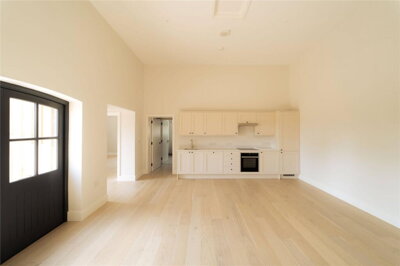
Browse 1 home new builds in Little Witchingham from local developer agents.
The 2 bed house market features detached, semi-detached, and terraced properties with two separate bedrooms plus living spaces. Properties in Little Witchingham range across contemporary developments, with pricing varying across different neighbourhoods.
The property market in Little Witchingham operates within Norfolk's broader rural housing landscape, with prices reflecting the area's character and proximity to both countryside and city amenities. Recent transaction data indicates individual property sales ranging from £302,000 for entry-level semi-detached homes to over £1,300,000 for exceptional barn conversions. The prestigious Hall Farm Barns development on Reepham Road has seen multiple high-value sales, with The Old Granary achieving £1,300,000 and The Stables selling for £1,020,000, demonstrating the premium that converted agricultural buildings command in this village setting.
Property price trends on Reepham Road show a 12-month average decrease of 4.4% since early 2023, though longer-term performance remains positive with prices increasing by 29.2% over the past decade. The broader NR9 5PL postcode area, which encompasses parts of neighbouring Great Witchingham and surrounding villages, has experienced more significant growth, with prices rising by an average of 53.8% since September 2021. These figures suggest a maturing market where short-term corrections are being absorbed by robust longer-term fundamentals, and for buyers taking a long-term view, village properties in this part of Broadland continue to demonstrate their enduring appeal.
Housing stock in Little Witchingham predominantly consists of detached and semi-detached properties, with terraced homes and flats making up a smaller proportion of the available stock. The village benefits from a diverse range of property ages, from early-century homes built between 1912 and 1935 through to more recent constructions from the 1990s onwards. Notably, the area features several impressive barn conversions that have transformed historic agricultural buildings into desirable residential homes, adding architectural variety to the local housing landscape. Properties dating from 1995 onwards have also contributed to the housing mix, providing options for buyers seeking more modern construction standards.
The Hall Farm Barns complex represents one of the most significant residential developments in the village, with individual properties including The Cow Shed at £450,000, Fallow Barn at £790,000, and The Haybarn at £800,000. These sales demonstrate the range of values within converted agricultural developments, with pricing influenced by factors including floor area, finish quality, and the specific character features retained from the original buildings. For buyers considering a barn conversion in Little Witchingham, these transactions provide useful comparable data when assessing property values in this niche market segment.

Little Witchingham embodies the essence of rural Norfolk living, offering residents a peaceful village atmosphere surrounded by farmland and countryside. The village sits within the Broads district of Broadland, an area renowned for its scenic landscapes, traditional villages, and strong sense of community. Residents enjoy access to expansive rural views, country lanes perfect for walking and cycling, and the distinctive Norfolk character that has drawn people to this part of East Anglia for generations. The nearby market town of Reepham provides essential local services, while the Broads National Park lies within easy reach for those who appreciate outdoor recreation and wildlife.
The local architecture reflects Norfolk's building heritage, with properties typically constructed using traditional materials including red brick, render, and flint work. These construction methods not only contribute to the village's aesthetic charm but also speak to the practical considerations of building in this part of England. The presence of converted agricultural buildings, including barn conversions at Hall Farm Barns, demonstrates how older structures have been thoughtfully adapted to meet modern living requirements while retaining their original character and features. Local geology in this part of Norfolk typically includes chalk, glacial tills, and sands and gravels, which have historically influenced construction practices in the area.
Community life in Little Witchingham centres around the village's rural character and proximity to neighbouring settlements. The area attracts residents who value the quality of life that countryside living provides, including fresh air, lower traffic volumes, and the opportunity to be part of a close-knit community. While the village itself is small, its location means residents have access to a range of amenities in nearby towns, including shopping, healthcare facilities, and recreational activities, ensuring that daily needs are easily met without requiring lengthy journeys. Reepham serves as the primary local service centre, offering convenience shopping, a pharmacy, and traditional pubs that provide important social hubs for village residents.
The surrounding Broadland district provides extensive recreational opportunities, with the Norfolk Broads National Park offering boating, kayaking, birdwatching, and walking across its network of rivers, marshes, and nature reserves. Forequarter Wood and surrounding countryside provide more immediate access to rural pursuits, while the coast at Cromer and Sheringham can be reached within an hour's drive for those who enjoy seaside days out. The combination of village tranquility with access to diverse landscapes makes Little Witchingham an attractive base for outdoor enthusiasts and nature lovers seeking a permanent home in rural Norfolk.
Families considering a move to Little Witchingham will find educational options available in the surrounding area, with primary schools serving the village and surrounding communities. The nearby market town of Reepham offers primary school provision at Reepham Primary School, a well-established village school serving the local catchment area with a reputation for supportive learning environments. For families in the southern parts of the village, schools in surrounding villages may also fall within catchment boundaries, and parents should confirm specific arrangements with Norfolk County Council admissions.
St. Michael's Church of England Primary School in nearby Aylsham provides another strong option for primary-aged children, with the school serving a wider catchment that includes families from surrounding villages. Lyngate Primary School in Norwich offers additional provision for families who commute regularly to the city. Norfolk maintains a selection of primary and secondary schools, with ongoing efforts to provide quality education across both urban and rural settings. The county's commitment to maintaining village schools ensures that younger children can often attend education close to home before progressing to secondary level.
Secondary education is available in nearby towns, with The Aylsham Cluster of schools offering comprehensive academic and vocational programmes for students progressing beyond primary level. The Broadland district includes several secondary schools serving the wider area, including Aylsham High School, which has built a solid reputation for academic achievement and extracurricular activities. Transportation links from Little Witchingham to schools in Aylsham and other nearby towns make daily commuting feasible for families who prefer specific school settings, with dedicated school bus services operating on popular routes during term time.
Sixth form provision and further education colleges are accessible in Norwich, providing extended educational pathways for older students living in the Little Witchingham area. The City College Norwich and the University of East Anglia offer higher education opportunities, while specialist vocational training is available through Norfolk's network of colleges. For families prioritising educational outcomes, researching specific school performance data, Ofsted ratings, and admission criteria is essential when selecting a property location. Schools in rural Norfolk vary in their provision and specialisms, with some offering particular strengths in arts, sciences, or vocational subjects. Property buyers with school-age children should consider catchment areas carefully, as these can significantly influence which schools children may be eligible to attend from a given address.
Transport connectivity from Little Witchingham relies primarily on road networks, with the village positioned to access major routes connecting Norfolk to the wider region. The A1067 runs through nearby settlements, providing links toward Norwich and the north Norfolk coast. The A47, Norfolk's primary east-west artery, is accessible from the village and connects to Norwich city centre, as well as King's Lynn and Peterborough beyond. These road connections make car travel the most practical option for most daily commuting and shopping requirements. Journey times by car to Norwich city centre average approximately 25-30 minutes under normal traffic conditions.
Norwich railway station serves as the main rail hub for the region, offering direct services to London Liverpool Street with journey times of approximately two hours. Regular train services operate throughout the day, making Norwich a viable commuting destination for those working in the city who wish to live in a more rural setting. Cambridge and Peterborough are also accessible by rail via Norwich, expanding employment and connectivity options for residents who travel further afield for work. The station is located on the north side of Norwich city centre and is well-connected by bus services from surrounding areas.
Local bus services operate in the broader area, connecting villages to market towns and providing essential transport for those without private vehicles. The First Group bus services provide connections between Reepham, Norwich, and surrounding villages, though service frequency on rural routes may be limited compared to urban provision. Bus journey times to Norwich can be significantly longer than car travel, making access to a car practically necessary for most residents. Cycling infrastructure exists on some routes, though the Norfolk countryside presents both opportunities and challenges for cyclists depending on routes chosen and seasonal conditions. The relatively flat terrain of Broadland makes cycling a viable option for shorter journeys for those comfortable with rural road cycling.
For residents working in Norwich, the commute from Little Witchingham offers the advantage of living in countryside surroundings while maintaining access to urban employment. Parking provision in Norwich city centre includes several car parks and the Park and Ride facilities at the city perimeter, which can offer more convenient access during peak periods. Many commuters find that the combination of a shorter drive to a park and ride site, combined with the scenic benefits of countryside living, represents an acceptable balance between commuting requirements and quality of life considerations.
Explore available properties in Little Witchingham and surrounding Broadland villages. Review recent sale prices to understand local values, and consider engaging a local estate agent who knows the village property market intimately. Setting up property alerts can help you monitor new listings as they come to market. Given the limited number of annual transactions in this small village, working with an agent familiar with specific developments like Hall Farm Barns can prove particularly valuable.
Before viewing properties, obtain a mortgage agreement in principle from a lender. This demonstrates your financial readiness to sellers and agents, strengthening your position when making offers. Local brokers can provide specialist advice on rural property mortgages and available products for Norfolk properties. For barn conversions and non-standard construction properties, some lenders may have specific requirements, so discussing property types with a mortgage broker early in the process is advisable.
Schedule viewings of properties that match your requirements. Take time to explore the village, check proximity to local amenities, and assess the condition of specific properties. Consider factors such as travel times to work, school catchments, and broadband availability when evaluating locations. Viewing properties at different times of day can reveal variations in traffic, lighting, and neighbourhood character that single visits may not capture.
Before completing your purchase, arrange a RICS Level 2 Survey for standard properties or a Level 3 Building Survey for older homes, barn conversions, or properties requiring detailed assessment. Given the age of many properties in Little Witchingham, a professional survey can identify defects requiring attention or negotiation. Properties built between 1912 and 1935 along Reepham Road may benefit particularly from thorough assessment, as traditional construction methods can present issues not immediately apparent to untrained buyers.
Appoint a solicitor to handle the legal aspects of your purchase, including searches, contracts, and land registry matters. Local or regional solicitors familiar with Norfolk properties can efficiently manage the conveyancing process and advise on any area-specific considerations. Searches will include local authority inquiries with Broadland District Council and Norfolk County Council, environmental searches covering flood risk and ground conditions, and drainage and water authority enquiries.
Once all searches are satisfactory and finances are confirmed, you will exchange contracts and pay your deposit. Completion typically follows within days or weeks, at which point you will receive your keys and take ownership of your new Little Witchingham home. Budget for additional costs including stamp duty, solicitor fees, survey costs, and moving expenses when planning your purchase timeline.
Properties in Little Witchingham span various ages and construction types, each presenting different considerations for prospective buyers. Early-century homes built between 1912 and 1935, commonly found along Reepham Road and surrounding lanes, may feature traditional construction methods including solid wall build, original timber frames, and period details that require understanding and maintenance. These properties often possess character but may need updating of electrical, plumbing, and heating systems to meet modern standards. Properties in this age bracket may also have had various alterations and improvements over the decades, and documentation of these works may be incomplete.
Barn conversions represent a significant segment of the higher-value property market in Little Witchingham. These converted agricultural buildings typically offer generous proportions, high ceilings, and distinctive features that appeal to buyers seeking character properties. However, converted buildings may present unique challenges including insulation considerations, roof structure maintenance, and potential issues with timber defects or damp that require professional assessment. Buyers should verify that conversions have appropriate planning permissions and building regulation approvals documented. The Hall Farm Barns development and similar conversions should have documentation available from Broadland District Council planning records.
The rural location of Little Witchingham means that certain environmental factors deserve consideration when assessing properties. While specific flood risk data for the village was not identified, surface water and river flooding remain potential risks across rural Norfolk, particularly for properties near watercourses or in low-lying areas. Ground conditions involving clay soils can present shrink-swell risks during periods of extreme weather, potentially affecting foundations of nearby properties. A thorough survey can identify any signs of movement or drainage concerns that warrant further investigation. Properties in areas of chalk geology may have different foundation requirements to those on clay subsoils.
Electrical and plumbing systems in older properties deserve particular attention, as rewiring and repiping can represent significant additional costs beyond the purchase price. Properties built before modern electrical standards may have fuse boards, wiring, and socket configurations that require upgrading for safety and functionality. Similarly, plumbing systems in older homes may use materials that are now considered obsolete or that have limited remaining lifespan. A comprehensive building survey will assess these systems and flag any concerns that should be addressed before purchase or factored into negotiations on price.
Precise average prices for Little Witchingham are difficult to establish due to the small number of annual transactions in this village. Available data shows prices ranging from approximately £302,000 for semi-detached homes to over £1,000,000 for premium barn conversions. Recent sales at Hall Farm Barns achieved between £450,000 and £1,300,000 depending on property size and specification. The broader NR9 postcode area has seen significant long-term growth, with prices increasing by over 53% since September 2021, suggesting continued strength in the local market.
Council tax bands in Little Witchingham are set by Broadland District Council, with individual properties assigned to bands A through H based on their assessed value. Newer or higher-value properties such as the premium barn conversions at Hall Farm Barns may fall into higher bands, while modest homes typically occupy bands A through C. Specific band information for individual properties is available through the Valuation Office Agency website or on property listing details. Banding affects ongoing annual costs, so buyers should verify this information during the conveyancing process.
Primary education is available in nearby Reepham at Reepham Primary School, which serves the local village catchment. St Michael's Church of England Primary School in Aylsham provides another well-regarded option for families within reasonable travelling distance. For secondary education, students typically travel to schools in towns such as Aylsham High School, with transport arrangements available. Families should research individual school performance data, Ofsted ratings, and admission policies to identify the most suitable options for their children. Norwich offers additional schooling options including grammar schools and independent schools for those willing to travel further.
Public transport options in Little Witchingham are limited, reflecting the village's rural nature. Local bus services operate between villages and market towns including Reepham and Norwich, though frequencies may be low on certain routes. The journey by bus to Norwich city centre takes considerably longer than by car. Norwich railway station provides mainline rail services to London Liverpool Street, with approximately two-hour journey times, but accessing the station requires car travel or bus connections to Norwich city centre. Most residents find car ownership essential for daily living in this rural village location.
Property in Little Witchingham and the surrounding Broadland area has demonstrated solid long-term performance, with prices on Reepham Road increasing by 29.2% over the past decade. The combination of rural character, proximity to Norwich, and limited new development in the immediate area supports continued demand for village properties. Premium barn conversions have proven particularly resilient, achieving strong prices in recent sales. The NR9 5PL postcode area has seen prices rise by over 53% since September 2021, indicating robust demand. However, as with any property investment, buyers should consider their personal circumstances, investment horizon, and local market conditions before committing.
Stamp Duty Land Tax applies to all property purchases in England. Standard rates are 0% on the first £250,000, 5% on £250,001 to £925,000, 10% on £925,001 to £1.5 million, and 12% above £1.5 million. First-time buyers benefit from relief on the first £425,000, with 5% applied between £425,001 and £625,000. For example, a £400,000 property would incur no stamp duty for a first-time buyer, while the same property would cost £7,500 for a previous owner-occupier. Premium barn conversions in Little Witchingham priced at £1,000,000 or more would incur substantially higher charges. Always verify current thresholds with HMRC as these can change with Budget announcements.
Barn conversions in Little Witchingham such as those at Hall Farm Barns require careful assessment beyond standard property considerations. Verify that all planning permissions and building regulation approvals are documented and that the conversion meets current standards for residential use. Check the condition of original structural elements including beams, posts, and roof structure, as these may show signs of timber defects or historic movement. Assess insulation levels, as converted agricultural buildings can be harder to heat than purpose-built properties. Confirm that rights of access and any shared maintenance responsibilities for access roads or communal areas are clearly established.
While specific flood risk data for Little Witchingham was not identified, rural Norfolk properties near watercourses or in low-lying areas should be assessed for potential flood exposure. Surface water flooding and river flooding remain risks across Broadland, particularly during periods of heavy rainfall. Properties should be checked for any history of flooding, and buyers should review Environment Agency flood maps for specific locations. A property survey can identify signs of previous water damage or drainage issues that may indicate vulnerability. Adequate buildings insurance is essential for all properties in flood-risk areas.
From 4.5% APRC
Expert mortgage advice tailored to Norfolk properties
From £499
Solicitors handling Norfolk property transactions
From £400
Professional property survey for standard homes
From £85
Energy performance certificate for Little Witchingham homes
Understanding the full costs of purchasing property in Little Witchingham extends beyond the advertised sale price. Stamp Duty Land Tax represents a significant additional expense, with rates calculated on the purchase price using bands that apply across England. For a typical family home priced at £450,000, standard buyers would pay £10,000 in stamp duty, while first-time buyers would pay £1,250. Higher-value properties, particularly the premium barn conversions that feature prominently in this village market priced at £1,000,000 or more, will incur substantially higher stamp duty costs of £28,750 or more.
Beyond stamp duty, buyers should budget for solicitor conveyancing fees, which typically range from £500 to £2,000 depending on the complexity of the transaction and property value. Survey costs should also be factored in, with RICS Level 2 Surveys generally ranging from £400 to £900 for standard properties, potentially higher for larger homes. Local searches with Broadland District Council and Norfolk County Council may incur additional fees, and mortgage arrangement fees should be considered if applicable. For barn conversions and non-standard construction properties, additional specialist reports may be required, adding to overall costs.
Moving costs, including removal services, paint and decoration, and any immediate repairs or upgrades, should be planned for alongside the purchase itself. Buildings insurance must be in place from the point of completion, and life or buildings insurance products may be worth considering depending on individual circumstances. Budgeting conservatively for these additional costs ensures a smoother purchasing experience without financial surprises during what is already a significant financial commitment. A practical contingency fund equivalent to at least 10% of the property value above purchase price is advisable to cover unexpected costs that frequently arise during property purchases.

Properties New Builds In London

Properties New Builds In Plymouth

Properties New Builds In Liverpool

Properties New Builds In Glasgow

Properties New Builds In Sheffield

Properties New Builds In Edinburgh

Properties New Builds In Coventry

Properties New Builds In Bradford

Properties New Builds In Manchester

Properties New Builds In Birmingham

Properties New Builds In Bristol

Properties New Builds In Oxford

Properties New Builds In Leicester

Properties New Builds In Newcastle

Properties New Builds In Leeds

Properties New Builds In Southampton

Properties New Builds In Cardiff

Properties New Builds In Nottingham

Properties New Builds In Norwich

Properties New Builds In Brighton

Properties New Builds In Derby

Properties New Builds In Portsmouth

Properties New Builds In Northampton

Properties New Builds In Milton Keynes

Properties New Builds In Bournemouth

Properties New Builds In Bolton

Properties New Builds In Swansea

Properties New Builds In Swindon

Properties New Builds In Peterborough

Properties New Builds In Wolverhampton

Enter your details to see if this property is within your budget.
Loans, cards, car finance
Estimated property budget
Borrowing + deposit
You could borrow between
Typical borrowing
Monthly repayment
Est. at 4.5%
Loan-to-value
This is an estimate only. Your actual budget may vary depending on interest rates, credit history, and personal circumstances. For an accurate affordability assessment, speak to one of our free mortgage advisors.
This calculator provides estimates for illustrative purposes only and does not constitute financial advice. Your home may be repossessed if you do not keep up repayments on your mortgage. Estimates based on 4.5% interest rate, repayment mortgage. Actual rates depend on your circumstances.
Homemove is a trading name of HM Haus Group Ltd (Company No. 13873779, registered in England & Wales). Homemove Mortgages Ltd (Company No. 15947693) is an Appointed Representative of TMG Direct Limited, trading as TMG Mortgage Network, which is authorised and regulated by the Financial Conduct Authority (FRN 786245). Homemove Mortgages Ltd is entered on the FCA Register as an Appointed Representative (FRN 1022429). You can check registrations at NewRegister or by calling 0800 111 6768.

We use cookies to show you personalised content and improve your experience of our website. Find out more in our Privacy policy and Cookie policy.