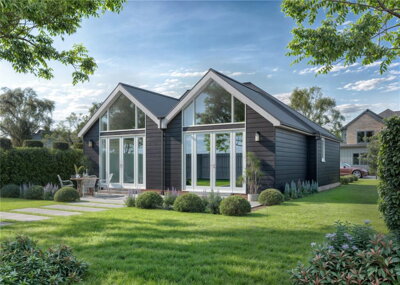
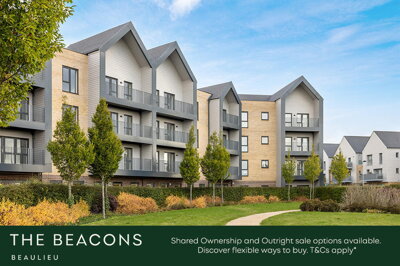
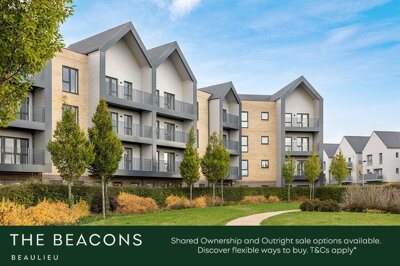
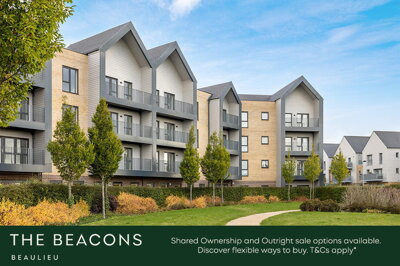
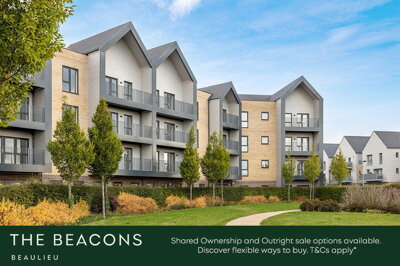
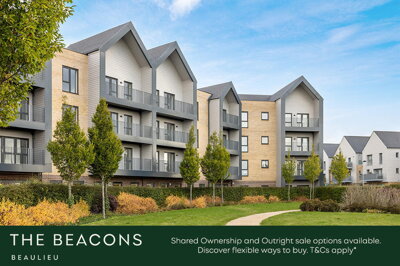
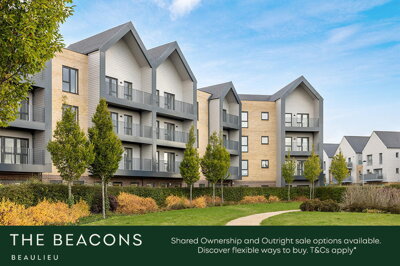
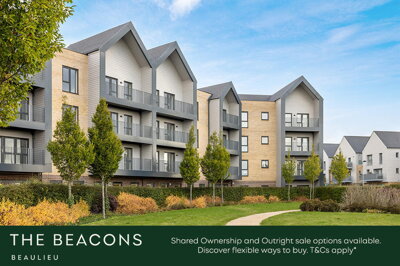
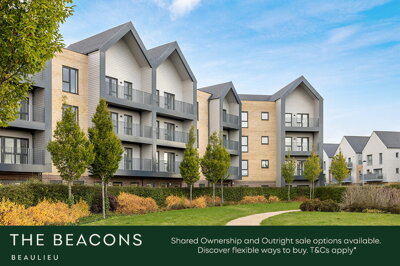
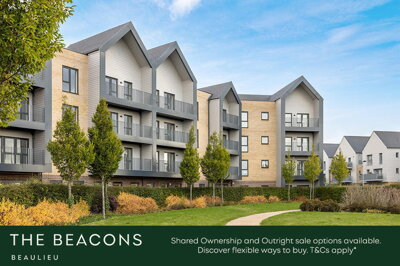
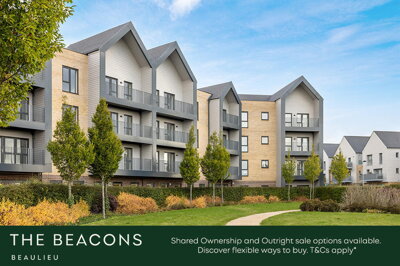
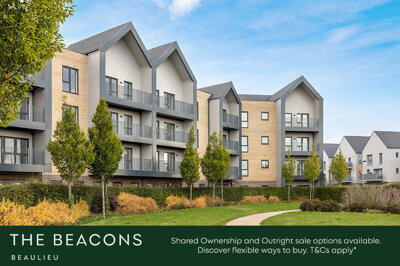
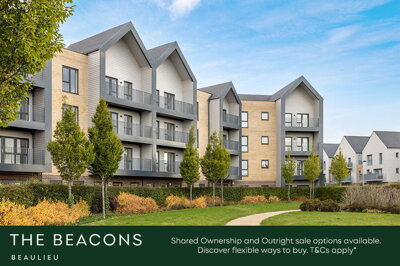
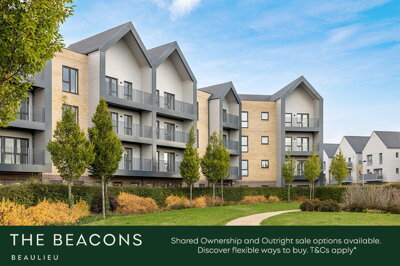
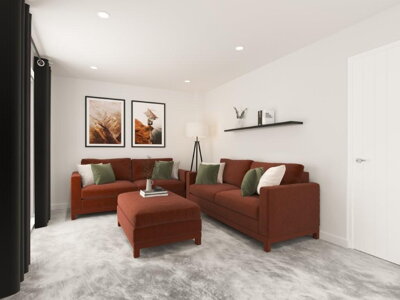
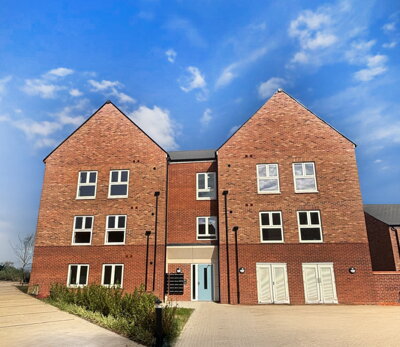
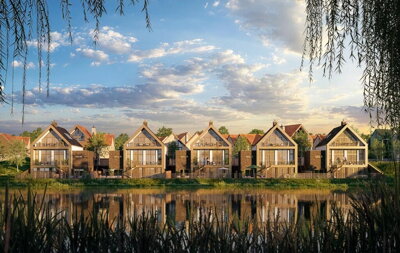
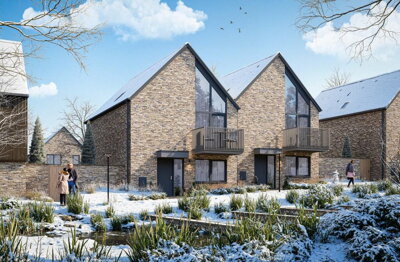
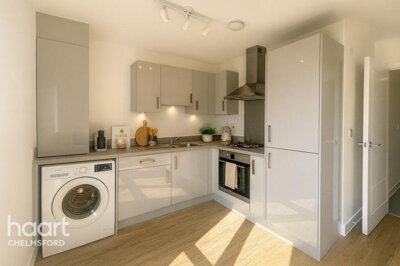
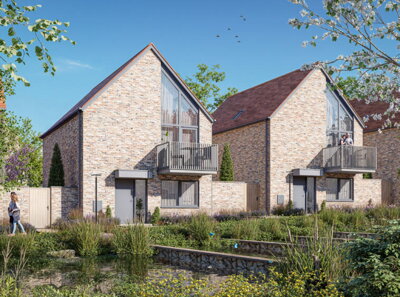
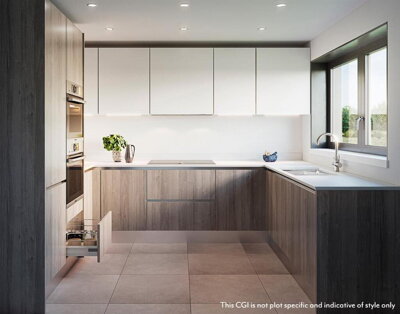
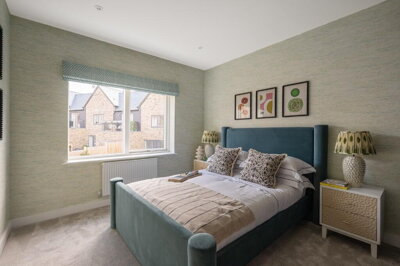
Browse 22 homes new builds in Little Waltham from local developer agents.
The Wardington property market has demonstrated remarkable resilience and growth in recent years, with property values increasing substantially over the twelve-month period. Our data shows the current average sold price stands at £411,313, with properties ranging across various types to suit different buyer requirements. Detached properties command the highest prices in the area, with a median sale price of £552,500 in 2025, reflecting the strong demand for spacious family homes with gardens in this sought-after village setting.
For buyers seeking more affordable options, terraced properties in Wardington offer a median price of £280,000, while semi-detached homes average around £290,000. This price diversity means the village accommodates first-time buyers, growing families, and those seeking larger rural properties alike. The market saw 10 confirmed sales in 2025 according to PropertyResearch.uk data, with a median sale price of £338,750 across those transactions.
Looking at property types across Wardington, detached homes accounted for 40% of all sales in 2025, demonstrating their popularity among buyers prioritising space and privacy in a rural setting. Semi-detached and terraced properties remain well-represented in the village's housing stock, offering practical options for those with smaller budgets or preference for more compact accommodation. Flats remain rare in Wardington, with no recorded sales in 2025 and only one flat transaction recorded in 2023 at £129,500.
New build activity within Wardington itself remains limited, with no active development sites identified within the village boundary. However, the surrounding Cherwell district offers opportunities for those specifically seeking brand-new homes, and older properties in Wardington often compensate with character, quality construction, and traditional materials that newer builds cannot replicate.

Wardington embodies the quintessential English village experience, with a rich heritage reflected in its architecture and community spirit. The village features numerous historic buildings dating from the 17th century, including notable structures such as Old Bonham's and Judges, which stand as testament to the settlement's long history. Wardington Lodge, Sundial House, and High Wardington House all carry centuries of stories within their walls, creating an atmosphere of timelessness that permeates the village streets.
The village's architecture showcases traditional Cotswold building techniques, with many properties constructed from local stone that has been quarried and worked by craftspeople for generations. Stone-built barn conversions represent a particularly desirable property type in Wardington, offering buyers the opportunity to own a piece of agricultural heritage transformed into comfortable modern living spaces. These conversions typically retain original features such as exposed beams, stone walls, and high ceilings while incorporating contemporary amenities.
The surrounding countryside offers extensive walking routes, countryside pursuits, and connection to nature that urban living cannot match. While Wardington itself operates on a smaller scale than nearby towns, residents benefit from the close-knit community atmosphere, village events, and the peace of rural Oxfordshire life. The nearby market town of Banbury provides access to larger supermarkets, high street shopping, healthcare facilities, and additional amenities within a short drive.
Community life in Wardington revolves around traditional village amenities and regular events that bring residents together throughout the year. The combination of historic character, natural beauty, and strong community bonds makes Wardington particularly appealing to families and those seeking a quieter pace of life while remaining within reasonable distance of major towns and transport connections.

Wardington possesses a remarkable concentration of historic and architecturally significant properties that define the village's character. Properties such as Bazeleys Farm, dated 1699, represent exceptional examples of historic rural architecture, while Aubrey Hall began life as a 17th-century farmhouse that has evolved over centuries. The village also features The Bishop's House, a property of considerable antiquity, and The Old School, which served the community from 1845 until 1991, reflecting the village's long-standing commitment to education and community facilities.
Our inspectors frequently examine period properties across Oxfordshire villages similar to Wardington, and we understand the unique considerations that come with historic homes. Properties constructed before modern building regulations were introduced often feature construction methods that differ significantly from contemporary standards, including solid walls rather than cavity insulation, lime mortar pointing rather than cement, and timber-framed elements that require specific maintenance approaches.
Buyers considering period properties in Wardington should understand the implications of purchasing listed buildings or properties within potential conservation areas. Grade II listed properties require listed building consent for certain alterations and renovations, ensuring that historic features are preserved for future generations. This designation protects original fireplaces, sash windows, timber beams, and other character-defining elements while imposing responsibilities on owners to maintain the properties appropriately.
We strongly recommend commissioning a RICS Level 3 Building Survey rather than a standard valuation for listed properties and older buildings in Wardington. These comprehensive assessments examine properties in greater detail, identifying specific issues related to traditional construction methods, assessing the condition of historic features, and providing detailed recommendations for maintenance and restoration that respect the building's heritage while ensuring long-term structural integrity.
The majority of properties in Wardington were constructed using traditional building methods that differ substantially from modern construction techniques. Properties dating from the 17th, 18th, and 19th centuries typically feature solid masonry walls built with local ironstone or limestone, lime-based mortars and plasters, and timber-framed structural elements. Understanding these construction methods is essential for buyers, as they require different maintenance approaches and present characteristic defects that a thorough survey can identify.
Solid-walled properties in Wardington lack the cavity insulation found in most modern homes, meaning they rely on the breathability of traditional materials to manage moisture and maintain comfortable internal conditions. Our surveyors frequently identify issues arising from inappropriate modern materials having been applied to these older structures, such as cement-based renders that trap moisture within solid walls, leading to damp problems that would not occur with traditional lime-based alternatives.
Timber-framed elements present in many Wardington properties, including exposed beams, jettied upper floors, and structural frames, require careful inspection for signs of woodworm activity, wet rot, or dry rot. While properties with original structural timber in good condition represent excellent examples of traditional craftsmanship, those where timbers have been affected by moisture or pest activity may require significant remedial work. A detailed survey will assess the extent of any timber defects and recommend appropriate treatment or replacement.
Roof construction on historic Wardington properties typically features traditional cut roofs with purlins and collar ties, rather than the trussed rafters common in modern buildings. These older roof structures often have slate or clay tile coverings that may have been partially renewed over the years. Our surveyors check for slipped tiles, deteriorated mortar, and signs of past water penetration that could indicate the need for roof repairs or re-covering.
Wardington enjoys strategic positioning within Oxfordshire, offering residents access to both rural tranquility and major transport corridors. The village lies within convenient reach of the M40 motorway, which connects London to Birmingham and passes near Banbury, providing straightforward access for car commuting to Oxford, Coventry, and the capital. The A361 and A423 roads serve local journeys, connecting Wardington to surrounding villages and market towns.
Rail services from Banbury station offer direct connections to London Marylebone, with journey times of approximately one hour making day commuting feasible for those working in the capital. Birmingham Moor Street and Birmingham New Street stations provide access to the Midlands, while Oxford station offers connections across the national rail network. Bus services connect Wardington with nearby towns, though frequencies may be limited compared to urban areas, making car ownership advisable for most residents.
Cyclists and walkers benefit from the extensive public rights of way network that crisscrosses the Oxfordshire countryside, offering scenic routes to neighbouring villages, pubs, and attractions. For those working from home, the village's position away from main roads offers a peaceful environment conducive to productive remote working, while ultrafast broadband availability continues to improve across rural Oxfordshire, supporting modern connectivity requirements.
Commuters considering Wardington should factor journey times and parking availability at Banbury station into their planning. The station offers parking facilities, though these can fill quickly during peak periods. Many residents find that the combination of relatively quick access to the motorway network and the availability of direct rail services to London makes Wardington a practical base for professionals working in the capital or surrounding cities.
Explore current listings, understand local price trends (average £413,812), and familiarise yourself with property types available in this historic Oxfordshire village. Note that detached homes average £552,500 while terraced properties offer more accessible entry at around £280,000. We recommend attending open viewings and building relationships with local estate agents who know the village intimately.
Contact lenders to discuss your requirements and obtain an Agreement in Principle before viewing properties. This strengthens your position when making offers and demonstrates serious intent to sellers and their agents. Given the property values in Wardington, most buyers will need mortgage finance, and having this arranged before making an offer puts you in a strong competitive position.
Arrange viewings of properties matching your criteria. For period properties in Wardington, we strongly recommend commissioning a RICS Level 2 Survey before proceeding, given the prevalence of older construction and potential hidden defects. Our surveyors understand the specific issues affecting traditional Oxfordshire properties and can identify problems that a standard valuation would miss.
Once you find your ideal home, submit a formal offer through the estate agent. Be prepared to negotiate on price, especially for properties requiring modernisation or with identified issues. Our team can provide guidance on reasonable offer levels based on current market conditions and the property's condition.
Appoint a conveyancing solicitor to handle the legal aspects of your purchase, including searches, contracts, and registration at the Land Registry. We work with recommended conveyancers who understand the specific considerations involved in purchasing historic rural properties.
Your solicitor will coordinate the exchange of contracts and set a completion date. On completion, you receive the keys and become the legal owner of your new Wardington home. We recommend arranging a final walkthrough shortly before completion to confirm the property's condition remains satisfactory.
Purchasing a property in Wardington requires careful consideration of several factors unique to this historic Oxfordshire village. Properties in the area span multiple centuries of construction, from 17th-century farmhouses to more recent additions, meaning each property presents its own set of characteristics and potential issues. Buyers should pay particular attention to the condition of roofs, which on older properties may have been partially replaced or may require renewal in the near future.
The traditional construction methods used in Wardington properties, including solid walls rather than cavity insulation, require different maintenance approaches than modern buildings. Damp penetration, which can affect solid-walled properties, warrants careful investigation during surveys. Our surveyors routinely check for signs of rising damp, penetrating damp, and condensation issues that may be present in period properties, particularly where modern improvements may have been inappropriately applied.
Timber-framed elements common in historic buildings may be susceptible to woodworm or rot if not properly maintained, issues that a thorough survey can identify. We recommend specifically requesting that the surveyor pays close attention to all visible timbers, including those in roof spaces and under floorboards, where access allows. Properties with original timber in good condition typically command premium prices, while those with significant timber defects may require substantial investment in remedial treatment.
Buyers should verify planning permissions and building regulations approvals for any additions or alterations made to properties over the years. Extensions, conservatories, and converted outbuildings should have appropriate documentation. For listed properties, confirm that all previous owners obtained the necessary consents for works carried out. Checking these details before purchase prevents unexpected complications or restoration requirements after completion.
Electrical systems in older Wardington properties often require updating to meet current standards, and our surveyors will note instances where fuse boards, wiring, or socket outlets appear dated or potentially unsafe. Similarly, plumbing systems in period properties may feature galvanised steel or lead pipes that would benefit from replacement. Factoring the cost of these updates into your offer or renovation budget ensures you are fully prepared for the investment required.
The average house price in Wardington is approximately £413,812 based on recent Land Registry data. Detached properties average £536,875, with a median sale price of £552,500 in 2025 across four recorded transactions. Terraced homes average around £291,000 with a median of £280,000, while semi-detached properties sit at approximately £290,000. The village has seen significant price growth of 24.1% over the past twelve months, reflecting strong demand for rural Oxfordshire property and making Wardington an attractive location for both homeowners and investors.
Properties in Wardington fall under Cherwell District Council for council tax purposes. Specific bandings depend on property value and characteristics, with most period properties in the village likely falling within bands C through E due to their age and size. Prospective buyers should verify the exact council tax band for any specific property through the Cherwell District Council website or the listing details. Council tax payments in this band range typically fall between £1,500 and £2,500 annually, though actual amounts depend on the property's valuation.
Wardington falls within the Cherwell School District, with primary schools available in nearby villages including Flower Pot Primary School in Adderbury and Christopher Rawlins in Bloxham. The nearby town of Banbury offers a wider selection including both state and independent options, with schools such as Nord Anglia International School and Blessed George Napier Catholic School serving secondary age pupils. Parents should research current catchment areas and Ofsted ratings for the most up-to-date information, as school performance and boundaries can change.
Wardington has limited public transport provision typical of a small rural village, with bus services connecting to Banbury but at modest frequencies that make car ownership advisable for most residents. The X9 service provides connections to Banbury town centre and railway station, though weekday and weekend frequencies differ significantly. Banbury railway station provides mainline rail services to London Marylebone (approximately one hour) and Birmingham, making Wardington practical for commuters who are able to drive to the station.
Wardington has demonstrated strong property price growth of over 24% in the past year, indicating robust demand for homes in this part of Oxfordshire. The combination of rural charm, historic character, and proximity to major transport links including the M40 motorway makes the village attractive to buyers. Properties requiring renovation may offer additional value opportunities for investors, while period properties in good condition command premium prices. The village's limited new-build supply suggests demand will continue to outpace available stock.
Stamp Duty Land Tax applies to all property purchases in England. For standard purchases, rates are 0% on the first £250,000, 5% on £250,001 to £925,000, 10% on £925,001 to £1.5 million, and 12% above £1.5 million. First-time buyers benefit from relief on the first £425,000, with 5% applied between £425,001 and £625,000. Given Wardington's average price of £413,812, most buyers purchasing at the average price would pay SDLT of approximately £8,191, while first-time buyers at average price would pay around £0.
Specific flood risk data for Wardington requires verification through the Environment Agency's flood maps for any specific property location. As with any rural English property, prospective buyers should commission appropriate surveys and check flood maps before purchase. Properties near watercourses or in low-lying areas may carry elevated flood risk. A property survey can identify signs of previous flooding or drainage issues that may not be immediately apparent during viewings.
Period properties in Wardington require careful inspection of their traditional construction features, including solid walls, original timber elements, and period roof structures. We recommend specifically checking for signs of inappropriate modern modifications, such as cement renders applied to lime-built walls, which can trap moisture and cause deterioration. Electrical systems, plumbing, and insulation in older properties often require updating to current standards. A RICS Level 2 Survey provides detailed assessment of these elements and helps buyers understand the investment required to maintain and improve historic properties appropriately.
Buying a property in Wardington involves several costs beyond the purchase price that buyers should factor into their budget from the outset. Stamp Duty Land Tax represents a significant consideration, though at Wardington's average price point of £413,812, many buyers will find their liability manageable. Standard buyers purchasing at the average price would pay SDLT on the amount above £250,000, which at current rates amounts to approximately £8,191.
First-time buyers purchasing properties up to £425,000 pay no SDLT at all, meaning a first-time buyer purchasing at or below this threshold in Wardington would incur zero stamp duty costs. For properties priced between £425,001 and £625,000, first-time buyer relief applies 5% on the amount above £425,000. These thresholds make Wardington accessible to first-time buyers, particularly those purchasing terraced properties averaging around £280,000 where no SDLT would be payable.
Additional buying costs include solicitor fees for conveyancing, typically ranging from £500 to £1,500 depending on complexity and property value. Survey costs should be budgeted at £350 for a basic valuation, rising to £400-800 for a comprehensive RICS Level 2 Survey that we strongly recommend for Wardington's period properties. Given the age and construction of many properties in Wardington, we often advise buyers to consider a RICS Level 3 Building Survey at additional cost, which provides more detailed assessment of historic building fabric.
Mortgage arrangement fees, broker fees, and removal costs complete the typical buying expense profile. Lenders may charge arrangement fees ranging from £0 to £2,000 depending on the product selected, while mortgage brokers typically charge around £0-500 for their services. Buyers should aim to hold back funds equivalent to 5-10% of the property price for these additional costs, ensuring they are not left short when unexpected expenses arise during the purchase process.
Properties New Builds In London

Properties New Builds In Plymouth

Properties New Builds In Liverpool

Properties New Builds In Glasgow

Properties New Builds In Sheffield

Properties New Builds In Edinburgh

Properties New Builds In Coventry

Properties New Builds In Bradford

Properties New Builds In Manchester

Properties New Builds In Birmingham

Properties New Builds In Bristol

Properties New Builds In Oxford

Properties New Builds In Leicester

Properties New Builds In Newcastle

Properties New Builds In Leeds

Properties New Builds In Southampton

Properties New Builds In Cardiff

Properties New Builds In Nottingham

Properties New Builds In Norwich

Properties New Builds In Brighton

Properties New Builds In Derby

Properties New Builds In Portsmouth

Properties New Builds In Northampton

Properties New Builds In Milton Keynes

Properties New Builds In Bournemouth

Properties New Builds In Bolton

Properties New Builds In Swansea

Properties New Builds In Swindon

Properties New Builds In Peterborough

Properties New Builds In Wolverhampton

Enter your details to see if this property is within your budget.
Loans, cards, car finance
Estimated property budget
Borrowing + deposit
You could borrow between
Typical borrowing
Monthly repayment
Est. at 4.5%
Loan-to-value
This is an estimate only. Your actual budget may vary depending on interest rates, credit history, and personal circumstances. For an accurate affordability assessment, speak to one of our free mortgage advisors.
This calculator provides estimates for illustrative purposes only and does not constitute financial advice. Your home may be repossessed if you do not keep up repayments on your mortgage. Estimates based on 4.5% interest rate, repayment mortgage. Actual rates depend on your circumstances.
Homemove is a trading name of HM Haus Group Ltd (Company No. 13873779, registered in England & Wales). Homemove Mortgages Ltd (Company No. 15947693) is an Appointed Representative of TMG Direct Limited, trading as TMG Mortgage Network, which is authorised and regulated by the Financial Conduct Authority (FRN 786245). Homemove Mortgages Ltd is entered on the FCA Register as an Appointed Representative (FRN 1022429). You can check registrations at NewRegister or by calling 0800 111 6768.

We use cookies to show you personalised content and improve your experience of our website. Find out more in our Privacy policy and Cookie policy.