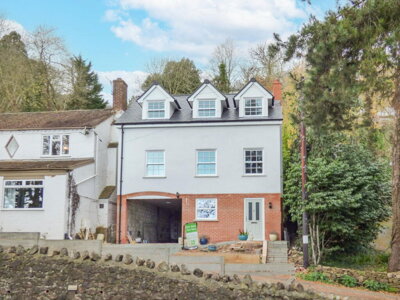
Browse 1 home new builds in Little Malvern from local developer agents.
The Little Malvern property market reflects the character of the village itself - refined, historic, and rooted in quality. Our data shows the average property price stands at £411,304, with prices having decreased by 4% over the past year following a 4% dip from the 2022 peak of £426,388. This modest correction offers buyers a window of opportunity to enter a market that has demonstrated long-term stability. Detached properties form the majority of sales in the village, with these spacious family homes averaging £503,808, reflecting the premium associated with generous plots and rural settings. Semi-detached properties average around £378,707, while flats in the village typically command prices near £251,938.
The market here operates differently from larger towns, with properties often selling through a smaller pool of specialist local estate agents familiar with the area's unique characteristics. New build developments are not available directly within the Little Malvern postcode area, meaning buyers seeking modern specifications typically look to nearby Malvern or Great Malvern for contemporary options. In the nearby town of Malvern itself, Rightmove records show an average asking price of £451,269 for current listings, with detached houses averaging £421,667 and flats around £252,242. The limited supply of available properties in Little Malvern, combined with the village's conservation area status and stunning natural surroundings, means that well-presented homes tend to attract strong interest from buyers throughout the West Midlands region and beyond.
Properties with period features, Malvern Stone construction, and views toward the hills command particular premium in this market. The village's historic architecture and restricted supply create a market where quality homes rarely remain available for long. Buyers who move quickly and have their finances in order are best positioned to secure properties in this desirable location, where the combination of rural tranquility and accessibility continues to attract buyers from across the country.

Life in Little Malvern unfolds at a gentler pace, shaped by the rhythms of the surrounding countryside and the strong sense of community that defines this historic Worcestershire village. The settlement traces its origins back nearly a millennium, with the Little Malvern Priory standing as testament to its medieval heritage. Today, the village remains a conservation area, preserving the distinctive character of its stone-built cottages, farmhouses, and manor houses. The Malvern Stone used in many local buildings, quarried from the ancient igneous rocks of the nearby hills, gives the village its warm, golden appearance that changes with the light throughout the day.
The local geology contributes significantly to the area's distinctive character. Little Malvern sits in the foothills of the Malvern Hills, which contain some of the oldest rocks in Britain, dating back 600-800 million years to the pre-Cambrian era. These ancient igneous rocks, including granite and diorite, have been quarried for centuries to create the building materials that define the village's character. The Malvern Fault, a major line of structural weakness running along the spine of the hills, has shaped both the landscape and the built environment. On the eastern side of the conservation area, sandstone and mudstone deposits create more fertile terrain that drops gently toward the Severn Plain.
This ancient landscape offers residents dramatic walking opportunities directly from the village, with well-marked trails ascending to panoramic viewpoints across the Severn Plain. The surrounding farmland creates a patchwork of fields, orchards, and traditional agricultural landscape that has changed little over generations. Day-to-day amenities are available in the nearby town of Great Malvern, just a short drive away, where residents find a wider range of shops, restaurants, and leisure facilities. Cultural life is enriched by the area's connection to composer Edward Elgar, whose grave lies within the village churchyard, and by the annual Elgar Festival that celebrates the region's musical heritage.

Families considering a move to Little Malvern will find a range of educational options available in the surrounding area, with schools catering to all age groups within easy reach. Primary education is served by schools in nearby villages and the town of Malvern, with many small, village primaries offering excellent standards and close community ties. Parents should research individual school catchment areas carefully, as entry policies can be competitive in popular rural locations. The infant and junior schools in the Malvern area generally achieve good results in national assessments, with teachers known for their supportive approach to pupil development.
Secondary education options include the well-regarded Dyson Perrins CE Academy in Malvern, which offers a comprehensive curriculum and strong pastoral care. For families seeking grammar school provision, the nearby town of Worcester provides access to selective schools including the King's School and Worcester Royal Grammar School, though entry requires passing the 11-plus examination. Parents should note that transport arrangements to schools outside the immediate village may be necessary, and this should be factored into the overall decision-making process when evaluating properties in Little Malvern.
Further education opportunities are available at the Malvern Hills College site and at colleges in Worcester and Hereford, providing clear progression routes for older students. The area's cultural amenities, including the Three Counties Showground and Malvern Theatres, also offer enrichment opportunities that complement formal education. The Three Counties Showground hosts events throughout the year, while Malvern Theatres provides regular performances and workshops. These facilities make Little Malvern an attractive base for families who value both academic achievement and holistic development.

Despite its rural setting, Little Malvern benefits from surprisingly good connectivity to major transport routes and employment centres. The village sits within easy reach of the M5 motorway, which runs north-south through Worcestershire, providing access to Birmingham to the north and Bristol, Exeter, and the South West to the south. Junction 7 of the M5 at Worcester is approximately 10 miles from Little Malvern, making this a practical option for those who need to commute by car regularly. The journey to Birmingham city centre typically takes around an hour by car, though this varies according to traffic conditions.
Rail connections are available from Great Malvern and Malvern Link stations, offering regular services to destinations including Worcester, Hereford, Birmingham, and London. Great Malvern station provides access to the West Midlands railway network, with journey times to Birmingham New Street averaging around 45 minutes. For those travelling to the capital, direct services from Worcester to London Paddington take approximately two hours, making day commuting feasible for some workers. The scenic rail route through the Cotswolds line to Oxford and Reading provides additional travel options during peak periods.
Local bus services connect Little Malvern with Malvern and surrounding villages, though frequencies may be limited compared to urban areas. Cycling is popular among residents, with the undulating local terrain offering challenging routes for enthusiasts and flatter routes available in the Severn Plain direction. Most residents of Little Malvern find that a car is essential for day-to-day convenience, though the excellent motorway and rail connections mean that access to larger employment centres remains practical for those who plan their travel arrangements carefully.

Begin by exploring current listings in Little Malvern and understanding price trends. With the average property price at £411,304 and recent market adjustments of around 4% from the 2022 peak of £426,388, timing your purchase strategically can save significant sums. Research individual streets, check proximity to the conservation area boundaries, and understand what premium properties with Malvern Stone features or hill views command.
Before arranging viewings, obtain a mortgage agreement in principle from a qualified lender. This demonstrates your financial credibility to sellers and estate agents, particularly important in a village market where properties may attract multiple interested parties. Factor in current interest rates and consider speaking to a mortgage broker who can access deals from multiple lenders.
View several properties in Little Malvern and surrounding villages to compare options. Pay attention to construction materials - Malvern Stone properties often require specific maintenance knowledge. Consider the age of properties, their conservation area status, and any planning restrictions that might affect future modifications or extensions.
Once you have found your ideal home, arrange a RICS Level 2 or Level 3 survey to assess the property condition thoroughly. Given the age of properties in Little Malvern, surveys are particularly important to identify any structural concerns, roofing issues, or damp problems that may not be visible during a standard viewing.
Choose an experienced local solicitor to handle the legal aspects of your purchase. They will conduct searches, handle title deeds, and manage the complex process of purchasing a property in a conservation area with potential listed building considerations.
Your solicitor will manage the final stages, including property searches, financing arrangements, and any conditions attached to the sale. On completion day, you will receive your keys and can begin enjoying your new home in Little Malvern.
Purchasing a property in Little Malvern requires careful attention to factors specific to this historic village and its conservation area status. All properties within the conservation area may be subject to additional planning controls that affect permitted development rights, meaning that future extensions, outbuildings, or significant alterations may require formal consent from Malvern Hills District Council. Buyers should obtain a planning history for any property and understand exactly what works have been approved previously before assuming what changes might be possible.
The concentration of listed buildings in Little Malvern adds another layer of consideration for buyers. The Grade I Little Malvern Priory, Grade II* Little Malvern Court, Grade II Church of St Wulstan, and Elgar's Grave all contribute to the village's historic significance. Neighbouring properties may also be affected by listed building controls or sit within the setting of these important heritage assets. Properties constructed using Malvern Stone may require specialist maintenance knowledge and understanding of traditional building techniques, as these period properties often have different maintenance requirements compared to modern construction.
The village's hillside location and proximity to the Malvern Fault means that buyers should be aware of local geological conditions when assessing properties. While no specific flood risk areas have been identified for Little Malvern itself, the land to the east of the conservation area drops toward the Severn Plain, so understanding drainage and ground conditions remains important. For buyers considering flats in the village, understanding the freehold or leasehold arrangement is essential, along with any service charges, ground rent arrangements, and the overall condition of shared areas.

The average house price in Little Malvern is currently £411,304 according to our property data. Detached properties average £503,808, semi-detached homes around £378,707, and flats approximately £251,938. The market has experienced a modest 4% correction from the 2022 peak of £426,388, creating potential opportunities for buyers. The wider Malvern Hills district showed a 3.8% increase to £338,000 in late 2025, suggesting underlying demand remains strong throughout the area.
Properties in Little Malvern fall under Malvern Hills District Council. Council tax bands vary by property depending on valuation, with most detached family homes in the village typically falling into bands D through G. The council provides specific banding information for individual properties through the Valuation Office Agency, and buyers can check bands before purchasing. Residents should budget for annual council tax payments alongside their mortgage and other ownership costs when calculating the true cost of owning a property in Little Malvern.
Little Malvern itself has limited schooling within the village boundaries, with children typically attending schools in nearby Malvern or surrounding villages. Primary options include schools in Malvern and nearby villages, many of which achieve good Ofsted ratings. Secondary education is available at Dyson Perrins CE Academy in Malvern, with grammar school options in Worcester for those who pass the 11-plus examination. Parents should check individual school websites for the latest performance data and admission policies, as catchment areas in this popular rural location can be competitive.
Little Malvern benefits from reasonable connectivity despite its rural location. The nearest railway stations are at Great Malvern and Malvern Link, offering services to Worcester, Birmingham, and London with journey times to Birmingham New Street averaging around 45 minutes. Bus services connect the village with Malvern and surrounding communities, though frequencies may be limited compared to urban areas. For commuting purposes, the M5 motorway is accessible within approximately 10 miles, providing road connections to Birmingham, Bristol, and the wider motorway network.
Little Malvern offers several characteristics that appeal to property investors, including its conservation area status, limited new build supply, and proximity to the Malvern Hills Area of Outstanding Natural Beauty. The village's historic character and consistent demand from buyers seeking rural lifestyles support long-term values. The recent 4% market correction from peak prices may present buying opportunities, while the wider Malvern Hills district showed positive price growth of 3.8% in late 2025. As with any investment, buyers should consider their specific circumstances and potentially seek independent financial advice before purchasing.
Stamp duty land tax rates for standard buyers start at 0% on the first £250,000 of property value, then 5% on the portion from £250,001 to £925,000. For a property at the Little Malvern average of £411,304, this would result in SDLT of approximately £8,065. First-time buyers benefit from relief on the first £425,000, meaning zero SDLT on the first £425,000 portion, then 5% on the amount up to £625,000. Those purchasing additional properties pay a 3% surcharge on all bands.
From 4.5%
Expert mortgage advice for Little Malvern buyers
From £499
Local conveyancing solicitors for Little Malvern
From £350
Professional property survey for Little Malvern
From £80
Energy performance certificate for Little Malvern
Understanding the full costs of purchasing property in Little Malvern is essential for budgeting effectively. Beyond the property purchase price of £411,304 on an average home, buyers must account for stamp duty land tax, legal fees, survey costs, and moving expenses. SDLT rates currently apply at 0% on the first £250,000, 5% on £250,001 to £925,000, with further bands for higher values. For a typical Little Malvern property at average price, this means SDLT of approximately £8,065 before any reliefs or exemptions apply. First-time buyers purchasing properties up to £425,000 pay no SDLT, while those buying between £425,000 and £625,000 pay 5% on the amount above £425,000.
Additional costs include solicitor conveyancing fees, typically ranging from £500 to £1,500 depending on complexity and whether the property is leasehold or freehold. Survey costs for a RICS Level 2 homebuyer report start from around £350, while a more detailed Level 3 building survey for older properties in Little Malvern may cost £600 or more. Local authority searches with Malvern Hills District Council usually cost between £200 and £300, and mortgage arrangement fees typically range from £0 to £2,000 depending on the lender. Removal costs vary according to distance and volume of belongings.
When calculating total buying costs, prospective purchasers should budget for mortgage valuation fees, land registry fees for title registration, and potentially estate agent fees if using a buying agent. Buildings insurance should be in place from completion day, and there may be ground rent or service charge payments for leasehold properties. Setting aside a contingency fund equivalent to at least 10% of the purchase price for unforeseen costs is prudent, particularly when purchasing period properties that may reveal maintenance requirements once ownership transfers.

Properties New Builds In London

Properties New Builds In Plymouth

Properties New Builds In Liverpool

Properties New Builds In Glasgow

Properties New Builds In Sheffield

Properties New Builds In Edinburgh

Properties New Builds In Coventry

Properties New Builds In Bradford

Properties New Builds In Manchester

Properties New Builds In Birmingham

Properties New Builds In Bristol

Properties New Builds In Oxford

Properties New Builds In Leicester

Properties New Builds In Newcastle

Properties New Builds In Leeds

Properties New Builds In Southampton

Properties New Builds In Cardiff

Properties New Builds In Nottingham

Properties New Builds In Norwich

Properties New Builds In Brighton

Properties New Builds In Derby

Properties New Builds In Portsmouth

Properties New Builds In Northampton

Properties New Builds In Milton Keynes

Properties New Builds In Bournemouth

Properties New Builds In Bolton

Properties New Builds In Swansea

Properties New Builds In Swindon

Properties New Builds In Peterborough

Properties New Builds In Wolverhampton

Enter your details to see if this property is within your budget.
Loans, cards, car finance
Estimated property budget
Borrowing + deposit
You could borrow between
Typical borrowing
Monthly repayment
Est. at 4.5%
Loan-to-value
This is an estimate only. Your actual budget may vary depending on interest rates, credit history, and personal circumstances. For an accurate affordability assessment, speak to one of our free mortgage advisors.
This calculator provides estimates for illustrative purposes only and does not constitute financial advice. Your home may be repossessed if you do not keep up repayments on your mortgage. Estimates based on 4.5% interest rate, repayment mortgage. Actual rates depend on your circumstances.
Homemove is a trading name of HM Haus Group Ltd (Company No. 13873779, registered in England & Wales). Homemove Mortgages Ltd (Company No. 15947693) is an Appointed Representative of TMG Direct Limited, trading as TMG Mortgage Network, which is authorised and regulated by the Financial Conduct Authority (FRN 786245). Homemove Mortgages Ltd is entered on the FCA Register as an Appointed Representative (FRN 1022429). You can check registrations at NewRegister or by calling 0800 111 6768.

We use cookies to show you personalised content and improve your experience of our website. Find out more in our Privacy policy and Cookie policy.