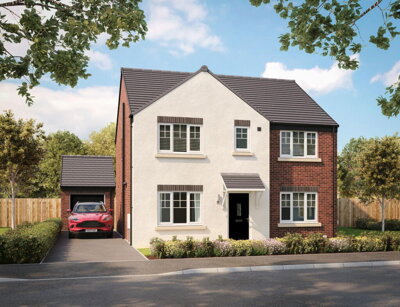
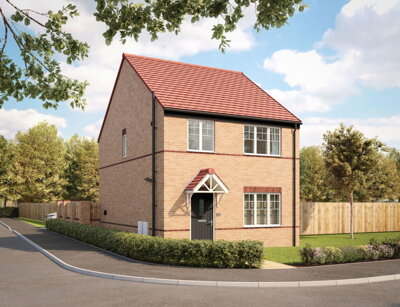
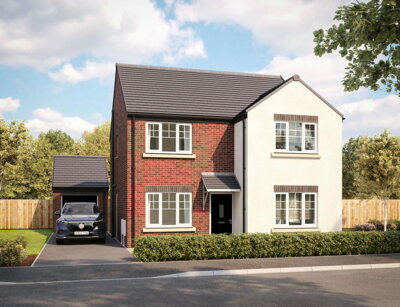
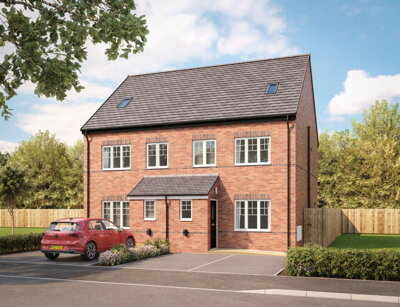
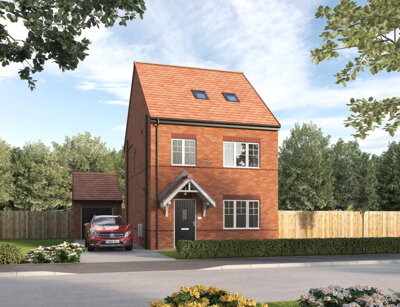
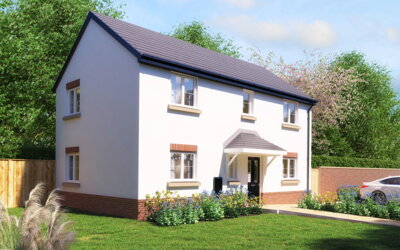
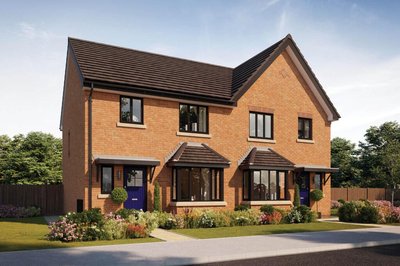
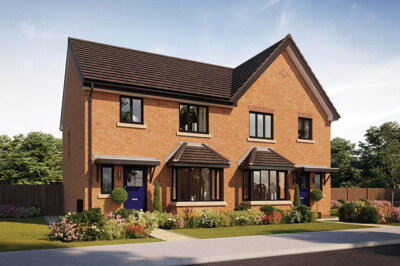
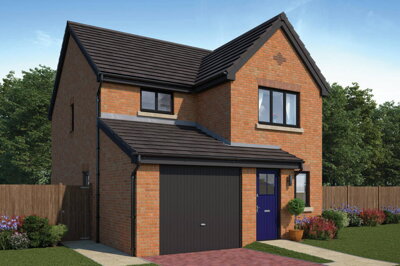
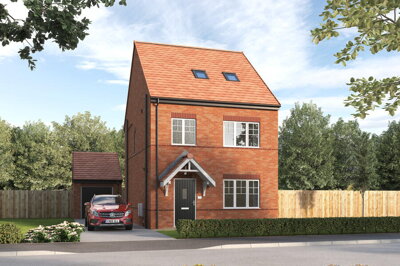
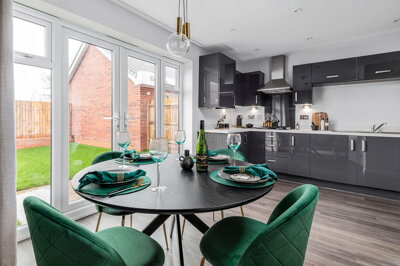
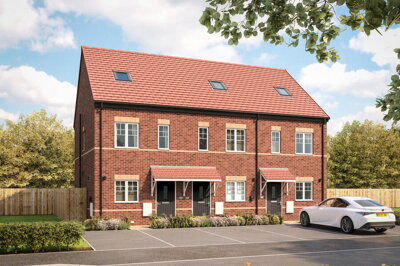
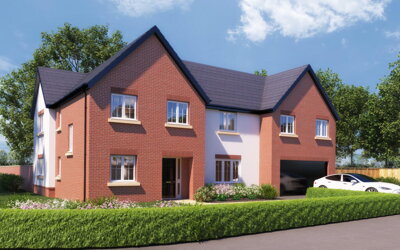
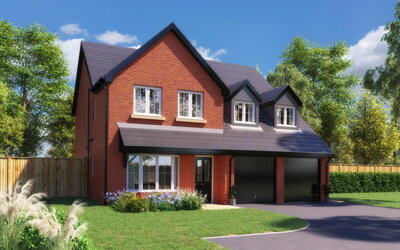
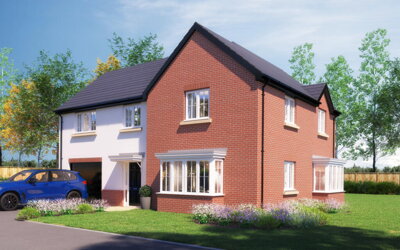
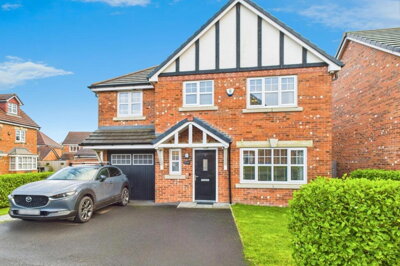
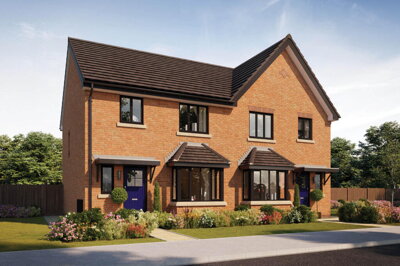
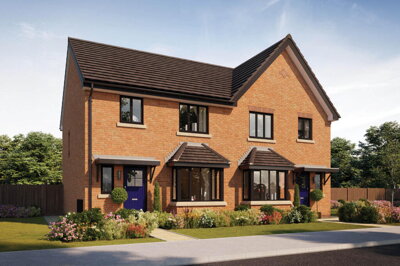
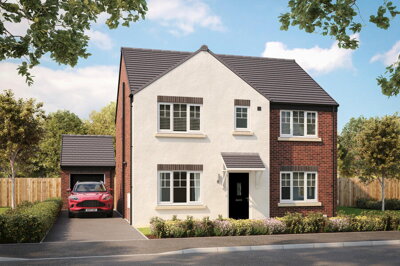
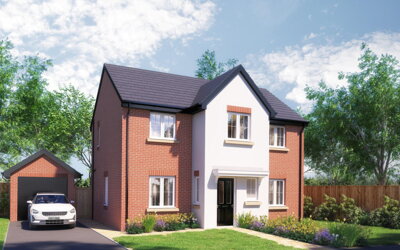
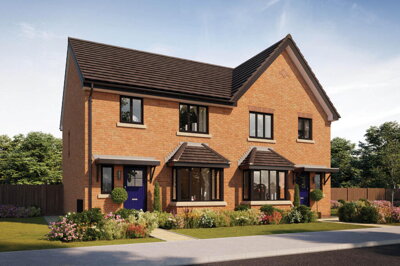
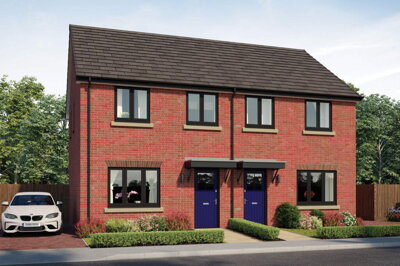
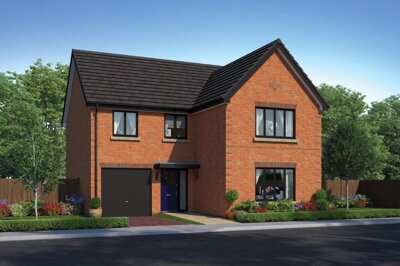
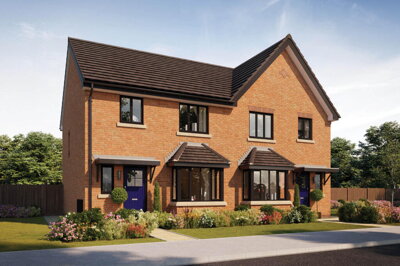
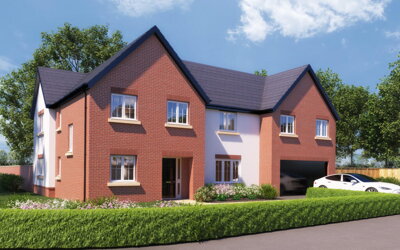
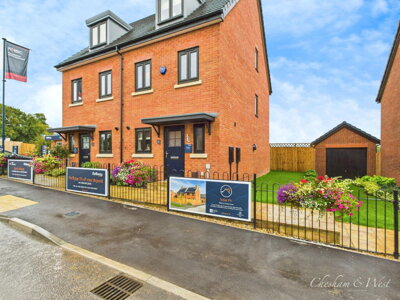
Browse 32 homes new builds in Little Eccleston-with-Larbreck from local developer agents.
The Fadmoor property market reflects the broader trends affecting rural North Yorkshire, where demand consistently outstrips supply due to the limited housing stock and the enduring appeal of National Park living. As of early 2026, the average property price in the village stands at £399,500, with detached properties commanding the highest values at around £425,000. Semi-detached homes typically sell for approximately £375,000, while terraced properties, though rarer in this rural setting, are available from around £320,000. This tiered pricing structure allows buyers with different budgets to find suitable accommodation within the village boundaries.
Our data shows that the local market has remained resilient despite broader economic uncertainties, with the 2.5% annual price increase indicating healthy demand from buyers seeking countryside properties. The village has recorded 12 property sales in the past twelve months, a respectable figure for a small community where transactions are less frequent than in urban areas. The North York Moors National Park Authority exercises strict planning control over the area, which limits new development and helps maintain property values over time. This scarcity of available properties creates competitive conditions where well-presented homes can attract multiple offers from buyers recognising the long-term value of National Park living.
Prospective buyers should note that no new build developments are currently active within the Fadmoor postcode area, meaning that those seeking brand new properties may need to broaden their search to nearby towns such as Kirkbymoorside or Pickering, which offer more diverse housing options while remaining within easy reach. We recommend broadening your property search to include surrounding villages like Hutton-le-Hole, Gillamoor, and Lastingham, each offering their own unique character while sharing the same protected landscape setting that makes Fadmoor so desirable.

Fadmoor embodies the timeless charm that makes North York Moors villages so desirable, with properties predominantly constructed from local sandstone and limestone that blend seamlessly into the rolling landscape. The village sits within a designated National Park, offering residents not only stunning views and immediate access to miles of public footpaths but also the reassurance that the natural environment will be preserved for future generations. This protective status means that new development is strictly controlled, which helps maintain property values while ensuring the character of the community remains intact. The combination of planning restrictions and natural beauty creates a living environment that is increasingly rare in modern Britain.
The underlying geology of the Fadmoor area consists of Jurassic limestones, sandstones, and shales, which have historically provided the building materials for the village's traditional properties. These local materials not only give the village its distinctive appearance but also contribute to the solid wall construction methods commonly found in older properties throughout the area. Understanding the local geology is important for buyers, as properties built on these formations may have different maintenance requirements compared to modern cavity-wall constructions. The area's proximity to the Cled Beck means that some properties may be situated on ground with higher moisture levels, requiring particular attention to drainage and damp-proofing during property assessments.
The local economy centres around agriculture, tourism, and small family businesses, with many residents enjoying the balance between rural tranquility and the convenience of commuting to larger market towns for work. Kirkbymoorside, located just a short drive away, provides essential amenities including supermarkets, medical practices, and a selection of independent shops. The presence of listed buildings throughout Fadmoor speaks to the village's historical significance, with some properties dating back several centuries. Community life revolves around traditional pub culture and seasonal events that bring residents together, creating a strong sense of belonging that newcomers often cite as a major factor in their decision to relocate. Popular walking routes from the village include paths to the nearby Cled Beck valley and connections to the Cleveland Way National Trail, which passes through the surrounding moorland.

Families considering a move to Fadmoor will find that effective education requires careful planning, as the village itself does not have a school within its boundaries. Primary education is available at schools in nearby villages and towns, with many small rural schools offering excellent standards of teaching in intimate class settings. The North Yorkshire local education authority maintains a network of primary schools across the region, and catchment areas are determined by proximity, making early research into school admissions a crucial step for families with young children. We recommend visiting potential schools before purchasing, as this provides valuable insight into current class sizes, facilities, and the overall educational environment that cannot be captured from league tables alone.
Several primary schools within reasonable driving distance of Fadmoor have received positive Ofsted ratings in recent years, including establishments in Kirkbymoorside and the surrounding villages. These schools typically serve small catchments, meaning teachers often know all pupils personally and can provide individual attention that may be harder to find in larger urban schools. For Reception and Year 1 admissions, the deadline for applications is typically in January, with offers made in April, so families should begin the research process well in advance of any planned move. The small class sizes at rural primary schools are frequently cited by parents as a significant advantage, with headteachers reporting stronger academic outcomes partly attributable to the close relationships between staff and pupils.
Secondary education options include schools in Kirkbymoorside and the surrounding market towns, with several institutions earning strong ratings from Ofsted inspectors in recent years. Dunstan Ampleforth College, situated near the village of Ampleforth approximately eight miles from Fadmoor, offers both day and boarding education and has a strong academic reputation. For families requiring sixth form provision or further education courses, the larger towns of Scarborough, York, and Malton offer comprehensive facilities and a wider range of academic and vocational programmes. The proximity of the University of York and York St John University makes Fadmoor a viable base for students undertaking higher education, particularly those who wish to maintain their family home while pursuing degree courses. Parents are advised to check current school performance data and admission policies when planning a relocation, as catchment boundaries can change and competition for places at popular schools can be intense.
Transport connections from Fadmoor reflect its status as a small rural village, with residents relying primarily on private vehicles for daily commuting and essential travel. The A170 road passes through the nearby area, providing access to the market towns of Kirkbymoorside and Helmsley, while connecting onwards to Scarborough and the A1(M) motorway for longer journeys. The A170 can become challenging during winter months when snow and ice affect the higher moorland sections, and we recommend that buyers consider the practicality of rural driving before committing to a move. For those working in York or Leeds, travel times by car typically range from one to one and a half hours depending on traffic conditions, making Fadmoor more suitable for remote workers or those with flexible employment arrangements.
The A169, known locally as the Moorland Road, connects Pickering to Whitby and passes through the northern sections of the National Park, providing an alternative scenic route to the coast for weekend trips. Cyclists will appreciate the scenic routes through the National Park, though the hilly terrain requires reasonable fitness levels. The National Park Authority has invested in cycle hire facilities at various locations, making it easier for residents without vehicles to access popular cycling routes. For longer journeys, the TransPennine rail route from York to Newcastle stops at Thirsk, offering connections to the wider rail network including direct services to Edinburgh and London Kings Cross. The scenic nature of these rail routes makes commuting more pleasant than on crowded urban services, though journey times to major employment centres are longer than from towns with direct motorway access.
Public transport options are limited but do exist for those without private vehicles. Bus services operate on routes connecting surrounding villages to larger towns, although frequencies are reduced compared to urban services and may not align with typical commuter schedules. The 128 bus service runs between Pickering and Helmsley, passing through nearby villages and providing a vital link for those without cars. The nearest railway stations are located in Malton and Thirsk, both offering connections to major cities including York, Leeds, and Newcastle. Malton station, approximately fifteen miles from Fadmoor, provides regular services to York with journey times of around 25 minutes, making it feasible for occasional office attendance for those working in the city. For air travel, Leeds Bradford Airport and Robin Hood Doncaster Sheffield Airport are the most accessible options, each requiring approximately ninety minutes travel time by car.
The majority of properties in Fadmoor were constructed before modern building regulations came into effect, meaning they feature traditional construction methods that differ significantly from contemporary homes. Solid wall construction is prevalent throughout the village, with walls typically built from local stone or brick without the cavity gaps found in properties built after the 1920s. This construction type offers excellent thermal mass, helping to regulate indoor temperatures throughout the year, but it requires different maintenance approaches compared to modern buildings. Our inspectors frequently identify that solid wall properties benefit from breathability in their construction, and we recommend avoiding modern cement-based products that can trap moisture and cause deterioration in these traditional structures.
Roof construction in Fadmoor's older properties typically features traditional timber roof trusses with coverings of natural slate or clay pantiles. These materials were locally sourced for generations and contribute significantly to the village's architectural character. However, our experience shows that these roofs often require more frequent maintenance than modern equivalents, with issues including slipped tiles, degraded mortar on ridge tiles, and timber decay in bargeboards and fascia areas. When viewing properties in the village, we recommend paying particular attention to the roof condition and asking vendors about recent repairs or re-roofing work. Properties that have undergone sympathetic restoration using matching traditional materials generally command a premium, as work carried out with inappropriate modern materials can cause long-term damage to the building fabric.
The underlying Jurassic geology of the area, consisting of limestones, sandstones, and shales, has influenced not only local building materials but also ground conditions that may affect property foundations. While Fadmoor itself is not located in a primary river flood zone, the surrounding topography can create localised surface water flooding during periods of heavy rainfall. Properties on sloping sites may be susceptible to ground movement during extreme weather events, and we always recommend a thorough survey before purchasing any older property in the village. The combination of traditional construction, local materials, and the age of many properties means that budgeting for ongoing maintenance is an important consideration for prospective buyers. Our team has inspected numerous properties in surrounding villages where owners have successfully balanced period character with modern comfort through careful renovation and traditional building techniques.
Begin by exploring property listings in Fadmoor and the surrounding North York Moors area. Understanding current price points, with detached homes around £425,000 and terraced properties from £320,000, will help you establish a realistic budget before beginning your search. We recommend setting up automated alerts on property portals to ensure you are notified immediately when new homes matching your criteria are listed, as desirable village properties can sell quickly in this competitive market.
Contact lenders or mortgage brokers to obtain an agreement in principle before viewing properties. Having your finances confirmed strengthens your position when making offers on desirable village homes in this competitive market. Consider speaking with a mortgage broker who has experience with rural properties, as some lenders have specific criteria for properties in National Parks or those with unusual construction types.
Visit properties that match your criteria, taking time to assess the condition of traditional stone buildings and consider factors such as conservation area restrictions that apply within the National Park. We recommend attending viewings at different times of day to assess lighting conditions and any potential issues with neighbouring properties. Take detailed notes and photographs to help compare properties after the viewing, and do not hesitate to request second viewings of properties that particularly interest you.
Before completing your purchase, arrange a comprehensive survey to check for common issues in older properties such as damp, roof condition, and timber defects. National averages for Level 2 surveys range from £400 to £900, and we strongly recommend choosing a surveyor with experience in traditional stone properties in the North York Moors area. A thorough survey can identify issues that may not be visible during a standard viewing and can provide leverage for price negotiations if defects are identified.
Choose a conveyancing specialist to handle the legal aspects of your purchase, including searches related to planning restrictions, flood risk, and any specific North York Moors National Park requirements. We recommend selecting a solicitor with experience in rural property transactions, as they will be familiar with the specific searches and requirements that apply to properties in National Parks. Request a clear timeline for the transaction and maintain regular communication throughout the process.
Once all surveys and legal work are satisfactory, your solicitor will coordinate the exchange of contracts and final registration of your ownership with HM Land Registry. We recommend conducting a final walkthrough inspection shortly before completion to ensure the property remains in the condition agreed upon, and confirm that all agreed items are included in the sale. On completion day, ensure you have keys organised and have informed the relevant utility companies of your move.
Purchasing a property in Fadmoor requires careful attention to factors that are specific to rural National Park locations. Properties in the village are typically older constructions built from traditional materials, with solid walls and original features that may require ongoing maintenance. Our data shows that common defects in properties of this age include damp affecting solid wall constructions, roof deterioration on traditional slate and pantile coverings, and outdated electrical systems that may not meet current safety standards. A thorough RICS Level 2 Survey is strongly recommended before completing any purchase in the area.
Damp is one of the most frequently identified issues in Fadmoor's traditional stone properties, particularly those with solid walls that lack modern damp-proof courses. Our inspectors commonly find rising damp in ground floor rooms and penetrating damp in properties where pointing has deteriorated or where stonework has been exposed to prolonged wet weather. We recommend checking for any signs of damp staining on walls and ceilings during viewings, and ensuring that any survey includes thorough testing of internal walls using calibrated moisture meters. Properties with evidence of previous damp treatment should be investigated further to determine whether the treatment was successful and whether the underlying cause has been addressed.
Timber defects represent another significant concern in older village properties, with woodworm and wet rot identified in many traditional buildings. Our experience shows that properties with original timber windows, floorboards, or structural elements are particularly vulnerable if maintenance has been neglected. We recommend asking vendors about any previous timber treatment work and ensuring that surveyors carry out careful inspection of all accessible timber elements. Outdated electrical systems are common in older properties, and we strongly recommend that buyers budget for a full rewire or at minimum an Electrical Installation Condition Report before moving into any property that has not had recent electrical upgrades.
Buyers should also investigate whether a property is listed, as many homes in Fadmoor carry listed building status that restricts permitted development rights and alterations. The North York Moors National Park Authority exercises planning control over the area, and any significant works may require specific consent. Flood risk in Fadmoor is generally low, with the village not located in a primary river flood zone, though localised surface water flooding can occur during periods of heavy rainfall due to the surrounding topography. Properties with private drainage systems or septic tanks should be carefully assessed to ensure compliance with current regulations, as these systems often require maintenance or upgrading.
The average house price in Fadmoor is £399,500 as of February 2026, according to Land Registry data aggregated by Plumplot. Detached properties average around £425,000, semi-detached homes cost approximately £375,000, and terraced properties are typically priced from £320,000. House prices have increased by 2.5% over the past twelve months, indicating steady demand for properties in this North York Moors village. This price growth reflects the continued appeal of rural National Park locations among buyers seeking quality of life and property investment stability, with the restricted development within the National Park ensuring that supply remains limited relative to demand.
Properties in Fadmoor fall under Ryedale District Council and North Yorkshire Council for council tax purposes. Specific band allocations depend on the property valuation, but homes in rural North York Moors villages typically range from band B to E. Prospective buyers should check the current council tax banding for any specific property through the Valuation Office Agency website or their solicitor during conveyancing. Council tax bills in North Yorkshire are generally competitive compared to urban areas, though this should be factored into overall budgeting alongside mortgage costs and maintenance expenses.
Fadmoor itself does not have schools within the village boundary, but primary education is available at nearby rural schools, with many earning good Ofsted ratings. Secondary schools in Kirkbymoorside and surrounding market towns serve the area, and several have strong academic reputations. Dunstan Ampleforth College, approximately eight miles from Fadmoor, offers both day and boarding education with a strong reputation for academic excellence. Parents should verify current admission arrangements and consider travel arrangements when selecting properties, as school transport provision varies and catchment areas can affect eligibility at popular schools.
Public transport connections from Fadmoor are limited, reflecting its status as a small rural village. Bus services operate on routes connecting surrounding villages to larger towns, with the 128 service providing a connection between Pickering and Helmsley. The nearest railway stations are in Malton and Thirsk, offering connections to York, Leeds, and the wider rail network. Most residents rely on private vehicles for daily commuting and essential travel, and we recommend that buyers without cars carefully assess whether the available bus services meet their needs before committing to a purchase.
Property investment in Fadmoor can be attractive due to the North York Moors National Park designation, which restricts new development and supports long-term property values. The village has seen consistent price growth, with a 2.5% increase over the past year, and the limited housing stock means demand typically outstrips supply. However, buyers should note that the local rental market is small, and holiday let opportunities may be affected by National Park planning regulations. The enduring appeal of countryside living suggests stable demand for properties in the area, making it potentially suitable for long-term investment strategies focused on capital appreciation rather than rental income.
For standard residential purchases, stamp duty land tax applies at 0% on the first £250,000 of property value, 5% on the portion from £250,001 to £925,000, 10% on the portion from £925,001 to £1,500,000, and 12% on any amount exceeding £1,500,000. First-time buyers benefit from relief on the first £425,000, with 5% applied between £425,001 and £625,000. At Fadmoor's average price of £399,500, most buyers would pay no stamp duty under current thresholds. We recommend using the HMRC online calculator to determine your specific liability based on your circumstances and whether any reliefs or additional dwelling supplement apply.
From £400
A detailed inspection of the property condition, ideal for traditional stone homes. Recommended before purchase.
From £600
A comprehensive building survey for older or complex properties. Suitable for listed buildings and period properties.
From £60
Energy Performance Certificate required for all property sales.
From £499
Legal services for property purchase transactions.
Understanding the full costs of purchasing property in Fadmoor is essential for budgeting purposes, and stamp duty land tax represents one of the most significant expenses beyond the property price itself. For a typical home in Fadmoor priced around the current average of £399,500, most buyers under the standard residential rates would pay no stamp duty on the first £250,000, with the remainder subject to the 5% rate. This results in a stamp duty liability of approximately £7,475 for properties at this price point, assuming no reliefs apply. We recommend using the HMRC online calculator to confirm your specific liability before making an offer, as individual circumstances can significantly affect the amount payable.
First-time buyers purchasing at the Fadmoor average price of £399,500 would benefit significantly from first-time buyer relief, paying nothing on the first £425,000 and potentially no stamp duty at all on properties within this threshold. This relief can represent a substantial saving compared to the standard rates, making village property more accessible to first-time buyers willing to consider rural locations. Additional buying costs include solicitor fees for conveyancing, which typically start from around £499 for standard transactions, survey costs ranging from £400 to £900 depending on property size and type, and search fees covering local authority, drainage, and environmental searches.
Those purchasing older properties in Fadmoor should budget for potential renovation costs, as traditional stone buildings may require updates to insulation, electrical systems, and plumbing to meet modern standards. Our experience shows that older properties in the North York Moors often require investment in damp-proofing, roof repairs, and heating system replacements within the first few years of ownership. Mortgage arrangement fees, valuation fees, and land registry charges complete the typical buying cost package, and we recommend setting aside an additional 3% to 5% of the purchase price to cover these ancillary expenses. Properties requiring significant renovation may also need to factor in the cost of any specialist surveys required for listed buildings or those with unusual construction methods.
Properties New Builds In London

Properties New Builds In Plymouth

Properties New Builds In Liverpool

Properties New Builds In Glasgow

Properties New Builds In Sheffield

Properties New Builds In Edinburgh

Properties New Builds In Coventry

Properties New Builds In Bradford

Properties New Builds In Manchester

Properties New Builds In Birmingham

Properties New Builds In Bristol

Properties New Builds In Oxford

Properties New Builds In Leicester

Properties New Builds In Newcastle

Properties New Builds In Leeds

Properties New Builds In Southampton

Properties New Builds In Cardiff

Properties New Builds In Nottingham

Properties New Builds In Norwich

Properties New Builds In Brighton

Properties New Builds In Derby

Properties New Builds In Portsmouth

Properties New Builds In Northampton

Properties New Builds In Milton Keynes

Properties New Builds In Bournemouth

Properties New Builds In Bolton

Properties New Builds In Swansea

Properties New Builds In Swindon

Properties New Builds In Peterborough

Properties New Builds In Wolverhampton

Enter your details to see if this property is within your budget.
Loans, cards, car finance
Estimated property budget
Borrowing + deposit
You could borrow between
Typical borrowing
Monthly repayment
Est. at 4.5%
Loan-to-value
This is an estimate only. Your actual budget may vary depending on interest rates, credit history, and personal circumstances. For an accurate affordability assessment, speak to one of our free mortgage advisors.
This calculator provides estimates for illustrative purposes only and does not constitute financial advice. Your home may be repossessed if you do not keep up repayments on your mortgage. Estimates based on 4.5% interest rate, repayment mortgage. Actual rates depend on your circumstances.
Homemove is a trading name of HM Haus Group Ltd (Company No. 13873779, registered in England & Wales). Homemove Mortgages Ltd (Company No. 15947693) is an Appointed Representative of TMG Direct Limited, trading as TMG Mortgage Network, which is authorised and regulated by the Financial Conduct Authority (FRN 786245). Homemove Mortgages Ltd is entered on the FCA Register as an Appointed Representative (FRN 1022429). You can check registrations at NewRegister or by calling 0800 111 6768.

We use cookies to show you personalised content and improve your experience of our website. Find out more in our Privacy policy and Cookie policy.