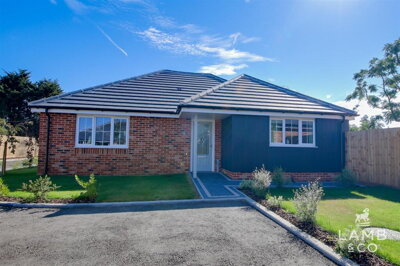
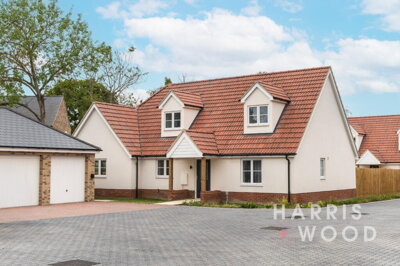
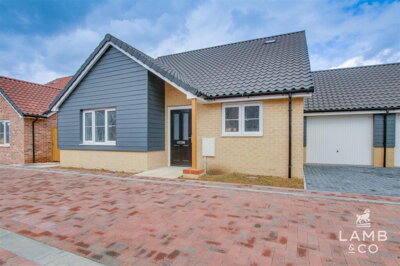
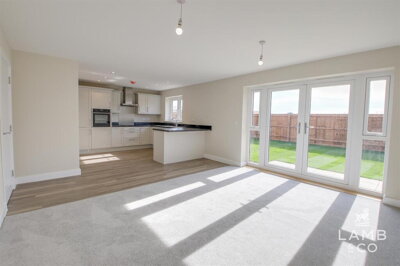
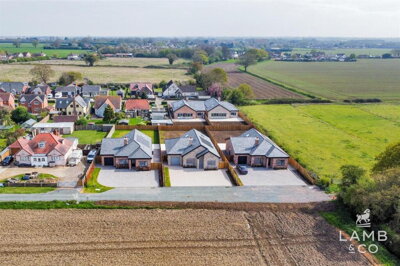
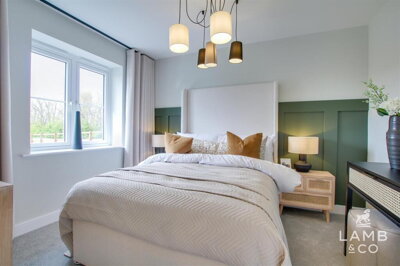
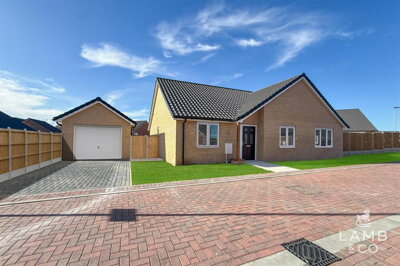
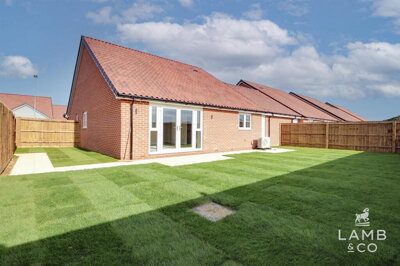
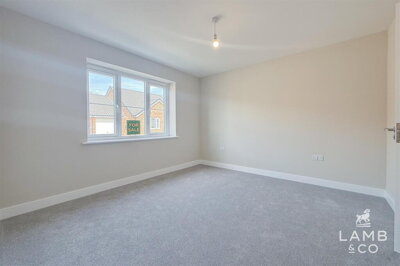
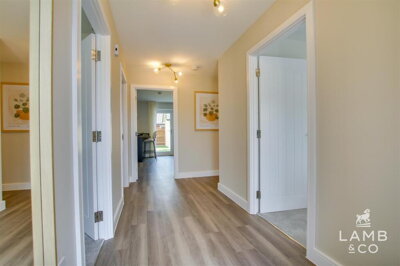
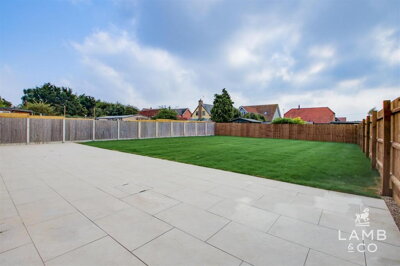
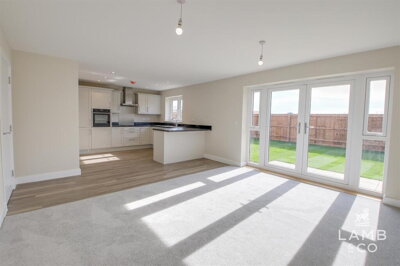
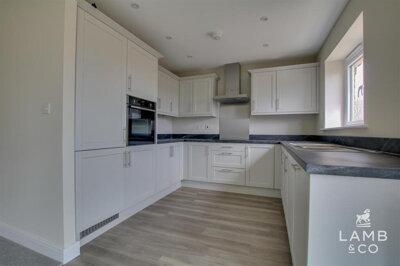
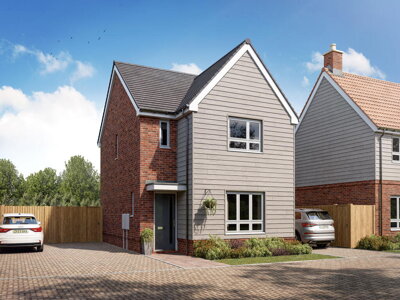
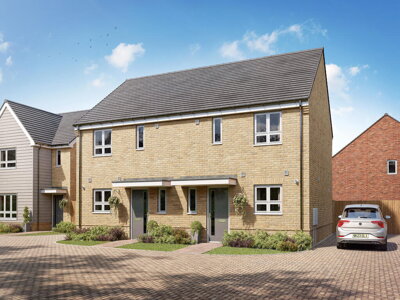
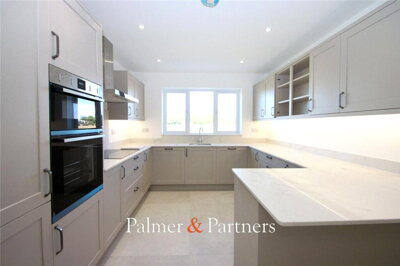
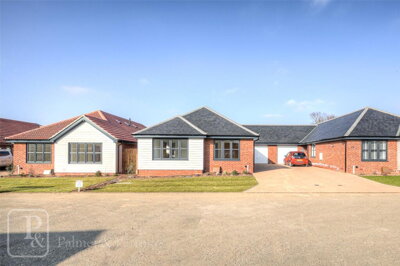
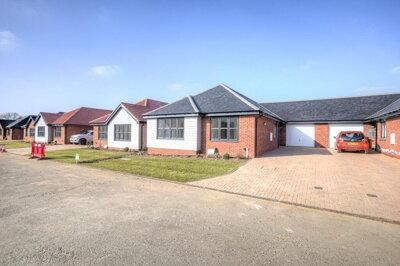
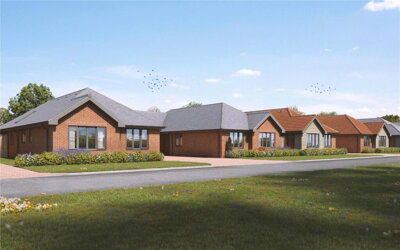
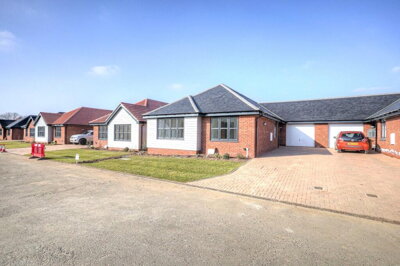
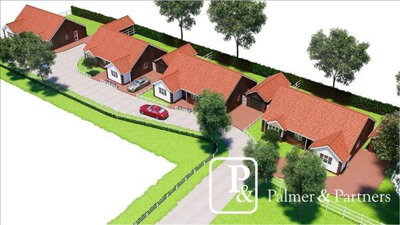
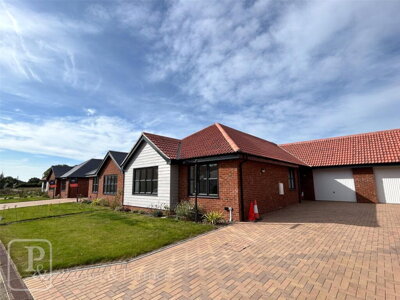
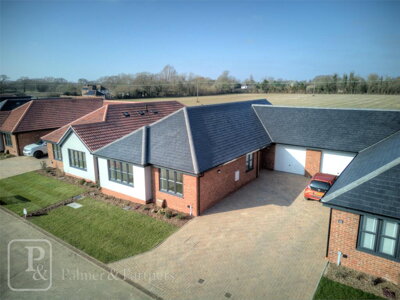
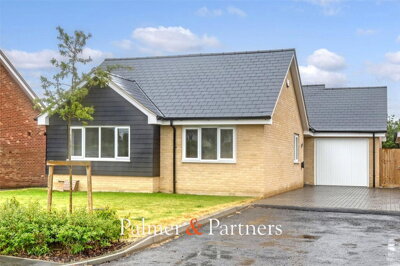
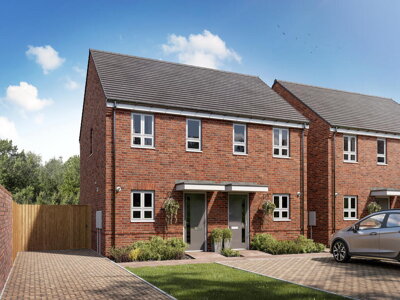
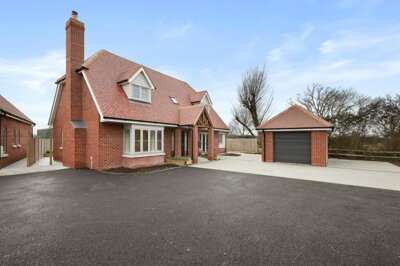
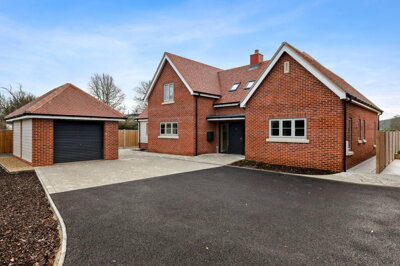
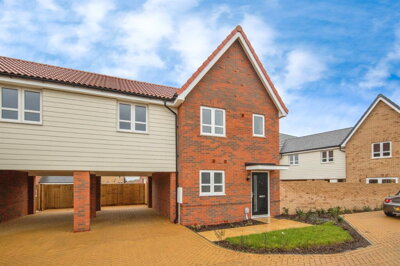
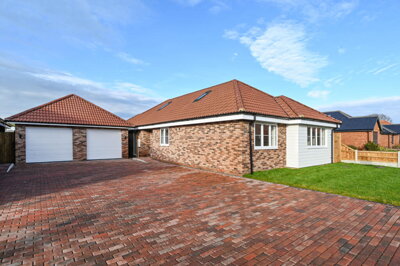
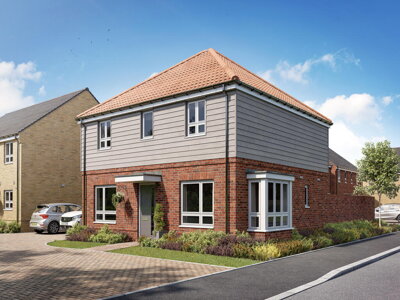
Browse 40 homes new builds in Little Clacton from local developer agents.
The Little Clacton property market offers detached, semi-detached, and terraced houses spanning various price ranges and neighbourhoods. Each listing includes detailed property information, photographs, and direct contact with the marketing agent.
The Knettishall property market reflects the character of this small rural community, with limited but quality stock that attracts buyers seeking countryside living. Recent transactions in the area have ranged significantly, with individual property sales recorded at various price points depending on size, condition, and historical significance. For the broader IP22 postcode area, which encompasses Knettishall and neighbouring villages, the average house price stands at approximately £395,000, providing a useful benchmark for prospective buyers researching the local market.
Property prices in the IP22 area demonstrate clear variation by type. Two-bedroom houses typically sell for around £239,000, while three-bedroom properties command approximately £348,000. Larger family homes with four bedrooms average £516,000, and five-bedroom houses reach around £630,000. Flats in the area remain more affordable, with one-bedroom units averaging £103,000 and two-bedroom flats around £142,000. These figures indicate a market that caters to first-time buyers on tighter budgets as well as families seeking larger period properties with land. The housing mix in the IP22 area shows approximately 39% detached properties, 25% semi-detached, 12% terraced, and 25% other property types, offering diverse options for different buyer requirements.
Knettishall itself has seen limited transaction volumes, which means individual sales can have a significant impact on average price calculations. One notable recent sale on Heath Road achieved £1,050,000 in December 2021, reflecting the premium attached to substantial properties with substantial grounds in this desirable location. The current average sold price for Knettishall specifically is around £600,000 based on limited recent data, though the IP22 2TE postcode shows values at approximately £326,485 over the last year. For the broader IP22 postcode area, overall selling price trend data remains limited, though nationally the average UK house price saw a rise of 1.3% over the past year as of February 2026.
New build activity within Knettishall itself is absent, with no active developments identified directly in the village. Nearby developments exist in neighbouring areas such as Sarsons Meadow in Hopton and other schemes in Diss and Garboldisham. A larger development of up to 1,000 homes was approved west of Mildenhall within the wider West Suffolk district, but this does not directly affect Knettishall. The absence of new build supply in the village means buyers seeking modern specifications may need to consider nearby settlements or accept the character and potential maintenance requirements of the existing period stock.

Life in Knettishall centres around the village's peaceful rural character and strong sense of community. The River Little Ouse forms a natural boundary to the north, while Knettishall Heath provides an important natural amenity featuring a distinctive mix of sandy soil and underlying chalk formed by post-Ice Age geological processes. This unique habitat supports diverse wildlife and offers residents excellent opportunities for walking, birdwatching, and outdoor recreation without leaving their doorstep. The village's compact footprint means that community connections develop naturally, with local events and gatherings drawing residents together throughout the year.
The broader West Suffolk area provides essential services within easy reach, with larger villages and market towns offering supermarkets, medical practices, and a range of independent shops. The historic market town of Bury St Edmunds lies within reasonable driving distance, providing comprehensive retail therapy, cultural attractions including the renowned Apex theatre, and excellent dining options. For everyday necessities, residents typically travel to nearby settlements where village shops, post offices, and farm shops supply fresh local produce and essentials. The surrounding area benefits from several popular pubs and restaurants serving both locals and visitors exploring the countryside.
The area's history is evident throughout Knettishall, most notably in its collection of three listed buildings that preserve the architectural heritage of the village. Hall Farmhouse, dating from the 17th and early 19th centuries, exemplifies the white brick and timber-framed construction traditional to the region. The former RAF Knettishall airfield, with its temporary brick buildings, represents a different chapter of local history and has influenced the built environment of the surrounding area. Knettishall Brickworks, now historic, once supplied materials for local construction, underscoring the self-sufficiency of this rural community and explaining the prevalence of traditional brick in local buildings.
Knettishall Heath represents a particular highlight for residents and visitors alike, offering extensive heathland walks and wildlife observation opportunities rare in East Anglia. The sandy soils and chalk substrate create conditions for specialized plant species and insects, making the area valuable from an ecological perspective. Residents frequently report that the natural environment surrounding Knettishall forms a core part of their decision to live in the village, with the combination of the heath, river, and farmland providing an exceptionally varied landscape within easy reach of the village centre.

Families considering a move to Knettishall will find a selection of educational options within the surrounding West Suffolk area. Primary education is provided through several village schools in nearby communities, offering children a strong foundation in a nurturing environment. These smaller schools often benefit from close community ties and individual attention from teaching staff. Parents should research specific catchment areas and admission policies for the school year they require, as rural school placements can be competitive given the dispersed population across the surrounding villages.
Secondary education in the region is served by schools in nearby market towns, with many students travelling reasonable distances to access comprehensive secondary provision. Several schools in the wider area have earned strong reputations for academic achievement and extracurricular programmes, with school performance data publicly available through government websites. For families seeking specialist or independent education, options exist in larger nearby towns, though these require additional travel planning. Sixth form provision is available at secondary schools and colleges in the surrounding towns, offering a range of A-level and vocational courses for older students continuing their education beyond GCSE level.
The IP22 postcode area benefits from several primary schools that serve Knettishall and surrounding villages. Parents are encouraged to visit potential schools, meet staff, and understand the admissions process well in advance of any move. School performance data, including Ofsted ratings, should be reviewed as part of property search planning, particularly for families with school-age children who will need confirmed placements before completing a purchase. Early engagement with local education authorities regarding catchment areas is strongly recommended for buyers with children, as property purchase in a particular area does not guarantee school admission and waiting lists can develop quickly in popular rural catchments.
Transport connectivity from Knettishall combines rural tranquility with practical access to major routes and rail services. The village sits within reasonable distance of the A1088 and A143, providing road connections to Bury St Edmunds, Norwich, and Cambridge. The A14 trunk road, accessible via the surrounding network, offers direct routes to the port of Felixstowe and connections to the national motorway network. For commuters working in Cambridge or Norwich, these road links make rural living a viable option without excessive journey times.
Rail services from nearby stations provide access to Norwich, Cambridge, and London Liverpool Street via connections at larger stations. Diss railway station, located within reasonable driving distance, offers regular services to Norwich with journey times of approximately 30 minutes, and connections to Cambridge and London. For professionals working in the capital, the rail options from the wider area provide a realistic alternative to city centre living, particularly for those who can work flexibly or travel outside peak hours. The journey from Diss to Norwich takes around 30 minutes, while Cambridge is accessible via changing trains at Norwich or via the Cambridge to Norwich line.
Local bus services connect Knettishall with surrounding villages and market towns, providing essential transport for those without private vehicles. Schools, shops, and medical appointments are accessible through these services, though timings may be limited compared to urban provision. Many residents of rural Knettishall rely on a combination of driving for regular commutes and local services, with cycling popular for shorter journeys during favourable weather. Parking in the village itself is generally straightforward given the low-density nature of the settlement, and residents report that the absence of parking stress is one of the advantages of village living compared to more urban locations.
Explore Knettishall thoroughly before committing to a purchase. Visit at different times of day and week, speak with existing residents about what it is like to live in the village, and understand the local amenities and services available within easy reach. Review recent property sales and current listings to establish realistic expectations for what your budget can achieve in this specific location. Given the limited stock in the village, building relationships with local estate agents can give you early access to properties before they appear on major portals.
Before viewing properties in Knettishall, obtain a mortgage agreement in principle from a lender. This demonstrates your buying capacity to estate agents and sellers, streamlines your offer process, and helps you understand exactly how much you can borrow. Several lenders offer competitive rates for rural properties, though larger mortgages on premium rural homes may require specialist products. Having your finances confirmed before making an offer on a village property gives you a significant advantage in what can be a competitive market.
Arrange viewings of properties that match your requirements and budget. Pay attention to the construction materials, as Knettishall properties often feature traditional brick and timber-framed structures that may require different maintenance approaches than modern homes. Consider factors such as flood risk near the River Little Ouse, the implications of listed building status, and any planning restrictions that may affect your intended use of the property. The age of many Knettishall properties means that original features may require ongoing maintenance, so viewings should include careful assessment of the condition of roofs, walls, and foundations.
Once you have agreed a purchase, arrange for a professional survey before completing. A RICS Level 2 Survey (Homebuyer Report) is particularly appropriate for traditional rural properties, providing assessment of construction, condition, and any defects that may not be visible during viewings. Given the age of many Knettishall properties and the clay soil conditions in parts of Suffolk, a thorough survey is essential for understanding potential maintenance requirements and budgeting appropriately for any remedial work identified.
Choose a conveyancing solicitor with experience in rural Suffolk properties to handle the legal aspects of your purchase. They will conduct searches with the local authority, check for any planning conditions or rights of way affecting the property, and manage the transfer of ownership. Local knowledge is valuable for understanding any unusual aspects of property titles in the village, including any covenants or restrictions that may affect how you can use or modify the property in future.
Once all searches and surveys are satisfactory and your mortgage offer is confirmed, your solicitor will arrange exchange of contracts with the seller's representatives. A deposit is paid at this stage, with the remaining balance and completion happening simultaneously. On completion day, you will receive the keys to your new Knettishall home. We recommend arranging buildings insurance to commence from exchange of contracts, as this protects your investment from that point onwards.
Purchasing a property in Knettishall requires attention to several factors specific to this rural Suffolk location. Flood risk should be carefully considered, as the village sits on the south bank of the River Little Ouse, which has shown high water levels exceeding its normal range. The River Little Ouse at Knettishall has reached water levels of 0.44m, exceeding its normal range of 0.05m to 0.30m, indicating high water events that affect low-lying land. Properties in low-lying areas near the river require particular scrutiny regarding floor levels, flood resilience measures, and insurance implications.
The geology of the area presents another important consideration for buyers. While Knettishall Heath features sandy soils over chalk, broader Suffolk sits on clay-rich ground susceptible to shrink-swell movement based on moisture levels. This clay movement can affect foundations, internal walls, and external brickwork, potentially leading to subsidence issues over time. A detailed structural survey can identify any existing movement or vulnerability to these conditions, allowing you to budget appropriately for any necessary remedial work. Properties built on the heathland may behave differently from those on the surrounding clay, so understanding the specific ground conditions of each property is important.
Properties with listed building status in Knettishall, including Hall Farmhouse and others, require careful consideration before purchase. Listed building consent is required for most alterations and improvements, adding complexity and potential cost to any renovation plans. If you are considering a period property with historic designation, factor in these restrictions alongside the premium that often attaches to such characterful homes. Your solicitor should confirm the exact status of any listed elements and explain what permissions may be required for your intended use. The three listed buildings in Knettishall represent important heritage assets, but also come with responsibilities for their upkeep and preservation.
Understanding the difference between freehold and leasehold ownership is important for flats or properties with unusual tenure arrangements. Many rural properties are freehold, but any leasehold element should be examined carefully, including ground rent obligations, service charges, and remaining lease terms. For detached houses with substantial grounds, easements, rights of way, and shared access arrangements should be clearly understood to avoid future disputes with neighbours. Properties bordering the River Little Ouse may have riparian responsibilities regarding water management and bank maintenance.
The average sold price for properties in Knettishall itself is approximately £600,000 based on limited recent data, though this figure reflects only a small number of individual sales. For the broader IP22 postcode area, which encompasses Knettishall and neighbouring villages, the average house price stands at around £395,000. Prices vary significantly by property type, with two-bedroom houses averaging £239,000, three-bedroom properties at £348,000, four-bedroom homes at £516,000, and five-bedroom houses reaching approximately £630,000. Given the limited transaction volume in Knettishall specifically, buyers should use the IP22 area data as their primary benchmark while understanding that individual properties in the village may achieve premiums due to its desirable rural character and listed buildings.
Properties in Knettishall fall under West Suffolk Council's jurisdiction and are assigned council tax bands according to their value and characteristics. Specific bands for individual properties can be verified through the Valuation Office Agency website using the property address. As a general guide, smaller cottages and terraced properties typically fall into bands A to C, while larger detached houses and period properties with substantial grounds are often placed in higher bands including D, E, or F. Prospective buyers should check the specific band for any property they are considering, as council tax forms part of the ongoing cost of ownership alongside mortgage payments, insurance, and maintenance.
The Knettishall area is served by several primary schools in surrounding villages, with many children travelling to nearby market towns for secondary education. Parents should research specific school catchment areas, as admission policies in rural Suffolk can be competitive, particularly for popular village primaries where places are limited. Secondary schools in the wider area offer a range of academic and vocational programmes, with several achieving strong Ofsted ratings that parents can review on the Ofsted website. School performance data is publicly available through government websites, allowing families to compare options before committing to a property purchase that determines their catchment school.
Knettishall has limited public transport provision typical of a small rural village, with local bus services connecting to surrounding settlements and market towns on reduced timetables compared to urban routes. Residents without private vehicles should carefully review service frequency before moving to the area, as bus provision may not suit those requiring daily commuting to employment. The nearest railway stations are located in nearby market towns, offering connections to Norwich, Cambridge, and London Liverpool Street. For commuting to major employment centres, a car is generally considered essential for Knettishall residents, though the village's position relative to A-roads provides reasonable road connectivity to larger towns and cities including Bury St Edmunds, Norwich, and Cambridge.
Property investment in Knettishall benefits from the enduring appeal of rural Suffolk living, with demand from buyers seeking village character, natural beauty, and access to countryside recreation including Knettishall Heath and the River Little Ouse. The limited supply of properties in this small village tends to support prices, while the presence of listed buildings and the attractive setting add to desirability. Rental demand in the village is likely limited given its small size and the predominance of owner-occupier housing, so buy-to-let investors should carefully consider their rental strategy. The West Suffolk area has seen population growth as workers seek affordable alternatives to larger cities, potentially supporting long-term capital growth for Knettishall properties.
Stamp Duty Land Tax applies to property purchases in England based on the purchase price and your buyer status. For standard purchases, there is no SDLT on the first £250,000 of the purchase price, with 5% charged on the portion from £250,001 to £925,000, 10% on £925,001 to £1.5 million, and 12% on any amount above £1.5 million. First-time buyers benefit from relief on the first £425,000 (0% rate), with 5% charged between £425,001 and £625,000. For properties at the IP22 area average of £395,000, a standard buyer would pay SDLT of £7,250, while first-time buyers purchasing at this price point would pay no SDLT due to relief on the first £425,000.
Flood risk is a material consideration for properties in Knettishall, particularly those near the River Little Ouse. Historical data shows the river reaching water levels of 0.44m, exceeding its normal range of 0.05m to 0.30m, indicating high water events that affect low-lying land. Properties positioned closer to the river or in valleys require careful evaluation regarding floor levels, existing flood resilience measures, and potential insurance implications. Buyers should check the government's flood risk checker website using the specific property address and obtain insurance quotes before completing if the property has any flood history or proximity to watercourses. A thorough survey should specifically address flood risk and any signs of previous water damage or damp conditions.
There are no active new-build developments identified directly within Knettishall itself, meaning buyers seeking modern specifications will need to look at the existing period stock or consider neighbouring villages. Nearby developments exist in areas such as Hopton (Sarsons Meadow) and Diss, while a large development of up to 1,000 homes was approved west of Mildenhall within the wider West Suffolk district. For buyers specifically seeking Knettishall itself, the existing housing stock offers traditional construction including brick and timber-framed properties, many with period features that appeal to buyers seeking character over modern convenience.
Buying a property in Knettishall involves several costs beyond the purchase price that buyers should factor into their financial planning. Stamp Duty Land Tax represents the most significant additional cost for most buyers, with rates determined by the property price and your buyer status. For properties at the IP22 area average of £395,000, a standard buyer would pay SDLT of £7,250, calculated as 5% on £145,000 above the £250,000 threshold. First-time buyers purchasing at this price point would pay no SDLT due to relief on the first £425,000, making Knettishall an attractive option for those starting their property journey.
For higher-value properties in Knettishall, such as the substantial homes that have sold for £1,000,000 or more, SDLT costs become more substantial. A purchase at £1,000,000 would attract SDLT of £38,750 under standard rules, with 5% on £725,000 (the amount between £250,000 and £975,000) and 10% on the remaining £25,000. First-time buyer relief would reduce this for purchases up to £625,000, but above that threshold, relief does not apply and standard rates prevail. Budgeting for these costs requires careful financial planning before making an offer on a premium Knettishall property.
Beyond SDLT, buyers should budget for solicitor fees typically ranging from £500 to £1,500 for conveyancing on a standard property purchase. Local authority searches with West Suffolk Council usually cost between £200 and £400, while environmental and drainage searches add further amounts. A RICS Level 2 Survey costs from £350 and is strongly recommended for traditional Knettishall properties given their age and potential for hidden defects. Mortgage arrangement fees vary by lender, ranging from free to 1.5% of the loan amount, and should be considered alongside headline interest rates when comparing mortgage products. Land registry fees for registering your ownership complete the legal costs of purchase.
From 4.5% APR
Compare mortgage deals and find the best rate for your Knettishall purchase
From £499
Expert solicitors to handle your Knettishall property purchase
From £350
Professional survey for traditional Knettishall properties
From £60
Energy performance certificate for your new home
Properties New Builds In London

Properties New Builds In Plymouth

Properties New Builds In Liverpool

Properties New Builds In Glasgow

Properties New Builds In Sheffield

Properties New Builds In Edinburgh

Properties New Builds In Coventry

Properties New Builds In Bradford

Properties New Builds In Manchester

Properties New Builds In Birmingham

Properties New Builds In Bristol

Properties New Builds In Oxford

Properties New Builds In Leicester

Properties New Builds In Newcastle

Properties New Builds In Leeds

Properties New Builds In Southampton

Properties New Builds In Cardiff

Properties New Builds In Nottingham

Properties New Builds In Norwich

Properties New Builds In Brighton

Properties New Builds In Derby

Properties New Builds In Portsmouth

Properties New Builds In Northampton

Properties New Builds In Milton Keynes

Properties New Builds In Bournemouth

Properties New Builds In Bolton

Properties New Builds In Swansea

Properties New Builds In Swindon

Properties New Builds In Peterborough

Properties New Builds In Wolverhampton

Enter your details to see if this property is within your budget.
Loans, cards, car finance
Estimated property budget
Borrowing + deposit
You could borrow between
Typical borrowing
Monthly repayment
Est. at 4.5%
Loan-to-value
This is an estimate only. Your actual budget may vary depending on interest rates, credit history, and personal circumstances. For an accurate affordability assessment, speak to one of our free mortgage advisors.
This calculator provides estimates for illustrative purposes only and does not constitute financial advice. Your home may be repossessed if you do not keep up repayments on your mortgage. Estimates based on 4.5% interest rate, repayment mortgage. Actual rates depend on your circumstances.
Homemove is a trading name of HM Haus Group Ltd (Company No. 13873779, registered in England & Wales). Homemove Mortgages Ltd (Company No. 15947693) is an Appointed Representative of TMG Direct Limited, trading as TMG Mortgage Network, which is authorised and regulated by the Financial Conduct Authority (FRN 786245). Homemove Mortgages Ltd is entered on the FCA Register as an Appointed Representative (FRN 1022429). You can check registrations at NewRegister or by calling 0800 111 6768.

We use cookies to show you personalised content and improve your experience of our website. Find out more in our Privacy policy and Cookie policy.