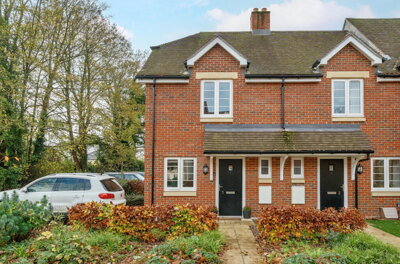
Browse 1 home new builds in Linch, Chichester from local developer agents.
The Linch property market offers detached, semi-detached, and terraced houses spanning various price ranges and neighbourhoods. Each listing includes detailed property information, photographs, and direct contact with the marketing agent.
£1.65M
1
0
35
Source: home.co.uk
Showing 1 results for Houses new builds in Linch, Chichester. The median asking price is £1,650,000.
Source: home.co.uk
Detached
1 listings
Avg £1.65M
Source: home.co.uk
Source: home.co.uk
Property data specific to the hamlet of Linch itself is limited due to its small population, with most market statistics aggregated at the broader West Sussex level. According to recent records, the average property price in West Sussex stands at approximately £446,000 as of early 2026, with a median price around £380,000. The market has experienced a 7.5% decline over the past twelve months, reflecting broader national trends as buyers navigate economic uncertainty and higher mortgage rates. Sales volumes have also contracted significantly, dropping by 15.7% with only 10,700 transactions recorded between January and October 2025.
The most active price segment in West Sussex is the £300,000 to £400,000 range, which accounts for 27.3% of all sales, followed closely by properties in the £400,000 to £500,000 bracket at 18.7%. This distribution suggests that family homes with three or four bedrooms represent the dominant transaction type in the wider area. For buyers specifically interested in Linch, expect the housing stock to predominantly feature detached and semi-detached properties, as terraced houses and flats are uncommon in such small rural hamlets. New build development within Linch itself is virtually non-existent given the hamlet's conservation-minded character and limited developable land.
Despite the recent market correction, long-term property values in West Sussex have demonstrated resilience, with the average price growing substantially over the past decade. The county's desirable location between the South Downs and the coast continues to attract buyers from London and other urban centres, supporting demand for quality rural homes. Properties in villages like Linch that offer genuine countryside character and strong community ties tend to hold their value well, particularly those with period features, large gardens, or views across farmland to the South Downs.

Linch embodies the classic English countryside experience, offering residents a genuine sense of community within a stunning natural setting. The hamlet forms part of the civil parish of Easebourne, sitting just north of the market town of Midhurst and within easy reach of the historic city of Chichester. The surrounding landscape is characterised by rolling farmland, ancient woodland, and the dramatic chalk ridges of the South Downs, creating an environment that feels a world away from urban life while remaining practically connected to essential services. Many properties in the area date from the Georgian or Victorian periods, reflecting the hamlet's historical roots as an agricultural settlement.
The local economy around Linch is shaped by agriculture, tourism, and the service sector serving nearby towns. Midhurst serves as the primary local service centre, offering a selection of independent shops, cafes, restaurants, and a weekly farmers market selling local produce. The area attracts visitors drawn to its natural beauty, with walking routes crossing farmland and downland trails providing year-round recreation. Community life centres on the local pub and village hall, where events ranging from quiz nights to craft fairs bring residents together throughout the year. For families and individuals seeking a slower pace of life without sacrificing access to cultural amenities, Linch offers an authentic West Sussex living experience.
The South Downs National Park, which borders Linch to the east, provides an exceptional recreational resource for residents. The park encompasses over 1,600 square kilometres of chalk grassland, woodland, and historic villages, with numerous public rights of way crossing the landscape. The nearby towns of Midhurst and Petersfield serve as gateway points to the national park, offering facilities for visitors and residents alike. Activities available in the surrounding area include horse riding, cycling, birdwatching, and golf, with several quality courses located within easy reach of Linch.

Education provision in the Linch area reflects the rural nature of the community, with primary schools located in nearby villages serving the local population. The nearest primary school to Linch is likely to be found in Easebourne or Midhurst, both offering education for children from reception through to Year 6. Parents should research individual school performance data and Ofsted reports, as ratings can vary year by year and catchment areas can be competitive in popular rural locations. Many families choose to supplement local provision with private schooling options available in the wider Chichester district.
Secondary education is provided by schools in Midhurst and Petersfield, with several grammar schools situated in surrounding towns admitting students based on selection criteria. The closest secondary schools typically offer a broad curriculum and strong extracurricular programmes, with facilities including sports halls, science laboratories, and performing arts spaces. For families considering private education, there are several well-regarded independent schools within commuting distance of Linch, including boarding and day schools catering to a range of ages. Parents are advised to confirm current catchment areas and admission policies with West Sussex County Council, as these can affect which schools children are eligible to attend.
Midhurst College serves as the main secondary school for students from the surrounding villages, offering GCSE and A-Level programmes with a strong emphasis on outdoor education given the school's location near the South Downs. The nearby town of Petersfield provides additional secondary options, including community schools and faith schools serving families across the wider area. For younger children, several pre-school and nursery settings operate within the local villages, often based at village halls or church premises and offering flexible sessions for working parents.
Despite its rural setting, Linch benefits from reasonable transport connections that link residents to major employment centres along the south coast. The nearest railway stations are located in Petersfield and Haslemere, both offering regular services to London Waterloo with journey times of approximately one hour to one hour twenty minutes. These stations provide a viable commuting option for professionals working in the capital while enjoying the lifestyle benefits of country living. Bus services operated by Stagecoach and local operators connect Linch with surrounding villages and towns, though frequencies are limited compared to urban routes.
Road access from Linch is via the A272, which runs through nearby Midhurst and connects to the A3(M) at Petersfield, providing routes to Portsmouth and Southampton. The A286 links the area to Chichester, where the A27 provides east-west travel along the south coast. For those travelling to London, the drive to Guildford takes approximately forty minutes, offering access to the wider motorway network. Cyclists will find both challenging and leisurely routes through the South Downs, with designated cycle paths connecting to the National Cycle Network. Parking in the immediate Linch area is generally unrestricted given the low traffic volumes, though this should be confirmed with the local parish council.
Petersfield station, situated approximately 12 miles from Linch, offers South Western Railway services to London Waterloo via Woking, with the fastest journeys taking around 58 minutes. Haslemere station, also within reasonable distance, provides services to London Waterloo via Guildford, with journey times from approximately 75 minutes. Both stations have car parking facilities, making them accessible for residents driving from Linch. For air travel, Gatwick Airport is reachable within approximately one hour by car, while Southampton Airport offers domestic and European flights within similar driving time.
Begin by exploring property listings on Homemove and familiarising yourself with the Linch area, including proximity to schools, transport links, and local amenities in Midhurst and Chichester. Understanding West Sussex price trends, which show a median around £380,000, will help you set realistic expectations and identify properties that meet your criteria and budget. Consider joining local social media groups and community forums to gain insights from current residents about what makes the area special and any considerations for newcomers.
Before arranging viewings, contact a mortgage broker or lender to obtain an agreement in principle. This document demonstrates your financial credibility to sellers and estate agents, giving you a competitive edge when making an offer on properties in this desirable rural location where demand often exceeds supply. Given the current market conditions with interest rates elevated compared to recent years, it is worth comparing offerings from multiple lenders to secure the most favourable deal for your circumstances.
Schedule viewings of properties that interest you, paying attention to the construction type and condition given the likely age of housing stock in Linch. Consider visiting at different times of day to assess noise levels, light, and the general atmosphere of the neighbourhood before committing to a purchase. Take photographs and notes during viewings to help compare properties later, and do not hesitate to request a second viewing of any property you are seriously considering.
Once your offer is accepted, instruct a qualified surveyor to conduct a RICS Level 2 Homebuyer Report. This is particularly important in rural West Sussex where properties may be older, potentially featuring issues such as damp, outdated electrics, or roof deterioration that require attention and negotiation. The survey will assess the property's condition, identify any defects, and provide a valuation figure that may be relevant for your mortgage. Surveyors covering the Linch area typically operate from bases in nearby towns including Midhurst, Chichester, and Petersfield.
Appoint a solicitor experienced in rural property transactions to handle the legal aspects of your purchase, including searches, contracts, and Land Registry registration. They will liaise with your mortgage lender and the seller's solicitors to progress your transaction through to completion. Local searches conducted by your solicitor will include drainage and water searches, local authority checks, and environmental searches that may reveal issues relevant to the property's location in rural West Sussex.
After satisfactory survey results and contract negotiations, you will exchange contracts and pay your deposit. The final balance, including stamp duty land tax, is paid on completion day when you receive your keys and can move into your new Linch home. Plan your move carefully, arranging removal companies well in advance as availability in rural areas can be limited during peak moving periods.
Properties in Linch are likely to include a significant proportion of older homes, given the hamlet's historical character and limited modern development. A RICS Level 2 Survey is essential for assessing the condition of any property you consider purchasing, as common issues in rural West Sussex include damp arising from inadequate ventilation, roof problems such as slipped tiles or degraded flashing, and timber defects including woodworm or dry rot. Older properties may also have electrical wiring and plumbing systems that do not meet current regulations and would require updating. Many homes in the area feature solid brick walls rather than cavity wall construction, which requires different considerations for insulation and moisture management.
The geology of West Sussex includes clay formations in some areas, which can cause foundation movement through shrink-swell processes during extended dry or wet periods. Buyers should investigate whether this affects properties on the edge of or within Linch, particularly those with large trees positioned close to the building. The South Downs chalk geology extends into parts of the surrounding area, providing stable foundations in most locations, though localised variations in soil conditions can occur. A thorough survey will identify any signs of subsidence or movement that may require remedial work or affect the property's long-term structural integrity.
Flood risk should also be assessed through proper searches, as rural properties near watercourses or in low-lying areas can be susceptible to surface water flooding after heavy rainfall. The Environment Agency maintains flood risk maps that indicate potential flooding from rivers, the sea, and surface water, which should be consulted before purchasing any property in the Linch area. If any properties in the area are listed buildings or located within a conservation zone, specialist surveys and planning consent requirements will apply, and buyers should factor in the additional costs and considerations associated with owning a historic property.
Drainage systems in rural properties can present particular challenges, with many homes relying on private septic tanks or cess pits rather than mains drainage. These systems require regular maintenance and may need upgrading to meet current regulations. A survey should check the condition of any private drainage systems, and buyers should budget for potential replacement costs if the system is old or inadequate. Properties on private water supplies, while less common, may also be encountered in this rural location and require careful assessment of water quality and supply reliability.
Buying a home in Linch offers a rare opportunity to join a small, established community in one of England's most attractive rural settings. The hamlet's location within the South Downs provides immediate access to outstanding natural landscapes, while its position between Midhurst and Chichester ensures practical connectivity for work, shopping, and leisure. Properties in Linch benefit from the strong sense of community that characterises traditional English villages, with residents frequently describing the neighbourly atmosphere and village events as key factors in their decision to live in the area.
The West Sussex property market has shown long-term resilience despite recent short-term corrections, with demand for rural homes consistently supported by buyers seeking space, character, and quality of life. Properties in small hamlets like Linch are particularly sought after by those looking to escape the pressures of urban living while maintaining reasonable access to amenities and transport links. The limited supply of properties in such small communities means that homes that do come to market often attract multiple interested parties, making early engagement with the buying process essential.
Investment in a Linch property also means investment in a specific way of life that prioritises community connections, outdoor recreation, and access to locally sourced food and produce. The weekly farmers markets in nearby Midhurst and Petersfield showcase the best of Sussex agriculture, while the area's pubs and restaurants increasingly emphasise locally-sourced ingredients. For families, the excellent selection of schools in the surrounding area, combined with the opportunities for outdoor activities and active lifestyles, makes Linch an attractive proposition that appeals across generations.
Specific price data for Linch itself is aggregated within broader West Sussex statistics due to the hamlet's small population. The median property price in West Sussex is approximately £380,000, with the average sitting around £446,000 as of early 2026. Properties in Linch itself are likely to span a wide range depending on size, condition, and whether they are period cottages or more modern rural homes. Most sales in the wider area fall within the £300,000 to £500,000 brackets, reflecting the prevalence of family homes in the market. Given the desirable nature of the South Downs location, properties with views, larger gardens, or period features may command premiums above these averages.
Properties in Linch fall under Chichester District Council and West Sussex County Council jurisdiction for council tax purposes. Bands range from A through to H, with the specific band assigned based on the property's assessed value. Period properties and smaller cottages typically attract lower bands, while larger detached homes may be placed in bands D through F. You can check the specific band of any property through the Valuation Office Agency website using the postcode. Council tax in this part of West Sussex funds essential local services including education, road maintenance, and refuse collection, with the parish council also receiving a portion to support village amenities and events.
The nearest primary schools to Linch are located in surrounding villages and in Midhurst, with specific options depending on your residential address and catchment area. Secondary education is available at schools in Midhurst and Petersfield, with several grammar schools in the wider Chichester district for academically selective students. West Sussex County Council maintains up-to-date information on school admissions, Ofsted ratings, and catchment boundaries on their website for parents researching education options. Primary schools in the nearby market town of Midhurst include Midhurst CofE Primary School and St. Mary's Roman Catholic Primary School, both serving families from the surrounding rural villages.
Linch has limited public transport provision typical of a small rural hamlet, with bus services connecting the area to Midhurst and surrounding villages on reduced frequencies. The nearest railway stations are Petersfield and Haslemere, both offering regular services to London Waterloo with journey times of around one hour. For daily commuting, a car is considered essential for most residents, though the road network provides reasonable access to Chichester, Portsmouth, and the A3(M) for travel further afield. The Stagecoach 70 service provides connections between Midhurst and Chichester, with stops in several surrounding villages, while community transport schemes operated by local charities offer additional options for residents without access to private vehicles.
Property in Linch and the surrounding West Sussex rural area can represent a sound investment for buyers prioritising lifestyle over high rental yields. House prices in the county have shown relative stability compared to London, though recent market data indicates a 7.5% price correction over the past year. The area's appeal lies in its natural beauty, proximity to the South Downs National Park, and strong community spirit, which continue to attract buyers seeking countryside living. Rental demand exists primarily from local workers and those employed in agricultural or tourism sectors, though the small number of rental properties available in the hamlet itself limits investment opportunities. For long-term capital growth, properties in good condition with views across farmland or access to the national park tend to perform well.
Stamp duty land tax rates for 2024-25 are 0% on the first £250,000 of residential property purchases, 5% on the portion from £250,001 to £925,000, 10% on the portion from £925,001 to £1,500,000, and 12% on any amount exceeding £1,500,000. First-time buyers benefit from relief on the first £425,000, paying 5% on the portion between £425,001 and £625,000. For a typical property in the Linch area around the £380,000 median price, a standard buyer would pay £6,500 in stamp duty, while first-time buyers would pay nothing on qualifying properties. Additional considerations for buyers purchasing older rural properties include potential SDLT surcharges if purchasing as a second home, which adds 3% to each band of the SDLT calculation.
As a historic hamlet with properties dating from the Georgian and Victorian periods, it is likely that some homes in Linch and the surrounding area are listed buildings or located within a conservation zone. Listed buildings are protected under the Planning Listed Buildings and Conservation Areas Act 1990, and any alterations, extensions, or demolition works require consent from Chichester District Council. Grade II listed properties are most common in rural West Sussex, though some notable buildings may have Grade II* or Grade I status. Buyers considering a listed property should budget for higher maintenance costs and longer project timelines when planning any works.
From £350
A detailed inspection of the property condition, ideal for older homes common in the Linch area. Covers all major defects including damp, roofing, and structural issues.
From £500
A comprehensive building survey recommended for older or complex properties, including detailed structural assessment and defect analysis.
From £60
Required Energy Performance Certificate for your property purchase, assessing energy efficiency and running costs.
From £499
Expert legal services for your property purchase, including local searches and contract work.
Beyond the property purchase price, buyers should budget for several additional costs when purchasing in Linch. Stamp duty land tax is calculated on a tiered basis, starting at 0% for the first £250,000 and rising through 5%, 10%, and 12% bands for higher values. For a property priced at the West Sussex median of £380,000, a standard buyer would incur SDLT of £6,500, while first-time buyers purchasing qualifying properties could benefit from relief reducing their liability to £0 on the first £425,000. It is advisable to use the HMRC SDLT calculator to determine your exact liability based on your purchase price and buyer status.
Legal costs for conveyancing typically start from around £499 for a straightforward transaction, though rural properties with more complex titles or planning histories may incur higher fees. Search fees charged by the local authority and other bodies generally amount to £200 to £400, while disbursements for Land Registry registration and bankruptcy checks add further modest costs. A RICS Level 2 Survey costs between £350 and £900 depending on property size and value, while an Energy Performance Certificate is mandatory and costs from £60. Factor in mortgage arrangement fees of up to £2,000 and valuation fees of £150 to £500 when arranging your mortgage.
Budgeting for moving costs, potential repairs identified in the survey, and a contingency of around 5% of the purchase price will ensure you are financially prepared for your Linch home purchase. Properties in rural West Sussex may require additional expenditure on private drainage systems, borehole water supplies, or oil-fired heating systems that are less common in urban properties. Buildings insurance should be arranged before completion, with specialist rural insurers potentially offering better terms for older properties with traditional construction methods.
Properties New Builds In London

Properties New Builds In Plymouth

Properties New Builds In Liverpool

Properties New Builds In Glasgow

Properties New Builds In Sheffield

Properties New Builds In Edinburgh

Properties New Builds In Coventry

Properties New Builds In Bradford

Properties New Builds In Manchester

Properties New Builds In Birmingham

Properties New Builds In Bristol

Properties New Builds In Oxford

Properties New Builds In Leicester

Properties New Builds In Newcastle

Properties New Builds In Leeds

Properties New Builds In Southampton

Properties New Builds In Cardiff

Properties New Builds In Nottingham

Properties New Builds In Norwich

Properties New Builds In Brighton

Properties New Builds In Derby

Properties New Builds In Portsmouth

Properties New Builds In Northampton

Properties New Builds In Milton Keynes

Properties New Builds In Bournemouth

Properties New Builds In Bolton

Properties New Builds In Swansea

Properties New Builds In Swindon

Properties New Builds In Peterborough

Properties New Builds In Wolverhampton

Enter your details to see if this property is within your budget.
Loans, cards, car finance
Estimated property budget
Borrowing + deposit
You could borrow between
Typical borrowing
Monthly repayment
Est. at 4.5%
Loan-to-value
This is an estimate only. Your actual budget may vary depending on interest rates, credit history, and personal circumstances. For an accurate affordability assessment, speak to one of our free mortgage advisors.
This calculator provides estimates for illustrative purposes only and does not constitute financial advice. Your home may be repossessed if you do not keep up repayments on your mortgage. Estimates based on 4.5% interest rate, repayment mortgage. Actual rates depend on your circumstances.
Homemove is a trading name of HM Haus Group Ltd (Company No. 13873779, registered in England & Wales). Homemove Mortgages Ltd (Company No. 15947693) is an Appointed Representative of TMG Direct Limited, trading as TMG Mortgage Network, which is authorised and regulated by the Financial Conduct Authority (FRN 786245). Homemove Mortgages Ltd is entered on the FCA Register as an Appointed Representative (FRN 1022429). You can check registrations at NewRegister or by calling 0800 111 6768.

We use cookies to show you personalised content and improve your experience of our website. Find out more in our Privacy policy and Cookie policy.