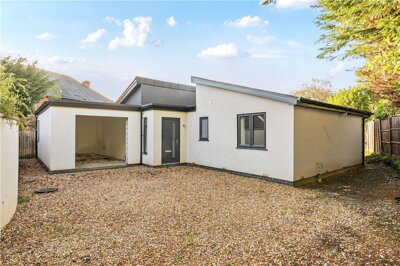
Browse 1 home new builds in Landford, Wiltshire from local developer agents.
The Landford property market offers detached, semi-detached, and terraced houses spanning various price ranges and neighbourhoods. Each listing includes detailed property information, photographs, and direct contact with the marketing agent.
£1.03M
6
0
78
Source: home.co.uk
Showing 6 results for Houses new builds in Landford, Wiltshire. The median asking price is £1,030,000.
Source: home.co.uk
Detached
6 listings
Avg £967,500
Source: home.co.uk
Source: home.co.uk
The Gwinear-Gwithian property market offers a compelling mix of traditional Cornish architecture and modern family homes, set against one of the most dramatic coastlines in the South West. Our listings showcase the diversity of housing available, from charming granite cottages in the Conservation Area of Gwinear village to contemporary homes in the newer developments that have expanded the parish in recent years. The coastal neighbourhood of Gwithian Towans presents a distinctive range of chalets and bungalows, many dating from the early 1900s when this stretch of beach first attracted visitors seeking seaside retreats. These properties often feature traditional construction methods appropriate for a coastal location, though prospective buyers should factor in the ongoing maintenance requirements that salt air and coastal weather can bring.
Development planning in Gwinear-Gwithian operates under the Neighbourhood Development Plan covering 2016 to 2030, which allocates approximately 310 new dwellings across the parish. While no major active developments were identified within the postcode area, the plan identifies potential for around 144 new residences within settlement boundaries on medium-density sites. Housing development is generally supported within the settlement boundaries of Gwinear, Gwithian, Connor Downs, Carnhell Green, Reawla, and Wall, provided proposals meet design and infrastructure criteria. This planned approach to growth helps maintain the character of the area while ensuring housing supply can meet demand from buyers drawn to this sought-after corner of Cornwall.
The local economy remains rooted in traditional industries, with farming continuing as the main land use across much of the parish, while tourism plays an increasingly important supporting role through the caravan and camping sites and the pull of Gwithian and Godrevy beaches. The growth of the West Cornwall Retail Park on the parish edge has led to increased local employment opportunities, though many residents commute to larger towns for work. This blend of agricultural heritage and seaside tourism creates a community atmosphere that feels both authentically Cornish and welcoming to newcomers. Property values have shown resilience in this coastal location, with demand consistently outstripping supply for well-presented homes in popular settlements.

Life in Gwinear-Gwithian offers a rare combination of rural tranquility and coastal living that continues to attract new residents seeking an escape from busier urban areas. The parish has grown significantly over recent decades, with the population increasing from 3,261 in the 2011 census to 3,668 by 2021, demonstrating its growing appeal as a place to put down roots. The economy remains rooted in traditional industries, with farming continuing as the main land use across much of the parish, while tourism plays an increasingly important supporting role through the caravan and camping sites and the pull of Gwithian and Godrevy beaches. This blend of agricultural heritage and seaside tourism creates a community atmosphere that feels both authentically Cornish and welcoming to newcomers.
The landscape of Gwinear-Gwithian is defined by its varied terrain, from the rolling farmland inland to the dramatic sand dunes of Gwithian Towans along the coast. The underlying geology consists of Lower Devonian rocks, with extensive dune systems covering the bedrock at Upton and Gwithian Towans. The parish church of St Gwinear, a Grade I listed building dating from the 13th and 14th centuries with its distinctive mid-15th century granite tower, stands as testament to the local building traditions that have shaped the area for centuries. Granite has long been the traditional building material here, as evidenced not just in the church but throughout the parish in farmhouses, boundary markers, and village features. Local pubs provide gathering spaces for the community, while the proximity to the West Cornwall Retail Park on the parish edge offers practical shopping amenities without disturbing the rural character.
The Red River flows through the parish and historically gained its name from the discolouration caused by mining effluent from the area's mining past. Today it forms part of the local drainage system, though the wider parish benefits from a network of natural watercourses that reflect the varied topography. Walking routes across the parish connect the inland settlements with the coast, with the former Cornwall Mineral Railway path providing traffic-free access between Camborne and Devoran. The beach at Gwithian Towans is backed by extensive sand dunes that are subject to natural coastal processes, with the National Coastal Erosion Risk Mapping showing areas at risk until 2105. The Gwithian Towans Design Guide has shaped development in this coastal area, ensuring that new properties respect the distinctive character of the beachside community.
Families considering a move to Gwinear-Gwithian will find a reasonable spread of educational options serving the parish and surrounding area. For primary education, Gwinear Primary School serves the main village and surrounding rural areas, with additional primary schools in nearby communities catering to families in different parts of the parish. The school serves a catchment area that reflects the scattered nature of the settlements, and parents should verify their property falls within the correct catchment zone before committing to a purchase. Primary schools in this part of Cornwall typically offer a nurturing environment with smaller class sizes than many urban schools, allowing for more individual attention and a community-focused approach to learning.
Secondary education options for Gwinear-Gwithian residents include schools in the nearby towns of Camborne, Hayle, Penzance, and Helston, with transport arrangements varying depending on the specific location within the parish. Camborne School and Community College provides secondary education for many families in the eastern part of the parish, while Hayle Academy serves those in the western direction. The journey times to these secondary schools mean that families should factor school travel into their relocation planning, particularly if both parents work or if children have after-school activities. School buses operate on established routes, but timings and availability should be confirmed with Cornwall Council's transport team before finalising any purchase decision.
Sixth form provision is available at secondary schools in the larger towns, with further education colleges in Truro and Camborne offering a broader range of vocational and academic courses for older students. Truro College is a major provider of further and higher education in Cornwall, while Camborne Science and International Academy offers sixth form opportunities closer to home. The parish community also supports various youth clubs and sporting activities that complement formal education, helping young people to build friendships and develop interests outside the classroom. Sports facilities in nearby towns provide additional opportunities for older children and teenagers, with swimming pools, sports centres, and clubs offering activities throughout the year.
Getting around Gwinear-Gwithian and connecting to the wider region requires some planning, as the parish relies primarily on road transport supplemented by rail connections from nearby towns. The nearest railway stations are at Camborne and Redruth, both offering regular services to Plymouth, Bristol, and London Paddington, with the journey to the capital taking approximately four and a half hours. Camborne station is approximately 15 minutes by car from Gwinear village, making rail commuting feasible for those working in Bristol or London on an occasional or hybrid basis. The parish is well-positioned relative to the A30, Cornwall's main arterial road, which provides straightforward access to Truro and the eastern side of the county while also connecting westward towards St Ives and Penzance.
Bus services operated by various providers connect Gwinear and Connor Downs with the surrounding market towns of Camborne, Hayle, and Helston, though frequencies are not as regular as in urban areas and prospective residents should check current timetables carefully. The Cornwall bus network has faced service reductions in recent years, so relying on buses for daily commuting may prove challenging without careful route planning. The coastal road to Gwithian Beach and Godrevy is served by the B3301, which becomes busy during summer months when the beaches attract day visitors. Cycling is popular along the former Cornwall Mineral Railway path, which provides a traffic-free route between Camborne and Devoran, though the hilly nature of the wider Cornish landscape means that cycling for utility purposes requires a good fitness level.
Parking in the village centres is generally free but limited in space, while the popular beach car parks at Gwithian fill quickly during peak season, a factor worth considering for those planning regular coastal access. Many residents of Gwithian Towans walk to the beach rather than drive, as the proximity of coastal properties to the sand makes car-free living practical for those who work locally or remotely. The West Cornwall Retail Park on the parish edge has improved access to everyday shopping without requiring a trip to Camborne, though many residents choose to travel to the larger towns for specialty shopping, entertainment, and healthcare appointments. For those working from home, superfast broadband coverage has improved significantly across the parish in recent years, though speeds can vary in more remote hamlets.
Obtain a mortgage agreement in principle before beginning your property search. This strengthens your position with sellers and estate agents, demonstrating that you are a serious and prepared buyer with funding already arranged. Speak to a mortgage broker who understands the Cornwall property market, as they can advise on the best lenders for rural properties and potentially complex construction types such as chalets or granite cottages that may require specialist valuations.
Spend time exploring different villages and neighbourhoods within Gwinear-Gwithian. Consider your priorities regarding beach access, school catchments, commute times, and the character of different settlements, from the Conservation Area of Gwinear village to the coastal setting of Gwithian Towans. Visit at different times of day and week to understand traffic patterns, noise levels, and the availability of local amenities. The summer months bring significant additional traffic to the coastal areas, so experiencing the parish outside of peak season will give you a more accurate picture of daily life here.
Work with the estate agents listing on Homemove to arrange viewings of properties that match your criteria. Once you find a suitable home, submit a competitive offer that reflects current market conditions and any factors specific to the property such as its condition or location. In Gwinear-Gwithian's competitive market, properties in desirable locations can sell quickly, so being prepared to move decisively while remaining cautious about overpaying is important. Your offer should factor in any issues identified during viewing, such as the maintenance requirements common with older properties or coastal properties affected by salt air.
Commission a RICS Level 2 Survey (Homebuyer Report) before proceeding. Given the age of many properties in Gwinear-Gwithian and the specific risks from historic mining activity in Cornwall, a professional survey is essential to identify any structural issues or costly defects. Properties in this area may have mining-related ground instability, so specific mining searches should be arranged alongside the standard survey. For listed buildings or properties within the Conservation Area, a more detailed survey may be advisable to assess the condition of historic features and identify any works that have been carried out without necessary consents.
Choose a conveyancing solicitor to handle the legal aspects of your purchase, including local searches, contracts, and registration at the Land Registry. An experienced solicitor familiar with Cornwall properties can advise on mining risk searches and other local considerations that may not arise in other parts of the country. Your solicitor should arrange a mining search specifically for Gwinear-Gwithian, as the parish had several working mines in the 1840s that closed by the 1880s, leaving potential underground features that may not be documented. This search typically costs between £30 and £60 but could save considerable expense and worry if potential issues are identified before purchase.
Once your solicitor has completed all checks and you have agreed final terms, contracts are exchanged with a deposit payment, typically 10% of the purchase price. Completion usually follows within two to four weeks, when the remaining funds are transferred and you receive the keys to your new home. Before completion, arrange a final walkthrough to confirm the property's condition hasn't changed since your last visit, and ensure buildings insurance is in place from the point of contract exchange. Moving to Gwinear-Gwithian may require additional logistics compared to urban moves, so book removal companies well in advance, particularly if moving during the summer holiday season when Cornish roads are busiest.
Purchasing a property in Gwinear-Gwithian requires attention to several area-specific factors that may not be relevant in other parts of the UK. The historic mining activity that shaped Cornwall means that mining hazards represent a significant consideration for any buyer. The parish of Gwinear had several working mines in the 1840s, employing hundreds of people, and while these closed by the 1880s, the underground features they left behind may be undocumented and pose risks including ground collapse, subsidence, and gassing. Your solicitor should arrange a mining search as part of the conveyancing process, which typically costs between £30 and £60 but could save considerable expense and worry if potential issues are identified before purchase. Standard property surveys may not investigate ground risks in sufficient detail, so specific mining searches are particularly important for this region.
The coastal location of Gwithian Towans and properties near the beaches at Godrevy requires buyers to consider how properties cope with exposure to salt air and coastal weather. Materials that work well inland may deteriorate more quickly in coastal settings, so pay particular attention to the condition of external timber, roofing materials, and any rendered surfaces. Wave erosion at Gwithian Sands has occasionally revealed buried mining carts, highlighting the complex relationship between the coastal environment and the mining heritage beneath the surface. The National Coastal Erosion Risk Mapping shows areas at risk until 2105, and while existing developments at Gwithian Beach are not considered at significant flood risk, the wider dune system is subject to erosion and sediment loss due to rising sea levels. Properties in this area should be checked for any planning conditions relating to coastal management and flood risk. Buyers should use the GOV.UK flood risk checking service for their specific postcode to understand the current position.
Gwinear village itself falls within a designated Conservation Area, which means that certain works to properties may require planning permission and must respect the traditional character of the built environment. The parish contains numerous listed buildings including the Grade I St Gwinear Church and various Grade II and Grade II* listed structures such as Lanyon Farmhouse and Taskus Farmhouse, which date from the 17th century. Any works to listed buildings require special consideration and listed building consent, and maintenance or repair should ideally use like-for-like materials and designs. Properties within the Conservation Area or those that are listed will need careful assessment by professionals experienced in historic buildings, and you should factor in the additional costs and constraints that heritage status can bring when budgeting for renovation or maintenance work.
The age distribution of properties in Gwinear-Gwithian means that buyers should be prepared for the characteristics and potential issues of older housing stock. Properties range from 17th-century farmhouses to early 1900s chalets at Gwithian Towans, and from post-war homes to recent new-builds. Common issues in older properties include damp penetration, which can be exacerbated by the coastal and often wet environment, roof conditions where older coverings may have reached the end of their lifespan, and electrical installations that do not meet current standards. A thorough survey by a qualified RICS inspector will identify these issues and help you negotiate an appropriate price adjustment or require the seller to address defects before completion.

The average house price in Gwinear-Gwithian is approximately £342,000 based on current market data for the parish. Detached properties in prime coastal locations such as Gwithian Towans command higher prices, with recent listings around £525,000 for premium homes with sea views. Semi-detached and terraced properties in the village centres and newer developments typically offer more accessible price points. Property prices can vary considerably depending on the specific location within the parish, with coastal proximity and views commanding significant premiums while more rural properties inland offer better value for money.
Properties in Gwinear-Gwithian fall under Cornwall Council's jurisdiction for council tax purposes. Bands range from A through to H and are assigned based on the assessed value of the property as of April 1991. Specific bands vary by individual property, and you can check the council tax band for any property through the Valuation Office Agency website using the property address. Cornwall Council sets the annual council tax rates, and discounts may be available for single occupancy or certain categories of residents. When budgeting for your move, remember that council tax forms part of the ongoing cost of homeownership alongside mortgage payments, insurance, and maintenance.
Schools serving Gwinear-Gwithian include primary options such as Gwinear Primary School, with additional primary schools in surrounding villages serving different parts of the parish. For secondary education, pupils typically attend schools in nearby towns including Camborne, Hayle, Penzance, and Helston, with transport arrangements needed from the more rural parts of the parish. Parents should research current Ofsted ratings for all schools and understand the catchment area arrangements, as these can influence which schools your children would be eligible to attend from a particular property address. School places can be competitive in popular villages, so confirming availability before purchase is advisable.
Gwinear-Gwithian is served by bus routes connecting the parish to Camborne, Hayle, and Helston, though service frequencies are limited compared to urban areas and checking current timetables is advisable. The nearest railway stations at Camborne and Redruth offer regular services to major destinations including London Paddington, Plymouth, and Bristol, with Camborne approximately 15 minutes by car from Gwinear village. Most residents rely on private car ownership for day-to-day transport, and the parish is well-positioned for access to the A30 for travel across Cornwall and beyond. Those working from home will find that improved broadband coverage supports remote working, though speeds can vary in more remote hamlets.
Gwinear-Gwithian offers several factors that make it attractive for property investment, including its coastal location, strong tourism demand, and limited new supply within the parish. Holiday lets and coastal properties at Gwithian Towans can generate attractive rental yields during the summer season, while longer-term rental demand is supported by the local population and workers commuting to nearby employment centres. The Neighbourhood Development Plan projects around 310 new dwellings over the period to 2030, indicating managed rather than rapid growth. As with any property investment, buyers should consider their specific circumstances, target rental market, and exit strategy before committing, and should factor in the additional regulations that apply to holiday lets in Cornwall.
Stamp duty rates in England currently apply 0% to the first £250,000 of residential property value, 5% on the portion from £250,001 to £925,000, 10% from £925,001 to £1.5 million, and 12% above £1.5 million. For a typical property in Gwinear-Gwithian priced around £342,000, a standard buyer would pay stamp duty of approximately £4,600. First-time buyers purchasing properties up to £625,000 benefit from relief that raises the nil-rate threshold to £425,000, meaning no stamp duty on the first £425,000 and 5% on amounts between £425,001 and £625,000, which would eliminate stamp duty for most first-time purchases in this area.
The Gwinear-Gwithian Neighbourhood Development Plan requires that proposed housing sites should not be in an area at risk from flooding and should not increase the risk of flooding elsewhere. Existing developments at Gwithian Beach and the Red River area are not considered at significant flood risk, though the wider dune system is subject to erosion and sediment loss due to rising sea levels. Certain areas of Cornwall, particularly coastal or valley zones, can be at risk of surface flooding or rising groundwater, so prospective buyers should use the GOV.UK flood risk checking service for their specific postcode to understand the current position before purchase.
Given that Gwinear had several working mines in the 1840s that closed by the 1880s, a specific mining search should be arranged as part of the conveyancing process. Mining hazards in Cornwall can include ground collapse, subsidence, and gassing from undocumented underground features that may not appear on standard surveys. A mining search typically costs between £30 and £60 and searches records held by the Coal Authority and Cornwall Council. For properties in coastal areas such as Gwithian Towans, wave erosion has occasionally exposed buried mining equipment, highlighting the ongoing relationship between the mining heritage and the landscape. Your solicitor will usually arrange this search as part of the standard local searches package.
From 4.5% APR
Compare mortgage rates from leading lenders for your Gwinear-Gwithian purchase
From £499
Expert conveyancing solicitors familiar with Cornwall properties and mining searches
From £350
Comprehensive survey identifying defects common in Gwinear-Gwithian properties including mining-related issues
From £60
Energy Performance Certificate for your Gwinear-Gwithian property
Understanding the full costs of buying a property in Gwinear-Gwithian extends beyond the purchase price itself and requires careful budgeting for the various taxes, fees, and professional services involved. Stamp Duty Land Tax (SDLT) applies to all property purchases in England, with the current threshold for standard buyers set at £250,000 where no tax is due. For a typical Gwinear-Gwithian property priced around £342,000, a standard buyer would pay SDLT of approximately £4,600, calculated as 5% on the £92,000 portion above the £250,000 threshold. First-time buyers benefit from increased thresholds, paying nothing on the first £425,000 and 5% on amounts between £425,001 and £625,000, though this relief is tapered for properties above £625,000 and does not apply above that price point.
Beyond stamp duty, buyers should budget for solicitor conveyancing fees which typically range from £500 to £1,500 depending on the complexity of the transaction and the property value. Your solicitor will also conduct various searches including a local authority search through Cornwall Council, drainage and water searches, and an environmental search, with the mining search being particularly important for Gwinear-Gwithian given the historic mining activity in the area. Survey costs for a RICS Level 2 Homebuyer Report typically start from around £350 for a standard property, rising for larger homes or those requiring more detailed inspection. Mortgage arrangement fees, valuation fees, and broker charges may also apply depending on your chosen lender and whether you use a broker. Removal costs complete the picture of initial outlays, and buyers should aim to retain a contingency fund equivalent to at least 5% of the purchase price for unexpected expenses that commonly arise during the transaction process.
When calculating your total budget, remember to factor in the ongoing costs of homeownership that continue after the purchase is complete. Buildings insurance is essential and may be higher for coastal properties or older buildings, while contents insurance protects your belongings. Service charges may apply if you purchase a leasehold property or a home within a managed estate. Council tax bands vary by property and should be confirmed before budgeting, as bands can range significantly depending on the property value and type. For those planning renovations, particularly to listed buildings or properties within the Conservation Area, additional costs for specialist surveys, planning fees, and Listed Building Consent should be budgeted for alongside the construction costs themselves.
Properties New Builds In London

Properties New Builds In Plymouth

Properties New Builds In Liverpool

Properties New Builds In Glasgow

Properties New Builds In Sheffield

Properties New Builds In Edinburgh

Properties New Builds In Coventry

Properties New Builds In Bradford

Properties New Builds In Manchester

Properties New Builds In Birmingham

Properties New Builds In Bristol

Properties New Builds In Oxford

Properties New Builds In Leicester

Properties New Builds In Newcastle

Properties New Builds In Leeds

Properties New Builds In Southampton

Properties New Builds In Cardiff

Properties New Builds In Nottingham

Properties New Builds In Norwich

Properties New Builds In Brighton

Properties New Builds In Derby

Properties New Builds In Portsmouth

Properties New Builds In Northampton

Properties New Builds In Milton Keynes

Properties New Builds In Bournemouth

Properties New Builds In Bolton

Properties New Builds In Swansea

Properties New Builds In Swindon

Properties New Builds In Peterborough

Properties New Builds In Wolverhampton

Enter your details to see if this property is within your budget.
Loans, cards, car finance
Estimated property budget
Borrowing + deposit
You could borrow between
Typical borrowing
Monthly repayment
Est. at 4.5%
Loan-to-value
This is an estimate only. Your actual budget may vary depending on interest rates, credit history, and personal circumstances. For an accurate affordability assessment, speak to one of our free mortgage advisors.
This calculator provides estimates for illustrative purposes only and does not constitute financial advice. Your home may be repossessed if you do not keep up repayments on your mortgage. Estimates based on 4.5% interest rate, repayment mortgage. Actual rates depend on your circumstances.
Homemove is a trading name of HM Haus Group Ltd (Company No. 13873779, registered in England & Wales). Homemove Mortgages Ltd (Company No. 15947693) is an Appointed Representative of TMG Direct Limited, trading as TMG Mortgage Network, which is authorised and regulated by the Financial Conduct Authority (FRN 786245). Homemove Mortgages Ltd is entered on the FCA Register as an Appointed Representative (FRN 1022429). You can check registrations at NewRegister or by calling 0800 111 6768.

We use cookies to show you personalised content and improve your experience of our website. Find out more in our Privacy policy and Cookie policy.