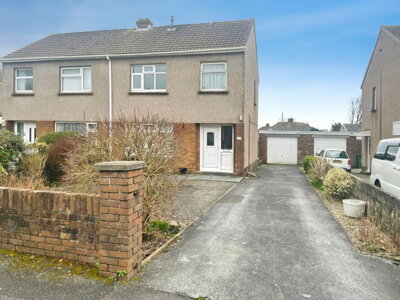
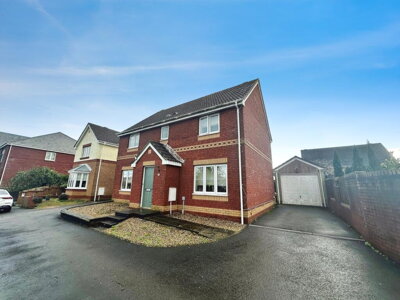
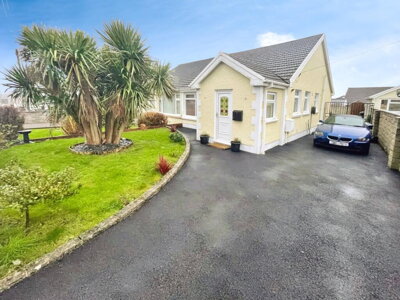
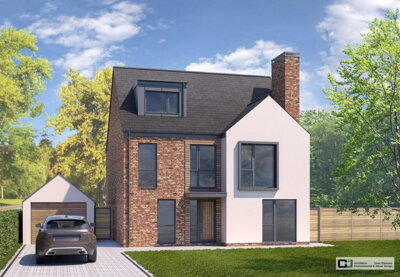
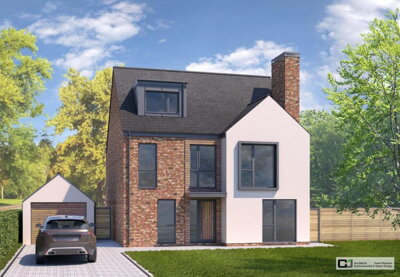
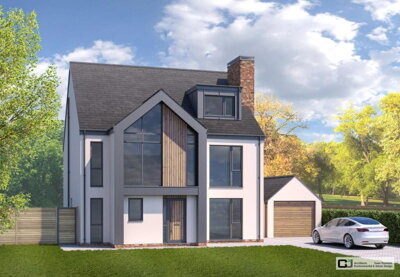
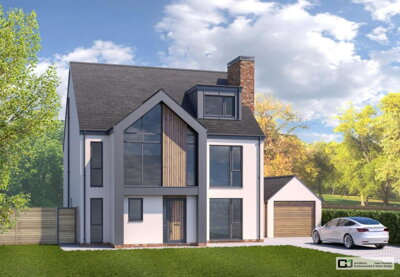
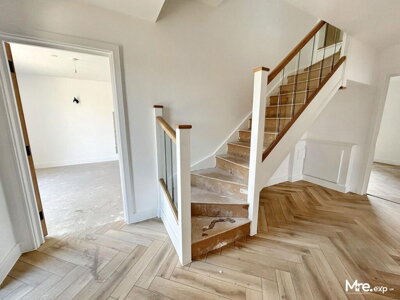
Browse 8 homes new builds in Laleston, Bridgend from local developer agents.
£270k
45
4
73
Source: home.co.uk
Source: home.co.uk
Detached
16 listings
Avg £523,744
Semi-Detached
12 listings
Avg £244,808
Semi-Detached Bungalow
8 listings
Avg £230,000
Flat
2 listings
Avg £119,975
Bungalow
1 listings
Avg £170,000
End of Terrace
1 listings
Avg £179,950
Farm House
1 listings
Avg £1.25M
Link Detached House
1 listings
Avg £330,000
Not Specified
1 listings
Avg £310,000
Terraced
1 listings
Avg £259,995
Source: home.co.uk
Source: home.co.uk
The Llywel property market reflects the character of the area itself: modest, steady, and deeply rooted in rural Welsh tradition. Our data shows a median house price of £145,000 based on 9 recorded residential sales, with the lowest recorded sale at £56,250 and the highest reaching £425,000. This range demonstrates the variety available, from compact cottages to substantial detached farmhouses that typify the local housing stock. The most recent verified sale in the broader Maescar and Llywel area was recorded at £200,500 on October 7, 2025, indicating that the local market remains active despite the national trend of reduced transaction volumes.
When compared against Welsh regional averages, Llywel presents attractive value for buyers seeking countryside living. The current Welsh average property price stands at £237,000 with a median of £205,000 as of December 2025, while the wider Wales average increased by 5.0% over the previous twelve months. Detached properties in Wales average £355,000, while terraced homes average £175,000. This regional context suggests that Llywel offers properties at a meaningful discount to wider Welsh averages, making it particularly attractive for first-time buyers, retirees, and those seeking a lifestyle change away from urban centres where property costs can be prohibitive.
New build activity in the immediate Llywel area remains limited, consistent with the Brecon Beacons National Park planning policies that restrict development to protect the landscape. This scarcity of new homes means the existing housing stock, much of which dates back generations, represents the majority of available properties. Buyers should expect traditional stone-built cottages, farmhouses, and agricultural buildings that have been converted into residential use, many of which will have been sympathetically modernised over the years while retaining their original character and traditional construction methods such as solid stone walls and natural slate roofing.

Life in Llywel revolves around the rhythms of the natural landscape that surrounds it. The parish sits within the Cambrian Mountains and Brecon Beacons National Park, an Area of Outstanding Natural Beauty that draws visitors from across the UK and beyond. Residents enjoy direct access to some of Wales' most spectacular walking country, from gentle valley strolls along the River Towy to challenging mountain hikes across the Black Mountains and nearby peaks. The Cambrian Mountains offer some of the most remote and unspoiled hillwalking in Wales, with extensive plateaus of heather moorland, deep river valleys, and ancient tracks that have been used by travellers for centuries.
The River Towy, one of Britain's premier salmon and sea trout rivers, flows through the valley below Llywel, offering world-class fishing opportunities that attract anglers throughout the fishing season. The river is famous for its sea trout runs in the autumn months and its healthy populations of brown trout, making it a destination for fly fishermen who appreciate the traditional, low-intensity approach to fishing that characterises the beat. Local fishing rights are often attached to property ownership, so any buyer interested in angling should investigate whether fishing rights are included with a property they are considering.
The community spirit in Llywel reflects traditional Welsh values, with neighbours knowing one another and community events bringing residents together throughout the year. The local pub serves not only as a place to enjoy a pint of Welsh ale but as a venue for quiz nights, live music, and the informal gatherings that sustain rural community life. Local produce is celebrated here, with farm shops and markets in nearby towns offering Welsh lamb, beef, and dairy products alongside seasonal vegetables grown in the surrounding farmland. The parish is bounded by traditional drystone walls and hedgerows that define the agricultural landscape, much of which is given over to sheep farming and beef cattle.

Parents considering a move to Llywel will find educational options available within a reasonable driving radius, though the dispersed rural settlement pattern means schools serve wider geographic catchments than their urban counterparts. Foundation phase education is typically provided at small community schools in the surrounding villages, where smaller class sizes enable more individualised attention and where school communities tend to be closely connected to the local area. These settings make excellent use of the surrounding countryside as an informal classroom, with outdoor education forming a natural part of the curriculum for children growing up in this rural part of Powys.
Secondary education is available at schools in nearby towns such as Brecon, approximately 20 miles from Llywel, where students can access a broader range of GCSE and A-level subjects. Brecon has historically been well-served by secondary schools with good reputations, and families relocating from further afield often find that the standard of education available compares favourably with larger urban areas while class sizes remain smaller. Transport arrangements for secondary school pupils in rural areas typically involve school bus services that cover the wider catchment area, so families should factor school transport logistics into their planning when considering properties further from the main village centre.
For families with older children considering further education, the University of Wales Trinity Saint David in Lampeter is within reasonable reach, as are further education colleges in Brecon and Newtown. The emphasis on Welsh language and culture in local education reflects the strong Welsh heritage of the area, with opportunities for children to learn Welsh as a second language and participate in eisteddfodau and other cultural activities that celebrate Welsh traditions and identity. Families moving from England may wish to consider the bilingual nature of Welsh education when planning their relocation, as Welsh medium teaching is available at various levels throughout the local school network.
Llywel's position in the Upper Towy Valley means that access by private car remains essential for most daily activities, though the road network connecting the village to surrounding towns is well-maintained and navigable year-round. The A4069 and A483 provide routes to the market towns of Llandovery and Llandrindod Wells respectively, while the A40 trunk road passes nearby, connecting the Brecon Beacons area to the M50 motorway network and the wider UK motorway system beyond. Journey times to major cities are manageable: Cardiff is approximately two hours away by car, while Swansea can be reached in roughly ninety minutes.
Public transport options in this rural area are limited but functional, with bus services connecting Llywel to nearby towns on several days each week. These services are designed primarily for accessing market towns rather than daily commuting, and residents considering Llywel as a primary residence should factor car ownership into their planning. The nearest railway stations are located in Llandrindod Wells and Knucklas on the Heart of Wales Line, which provides connections to Shrewsbury and Swansea, though these stations involve a drive of approximately thirty to forty minutes from Llywel. The Heart of Wales Line is a scenic route that serves the mid-Wales corridor with typically three or four trains per day in each direction.
For those working remotely or running businesses from home, the Brecon Beacons area has seen improvements in broadband connectivity in recent years, though speeds can vary considerably depending on exact location within the parish. Some properties may have access to superfast broadband via the local cabinet, while others may still be limited to standard copper-based connections or alternative solutions such as satellite broadband. Mobile phone coverage has also improved but may be less reliable than in urban areas, a factor worth investigating before committing to a purchase if reliable mobile connectivity is important for work or personal reasons.
Start by exploring property listings in Llywel and the surrounding Powys villages to understand typical property types, typical price ranges, and market activity in this part of the Brecon Beacons National Park. Reviewing recent sales data, including the recorded high of £425,000 for a detached farmhouse and the lower end of £56,250 for a compact cottage, will help calibrate expectations. Speaking with local estate agents who handle properties in this rural area can provide insights not available from online listings alone.
Once you have identified properties of interest, arrange viewings through local estate agents familiar with the Brecon Beacons National Park area. During viewings, pay close attention to the condition of traditional stone buildings, potential maintenance issues, and the orientation and setting of the property. In rural Wales, the setting of a property is often as important as the building itself, so consider factors such as proximity to farmland, exposure to weather, and access to natural light throughout the year.
Before making an offer, obtain a mortgage agreement in principle to demonstrate your buying capacity to sellers. Given the rural nature of the area and variety of property ages and types, a mortgage broker with experience in countryside properties can be invaluable. They understand the particular challenges of valuing non-standard properties and can advise on appropriate lending products for traditional constructions, converted agricultural buildings, or properties with land.
For older properties in Llywel, which represent the majority of the housing stock, we strongly recommend a RICS Level 2 Homebuyer Report or Level 3 Building Survey before proceeding to purchase. These surveys identify defects that may not be apparent during a standard viewing, from roof condition and pointing issues in traditional stone construction to potential damp problems in solid-walled properties. Given the age of most properties in this area, a professional survey provides essential information for negotiating the purchase price or requiring repairs before completion.
Once your offer is accepted, instruct a solicitor with experience in rural and Welsh property transactions to handle the legal aspects of your purchase. They will conduct searches, handle Land Registry requirements, and manage the transfer of ownership. For properties within the Brecon Beacons National Park, your solicitor should also check for any planning conditions or restrictions that may affect your intended use of the property.
After all searches are satisfactory and financing is confirmed, you will exchange contracts and agree a completion date. On completion day, the remaining funds are transferred and you receive the keys to your new home in Llywel. Allow time for transferring utilities and registering with local services, as these administrative tasks can take longer in rural areas.
Properties in Llywel are predominantly traditional Welsh buildings, often constructed from local stone or rendered masonry with slate roofs that have protected homes in this area for generations. When viewing properties, pay close attention to the condition of the roof covering, as slate roofs on older properties may require re-pointing or replacement of individual slates. The junctions between different roof pitches, valleys, and areas around chimneys are common locations for water ingress and should be carefully inspected or assessed by a qualified surveyor. In the Cambrian Mountains environment, properties are exposed to significant rainfall and wind, making roof maintenance particularly important for long-term property ownership.
Damp is one of the most common issues affecting traditional rural properties, particularly those with solid walls rather than cavity wall construction. Look for signs of rising damp at ground floor level, including tide marks on walls, peeling paint, and musty smells. Properties with cellars or basements should be checked for signs of water penetration, as these lower-ground spaces can be prone to dampness in areas with high rainfall. A professional survey will identify the extent of any damp issues and recommend appropriate remediation measures that are compatible with traditional construction methods.
The Brecon Beacons National Park planning authority imposes strict controls on development and alterations within the park boundaries. Before purchasing a property in Llywel, confirm whether any proposed alterations or extensions would require planning permission from the national park authority. These restrictions, while limiting some flexibility, also protect the character of the area and ensure that new development maintains the quality of the built environment that makes this part of Wales so desirable. Our inspectors are familiar with the types of issues that commonly affect properties in this area and can advise on the likely condition of a property before you commit to purchase.
Based on recorded sales data, the median house price in Llywel is £145,000, calculated across 9 residential transactions. The lowest recorded sale was £56,250 and the highest was £425,000. For comparison, the current Welsh national average is £237,000 with a median of £205,000, suggesting that Llywel properties offer attractive value within the regional context. Property prices in the broader Maescar and Llywel area have recorded sales reaching £200,500 in late 2025, indicating steady activity in the local market despite national trends showing a 16.1% reduction in transaction volumes across Wales.
Properties in Llywel fall under Powys County Council administration. Council tax bands in this area range from Band A for lower-value properties through to Band H for the most expensive homes. Band A properties typically pay around £1,400 per year in council tax, while Band D properties pay approximately £1,900 annually. You should check the specific band for any property you are considering, as this forms part of the ongoing cost of ownership alongside mortgage payments and maintenance.
The nearest primary schools to Llywel serve the surrounding villages and parishes, offering small class sizes and community-focused education. Secondary education is available at schools in Brecon, approximately 20 miles from Llywel, where secondary schools have good reputations and offer a wide range of GCSE and A-level subjects. For further education, the University of Wales Trinity Saint David in Lampeter and colleges in Brecon and Newtown provide options for students continuing their education.
Public transport options in Llywel are limited, reflecting the rural nature of the area. Bus services connect the village to nearby market towns on several days each week, but daily commuting by public transport is not practical for most workers. The nearest railway stations are in Llandrindod Wells and Knucklas on the Heart of Wales Line, approximately 30 to 40 minutes drive away, providing connections to Shrewsbury and Swansea. A car is considered essential for comfortable daily living in this area.
Property investment in Llywel should be considered primarily as a lifestyle investment rather than a high-yield rental opportunity. The local rental market is modest due to the rural location and limited employment opportunities within the parish itself. However, the Brecon Beacons National Park designation helps maintain property values by restricting supply, and holiday let potential exists for properties suitable for short-term rental to visitors enjoying the area's walking, fishing, and outdoor activities.
For standard residential purchases, stamp duty land tax applies at 0% on the first £250,000 of purchase price, 5% on the portion from £250,001 to £925,000, 10% up to £1.5 million, and 12% on any amount above that. First-time buyers benefit from relief on the first £425,000, with 5% charged between £425,001 and £625,000. At the Llywel median price of £145,000, most buyers would pay no stamp duty, making this an especially attractive entry point to the Welsh property market.
Traditional Welsh properties in Llywel often feature solid wall construction, natural stone or rendered external walls, and slate roofing. Key areas to assess include roof condition and any signs of slipped or missing slates, evidence of damp in solid walls particularly at lower levels, the condition of windows and frames, and any signs of structural movement such as cracking in walls or uneven floors. Given the age of many properties in the area, we strongly recommend commissioning a RICS Level 2 or Level 3 survey before purchasing.
The Brecon Beacons National Park designation means that many traditional properties in Llywel may be listed or located within conservation areas, reflecting their historical and architectural significance. Listed buildings in Wales are graded from Grade I through Grade II* to Grade II, with varying levels of permitted development rights and renovation restrictions. Before purchasing a listed property, you should confirm its listing status with your solicitor and understand the obligations that come with owning a heritage property, including requirements for listed building consent for certain alterations.
Broadband connectivity in rural parts of the Brecon Beacons has improved in recent years but remains variable depending on your exact location within the parish. Some properties may have access to superfast broadband via the local cabinet, while others may still rely on slower copper-based connections or satellite broadband services. Mobile phone coverage has also improved with the rollout of 4G services across Powys, though some areas may still experience reduced signal strength. We recommend checking connectivity at any property you are considering, particularly if you work from home or have family members who require reliable internet access.
The housing stock in Llywel reflects its rural Welsh character, with traditional stone-built cottages, detached farmhouses, and converted agricultural buildings comprising the majority of available properties. Semi-detached and terraced properties are less common in this area compared to urban settings, as the settlement pattern has historically been centred on individual farmsteads and small clusters of cottages around the parish church and local amenities. Most properties date from the 18th or 19th century, though some may incorporate earlier structures or have been sensitively modernised in more recent years while retaining their original character and construction methods.
One of the most attractive aspects of buying property in Llywel is the favourable stamp duty position for most buyers. At the current median price of £145,000, a standard buyer purchasing with a mortgage would typically pay no stamp duty land tax at all, as the entire purchase falls within the nil-rate band threshold. First-time buyers purchasing at this price point would also pay no SDLT, providing significant savings compared to purchasing in higher-value urban areas where SDLT can add thousands of pounds to the purchase cost. This nil-rate position at the median price point makes Llywel one of the most cost-effective places in Wales to enter the property market.
For those purchasing higher-value properties, such as a detached farmhouse at prices approaching the £425,000 recorded high for the area, standard SDLT rates would apply. On a £425,000 purchase, a non-first-time buyer would pay £8,750 in stamp duty, while a first-time buyer would pay no SDLT on the first £425,000 of their purchase. These savings can be redirected toward survey costs, moving expenses, or improvements to the property, making rural Welsh property ownership more accessible than comparable properties in England.
Beyond stamp duty, buyers should budget for survey costs, with a RICS Level 2 Homebuyer Report starting from around £350 for properties in the Llywel area. Conveyancing fees typically start from £499 for standard transactions, though complex purchases involving right-to-buy arrangements, agricultural land, or planning conditions may cost more. Land registry fees, search costs, and mortgage arrangement fees should also be factored in, bringing total buying costs typically to between 2% and 3% of the purchase price for a straightforward transaction.
Properties New Builds In London

Properties New Builds In Plymouth

Properties New Builds In Liverpool

Properties New Builds In Glasgow

Properties New Builds In Sheffield

Properties New Builds In Edinburgh

Properties New Builds In Coventry

Properties New Builds In Bradford

Properties New Builds In Manchester

Properties New Builds In Birmingham

Properties New Builds In Bristol

Properties New Builds In Oxford

Properties New Builds In Leicester

Properties New Builds In Newcastle

Properties New Builds In Leeds

Properties New Builds In Southampton

Properties New Builds In Cardiff

Properties New Builds In Nottingham

Properties New Builds In Norwich

Properties New Builds In Brighton

Properties New Builds In Derby

Properties New Builds In Portsmouth

Properties New Builds In Northampton

Properties New Builds In Milton Keynes

Properties New Builds In Bournemouth

Properties New Builds In Bolton

Properties New Builds In Swansea

Properties New Builds In Swindon

Properties New Builds In Peterborough

Properties New Builds In Wolverhampton

Enter your details to see if this property is within your budget.
Loans, cards, car finance
Estimated property budget
Borrowing + deposit
You could borrow between
Typical borrowing
Monthly repayment
Est. at 4.5%
Loan-to-value
This is an estimate only. Your actual budget may vary depending on interest rates, credit history, and personal circumstances. For an accurate affordability assessment, speak to one of our free mortgage advisors.
This calculator provides estimates for illustrative purposes only and does not constitute financial advice. Your home may be repossessed if you do not keep up repayments on your mortgage. Estimates based on 4.5% interest rate, repayment mortgage. Actual rates depend on your circumstances.
Homemove is a trading name of HM Haus Group Ltd (Company No. 13873779, registered in England & Wales). Homemove Mortgages Ltd (Company No. 15947693) is an Appointed Representative of TMG Direct Limited, trading as TMG Mortgage Network, which is authorised and regulated by the Financial Conduct Authority (FRN 786245). Homemove Mortgages Ltd is entered on the FCA Register as an Appointed Representative (FRN 1022429). You can check registrations at NewRegister or by calling 0800 111 6768.

We use cookies to show you personalised content and improve your experience of our website. Find out more in our Privacy policy and Cookie policy.