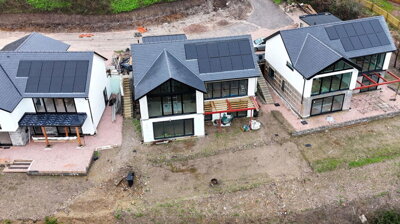
Browse 1 home new builds in Kingsteignton, Teignbridge from local developer agents.
Studio apartments feature open-plan living spaces without separate bedrooms, incorporating sleeping, living, kitchen, and bathroom facilities. The Kingsteignton studio market includes properties in modern apartment complexes, modern purpose-built developments and new residential complexes.
£118k
2
1
208
Source: home.co.uk
Showing 2 results for Studio Flats new builds in Kingsteignton, Teignbridge. 1 new listing added this week. The median asking price is £117,500.
Source: home.co.uk
Flat
2 listings
Avg £117,500
Source: home.co.uk
Source: home.co.uk
The Naseby property market reflects its status as a desirable Northamptonshire village, with detached homes commanding the highest prices. Our data shows detached properties in the NN6 postcode area averaged £512,500 over the last year, making them the dominant property type for families seeking space and privacy. Semi-detached homes averaged £110,000, while terraced properties came in at £290,000, offering more accessible entry points for first-time buyers or those looking to downsize. The significant gap between detached and other property types reflects the village's appeal to families prioritising garden space and privacy.
The market has experienced a notable correction recently, with house prices in Naseby falling 18% over the past year compared to the previous twelve months. This decline follows a broader cooling in regional property markets, though it represents a 15% reduction from the 2014 peak of £477,792. For buyers, this shift creates potential opportunities to secure property in a village that historically has held its value well, supported by its heritage status and desirable location. The reduction brings the average price back to levels not seen since the post-2008 market recovery began.
New build activity in the immediate Naseby area remains limited, with no active developments confirmed within the village itself. This scarcity of new builds helps preserve the historic character that makes Naseby distinctive, as most housing stock consists of traditional properties built in periods ranging from the 18th century through to the mid-20th century. Prospective buyers looking for brand new homes may need to expand their search to nearby towns such as Northampton or Market Harborough, where larger housing developments offer modern specifications and energy-efficient designs. However, the village's older properties often feature construction qualities and room sizes that are difficult to find in contemporary builds.

Naseby sits nestled within the undulating countryside of West Northamptonshire, offering residents a genuinely rural lifestyle without complete isolation from urban amenities. The village maintains a population drawn to its peaceful setting, traditional architecture, and strong sense of community identity. The historic core features buildings constructed from local stone and traditional brickwork, materials that reflect the Jurassic and Cretaceous geology underlying much of Northamptonshire and give the village its distinctive character. Several properties in the village centre date from the 18th and 19th centuries, built using stone from local quarries that was traditionally used for farm buildings and manor houses throughout the region.
Daily life in Naseby revolves around its village pub and community facilities, which serve as social hubs for residents. The surrounding countryside provides excellent walking and cycling opportunities, with public rights of way crossing farmland and woodland throughout the area. The Brampton Valley Way, a former railway line now converted to a leisure route, passes near the village and provides an accessible path for cyclists and walkers heading towards Northampton. The village falls within easy reach of larger towns where supermarkets, healthcare facilities, and high street shopping can be found, making it practical for families who need access to urban services while preferring country living.
The geology of the area, with its clay soils typical of central England, means that gardens in Naseby tend to be established and well-planted, with mature trees and hedges contributing to the village's leafy appearance. Clay soils in this part of Northamptonshire can present challenges for property foundations, particularly in dry summers or where vegetation is close to buildings, and buyers should be aware that subsidence risk exists in common with many villages built on similar geology. Residents benefit from the clean air and lower noise levels associated with rural living, while still being able to reach Northampton, Leicester, or Milton Keynes within an hour by car for work or leisure activities. The village's position between the A14 and A508 roads provides reasonable access to the national motorway network for those commuting further afield.
Properties in Naseby reflect the village's long history, with construction dating from the 1700s through to properties built in the post-war period. Traditional construction in the village typically uses solid wall masonry, with external walls of 9 to 13 inches thickness constructed from local stone or handmade bricks. These solid walls provide excellent thermal mass, helping regulate indoor temperatures throughout the year, though they typically perform less well than modern cavity wall insulation without remedial work. Properties built before 1919 often feature lime-based mortars and plasters rather than cement, which allows walls to breathe and reduces the risk of trapped moisture.
Roof construction in older Naseby properties commonly uses traditional cut timber rafters with sarking felt beneath tile or slate coverings. The steep pitches typical of these roofs reflect historical weather patterns and the need to shed heavy rainfall efficiently. Inspections of period properties frequently identify issues with ridge tiles, valleys, and sarking condition that require attention, particularly where maintenance has been deferred. Chimney stacks are a prominent feature of many village properties and often require repointing or structural attention as they age.
Windows in traditional village properties range from original timber sash units to later casement designs, with some homes having received uPVC replacements in past decades. Original timber windows can often be restored to excellent condition with appropriate specialist attention, maintaining the visual character that contributes to the village's appearance. Double glazing in period properties is subject to planning considerations in conservation areas, where they exist, and careful specification is required to avoid visual harm to historic buildings. Electrical and plumbing systems in older properties frequently require updating to meet current standards and accommodate modern usage patterns.

Families considering a move to Naseby will find a selection of educational options within reasonable travelling distance. Primary education is available at village schools in surrounding communities, with Brixworth Church of England Primary School and Scaldwell Church of England Primary School serving the wider area. These smaller primary schools typically offer strong community ties and individual attention for younger children, reflecting the village school ethos that many parents actively seek. Both schools hold Good or Outstanding Ofsted ratings, providing reassurance for families prioritising educational quality. The journey to primary school from Naseby typically involves transport along country lanes, with school bus services available in many cases.
Secondary education options include schools in Northampton and Market Harborough, with several establishments offering GCSE and A-Level programmes. Parents should research specific catchment areas, as school admissions in Northamptonshire operate on defined geographic zones that determine which schools children can access. Campion School in Bugbrooke and Guilsborough Academy serve parts of the NN6 postcode area, offering comprehensive secondary education with strong academic records. Academy and independent schools in the broader area provide additional choices for families with particular educational priorities, with schools in Northampton offering specialist subjects and extracurricular programmes that smaller rural schools cannot match.
For families requiring childcare or early years education, local options in nearby villages provide nursery and preschool facilities. The village location means that school transport arrangements are often necessary for secondary-aged children, and prospective buyers should factor travel times and costs into their planning. SchoolsPlus and similar wraparound care providers operate in surrounding villages, offering before and after-school care that supports working parents. Sixth form provision in the area includes sixth form colleges in Northampton, offering a wide range of A-Level subjects for students progressing from GCSE studies, with good rail connections making daily travel feasible for older students.
Naseby benefits from its strategic position in West Northamptonshire, offering road connections that serve both local and longer-distance travel needs. The village sits near the A14 trunk road, which provides direct access to Northampton to the south and Kettering to the east, connecting residents to the broader motorway network including the M1 corridor. The A508 passes through nearby market towns, providing access to Milton Keynes to the south and Leicester to the north-west. This makes commuting to larger employment centres feasible for those working in the logistics, manufacturing, or service sectors prevalent across the region.
Rail services are available at nearby stations including Northampton, where West Midlands Railway and other operators provide connections to destinations including London Euston, Birmingham New Street, and Derby. The journey time to London from Northampton takes approximately one hour, making day commuting practical for those working in the capital. Kettering station, accessible via the A14, offers East Midlands Railway services to London St Pancras in around fifty minutes, providing an alternative for those who find Northampton less convenient. For international travel, Birmingham Airport and East Midlands Airport are both accessible within approximately ninety minutes by car.
Local bus services operate between Naseby and surrounding villages and towns, with the 96 service connecting the village to Northampton and the X4 route providing links towards Market Harborough. However, frequencies reflect typical rural provision and may not suit those dependent entirely on public transport for daily commuting. Cycling is popular for shorter local journeys, with the Northamptonshire countryside offering scenic routes for leisure and commuting alike. The Brampton Valley Way provides a traffic-free route towards Northampton for cyclists and walkers. Parking in the village is generally straightforward given the low traffic volumes, a significant advantage for residents accustomed to urban parking challenges.
Before committing to a purchase, explore current listings and recent sale prices in the NN6 postcode area. Understanding that detached homes average £512,500 while terraced properties average £290,000 helps set realistic budget expectations. Review the local geography and village character to ensure Naseby matches your lifestyle priorities. Spend time visiting the village at different times of day and week to get a genuine feel for the community atmosphere and any traffic or noise considerations.
Contact lenders or brokers to obtain a mortgage agreement in principle before viewing properties. Having finance confirmed strengthens your position when making offers and demonstrates to sellers that you are a serious buyer. The recent 18% price decrease in the Naseby market may affect mortgage lending values, so discuss realistic borrowing amounts with your financial advisor. Consider speaking to a whole-of-market broker who can compare deals across multiple lenders, as rates vary significantly and a good broker can save thousands over the mortgage term.
Visit properties that match your criteria, paying attention to construction type, age of property, and any signs of maintenance needs. Properties in historic villages like Naseby often feature traditional construction methods that benefit from professional surveys before purchase. Take photographs and notes during viewings to help compare properties later. Ask the estate agent about the vendor's circumstances, reason for selling, and whether any offers have already been received.
Once your offer is accepted, instruct a qualified surveyor to conduct a Level 2 Homebuyer Report. This survey identifies defects in properties over 50 years old, common in villages like Naseby where period properties predominate. Issues such as damp, roof condition, and outdated electrics can be identified before completion, allowing you to renegotiate the price if significant problems are found. Surveyors in rural Northamptonshire are familiar with traditional construction methods and can provide informed assessments of older properties.
Appoint a solicitor experienced in rural property transactions to handle the legal aspects of your purchase. They will conduct searches, handle land registry requirements, and manage the exchange and completion process. For properties in historic areas, additional searches regarding listed building status may be required. Local knowledge is valuable for identifying issues that might not appear in standard searches, such as rights of way across the property or common land boundaries.
Your solicitor will coordinate the final steps, including transferring funds and registering ownership with the Land Registry. On completion day, you will receive the keys to your new Naseby home and can begin enjoying village life in this historic Northamptonshire community. Ensure you have buildings insurance in place from the point of exchange, as the property becomes your legal responsibility at that stage.
Purchasing property in a historic village like Naseby requires attention to factors specific to rural Northamptonshire. Properties may be constructed from local stone or traditional brickwork, materials that contribute to the village character but require ongoing maintenance. Potential buyers should investigate the condition of walls, roofs, and foundations, noting that clay soils in the region can cause movement in properties if trees or drainage affect ground conditions. A thorough survey will identify any existing movement and recommend appropriate investigations or remedial works.
Conservation considerations may apply to certain properties in Naseby, potentially restricting permitted development rights and alterations. Buyers should confirm the status of any property they are considering purchasing and understand the implications for future renovations or extensions. Listed building status, if present on any properties, brings additional responsibilities and specialist survey requirements that increase both survey costs and planning considerations. Your solicitor should confirm any heritage designations during the conveyancing process through appropriate searches and Land Registry checks.
For those purchasing flats or leasehold properties in the village, understanding the terms of the lease, annual service charges, and ground rent arrangements is essential. The prevalence of detached and semi-detached houses in Naseby means freehold properties predominate, but any leasehold purchase requires careful legal review. Properties should also be assessed for broadband connectivity and mobile phone reception, as rural locations can sometimes face limitations in telecommunications infrastructure despite recent improvements in rural coverage. Check with providers whether fibre broadband is available at the property, as this affects both daily convenience and property value.
The average house price in Naseby over the past year is £408,333 according to available property data for the NN6 postcode area. Detached properties command the highest prices at approximately £512,500, while terraced homes average £290,000 and semi-detached properties average £110,000. The market has experienced an 18% price decrease over the last year, offering potential buyers better value compared to the 2014 peak of £477,792. This correction brings prices closer to longer-term historical averages and may present buying opportunities for those who have been watching the market.
Properties in Naseby fall under West Northamptonshire Council administration, with the council headquartered in Northampton providing local services including refuse collection, planning, and community facilities. Council tax bands range from A through H, with actual bands determined by property valuation at the time of construction, though bands may change following significant alterations or sales. Prospective buyers should check specific bands with the local authority or property listing details, as bands affect ongoing annual costs for residents. New purchases may be re-banded following sale, and you can check current banding on the Valuation Office Agency website using the property address.
Primary education near Naseby is served by schools in surrounding villages, including Brixworth Church of England Primary School and Scaldwell Church of England Primary School, both offering strong community-focused education within reasonable travelling distance. Brixworth Primary has consistently achieved good results in national assessments and serves families from several surrounding villages including Naseby. Secondary options include schools in Northampton and Market Harborough, with parents needing to verify specific catchment areas and admissions criteria as these can change and are subject to annual review.
Naseby is a rural village with limited public transport options compared to urban areas, and daily commuting by bus is generally impractical for most workers. Local bus services connect the village to surrounding towns and villages, though frequencies of typically two or three services per day reflect typical rural service levels and may not operate at weekends. Rail connections are available at Northampton station and Kettering station, offering journeys to London Euston and London St Pancras respectively in approximately one hour. Those considering a move to Naseby should expect to need a car for daily logistics, school runs, and evening or weekend activities.
Naseby offers potential for property investment based on its heritage appeal, rural character, and proximity to major employment centres in the Midlands and South East. The recent 18% price correction has brought values closer to long-term averages, potentially creating entry opportunities for investors who previously found the village expensive. Rural villages with strong community facilities, good local schools, and access to major road networks tend to maintain demand from both families and retirees, providing a relatively stable tenant market. Investment performance depends on individual property condition, type, and broader market conditions, and investors should factor in maintenance costs for older properties when calculating yields.
Stamp duty rates (SDLT) for standard buyers start at zero percent on the first £250,000 of purchase price, five percent on the portion from £250,001 to £925,000, ten percent from £925,001 to £1.5 million, and twelve percent above £1.5 million. First-time buyers purchasing residential property benefit from increased thresholds, paying no SDLT on the first £425,000 and five percent on the next £200,000, with no relief above that threshold. Given Naseby's average price of £408,333, most properties fall within lower SDLT bands and standard buyers would pay approximately £7,917 on an average-priced property after the nil-rate threshold.
Naseby village contains properties that contribute to its historic character, and several buildings are likely to have listed building status given the village's long history and the age of many properties in the centre. Conservation area designation may apply to parts of the village, particularly around the historic core and along the main street where older properties predominate. Properties within conservation areas face restrictions on permitted development rights, which limits the scope for extensions, dormer conversions, and other alterations without planning permission. Your solicitor should confirm any heritage designations during conveyancing, and buyers should understand the implications for future property improvements before committing to a purchase.
Older properties in Naseby, like those throughout rural Northamptonshire, may present common issues including damp affecting solid walls, roof coverings that require renewal, outdated electrical systems, and potential movement related to clay soil conditions. Properties constructed before the 1970s frequently have single-glazed windows, minimal insulation, and heating systems that would benefit from replacement. Subsidence risk exists in areas of clay soil, particularly where large trees are present near the property foundations, and surveys should specifically investigate trees and drainage that might affect ground conditions. A thorough RICS Level 2 survey will identify defects and allow you to budget for necessary repairs or renegotiate the purchase price if significant issues are discovered.
Understanding the full costs of purchasing property in Naseby helps you budget accurately and avoid surprises during the transaction. The Stamp Duty Land Tax (SDLT) represents a significant upfront cost, with standard rates applying zero percent to the first £250,000, five percent on the next £675,000, ten percent up to £1.5 million, and twelve percent above that threshold. For a property at the Naseby average price of £408,333, SDLT would be calculated at five percent on the £158,333 portion above £250,000, resulting in a charge of £7,917. First-time buyers benefit from higher thresholds that increase the nil-rate portion to £425,000, meaning most properties at the village average price would incur no SDLT at all.
Beyond SDLT, buyers should budget for solicitor conveyancing fees typically ranging from £500 to £1,500 depending on complexity and property value. Search fees, including local authority, drainage, and environmental searches, generally cost between £200 and £400 in total. A RICS Level 2 Homebuyer Survey costs from £350 for standard properties, rising for larger or more complex homes, with properties over £400,000 typically attracting quotes of £500 or more. Survey costs are particularly worthwhile in Naseby where period properties may have hidden defects that would be expensive to address without advance knowledge.
Mortgage arrangement fees, valuation fees, and search costs add further expenses that together typically total between £2,000 and £5,000 for a property at this price level. Survey costs are particularly worthwhile in Naseby where period properties may have hidden defects. Buyers should also factor in moving costs, potential furniture or renovation expenses, and the cost of buildings insurance from the point of legal completion. Setting aside a contingency fund equivalent to around 10% of the purchase price is advisable to cover unexpected costs that commonly arise when buying older properties.
From 4.5%
Finance your purchase with competitive mortgage rates
From £499
Expert solicitors to handle your property transaction
From £350
Professional survey to identify defects before purchase
From £85
Energy performance certificate for your new home
Properties New Builds In London

Properties New Builds In Plymouth

Properties New Builds In Liverpool

Properties New Builds In Glasgow

Properties New Builds In Sheffield

Properties New Builds In Edinburgh

Properties New Builds In Coventry

Properties New Builds In Bradford

Properties New Builds In Manchester

Properties New Builds In Birmingham

Properties New Builds In Bristol

Properties New Builds In Oxford

Properties New Builds In Leicester

Properties New Builds In Newcastle

Properties New Builds In Leeds

Properties New Builds In Southampton

Properties New Builds In Cardiff

Properties New Builds In Nottingham

Properties New Builds In Norwich

Properties New Builds In Brighton

Properties New Builds In Derby

Properties New Builds In Portsmouth

Properties New Builds In Northampton

Properties New Builds In Milton Keynes

Properties New Builds In Bournemouth

Properties New Builds In Bolton

Properties New Builds In Swansea

Properties New Builds In Swindon

Properties New Builds In Peterborough

Properties New Builds In Wolverhampton

Enter your details to see if this property is within your budget.
Loans, cards, car finance
Estimated property budget
Borrowing + deposit
You could borrow between
Typical borrowing
Monthly repayment
Est. at 4.5%
Loan-to-value
This is an estimate only. Your actual budget may vary depending on interest rates, credit history, and personal circumstances. For an accurate affordability assessment, speak to one of our free mortgage advisors.
This calculator provides estimates for illustrative purposes only and does not constitute financial advice. Your home may be repossessed if you do not keep up repayments on your mortgage. Estimates based on 4.5% interest rate, repayment mortgage. Actual rates depend on your circumstances.
Homemove is a trading name of HM Haus Group Ltd (Company No. 13873779, registered in England & Wales). Homemove Mortgages Ltd (Company No. 15947693) is an Appointed Representative of TMG Direct Limited, trading as TMG Mortgage Network, which is authorised and regulated by the Financial Conduct Authority (FRN 786245). Homemove Mortgages Ltd is entered on the FCA Register as an Appointed Representative (FRN 1022429). You can check registrations at NewRegister or by calling 0800 111 6768.

We use cookies to show you personalised content and improve your experience of our website. Find out more in our Privacy policy and Cookie policy.