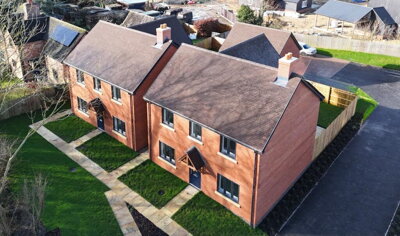
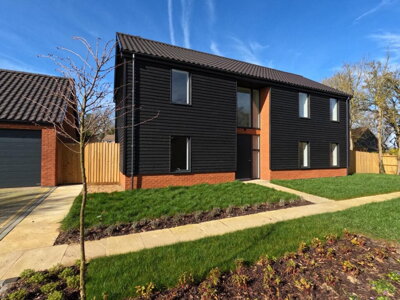
Browse 3 homes new builds in Kimbolton, Huntingdonshire from local developer agents.
£390k
16
0
208
Source: home.co.uk
Source: home.co.uk
Detached
5 listings
Avg £1.56M
Terraced
4 listings
Avg £256,250
Semi-Detached
3 listings
Avg £438,333
semi_detached
2 listings
Avg £320,000
End of Terrace
1 listings
Avg £199,950
House
1 listings
Avg £425,000
Source: home.co.uk
Source: home.co.uk
The Lunedale property market is characterised by its predominantly older housing stock, with period houses built between 1800 and 1911 dominating the local landscape. These traditional properties, likely constructed using local stone or brick with slate roofs and timber features, represent the authentic character that draws buyers to this rural corner of County Durham. The current average property value in DL12 0PS stands at £357,761, reflecting the premium commanded by historic homes in desirable countryside locations. Unlike the broader County Durham market where terraced properties account for 40.5% of sales and semi-detached homes represent 32.3%, Lunedale's housing stock skews heavily towards detached period dwellings of significant age and character.
Property prices in the area range from approximately £198,616 for smaller 3-bedroom freehold houses with gardens up to £437,333 for larger 5-bedroom family homes, providing options across different buyer budgets. Recent sales data reveals the continued strength of the Lunedale market, with notable transactions including Low Selset which sold for £595,000 in October 2023 and West Nettlepot achieving £475,000 in May 2020. The County Durham housing market as a whole has demonstrated impressive growth, with prices increasing by 7.7% from December 2024 to December 2025, with semi-detached properties leading the regional growth at 8.7% year-on-year. Unlike many urban areas, Lunedale has no active new-build developments within its civil parish, meaning that buyers seeking property here are purchasing established homes with genuine character and history rather than newly constructed properties.

Life in Lunedale offers residents a rare opportunity to step back from the pace of modern urban existence and embrace the rhythms of rural England. The civil parish, which had a population of 163 according to the 2021 Census, represents one of County Durham's smallest and most intimate communities. Historical records show that Lunedale Parish contained 65 occupied houses in 1901, suggesting that the settlement has maintained its compact character over more than a century. This stability reflects the enduring appeal of the valley's natural beauty, with the River Lune meandering through the landscape and providing a focal point for outdoor activities including walking, fishing, and wildlife observation. The surrounding countryside offers extensive opportunities for exploration, with the Yorkshire Dales National Park accessible to the north and the North Pennines Area of Outstanding Natural Beauty nearby.
The area's heritage is evident in its collection of historic buildings and monuments, which contribute significantly to Lunedale's distinctive character. Properties in the village often feature traditional construction methods including lime-based mortars and renders, stone walls, and original timber elements that require thoughtful maintenance. The River Lune flows through the valley as a tributary to the River Tees, creating the scenic water features that define the local landscape. For daily necessities and services, residents travel to nearby towns, with Barnard Castle approximately 10 miles away providing supermarkets, healthcare facilities, and secondary schools. The market town of Barnard Castle also hosts regular markets and provides banking services, while the larger city of Darlington offers access to major retailers and hospital services within reasonable driving distance.
Employment opportunities in the Lunedale area are typically tied to agriculture, local tourism services, and roles in the nearby market towns of Barnard Castle and Darlington. Many residents work remotely, taking advantage of the peaceful environment for professional pursuits that do not require daily office attendance. The community spirit in Lunedale remains strong, with village events and local gatherings providing regular social occasions that reinforce the bonds between neighbours. For families and individuals seeking an escape from urban pressures, the village offers a lifestyle centred on natural beauty, outdoor recreation, and the kind of neighbourly connections that have become precious in contemporary Britain.

Families considering a move to Lunedale will find that educational provision in the immediate vicinity focuses on primary education within the surrounding villages of the Teesdale area. The rural nature of the region means that primary schools typically serve small catchments, providing children with a community-focused learning environment that benefits from close teacher-pupil relationships. Schools in nearby villages such as Gainford and Staindrop serve the primary-age population of the surrounding area, with the intimate class sizes offering individual attention that larger urban schools often cannot match. Parents frequently cite the quality of these small rural schools as a significant advantage of village living, with Ofsted ratings across County Durham providing families with assurance about educational standards.
For secondary education, pupils generally travel to schools in nearby towns, with Barnard Castle School offering comprehensive secondary provision and sixth form courses for students from across the Teesdale area. Founded in 1716, Barnard Castle School has a long tradition of educating students from the surrounding rural communities and provides a full range of GCSE and A-level courses. The arrangement requires families to factor in daily transport arrangements, typically involving school bus services or private car travel, though many parents consider the trade-off worthwhile given the benefits of rural living. County Durham as a whole maintains a range of educational options, with Ofsted-rated schools distributed across the county providing families with choices as children progress through their education. Parents moving to Lunedale from urban areas often find that the commute to secondary school represents a significant adjustment, but many discover that the quality of life benefits more than compensate for the additional travel time.
Lunedale's rural location means that private transport forms the backbone of daily life for most residents, with the village lying off major commuter routes. The nearest railway stations are found in larger towns including Darlington to the east, which provides mainline services to London King's Cross with journey times of approximately three hours, as well as connections to Edinburgh and other major destinations. Darlington station serves as a key transport hub for the wider Teesdale area, with regular services operated by LNER and other train companies. For those working in Durham or Newcastle, the commute from Lunedale typically involves driving to a railway station before continuing by train, or driving directly via the A68 or A1(M) motorway which provides access to the wider north-east road network.
The A66 trunk road runs through nearby Barnard Castle, connecting the area to the A1(M) motorway and providing routes towards Darlington, Penrith, and the Lake District beyond. Journey times to regional centres vary depending on destination, with Darlington approximately 30 minutes away by car, Durham reachable in around an hour, and Newcastle accessible in roughly 90 minutes under normal traffic conditions. The rural character of local roads means that drivers should be prepared for narrow lanes and single-track sections when exploring the surrounding area, particularly when travelling through the valley roads that connect Lunedale to neighbouring communities. Bus services connecting Lunedale to nearby towns operate on limited timetables, making car ownership effectively essential for full participation in community life. Cyclists will appreciate the scenic routes through the valley, though the hilly Pennine terrain requires reasonable fitness for recreational and utility cycling alike.
The overwhelming majority of properties in Lunedale were constructed during the Georgian and Victorian eras, with period houses built between 1800 and 1911 forming the core of the local housing stock. These traditional buildings were typically constructed using locally sourced materials that reflect the geology and resources of the North Pennines region. Stone walls, usually built with local sandstone or limestone, provide the structural backbone of most properties, while Welsh slate roofs were commonly used due to their durability and weather resistance in the sometimes harsh Pennine climate. Understanding these construction methods is essential for any buyer considering a property purchase in Lunedale, as the maintenance requirements differ significantly from modern brick-built homes.
Traditional building techniques employed in Lunedale's period properties include lime-based mortars and renders rather than modern cement products, solid walls without cavity insulation, and timber floor structures that may show their age after more than a century of use. Lime mortar allows walls to breathe and is crucial for the long-term health of stone-built properties, while cement-based mortars can trap moisture and cause deterioration of traditional masonry. Original timber elements including floor joists, staircases, and window frames often feature character that modern replacements cannot replicate, though these elements require careful inspection for signs of rot, woodworm, or structural movement. Our inspectors frequently identify issues with period properties that reflect the age and construction methods typical of this area's housing stock.
Common defects found in Lunedale's older properties include rising damp where ground moisture travels up through solid walls, penetrating damp caused by weathering or damaged leadwork around chimneys and roof junctions, and timber defects ranging from minor woodworm activity to more serious structural rot. Slate roofs on properties of this age often require repointing of ridge tiles and renewal of lead flashings, while stone walls may show signs of erosion or cracking that warrants professional assessment. Our team has extensive experience surveying period properties across County Durham and understands the specific issues that affect traditional construction in this part of the North East. We recommend that any buyer considering a property in Lunedale commissions a thorough survey that accounts for the age and character of the local housing stock.
Lunedale's location in the valley of the River Lune brings both aesthetic benefits and practical considerations for property buyers to understand. The River Lune flows through the valley as a tributary to the River Tees, creating the scenic water features that define much of the local landscape and provide excellent opportunities for walking, fishing, and wildlife observation. However, properties located near watercourses or in low-lying areas of the valley floor may face elevated flood risk that warrants careful investigation before purchase. The Environment Agency maintains flood risk data that our inspectors can review as part of a comprehensive survey assessment, identifying properties that may require specialist flood risk reports or additional insurance considerations.
When evaluating properties near the River Lune, we recommend that buyers investigate the property's flood history, the condition of any existing flood defence measures, and the potential for water entry through doors, windows, or service entry points at lower levels. Properties with basements or cellars face particular vulnerability in flood-prone areas, as do homes with ground floor accommodation that sits below anticipated flood levels. However, it is worth noting that not all properties in Lunedale face significant flood risk, and many period homes have stood successfully in the valley for generations without experiencing major flooding events. The key is to identify the specific risk profile of any property under consideration and factor this into both the purchase decision and any renovation or insurance planning.
Beyond flood considerations, Lunedale's rural setting means that properties may be affected by other environmental factors including agricultural activities, local wildlife, and the natural drainage characteristics of the valley floor. Agricultural operations in the surrounding countryside are generally compatible with residential use, though prospective buyers should be aware that farming activities such as slurry spreading or harvesting may occasionally generate noise and traffic. The North Pennines is home to diverse wildlife including birds of prey, and properties bordering farmland or moorland may experience visits from local wildlife populations. Our inspectors are familiar with the environmental context of rural County Durham and can advise on factors that may affect the enjoyment and maintenance of a property in this area.
Begin by exploring current property listings in Lunedale and understanding the £357,761 average price point in DL12 0PS. Given the small number of properties available at any time and the prevalence of period homes requiring careful assessment, patience is often required to find the right property. Register with local estate agents operating in the Teesdale area, as many properties may be marketed privately or through specialist rural agents rather than appearing on national property portals.
Before arranging viewings, obtain a mortgage agreement in principle from a lender. This strengthens your position when making offers and demonstrates to sellers that you have secured financing for properties priced between £198,616 and £437,333. Given the unique nature of period properties and the potential for renovation costs, ensure your lender understands the specific property type you are considering and that your mortgage offer reflects realistic valuations.
Visit properties that match your requirements, paying particular attention to the age and condition of period houses built between 1800 and 1911. Traditional construction features like stone walls, slate roofs, and timber elements require careful assessment, and we recommend taking notes and photographs during viewings to help compare properties later. Consider the property's position in relation to the River Lune and any potential flood risk implications.
For any period property in Lunedale, a Level 2 HomeBuyer Report is essential to identify defects common to older housing stock, including potential issues with damp, timber condition, and traditional building elements. Our inspectors understand the specific construction methods used in this area and can provide detailed assessments that account for the age and character of local properties. The survey cost from £350 represents a worthwhile investment in understanding any property before completing your purchase.
Choose a solicitor experienced with rural property transactions to handle the legal work, local searches, and contract exchange process specific to County Durham properties. Your solicitor should conduct drainage and water searches that are particularly important for properties in rural locations, as well as checking for any historic building listings or planning constraints that may affect the property.
Once all checks are satisfied, your solicitor will coordinate the final steps, arrange for remaining funds to be transferred, and complete your purchase of your new Lunedale home. On completion day, you will receive the keys to your property and can begin the process of settling into your new home in this beautiful County Durham valley.
Purchasing a property in Lunedale requires careful attention to issues specific to period homes and rural locations. Properties built between 1800 and 1911 typically feature traditional construction that differs significantly from modern standards, with lime-based mortars, solid walls without cavity insulation, and original timber elements that may show signs of age. A thorough survey by a qualified RICS surveyor is strongly recommended for any property purchase in the area, as common defects in this housing stock include rising damp, penetrating damp, timber rot, woodworm, and wear to slate roofing. Our team has surveyed numerous properties in the Lunedale area and understands the specific issues that affect period homes in this part of County Durham.
The village's location in the River Lune valley means that flood risk should be carefully considered when evaluating properties. While not all properties face significant flooding risk, those near watercourses or in low-lying areas warrant additional investigation through specialist flood risk assessments and a careful review of Environment Agency data. Historic Buildings and Monuments within the civil parish suggest that some properties may be listed buildings, which brings planning restrictions and obligations regarding maintenance of original features. Buyers should verify the listed status of any property through the planning portal or during the conveyancing process and understand the implications for future alterations or improvements before completing a purchase.
For buyers purchasing property in Lunedale, understanding the full cost of acquisition is essential for budgeting effectively. The average property price of £357,761 in the DL12 0PS area means that many buyers purchasing at or near the average price point will fall below the standard SDLT threshold of £250,000 for residential properties, resulting in no stamp duty liability under standard rules. However, buyers purchasing higher-value properties, particularly larger period homes or those with land, should factor stamp duty into their overall budget. Properties such as Low Selset which sold for £595,000 or West Nettlepot at £475,000 would attract SDLT charges that must be accounted for in the total purchase cost.
First-time buyers purchasing in Lunedale benefit from increased relief, with no SDLT payable on the first £425,000 of a residential purchase and 5% applied to the portion between £425,001 and £625,000. This relief applies to buyers who have not previously owned property anywhere in the world and can result in significant savings for first-time purchasers. Beyond stamp duty, buyers should budget for solicitor fees, typically ranging from £500 to £1,500 depending on complexity, survey costs such as a RICS Level 2 HomeBuyer Report from £350, and removal expenses. For properties in this rural location, factor in costs for connecting utilities if they are not already established, and consider the cost of any renovation work needed for period properties built between 1800 and 1911.
The current average property value in the DL12 0PS postcode area, which covers Lunedale, stands at £357,761. Prices for 3-bedroom freehold houses start from approximately £198,616, while larger 5-bedroom properties can reach £437,333. Recent sales in the area include Low Selset at £595,000 and West Nettlepot at £475,000, demonstrating that premium properties with land or exceptional character can command significantly higher prices than the average. The Lunedale market has increased by 39.5% over the past decade, reflecting the growing appeal of rural County Durham for buyers seeking period properties with genuine character.
Properties in Lunedale fall under Durham County Council administration for council tax purposes. The specific band depends on the property's valuation, but rural period properties in County Durham typically fall within bands B through E depending on their assessed value. Properties in Lunedale with larger gardens, additional land, or period features may attract higher bandings than modern properties of equivalent floor area. Prospective buyers should check the exact band for any specific property through the Valuation Office Agency website or during the conveyancing process.
Primary education in the immediate Lunedale area is provided by small village schools serving local catchments in the surrounding Teesdale area. For secondary education, pupils typically attend schools in nearby towns such as Barnard Castle School, which serves the Teesdale area and offers comprehensive education through to A-level alongside strong sporting and creative programmes. Families should research individual school Ofsted ratings and consider transport arrangements when evaluating educational options, as daily travel to secondary school will form part of the family routine for several years following a move to this rural community.
Lunedale has limited public transport provision, with bus services operating on reduced timetables compared to urban areas. The nearest mainline railway stations are in Darlington, approximately 30 minutes away by car, providing connections to London, Edinburgh, and major northern cities. Most residents rely on private car ownership for daily travel, with the A66 and A1(M) providing road connections to regional centres including Durham and Newcastle. Prospective buyers should factor in the necessity of car ownership when considering a move to Lunedale, as the village's rural character means that public transport will not serve most daily needs.
The Lunedale property market has demonstrated consistent growth, with prices increasing by 39.5% over the past decade in the DL12 0PS area. The scarcity of available properties, absence of new-build development within the civil parish, and enduring appeal of rural living suggest continued demand from buyers seeking authentic period homes in desirable countryside locations. However, buyers should note that the small market size and limited rental demand may affect liquidity compared to urban property investments, and properties may take longer to sell than in more active markets. For buyers seeking a long-term home rather than a quick profit, Lunedale offers genuine character and a strong sense of community that many urban properties cannot match.
For residential purchases, stamp duty rates are 0% on the first £250,000, 5% on £250,001 to £925,000, 10% on £925,001 to £1.5 million, and 12% above £1.5 million. First-time buyers benefit from relief on the first £425,000, with 5% applied between £425,001 and £625,000. Given Lunedale's average price of £357,761, most buyers would pay no stamp duty under standard rules, though higher-value properties like Low Selset or West Nettlepot would incur SDLT charges accordingly.
Period properties in Lunedale require careful inspection due to their age and traditional construction methods. Key considerations include the condition of stone walls, slate roofs, timber floors, and original windows that may require ongoing maintenance or eventual replacement. Potential damp issues, both rising and penetrating, should be investigated by a qualified surveyor, along with the condition of any chimneys, leadwork, and rainwater goods. Properties near the River Lune may face flood risk that warrants specialist assessment through Environment Agency data and potential insurance implications. Listed building status should also be confirmed, as Grade II listing affects permitted development rights and requires planning consent for certain alterations to original features.
From 4.5%
Competitive mortgage rates for Lunedale buyers
From £499
Solicitors experienced in County Durham property transactions
From £350
Essential survey for period properties in Lunedale
From £60
Energy performance certificate for Lunedale properties
Properties New Builds In London

Properties New Builds In Plymouth

Properties New Builds In Liverpool

Properties New Builds In Glasgow

Properties New Builds In Sheffield

Properties New Builds In Edinburgh

Properties New Builds In Coventry

Properties New Builds In Bradford

Properties New Builds In Manchester

Properties New Builds In Birmingham

Properties New Builds In Bristol

Properties New Builds In Oxford

Properties New Builds In Leicester

Properties New Builds In Newcastle

Properties New Builds In Leeds

Properties New Builds In Southampton

Properties New Builds In Cardiff

Properties New Builds In Nottingham

Properties New Builds In Norwich

Properties New Builds In Brighton

Properties New Builds In Derby

Properties New Builds In Portsmouth

Properties New Builds In Northampton

Properties New Builds In Milton Keynes

Properties New Builds In Bournemouth

Properties New Builds In Bolton

Properties New Builds In Swansea

Properties New Builds In Swindon

Properties New Builds In Peterborough

Properties New Builds In Wolverhampton

Enter your details to see if this property is within your budget.
Loans, cards, car finance
Estimated property budget
Borrowing + deposit
You could borrow between
Typical borrowing
Monthly repayment
Est. at 4.5%
Loan-to-value
This is an estimate only. Your actual budget may vary depending on interest rates, credit history, and personal circumstances. For an accurate affordability assessment, speak to one of our free mortgage advisors.
This calculator provides estimates for illustrative purposes only and does not constitute financial advice. Your home may be repossessed if you do not keep up repayments on your mortgage. Estimates based on 4.5% interest rate, repayment mortgage. Actual rates depend on your circumstances.
Homemove is a trading name of HM Haus Group Ltd (Company No. 13873779, registered in England & Wales). Homemove Mortgages Ltd (Company No. 15947693) is an Appointed Representative of TMG Direct Limited, trading as TMG Mortgage Network, which is authorised and regulated by the Financial Conduct Authority (FRN 786245). Homemove Mortgages Ltd is entered on the FCA Register as an Appointed Representative (FRN 1022429). You can check registrations at NewRegister or by calling 0800 111 6768.

We use cookies to show you personalised content and improve your experience of our website. Find out more in our Privacy policy and Cookie policy.