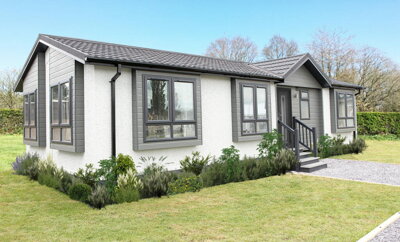
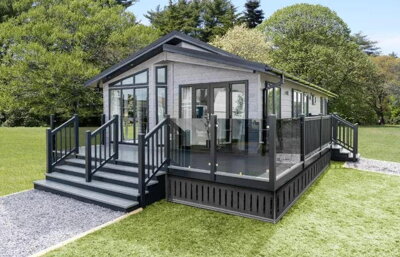
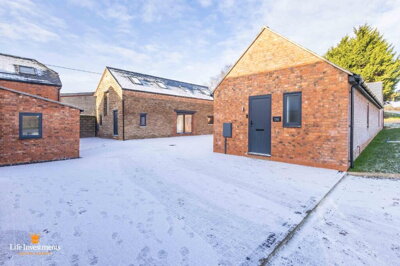
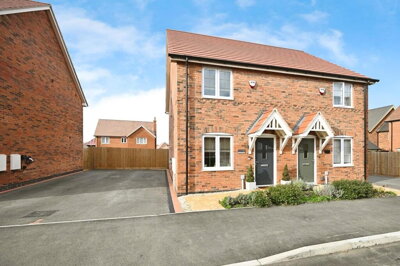
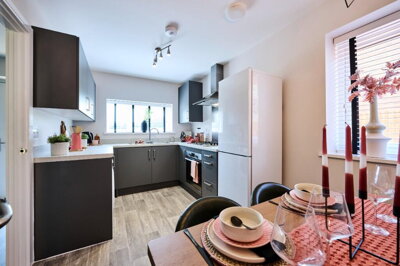
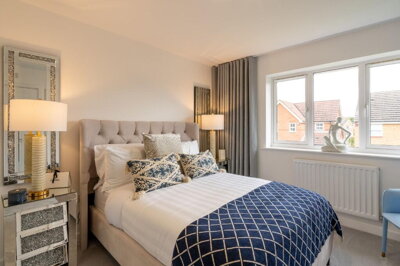
Browse 6 homes new builds in Kilsby, West Northamptonshire from local developer agents.
The 2 bed house market features detached, semi-detached, and terraced properties with two separate bedrooms plus living spaces. Properties in Kilsby range across contemporary developments, with pricing varying across different neighbourhoods.
£0k
0
0
0
Source: home.co.uk
Showing 0 results for 2 Bedroom Houses new builds in Kilsby, West Northamptonshire.
The Kilsby property market has demonstrated remarkable resilience despite broader national fluctuations. Zoopla records an average sold price of £375,118 over the last 12 months, while Rightmove reports £386,667. These figures represent a 9% decrease compared to the previous year, yet remain 1% above the 2022 peak of £382,502, indicating market stability even during periods of reduced transaction volumes. Detached properties command the highest prices in the village, averaging £450,607, reflecting the demand for generous space and privacy that characterises rural Northamptonshire living. Semi-detached homes average £303,545, offering excellent value for families seeking quality accommodation without the premium attached to detached equivalents.
New build activity has shaped much of Kilsby's recent growth. The Cildes Croft development added 48 units to the village, while Emery Row and Close brought 11 properties to the former Lasalign Site. A newly approved outline planning application from Rainer Developments will deliver up to 63 additional homes on land north of Rugby Road, subject to finalisation of reserved matters. These developments demonstrate continued confidence in Kilsby's housing market, attracting buyers who appreciate both character properties and modern construction methods. Rightmove data indicates that detached properties dominate recent sales activity, followed by semi-detached homes, suggesting strong demand across multiple market segments.
Price trends in Kilsby reflect the village's appeal to diverse buyer groups. The 9% year-on-year decrease mirrors national market corrections, but the 1% premium above the 2022 peak demonstrates underlying strength. Families moving from Rugby appreciate the village's countryside character, while London commuters value the 50-minute train journey from nearby Rugby station. This mix of buyer motivations supports the market through different economic cycles, making Kilsby a relatively stable investment compared to purely commuter-focused or purely rural markets.

Life in Kilsby offers a rare combination of village tranquility and urban accessibility. The parish had an estimated population of 1,268 in 2020, growing from 1,196 recorded in the 2011 Census. The village has evolved over more than 1,000 years, with the first known settlement dating between 900 and 950 AD, yet it has successfully transitioned into a modern commuter community. Residents enjoy the best of both worlds: peaceful countryside walks through rolling Northamptonshire farmland alongside convenient access to nearby Rugby, just a short drive away, where comprehensive shopping, dining, and leisure facilities await.
The architectural character of Kilsby reflects its rich history and ongoing evolution. Within the conservation area, 19th-century red brick predominates, visible in landmark buildings such as The George, The Red Lion, and the old village school. Northamptonshire rubble stone construction appears in several fine historic properties, while thatched roofs add distinctive charm to certain cottages. Outside the conservation area, modern developments since the 1960s feature brick construction with tiled roofs, creating a harmonious blend of old and new. The village hosts essential amenities including a village hall and places of worship, while nearby DIRFT (Daventry International Rail Freight Terminal) at the northern edge of the parish provides employment opportunities for residents.
Community life in Kilsby centres around traditional village institutions and the strong sense of local identity that comes from living in a historic Northamptonshire community. The village hall hosts regular events and serves as a focal point for parish activities, while local places of worship provide spiritual and social connections for residents. The proximity to DIRFT brings unexpected economic benefits, with logistics and rail industry employment providing skilled jobs for residents who prefer short commutes. For families, the village's growth has been carefully managed, with the Parish Council actively monitoring housing need and community facilities through reports such as the November 2020 Housing Need Report.

Families considering a move to Kilsby will find educational options available within the village and the surrounding area. While Kilsby itself is a small parish with limited primary facilities, the village's historic school building remains its longstanding commitment to education. The 2011 Census recorded 530 dwellings in the parish, and as the community has grown with new developments, local school provision has adapted to accommodate additional children. Parents should research current capacity and catchment areas, as these can influence school allocations for families moving into the village.
Secondary education options in the region include schools in nearby Rugby and Daventry, both accessible by car or public transport from Kilsby. The village's proximity to these larger towns means families have access to a variety of educational settings, including grammar schools and comprehensive options. Schools in Rugby include Lawrence Sheriff School (grammar), Rupert Brooke Primary and Nursery, and others rated Good or Outstanding by Ofsted. Daventry offers additional secondary options including Campion School and Kineton Gate Primary School. Sixth form provision is available at secondary schools in surrounding towns, while further education colleges in Northampton and Coventry offer comprehensive post-16 pathways.
The Kilsby Parish Housing Need Report from November 2020 highlighted community interest in ensuring housing mix meets family needs, indicating ongoing dialogue about local facilities and services that supports a family-friendly environment. This document revealed that residents valued the village's character while recognising the need for appropriate school provision as the community grows. Parents are advised to check current admission policies and school performance data through Ofsted reports when planning a move, as catchment boundaries can change and competition for places varies by year.
Kilsby enjoys an enviable position for commuters seeking countryside living without sacrificing connectivity. The village sits within easy reach of the M1 motorway at junction 18, providing direct access to Northampton, Leicester, and Birmingham to the north, and London to the south. Rugby railway station, located just 5 miles away in the nearby town, offers regular services to London Euston with journey times of approximately 50 minutes, making the capital accessible for daily commuters. This combination of road and rail links has cemented Kilsby's reputation as a modern commuter community, attracting buyers who work in major urban centres but prefer village life.
Bus services connect Kilsby with surrounding villages and towns, providing essential links for those without private vehicles. The presence of Watling Street, a scheduled Roman road monument, through the parish underscores Kilsby's historic position on important travel routes. Local bus routes serve connections to Rugby and Daventry, though service frequencies may be limited compared to urban areas. Cycling infrastructure varies across the area, with country lanes popular among recreational cyclists and commuters comfortable with rural cycling conditions. Parking in the village reflects its compact nature, with limited on-street parking concentrated around the village centre and church.
For international travel, Birmingham Airport is approximately 35 miles away and reachable within an hour by car, offering direct flights across Europe and beyond. London Luton Airport lies similarly distant, providing additional options for long-haul travel. The village's position at the intersection of the M1 and A5 roads means residents have multiple routes to major transport hubs, reducing reliance on any single connection. The nearby presence of DIRFT also brings rail freight connections to the area, though these serve industry rather than passenger services.
Understanding the predominant construction methods in Kilsby helps buyers appreciate the character of properties they may purchase. The village's architectural heritage spans multiple centuries, resulting in a varied building stock that requires different maintenance approaches. The 19th-century red brick that predominates in the conservation area represents a distinctive Northamptonshire tradition, visible in landmark buildings along Main Road and Chapel Street. This brick, typically handmade, shows considerable variation in colour and texture compared to modern machine-made equivalents, requiring specialist matching when repairs are needed.
Northamptonshire rubble stone construction appears throughout the village, particularly in fine historic properties that predate the brick-building era. This traditional material, sourced from local quarries, gives properties a warm golden appearance that distinguishes them from brick-built neighbours. Properties with Northamptonshire rubble stone walls often feature thicker construction, providing excellent thermal mass but requiring different approaches to insulation and damp proofing. Buyers should budget for potential lime-based repointing and other traditional building maintenance when considering stone properties.
Thatched properties add distinctive character to Kilsby's streetscape but demand specific expertise from surveyors and contractors. The maintenance costs for thatched roofs typically exceed those for conventional tiled roofs, and insurance premiums often reflect the higher risk profile. Specialist thatch surveys can identify issues invisible to standard inspections, including sub-standard previous repairs or deterioration in the roof structure. The combination of thatch and traditional construction materials means these properties require holistic assessment rather than focusing on individual elements in isolation.
Properties in Kilsby span a wide age range, from medieval origins through Victorian construction to modern developments, each with characteristic defect patterns. Older properties built before 1919 typically feature solid wall construction, meaning they lack the cavity insulation common in post-war buildings. Our surveyors frequently identify rising damp in these properties, where the original damp-proof course has deteriorated or was never installed. Timber-framed elements within brick and stone walls can suffer from woodworm activity, particularly in properties where damp has affected structural elements over extended periods.
The Northamptonshire clay geology underlying much of the village creates potential for subsidence and heave movement, especially in properties with shallow foundations or trees located close to buildings. Clay soils shrink during dry summers and swell during wet periods, creating seasonal movement that can manifest as cracking in walls or sticking doors and windows. Properties in Kilsby should be checked for signs of historic movement, with particular attention to extensions and conservatories that may have different foundation depths to the original structure. Our surveyors assess these factors as part of any RICS Level 2 or Level 3 survey.
Modern properties built since the 1960s generally follow standard brick and tile construction with cavity wall insulation, but defects still occur. Our team has identified issues with poorly installed insulation, compressed or missing cavity barriers, and condensation problems arising from improved airtightness without adequate ventilation. Newer developments such as Cildes Croft and Emery Row benefit from modern building regulations, but even recent construction can develop defects, particularly in areas of the roof or around window openings where detailing can fail over time.
Start by exploring current listings for Kilsby properties and understanding local price trends. The average sold price of £375,118 provides a useful benchmark, while detached homes average £450,607 and semi-detached properties around £303,545. Consider whether you need the space of a detached family home or the value offered by semi-detached alternatives. Review recent sales data on Zoopla and Rightmove to understand how long properties take to sell and what price reductions have occurred.
Once you have identified suitable properties, contact estate agents to arrange viewings. Kilsby's mix of historic cottages, modern developments, and conservation area properties means every home requires careful inspection. Take time to explore the village neighbourhood, visit local amenities, and get a feel for community life before making an offer. Pay attention to noise from nearby roads, the proximity of agricultural land, and the condition of neighbouring properties, as these factors affect daily life.
Before making a formal offer, obtain a mortgage agreement in principle from a lender. This demonstrates your financial readiness to sellers and strengthens your position in negotiations. Our mortgage partners can help you compare rates and find the most suitable product for your circumstances. Consider speaking to a whole-of-market broker who can access deals from multiple lenders, as high-street bank offerings may not suit everyone.
Given Kilsby's varied property stock, including historic buildings, thatched properties, and modern developments, a RICS Level 2 survey is essential. This homebuyer report identifies defects such as damp, structural movement, or timber issues that may not be visible during viewings. For older properties or those in need of renovation, a more detailed Level 3 survey may be advisable. Budget around £455 nationally, though Kilsby properties with unusual construction or high values may cost more.
Begin the legal process by instructing a conveyancing solicitor to handle your purchase. They will conduct searches, review contracts, and manage the transfer of ownership. Our conveyancing partners offer competitive rates for buyers in Kilsby and the surrounding West Northamptonshire area. Ensure your solicitor checks specifically for planning permissions on any extensions or alterations, as works to listed buildings or properties in the conservation area may have been carried out without proper consent.
Once all searches are satisfactory and contracts are signed, you will exchange deposits and agree on a completion date. Your solicitor will transfer remaining funds and register the property in your name with the Land Registry. On completion day, you will receive the keys to your new Kilsby home. Allow time for final meter readings and ensure the property is in the condition agreed in the contract.
Purchasing property in Kilsby requires awareness of local factors that differ from urban markets. The village's conservation area, designated in 2018, imposes planning restrictions on alterations, extensions, and exterior changes. Any plans to modify a listed building require formal consent from West Northamptonshire Council, and works must respect the property's architectural character. Before purchasing, investigate whether your intended changes require permissions, as restrictions can significantly affect renovation plans and future resale value. The conservation area boundary covering Chapel Street, Main Road, Manor Road, and Essen Lane means many of the most desirable village properties fall within these controls.
Building materials throughout Kilsby reflect the village's age and construction history. Properties built with 19th-century red brick, Northamptonshire rubble stone, or featuring thatched roofs require specialist maintenance and may develop defects common to historic construction. Thatched properties, while charming, demand regular upkeep from experienced craftspeople, and insurance costs may be higher than for conventionally roofed homes. Modern properties built since the 1960s generally follow standard brick and tile construction, but buyers should still commission thorough surveys to identify any construction issues. The village's proximity to agricultural land means properties may experience rural considerations such as noise from farming operations or pest activity that urban buyers should understand before committing to a purchase.
Of the 46 Listed Buildings in Kilsby Parish, only the Church of St Faith holds Grade II* status, while the remainder are Grade II listed. This classification means external and structural changes require Listed Building Consent from West Northamptonshire Council. Our surveyors have experience assessing listed properties across Northamptonshire, identifying works that may have been carried out without consent and advising on appropriate repair approaches that satisfy both building control and heritage requirements. Properties with historic alterations can present legal complications if previous owners failed to obtain necessary consents, making thorough survey inspection essential.
The average sold price for a property in Kilsby over the last 12 months is £375,118 according to Zoopla data, while Rightmove reports £386,667. Detached properties average £450,607 and semi-detached homes around £303,545, reflecting the premium buyers pay for the space and privacy of detached accommodation in rural Northamptonshire. Recent market activity shows prices were 9% down on the previous year but remain 1% above the 2022 peak of £382,502, indicating a stable market with modest seasonal variations rather than significant price volatility.
Properties in Kilsby fall under West Northamptonshire Council administration, which sets council tax rates for all properties within the village. Council tax bands in the village range across all bands from A through to H, depending on property value and type as determined by the Valuation Office Agency. Historic properties and new builds may be assessed differently based on their characteristics, and band disputes can be raised with the VOA if you believe your property is incorrectly assessed. Contact West Northamptonshire Council for current rates applicable to each band.
Kilsby is a small village with limited primary school facilities within the parish itself, though the historic village school serves the immediate community. Families typically access primary education in nearby villages such as Crick or monoux, with secondary schools available in Rugby and Daventry. Lawrence Sheriff School in Rugby offers grammar school education for eligible students, while Campion School and other Daventry secondary schools provide comprehensive options. Research current catchment areas and school performance data through Ofsted reports when planning a move, as admission policies can significantly affect school allocations for children in the area.
Kilsby benefits from reasonable connectivity despite its rural setting, with the M1 motorway accessible at junction 18 for road travel to major destinations. Bus services link the village with surrounding communities including Rugby and Daventry, though frequencies are more limited than urban routes. Rugby railway station provides regular trains to London Euston in approximately 50 minutes, making daily commuting feasible for professionals working in the capital. For international travel, Birmingham Airport and London Luton are both reachable within approximately one hour's drive from the village.
Kilsby offers solid investment potential given its transport links, village character, and ongoing development activity. The recently approved 63-home development north of Rugby Road by Rainer Developments demonstrates continued confidence in the local market from major developers. Properties near the conservation area with historic features attract premium interest from buyers seeking character properties, while the village's commuter community status supports rental demand from professionals working in Rugby, Northampton, or London. The village's growth since 2011, with 73 additional properties built, shows consistent demand that has absorbed new supply without significant price depression.
Standard stamp duty rates apply: 0% on the first £250,000, 5% on £250,001 to £925,000, 10% on £925,001 to £1.5 million, and 12% above £1.5 million. First-time buyers benefit from relief on the first £425,000, with 5% charged between £425,001 and £625,000. For a typical Kilsby property at the village average of £375,118, standard buyers pay £6,256, while first-time buyers pay nothing on the portion within their relief threshold. Second home buyers should budget for the additional 3% surcharge applied to all bands.
Properties within the Kilsby conservation area, which encompasses Chapel Street, Main Road, Manor Road, and Essen Lane, are subject to additional planning controls beyond standard requirements. Any exterior alterations, extensions, or significant changes to windows and doors require planning permission from West Northamptonshire Council, even where permitted development rights might normally apply elsewhere. Listed Building Consent is required separately for works affecting the character of the village's 46 listed buildings. These restrictions protect property values and village character but require careful consideration before purchasing if you intend to modify a property.
Our surveyors recommend a RICS Level 2 survey for most Kilsby properties, with a more detailed Level 3 survey advisable for historic buildings, thatched properties, or homes in poor condition. Given Kilsby's varied construction types including 19th-century brick, Northamptonshire rubble stone, and modern brick with tiled roofs, a professional survey identifies defects that may not be apparent during viewings. Typical issues include damp in solid-walled properties, timber defects in older buildings, and movement related to clay soils. Budget approximately £455 to £600 depending on property size and value.
From 3.84%
Compare mortgage rates from leading UK lenders
From £499
Expert legal services for your property purchase
From £455
Professional homebuyer report for Kilsby properties
From £600
Comprehensive building survey for older or complex properties
Understanding the full costs of buying property in Kilsby helps you budget accurately for your purchase. Beyond the property price, stamp duty land tax represents a significant expense for most buyers. For a home at Kilsby's average price of £375,118, standard buyers pay £6,256 in stamp duty, calculated at 0% on the first £250,000 and 5% on the remaining £125,118. First-time buyers purchasing qualifying properties benefit from relief, paying nothing on the first £425,000 of their purchase, meaning properties at or below this threshold incur no stamp duty whatsoever.
Additional buying costs include solicitor fees for conveyancing, typically ranging from £499 to £1,500 depending on complexity and property value. A RICS Level 2 survey costs around £455 on average nationally, though prices vary based on property size and value. For Kilsby properties with higher values or unusual construction, such as thatched roofs or historic stone buildings, specialist surveys may cost more and take longer to complete. Search fees, including local authority, drainage, and environmental searches, typically total £250 to £400 and are conducted by your solicitor on your behalf.
Mortgage arrangement fees vary by lender, ranging from free deals to 2% of the loan amount, so comparing total mortgage costs rather than just the interest rate is advisable. Survey fees for listed buildings or properties with unusual construction may exceed standard rates due to the additional expertise required. Factor in moving costs, potential renovation expenses for properties requiring updates, and ongoing costs such as council tax and buildings insurance when planning your budget for your new Kilsby home. Buildings insurance for thatched properties typically costs more than standard cover, so obtain quotes before completing your purchase.
Properties New Builds In London

Properties New Builds In Plymouth

Properties New Builds In Liverpool

Properties New Builds In Glasgow

Properties New Builds In Sheffield

Properties New Builds In Edinburgh

Properties New Builds In Coventry

Properties New Builds In Bradford

Properties New Builds In Manchester

Properties New Builds In Birmingham

Properties New Builds In Bristol

Properties New Builds In Oxford

Properties New Builds In Leicester

Properties New Builds In Newcastle

Properties New Builds In Leeds

Properties New Builds In Southampton

Properties New Builds In Cardiff

Properties New Builds In Nottingham

Properties New Builds In Norwich

Properties New Builds In Brighton

Properties New Builds In Derby

Properties New Builds In Portsmouth

Properties New Builds In Northampton

Properties New Builds In Milton Keynes

Properties New Builds In Bournemouth

Properties New Builds In Bolton

Properties New Builds In Swansea

Properties New Builds In Swindon

Properties New Builds In Peterborough

Properties New Builds In Wolverhampton

Enter your details to see if this property is within your budget.
Loans, cards, car finance
Estimated property budget
Borrowing + deposit
You could borrow between
Typical borrowing
Monthly repayment
Est. at 4.5%
Loan-to-value
This is an estimate only. Your actual budget may vary depending on interest rates, credit history, and personal circumstances. For an accurate affordability assessment, speak to one of our free mortgage advisors.
This calculator provides estimates for illustrative purposes only and does not constitute financial advice. Your home may be repossessed if you do not keep up repayments on your mortgage. Estimates based on 4.5% interest rate, repayment mortgage. Actual rates depend on your circumstances.
Homemove is a trading name of HM Haus Group Ltd (Company No. 13873779, registered in England & Wales). Homemove Mortgages Ltd (Company No. 15947693) is an Appointed Representative of TMG Direct Limited, trading as TMG Mortgage Network, which is authorised and regulated by the Financial Conduct Authority (FRN 786245). Homemove Mortgages Ltd is entered on the FCA Register as an Appointed Representative (FRN 1022429). You can check registrations at NewRegister or by calling 0800 111 6768.

We use cookies to show you personalised content and improve your experience of our website. Find out more in our Privacy policy and Cookie policy.