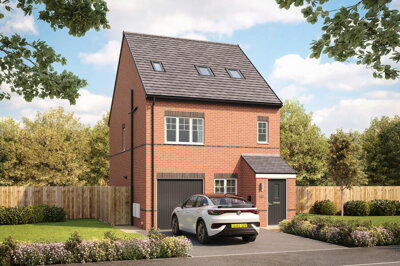
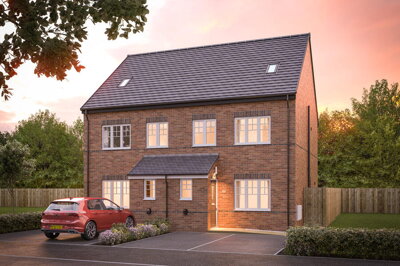
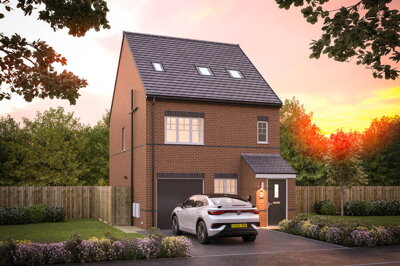
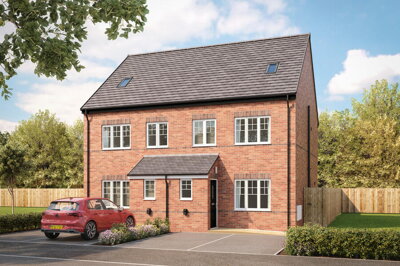
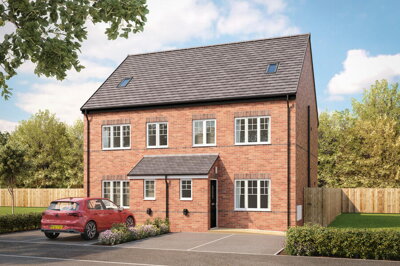
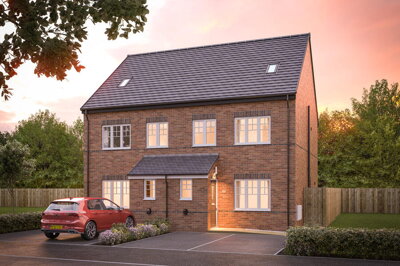
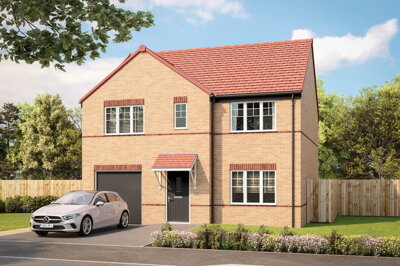
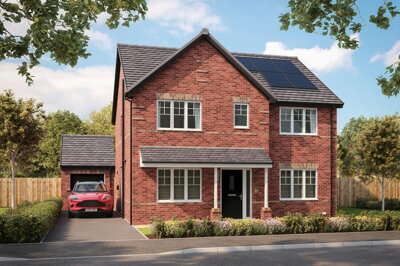
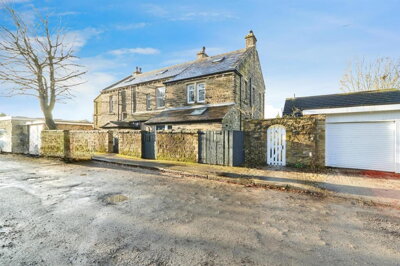
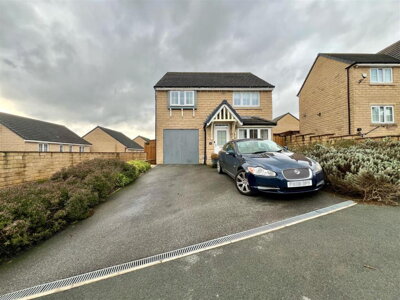
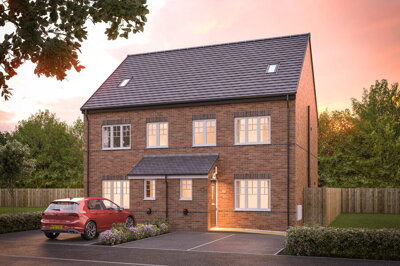
Browse 13 homes new builds in Keighley, Bradford from local developer agents.
The Keighley property market offers detached, semi-detached, and terraced houses spanning various price ranges and neighbourhoods. Each listing includes detailed property information, photographs, and direct contact with the marketing agent.
£240k
133
4
90
Source: home.co.uk
Showing 133 results for Houses new builds in Keighley, Bradford. 4 new listings added this week. The median asking price is £239,995.
Source: home.co.uk
Semi-Detached
62 listings
Avg £221,760
Detached
42 listings
Avg £408,781
Terraced
29 listings
Avg £154,134
Source: home.co.uk
Source: home.co.uk
The Fearby property market reflects the broader trends of rural North Yorkshire, where demand consistently outstrips supply due to the limited housing stock and desirable location. As of February 2026, detached properties command the highest prices at around £450,000, offering generous space and often commanding views across the surrounding dales. Semi-detached homes average £275,000, while terraced properties, though less common in this predominantly detached village, typically fetch around £200,000.
Price growth in Fearby has remained steady at 2.5% over the past twelve months, demonstrating sustained interest in the area without the volatility seen in urban markets. This measured appreciation makes Fearby an attractive proposition for both homeowners seeking long-term value and investors recognising the potential of rural properties near protected landscapes. The scarcity of new-build developments in the HG4 postcode area means that buyers in Fearby primarily compete for the existing stock of character properties, many of which date back to the 19th century or earlier.
For those considering a purchase in Fearby, it is worth noting that no active new-build developments exist within the village itself. The closest new homes can be found in neighbouring market towns such as Masham and Leyburn, which offer additional options while maintaining proximity to Fearby's rural charm. Our platform aggregates listings from all major estate agents active in the area, giving you comprehensive access to every available property in and around this sought-after village.

The Fearby area presents buyers with a distinctive selection of property types that reflect its heritage and rural character. Stone cottages and traditional farmhouses represent the most common listings, featuring the local grey or buff sandstone construction that gives the village its harmonious appearance. These properties typically offer generous room sizes, original features such as exposed beams and inglenook fireplaces, and gardens that often extend to the surrounding countryside.
Larger detached homes in Fearby provide contemporary family accommodation while respecting the traditional aesthetic of the area. Many of these properties enjoy panoramic views across the surrounding fields and dales, with gardens that frequently include outbuildings or paddocks suitable for equestrian use or smallholding activities. The village's proximity to quality grazing land makes these larger plots particularly attractive to buyers seeking a rural lifestyle with practical outdoor space.
Converted barns and agricultural buildings offer another avenue for buyers seeking character properties with modern conveniences. These conversions typically feature high ceilings, exposed stone walls, and original timber beams, combined with contemporary insulation and heating systems. Several farms in the surrounding parish have undergone sympathetic conversion in recent years, creating unique homes that blend historic character with comfortable modern living. Newer properties constructed within the last few decades in Fearby tend to be built using materials and designs that complement the existing vernacular, maintaining the visual cohesion of the village.

Life in Fearby revolves around the rhythms of the countryside, where farming traditions remain central to the local community and the natural landscape defines everyday existence. The village itself is small, with a population of approximately 220 residents according to the 2011 census, fostering a tight-knit atmosphere where neighbours know one another and community events bring people together throughout the year. This intimate scale belies the richness of life available here, from village pubs serving local ale to scenic walks that begin right at your doorstep.
The economy of Fearby and its surrounding parish is primarily agricultural, with sheep farming and cattle raising dominating the local agricultural sector. Tourism plays a significant supporting role, as the Yorkshire Dales attract visitors year-round who come to explore the moors, visit historic villages, and enjoy outdoor activities. Many residents combine rural living with commuting to larger centres including Ripon, Harrogate, and even Leeds, taking advantage of the improved road connections while returning each evening to their peaceful village home.
The area's geology shapes both its landscape and its properties, with Carboniferous Limestone and Millstone Grit forming the bedrock beneath Fearby's fields and gardens. The predominant building material is local sandstone, typically in grey or buff tones, which gives Fearby's cottages and farmhouses their distinctive appearance. Many properties feature complementary slate roofs, creating a harmonious aesthetic that blends seamlessly with the surrounding countryside. Glacial till and alluvial deposits along watercourses contribute to the soil composition, with areas of significant clay content potentially presenting moderate shrink-swell risk during periods of extreme weather.
Fearby sits at the gateway to the Nidderdale Area of Outstanding Natural Beauty, providing residents with immediate access to protected landscapes, scenic walking routes, and outdoor activities including cycling, fishing, and horse riding. The Yorkshire Dales National Park lies a short drive to the west, further expanding recreational opportunities. The village pub and village hall serve as focal points for community life, hosting events throughout the year that bring residents together. Nearby Masham provides practical amenities including a convenience store, butcher, bakery, and several pubs and restaurants.
Families considering a move to Fearby will find a selection of educational options within reasonable driving distance, though the rural setting means travel times are longer than in urban areas. Primary education is available at several village and small-town schools in the surrounding area, with classes sized appropriately to provide individual attention and strong community ties. Parents should research specific catchment areas and admission policies, as these can be more flexible in rural authorities and may offer some discretion based on circumstances.
Secondary education options include schools in nearby market towns, with many students travelling to institutions in Ripon, Leyburn, or the wider Hambleton district. The county maintains selective grammar school arrangements in some areas, and parents should consult the North Yorkshire Council admissions portal for the most current information on eligibility and allocation. Schools in the surrounding market towns include secondary schools offering a range of GCSE and A-level subjects, with some providing specialist facilities in areas such as technology, arts, and sports.
For families prioritising educational excellence, it is worth noting that independent schools in the region offer alternative provision, with several well-regarded options within a reasonable commute. These include schools offering boarding facilities for families requiring weekly or term-time arrangements. Early years childcare options in rural North Yorkshire can be more limited than in urban settings, and prospective residents should investigate availability before committing to a move. The investment in a Fearby home is often balanced against these educational considerations, with many parents feeling that the quality of life and connection to nature offered by village living outweighs the logistics of school travel.
Getting around from Fearby involves embracing a combination of road travel and, where available, public transport links that connect this rural village to the wider region. The A1(M) motorway is accessible via the A61 through Ripon, providing straightforward routes south towards Leeds, York, and the national motorway network. The scenic routes through the Dales themselves, including the A684 towards Leyburn and the A6108 through Masham, offer beautiful drives though can be subject to seasonal tourist traffic.
Public transport options reflect the village's scale, with limited bus services operating along routes connecting Fearby to nearby towns. The nearest railway stations are located in Northallerton and Darlington, offering East Coast Main Line services to London, Edinburgh, and regional destinations. Northallerton provides direct connections to London King's Cross and Edinburgh Waverley, while Darlington offers additional options including CrossCountry services to destinations across England and Scotland.
Many Fearby residents rely on private vehicles as their primary means of transport, and this dependence should factor into any decision to relocate here. Rural road conditions can include narrow lanes, single-track sections, and occasional flooding, requiring confident driving skills and appropriate vehicle choices. For commuters working in Leeds or York, the practicalities of daily travel from Fearby are significant, with journey times typically exceeding an hour each way under normal traffic conditions. However, the rise of hybrid and remote working arrangements has opened new possibilities for rural living, allowing residents to balance periodic office attendance with the considerable quality-of-life benefits offered by village life. Cycling is popular for leisure and short local trips, with the surrounding lanes offering both challenging routes for enthusiasts and gentler options for family rides through the dales.
Begin by exploring current listings in Fearby and understanding the property types available. Given the limited stock, sign up for alerts and be prepared to move quickly when suitable properties appear. Consider engaging a local estate agent with knowledge of the Yorkshire Dales fringe area, as they may be aware of off-market opportunities or properties coming to the market soon.
Before viewing properties, obtain a mortgage agreement in principle from a lender. This demonstrates your seriousness to sellers and streamlines the buying process once you find your ideal Fearby home. Rural properties can sometimes involve complex valuations, so factor this into your timeline and consider speaking to a broker familiar with countryside properties.
Visit properties in person to assess their condition, location, and suitability. Pay particular attention to the age of the property, its construction materials, and any signs of damp or structural issues common in older stone buildings. A RICS Level 2 Survey is strongly recommended for any property over 50 years old, which includes the vast majority of properties in Fearby.
Commission a RICS Level 2 Survey to identify any defects or maintenance concerns before committing to purchase. For listed buildings or properties of unusual construction, a more detailed RICS Level 3 Building Survey may be appropriate. Survey costs for a typical 3-bedroom property in the Fearby area range from £450 to £750, with the investment well worth it given the age of most local properties.
Choose a conveyancing solicitor with experience in rural property transactions to handle the legal aspects of your purchase. They will conduct searches, handle contracts, and coordinate with the seller's representatives through to completion. Searches should include drainage and water searches, local authority checks, and environmental searches given the proximity to watercourses.
Once all searches are satisfactory and contracts are signed, agree on a completion date with the seller. On completion day, funds are transferred and you receive the keys to your new Fearby home. Arrange buildings insurance before completion as this is typically required by mortgage lenders.
Purchasing a property in Fearby requires attention to specific factors that distinguish rural homes from their urban counterparts. The age of the housing stock is perhaps the most significant consideration, with many properties dating from the pre-1919 era and constructed using traditional methods that differ substantially from modern building standards. Stone walls in Fearby properties are often solid rather than cavity construction, which affects insulation, damp resistance, and the approach to any alterations or extensions.
Damp represents the most common defect identified in Fearby's older properties, manifesting as rising damp where original damp-proof courses have failed, penetrating damp from damaged pointing or defective rainwater goods, and condensation resulting from inadequate ventilation. Prospective buyers should examine walls, floors, and ceilings carefully during viewings and commission thorough surveys before purchase. The local sandstone construction, while beautiful, requires ongoing maintenance including repointing and treatment of any biological growth such as moss or algae.
Roof conditions warrant particular scrutiny, as older slate roofs commonly exhibit slipped slates, perished underfelt, and timber decay in rafters and battens. Electrical systems in period properties frequently fall below current standards and may require full rewiring, as may plumbing systems that have not been updated in decades. Many older properties in Fearby lack modern insulation in walls, floors, and lofts, resulting in heat loss that affects both comfort and energy efficiency.
The presence of listed building status, which applies to several properties in and around Fearby including the local church and various farmhouses, imposes additional obligations regarding maintenance and any proposed alterations. Listed Building Consent is required for most works to the exterior or structure of listed properties, and works must generally be carried out using appropriate traditional materials and methods. Buyers should verify whether a property is listed through the Historic England database and factor in the potential costs of bringing older properties up to modern standards while respecting their historic character.
Understanding the common defects found in Fearby properties helps buyers approach viewings and surveys with appropriate knowledge. The traditional construction methods used in this area, with solid stone walls and timber floor structures, create specific vulnerabilities that differ from modern buildings. A thorough awareness of these issues enables buyers to assess properties more effectively and budget appropriately for any necessary repairs.
Timber defects represent a significant concern in Fearby's older properties, where wooden beams, floor joists, and roof structures have been in place for generations. Woodworm, also known as common furniture beetle, frequently affects softwood timbers in older buildings, while wet rot and dry rot can develop where timber becomes persistently damp. Surveyors will tap timbers to check for soundness and probe any suspect areas, with treatment or replacement recommendations following where necessary.
Properties constructed on the Carboniferous Limestone and Millstone Grit geology of the area may experience different ground movement patterns than those on more stable substrates. While Fearby is not known for significant historical mining activity that would typically cause subsidence, areas with clay content in superficial deposits may present moderate shrink-swell risk during periods of extreme weather or drought. Surveyors will check for signs of cracking or movement that might indicate foundation issues.
Rainwater goods require particular attention in Fearby, where traditional cast iron gutters and downpipes have often been in place for many years. Blocked or damaged gutters can direct water onto stone walls, accelerating weathering and pointing deterioration that leads to penetrating damp. Properties near the River Burn and River Ure warrant additional investigation for flood resilience measures, with buyers advised to check Environment Agency flood maps and discuss any historical flooding with current owners or neighbours.
Planning considerations in Fearby reflect both the village's rural character and its proximity to protected landscapes. While Fearby itself is not designated as a Conservation Area, the nearby Nidderdale Area of Outstanding Natural Beauty means that properties and land within the AONB boundary are subject to strict planning policies designed to protect landscape character. Any significant extensions, alterations, or new buildings in these areas face careful scrutiny.
Individual listed buildings in Fearby, including various farmhouses and agricultural buildings, are protected under the Planning Listed Buildings and Conservation Areas Act. This protection applies to both the exterior and interior of these properties, requiring Listed Building Consent for most works. Alterations to listed properties must generally use appropriate traditional materials and methods, which can increase the cost and complexity of any works compared to standard properties.
Agricultural permitted development rights in rural areas like Fearby can offer opportunities for farm diversification or property conversions, though these rights are subject to conditions and limitations. Buyers considering agricultural buildings for conversion to residential use should consult with North Yorkshire Council planning department to understand the current policies and any relevant prior approvals. Planning searches conducted during the conveyancing process will reveal any planning history or conditions affecting a specific property.
The average property price in Fearby stood at £375,000 as of February 2026, according to recent market data. Detached properties average around £450,000, semi-detached homes fetch approximately £275,000, and terraced properties typically sell for about £200,000. Prices have shown steady growth of 2.5% over the past twelve months, reflecting continued demand for rural properties in this sought-after corner of North Yorkshire. Given the limited stock and absence of new-build developments, prices are likely to remain firm for well-presented properties in good locations.
Properties in Fearby fall under the council tax jurisdiction of North Yorkshire Council, formerly Hambleton District Council. Most properties in the village, given their age and character, typically fall into bands B through D, though individual properties should be verified through the North Yorkshire Council valuation list. Band D properties in this area are currently charged around £1,800 to £2,000 annually, though bands and charges should be confirmed with the local authority at the time of purchase as these figures are subject to annual review and potential changes.
The Fearby area offers a range of educational options suitable for families, though primary schools are generally located in surrounding villages and small towns. Secondary education is available at schools in nearby market towns including Ripon and Leyburn, with grammar school options in some areas of North Yorkshire. For families requiring private education, several independent schools operate within a reasonable commuting distance. Parents should consult the North Yorkshire Council admissions portal to verify current catchment areas and school capacities, as these can change annually and are particularly competitive in rural areas.
Fearby's public transport connections reflect its rural nature, with limited bus services operating between the village and nearby towns. The nearest railway stations are Northallerton and Darlington, both offering connections on the East Coast Main Line to London, Edinburgh, and regional cities. Northallerton provides direct services to London King's Cross and Edinburgh Waverley. Many residents rely primarily on private vehicles for daily transport, and this should be factored into any decision to relocate. The village is well-positioned for road travel, with straightforward routes to Ripon, Harrogate, and the A1(M) motorway, though journey times to major employment centres can exceed an hour.
Fearby offers several characteristics that appeal to property investors, including its location near the Nidderdale Area of Outstanding Natural Beauty and the broader Yorkshire Dales. The tourism economy supports demand for holiday lets and short-term rentals, while the scarcity of properties means that well-presented homes tend to attract interest when offered to the market. The steady 2.5% annual price growth demonstrates solid appreciation without speculative bubbles. However, investors should be aware of the rural nature of the market, which can mean longer selling times, and should factor in maintenance costs for older properties that may require significant upkeep.
Stamp Duty Land Tax applies to all property purchases in England, with current thresholds for 2024-25 set at zero percent for properties up to £250,000, five percent on the portion from £250,001 to £925,000, ten percent from £925,001 to £1.5 million, and twelve percent above £1.5 million. First-time buyers benefit from relief on the first £425,000 of their purchase, with five percent applying between £425,001 and £625,000. Given the average Fearby property price of £375,000, a standard buyer without first-time buyer status would pay approximately £6,250 in stamp duty, while a first-time buyer would pay nothing on this purchase price.
Fearby is situated near the River Burn, which flows into the River Ure, and properties located immediately adjacent to these watercourses may be at risk of fluvial flooding during periods of high rainfall or snowmelt. Surface water flooding can also occur in areas with poor drainage or on slopes and low-lying ground. The Environment Agency provides detailed flood risk maps that buyers should consult when evaluating specific properties. Surveyors will identify any historical flooding issues, and buildings insurance costs may reflect the proximity to watercourses. Flood resilience measures, including property-level barriers and appropriate ventilation systems, are increasingly common in rural properties near water.
Several properties in Fearby and the immediate vicinity hold listed building status, including the local church and various farmhouses and barns. Listed buildings are protected under the Planning Listed Buildings and Conservation Areas Act, which requires Listed Building Consent for most works to the exterior or structure. Any alterations or repairs to listed buildings must generally use appropriate traditional materials and methods, which can increase costs compared to standard properties. Buyers should verify a property's listed status through the Historic England database and factor in the obligations and potential costs associated with maintaining a listed property.
Buying a home in Fearby involves several costs beyond the purchase price itself, and understanding these expenses upfront helps you budget effectively for your move. Stamp Duty Land Tax represents the most significant additional cost for most buyers, with the standard threshold currently set at £250,000 for residential purchases in England. On a typical Fearby property priced at £375,000, a buyer without first-time buyer status would pay £6,250 in stamp duty, calculated at five percent on the amount above £250,000.
First-time buyers purchasing in Fearby benefit from increased thresholds, with zero stamp duty applying up to £425,000 and five percent on the portion between £425,001 and £625,000. This relief can save first-time buyers thousands of pounds, though it is important to note that no relief is available on purchases exceeding £625,000. Given the average property price in Fearby, many purchases will fall below this threshold, making the area particularly attractive to those taking their first step onto the property ladder in a rural setting.
Additional costs include solicitor fees for conveyancing, which typically range from £500 to £1,500 depending on the complexity of the transaction and whether the property is freehold or leasehold. Survey costs for a RICS Level 2 HomeBuyer Report range from £450 to £750 for a typical Fearby property, with more detailed building surveys costing more for larger or more complex properties. Search fees, land registry fees, and mortgage arrangement fees can add several hundred pounds to the total. Buildings insurance should be arranged before completion, and removals costs vary depending on the distance and volume of belongings being transported to your new Fearby home.
Buyers purchasing with a mortgage will also need to factor in valuation fees, though many lenders now include basic valuations within their mortgage products. For rural properties with unusual characteristics, lenders may require more detailed valuations which can add to costs. Financial advice from an independent mortgage broker can help navigate these options and ensure the most cost-effective approach to financing a Fearby property purchase.
Secure financing for your Fearby home
From 4.5% APR
Expert solicitors to handle your property purchase
From £499
Essential inspection for older properties
From £450
Comprehensive survey for complex or historic properties
From £650
Energy performance certificate for your property
From £80
Properties New Builds In London

Properties New Builds In Plymouth

Properties New Builds In Liverpool

Properties New Builds In Glasgow

Properties New Builds In Sheffield

Properties New Builds In Edinburgh

Properties New Builds In Coventry

Properties New Builds In Bradford

Properties New Builds In Manchester

Properties New Builds In Birmingham

Properties New Builds In Bristol

Properties New Builds In Oxford

Properties New Builds In Leicester

Properties New Builds In Newcastle

Properties New Builds In Leeds

Properties New Builds In Southampton

Properties New Builds In Cardiff

Properties New Builds In Nottingham

Properties New Builds In Norwich

Properties New Builds In Brighton

Properties New Builds In Derby

Properties New Builds In Portsmouth

Properties New Builds In Northampton

Properties New Builds In Milton Keynes

Properties New Builds In Bournemouth

Properties New Builds In Bolton

Properties New Builds In Swansea

Properties New Builds In Swindon

Properties New Builds In Peterborough

Properties New Builds In Wolverhampton

Enter your details to see if this property is within your budget.
Loans, cards, car finance
Estimated property budget
Borrowing + deposit
You could borrow between
Typical borrowing
Monthly repayment
Est. at 4.5%
Loan-to-value
This is an estimate only. Your actual budget may vary depending on interest rates, credit history, and personal circumstances. For an accurate affordability assessment, speak to one of our free mortgage advisors.
This calculator provides estimates for illustrative purposes only and does not constitute financial advice. Your home may be repossessed if you do not keep up repayments on your mortgage. Estimates based on 4.5% interest rate, repayment mortgage. Actual rates depend on your circumstances.
Homemove is a trading name of HM Haus Group Ltd (Company No. 13873779, registered in England & Wales). Homemove Mortgages Ltd (Company No. 15947693) is an Appointed Representative of TMG Direct Limited, trading as TMG Mortgage Network, which is authorised and regulated by the Financial Conduct Authority (FRN 786245). Homemove Mortgages Ltd is entered on the FCA Register as an Appointed Representative (FRN 1022429). You can check registrations at NewRegister or by calling 0800 111 6768.

We use cookies to show you personalised content and improve your experience of our website. Find out more in our Privacy policy and Cookie policy.