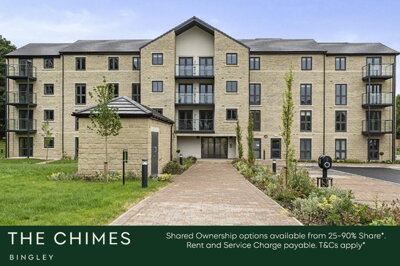
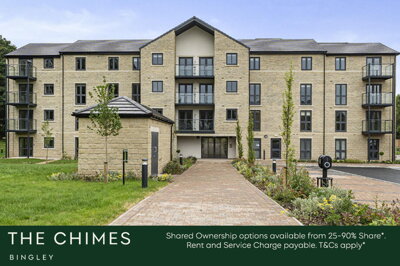
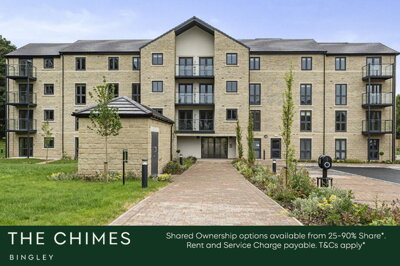
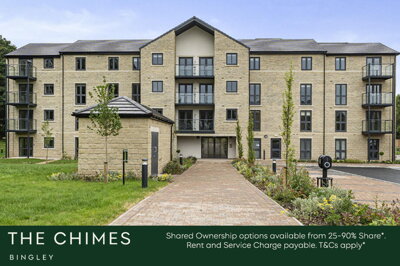
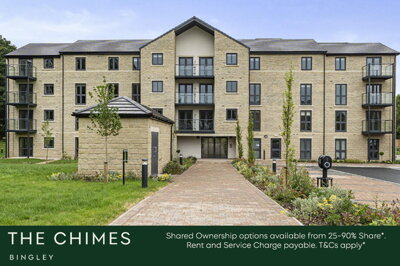
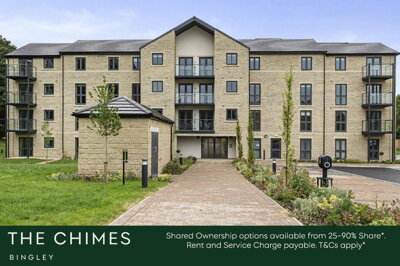
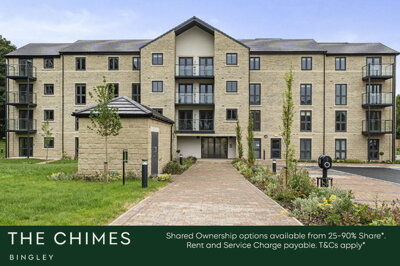
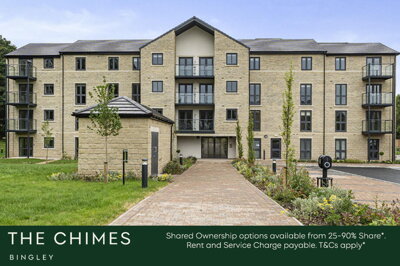
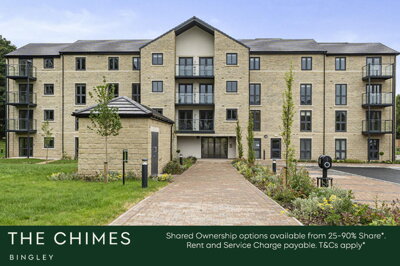
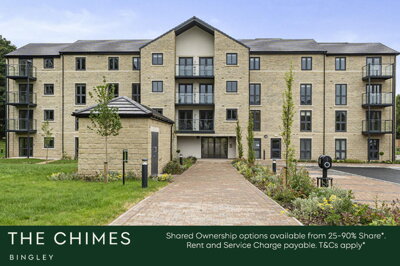
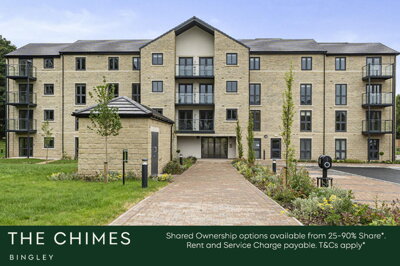
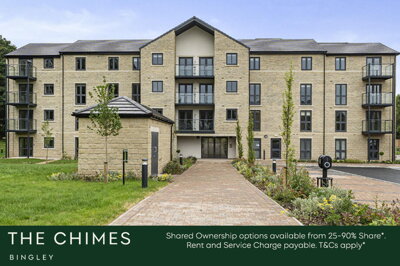
Browse 12 homes new builds in Keighley, Bradford from local developer agents.
The 2 bed flat sector typically includes two separate bedrooms, dedicated living areas, and bathroom facilities. Properties in Keighley span purpose-built blocks, converted period houses, and modern apartment complexes on various floors.
£63k
2
0
444
Source: home.co.uk
Showing 2 results for 2 Bedroom Flats new builds in Keighley, Bradford. The median asking price is £62,500.
Source: home.co.uk
Flat
2 listings
Avg £62,500
Source: home.co.uk
Source: home.co.uk
Fearby's property market reflects its status as a desirable rural village within North Yorkshire's Dales fringe. Our current listings showcase the diversity of housing available, from traditional stone-built cottages dating back to the 18th and 19th centuries to sympathetically modernised farmhouses and contemporary detached homes. The average detached property commands around £450,000, while semi-detached homes typically sell for approximately £275,000. Terraced properties, though less common in this predominantly rural housing stock, are available from around £200,000, offering an accessible entry point to Fearby village life for first-time buyers and investors alike.
The market has shown resilience with a 2.5% increase in property values over the past twelve months, supported by just 4 completed sales in the area. This limited transaction volume is typical of small rural villages where properties change hands infrequently, often staying within families or local networks. The scarcity of listings means that prospective buyers should act decisively when a suitable property becomes available. New build development in Fearby itself remains virtually non-existent due to the village's conservation-minded ethos and the protected landscape setting, though buyers seeking brand-new homes may find options in nearby market towns such as Masham or Leyburn.
The predominant construction type in Fearby involves traditional solid stone wall construction, often double-leaf with rubble infill, using locally quarried grey or buff sandstone. These properties typically feature pitched timber roofs covered with natural slate, which requires regular maintenance to prevent slipped slates and perished felt. Properties built with cavity wall construction, using brick or block with render, are less common and tend to date from the post-1945 period when modern building techniques became more widespread in rural areas.

Life in Fearby centres on the rhythms of the surrounding countryside, with agriculture and tourism forming the backbone of the local economy. The village population stands at approximately 220 residents based on the most recent census data for the combined Fearby and Healey parish, creating an intimate community where neighbours know one another and local events foster strong social bonds. The predominantly older housing stock, with many properties dating from the pre-1919 era, gives the village its distinctive character of traditional Dales cottages and farmhouses built from the local sandstone that defines the vernacular architecture of Lower Wensleydale.
Residents of Fearby enjoy direct access to some of Yorkshire's most breathtaking landscape, with the Nidderdale AONB bordering the village and offering extensive walking, cycling, and outdoor recreation opportunities. The village sits on geology comprising Carboniferous Limestone and Millstone Grit, with superficial deposits of glacial till and alluvial materials along watercourses. Properties near the River Burn and its tributaries may encounter clay-rich soils in lower-lying areas, which can present moderate shrink-swell risk during periods of extreme weather or drought, potentially affecting foundations of older structures.
Local employment opportunities cluster around farming, hospitality venues including traditional pubs and bed-and-breakfast establishments, and small rural businesses. The tourism economy supports holiday let opportunities in suitable properties, though buyers should note that the Nidderdale AONB planning guidelines influence what modifications and uses are permissible. The village's proximity to Masham, just a short drive away, provides access to everyday amenities including shops, a primary school, and healthcare facilities. For those requiring the extensive services of larger centres, the towns of Harrogate and Ripon offer comprehensive retail, educational, and healthcare options within reasonable commuting distance.
Fearby's position within the Yorkshire Dales fringe means that lead mining history, prevalent across parts of the Dales, represents a historical consideration for property condition assessments. While Fearby itself is not known for significant historical coal mining activity, the broader regional context means that specialist surveys may be advisable for properties showing signs of ground movement or structural settlement.

Families considering a move to Fearby will find educational provision focused primarily on the surrounding market towns and larger villages. For younger children, the nearest primary schools are located in nearby communities such as Masham, where schools typically serve the surrounding rural parishes and benefit from small class sizes that allow for personalised attention. Parents should research current catchment areas and admission arrangements, as these can vary and may influence school placement decisions. The village's intimate scale means that primary school-aged children often walk to local schools where available, fostering independence while maintaining community connections.
Secondary education options include schools in Masham, Ripon, and the wider North Yorkshire area, with many families considering the comprehensive schools available in these market towns. For those seeking grammar school provision, selective schools in larger towns may be accessible, though transport arrangements require careful consideration. The journey times from Fearby to secondary schools in surrounding towns typically involve car transport, and parents should factor these practicalities into their house-hunting criteria.
Sixth form and further education opportunities are concentrated in the major towns of Harrogate, Ripon, and Northallerton, with school transport services supporting rural students. The proximity of Fearby to these educational centres, combined with the strong community values fostered in village primary schools, makes the area an attractive proposition for families prioritising both academic opportunity and rural upbringing. Many families find that the shorter commute times within the village and to primary schools offset the longer journeys required for secondary education, particularly for those with flexible working arrangements that allow participation in school transport logistics.
Fearby's rural location means that private transport remains essential for most residents, though the village's position within the Yorkshire Dales road network provides reasonable connectivity to surrounding towns and cities. The A1(M) motorway is accessible via the A61 or A1 trunk routes through North Yorkshire, linking Fearby with Leeds, York, and Newcastle to the north. Local road connections via Masham and Ripon enable residents to reach daily amenities, while the scenic routes through Lower Wensleydale and Nidderdale offer pleasurable driving experiences that transform routine journeys into opportunities to appreciate the stunning landscape.
Public transport options serving Fearby include local bus services connecting the village to market towns in the surrounding area, though frequencies are naturally limited compared to urban routes and tend to be geared toward specific times of day rather than comprehensive all-day coverage. These services are particularly useful for non-commuting purposes such as shopping trips, medical appointments, and social visits, but they do not substitute for private vehicle ownership for most residents.
Rail connections are accessed via mainline stations in larger towns such as Harrogate, which offers direct services to major cities including Leeds, York, and London. For commuters working in Leeds or other West Yorkshire centres, the practical reality involves a combination of driving to the nearest rail station followed by train travel, making Fearby most suitable for those with flexible working arrangements or who value rural living sufficiently to accept the associated travel commitments. Many residents find that the working-from-home revolution has made rural village living more viable, combining the benefits of Fearby's setting with modern employment flexibility.
Explore current listings and recent sales data to understand the local market dynamics before making offers. With an average price of £375,000 and only 4 completed sales in the past twelve months, gaining familiarity with available property types and typical valuations is essential. The limited transaction volume means that comparable sales evidence may be sparse, making thorough research particularly important for understanding value in this village market.
Contact lenders or mortgage brokers to obtain an agreement in principle before beginning property viewings. This demonstrates your purchasing capability to sellers and estate agents, proving particularly important in a village market where vendors may receive multiple enquiries. Rural properties sometimes require specialist mortgage products, and lenders may have different criteria for older stone-built properties, so it is worth discussing your intended purchase with a broker experienced in rural transactions.
Visit properties that match your requirements, taking time to assess the condition of older stone-built properties common to Fearby. Pay particular attention to roof condition, damp-proofing measures, and the standard of electrical and plumbing installations in properties that may date from the Victorian or earlier periods. The traditional solid wall construction used in most local properties behaves differently from modern cavity walls, and understanding these differences will help you assess maintenance requirements and renovation potential.
For most properties in Fearby, a Level 2 Survey (HomeBuyer Report) is strongly recommended. Ranging from £450 to £750 for typical properties in the area, this survey will identify defects common to older stone construction including damp penetration, slate roof condition, timber defects, and the condition of lime mortar pointing. Given the high proportion of pre-1919 properties in the village, a survey is particularly valuable for revealing issues that may not be apparent during a casual viewing.
Appoint a solicitor experienced in rural property transactions to handle the legal aspects of your purchase. They will conduct searches including local authority checks with North Yorkshire Council, environmental searches to assess flood risk from the River Burn and nearby watercourses, and handle title issues that may arise with older properties. Coordinate with your solicitor to ensure that any listed building status or AONB planning constraints affecting the property are fully understood before completion.
Once all surveys, searches, and legal checks are satisfactory, you will exchange contracts and pay your deposit. Completion typically follows within days or weeks, at which point you will receive the keys to your new Fearby home. Given the limited number of property transactions in the village, it is worth building good relationships with local estate agents, as properties often become available through off-market arrangements or before formal listing.
Properties in Fearby present specific considerations that buyers should evaluate carefully before committing to purchase. The predominant use of local sandstone in construction, while contributing to the village's handsome appearance, brings particular challenges including penetrating damp through mortar joints, the condition of lime mortar pointing, and the integrity of traditional solid wall construction. The original construction methods used in these properties typically lack the damp-proof courses found in modern buildings, meaning that physical barriers to ground moisture may be absent or have deteriorated over time.
Prospective buyers should examine external walls for signs of weathering, vegetation growth that may indicate moisture issues, and the condition of rainwater goods that must effectively channel water away from porous stone surfaces. Internally, signs of damp including staining, peeling wallpaper, and musty odours warrant careful investigation before proceeding. The natural slate roofing common to Fearby properties requires ongoing maintenance, with slipped slates, perished felt underlay, and timber decay in roof structures representing common defect areas identified during survey work.
The village's position near the River Burn introduces potential flood risk that buyers should assess through Environment Agency flood maps and local knowledge. Areas immediately adjacent to watercourses may face elevated flood insurance costs or periodic flooding disruptions. Surface water flooding can also occur in low-lying areas with poor drainage during intense rainfall. Properties built on ground with significant clay content may experience foundation movement during extreme weather conditions, and a RICS Level 2 Survey will assess whether any cracks or settlement patterns indicate structural concerns.
Additionally, many Fearby properties carry listed building status, imposing obligations on owners to maintain architectural character and obtain consent for alterations. The Nidderdale AONB planning guidelines also influence what modifications are permissible, potentially limiting options for those seeking to extend or significantly alter period properties. For listed buildings, a more detailed RICS Level 3 Building Survey is often recommended to fully understand the property's construction, condition, and conservation requirements. Buyers should verify any specific property's listed status and AONB implications with the local planning authority before proceeding.
As of February 2026, the average property price in Fearby stands at £375,000. Detached properties command around £450,000, semi-detached homes average £275,000, and terraced properties typically sell for approximately £200,000. The market has shown steady growth with a 2.5% increase over the previous twelve months, indicating stable demand for rural properties in this North Yorkshire village location. With only 4 completed sales in the past year, the limited transaction volume reflects the village's status as an exclusive rural market where properties change hands infrequently.
Properties in Fearby fall under the jurisdiction of North Yorkshire Council. Council tax bands in the village typically range from A to D, with most traditional stone cottages and older period properties likely falling into bands A to C, while larger detached homes and farmhouses may be placed in band D. Exact banding depends on the property's assessed value, and prospective buyers should verify the specific banding for any property through the North Yorkshire Council valuation service. Properties with listed building status may have different considerations, and buyers should factor ongoing maintenance obligations into their total cost calculations.
Fearby itself does not have a primary school within the village, with the nearest educational provision located in nearby Masham and surrounding villages. Parents should research current admission arrangements and catchment areas, as these can influence school placement decisions. Secondary education options include schools in Masham, Ripon, and the wider North Yorkshire area, with many families travelling to access selective grammar schools or comprehensive schools with strong academic records. School transport arrangements from Fearby to secondary schools require careful planning, and families should factor journey times into their decision-making process.
Public transport options in Fearby are limited, reflecting its rural village status. Local bus services operate to nearby market towns, though frequencies are reduced compared to urban areas and may not suit regular commuting needs. The nearest mainline railway stations are located in Harrogate and larger regional centres, requiring car travel to reach. Most residents rely on private vehicles as their primary transport, with the village positioned reasonably for access to the A1(M) and A61 road networks connecting to Leeds, York, and Newcastle. The practical reality for commuters involves combining car travel to rail stations with train services, making Fearby most suitable for those with flexible working arrangements.
Fearby offers potential for property investment given its attractive rural setting, proximity to the Nidderdale AONB, and limited new development pipeline. The strong demand for rural lifestyle properties supports capital values, while the tourism economy creates opportunities for holiday lets in suitable properties. However, the very limited transaction volume means properties can take time to sell, and investors should consider the implications of this illiquidity alongside the ongoing maintenance obligations associated with older stone-built properties that dominate the village housing stock. Properties in flood-risk areas near the River Burn may face higher insurance costs, and listed buildings require specialist maintenance approaches that can increase holding costs.
Stamp duty Land Tax rates from April 2025 onwards apply to all purchases in Fearby. Standard rates charge nothing on the first £250,000 of property value, 5% on the portion from £250,001 to £925,000, 10% up to £1.5 million, and 12% on amounts exceeding £1.5 million. First-time buyers benefit from relief on the first £425,000, with 5% charged between £425,001 and £625,000. Given the average Fearby property price of £375,000, a standard buyer would pay £6,250 in stamp duty, while first-time buyers would pay £2,500. For higher-value detached homes at around £450,000, standard rate stamp duty would be £13,750, or £8,750 for first-time buyers.
The traditional stone-built properties that dominate Fearby's housing stock present specific structural considerations for buyers to understand. The solid wall construction methods used in 18th and 19th-century buildings lack the cavity spaces found in modern construction, meaning that moisture can penetrate through mortar joints more readily. Lime mortar pointing, which was traditionally used in these properties, requires different maintenance approaches than modern cement-based mortars. The natural slate roofing requires regular inspection and maintenance to prevent water ingress. Properties built on clay soils may experience foundation movement during periods of extreme weather, and buyers should look for signs of cracking or settlement that may indicate structural concerns requiring further investigation by a specialist.
First-time buyer and remortgage options available
From 3.5% APR
Specialist rural property solicitors
From £499
Comprehensive condition report for traditional stone properties
From £450
Energy performance certificate for Fearby homes
From £80
Purchasing a property in Fearby involves several costs beyond the purchase price itself, with stamp duty Land Tax representing the most significant additional expense for most buyers. For a typical Fearby property valued at the area average of £375,000, a standard buyer would incur £6,250 in stamp duty under current rates. First-time buyers benefit from more generous thresholds, reducing this liability to £2,500 for properties valued up to £625,000. Buyers purchasing higher-value detached homes or farmhouses at around £450,000 should budget accordingly, with standard rate stamp duty of £13,750 or £8,750 for first-time buyers applying in this price range.
Additional purchasing costs include solicitor fees for conveyancing, typically ranging from £500 to £1,500 depending on complexity and whether the property is freehold or leasehold. Given the age of many Fearby properties and their potential for complex titles, rural specialist solicitors may charge at the higher end of this range to reflect the additional work involved in investigating historic deeds and rights of way. Survey costs for a RICS Level 2 HomeBuyer Report in the Fearby area typically fall between £450 and £750 for standard three-bedroom properties, with larger or more complex period properties potentially commanding higher fees. Listed properties may require a more detailed RICS Level 3 Building Survey, which would increase survey costs but provide more comprehensive information about the property's condition and maintenance requirements.
Land Registry fees, local authority searches with North Yorkshire Council, and mortgage arrangement fees complete the typical cost package. Buyers should also factor in removal costs, potential renovation expenses for older properties, and the higher building insurance premiums that can apply to properties in flood-risk areas or those with historic listed status. Properties near the River Burn or in areas with poor drainage may face elevated insurance costs, and this should be factored into the overall affordability assessment. Budgeting for a total of 3% to 5% above the property purchase price covers these ancillary costs for most Fearby transactions.
Properties New Builds In London

Properties New Builds In Plymouth

Properties New Builds In Liverpool

Properties New Builds In Glasgow

Properties New Builds In Sheffield

Properties New Builds In Edinburgh

Properties New Builds In Coventry

Properties New Builds In Bradford

Properties New Builds In Manchester

Properties New Builds In Birmingham

Properties New Builds In Bristol

Properties New Builds In Oxford

Properties New Builds In Leicester

Properties New Builds In Newcastle

Properties New Builds In Leeds

Properties New Builds In Southampton

Properties New Builds In Cardiff

Properties New Builds In Nottingham

Properties New Builds In Norwich

Properties New Builds In Brighton

Properties New Builds In Derby

Properties New Builds In Portsmouth

Properties New Builds In Northampton

Properties New Builds In Milton Keynes

Properties New Builds In Bournemouth

Properties New Builds In Bolton

Properties New Builds In Swansea

Properties New Builds In Swindon

Properties New Builds In Peterborough

Properties New Builds In Wolverhampton

Enter your details to see if this property is within your budget.
Loans, cards, car finance
Estimated property budget
Borrowing + deposit
You could borrow between
Typical borrowing
Monthly repayment
Est. at 4.5%
Loan-to-value
This is an estimate only. Your actual budget may vary depending on interest rates, credit history, and personal circumstances. For an accurate affordability assessment, speak to one of our free mortgage advisors.
This calculator provides estimates for illustrative purposes only and does not constitute financial advice. Your home may be repossessed if you do not keep up repayments on your mortgage. Estimates based on 4.5% interest rate, repayment mortgage. Actual rates depend on your circumstances.
Homemove is a trading name of HM Haus Group Ltd (Company No. 13873779, registered in England & Wales). Homemove Mortgages Ltd (Company No. 15947693) is an Appointed Representative of TMG Direct Limited, trading as TMG Mortgage Network, which is authorised and regulated by the Financial Conduct Authority (FRN 786245). Homemove Mortgages Ltd is entered on the FCA Register as an Appointed Representative (FRN 1022429). You can check registrations at NewRegister or by calling 0800 111 6768.

We use cookies to show you personalised content and improve your experience of our website. Find out more in our Privacy policy and Cookie policy.