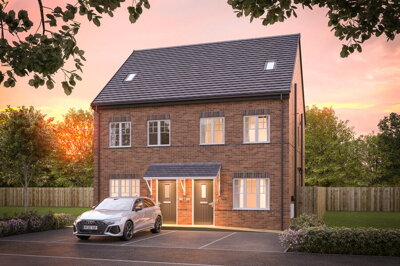
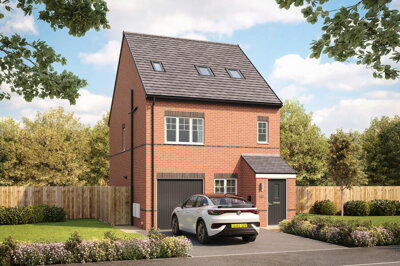
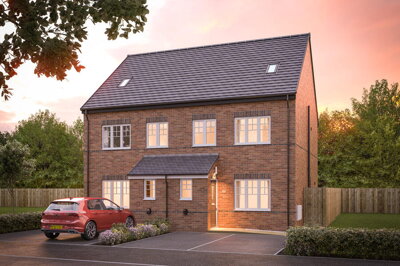
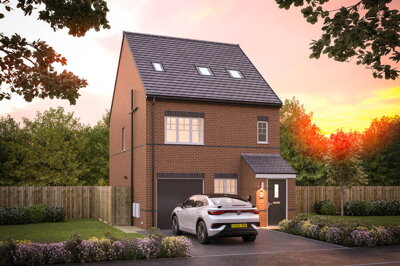
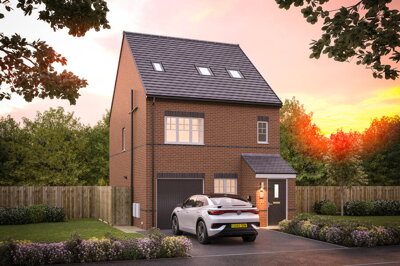
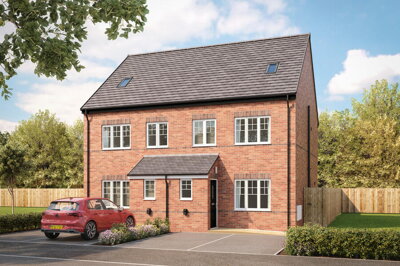
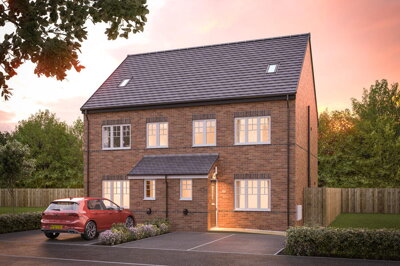
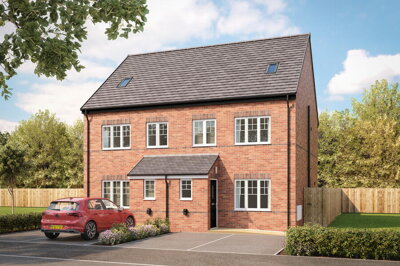
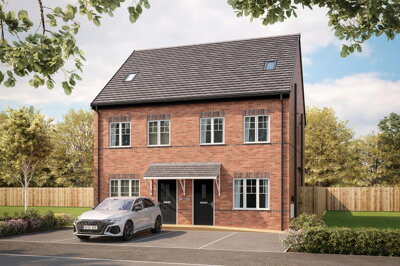
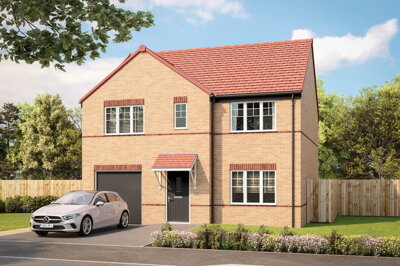
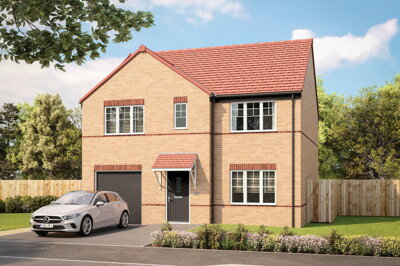
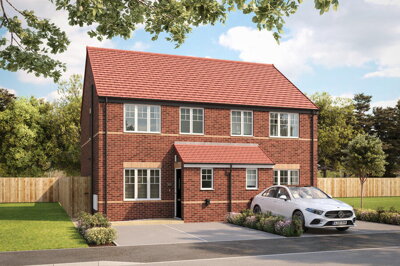
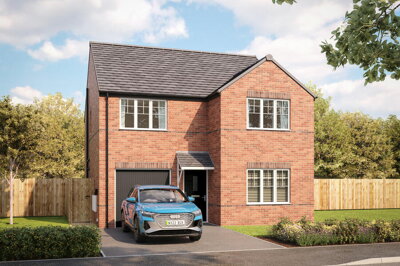
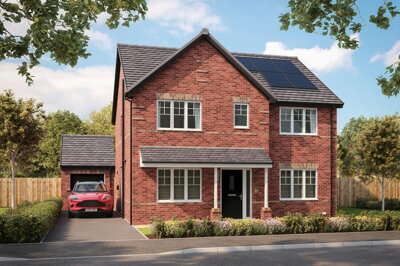
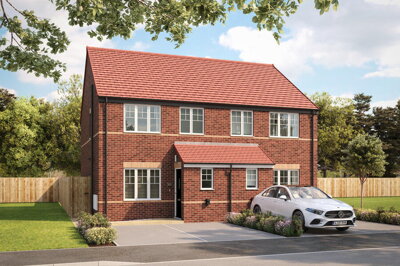
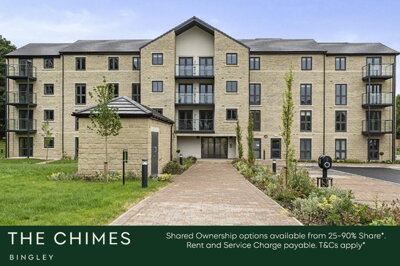
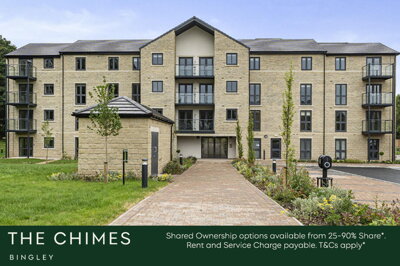
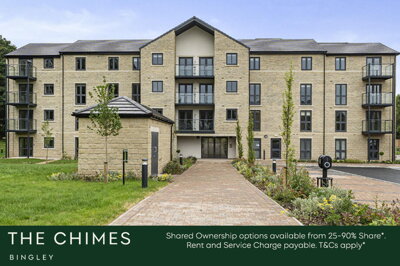
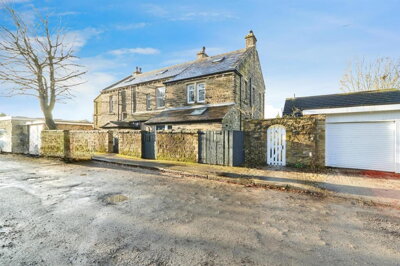
Browse 33 homes new builds in Keighley, Bradford from local developer agents.
£210k
209
19
102
Source: home.co.uk
Source: home.co.uk
Semi-Detached
62 listings
Avg £221,760
Detached
42 listings
Avg £408,781
Terraced
29 listings
Avg £154,134
End of Terrace
23 listings
Avg £153,036
Town House
7 listings
Avg £201,356
Bungalow
5 listings
Avg £179,000
Flat
5 listings
Avg £35,900
Apartment
4 listings
Avg £146,875
Cottage
4 listings
Avg £168,738
Detached Bungalow
4 listings
Avg £227,488
Source: home.co.uk
Source: home.co.uk
The Fearby property market reflects the character of the village itself - modest in volume but strong in quality and desirability. Our data shows an average house price of £375,000, with detached properties commanding around £450,000 and semi-detached homes averaging £275,000. Terraced properties, though less common in this predominantly rural setting, typically sell for approximately £200,000. The market has demonstrated resilience with prices increasing by 2.5% over the past twelve months, indicating sustained demand for homes in this part of North Yorkshire despite the limited supply of available properties. These price points position Fearby as competitive within the Nidderdale fringe area, where similar villages command comparable values for period stone properties.
Recent sales activity shows approximately 4 property transactions completed in Fearby over the past year, a figure that underscores the village's position as a tight-knit community with infrequent property turnover. This scarcity of available homes often means that buyers need to act decisively when a suitable property becomes available. The absence of active new-build developments within the Fearby postcode area (HG4 4) means that the majority of properties on the market are character-filled period homes, many dating from the pre-1919 era when the village was established as a farming community. First-time buyers and families relocating from urban areas will find that Fearby offers an alternative to city living without sacrificing the essential character of traditional Yorkshire architecture.
When considering properties in Fearby, it is worth noting that the local economy centres on agriculture and tourism, with many residents working remotely or commuting to larger centres such as Ripon, Harrogate, or Leeds. The village's proximity to the A1(M) via the A61 corridor makes it accessible for those who need to travel for work, whilst maintaining the peaceful lifestyle that rural Yorkshire provides. Property investors may also be interested in the potential for holiday let arrangements, given Fearby's position on the edge of the Nidderdale AONB and its appeal to visitors seeking countryside retreats. However, any plans for holiday lets should be confirmed with North Yorkshire Council regarding planning permission requirements.
The housing stock in Fearby is predominantly detached and semi-detached stone-built properties, with very few flats or modern developments. Properties typically feature traditional construction methods including solid stone walls, timber floor joists, and pitched roofs covered with slate or stone tiles. When evaluating homes for sale in Fearby, buyers should budget for the potential maintenance costs associated with older properties, including repairs to stone pointing, replacement of slate tiles, and updates to outdated electrical and plumbing systems. Our platform provides details on each listed property, including asking price, property type, and key features, helping you identify which homes merit further investigation.
Life in Fearby revolves around the rhythms of rural Yorkshire, offering residents a pace of life that contrasts sharply with urban living. The village maintains a population of approximately 220 residents across the Fearby and Healey parish, creating an intimate community where neighbours know one another and local events draw regular attendance. The economy here is primarily agricultural and tourism-based, with local employment centered on farming, hospitality businesses including the village pub, and small rural enterprises that serve both residents and the steady stream of visitors drawn to the area's natural beauty. Many residents work remotely or commute to larger centres such as Ripon, Harrogate, or even Leeds, taking advantage of the peaceful surroundings while maintaining professional connections.
The village is situated on geology typical of the Yorkshire Dales fringe, with Carboniferous Limestone and Millstone Grit underlying the area and glacial deposits including boulder clay and alluvial deposits near watercourses. The River Burn flows through the village, joining the River Ure nearby, and whilst this creates the verdant landscape that defines the area, it also means properties adjacent to watercourses should be assessed for flood risk. The surrounding landscape features traditional drystone walls, rolling pastures, and the distinctive heather moorland that characterises the Yorkshire Dales. Residents enjoy easy access to walking trails, country lanes for cycling, and the broader Nidderdale AONB landscape, making Fearby particularly appealing to outdoor enthusiasts and those seeking an active countryside lifestyle.
Fearby is positioned on the edge of the Nidderdale Area of Outstanding Natural Beauty, placing it within one of England's most scenically diverse landscapes. The AONB designation protects the distinctive character of the area, encompassing dramatic moorland, wooded valleys, and traditional villages set against the backdrop of the Yorkshire Dales. Residents benefit from the landscape's beauty whilst also adhering to planning guidelines that preserve the rural character. The proximity to the AONB boundary means that any extensions or alterations to properties may require consideration of impact on the protected landscape, a factor that buyers should discuss with North Yorkshire Council during the conveyancing process.
Community life in Fearby centres on the local church, village hall, and traditional public house that serves as a gathering point for residents and visitors alike. The village pub provides a focal point for social activities, whilst the church hosts events throughout the year that bring the community together. For families, the sense of community and safe environment makes Fearby an attractive location, with children able to play freely in the countryside surroundings. The nearby market towns of Masham and Ripon provide additional amenities including shops, restaurants, and services that complement village life.

Understanding the construction methods used in Fearby properties is essential for any buyer considering a home in this part of North Yorkshire. The predominant building material is local sandstone, typically grey or buff in colour, sourced from quarries in the surrounding area. This stone has been used for centuries in the construction of farmhouses, cottages, and agricultural buildings throughout the Lower Wensleydale and Nidderdale fringe. The natural colour and texture of local sandstone gives Fearby properties their distinctive appearance, whilst also presenting specific maintenance considerations that differ from modern brick-built homes.
Traditional properties in Fearby typically feature solid stone walls, often constructed as double-leaf masonry with rubble infill between the outer and inner leaves. This construction method provides excellent thermal mass but lacks the cavity insulation found in modern properties, meaning that heating costs may be higher and draft exclusion requires attention to windows and doors. Many stone properties also feature exposed timber beams, inglenook fireplaces, and flagstone floors that contribute to their character but require appropriate care during renovation or maintenance works.
Roofing in Fearby properties predominantly uses natural slate or stone tiles, materials that were traditionally sourced locally and remain appropriate for the area's architectural heritage. Slate roofs on older properties may show signs of wear including slipped or broken tiles, perished underfelt, and timber decay in roof structures. When viewing properties, our team recommends paying particular attention to the condition of roof coverings and the presence of any water staining on ceiling surfaces that might indicate past or current leaks. Properties with original slate roofing may require re-roofing works within the medium term, a cost that should be reflected in your offer price.
Many properties in Fearby incorporate traditional timber floor construction, with suspended timber joists supporting ground floor boards or flagstones. These floors can be susceptible to timber defects including woodworm (common furniture beetle), wet rot, and dry rot if exposed to persistent dampness or inadequate ventilation. Ground floor timber structures in older properties may also be affected by lack of sub-floor ventilation, particularly in properties where ground levels have been raised or airflow restricted. A thorough inspection of timber elements should form part of any survey assessment for a Fearby property.
Families considering a move to Fearby will find educational options available within reasonable driving distance, though the rural setting means primary schools are typically located in nearby villages and market towns. The village's small size means that children often attend primary schools in surrounding communities such as Masham or Grewelthorpe, with school transport arrangements in place for families living outside the immediate catchment areas. Primary education in these smaller settings often benefits from close teacher-to-pupil ratios and strong community involvement, though parents should research current Ofsted ratings and admission policies for the most up-to-date information on available places and school performance.
Secondary education options for Fearby residents include schools in the surrounding market towns, with Ripon Grammar School and Outwood Academy in Ripon serving families from across the wider area. Secondary schools in North Yorkshire vary in their academic offerings and specialisms, and catchment areas can extend across considerable distances in rural settings. For families with older children pursuing further education, the nearest further education colleges are typically located in Harrogate or Darlington, with school sixth forms and sixth form colleges providing A-Level pathways for students completing their GCSEs. The proximity of Fearby to these educational centres means that family life in the village need not compromise on academic opportunities for children of any age.
School transport in rural North Yorkshire is coordinated by the local authority, with buses serving primary and secondary school pupils from outlying villages. Families moving to Fearby should confirm school transport arrangements with North Yorkshire Council before completing a purchase, as transport availability can vary depending on distance from school and specific route coverage. The journey times to schools in nearby market towns should be factored into daily routines, particularly during winter months when rural roads may be affected by weather conditions.

Transport connectivity from Fearby reflects its rural character, with residents relying primarily on private vehicles for daily commuting and essential journeys. The village sits within easy reach of the A1(M) motorway via the A61 corridor, providing relatively straightforward access to Leeds, Newcastle, and the wider national motorway network. For those working in regional centres, the drive to Leeds takes approximately one hour depending on traffic conditions, whilst Harrogate and Ripon are considerably closer at around 30 and 20 minutes respectively. The rural lane network connecting Fearby to surrounding villages and towns is generally well-maintained, though single-track sections require considerate driving and awareness of agricultural vehicles.
Public transport options serving Fearby include limited bus services connecting the village to nearby market towns, though these are typically designed around school transport needs rather than daily commuter schedules. The nearest railway stations with regular services are located in Northallerton and Darlington, offering East Coast Main Line connections to London, Edinburgh, and regional destinations. For air travel, Leeds Bradford Airport provides international and domestic flights within approximately one hour's drive of Fearby. Many residents who commute to professional roles choose to drive to the nearest station and continue their journey by rail, whilst others have embraced flexible working arrangements that reduce the frequency of long-distance commuting. Cycling infrastructure in the area is limited to country lanes and rural routes, though the surrounding countryside offers excellent terrain for recreational cycling and sporting pursuits.
Broadband connectivity in rural villages such as Fearby can vary significantly depending on location and local infrastructure. Prospective buyers should check current broadband speeds and mobile phone reception before committing to a purchase, as these factors are increasingly important for those working from home. Mobile coverage from major networks may be limited in some parts of the village, particularly in properties situated in valleys or surrounded by thick stone walls. Satellite broadband services provide an alternative for properties where fixed-line connectivity is insufficient, though these typically involve higher monthly costs and potential installation charges.
Spend time exploring Fearby and the surrounding villages to understand the local property market, community atmosphere, and practical considerations like broadband speeds, mobile reception, and local amenities. Visit at different times of day and week if possible to gauge the true character of the neighbourhood. Speak with residents and local business owners to gain insight into daily life in the village and any upcoming developments or changes to local services.
Before viewing properties, obtain a mortgage agreement in principle from a lender to confirm your borrowing capacity and demonstrate your seriousness to sellers. Given Fearby's rural location, some lenders may require additional checks on property valuations, so discussing your plans with a specialist mortgage broker is advisable. Rural properties with non-standard construction or unique features may require specific valuation considerations that your broker can advise on.
View multiple properties in Fearby to compare the condition, character, and value of different options. Given the village's predominantly older housing stock, pay particular attention to the condition of stone walls, slate roofs, and any signs of damp or structural movement that are common in period properties. Take photographs and notes during viewings to help compare properties later, and consider revisiting properties at different times of day to assess lighting and noise levels.
For properties aged over 50 years, which includes most homes in Fearby, a RICS Level 2 Survey (HomeBuyer Report) is essential. Survey costs for a typical three-bedroom property in the area range from £450 to £750, and the survey will identify common issues such as damp, roof defects, timber decay, and outdated electrics that affect traditional stone-built homes. The survey report will help you negotiate on price if significant defects are identified, or confirm that the property is sound for purchase.
Once your offer is accepted, instruct a solicitor with experience in rural property transactions to handle the legal work. They will conduct searches with North Yorkshire Council, check for any planning restrictions, and manage the transfer of ownership through to completion. For listed buildings or properties in the AONB, your solicitor should also advise on any planning conditions or consents that affect the property.
After all searches are satisfactory and finances are confirmed, your solicitor will exchange contracts and agree a completion date with the seller. On completion day, the remaining funds are transferred and you receive the keys to your new Fearby home. Ensure that buildings insurance is in place from the date of completion, as this is typically a condition of your mortgage offer.
Buying a property in Fearby requires particular attention to the construction and condition of traditional Yorkshire Dales housing. The predominant building material is local sandstone, typically grey or buff in colour, with slate roofing a common feature across the village's period properties. When viewing properties, examine the condition of stone walls carefully, looking for signs of cracking, bulging, or deteriorated pointing that could indicate structural concerns or water penetration. Traditional solid stone walls often lack modern cavity wall insulation, so thermal performance should be assessed alongside the condition of windows and doors. Many properties feature timber floor joists and traditional construction methods that require different maintenance approaches compared to modern properties.
Flood risk is a practical consideration for properties in Fearby, particularly those situated near the River Burn or in low-lying areas where surface water can accumulate during periods of heavy rainfall. Requesting information about previous flooding incidents and checking the Environment Agency flood risk maps for the specific property address is strongly recommended before proceeding with a purchase. Properties within or bordering the Nidderdale AONB may be subject to planning restrictions that affect permitted development rights, so understanding any constraints on extensions, alterations, or outbuilding construction is essential. Several properties in the village are listed buildings, requiring Listed Building Consent for certain works and specialist consideration during renovation projects. Service charges for maintenance of shared areas or private roads are rare but should be confirmed if applicable to the property you are purchasing.
Common defects in Fearby properties include damp penetration through weathered pointing, slipped or broken slate tiles, outdated electrical installations that do not meet current regulations, and timber defects affecting floor structures or roof timbers. Properties without modern damp-proof courses may experience rising damp, particularly where ground levels have been raised over time. Our inspectors are experienced in assessing traditional Yorkshire stone properties and understand the typical defect patterns associated with local construction methods. When purchasing a property in Fearby, we recommend commissioning a detailed survey that addresses the specific construction type and age of the property.
Properties in Fearby may be affected by the underlying geology, which includes areas of glacial till (boulder clay) that can present shrink-swell risk during periods of extreme weather. While significant subsidence issues are not common in the village, buyers should look for signs of cracking or movement in walls and foundations that might indicate foundation problems. Properties with deeper foundations or those built on more stable geological strata may be less susceptible to movement, and a survey assessment can help identify any concerns with specific properties.
As of February 2026, the average property price in Fearby stands at £375,000. Detached properties command around £450,000 on average, whilst semi-detached homes typically sell for approximately £275,000. Terraced properties in the village average around £200,000. Prices have increased by 2.5% over the past twelve months, reflecting sustained demand for rural properties in this part of North Yorkshire despite the limited supply of available homes. The tight market with only approximately 4 sales in the past year means that buyers should be prepared to act quickly when suitable properties are listed.
Properties in Fearby fall under the jurisdiction of North Yorkshire Council. Most traditional stone-built homes in the village are likely to be in council tax bands B through D, though the specific band depends on the property's assessed value. Period properties and listed buildings may have varying banding based on their historic characteristics and any subsequent alterations. Prospective buyers should verify the council tax band for any specific property during the conveyancing process, as bands can affect ongoing costs of homeownership in the village.
Primary schools serving Fearby are located in nearby villages such as Masham and Grewelthorpe, with local school transport arrangements for families within catchment areas. For secondary education, families typically access schools in Ripon, including Ripon Grammar School which admits students based on academic selection. Parents should research current Ofsted ratings and consider admission policies when selecting a property, as catchment areas and available places can influence school allocations in this rural setting. North Yorkshire Council can provide details of school transport arrangements from Fearby to surrounding educational establishments.
Public transport options in Fearby are limited, reflecting the village's rural character. Bus services connecting Fearby to nearby market towns are infrequent and primarily oriented around school transport needs. The nearest railway stations with regular services are in Northallerton and Darlington on the East Coast Main Line, offering connections to London, Edinburgh, and regional destinations. Most residents rely on private vehicles for daily commuting and essential travel, whilst those working in Leeds or other major centres often drive to the nearest station to continue by rail.
Fearby offers several factors that may appeal to property investors, including the scarcity of available homes, the character of period properties in a designated AONB fringe location, and consistent demand from buyers seeking rural lifestyles within reach of major employment centres. However, investors should consider the limited rental market in such a small village, potential void periods, and the maintenance requirements of older stone properties. The village's proximity to tourism destinations and the Yorkshire Dales also creates opportunities for holiday let arrangements, though planning permission for such uses should be confirmed with North Yorkshire Council before purchase.
Stamp Duty Land Tax (SDLT) applies to property purchases in England. For standard residential purchases, there is no SDLT on the first £250,000 of the purchase price, 5% on the portion from £250,001 to £925,000, and 10% on the portion from £925,001 to £1.5 million. First-time buyers benefit from relief on the first £425,000, with 5% applying between £425,001 and £625,000. For a typical Fearby property priced at £375,000, a standard buyer would pay £6,250 in SDLT, whilst a first-time buyer would pay £0 under current thresholds. Buyers purchasing above £625,000 should note that first-time buyer relief does not apply above this threshold.
Properties near the River Burn or in low-lying areas of Fearby should be assessed for flood risk before purchase. The River Burn flows through the village and joins the River Ure nearby, meaning areas immediately adjacent to watercourses may be at risk of fluvial flooding during periods of heavy rainfall. Surface water flooding can also occur in areas with poor drainage or on slopes. We recommend checking the Environment Agency flood risk maps for specific property addresses and requesting information about any historical flooding incidents from the seller or their solicitor during the conveyancing process.
Fearby itself is not designated as a Conservation Area, but several individual properties within the village are listed buildings, reflecting its historic character as a farming community. These typically include the local church, historic farmhouses, and traditional stone cottages that date from earlier periods of the village's development. Listed buildings require Listed Building Consent for certain alterations and renovations, and any works must adhere to conservation principles appropriate to traditional construction. A RICS Level 3 Survey (Building Survey) is often recommended for listed properties due to their complex construction and specific repair requirements.
Understanding the full costs of purchasing a property in Fearby extends beyond the asking price to include SDLT, legal fees, survey costs, and ongoing financial commitments. For a typical Fearby property with an average price of £375,000, a standard buyer without first-time buyer status would incur SDLT of £6,250, calculated at 0% on the first £250,000 and 5% on the remaining £125,000. First-time buyers purchasing the same property would pay £0 in SDLT thanks to the relief threshold of £425,000, which fully covers most Fearby properties. Buyers purchasing above £625,000 should note that first-time buyer relief does not apply above this threshold, and standard SDLT rates become applicable.
Beyond SDLT, buyers should budget for a RICS Level 2 Survey costing between £450 and £750 depending on property size, a conveyancing fee from approximately £499 for standard transactions, and disbursements including local authority searches, Land Registry fees, and bank transfer charges. Mortgage arrangement fees vary by lender but typically range from £0 to £2,000, and borrowers should factor in valuation fees that lenders charge to assess the property as security for the loan. Removal costs for furniture and belongings, potential redecoration or renovation costs, and connection charges for utilities should also be included in your overall budget.
Buildings insurance must be in place from the point of completion, and for period properties in Fearby, specialist insurance policies that account for traditional construction methods may be required. Setting aside a contingency fund equivalent to at least 10% of the purchase price for unexpected works or costs is prudent given the age of most properties in the village. Properties with stone walls and slate roofs may require specialist trades for repairs, and materials such as matching slate tiles can be costly if sourcing is difficult. A thorough survey assessment will help identify any immediate works required, allowing you to budget appropriately for the purchase and ongoing maintenance of your Fearby home.
Properties New Builds In London

Properties New Builds In Plymouth

Properties New Builds In Liverpool

Properties New Builds In Glasgow

Properties New Builds In Sheffield

Properties New Builds In Edinburgh

Properties New Builds In Coventry

Properties New Builds In Bradford

Properties New Builds In Manchester

Properties New Builds In Birmingham

Properties New Builds In Bristol

Properties New Builds In Oxford

Properties New Builds In Leicester

Properties New Builds In Newcastle

Properties New Builds In Leeds

Properties New Builds In Southampton

Properties New Builds In Cardiff

Properties New Builds In Nottingham

Properties New Builds In Norwich

Properties New Builds In Brighton

Properties New Builds In Derby

Properties New Builds In Portsmouth

Properties New Builds In Northampton

Properties New Builds In Milton Keynes

Properties New Builds In Bournemouth

Properties New Builds In Bolton

Properties New Builds In Swansea

Properties New Builds In Swindon

Properties New Builds In Peterborough

Properties New Builds In Wolverhampton

Enter your details to see if this property is within your budget.
Loans, cards, car finance
Estimated property budget
Borrowing + deposit
You could borrow between
Typical borrowing
Monthly repayment
Est. at 4.5%
Loan-to-value
This is an estimate only. Your actual budget may vary depending on interest rates, credit history, and personal circumstances. For an accurate affordability assessment, speak to one of our free mortgage advisors.
This calculator provides estimates for illustrative purposes only and does not constitute financial advice. Your home may be repossessed if you do not keep up repayments on your mortgage. Estimates based on 4.5% interest rate, repayment mortgage. Actual rates depend on your circumstances.
Homemove is a trading name of HM Haus Group Ltd (Company No. 13873779, registered in England & Wales). Homemove Mortgages Ltd (Company No. 15947693) is an Appointed Representative of TMG Direct Limited, trading as TMG Mortgage Network, which is authorised and regulated by the Financial Conduct Authority (FRN 786245). Homemove Mortgages Ltd is entered on the FCA Register as an Appointed Representative (FRN 1022429). You can check registrations at NewRegister or by calling 0800 111 6768.

We use cookies to show you personalised content and improve your experience of our website. Find out more in our Privacy policy and Cookie policy.