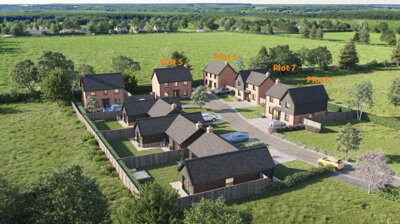
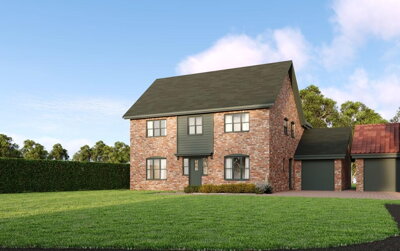
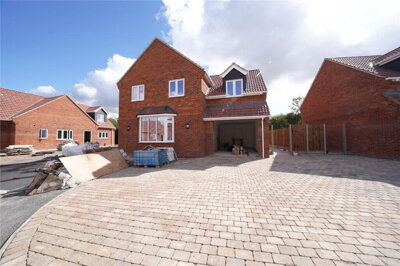
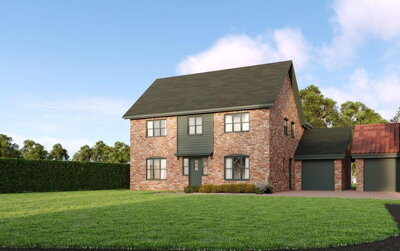
Browse 4 homes new builds in Isleham, East Cambridgeshire from local developer agents.
The larger property sector typically features multiple bathrooms, substantial reception space, and private gardens or off-street parking. Four bedroom houses in Isleham span detached, semi-detached, and occasionally terraced configurations, with styles ranging from period properties to modern executive homes.
£480k
5
0
93
Source: home.co.uk
Showing 5 results for 4 Bedroom Houses new builds in Isleham, East Cambridgeshire. The median asking price is £480,000.
Source: home.co.uk
Detached
5 listings
Avg £477,000
Source: home.co.uk
Source: home.co.uk
The Isleham property market has shown remarkable resilience and variation over recent years, with different data sources reporting average prices between £359,635 and £400,000 depending on the reporting period. According to Rightmove, the overall average sits at £369,219, with properties having decreased by 12% from the previous year and sitting 9% below the 2023 peak of £404,095. However, OnTheMarket reports a more optimistic picture as of February 2026, indicating a 2.7% rise over the preceding 12 months. This mixed picture reflects the nuanced nature of rural Cambridgeshire property markets, where local demand drivers can override broader national trends.
Property type significantly influences pricing in Isleham, with detached houses commanding an average of £445,404, while semi-detached properties average £304,875 and terraced homes reach around £210,667. The dominance of detached properties in the local housing stock, accounting for 56% of all dwellings according to ONS Census 2021 data, reflects the village's prosperous character and larger plot sizes typical of Fenland properties. Certain streets have experienced dramatic price movements, with Pound Lane seeing a 64% increase year-on-year and West Street rising by 44%, while The Causeway recorded a 45% decrease, demonstrating the importance of micro-location within this small village.
New build activity continues to shape the market, with the Flowerfields development on Station Road offering 45 houses and bungalows through Havebury Homes, including 20 shared ownership properties. Shared ownership options start from £110,000 for a 40% share of a 2-bedroom bungalow and £116,000 for a 40% share of a 2-bedroom semi-detached home. These developments provide crucial entry points for first-time buyers facing limited options in a market where flats remain relatively scarce and the population has grown to an estimated 2,808 residents in 2024.

Isleham possesses a distinctive character shaped by its position on the boundary between the chalk uplands of south Cambridgeshire and the fenland to the north, a geographical setting that has influenced everything from building materials to agricultural patterns. The village centre contains a designated Conservation Area, established on April 16, 1975, which encompasses many of the oldest properties built from locally quarried clunch, a limestone and chalk material that has been extracted in the area since the Middle Ages. Walking through the village reveals a remarkable variety of architecture spanning several centuries, from 16th-century timber-framed cottages to Georgian farmhouses and Victorian terraces.
The local economy revolves around farming, light industrial businesses operating from Hall Barn Road, and tourism supported by Isleham Marina on the River Lark. This mix provides employment opportunities within the village itself while maintaining the agricultural heritage that defines much of the surrounding landscape. The population of 2,477 at the 2021 Census has grown to an estimated 2,808 by 2024, representing annual growth of 3.9% for the parish, indicating sustained interest in village living. The age demographic skews towards residents aged 50-74, with a lower proportion of 20-29 year olds compared to county averages, reflecting the family-oriented nature of the community and its appeal to those seeking space for retirement or growing children.
Community facilities in Isleham include the Parish Church of St Andrew, largely dating from 1330 and representing one of the finest medieval churches in the region, alongside the remains of the late 11th-century Benedictine Isleham Priory Church. The village contains several listed buildings including Isleham Hall and the Grade II listed Lime Kilns on Limestone Close, which testify to the village's 19th-century industrial past when lime production was a significant economic activity. The Fordham and Isleham ward contains approximately 2,700 households with an average size of 2.4 people, and owner-occupation remains the dominant tenure pattern, with social and private renting being under-represented compared to Cambridgeshire averages.
The housing stock in Isleham shows an unusual pattern for a rural community, with 56% detached properties and 29% semi-detached homes far exceeding national rural averages. Terraced housing accounts for just 12% of the stock, while flats remain relatively scarce. This composition reflects the village's prosperity and larger plot sizes, though it does mean limited options for buyers seeking smaller properties or flats. First-time buyers and those with smaller budgets may find shared ownership schemes at Flowerfields on Station Road to be their most accessible route onto the property ladder in this village.
Education provision in Isleham centres on the village primary school, which serves families with children of all ages and forms the foundation of the local educational community. The presence of a primary school within the village itself is a significant advantage for families, removing the need for young children to travel to surrounding towns for their early education. For secondary education, pupils typically travel to nearby towns in East Cambridgeshire, with several secondary schools and sixth forms available within a reasonable commute by bus or car. Parents considering a move to Isleham should verify current catchment area arrangements and school admission policies directly with Cambridgeshire County Council, as these can change and may influence which schools serve specific addresses.
Cambridgeshire maintains good Ofsted ratings for the majority of its schools, and the county is home to several well-regarded independent schools available in the wider region. Secondary schools in nearby Ely, Soham, and Newmarket provide options for families, with several offering sixth form provision for students continuing their education post-16. The nearest secondary schools typically include facilities for sports, arts, and vocational subjects, providing well-rounded educational opportunities for teenagers. Transport arrangements via school buses serve many villages in the surrounding area, though families should confirm current routes and timings when considering a move.
Beyond state education, families in Isleham may also consider independent schooling options available in the wider Cambridgeshire region. The county is home to several well-regarded independent schools, some of which offer boarding facilities, providing additional educational choices for parents seeking alternative provision. Sixth form options include both school sixth forms and further education colleges in nearby towns, offering A-levels, vocational qualifications, and apprenticeship opportunities for students completing their secondary education.
For parents buying property in a village with significant heritage, it is worth noting that several local properties, including a house at 1 Mill Street built circa 1730 and grade 1 listed cottages near the Conservation Area, may have historical significance. While this adds considerable character to the village, families should be aware that older properties may require more maintenance and may not offer the same modern insulation or layout efficiencies as newer builds. The Isleham Neighbourhood Plan, which guides development in the parish, aims to balance growth with preservation of the village's distinctive character.
Isleham sits at the intersection of several key routes in East Cambridgeshire, with the B1104 running through the village and connecting to the wider road network. The village's position provides relatively straightforward access to the market towns of Ely, approximately 10 miles to the north, and Newmarket, around 8 miles to the south-east. For those commuting to Cambridge, the city lies approximately 25 miles south-west of Isleham, with the journey typically taking around 45 minutes to an hour by car depending on traffic conditions and the specific route chosen. The A14 trunk road, providing connections to Felixstowe port and the midlands, is accessible via the A11 at Newmarket or through Ely.
Public transport options from Isleham include bus services connecting the village to surrounding towns and railway stations. The nearest National Rail station is typically in Ely or Newmarket, both offering connections to Cambridge, London, and the wider rail network. Ely station provides services to Cambridge and Norwich, while Newmarket offers routes to London Liverpool Street via Cambridge or directly to Ipswich. For air travel, Cambridge Airport provides domestic and European flights, with London Stansted and London Luton airports also within reasonable driving distance for international travel.
For cycling enthusiasts, the Fenland landscape offers both challenges and rewards, with relatively flat terrain making longer journeys feasible by bicycle, though exposure to wind and limited cycle lanes on some roads require consideration. The River Lark towpath provides scenic routes for local cycling and walking, connecting Isleham to surrounding villages and the fenland beyond. Parking within the village is generally adequate for residential purposes, though visitors during community events may find the limited public car parking a constraint.
Daily commuters to Cambridge should budget extra time during peak hours, particularly on the A14 and A11 corridors which experience heavy traffic during morning and evening rush hours. Car sharing schemes operate in the village, and some residents choose to park-and-ride from Cambridge's outer sites to avoid city centre parking costs. For those working in Ely or Newmarket, the shorter distances make cycling a viable option on most days, and both towns have seen improvements in cycling infrastructure in recent years.
Before committing to a purchase, explore the local market thoroughly using Homemove to browse current listings and understand price ranges for different property types. Given that detached homes average £445,404 while terraced properties average £210,667, establishing your budget and the property type that suits your needs is essential. Consider factors such as proximity to the Conservation Area, flood risk from the River Lark, and whether you require features like off-street parking or garden space.
Speak to lenders about obtaining an Agreement in Principle before viewing properties. This document confirms how much you can borrow based on your financial circumstances and strengthens your position when making an offer. Isleham's average property prices mean that most buyers will require mortgage financing, and having this in place demonstrates serious intent to sellers and their estate agents.
View multiple properties in Isleham to compare different streets, property conditions, and neighbourhood characteristics. Pay attention to specific locations such as West Street, which has seen 44% price growth recently, or Pound Lane, where prices increased by 64%. Note that certain areas near the River Lark may have different flood risk profiles that could affect insurance and future resale value.
Before completing your purchase, arrange for a qualified RICS surveyor to inspect the property. For a typical 3-bedroom property in Isleham, this costs around £437 on average nationally, with the survey providing crucial information about condition, defects, and any remedial works needed. Given that many Isleham properties are older, potentially dating from the 16th century, professional surveys are particularly valuable.
Appoint a conveyancing solicitor to handle the legal transfer of ownership. Your solicitor will conduct searches with East Cambridgeshire District Council, investigate title deeds, and manage the conveyancing process through to completion. Budget for conveyancing costs from around £499 for basic services, with more complex transactions or leasehold properties potentially incurring higher fees.
Once all searches are satisfactory and finances are arranged, contracts are exchanged with the seller and the deposit is paid. Completion typically follows within days or weeks, at which point you will receive the keys to your new Isleham home. Allow time for redirecting mail, updating utility providers, and settling into your new village community.
Purchasing a property in Isleham requires careful attention to several local factors that may not be immediately apparent to buyers unfamiliar with Fenland villages. Flood risk is a primary consideration, as Isleham lies on the edge of the Fen with the River Lark flowing to the north-east. The Environment Agency designates the River Lark at Fornham St. Martin, Mildenhall and Isleham as a flood warning area, with low-lying land at risk when river levels exceed 2.25m. The highest recorded level of 2.72m occurred on January 4, 2003, though no flood warnings were in force as of February 2026. Properties near the river or in lower-lying areas should be researched carefully, and flood history should be included in conveyancing enquiries.
The presence of a Conservation Area established in 1975 means that certain properties may be subject to planning restrictions affecting permitted development rights, conservation area consents, and requirements for exterior alterations. If you are purchasing a period property within the Conservation Area, renovations and extensions may require consent from East Cambridgeshire District Council, potentially limiting your ability to modify the property. Listed buildings, including Isleham Hall, the Lime Kilns, and several cottages, are subject to additional listed building consent requirements and have statutory protections that buyers must respect.
Geological considerations also warrant attention when buying in Isleham. The village sits on a Lower Chalk ridge with light, free-draining soils, but the northern part of the parish contains basal peat over fen clay, which presents a potential shrink-swell subsidence risk. This risk arises where clay-rich soils expand and contract with moisture changes, and the British Geological Survey has noted increasing national risk due to climate change. Properties on the chalk upland generally face lower risk, but those in fenland areas or with large trees near foundations should be evaluated carefully. A thorough survey can identify potential issues before completion.
For those considering new build properties such as the Flowerfields development on Station Road, verify the tenure status carefully. Shared ownership properties require understanding of staircasing arrangements, rent payments, and eligibility criteria, while outright purchases should include consideration of service charges, management company arrangements, and any estate charges applicable to the development. Planning approvals granted in February 2026 for five houses at 55 Sun Street and a pending appeal for 49 affordable homes near The Causeway indicate continued growth in the village, which may affect infrastructure, traffic, and future property values. The construction of many older properties using clunch, Gault clay bricks, and Ely clay roof tiles reflects traditional building practices in the area, and buyers should factor any specialist maintenance requirements into their budget.

The average house price in Isleham varies between £359,635 and £400,000 depending on the data source and reporting period. Rightmove reports an overall average of £369,219, while OnTheMarket indicates £399,000 as of February 2026. Property prices break down by type with detached homes averaging £445,404, semi-detached properties at £304,875, and terraced homes around £210,667. Recent market activity has shown mixed trends, with Rightmove reporting a 12% year-on-year decrease while OnTheMarket indicates a 2.7% increase over 12 months.
Properties in Isleham fall under East Cambridgeshire District Council for council tax purposes. Specific band allocations vary by property depending on the valuation band assigned by the Valuation Office Agency. Most detached family homes in the village are likely to fall in bands C to E, while smaller terraced properties and flats may be in bands A to C. Prospective buyers should check the specific council tax band for any property they are considering through the Valuation Office Agency website or by requesting this information during the conveyancing process.
Isleham contains a primary school serving children from Reception through to Year 6, providing local education for families within the village. For secondary education, pupils typically attend schools in nearby towns such as Ely, Soham, or Newmarket, with several options available within a reasonable commute. Cambridgeshire maintains good Ofsted ratings for the majority of its schools, and parents should verify current performance data and admission arrangements directly with schools or through the Cambridgeshire County Council website when planning a move to the area.
Isleham is served by local bus routes connecting the village to surrounding towns including Ely, Newmarket, and Cambridge. The nearest National Rail stations are in Ely and Newmarket, both offering connections to Cambridge, London Liverpool Street, and the wider rail network. For commuting to Cambridge by car, the journey takes approximately 45 minutes covering around 25 miles. The village's position on the B1104 provides reasonable access to the A14 and A11 for those travelling further afield by car.
Isleham presents several factors that may appeal to property investors, including a limited supply of flats creating potential rental demand, ongoing new build developments bringing new residents to the village, and a growing population that has increased to an estimated 2,808 in 2024. The Flowerfields development and other planning proposals indicate continued demand for housing in the area. However, investors should note the dominant owner-occupier character of the village, potential flood risk in certain areas, and planning restrictions within the Conservation Area that may limit development opportunities. As with any property investment, thorough local research and professional advice are recommended.
Stamp Duty Land Tax rates for 2024-25 apply zero percent up to £250,000, five percent between £250,001 and £925,000, ten percent between £925,001 and £1.5 million, and twelve percent above £1.5 million. First-time buyers receive relief on properties up to £625,000, paying zero percent up to £425,000 and five percent between £425,001 and £625,000. For an average Isleham property at £369,219, a first-time buyer would pay no stamp duty, while a subsequent buyer would pay approximately £5,961. Always verify current thresholds with HM Revenue and Customs as these can change in each financial year.
Isleham has a designated flood warning area due to the River Lark, which flows to the north-east of the village. Properties in low-lying areas face increased risk when the river exceeds 2.25m, with the highest recorded level of 2.72m occurring on January 4, 2003. The northern fenland areas of the parish carry higher risk due to basal peat and fen clay soils that can retain water. As of February 2026, no flood warnings were in force. Buyers should request flood history searches, check the Environment Agency flood maps, and ensure adequate building insurance is obtainable before completing any purchase.
RICS Level 2 Survey costs in the UK typically range from £400 to £1,000 depending on property value, size, and condition. For a typical 3-bedroom property in Isleham, the average cost is around £437, with a typical range of £409 to £633. Properties valued over £500,000 average £586, while those under £200,000 average £384. Given that many Isleham properties are older period homes potentially requiring more detailed assessment, a comprehensive RICS Level 2 or Level 3 Survey is strongly recommended before completing your purchase.
Traditional properties in Isleham were built using local clunch, a limestone and chalk material quarried in the area since the Middle Ages, which is evident in many cottage walls and boundary walls throughout the village. Some historic properties feature narrow Gault clay bricks and distinctive Ely clay roof tiles, as seen on listed buildings such as the Grade II listed house at 1 Mill Street. Modern construction at developments like Flowerfields uses contemporary building materials including timber frame, standard bricks, and concrete tiles. Understanding these construction types helps buyers assess maintenance requirements and potential issues specific to different property ages.
Several planning developments are shaping the future of Isleham's property market and village character. The Flowerfields development on Station Road, built by Havebury Homes, offers 45 homes including shared ownership options, with completion bringing new residents to the village's southern edge. Plans were approved in February 2026 to replace 55 Sun Street with five new three and four-bedroom houses. An appeal is pending for a proposed development of up to 49 affordable homes on land near The Causeway, which East Cambridgeshire District Council refused but a developer has challenged. These developments reflect ongoing demand for housing in Isleham while the Neighbourhood Plan guides how growth balances with preserving the village's distinctive character.
Understanding the full costs of purchasing property in Isleham is essential for budgeting effectively, as the purchase price is only one component of the total expenditure involved. Stamp Duty Land Tax represents a significant upfront cost for most buyers, with the current 2024-25 thresholds applying zero percent to the first £250,000 of a property's purchase price. For a property at the Isleham average of £369,219, a buyer purchasing as a second home or investment property would pay approximately £5,961 in stamp duty, calculated at five percent on the amount above £250,000. First-time buyers benefit from enhanced thresholds, with zero percent applying up to £425,000 on properties meeting the eligibility criteria, effectively eliminating stamp duty for many first-time purchases at average Isleham prices.
Beyond stamp duty, buyers should budget for solicitor conveyancing fees that typically start from around £499 for straightforward freehold purchases but increase for leasehold properties, share of freehold arrangements, or transactions involving mortgages. Additional legal costs include Land Registry fees for registering the transfer, typically ranging from £20 to £455 depending on the property price, and searches including drainage and water searches, local authority searches with East Cambridgeshire District Council, and environmental searches that can identify contamination risks or flood zones. A mortgage arrangement fee, often between 0.5% and 1.5% of the loan amount, may also apply depending on the lender and product chosen.
Survey costs should be factored into your budget, with RICS Level 2 Surveys for Isleham properties averaging around £437 for a typical 3-bedroom home. Given the age of many properties in the village and the potential for period properties to require more detailed inspection, investing in a comprehensive survey can save significant expense by identifying defects before completion. Removal costs, potential renovation expenses for period properties within the Conservation Area, and building insurance from the date of completion all contribute to the total cost of moving. Setting aside a contingency fund of around 10-15% above the purchase price is advisable to cover unexpected costs that frequently arise when buying property in established villages with older housing stock.
Additional moving costs to budget for include removal firm fees, which vary based on distance and volume of belongings, along with mail redirection services from Royal Mail and updates to utility suppliers including gas, electricity, and internet providers. For those purchasing period properties, a specialist building survey may be advisable given the traditional construction materials found in Isleham, including clunch walls that require specific expertise for maintenance and repair. Buildings insurance must be in place from the completion date, and lenders typically require this before releasing mortgage funds. Connecting utilities and internet services in advance of moving day helps ensure a smooth transition to your new Isleham home.
Properties New Builds In London

Properties New Builds In Plymouth

Properties New Builds In Liverpool

Properties New Builds In Glasgow

Properties New Builds In Sheffield

Properties New Builds In Edinburgh

Properties New Builds In Coventry

Properties New Builds In Bradford

Properties New Builds In Manchester

Properties New Builds In Birmingham

Properties New Builds In Bristol

Properties New Builds In Oxford

Properties New Builds In Leicester

Properties New Builds In Newcastle

Properties New Builds In Leeds

Properties New Builds In Southampton

Properties New Builds In Cardiff

Properties New Builds In Nottingham

Properties New Builds In Norwich

Properties New Builds In Brighton

Properties New Builds In Derby

Properties New Builds In Portsmouth

Properties New Builds In Northampton

Properties New Builds In Milton Keynes

Properties New Builds In Bournemouth

Properties New Builds In Bolton

Properties New Builds In Swansea

Properties New Builds In Swindon

Properties New Builds In Peterborough

Properties New Builds In Wolverhampton

Enter your details to see if this property is within your budget.
Loans, cards, car finance
Estimated property budget
Borrowing + deposit
You could borrow between
Typical borrowing
Monthly repayment
Est. at 4.5%
Loan-to-value
This is an estimate only. Your actual budget may vary depending on interest rates, credit history, and personal circumstances. For an accurate affordability assessment, speak to one of our free mortgage advisors.
This calculator provides estimates for illustrative purposes only and does not constitute financial advice. Your home may be repossessed if you do not keep up repayments on your mortgage. Estimates based on 4.5% interest rate, repayment mortgage. Actual rates depend on your circumstances.
Homemove is a trading name of HM Haus Group Ltd (Company No. 13873779, registered in England & Wales). Homemove Mortgages Ltd (Company No. 15947693) is an Appointed Representative of TMG Direct Limited, trading as TMG Mortgage Network, which is authorised and regulated by the Financial Conduct Authority (FRN 786245). Homemove Mortgages Ltd is entered on the FCA Register as an Appointed Representative (FRN 1022429). You can check registrations at NewRegister or by calling 0800 111 6768.

We use cookies to show you personalised content and improve your experience of our website. Find out more in our Privacy policy and Cookie policy.