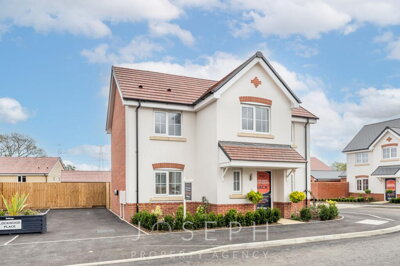
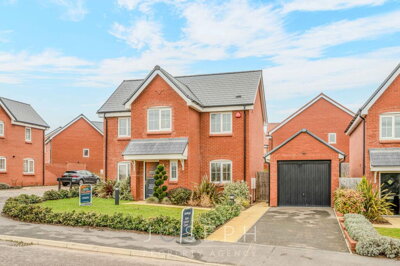
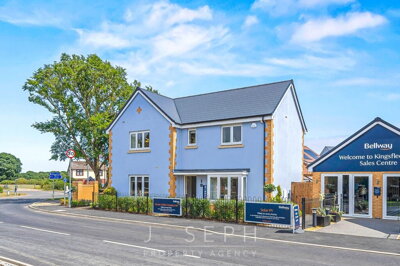
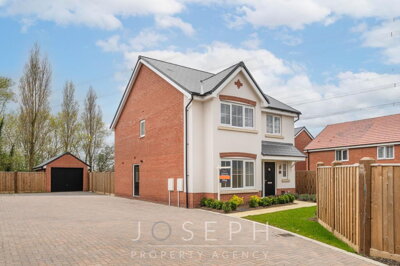
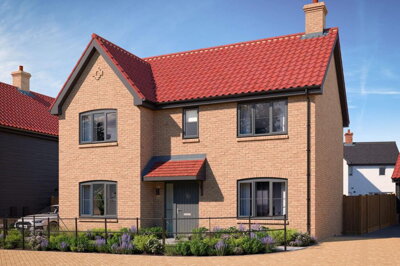
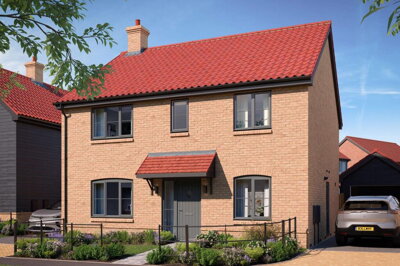
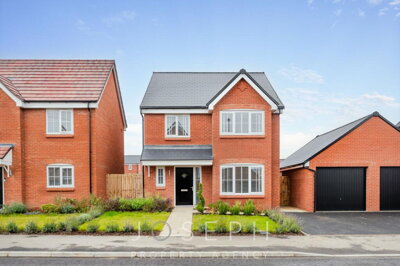
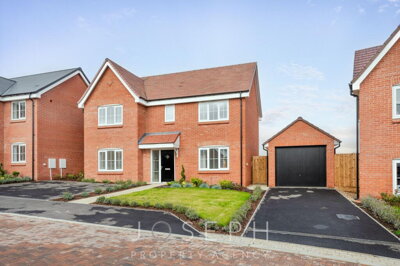
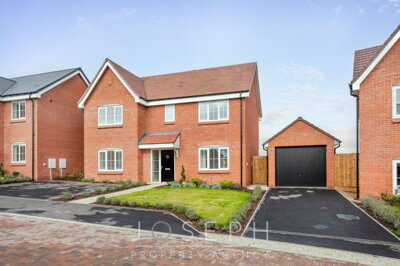
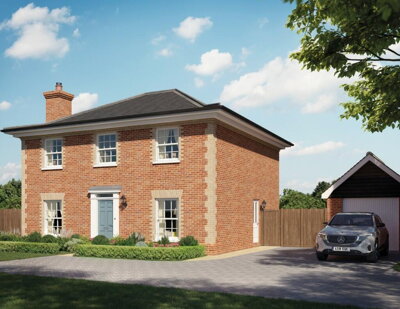
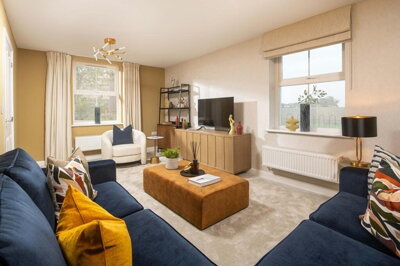
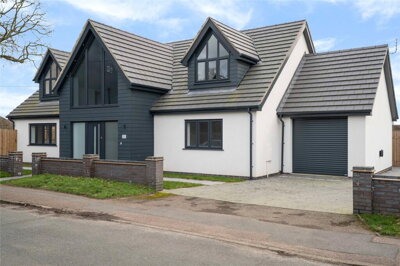
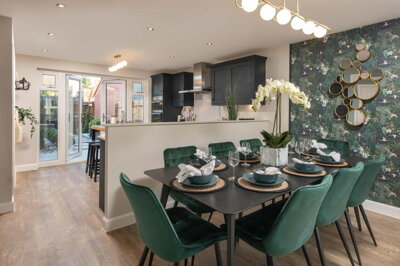
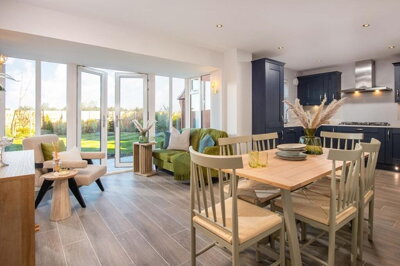
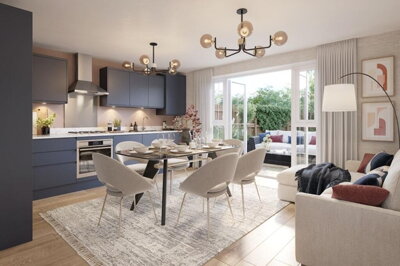
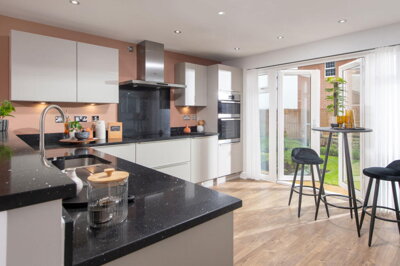
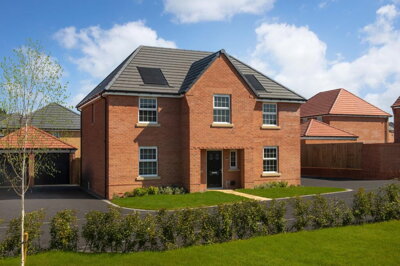
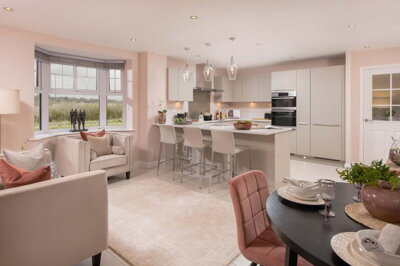
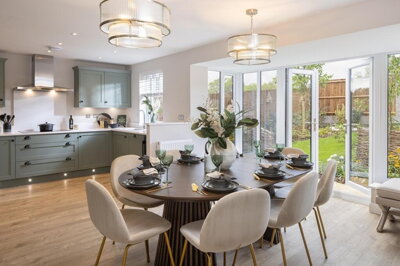
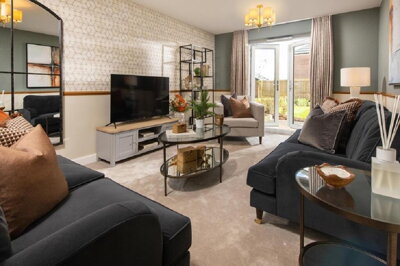
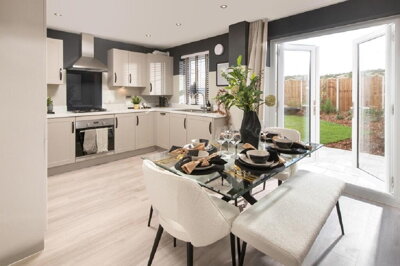
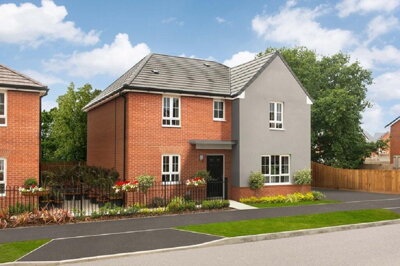
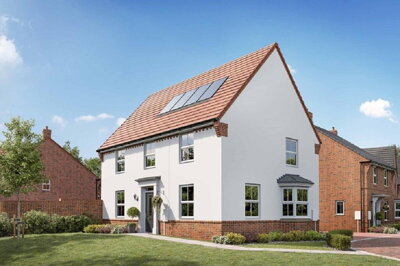
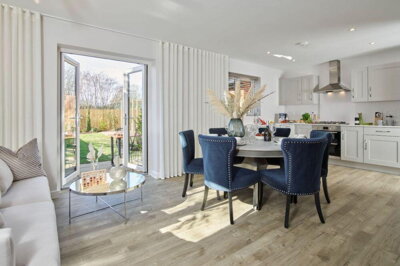
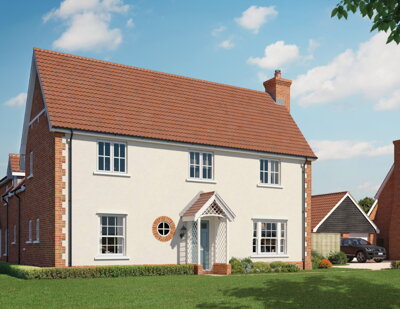
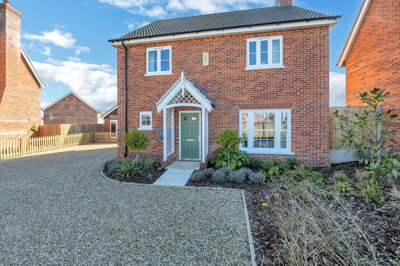
Browse 60 homes new builds in Ipswich, Suffolk from local developer agents.
The larger property sector typically features multiple bathrooms, substantial reception space, and private gardens or off-street parking. Four bedroom houses in Ipswich span detached, semi-detached, and occasionally terraced configurations, with styles ranging from period properties to modern executive homes.
£450k
106
0
108
Source: home.co.uk
Showing 106 results for 4 Bedroom Houses new builds in Ipswich, Suffolk. The median asking price is £450,000.
Source: home.co.uk
Detached
72 listings
Avg £501,319
Semi-Detached
25 listings
Avg £363,500
Terraced
9 listings
Avg £331,667
Source: home.co.uk
Source: home.co.uk
£577,500
Average Price
+15%
12-Month Price Change
4
Properties Sold (12 months)
£650,000
Detached Average
The Stody property market is characterised by its predominantly detached housing stock, with approximately 70% of homes falling into this category. Detached properties command an average price of £650,000, reflecting the generous plot sizes and rural settings that define the area's residential offering. Semi-detached homes average around £350,000, while terraced properties typically sell for approximately £300,000, offering more accessible entry points for buyers seeking village living at a lower price point. Our data shows that all property types have experienced significant price appreciation over the past twelve months, with detached homes leading the market at an 18% increase.
Property availability in Stody remains limited, which is typical for small rural parishes where turnover is naturally lower than in urban areas. The village's housing stock is largely composed of traditional Norfolk construction, featuring flint, brick, and render exteriors that reflect the agricultural heritage of the region. Many properties date from the pre-1919 period, comprising historic farmhouses and cottages that showcase original features such as exposed beams, inglenook fireplaces, and period joinery. New build development activity in Stody itself has been minimal, meaning buyers seeking modern specifications may need to look toward neighbouring settlements for contemporary options.
The age distribution of properties in the Stody area reveals that roughly 40-50% of the housing stock pre-dates 1919, with a further 20-25% built between 1945 and 1980. This prevalence of older properties means that many homes for sale in Stody will feature traditional construction methods including solid brick and flint walls, timber framing, and original roof structures covered with slate, clay pantiles, or in some cases, thatch. Buyers should approach period properties with an understanding that while these homes offer character and charm, they may require ongoing maintenance investment that newer properties would not. The remaining housing stock, constructed post-1980, includes some barn conversions and infill developments that often combine modern internal specifications with traditional external appearances.
Price trends for homes for sale in Stody have shown consistent growth over the past twelve months, with the overall market increasing by 15% and detached properties leading at 18% appreciation. Semi-detached properties have risen by 10%, while terraced homes have seen more modest 8% growth. This tiered pattern reflects buyer preferences for space and privacy in a rural setting, where the additional garden grounds and outbuildings typical of detached properties align closely with lifestyle priorities in the North Norfolk area. Transaction volumes remain low, with only four properties changing hands in the past year, underscoring the scarcity of available stock in this sought-after village.
Life in Stody offers a pace of life that feels a world away from busy town centres, yet the village maintains strong connections to the surrounding area through country lanes and rural footpaths. The parish sits within easy reach of the North Norfolk Heritage Coast, with the popular towns of Cromer and Sheringham accessible within a short drive for seaside days and fresh seafood. Local footpaths and bridleways crisscross the surrounding farmland, providing excellent opportunities for walking, cycling, and horse riding that showcase the area's natural beauty across all seasons. The gently rolling Norfolk landscape, shaped by glacial deposits and chalk bedrock, creates a distinctive topography of fields, hedgerows, and woodland that has remained largely unchanged for generations.
The local economy centres on agriculture, with farming operations continuing to work the fertile land that surrounds the village. Equestrian businesses are also well represented in the area, with several yards and livery facilities catering to riders who appreciate the network of bridleways available locally. The nearby villages of Baconsthorpe and Edgefield each support their own rural enterprises, creating a network of small businesses that serve both the local community and the visitor economy. Tourism plays a supporting role in the local economy, with visitors drawn to North Norfolk for its unspoiled coastline, nature reserves, and traditional market towns. The village itself maintains a quiet residential character, with no through-traffic to disturb the peaceful atmosphere that residents value highly.
Community spirit remains strong in Stody, with seasonal events and gatherings providing regular occasions for neighbours to socialise and maintain the close bonds typical of small rural parishes. The village hall serves as a focal point for community activities, while local traditions continue to bring residents together throughout the year. For buyers considering a move to this part of North Norfolk, the sense of community and the quality of rural life available in Stody represent significant lifestyle advantages that complement the property offering. The village's position between the market towns of Holt and Fakenham provides convenient access to supermarkets, independent shops, medical facilities, and other everyday amenities without compromising the peaceful character that makes Stody such an attractive place to live.

Families considering a move to Stody will find educational options available within reasonable travelling distance. Primary education is provided by schools in nearby villages and the market town of Holt, with several outstanding and good-rated primaries serving the wider catchment area. These smaller rural schools offer the benefit of close-knit class communities where teachers can provide individual attention to each pupil, fostering both academic progress and personal development. The primary school in Holt itself, located approximately three miles from Stody, serves many families from the surrounding parish and has built a strong reputation for educational standards and pastoral care.
Secondary education options include schools in Holt and Fakenham, with several institutions offering a broad curriculum and strong examination results. Nordforest School in Holt provides secondary education for students from Year 7 onwards, while Fakenham Academy offers additional secondary and sixth form provision. For families prioritising selective education, grammar schools in Norwich and King's Lynn provide pathways for academically gifted pupils, though admission requires passing the relevant selection tests and meeting distance criteria. Transport arrangements for secondary school pupils typically involve school buses serving the surrounding villages, with journey times varying depending on the specific school and location within the parish.
Parents should research specific catchment areas and admission arrangements carefully, as places at popular schools can be competitive in this desirable part of North Norfolk. The school transport policy operated by Norfolk County Council sets designated schools for each address, and eligibility for free transport depends on meeting distance criteria and attending the nearest available school. For families relocating from urban areas, the prospect of daily school runs to village primaries or secondary schools in nearby towns represents an important logistical consideration when assessing the practicalities of village living. Early application for school places is strongly recommended, as waiting lists at popular schools can be lengthy during peak property transaction periods.
Stody benefits from its position in North Norfolk, offering reasonable connectivity to major urban centres while maintaining its rural character. The village is located approximately three miles from Holt, a charming market town offering everyday amenities including supermarkets, independent shops, and healthcare facilities. The town of Fakenham, situated approximately eight miles away, provides additional retail options, a cinema, and regular market days that have been a feature of Norfolk life for centuries. The proximity of Stody to these established market towns means that residents need not travel far for comprehensive shopping, medical, or banking services.
For commuters or those requiring access to rail services, the Bittern Line provides rail connections from Cromer and Sheringham to Norwich, with onward connections to London Liverpool Street available from Norwich station. Journey times to London from Norwich take approximately one hour and forty minutes, making Stody viable as a base for professionals who need to commute to the capital occasionally. Road travel from Stody connects to the A148 and A1065, providing routes toward King's Lynn and Norwich respectively. The Norfolk coast road offers a scenic route for those travelling toward Cromer or the Broads National Park, though the coastal route involves greater distances than the inland alternatives.
Bus services operate in the area, though frequencies are limited compared to urban routes, making car ownership a practical necessity for most residents. The Coastliner bus service connects Holt with Cromer and Norwich, providing an alternative to car travel for those with flexible schedules. Cycling is popular for local journeys, with quiet country lanes providing relatively safe routes for experienced cyclists, though the rolling Norfolk countryside can present physical challenges. Norwich, the nearest major city, lies approximately 30 miles from Stody, requiring around an hour's travel by car for most journeys. For buyers working remotely or seeking a lifestyle where commuting is infrequent rather than daily, Stody's transport connections strike an appropriate balance between accessibility and rural seclusion.
Start by exploring listings for homes for sale in Stody and comparing prices with similar properties in neighbouring villages like Baconsthorpe, Edgefield, and Itteringham. Understanding the North Norfolk market context, including recent sales figures and the rate of price appreciation, will help you set realistic expectations and identify good value when properties become available. Given the low transaction volumes in small rural parishes, patience is often essential as suitable properties may appear infrequently.
Before arranging viewings, obtain a mortgage agreement in principle from a lender. This demonstrates your financial readiness to sellers and agents, strengthening your position when making an offer on a property in this competitive market. Rural properties in North Norfolk often attract multiple interested parties, and having your finances confirmed in advance can make the difference between securing a purchase and missing out to another buyer.
Visit properties that match your requirements, paying attention to construction quality, age of systems, and any signs of maintenance issues. For older properties common in Stody, many of which feature traditional flint and brick construction or original thatched roofs, attending viewings with a building surveyor in mind is advisable. Pay particular attention to the condition of roof coverings, the presence of damp-proof courses, and the maintenance history of period features.
For most properties in Stody, particularly older homes with traditional construction, a RICS Level 2 Survey provides valuable assessment of condition. Surveys typically cost £500-£800 for detached properties in this area, highlighting defects that may not be visible during viewings. Given that over 70% of properties in the area are estimated to be over 50 years old, a professional survey is particularly valuable for identifying maintenance needs and potential structural concerns.
Once your offer is accepted, instruct a solicitor to handle the legal transfer of ownership. Conveyancing costs in Norfolk typically start from £499 for standard transactions, with additional costs for leasehold properties or complications. Your solicitor will conduct local authority searches, drainage searches, and environmental searches specific to the Stody area to identify any issues that might affect the property.
Your solicitor will handle searches, enquiries, and contract exchanges before the agreed completion date. Buildings insurance must be in place from the point of contract exchange. On completion day, you will receive the keys to your new Stody home, marking the beginning of your life in this picturesque North Norfolk village.
Properties in Stody present unique considerations that buyers should evaluate carefully before committing to a purchase. The predominant construction materials in the area, including flint, brick, and render, require understanding of their maintenance requirements and potential vulnerabilities. Flint construction, while beautiful and traditional, can require specialist repair work that differs from standard brickwork, and buyers should satisfy themselves that such walls have been properly maintained. The combination of flint with brick quoins and dressings common in Norfolk farmhouses represents a distinctive local building tradition, but one that requires appropriate expertise when repairs are needed.
Many properties feature older roof coverings such as slate, pantile, or thatch, all of which carry specific maintenance considerations and associated costs that should factor into your budget calculations. Thatched roofs, in particular, require specialist thatchers for maintenance and have a limited lifespan compared to modern tile or slate coverings. The cost of re-thatching a Norfolk cottage can run to tens of thousands of pounds, making the condition and remaining life of thatch an essential question for any buyer viewing a thatched property. Slate and pantile roofs, while generally more straightforward to maintain, still require periodic repointing and tile replacement as mortar degrades over time.
The geology underlying Stody consists primarily of chalk bedrock with overlying glacial deposits that may include clay in some areas. While chalk itself has low shrink-swell potential, areas with significant clay content in superficial deposits may present moderate to low shrink-swell risk, particularly for properties with large trees nearby or shallow foundations. Our team recommends assessing the foundation condition and any signs of movement or cracking that might indicate structural concerns, especially for older properties with original foundations that may not meet modern depth requirements. Surface water flooding represents the primary flood risk in the area, so buyers should investigate drainage arrangements and any history of flooding at the property or nearby.
Several properties in Stody are listed buildings, including the Grade I listed Stody Lodge, meaning they are subject to stricter planning controls governing alterations, extensions, and even external paint colours. Listed Building Consent is required for many works that would not need permission at unlisted properties, and buyers should satisfy themselves about any recent works and their compliance status. Energy efficiency in older properties is another consideration, as solid wall construction and uninsulated roofs common in pre-1919 buildings can result in higher heating costs and lower thermal comfort than modern standards. For listed properties, upgrading insulation must often be carried out using methods approved by conservation officers to avoid damaging historic fabric.
The average house price in Stody currently stands at £577,500 based on recent sales data. Detached properties average £650,000, semi-detached homes around £350,000, and terraced properties approximately £300,000. The market has shown strong growth with prices increasing by 15% over the past twelve months, with detached properties seeing even higher appreciation at 18%. This growth reflects continued demand for homes for sale in Stody as buyers seek the lifestyle benefits of rural North Norfolk living.
Properties in Stody fall under North Norfolk District Council. Council tax bands vary by individual property depending on value, with most homes in the village likely falling within bands C through F. The average detached property at £650,000 would typically fall into band F, while smaller terraced homes around £300,000 may be in band C or D. Prospective buyers should check specific bandings with North Norfolk District Council or the Valuation Office Agency, as band allocations can affect ongoing ownership costs significantly.
Stody is served by primary schools in surrounding villages and the town of Holt, with several good and outstanding options within the local catchment area. The primary school in Holt serves many Stody families and has built a strong reputation for educational standards. Secondary education is available at Nordforest School in Holt and Fakenham Academy, with grammar schools in Norwich and King's Lynn providing selective education pathways for academically gifted pupils. Families should research specific school catchment areas and admission policies, as places at popular schools can be competitive given the desirability of the North Norfolk area.
Public transport options in Stody are limited, reflecting its rural location. Bus services operate in the area but with reduced frequencies compared to urban routes, and the nearest stops may be a short drive from the village centre. The nearest railway stations are at Cromer and Sheringham on the Bittern Line, providing connections to Norwich and onward to London Liverpool Street. Most residents find car ownership essential for daily logistics, though the village position offers reasonable road access to nearby towns of Holt and Fakenham, where everyday amenities are available.
Stody and the wider North Norfolk area have demonstrated consistent property value appreciation, with prices rising 15% over the past year. The combination of limited supply, high demand for rural lifestyle properties, and the area's proximity to the heritage coast supports long-term value retention. Investment potential is strongest for properties offering desirable features such as generous gardens, outbuildings, or equestrian facilities. However, buyers should recognise that transaction volumes are low in small villages, which can affect liquidity and the speed at which a property can be sold if needed. For long-term holds and lifestyle investment, Stody remains attractive.
Stamp duty rates from April 2025 start at 0% on the first £250,000 of purchase price, rising to 5% on amounts between £250,001 and £925,000, 10% up to £1.5 million, and 12% above that threshold. First-time buyers benefit from relief on the first £425,000, with 5% applying between £425,001 and £625,000. For the average Stody property at £577,500, a standard buyer would pay approximately £13,375 in stamp duty after the £250,000 threshold, while a first-time buyer would pay around £7,625.
Given that approximately 70% of properties in the Stody area are over 50 years old, buyers should be alert to defects common in period construction. Damp, including rising damp and penetrating damp, is frequently found due to solid wall construction lacking modern damp-proof courses. Roof conditions warrant careful inspection, particularly for properties with slate, pantile, or thatch coverings where repairs can be costly. Timber defects including woodworm and both wet and dry rot require specialist assessment. Electrical and plumbing systems in older properties often require updating to meet current standards, and many homes will have insulation levels below modern requirements. A RICS Level 2 Survey is strongly recommended to identify these issues before purchase.
Stody contains several listed buildings including the Grade I listed Stody Lodge and various historic farmhouses and barns throughout the parish. Listed buildings are subject to stricter planning controls, and any alterations or repairs typically require Listed Building Consent. While a RICS Level 2 Survey can provide a good overview of condition, listed buildings often benefit from the more comprehensive RICS Level 3 Building Survey due to their complex construction, historical significance, and the specialist knowledge required for traditional materials and repair methods. Buyers of listed properties should budget for potentially higher maintenance costs and longer timescales for any planned works.
From 4.5%
Expert mortgage advice tailored to your purchase
From £499
Local conveyancing solicitors for your Stody purchase
From £500
Professional survey for your Norfolk property
From £80
Energy performance certificate for Stody homes
Budgeting for a property purchase in Stody requires careful consideration of all associated costs beyond the purchase price itself. The most significant additional cost for most buyers is Stamp Duty Land Tax, which applies to all purchases above £250,000. For the average Stody property priced at £577,500, a standard buyer would need to budget approximately £13,375 in stamp duty, while first-time buyers could benefit from reduced rates bringing this down to around £7,625. These figures underline the importance of factoring stamp duty into your financial planning before committing to a purchase, as they can represent a substantial sum on top of deposit and mortgage requirements.
Legal costs for conveyancing typically start from around £499 for straightforward transactions, though properties with complexities such as listed building status, unusual tenure arrangements, or boundary disputes may cost significantly more. Search fees, land registry fees, and telegraphic transfer charges add several hundred pounds to solicitor costs, bringing total legal fees to approximately £1,000-£2,000 in most cases. Your solicitor will conduct local authority searches specific to North Norfolk, including drainage and water searches, environmental searches, and planning history checks that may reveal relevant information about the property or surrounding land.
Survey costs for a RICS Level 2 Survey on a typical three-bedroom detached property in Stody range from £500 to £800, depending on property size and complexity. For listed buildings or particularly old properties with complex construction, buyers may wish to consider the more comprehensive RICS Level 3 Survey at additional cost, particularly given the specialist knowledge required for traditional construction and heritage considerations. The investment in a thorough survey can reveal defects that, once negotiated with the seller, may save considerably more than the survey cost itself.
Moving costs should also be factored into your budget, with removal firms in Norfolk typically charging between £500 and £2,000 depending on distance and volume of belongings. Buildings insurance must be in place from the point of contract exchange, while mortgage arrangement fees and valuation charges may apply depending on your lender and product chosen. Setting aside a contingency fund equivalent to around 10-15% of purchase price for these additional costs and any unforeseen issues discovered during surveys represents prudent financial planning for any Stody property purchase.
Properties New Builds In London

Properties New Builds In Plymouth

Properties New Builds In Liverpool

Properties New Builds In Glasgow

Properties New Builds In Sheffield

Properties New Builds In Edinburgh

Properties New Builds In Coventry

Properties New Builds In Bradford

Properties New Builds In Manchester

Properties New Builds In Birmingham

Properties New Builds In Bristol

Properties New Builds In Oxford

Properties New Builds In Leicester

Properties New Builds In Newcastle

Properties New Builds In Leeds

Properties New Builds In Southampton

Properties New Builds In Cardiff

Properties New Builds In Nottingham

Properties New Builds In Norwich

Properties New Builds In Brighton

Properties New Builds In Derby

Properties New Builds In Portsmouth

Properties New Builds In Northampton

Properties New Builds In Milton Keynes

Properties New Builds In Bournemouth

Properties New Builds In Bolton

Properties New Builds In Swansea

Properties New Builds In Swindon

Properties New Builds In Peterborough

Properties New Builds In Wolverhampton

Enter your details to see if this property is within your budget.
Loans, cards, car finance
Estimated property budget
Borrowing + deposit
You could borrow between
Typical borrowing
Monthly repayment
Est. at 4.5%
Loan-to-value
This is an estimate only. Your actual budget may vary depending on interest rates, credit history, and personal circumstances. For an accurate affordability assessment, speak to one of our free mortgage advisors.
This calculator provides estimates for illustrative purposes only and does not constitute financial advice. Your home may be repossessed if you do not keep up repayments on your mortgage. Estimates based on 4.5% interest rate, repayment mortgage. Actual rates depend on your circumstances.
Homemove is a trading name of HM Haus Group Ltd (Company No. 13873779, registered in England & Wales). Homemove Mortgages Ltd (Company No. 15947693) is an Appointed Representative of TMG Direct Limited, trading as TMG Mortgage Network, which is authorised and regulated by the Financial Conduct Authority (FRN 786245). Homemove Mortgages Ltd is entered on the FCA Register as an Appointed Representative (FRN 1022429). You can check registrations at NewRegister or by calling 0800 111 6768.

We use cookies to show you personalised content and improve your experience of our website. Find out more in our Privacy policy and Cookie policy.