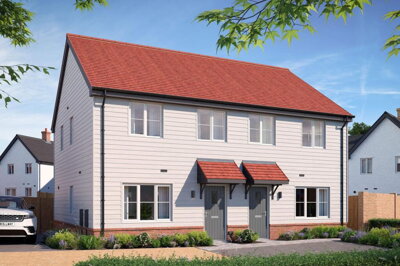
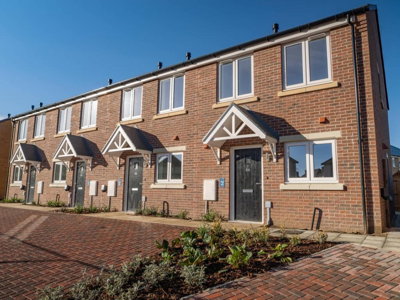
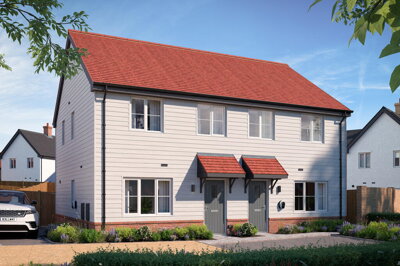
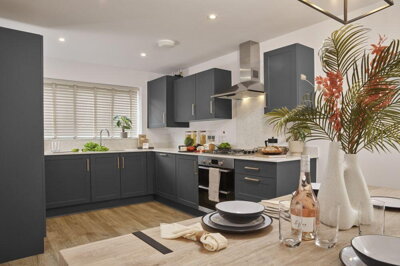
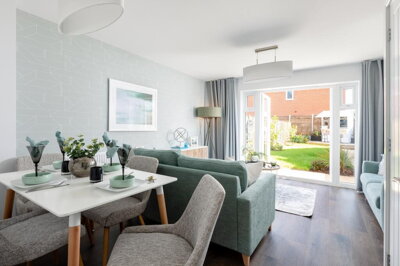
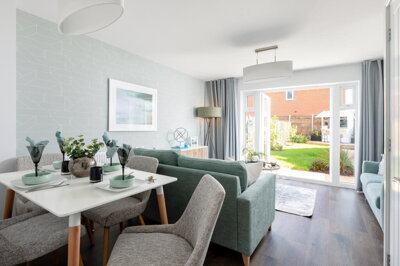
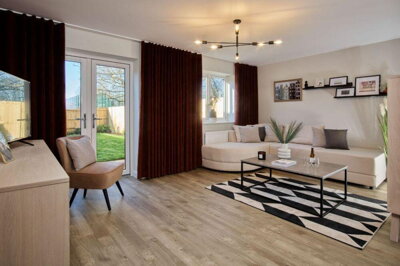
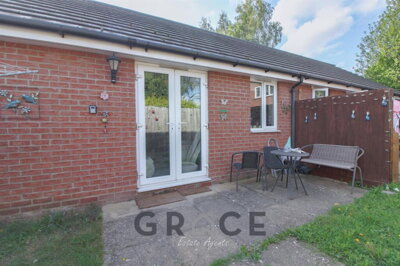
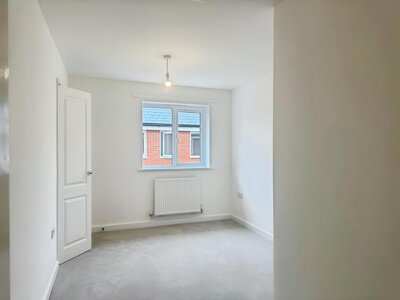
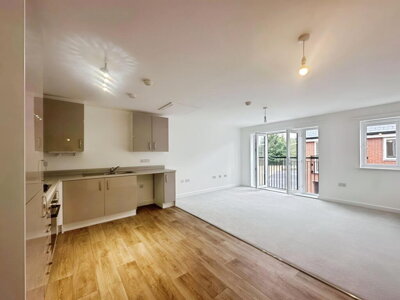
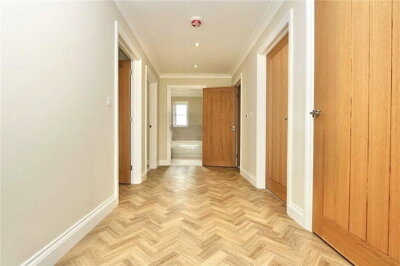
Browse 12 homes new builds in Ipswich, Suffolk from local developer agents.
The 2 bed house market features detached, semi-detached, and terraced properties with two separate bedrooms plus living spaces. Properties in Ipswich range across contemporary developments, with pricing varying across different neighbourhoods.
£200k
95
2
100
Source: home.co.uk
Showing 95 results for 2 Bedroom Houses new builds in Ipswich, Suffolk. 2 new listings added this week. The median asking price is £200,000.
Source: home.co.uk
Terraced
61 listings
Avg £184,293
Semi-Detached
33 listings
Avg £235,302
Detached
1 listings
Avg £225,000
Source: home.co.uk
Source: home.co.uk
The Stody property market is characterised by its predominantly detached housing stock, with approximately 70% of properties in the NR25 6 postcode area taking this form. Detached homes command the highest prices, averaging £650,000 and showing the strongest year-on-year growth at 18%, reflecting strong demand from buyers seeking space, privacy, and the quintessential rural Norfolk lifestyle. Semi-detached properties average £350,000 with 10% annual growth, while terraced homes average £300,000 with 8% growth over the same period.
Our data shows that four properties have sold in Stody over the past 12 months, a figure that reflects the village's intimate scale and limited housing turnover. This scarcity of available properties can create competitive conditions for buyers, particularly for the period homes that define the area's character. No active new-build developments exist specifically within the Stody postcode, meaning buyers are largely limited to the existing housing stock of traditional cottages, farmhouses, converted barns, and occasional infill properties built after 1980. The absence of new development helps preserve property values and the village's historic character, but it also means that buyers may need to act quickly when suitable properties become available.
Looking at the broader NR25 6 area, the property age distribution reveals why understanding construction methods matters so much for buyers. An estimated 40-50% of properties pre-date 1919, with a further 10-15% built between 1919 and 1945. Properties from the post-war period (1945-1980) account for around 20-25% of the housing stock, while only 15-20% of properties are post-1980 build. This means that over 70-80% of all properties in the area are over 50 years old, which has significant implications for survey requirements and maintenance expectations. Buyers should budget for the possibility that older properties may require updating of electrical systems, plumbing, and insulation to meet modern standards.

Stody offers a genuinely rural Norfolk experience that draws buyers seeking escape from urban pressures. The village sits amid working farmland and rolling countryside, with the North Norfolk Coast Area of Outstanding Natural Beauty located just a short drive to the north. Local agriculture remains the backbone of the economy, complemented by equestrian businesses and a growing tourism sector that reflects Norfolk's popularity as a holiday destination. The village's small population creates an intimate community atmosphere where neighbours know one another and local events bring residents together throughout the year.
The housing stock in Stody reflects its rural heritage, with an estimated 40-50% of properties pre-dating 1919, including many traditional farmhouses and period cottages built using traditional Norfolk materials. Flint, often combined with red brick or gault brick, forms the backbone of the area's architectural character, with rendered finishes, timber framing, and weatherboarding adding visual variety. Roofs commonly feature slate, clay pantiles, or traditional Norfolk thatch, with many properties retaining their original solid wall construction. The presence of these traditional features contributes to the area's charm but also means that many homes will require understanding of period building techniques and appropriate maintenance approaches.
Building construction in the area follows patterns typical of rural North Norfolk. Traditional properties use solid wall construction with flint, brick, or combinations of both materials, while timber frame with infill panels can be found in some older buildings. Properties built after 1930 may feature cavity wall construction, though this is less common than solid walls given the predominant age of the housing stock. Roof structures are typically pitched, often with timber rafters and purlins, and coverings vary between natural slate, clay pantiles, and the distinctive Norfolk thatch that characterises many premium village properties. Our inspectors frequently encounter these traditional construction methods when surveying properties in the area, and understanding their characteristics is essential for proper maintenance and renovation.
While Stody itself is not designated as a Conservation Area, the presence of several listed buildings including the Grade I listed Stody Lodge means that specific properties and their immediate surroundings are subject to stricter planning controls. Any significant alterations, extensions, or works to listed buildings require Listed Building Consent from North Norfolk District Council, and buyers should factor this into their renovation plans and budgets. The absence of a formal Conservation Area designation does not diminish the village's historic character, as many properties contribute to its established appearance regardless of their individual listing status.
Families considering a move to Stody will find a selection of schools within easy reach, though the village's small size means that primary education is typically accessed in nearby villages and towns. The nearest primary schools serve the surrounding rural communities, with many small village schools offering intimate class sizes and strong community connections. Schools in nearby Holt provide additional options for primary-aged children, with the town serving as a local education hub for the surrounding villages of Stody, Brinton, and the surrounding parishes.
For secondary education, pupils typically travel to schools in Holt, where there are established options including Fakenham Academy which serves the wider North Norfolk area with comprehensive secondary education. The journey times from Stody to secondary schools require consideration when house hunting, as morning transport arrangements and after-school activities will need to fit around school schedules. Norfolk maintains a selective education system, with grammar schools available in nearby towns including King Edward VII School in King's Lynn and St Peter's School in Huntingdon for academically able pupils who pass the entrance examinations.
Parents should research specific school catchments and admission arrangements carefully, as catchment areas can extend across significant distances in this rural region. School transport arrangements provided by Norfolk County Council may be available for pupils living beyond walking distance thresholds, though these services require advance application and are subject to availability. Independent schooling options exist in Norfolk, including several well-regarded preparatory and senior schools that serve the wider North Norfolk area, with transport arrangements from Stody typically involving daily journeys of 20-30 minutes.
The proximity to universities in Norwich and Cambridge makes Stody a viable base for families with older children pursuing higher education. The University of East Anglia in Norwich offers excellent local university options, with regular bus services connecting to the campus from nearby towns. Norwich also provides further education college options including City College Norwich and the University of East Anglia itself, while Cambridge universities are accessible via the rail network for students willing to commute periodically or travel during term time.
Stody's rural location means that private transport is essential for most daily activities, though the village is well-positioned for regional connectivity. The A148 trunk road passes nearby, providing direct access to the market town of Fakenham to the south and the coastal town of Cromer to the east. This road forms a key route through North Norfolk, connecting the coastal areas with the inland market towns and linking to the A17 and A47 for broader regional travel. The wider road network connects Stody to King's Lynn to the southwest and Norwich to the southeast, offering routes to major employment centres and national transport hubs.
Rail services are available in nearby towns, with connections from Cromer to Norwich and onward to Cambridge and London Liverpool Street via the Bittern Line. The journey to Norwich takes approximately 30-40 minutes by rail, opening up commuting possibilities for those working in the city while enjoying rural living. From Norwich, direct trains to London Liverpool Street take approximately 90 minutes, making day commuting to the capital feasible for those with flexible working arrangements. The nearest station is in Cromer, approximately 10 miles from Stody, and parking facilities at the station accommodate commuters travelling further afield.
Bus services operate in the area, though frequencies are limited given the rural nature of the locality. The Coast Hopper bus service connects coastal villages and towns during the summer season, providing a useful service for residents without private transport. For air travel, Norwich International Airport provides domestic and limited European connections, while Stansted and Heathrow are accessible via road for broader international travel. Cambridge Airport offers additional flight options and is particularly useful for business travellers. Cycling is popular in North Norfolk, with quiet country lanes and designated routes making cycling a pleasant option for shorter journeys, particularly for reaching local shops and pubs in neighbouring villages.
Parking in Stody is generally straightforward due to the low population density, and most properties benefit from off-street parking or garages, a significant advantage over urban living. Many traditional properties include converted or attached garages that have subsequently become storage spaces or additional accommodation, and buyers should clarify current parking arrangements when viewing properties. The village lanes are generally narrow in places, reflecting their origin as farm tracks that became residential roads, and larger vehicles may need to navigate carefully during busy periods.
Begin your property search by exploring listings on Homemove and understanding current prices in Stody. With detached properties averaging £650,000 and limited availability averaging just four sales per year, understanding the market thoroughly will help you identify value and act quickly when suitable properties arise. Set up property alerts to be notified immediately when new properties matching your criteria are listed, as the limited supply means competition can be fierce for well-presented homes.
Before viewing properties, secure a mortgage agreement in principle from a lender. This demonstrates your financial credibility to sellers and estate agents, giving you a competitive edge in what can be a fast-moving market where multiple buyers may be interested in the same property. Given the higher property values in Stody compared to national averages, ensure your mortgage budget reflects the premium associated with rural Norfolk properties in an Area of Outstanding Natural Beauty.
View selected properties in person, paying close attention to the age, condition, and construction materials discussed earlier. Older properties in Stody often feature traditional construction methods, so attending viewings with knowledge of common issues such as damp, roof condition, and timber defects will help you assess properties effectively. Take photographs and notes during viewings to compare properties afterwards, and consider revisiting at different times of day to assess light levels, road noise, and neighbour activity.
Once your offer is accepted, arrange a RICS Level 2 Survey to assess the property condition thoroughly. For a typical 3-bedroom detached home in Stody, expect to pay between £500 and £800, though prices vary based on property size and complexity. Given that over 70-80% of properties in Stody are over 50 years old, a professional survey is essential for identifying potential problems before completion. If you are purchasing a listed building or a property with complex construction, consider whether a more detailed RICS Level 3 Survey may be appropriate.
Appoint a conveyancing solicitor to handle the legal aspects of your purchase, including local searches, title checks, and coordination with the seller's solicitors. Local knowledge of North Norfolk properties can be valuable for identifying any planning constraints, rights of way, or Listed Building Consent issues affecting the property. Your solicitor will obtain drainage and water searches from the relevant authorities and check for any environmental factors that might affect the property.
Once all legal checks are satisfactory and mortgage finance is confirmed, you will exchange contracts and pay your deposit, typically 10% of the purchase price. Completion typically follows shortly after, at which point you will receive the keys to your new Stody home. Arrange for buildings insurance from the point of exchange, as you become legally responsible for the property at this stage, and plan your removals logistics in advance given the rural location of the village.
Properties in Stody present unique considerations that buyers should understand before committing to a purchase. The area's geology, primarily chalk bedrock with overlying glacial deposits, means that while the underlying ground is generally stable, some superficial clay deposits can present low to moderate shrink-swell risks, particularly for properties with shallow foundations and those near mature trees. Boulder clay deposits present in parts of Norfolk can experience volume changes with moisture variations, and this shrink-swell behaviour can affect foundations over time. A thorough survey will check for signs of subsidence or heave that could indicate foundation issues requiring attention or expensive remediation.
Our inspectors regularly encounter foundation concerns when surveying properties in Stody, particularly for older buildings where original foundations may have been laid to less stringent requirements than modern standards. Signs to watch for include cracking to walls (particularly diagonal cracks widening towards the top), doors and windows sticking or not closing properly, and floors that feel uneven underfoot. Properties with large trees nearby require particular attention, as tree roots can affect soil moisture levels and contribute to subsidence or heave issues, especially during periods of drought or heavy rainfall.
Flood risk in Stody is primarily from surface water rather than river or coastal sources, as the village sits away from major watercourses. Heavy rainfall can overwhelm local drainage systems, potentially affecting properties in low-lying positions or those with poor surface water management. Buyers should check property drainage, look for signs of previous water ingress, and consider the topography of the surrounding land when assessing flood vulnerability. The good news is that there is no coastal erosion risk given the inland location, and mining history is not a concern in this part of Norfolk. Properties with basements or cellars, which are uncommon in the area but do exist in some older properties, require particular attention to damp proofing and drainage.
The presence of listed buildings in Stody means that many properties are subject to stricter planning controls, requiring Listed Building Consent for certain alterations or renovations. If you are purchasing a period property, budget for the additional time and potential costs associated with listed building requirements. Older properties may also have outdated electrical systems that do not meet current standards, plumbing requiring updating, and limited insulation compared to modern requirements. Properties with solid wall construction will have different thermal performance characteristics than modern cavity-walled homes, which can affect heating costs and comfort levels. A RICS Level 2 Survey will flag these issues and provide guidance on appropriate remediation approaches for period properties.
The average house price in Stody is currently £577,500, based on recent sales data from the NR25 6 postcode area. Detached properties average £650,000 and represent the majority of sales, while semi-detached homes average £350,000 and terraced properties average £300,000. The market has shown strong growth over the past 12 months, with overall prices rising by 15% and detached properties increasing by 18%, reflecting continued strong demand for rural properties in this sought-after corner of North Norfolk.
Properties in Stody fall under North Norfolk District Council for council tax purposes. Council tax bands in this rural area vary by property value and type, with most period properties falling into bands C through F depending on their assessed value. You can check the specific band for any property through the Valuation Office Agency website or on the North Norfolk District Council website using the property address, and your solicitor can confirm this during the conveyancing process.
The nearest primary schools to Stody serve the surrounding rural villages, with many families travelling to schools in Holt for broader options. Secondary education is available in Holt and Fakenham, where you will find comprehensive schools including Fakenham Academy serving the wider North Norfolk area. Norfolk's selective system means that grammar school places are determined by entrance examination performance, with schools such as King Edward VII School in King's Lynn admitting pupils who pass the selection test. Further education is available at colleges in Fakenham and Norwich, with the University of East Anglia providing higher education options within reasonable commuting distance.
Stody is a rural village where private transport is essential for most daily needs. Rail connections are available from nearby towns, with regular services to Norwich and connections to Cambridge and London via the Bittern Line from Cromer station approximately 10 miles away. Bus services operate in the area, though frequencies reflect the rural nature of the locality and are less frequent than urban routes. The A148 provides road access to Fakenham, Holt, and connections to the wider road network. Norwich International Airport is within reasonable driving distance for air travel, while Stansted and Heathrow are accessible via road for international destinations.
Stody offers several factors that make it attractive for property investment. The area has seen strong price growth of 15% over the past year, driven by demand for rural properties in an Area of Outstanding Natural Beauty. The limited supply of properties, with only four sales in the past 12 months, suggests that demand may continue to outstrip supply in this tightly-held village market. Properties in this location can appeal to buyers seeking weekend homes, holiday lets, or long-term residential investment. However, buyers should consider that rural properties can take longer to sell and that rental demand may be more limited than in urban areas, which affects both capital growth expectations and rental income potential.
Stamp duty land tax rates for 2024-25 are 0% on the first £250,000 of purchase price, 5% on £250,001 to £925,000, 10% on £925,001 to £1.5 million, and 12% on amounts above £1.5 million. First-time buyers pay 0% on the first £425,000 and 5% on £425,001 to £625,000, with no relief available above £625,000. For a typical Stody detached home priced at £650,000, a standard buyer would pay £20,000 in stamp duty, while a first-time buyer would pay £11,250, calculated on the portion of the purchase price above the applicable threshold at each rate band.
Given that 70-80% of properties in Stody are over 50 years old, buyers should watch for damp issues including rising damp and penetrating damp, often found in properties with solid wall construction lacking modern damp-proof courses. Roof condition problems affecting slate, pantile, or thatched coverings are common, as older roofs require regular maintenance to prevent water ingress. Timber defects such as woodworm (common furniture beetle) and wet or dry rot are frequently found in older timber elements, especially in properties with damp issues or inadequate ventilation. Outdated electrical and plumbing systems that do not meet current standards are almost guaranteed in properties pre-1980, and drainage issues related to older septic tanks or cesspits require attention in properties not connected to mains drainage.
Stody contains several listed buildings, primarily historic farmhouses, barns, and the notable Grade I listed Stody Lodge. While the village itself is not designated as a Conservation Area, the presence of listed buildings means that specific properties are subject to stricter planning controls under listed building legislation. Any alterations, extensions, or significant works to listed buildings require Listed Building Consent from North Norfolk District Council, and buyers should factor this into their plans and budgets when considering period properties in the village. Properties that have been sympathetically renovated by previous owners may have consents on record that your solicitor can verify during the conveyancing process.
A RICS Level 2 Survey is particularly valuable when buying in Stody given the high proportion of older properties with traditional construction methods. Our inspectors assess properties built with flint, brick, and solid walls on a regular basis in this area, and they understand the typical defects that affect these construction types. Common issues identified during surveys include damp penetration through solid walls, deterioration of traditional roof coverings, timber decay in structural and non-structural elements, and outdated services that require upgrading. For listed buildings, a more detailed RICS Level 3 Survey may be appropriate to fully assess complex period construction and identify work that may require Listed Building Consent.
Purchasing a property in Stody involves several costs beyond the purchase price that buyers should budget for carefully. Stamp duty land tax is the most significant additional cost, calculated on a tiered system where the first £250,000 of any purchase is exempt from SDLT. For the average Stody detached property at £650,000, a standard buyer would pay £20,000 in stamp duty, calculated as £0 on the first £250,000 plus 5% on the remaining £400,000. First-time buyers benefit from relief that increases the nil-rate threshold to £425,000, reducing their SDLT liability on a £650,000 purchase to £11,250, calculated as £0 on the first £425,000 plus 5% on the remaining £225,000.
Survey costs are essential for any purchase, and given the age of Stody's housing stock, a RICS Level 2 Survey is particularly valuable for identifying defects in traditional properties. For a typical 3-bedroom detached property, expect to pay between £500 and £800 depending on property size and complexity, with larger or more complex properties at the higher end of this range. If you are purchasing a listed building or a property with complex construction such as a barn conversion, a more detailed RICS Level 3 Survey may be appropriate to fully assess the property, though this will cost more at typically £800-£1,500 for a property of this value.
Legal costs for conveyancing typically start from around £499 for basic transactions, rising depending on the complexity of the purchase and whether there are any issues requiring additional work. Local searches from North Norfolk District Council, water and drainage searches, and environmental searches typically total £200-£300 in this area. Mortgage arrangement fees vary by lender, with many charging 0-0.5% of the loan amount, though some deals include free valuations, and buyers should also budget for valuation fees if required by their lender. Buildings insurance should be arranged from the point of exchange, and removals costs will depend on the distance of your move and the volume of belongings being transported to your new rural home.
Overall, buyers should plan for additional costs of approximately 3-5% of the purchase price on top of their mortgage finance. For a £650,000 property, this means budgeting an additional £19,500-£32,500 to cover stamp duty, survey, legal fees, searches, and other associated costs. Getting quotes from solicitors, surveyors, and removals companies early in the process helps ensure there are no financial surprises as you move towards completion, and having your mortgage in principle in place before making an offer demonstrates your seriousness as a buyer.

Properties New Builds In London

Properties New Builds In Plymouth

Properties New Builds In Liverpool

Properties New Builds In Glasgow

Properties New Builds In Sheffield

Properties New Builds In Edinburgh

Properties New Builds In Coventry

Properties New Builds In Bradford

Properties New Builds In Manchester

Properties New Builds In Birmingham

Properties New Builds In Bristol

Properties New Builds In Oxford

Properties New Builds In Leicester

Properties New Builds In Newcastle

Properties New Builds In Leeds

Properties New Builds In Southampton

Properties New Builds In Cardiff

Properties New Builds In Nottingham

Properties New Builds In Norwich

Properties New Builds In Brighton

Properties New Builds In Derby

Properties New Builds In Portsmouth

Properties New Builds In Northampton

Properties New Builds In Milton Keynes

Properties New Builds In Bournemouth

Properties New Builds In Bolton

Properties New Builds In Swansea

Properties New Builds In Swindon

Properties New Builds In Peterborough

Properties New Builds In Wolverhampton

Enter your details to see if this property is within your budget.
Loans, cards, car finance
Estimated property budget
Borrowing + deposit
You could borrow between
Typical borrowing
Monthly repayment
Est. at 4.5%
Loan-to-value
This is an estimate only. Your actual budget may vary depending on interest rates, credit history, and personal circumstances. For an accurate affordability assessment, speak to one of our free mortgage advisors.
This calculator provides estimates for illustrative purposes only and does not constitute financial advice. Your home may be repossessed if you do not keep up repayments on your mortgage. Estimates based on 4.5% interest rate, repayment mortgage. Actual rates depend on your circumstances.
Homemove is a trading name of HM Haus Group Ltd (Company No. 13873779, registered in England & Wales). Homemove Mortgages Ltd (Company No. 15947693) is an Appointed Representative of TMG Direct Limited, trading as TMG Mortgage Network, which is authorised and regulated by the Financial Conduct Authority (FRN 786245). Homemove Mortgages Ltd is entered on the FCA Register as an Appointed Representative (FRN 1022429). You can check registrations at NewRegister or by calling 0800 111 6768.

We use cookies to show you personalised content and improve your experience of our website. Find out more in our Privacy policy and Cookie policy.