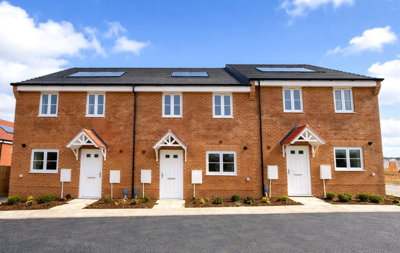
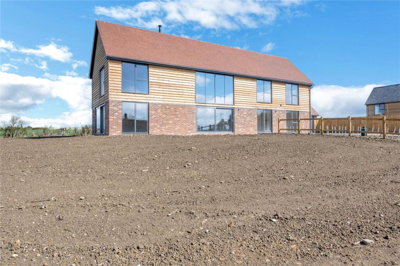
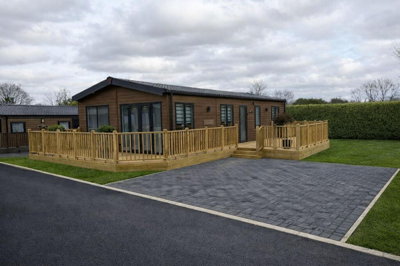
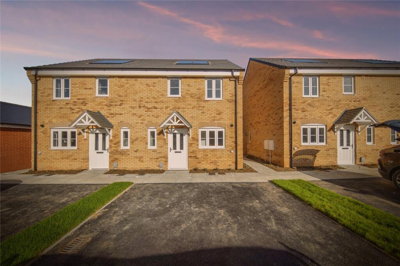
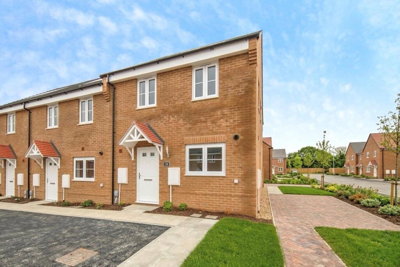
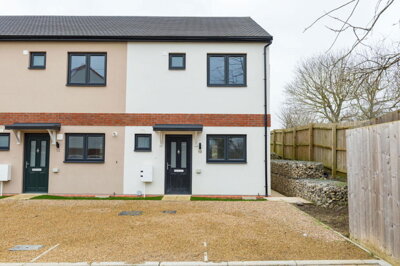
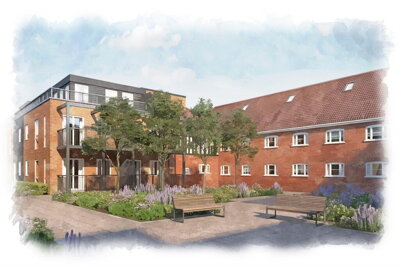
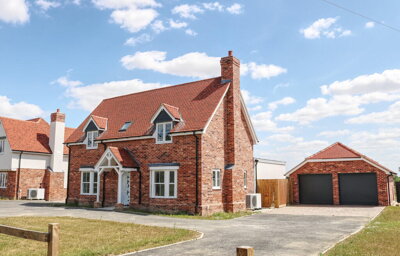
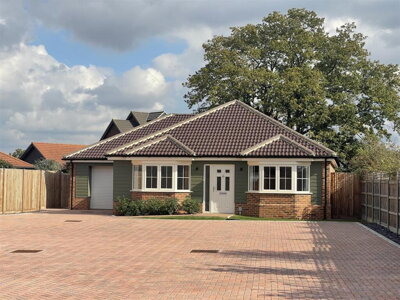
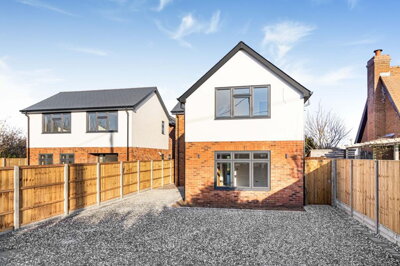
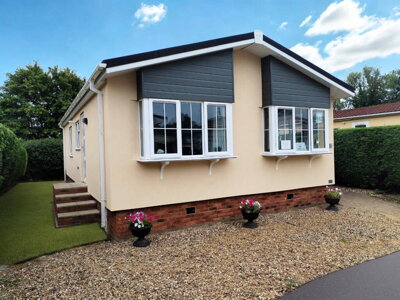
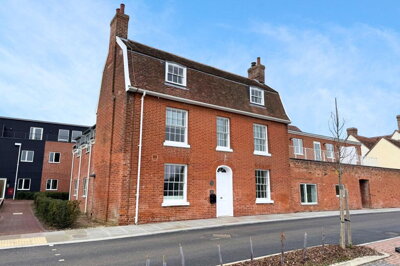
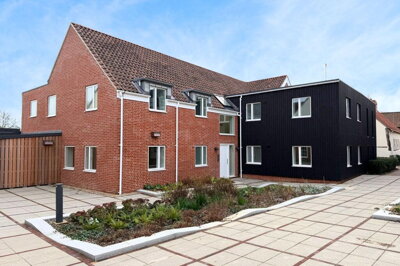
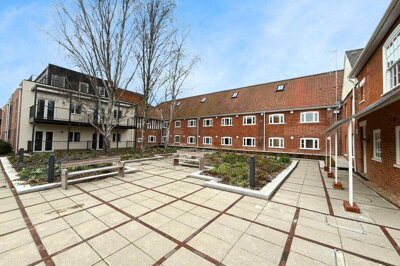
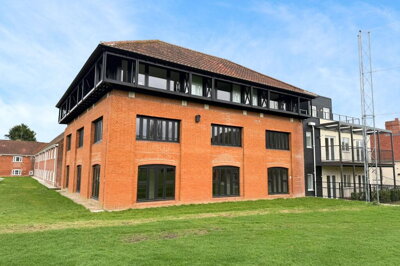
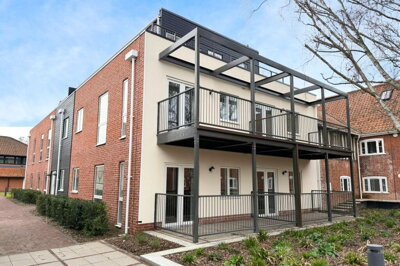
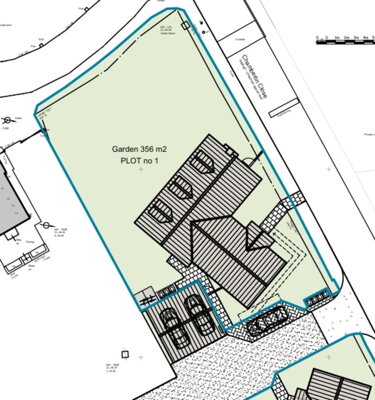
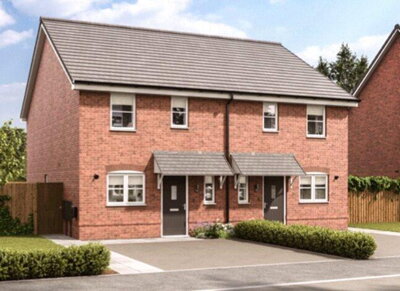
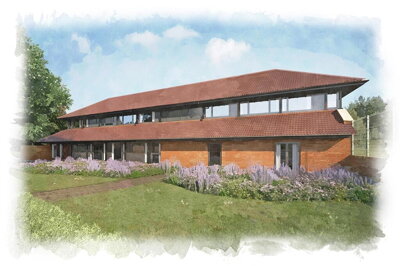
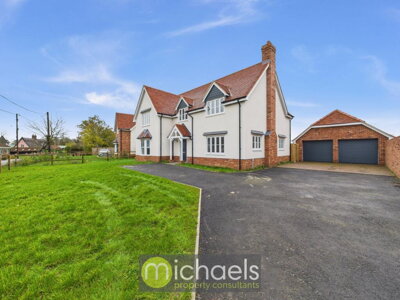
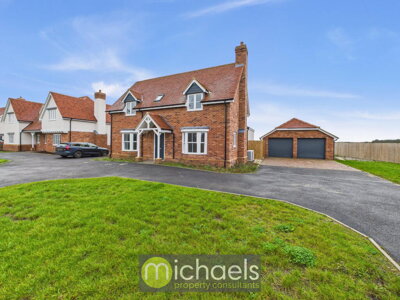
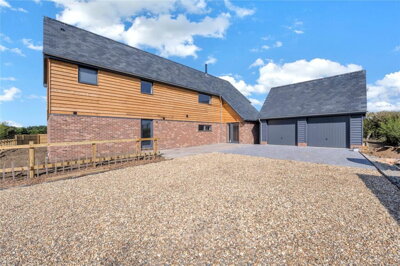
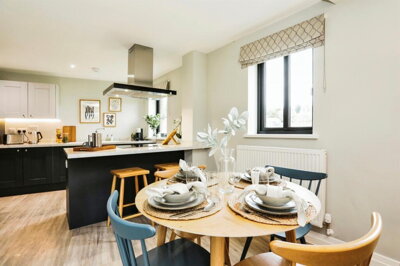
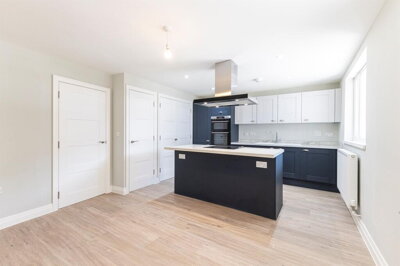
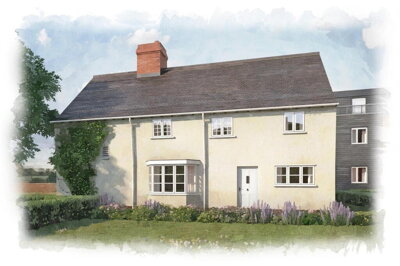
Browse 44 homes new builds in IP7 from local developer agents.
£365k
184
16
104
Source: home.co.uk
Source: home.co.uk
Detached
51 listings
Avg £746,175
Semi-Detached
28 listings
Avg £317,589
Terraced
17 listings
Avg £296,235
Detached Bungalow
12 listings
Avg £424,083
End of Terrace
12 listings
Avg £366,995
Apartment
11 listings
Avg £251,818
Cottage
9 listings
Avg £380,556
Park Home
9 listings
Avg £147,150
Flat
6 listings
Avg £177,500
Ground Flat
5 listings
Avg £244,000
Source: home.co.uk
Source: home.co.uk
The IP7 property market demonstrates strong fundamentals with 179 residential transactions recorded over the past 12 months. While this represents a slight decrease of 29 sales compared to the previous year, demand remains robust across all property types. The most active price brackets are the £230,000 to £318,000 range, accounting for 52 sales, followed closely by 47 transactions in the £318,000 to £406,000 bracket. These figures indicate healthy market activity suitable for both first-time buyers and those seeking family homes.
Property prices in IP7 have shown remarkable resilience, climbing 10% year-on-year and surpassing the previous 2023 peak of £422,698. Detached properties command the highest values at an average of £515,755, offering generous space and gardens that appeal to growing families. Semi-detached homes average £338,154, providing excellent value compared to nearby Ipswich, while terraced properties starting from £232,843 represent an accessible entry point to the local market. Flat sales in IP7 are less common, with limited stock averaging around £165,000.
Analysis of recent transactions reveals that the majority of sales were detached properties, reflecting demand from families seeking the space and privacy that this property type provides. The limited new build activity within the IP7 postcode itself means that buyers seeking modern construction typically need to look at the broader Ipswich area, where new developments account for approximately 4.6% of total sales. This shortage of new supply within IP7 supports values in the second-hand market, particularly for well-presented period properties in good condition.

The IP7 postcode encompasses a fascinating blend of Suffolk market town and village life, with Hadleigh serving as the primary settlement and local service centre. With a population of 17,026 residents across the area, the community maintains a friendly, village-like atmosphere while offering comprehensive everyday amenities. The town centre features independent shops, traditional pubs, a weekly market, and essential services including a health centre, pharmacies, and a post office. The River Brett flows through Hadleigh, adding to the scenic charm and providing pleasant walking routes along its banks.
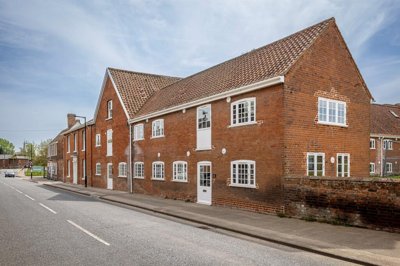
The historic character of IP7 is immediately apparent, particularly in Hadleigh town centre where numerous listed buildings and a designated Conservation Area preserve the architectural heritage. Properties in this area frequently feature traditional East Anglian construction, including red brickwork in various bonds, exposed timber frames with brick nogging or render infill panels, and clay pantile or plain tile roofs. This construction heritage means many homes boast period features such as inglenook fireplaces, original floorboards, and beamed ceilings that appeal to buyers seeking character properties with genuine history.
Beyond Hadleigh, the surrounding villages contribute to the area's rural character and community spirit. Elmsett to the north offers a quieter village environment with a primary school and local pub, while Bildeston provides additional amenities including a village shop and primary school. The predominantly agricultural landscape between these settlements includes farmland on the local geology, which consists largely of clay deposits that have shaped both the soil conditions and traditional building methods used in the area over centuries.

Education provision in IP7 serves families well, with primary schools available within Hadleigh and surrounding villages providing solid foundations for younger children. The presence of good primary education options makes the area particularly attractive to families considering a move from larger towns or cities. Local primary schools in Hadleigh and nearby settlements serve their immediate communities, with reasonable class sizes and strong links to the local area that many parents value.
Secondary education options are accessible to IP7 residents, with several well-regarded schools serving the wider Babergh district. Families should research current Ofsted ratings and admission catchment areas when considering a property purchase, as these can influence school allocations significantly. For those seeking further education, sixth form colleges and further education facilities in Ipswich are within commuting distance, providing comprehensive options for older students. The presence of quality educational establishments contributes substantially to the area's appeal for family buyers.
When evaluating schools in the IP7 area, prospective buyers should note that primary school performance can vary, and visiting schools directly provides valuable insight beyond published statistics. The Class sizes in rural primary schools often remain smaller than urban averages, which many parents consider beneficial for individual attention. Secondary school catchment boundaries can extend across multiple villages, meaning a property's school allocation may differ from the nearest school by distance.

IP7 enjoys strategic positioning for commuters, offering straightforward access to Ipswich via the A1071 trunk road, which connects the area to the county town in approximately 25-30 minutes under normal traffic conditions. From Ipswich, residents benefit from excellent national rail connections, with direct services to London Liverpool Street taking around 75-80 minutes. This makes IP7 viable for professionals working in the capital who desire a more affordable and peaceful home environment than London offers.
Local bus services operate connecting Hadleigh with surrounding villages and nearby towns including Sudbury and Colchester, providing essential public transport options for those without private vehicles. The A14 trunk road passes north of the area, offering connections to Cambridge to the northwest and Felixstowe port to the east, facilitating logistics and employment access. For air travel, London Stansted Airport is accessible within approximately one hour by car, while Norwich Airport provides additional regional flight options. Cycling infrastructure in the area has improved in recent years, with scenic country lanes popular among recreational cyclists and commuters alike.
The journey to Ipswich railway station, situated on the Great Eastern Main Line, provides access to regular services toward London, Norwich, and Cambridge. For IP7 residents working in Cambridge, the A14 route offers approximately a 50-mile commute, while Felixstowe's container port provides employment opportunities in logistics and shipping for those based locally. The relatively short distance to major employment centres, combined with the lower property prices compared to these areas, creates a favourable cost-of-living equation for commuters.

Review current listings, recent sale prices, and market trends in IP7 before beginning your property search. Understanding that detached homes average £515,755 while terraced properties start from £230,000 helps establish realistic budgets. Speak with local estate agents to learn about specific neighbourhoods like Hadleigh town centre versus surrounding villages such as Elmsett or Bildeston. Consider engaging a local buying agent who understands the subtle differences between conservation area properties and those in newer developments.
Before viewing properties, secure a mortgage agreement in principle from a lender. This demonstrates your seriousness to sellers and helps agents match you with suitable properties. Current fixed-rate mortgages offer competitive long-term stability for buyers in the IP7 market. Speak with a mortgage broker who can compare deals across multiple lenders, as those with smaller deposits may find specialist products more suitable for the local property price range.
Visit multiple properties across different price ranges and locations within IP7. Consider new build options alongside period properties, but note that new build availability in the immediate IP7 area is limited. Take time to assess the character of different neighbourhoods, proximity to schools, and commuting options. When viewing older properties, pay particular attention to the condition of visible timbers, roof covering, and signs of damp or structural movement.
Commission a Level 2 Survey (Homebuyer Report) before proceeding with your purchase. Given IP7's significant older housing stock featuring timber-framed construction and clay soil foundations, a professional survey identifies issues like damp, subsidence risk, roof condition, and timber defects. Survey costs typically range from £400-900 depending on property size. Our inspectors have extensive experience surveying properties in Hadleigh and the surrounding Suffolk villages, meaning they know exactly what to look for in local construction types.
Choose a solicitor experienced in Suffolk property transactions to handle the legal aspects of your purchase. They will conduct local searches examining flood risk, planning history, and any Conservation Area restrictions that affect Hadleigh properties. Exchange typically occurs 4-6 weeks after mortgage offer. We can recommend conveyancing firms with established track records handling IP7 transactions, including those involving listed buildings or properties within conservation areas.
Final checks and preparation of funds occurs before completion, when you receive the keys to your new IP7 home. Register your ownership with HM Land Registry and update your address with banks, employers, and utility providers. Consider arranging a RICS Level 3 Survey for listed buildings due to their specialist requirements, including properties along High Street in Hadleigh where many buildings carry Grade II designation.
Properties in IP7 often feature traditional construction methods that require careful inspection before purchase. Many homes in Hadleigh and surrounding villages were built before modern building regulations, meaning original features may be accompanied by outdated electrics, plumbing, or insulation. A thorough survey is essential for identifying these issues, particularly given the prevalence of timber-framed properties where woodworm or dry rot can compromise structural integrity if left undetected.
The presence of clay soils throughout Suffolk creates potential shrink-swell risk that can affect foundations, particularly in older properties without modern deep foundations. Properties near the River Brett should be researched for flood risk, though major flooding is uncommon in this inland area. Surface water drainage issues may occur in low-lying areas following heavy rainfall, and buyers should examine the property's drainage history and maintenance records. Conservation Area designation in parts of Hadleigh imposes restrictions on external alterations and extensions, which buyers should factor into any renovation plans.
Common defects found during surveys of IP7 properties include rising damp in solid-walled constructions, deterioration of clay pantile roofing on older properties, and timber defects affecting exposed structural frames. Many period properties also show inadequate insulation by modern standards, which affects both comfort and energy costs. Our surveyors routinely encounter these issues when inspecting homes in the Hadleigh area and can provide detailed assessments of their severity and likely repair costs.

Understanding the predominant construction types in IP7 helps buyers appreciate the characteristics and potential issues of local properties. Traditional East Anglian buildings in the Hadleigh area frequently employ solid brick walls constructed in various English or Flemish bonds, often using locally produced red bricks that give the town its distinctive appearance. These solid walls, typically 225-300mm thick, lack cavity insulation that modern buyers might expect, resulting in different thermal performance characteristics compared to post-war construction.
Timber-framed construction remains prevalent throughout IP7, particularly in properties predating the Victorian era. The structural timber frame typically consists of oak or softwood posts and beams, with infill panels originally formed from wattle and daub, lath and plaster, or brick nogging. Over time, many of these infill panels have been replaced with render or additional brickwork, but the underlying timber frame requires careful inspection for signs of woodworm, wet rot, or dry rot. Our surveyors know to examine accessible timbers thoroughly in these properties, checking for evidence of active infestation or historic damage that may have been cosmetically repaired.
Roof construction in older IP7 properties typically features timber rafters supporting clay pantiles or plain tiles, with some properties using Welsh slate where premium materials were employed historically. The mortar joints in these roof coverings often require repointing every 20-30 years, and missing or slipped tiles allow water penetration that can damage underlying timbers and cause ceiling deterioration. Understanding these construction characteristics enables buyers to budget appropriately for maintenance and repair work that older properties inevitably require.

The average sold price in IP7 currently ranges from £425,656 to £427,960 depending on the data source. Detached properties average approximately £515,755, semi-detached homes around £338,154, and terraced properties from £232,843. Property prices have risen 10% year-on-year, making this an appreciating market with strong fundamentals for buyers and investors alike. Rightmove data confirms prices have surpassed the previous 2023 peak of £422,698, indicating sustained growth momentum.
Properties in IP7 fall under Babergh District Council for council tax purposes. Bands range from A through H, with the majority of homes in the C, D, and E bands depending on property value and size. Banding enquiries can be confirmed through Babergh District Council or the Valuation Office Agency listing for the specific property address. For a typical terraced property in IP7, buyers can expect bands A-C, while larger detached homes on Hadleigh's High Street may fall into bands D or E.
The IP7 area offers good primary education options within Hadleigh and surrounding villages, serving local communities with reasonable class sizes. Secondary schools in the wider Babergh district serve IP7 residents, with families advised to check current Ofsted ratings and catchment area boundaries before purchasing. Parents should note that primary school catchment areas may not follow secondary arrangements, meaning proximity to a primary school does not guarantee admission to the nearest secondary. Ipswich sixth form colleges provide further education options within commuting distance for older students.
Local bus services connect Hadleigh with surrounding villages and nearby towns including Sudbury and Colchester, though frequencies may be limited on some routes. The A1071 provides regular road access to Ipswich, where mainline rail services reach London Liverpool Street in approximately 75-80 minutes. The A14 trunk road offers connections to Cambridge and Felixstowe for those working in logistics or port industries. For air travel, Stansted Airport is approximately one hour away by car, making international destinations accessible for IP7 residents.
IP7 has demonstrated strong price growth of 10% year-on-year, indicating healthy demand from buyers seeking Suffolk village and market town living. The area attracts families, commuters to Ipswich, and those seeking more affordable alternatives to larger towns. With a population of 17,026 and ongoing demand for quality housing, IP7 offers solid fundamentals for property investment, though returns will vary based on property type and specific location. The limited new build supply within IP7 itself means existing properties face less competition from new developments, which supports values in the longer term.
Standard SDLT rates apply to IP7 purchases: 0% on the first £250,000, 5% on £250,001 to £925,000, 10% on £925,001 to £1.5 million, and 12% above £1.5 million. First-time buyers qualify for relief on the first £425,000, paying 5% between £425,001 and £625,000. Given the average property price of around £425,000, many buyers fall within the lower SDLT bands. For a typical detached home at £515,000, a non-first-time buyer would pay SDLT of approximately £13,250 on the portion above £250,000.
From £350
A detailed inspection of your IP7 property identifying defects, maintenance issues, and potential concerns with traditional construction. Includes market valuation.
From £600
Comprehensive structural survey recommended for older properties, listed buildings, or unusual construction in the Hadleigh area.
From £499
Expert legal services for your IP7 property purchase, including local searches and contract review.
From 4.5%
Competitive mortgage rates for IP7 buyers, with access to specialist products for older properties and unique requirements.
Purchasing a property in IP7 involves several costs beyond the purchase price. Stamp Duty Land Tax (SDLT) applies to all transactions above £250,000 at standard rates. For a typical IP7 property priced around the average of £425,656, a non-first-time buyer would pay £8,783 in SDLT. First-time buyers benefit from increased thresholds, paying nothing on the first £425,000 and 5% on the remaining amount up to £625,000, substantially reducing costs for eligible purchasers. This enhanced first-time buyer relief can save eligible purchasers thousands of pounds compared to standard SDLT rates.
Additional purchase costs include mortgage arrangement fees typically ranging from £500-2,000, surveyor fees for a Level 2 Homebuyer Report from £350-900 depending on property size, and conveyancing costs from £499-1,500 for legal services. Local searches through Babergh District Council cost approximately £250-300, while mortgage valuation fees vary by lender. Budgeting around 3-5% of the property value for these additional costs ensures buyers are prepared for the full financial commitment of purchasing in IP7.
For buyers considering period properties in Hadleigh's Conservation Area, additional costs may arise from specialist surveys or listed building consent requirements. A RICS Level 3 Survey typically costs more than a Level 2 but provides the comprehensive assessment that older or historically significant properties require. Factor in potential renovation costs for properties requiring updating of electrics, plumbing, or insulation, which are common considerations in the area's older housing stock. Our team can provide guidance on typical costs associated with surveying and purchasing different property types in IP7.
Properties New Builds In London

Properties New Builds In Plymouth

Properties New Builds In Liverpool

Properties New Builds In Glasgow

Properties New Builds In Sheffield

Properties New Builds In Edinburgh

Properties New Builds In Coventry

Properties New Builds In Bradford

Properties New Builds In Manchester

Properties New Builds In Birmingham

Properties New Builds In Bristol

Properties New Builds In Oxford

Properties New Builds In Leicester

Properties New Builds In Newcastle

Properties New Builds In Leeds

Properties New Builds In Southampton

Properties New Builds In Cardiff

Properties New Builds In Nottingham

Properties New Builds In Norwich

Properties New Builds In Brighton

Properties New Builds In Derby

Properties New Builds In Portsmouth

Properties New Builds In Northampton

Properties New Builds In Milton Keynes

Properties New Builds In Bournemouth

Properties New Builds In Bolton

Properties New Builds In Swansea

Properties New Builds In Swindon

Properties New Builds In Peterborough

Properties New Builds In Wolverhampton

Enter your details to see if this property is within your budget.
Loans, cards, car finance
Estimated property budget
Borrowing + deposit
You could borrow between
Typical borrowing
Monthly repayment
Est. at 4.5%
Loan-to-value
This is an estimate only. Your actual budget may vary depending on interest rates, credit history, and personal circumstances. For an accurate affordability assessment, speak to one of our free mortgage advisors.
This calculator provides estimates for illustrative purposes only and does not constitute financial advice. Your home may be repossessed if you do not keep up repayments on your mortgage. Estimates based on 4.5% interest rate, repayment mortgage. Actual rates depend on your circumstances.
Homemove is a trading name of HM Haus Group Ltd (Company No. 13873779, registered in England & Wales). Homemove Mortgages Ltd (Company No. 15947693) is an Appointed Representative of TMG Direct Limited, trading as TMG Mortgage Network, which is authorised and regulated by the Financial Conduct Authority (FRN 786245). Homemove Mortgages Ltd is entered on the FCA Register as an Appointed Representative (FRN 1022429). You can check registrations at NewRegister or by calling 0800 111 6768.

We use cookies to show you personalised content and improve your experience of our website. Find out more in our Privacy policy and Cookie policy.