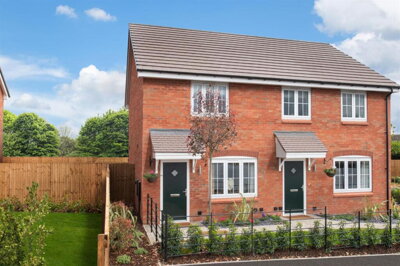
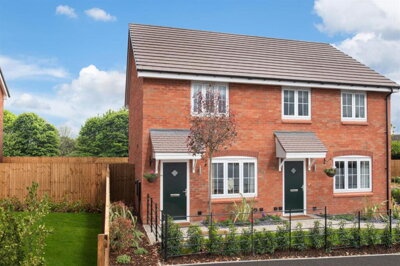
Browse 2 homes new builds in IP6 from local developer agents.
The 2 bed flat sector typically includes two separate bedrooms, dedicated living areas, and bathroom facilities. Properties in IP6 span purpose-built blocks, converted period houses, and modern apartment complexes on various floors.
£0k
0
0
0
Source: home.co.uk
Showing 0 results for 2 Bedroom Flats new builds in IP6.
The IP6 property market offers diverse options across all property types, with Rightmove recording the majority of sales being detached properties over the past year. For those seeking spacious family homes, detached properties in IP6 command an average price of approximately £433,815 according to Zoopla data, with Rightmove reporting slightly higher figures at around £452,966. These premium homes typically offer generous gardens, multiple reception rooms, and the privacy that comes with standalone construction, making them ideal for families or those working from home who need dedicated office space.
Semi-detached properties in IP6 provide an accessible entry point to the local market, with average prices of approximately £283,688 creating opportunities for first-time buyers and growing families alike. Terraced properties average around £241,319, offering excellent value for those prioritising location and character over square footage. The flat market in IP6 remains relatively modest, with average prices around £129,176, though these properties can suit commuters or downsizers seeking low-maintenance living with excellent transport links nearby. Overall prices have risen 4% over the past year, though they remain 6% below the 2022 peak of £354,512, suggesting a stabilising market with potential for future growth.
Looking at the broader Ipswich postcode area for context, detached properties account for approximately 37.2% of all sales, with semi-detached homes comprising 29.8%, terraced properties 24.7%, and flats making up just 8.3% of transactions according to housing market data. This distribution reflects the semi-rural character of the IP6 area, where larger detached homes on generous plots remain popular with families seeking space away from urban density while still maintaining convenient access to town amenities.

The IP6 postcode area benefits from several active new-build developments that offer modern homes ranging from compact bungalows to spacious four-bedroom family houses. At Venus Fields in Needham Market, Allison Homes presents two, three, and four-bedroom properties priced from £140,000 for select plots up to £535,000 for premium four-bedroom homes. These properties combine contemporary design with traditional architectural touches featuring red brick and rendered facades, whilst incorporating modern energy-efficiency measures including air source heat pumps and high-specification insulation that help reduce ongoing utility costs for homeowners.
St Mary's Grange in Otley, developed by Laurence Homes, offers three-bedroom bungalows priced from £525,000 as part of the development's final phase. These single-storey homes feature traditional brick and block construction with air source heat pumps, underfloor heating, and the benefit of a 10-year NHBC Warranty providing reassurance for buyers. The development at Millers Way in Otley represents a sought-after opportunity for those seeking single-level living in a village setting with easy access to surrounding amenities.
Over in Barham, Taylor Wimpey's Barham Meadows development on Norwich Road includes popular house types such as The Raynford, a substantial four-bedroom home with four reception rooms priced from £530,000, and The Aynesdale featuring thermal-efficient design with air source heat pumps, underfloor heating, and triple glazing throughout. The development benefits from its position on the A14 corridor, making it attractive for commuters whilst offering families the appeal of village life with good local schooling nearby.

The IP6 postcode area encompasses a patchwork of Suffolk villages and the market town of Needham Market, each offering its own distinct character whilst sharing the county's celebrated blend of rural charm and practical convenience. Needham Market itself serves as a local hub, featuring a range of independent shops, traditional Suffolk pubs serving local ales, and a weekly market where traders offer fresh produce, artisan goods, and flowers. The town retains much of its historic architecture, with period properties and listed buildings contributing to an atmosphere that reflects centuries of Suffolk history whilst accommodating modern life comfortably.
The surrounding villages within IP6 each possess their own identities. Barham and Claydon offer convenient access to the A14 and A12 for commuters, whilst Otley maintains a more secluded village atmosphere surrounded by productive farmland. Bramford, situated close to Ipswich, provides a practical option for those working in the town whilst retaining village character. Families moving to IP6 find themselves part of close-knit communities where village halls, churches, and local events create opportunities for social connection that urban living often lacks.
The wider Ipswich area, which IP6 residents can access within minutes, adds cultural depth with its museum, theatres, art galleries, and the regenerated waterfront district featuring restaurants, bars, and waterside walks along the River Orwell. The town's medieval heritage sits alongside modern development, creating an interesting contrast that reflects Suffolk's broader character. For those seeking countryside recreation, the surrounding farmland and country lanes offer excellent walking and cycling opportunities, whilst the coast at Felixstowe remains within reasonable reach for day trips.

Education provision in the IP6 area serves families across all age groups, with primary schools located within the villages and towns of the postcode and secondary options available in nearby Ipswich and surrounding market towns. Needham Market itself accommodates primary education with settings that have built strong reputations within the local community, serving families who appreciate the convenience of community schooling within a market town environment. Parents should research individual school performance data and Ofsted ratings when prioritising locations, as educational outcomes can vary between neighbouring villages.
Secondary education in the area includes access to schools in Ipswich, with several well-regarded secondary schools and colleges accessible via the reliable bus services that connect IP6 villages to the county town. Families should consider the catchment areas for specific schools, as these can significantly affect which institutions children attend. For those with younger children, preschool and nursery options exist within Needham Market and surrounding villages, providing early years education close to home.
For families considering sixth form options, the Ipswich area offers a good selection of sixth form colleges and school sixth forms providing A-level and vocational qualifications across a wide range of subjects. Those with specific preferences for grammar school education may wish to explore options further afield, as Suffolk operates a selective system, though entry requirements and catchment areas should be carefully investigated before committing to a property purchase.

The IP6 postcode area benefits from excellent road connections that make car travel straightforward for residents. The A14 runs through the area, providing direct access to the port of Felixstowe to the east and connecting to the M6 and M1 motorway network heading west. The A12 passes nearby, offering a scenic route towards Chelmsford and London whilst also connecting north to the Norfolk border. For those working in Ipswich itself, the journey time by car typically falls between 15 and 25 minutes depending on the specific village and prevailing traffic conditions, with the town offering extensive parking options including long-stay car parks for commuters.
Rail services from Ipswich station provide regular connections to London Liverpool Street, with fastest journey times of approximately one hour making the capital accessible for regular commuters whilst keeping property prices significantly lower than equivalent London access towns. The station also offers connections to Cambridge, Norwich, and other regional destinations, making it practical for those working across East Anglia. Advance booking often secures better fares for regular commuters.
Local bus services connect the IP6 villages with Needham Market and Ipswich, though those relying entirely on public transport should verify specific routes and frequencies for their exact location as services can be limited in more rural areas. For cyclists, the Suffolk countryside offers scenic routes though main roads can be narrow, and e-bikes are increasingly popular for longer rural commutes where topography permits. The development of cycle paths around Ipswich continues to improve options for those combining cycling with train travel.

Spend time exploring the IP6 villages that match your priorities, whether that means proximity to schools, commuting distance, or access to countryside walks. The difference between Needham Market and surrounding villages like Barham or Otley can significantly affect your daily routine. Visit at different times of day and week to understand traffic patterns, noise levels, and community atmosphere.
Contact a broker or lender to obtain a mortgage agreement in principle before viewing properties. This strengthens your position when making offers and demonstrates to sellers that you have financing secured. Current rates make borrowing attractive for those with solid deposits, and obtaining an agreement in principle typically takes just a few days with most lenders.
View multiple properties across the IP6 area to understand what your budget achieves in different locations. Compare new builds with period properties, considering factors such as energy efficiency, maintenance requirements, and the character that older homes often provide. Take notes and photographs during viewings to help remember property details later.
Instruct a conveyancing solicitor with experience handling Suffolk property transactions. They will manage searches, contracts, and the legal transfer of ownership whilst keeping you informed throughout the process. Local knowledge can be valuable when dealing with specific Suffolk issues such as rights of way over farmland or common land registrations.
Arrange a RICS Level 2 Survey before exchange, particularly for older properties which may have historic defects. The survey will highlight any structural concerns, damp issues, or necessary repairs that might affect your decision or provide negotiating leverage. Given the age of some properties in IP6 villages, a thorough survey is particularly valuable.
Once searches are satisfactory and both parties agree terms, your solicitor will exchange contracts and set a completion date. On completion day, the remaining funds transfer and you receive the keys to your new IP6 home. Coordinate with removal companies well in advance, especially if moving during popular times such as month-ends or school holidays.
Properties in the IP6 area span a wide range of ages and construction types, meaning buyers should understand what to look for when evaluating different properties. Older Suffolk properties, some dating from the Georgian or Victorian periods, often feature traditional construction methods including timber framing and solid brick walls that differ significantly from modern cavity wall insulation. These period properties offer tremendous character but may require more maintenance and could harbour issues such as damp penetration, outdated electrical systems, or periods of limited ventilation that affected earlier building standards.
The clay soils prevalent in parts of Suffolk can create shrink-swell risk that affects foundations, particularly for trees planted close to properties before construction or for drains with leaks that saturate the subsoil. Buyers should look for signs of subsidence such as cracked plaster, sticking doors, or uneven floors, and should factor in the cost of appropriate surveys for any property of concern. Properties near established trees or with large gardens may require more thorough foundation investigation.
Conservation areas in some IP6 villages may impose restrictions on alterations, extensions, or even external paint colours, so prospective buyers should verify any planning constraints with the local planning authority before committing to a purchase. Listed buildings, such as the Grade II listed properties found in Needham Market, require listed building consent for many alterations and may impose significant obligations on owners to maintain historic features.

According to Zoopla, the average sold price for a property in IP6 over the past twelve months stands at approximately £325,676, with Rightmove reporting a slightly higher figure of £333,392. Detached properties average around £433,815 to £452,966 depending on the source, whilst semi-detached homes cost approximately £283,688. Terraced properties in the area average £241,319, offering a more affordable entry point to the IP6 market. Prices have risen 4% year-on-year but remain 6% below the 2022 peak of £354,512, suggesting good value at current levels.
Council tax bands in the IP6 postcode area are set by Mid Suffolk District Council and Babergh District Council, depending on the specific location within the area. Properties are assessed individually by the Valuation Office Agency and placed into bands A through H based on their estimated value as of April 1991. Buyers can verify the specific council tax band for any property through the gov.uk council tax band lookup tool using the property address, and should factor this ongoing cost into their budget alongside other running costs when comparing properties across different villages.
The IP6 area offers primary education through several schools located within Needham Market and the surrounding villages, with individual school performance varying by Ofsted inspection outcomes and Key Stage 2 results. Families should research current Ofsted ratings and examination results for primary schools directly via the Ofsted website, whilst secondary education options in nearby Ipswich include several well-regarded schools with sixth form provision accessible via school transport and local bus services. For those seeking grammar school access, Suffolk's selective system means grammar schools have specific entry requirements and catchment areas that should be verified before purchasing in any particular location.
The IP6 area connects to the national rail network via Ipswich railway station, which provides regular services to London Liverpool Street with journey times from approximately one hour. Bus services operate between IP6 villages and Ipswich, though frequencies vary by route and some rural services may be limited to peak hours on weekdays. For car travel, the A14 and A12 provide straightforward access to surrounding towns and the wider motorway network, making IP6 particularly suitable for those who can combine occasional train commuting with regular car use for local journeys.
The IP6 area offers several factors that make property investment attractive for both rental yield and capital growth. Average prices have shown 4% growth over the past year whilst remaining below the 2022 peak, suggesting potential for further appreciation as the market continues to stabilise. New build developments from established developers including Taylor Wimpey, Allison Homes, and Laurence Homes indicate ongoing investment in the area's infrastructure. The combination of relative affordability compared to commuter towns closer to London, good transport links via the A14 and rail services to London Liverpool Street, and the continued appeal of Suffolk's quality of life positions IP6 favourably for long-term property investment.
Stamp Duty Land Tax rates for residential properties start at 0% on the first £250,000 of purchase price, rising to 5% on the portion between £250,001 and £925,000. For properties priced between £925,001 and £1.5 million, the rate is 10% on that portion, with 12% applying to any value above £1.5 million. First-time buyers benefit from relief on the first £425,000, with 5% applying between £425,001 and £625,000. Given average prices in IP6 around £325,676, many buyers purchasing at average prices would pay no stamp duty under standard thresholds, whilst those spending more should calculate their specific liability carefully based on their buyer status.
The IP6 postcode area centres on Needham Market, a historic market town that serves as the primary service centre for the surrounding villages. Key villages include Barham on the A14 corridor, Otley with its new St Mary's Grange development, Claydon offering good road connections, and Bramford situated close to Ipswich. Each location offers a different balance of rural charm, commute times, and local amenities, making it worth exploring multiple villages to find the best fit for your priorities and lifestyle requirements.
Flood risk varies across the IP6 postcode area depending on specific location and proximity to watercourses. Properties in low-lying areas near rivers or streams may carry elevated flood risk, whilst homes on higher ground typically face less concern. Zoopla provides flood risk assessments for individual properties, and buyers should review these alongside any specialist surveys when purchasing properties in known risk areas. Buildings insurance costs may reflect local flood history, and this should be factored into running costs when comparing properties.
From 3.94%
Secure financing for your IP6 property purchase with competitive mortgage rates from trusted lenders.
From £499
Expert legal services for your IP6 property transaction, from offer to completion.
From £350
Professional property survey highlighting defects in your potential IP6 home.
From £450
Comprehensive structural survey for older or non-standard IP6 properties.
Understanding the full costs of buying a property in IP6 helps buyers budget accurately and avoid unexpected shortfalls during the transaction. The purchase price represents the largest cost, with average detached properties around £433,815 and terraced homes averaging approximately £241,319. Beyond the property price itself, buyers must budget for Stamp Duty Land Tax, which for a property at the IP6 average price of £325,676 would attract zero SDLT for most buyers under standard thresholds, though this depends on whether you qualify as a first-time buyer and your total purchase price.
Additional buying costs include mortgage arrangement fees typically ranging from £500 to £2,000 depending on the lender and product chosen, survey costs for a RICS Level 2 Survey starting from approximately £350 depending on property size, and conveyancing fees generally starting from around £499 for straightforward transactions. Search fees payable to the local authority for drainage, environmental, and planning history searches typically total between £250 and £400. Land Registry fees for registering your ownership add further modest costs.
Buyers should also consider ongoing costs including council tax (verify the specific band for your property via gov.uk), buildings insurance, and ground rent or service charges for leasehold properties. New build purchases may include developer fees and reservation deposits, whilst the IP6 area's new developments from Taylor Wimpey, Allison Homes, and Laurence Homes each have their own specific purchasing procedures and timelines that buyers should understand before proceeding. Setting aside a contingency fund of around 5% of the purchase price is advisable to cover unexpected costs that frequently arise during property transactions.
Properties New Builds In London

Properties New Builds In Plymouth

Properties New Builds In Liverpool

Properties New Builds In Glasgow

Properties New Builds In Sheffield

Properties New Builds In Edinburgh

Properties New Builds In Coventry

Properties New Builds In Bradford

Properties New Builds In Manchester

Properties New Builds In Birmingham

Properties New Builds In Bristol

Properties New Builds In Oxford

Properties New Builds In Leicester

Properties New Builds In Newcastle

Properties New Builds In Leeds

Properties New Builds In Southampton

Properties New Builds In Cardiff

Properties New Builds In Nottingham

Properties New Builds In Norwich

Properties New Builds In Brighton

Properties New Builds In Derby

Properties New Builds In Portsmouth

Properties New Builds In Northampton

Properties New Builds In Milton Keynes

Properties New Builds In Bournemouth

Properties New Builds In Bolton

Properties New Builds In Swansea

Properties New Builds In Swindon

Properties New Builds In Peterborough

Properties New Builds In Wolverhampton

Enter your details to see if this property is within your budget.
Loans, cards, car finance
Estimated property budget
Borrowing + deposit
You could borrow between
Typical borrowing
Monthly repayment
Est. at 4.5%
Loan-to-value
This is an estimate only. Your actual budget may vary depending on interest rates, credit history, and personal circumstances. For an accurate affordability assessment, speak to one of our free mortgage advisors.
This calculator provides estimates for illustrative purposes only and does not constitute financial advice. Your home may be repossessed if you do not keep up repayments on your mortgage. Estimates based on 4.5% interest rate, repayment mortgage. Actual rates depend on your circumstances.
Homemove is a trading name of HM Haus Group Ltd (Company No. 13873779, registered in England & Wales). Homemove Mortgages Ltd (Company No. 15947693) is an Appointed Representative of TMG Direct Limited, trading as TMG Mortgage Network, which is authorised and regulated by the Financial Conduct Authority (FRN 786245). Homemove Mortgages Ltd is entered on the FCA Register as an Appointed Representative (FRN 1022429). You can check registrations at NewRegister or by calling 0800 111 6768.

We use cookies to show you personalised content and improve your experience of our website. Find out more in our Privacy policy and Cookie policy.