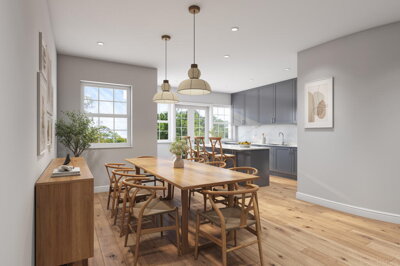
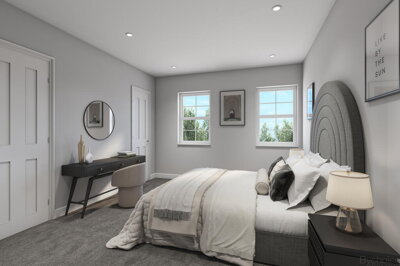
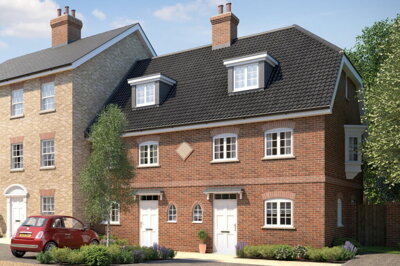
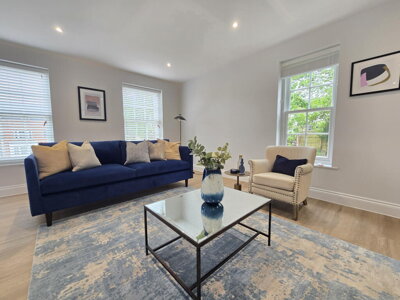
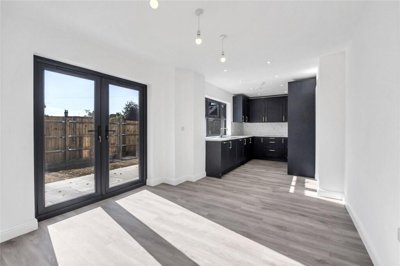
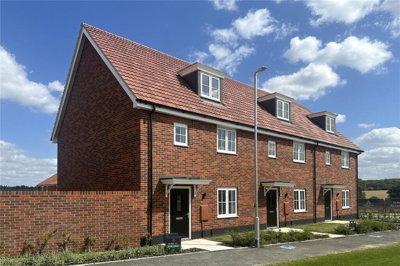
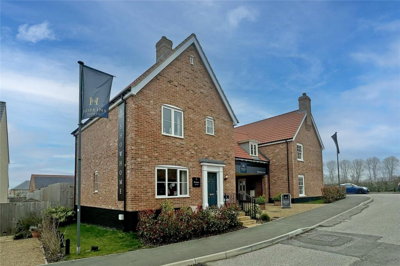
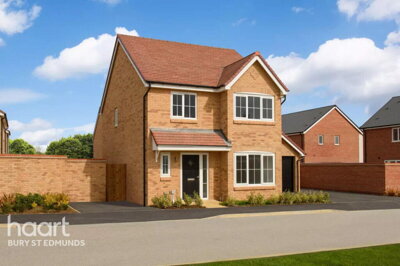
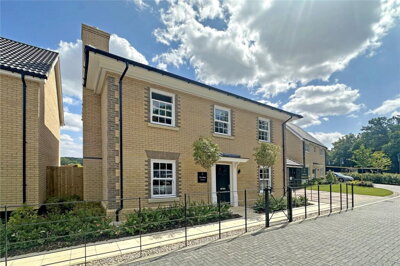
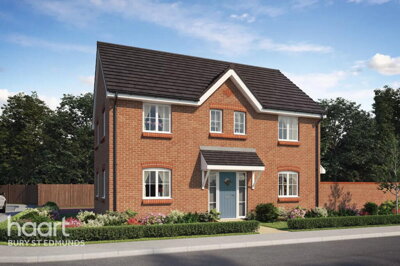
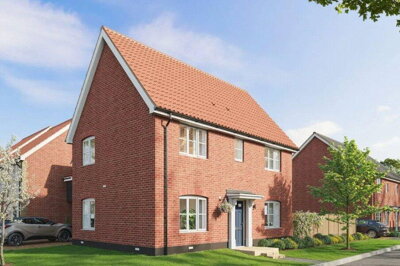
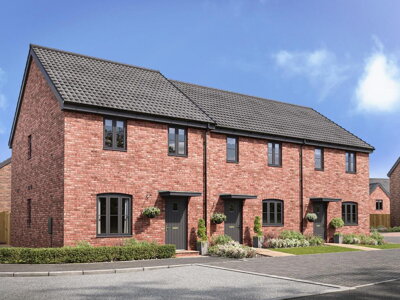
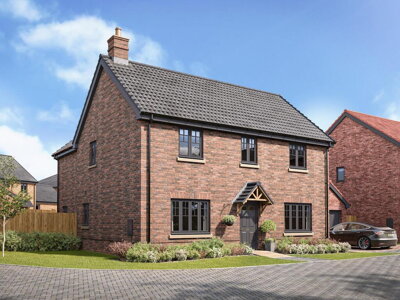
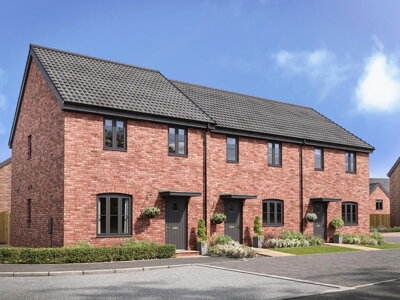
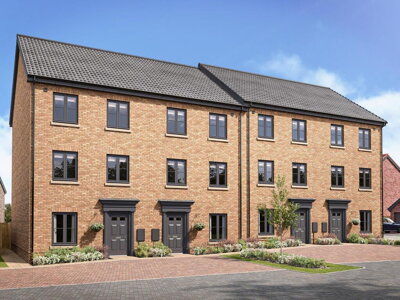
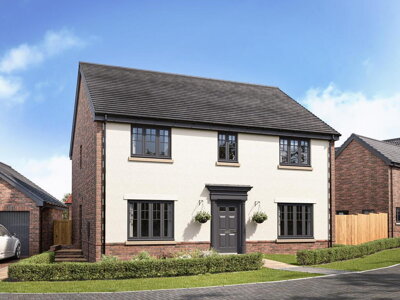
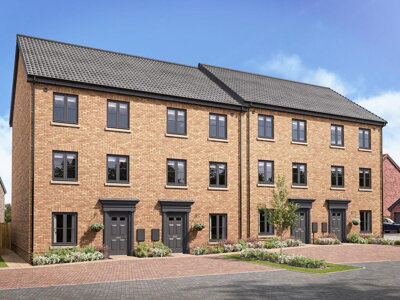
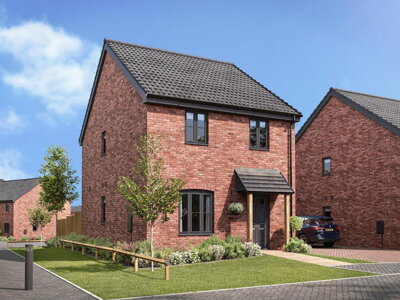
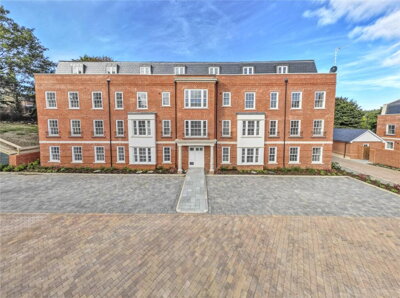
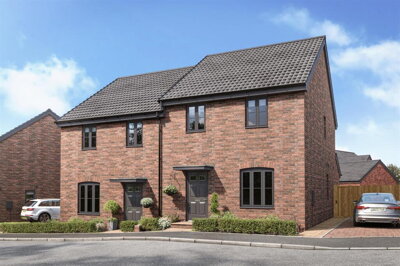
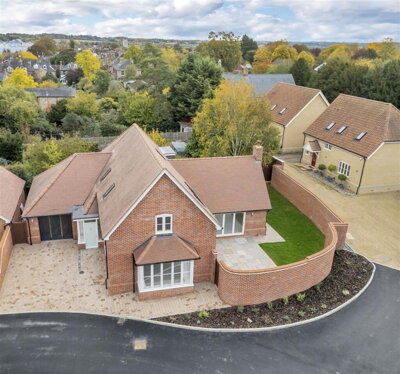
Browse 21 homes new builds in IP32 from local developer agents.
The IP32 property market offers detached, semi-detached, and terraced houses spanning various price ranges and neighbourhoods. Each listing includes detailed property information, photographs, and direct contact with the marketing agent.
£325k
59
2
81
Source: home.co.uk
Showing 59 results for Houses new builds in IP32. 2 new listings added this week. The median asking price is £325,000.
Source: home.co.uk
Detached
26 listings
Avg £437,500
Terraced
19 listings
Avg £233,842
Semi-Detached
14 listings
Avg £279,321
Source: home.co.uk
Source: home.co.uk
The IP32 property market offers something for every buyer, with prices that have shown remarkable stability despite broader national fluctuations. Current data indicates approximately 300-400 properties have changed hands over the past twelve months, with detached homes typically commanding £450,000-£480,000, semi-detached properties ranging from £290,000-£310,000, and terraced homes available from £240,000-£260,000. Flats remain the most accessible entry point to the market, with one and two-bedroom apartments generally priced between £160,000-£180,000. This pricing structure makes Bury St Edmunds particularly attractive for buyers migrating from London and the Southeast, who can often upgrade significantly in terms of space and quality for the same budget.
New build activity continues to shape the IP32 landscape, with three significant developments currently under construction. Marham Park, featuring homes from Taylor Wimpey, Persimmon Homes, and Bellway, offers two to five-bedroom properties ranging from approximately £280,000 to over £600,000 for premium detached homes. The development occupies addresses including IP32 7JR for Taylor Wimpey and IP32 7GY for Persimmon and Bellway, situated off Fornham Road on the northern edge of town. King Edward VII Quarter from Hopkins Homes brings one to four-bedroom apartments and houses priced from £200,000 to £500,000+ at Hospital Road (IP32 7EZ), while Skylark Place by Orbit Homes provides two to four-bedroom homes between £270,000 and £450,000 on Skylark Road (IP32 7GY). These developments offer modern construction with energy-efficient specifications, though buyers should factor in potential service charges and leasehold arrangements when considering new build apartments.
Recent market trends show the IP32 area has experienced only modest price adjustments over the past twelve months, with some sources indicating changes of -1% to -3%. This relative stability reflects the underlying strength of the local economy and the consistent demand from buyers attracted to the town's quality of life. Properties in the conservation area around Abbey Gardens and Angel Hill command premiums due to their heritage status, while family homes near good schools in catchments like those serving St Benedict's or Westgate Primary schools continue to attract strong interest from buyers with children.
For investors, the rental market in Bury St Edmunds remains active, with demand from professionals working at West Suffolk Hospital, Greene King, and the various manufacturing and logistics firms operating from industrial estates on the town periphery. The shortage of new build properties relative to demand supports both rental yields and capital values, though investors should carefully calculate their expected returns against purchase costs, mortgage rates, and ongoing maintenance requirements specific to properties in this Suffolk market.
The IP32 area showcases a fascinating variety of property styles reflecting its long history and modern growth. Traditional properties in Bury St Edmunds and surrounding villages often feature Suffolk brick (a distinctive warm red brick), render finishes, and timber framing that speak to the region's building heritage. Roofs are typically clad with clay or concrete tiles, or natural slate on older properties. Newer developments use modern brick and render combinations with improved thermal insulation, reflecting contemporary building standards and energy efficiency requirements that were not applicable to properties built before the 1980s.
The property age distribution across IP32 shows significant variation between different neighbourhoods. The town centre and older village cores contain substantial numbers of Georgian, Victorian, and Edwardian properties built before 1919, many with original features such as fireplaces, sash windows, and decorative plasterwork. Inter-war properties from 1919-1945 appear in established residential estates, while post-war expansion from 1945-1980 brought council estates and private developments across the town periphery. Post-1980, continuous development has added modern housing to the area, with a notable acceleration in recent decades including the major new communities at Marham Park and King Edward VII Quarter. This age diversity means buyers can choose between period charm and modern convenience, though older properties warrant careful inspection before purchase.

Bury St Edmunds consistently ranks among the happiest and most desirable places to live in the UK, offering an exceptional quality of life that attracts families, professionals, and retirees alike. The town centre features an impressive array of independent shops, restaurants, and cafes clustered around the historic Cornhill and Buttermarket areas, while the twice-weekly market brings fresh local produce and artisan goods to the heart of the community. The stunning Abbey Gardens provide 14 acres of beautifully maintained parkland adjacent to the ruins of the 11th-century abbey, offering residents a tranquil escape for daily walks, picnics, and seasonal events throughout the year. Cultural offerings include the Theatre Royal, one of the oldest purpose-built theatres in the country, and regular festivals celebrating everything from literature to food and drink.
The surrounding villages within IP32 offer different lifestyles, from peaceful rural hamlets to more connected communities with their own local amenities. The area's demographic profile shows a healthy mix of age groups, with strong representation of families, working professionals, and older residents who have put down roots over decades. Local employers span healthcare, food and drink production (including the iconic Greene King brewery), retail, manufacturing, and logistics sectors, providing diverse employment opportunities that support the local economy. The presence of major employers helps maintain a stable housing market, as workers seek quality homes within reasonable commuting distance of their places of work.
Recreation and leisure facilities in Bury St Edmunds cater to diverse interests, with well-maintained parks, sports clubs, and fitness centres serving the community throughout the year. The GP surgery network and healthcare facilities are well-established, with West Suffolk Hospital providing comprehensive NHS services including A&E provision for the wider area. The town's library, museum, and art gallery offer cultural enrichment, while the cinema and restaurants provide entertainment options typically associated with much larger towns. This combination of amenities, employment opportunities, and community spirit creates a living environment that consistently earns Bury St Edmunds high satisfaction ratings among residents.
Education provision in the IP32 area serves families well, with a range of primary and secondary schools catering to children of all abilities. The town hosts several well-regarded primary schools, many of which feed into the secondary school system serving the wider area. Parents should research individual school performance, Ofsted ratings, and catchment areas carefully, as admissions criteria can significantly impact which schools children can access from specific addresses. For families considering private education, Bury St Edmunds offers independent school options that complement the state sector, providing flexibility for those with particular educational priorities for their children.
Beyond secondary education, students in IP32 have access to sixth form provision at local schools and further education opportunities at colleges in the surrounding area. The presence of West Suffolk Hospital also creates pathways for careers in healthcare, while the broader local economy offers apprenticeship and vocational training routes for young people entering the workforce. Families moving to the area should engage with Suffolk County Council's school admissions team early in their property search, particularly if securing a place at a specific oversubscribed school is a priority. The town's educational infrastructure represents a significant factor in its appeal to families with children of all ages.
The proximity of Bury St Edmunds to Cambridge creates opportunities for families considering university pathways, with the renowned institutions in that city accessible via the direct rail route through Cambridge station. This connection supports the broader appeal of IP32 for families planning their children's educational journey from primary school through to university and beyond. The consistency of school catchments across different postcode sectors within IP32 means that property searches can focus primarily on other factors such as transport access, property type, and budget once school priorities are established.
Bury St Edmunds offers convenient transport connections that balance the benefits of town living with access to larger cities. The town sits just off the A14 trunk road, providing direct routes to Cambridge to the west and the port of Felixstowe to the east. This positioning makes IP32 particularly attractive for commuters who work in Cambridge or Ipswich but prefer the lifestyle benefits of a smaller market town. The strategic road network also connects residents to Stansted Airport within approximately 45 minutes, opening up international travel options without the need to live close to an airport.
Rail services from Bury St Edmunds station offer journey times of around one hour 40 minutes to London Liverpool Street via Cambridge, making regular commuting feasible for those with roles in the capital. The station itself is located within the IP32 area and offers good parking facilities for those driving to the station. Local bus services connect the town centre with surrounding villages, though frequency may be limited on some routes, making car ownership important for residents in more rural parts of the postcode. For cyclists, the relatively flat terrain around Bury St Edmunds makes cycling a viable option for local journeys, with several dedicated routes connecting residential areas to the town centre and employment hubs.
The A14 provides particularly valuable connections for those working in the logistics, manufacturing, and distribution sectors that feature prominently in the local economy. Industrial estates on the eastern and western approaches to Bury St Edmunds are easily accessible via this trunk road, while the route to Cambridge opens opportunities in the technology and research sectors that cluster around that city. For families with members working across different locations, the central position of Bury St Edmunds within the regional road network offers genuine flexibility without the congestion costs associated with living in larger urban areas.
Before viewing properties in Bury St Edmunds, obtain a mortgage agreement in principle from a lender to understand your budget. This strengthens your position when making offers and demonstrates to sellers that you are a serious buyer with verified financial capacity. For properties in IP32, where typical semi-detached homes sell for £290,000-£310,000, getting pre-approved helps you focus your search on realistic options within your borrowing capacity.
Explore different neighbourhoods within the postcode, from the historic conservation area around Abbey Gardens to modern developments like Marham Park off Fornham Road. Consider commute times to your workplace, school catchment areas for families, and proximity to amenities when narrowing your search. Each neighbourhood in Bury St Edmunds offers distinct characteristics, with prices varying significantly between period properties and new build homes.
Use Homemove to find properties matching your criteria and schedule viewings through listed estate agents. Take notes during viewings and return to promising properties for second visits before making any decisions. In a competitive market like Bury St Edmunds, being prepared and responsive helps buyers secure properties they love.
Once your offer is accepted, instruct a RICS Level 2 Survey to assess the property condition. For older properties or listed buildings in Bury St Edmunds, a more detailed RICS Level 3 Survey may be advisable given the prevalence of period construction. Our inspectors frequently identify issues in local properties including damp, roof defects, timber problems, and occasionally subsidence related to the local boulder clay geology.
Appoint a conveyancing solicitor to handle the legal aspects of your purchase, including local searches, contract review, and registration of your ownership at the Land Registry. Your solicitor will liaise with the seller's representatives throughout the transaction and can advise on specific IP32 considerations such as conservation area requirements.
Once all enquiries are resolved and finances are confirmed, your solicitor will exchange contracts and agree a completion date. On completion day, you will receive the keys to your new home in Bury St Edmunds. Our team wishes you every happiness in your new IP32 property.
When purchasing property in the IP32 area, our inspectors frequently encounter several recurring issues that buyers should understand before completing their purchase. Damp problems are particularly common in older properties, manifesting as rising damp, penetrating damp, or condensation issues that often relate to the age of construction, lack of maintenance, or inadequate ventilation systems. Properties built before the 1980s frequently show signs of damp penetration through walls or around windows, and our surveyors always check thoroughly for these indicators when inspecting Bury St Edmunds homes.
Roof condition represents another significant area of concern in IP32 properties, especially among period homes built before the mid-twentieth century. Older roofs may suffer from slipped tiles or slates, perished felt beneath the covering, or failing leadwork around chimneys and junctions. These defects can lead to water ingress and internal damage if not addressed promptly. Our inspectors examine roof spaces thoroughly during surveys, noting the condition of tiles, timbers, and any signs of previous repairs or water staining.
Timber defects including woodworm (common furniture beetle infestation) and both wet and dry rot affect timber elements throughout older properties in Bury St Edmunds. These issues are particularly prevalent in properties with inadequate ventilation or those that have suffered from damp problems over extended periods. Our surveyors check all accessible timber including floor joists, roof rafters, and window frames for signs of insect activity or fungal decay that could compromise structural integrity or require expensive remedial treatment.
Properties in parts of IP32 sit on boulder clay deposits that create moderate to high shrink-swell risk for foundations, especially during prolonged dry spells or periods of significant rainfall. This geological feature means our inspectors pay particular attention to signs of structural movement, crack patterns in walls, and any evidence of previous underpinning or foundation work. Properties with shallow traditional brick footings, common in Georgian and Victorian construction, may be more susceptible to movement on clay soils than more modern deep-foundations properties. We always check for cracking, sticking doors or windows, and any asymmetrical movement that might indicate subsidence or heave issues requiring further investigation.
The IP32 area presents some unique considerations for buyers that warrant careful attention during the property search and survey process. Bury St Edmunds town centre falls within a designated Conservation Area, meaning many properties are listed buildings requiring special consideration for any alterations or improvements. If you are purchasing a period property, particularly one listed Grade I, II*, or II, you should budget for the additional costs and requirements associated with maintaining heritage features in accordance with planning regulations. A RICS Level 3 Survey may prove more appropriate than a standard Level 2 for these complex historic structures.
The local geology in parts of IP32 features boulder clay deposits, which carry a moderate to high shrink-swell risk that can affect property foundations, especially during prolonged dry or wet periods. Properties with shallow foundations or those situated near large trees may be more susceptible to subsidence or heave movement. During your survey, the inspector will assess signs of structural movement, crack patterns, and any evidence of previous underpinning or foundation work. Surface water flooding can also occur in lower-lying areas, particularly during heavy rainfall when drainage systems are overwhelmed, so checking flood risk reports for specific addresses remains advisable.
Electrical and plumbing systems in properties built before the 1980s often fall below current standards and may require updating before or shortly after purchase. Our inspectors test socket outlets, light switches, and consumer units where safely accessible, noting any evidence of outdated wiring or potential fire hazards. Similarly, plumbing systems in older properties may use galvanised steel or lead pipes that restrict water flow and carry contamination risks. These issues can be expensive to rectify but are readily identifiable during a thorough survey.
Properties constructed before 2000 may contain asbestos-containing materials (ACMs) in various locations including Artex ceilings, pipe insulation, floor tiles, or roof sheets. While not necessarily dangerous if properly maintained and undisturbed, ACMs require specialist removal procedures and costs when renovation work is planned. Our surveyors identify potential ACMs during inspection and advise on appropriate action, though a full asbestos survey may be recommended for properties where renovation is intended.

Current data indicates an average house price of £340,000-£350,000 in the IP32 postcode area. Detached properties typically sell for £450,000-£480,000, semi-detached homes for £290,000-£310,000, terraced properties for £240,000-£260,000, and flats for £160,000-£180,000. The market has shown relative stability over the past twelve months, with prices remaining broadly consistent despite national fluctuations. New build properties at developments like Marham Park and King Edward VII Quarter command premiums over equivalent older properties, with Taylor Wimpey and Persimmon homes at Marham Park ranging from £280,000 to over £600,000 for larger detached plots.
Council tax bands in Bury St Edmunds fall under West Suffolk Council administration. Bands range from A through to H, with most residential properties falling in bands A through D for the area. The specific band depends on the property's assessed value, with smaller flats and terraced homes typically in lower bands and larger detached properties in higher bands. First-time buyer discounts and single occupancy reductions may apply depending on your circumstances. Buyers can check the Council Tax band for any specific property through the Valuation Office Agency website using the address or postcode.
Bury St Edmunds offers a good selection of primary and secondary schools, with various options across the IP32 area serving different catchments. Primary schools in the town include St Edmunds Primary Academy, St Mary's Primary School, and Westgate Primary Academy, each serving their respective neighbourhoods. For secondary education, County Upper School and King Edward VI School serve the wider area, while St Benedict's Catholic School provides faith-based education. Parents should research individual school performance data and recent Ofsted inspection reports to identify the best options for their children. School admissions are determined by catchment areas and oversubscription criteria, making the location of your potential new home critically important when seeking places at popular schools.
Bury St Edmunds station provides rail services to Cambridge and London Liverpool Street, with journey times of approximately one hour 40 minutes to the capital via the Cambridgeshire route. The town is situated near the A14 trunk road, offering road connections to Cambridge, Ipswich, and the port of Felixstowe. Local bus services operated by various providers connect the town centre with surrounding villages including Fornham All Saints, Great Barton, and Risby, though frequencies may be limited on some rural routes outside peak hours. Stansted Airport is accessible within around 45 minutes by car via the A11 and M11 corridor for those travelling further afield.
Bury St Edmunds benefits from a stable local economy supported by diverse employers including West Suffolk Hospital NHS Foundation Trust, Greene King Brewery, retail businesses, manufacturing firms, and logistics companies operating from local industrial estates. The population of approximately 35,000-40,000 residents creates consistent demand for housing, while the shortage of new build properties relative to demand supports values over time. The town's popularity as a place to live, combined with its relative affordability compared to London and the Southeast, makes it attractive for both rental investment and capital growth. However, investors should carefully calculate potential rental yields against property purchase costs, mortgage rates, maintenance expenses, and void periods when tenancies change.
Standard Stamp Duty Land Tax rates from April 2025 start at 0% on the first £250,000 of purchase price, rising to 5% on amounts between £250,001 and £925,000, 10% up to £1.5 million, and 12% on any amount above that. First-time buyers benefit from relief on the first £425,000 (0% rate), with 5% applying between £425,001 and £625,000, and no relief above that threshold. Given the typical property prices in IP32, most first-time buyers purchasing terraced homes or flats may pay little or no stamp duty, while higher-value purchases will incur charges accordingly. A typical first-time buyer purchasing a two-bedroom flat around £170,000 would pay no SDLT whatsoever under first-time buyer relief.
With approximately 40-50% of properties in IP32 estimated to be over 50 years old, surveys provide essential protection for buyers investing in the Bury St Edmunds property market. Our inspectors regularly identify significant issues in local properties including damp affecting solid-wall construction, roof defects in period properties, timber decay in older buildings, and occasionally structural movement related to the local boulder clay geology. A RICS Level 2 Survey costs between £450-£650 for a typical three-bedroom semi-detached property in IP32, rising to £550-£800+ for larger four-bedroom detached homes. This investment can save buyers thousands of pounds by revealing defects before purchase completion, allowing informed negotiations or preventing costly mistakes on properties requiring extensive remedial work.
Understanding the full costs of buying a property in Bury St Edmunds helps you budget accurately and avoid surprises during your purchase. Beyond the property price, buyers should budget for Stamp Duty Land Tax (SDLT), solicitor conveyancing fees typically ranging from £500-£1,500 depending on complexity, mortgage arrangement fees of £0-£2,000 depending on lender, survey costs of £450-£650 for a RICS Level 2 Survey on a typical three-bedroom semi-detached family home in IP32 (rising to £550-£800+ for larger four-bedroom detached properties), and removal expenses. Additionally, mortgage lenders typically require buildings insurance from completion, and you should factor in costs for immediate repairs, redecoration, or purchasing new furniture that older properties may require.
Current SDLT thresholds mean that a first-time buyer purchasing a typical terraced home in IP32 priced at £250,000 would pay no stamp duty at all under first-time buyer relief. For a family purchasing a semi-detached property at £300,000, SDLT would be calculated at 5% on the amount above £250,000, which would be £2,500 for those not qualifying for first-time buyer relief. Properties priced between £250,001 and £925,000 attract 5% SDLT on the portion above £250,000, with higher-value purchases above £925,000 subject to 10% on amounts between £925,001 and £1.5 million. Given that average detached property prices in Bury St Edmunds sit around £450,000-£480,000, most buyers purchasing family homes would expect to pay SDLT at the standard 5% rate.
Our inspectors often advise buyers to budget an additional 1-2% of the property purchase price for essential repairs and upgrades discovered after survey. Older properties in Bury St Edmunds frequently require updated heating systems, rewire work, or plumbing improvements that may not be visible during viewings. By factoring these potential costs into your original budget, you avoid the stress of discovering expensive works after you have already committed to the purchase. A thorough survey from our team identifies these issues before you are legally bound, giving you time to renegotiate or withdraw if the cost of necessary works exceeds your reserves.
Properties New Builds In London

Properties New Builds In Plymouth

Properties New Builds In Liverpool

Properties New Builds In Glasgow

Properties New Builds In Sheffield

Properties New Builds In Edinburgh

Properties New Builds In Coventry

Properties New Builds In Bradford

Properties New Builds In Manchester

Properties New Builds In Birmingham

Properties New Builds In Bristol

Properties New Builds In Oxford

Properties New Builds In Leicester

Properties New Builds In Newcastle

Properties New Builds In Leeds

Properties New Builds In Southampton

Properties New Builds In Cardiff

Properties New Builds In Nottingham

Properties New Builds In Norwich

Properties New Builds In Brighton

Properties New Builds In Derby

Properties New Builds In Portsmouth

Properties New Builds In Northampton

Properties New Builds In Milton Keynes

Properties New Builds In Bournemouth

Properties New Builds In Bolton

Properties New Builds In Swansea

Properties New Builds In Swindon

Properties New Builds In Peterborough

Properties New Builds In Wolverhampton

Enter your details to see if this property is within your budget.
Loans, cards, car finance
Estimated property budget
Borrowing + deposit
You could borrow between
Typical borrowing
Monthly repayment
Est. at 4.5%
Loan-to-value
This is an estimate only. Your actual budget may vary depending on interest rates, credit history, and personal circumstances. For an accurate affordability assessment, speak to one of our free mortgage advisors.
This calculator provides estimates for illustrative purposes only and does not constitute financial advice. Your home may be repossessed if you do not keep up repayments on your mortgage. Estimates based on 4.5% interest rate, repayment mortgage. Actual rates depend on your circumstances.
Homemove is a trading name of HM Haus Group Ltd (Company No. 13873779, registered in England & Wales). Homemove Mortgages Ltd (Company No. 15947693) is an Appointed Representative of TMG Direct Limited, trading as TMG Mortgage Network, which is authorised and regulated by the Financial Conduct Authority (FRN 786245). Homemove Mortgages Ltd is entered on the FCA Register as an Appointed Representative (FRN 1022429). You can check registrations at NewRegister or by calling 0800 111 6768.

We use cookies to show you personalised content and improve your experience of our website. Find out more in our Privacy policy and Cookie policy.