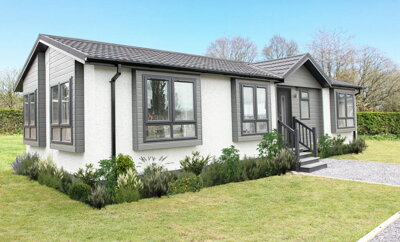
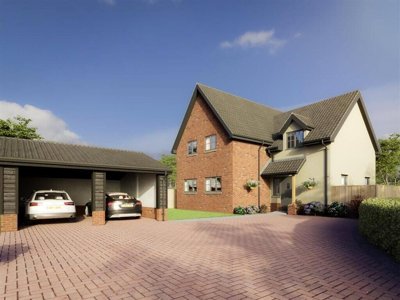
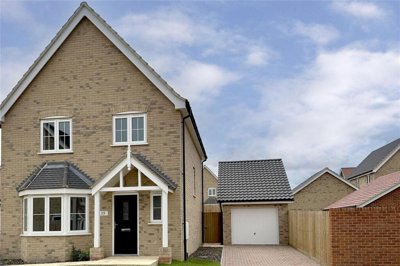
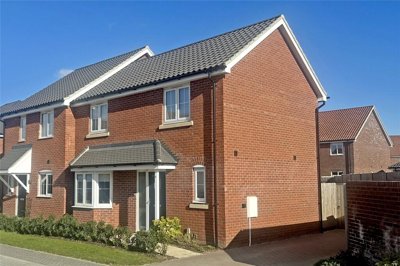
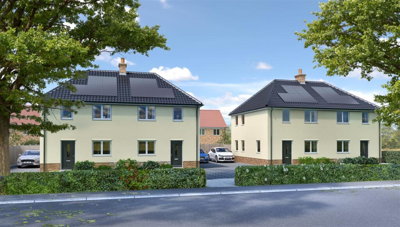
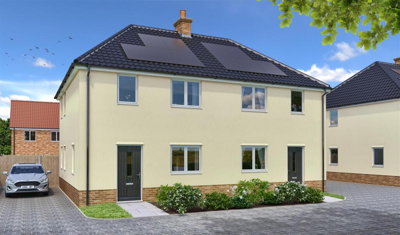
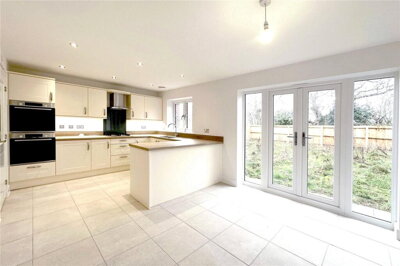
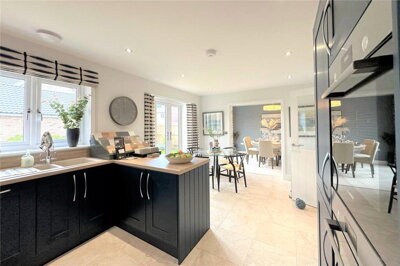
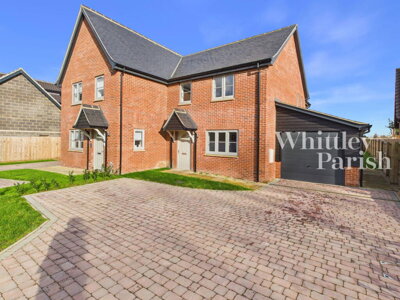
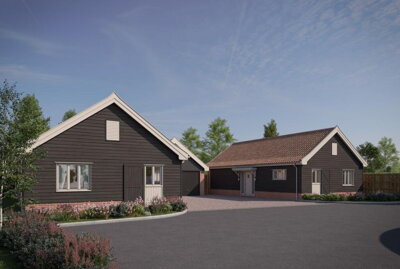
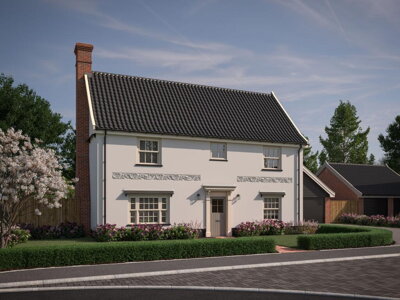
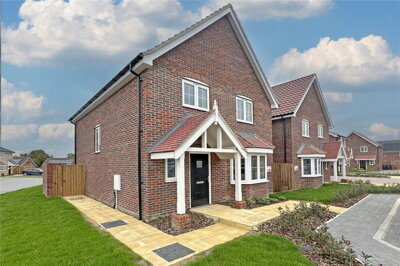
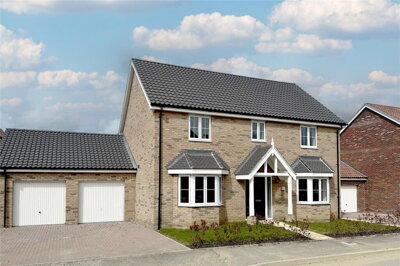
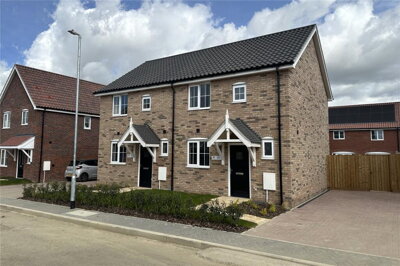
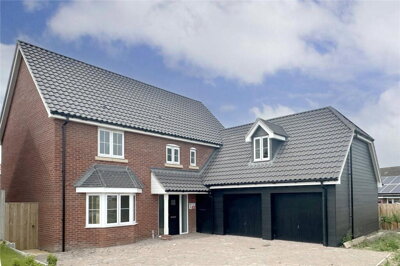
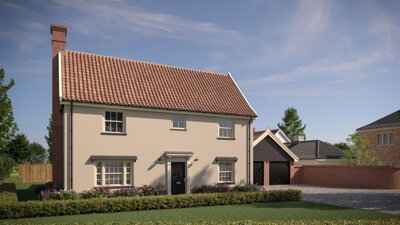
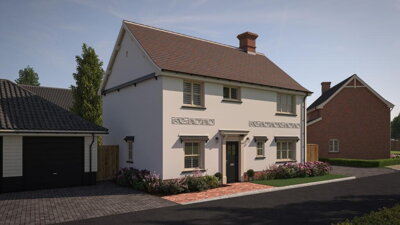
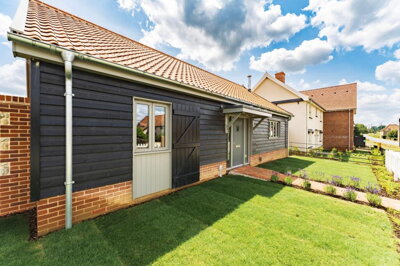
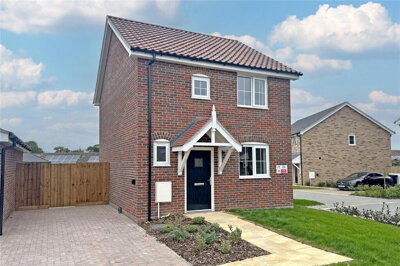
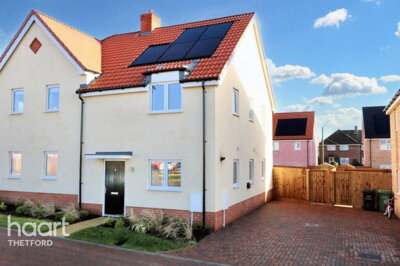
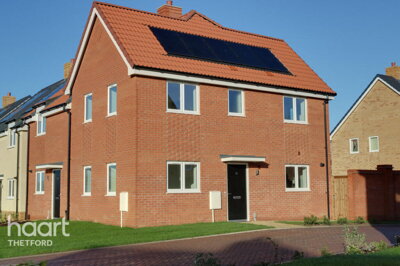
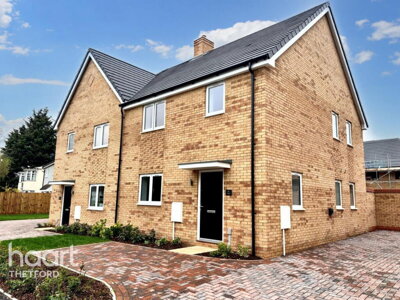
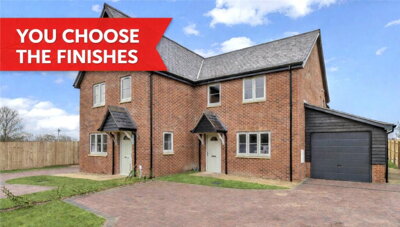
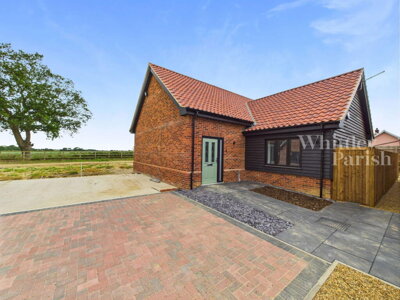
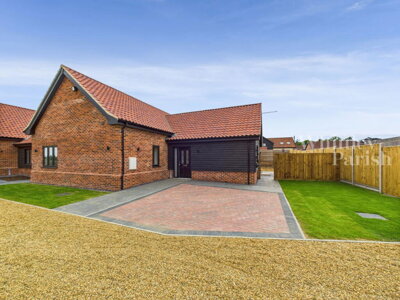
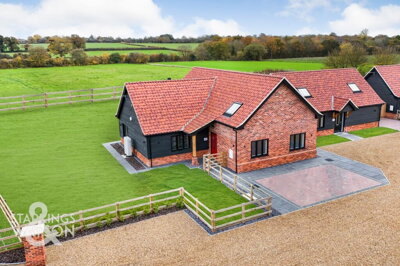
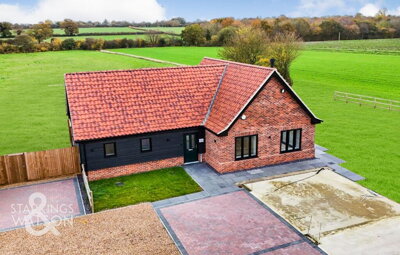
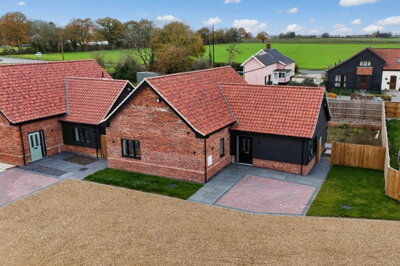
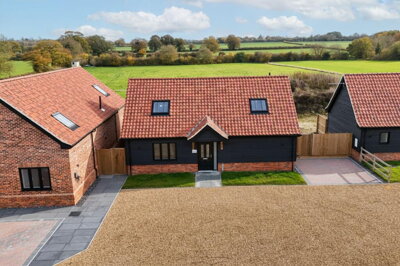
Browse 42 homes new builds in IP22 from local developer agents.
£350k
287
15
142
Source: home.co.uk
Source: home.co.uk
Detached
102 listings
Avg £506,216
Semi-Detached
44 listings
Avg £301,442
Detached Bungalow
26 listings
Avg £392,885
Terraced
16 listings
Avg £222,500
Flat
15 listings
Avg £115,867
Cottage
12 listings
Avg £292,458
House
11 listings
Avg £413,864
End of Terrace
10 listings
Avg £252,000
Chalet
9 listings
Avg £452,778
Park Home
9 listings
Avg £115,444
Source: home.co.uk
Source: home.co.uk
The IP22 property market has demonstrated remarkable resilience despite broader national fluctuations, with house prices showing a modest 2% decline over the past year according to Rightmove data. This represents a gentle correction from the 2022 peak of £366,255, bringing the current average to approximately £349,950. Zoopla reports a similar figure of £357,869, suggesting the market has found a stable equilibrium point that continues to attract buyers seeking quality homes at reasonable prices. The area remains significantly more affordable than many comparable rural locations in the Home Counties, with Mouseprice indicating prices are 9.5% below the national average.
Property types in IP22 cater to a wide range of requirements, from compact flats ideal for first-time buyers at around £109,300 to substantial detached homes commanding average prices of £439,806. Semi-detached properties, popular with families, average £294,843, while terraced homes offer the most accessible entry point at approximately £220,378. This pricing structure means that buyers can often secure considerably more space for their money compared to commuting belt towns surrounding London, with many properties offering generous gardens, outbuildings, and rural views that would cost substantially more in metropolitan areas.
Price performance varies across different parts of the IP22 postcode, with some sub-areas showing stronger appreciation than others. Properties in the IP22 4PL area have increased by 23% since their 2017 peak of £329,375, demonstrating that certain locations within the postcode command premium prices due to their desirability. Meanwhile, other areas like IP22 5TB have experienced larger corrections, with prices 27% down on their 2015 peak of £685,000, potentially creating opportunities for buyers seeking larger properties at more accessible price points.
The current market conditions favour buyers who take time to understand local pricing dynamics. With mortgage rates having stabilised following the 2022-2023 increases and the Bank of England signalling a gradual easing cycle, purchasing confidence is returning to the market. Properties in the IP22 area continue to attract interest from buyers relocating from more expensive regions, providing consistent demand for quality homes across all price ranges and property types.

Diss market town serves as the commercial and social hub for the IP22 postcode, offering a charming blend of independent shops, cafes, and essential services arranged around the distinctive Mere, a large natural lake formed by a medieval peat excavation. The mere spans approximately seven acres and creates a focal point for the town, with a scenic walk around its banks providing residents with daily exercise opportunities and a place to connect with neighbours. The town centre features a weekly market selling local produce, crafts, and everyday goods, while the historic buildings and tree-lined streets create an atmosphere that attracts visitors from surrounding villages.
Local businesses include family-run butchers, bakeries, antique shops, and traditional pubs, providing the kind of community-focused retail experience that larger towns have often lost to national chains. The Corn Exchange hosts community events and exhibitions, while the Regal Theatre provides cultural entertainment with live performances and cinema screenings. Diss Museum chronicles the town's remarkable railway heritage, including its famous locomotive works that once employed hundreds of local residents, and provides fascinating insight into the industrial history that shaped this corner of Norfolk.
The surrounding countryside of South Norfolk and the Suffolk border region offers exceptional opportunities for outdoor recreation, with extensive footpaths, bridleways, and quiet country lanes perfect for walking, cycling, and horse riding. The area encompasses farmland, woodland, and wetland habitats, supporting diverse wildlife and providing residents with beautiful scenery on their doorstep. The nearby towns of Eye, Harleston, and Attleborough offer additional shopping, dining, and entertainment options within easy driving distance, while the Broads National Park lies within reasonable reach for day trips exploring Norfolk's unique wetland landscape.
Community life in the IP22 area thrives through numerous clubs, societies, and events that bring residents together throughout the year. The annual Diss Carnival draws crowds from across the region, while village fetes and agricultural shows celebrate the rural character of the surrounding countryside. Local pubs serve as important social hubs, offering hearty food, real ales, and regular events that help maintain the strong sense of community that defines life in this part of South Norfolk.

Education provision in the IP22 area serves families well, with a selection of primary schools serving the market town and surrounding villages. Diss Junior School and Diss Infant School and Nursery provide education for younger children within the town itself, both benefiting from good reputations and active parent communities that contribute to school life. Village primary schools in locations such as Botesdale, Scole, and Burston serve their local communities with the convenience of shorter journeys for families living in more rural settings. All these schools feed into secondary education at Diss School, creating a clear educational pathway for families choosing to settle in the area.
Diss School provides secondary education and is a popular choice for families in the IP22 area, offering a comprehensive curriculum from Year 7 through to sixth form. The school has earned recognition for its academic programmes and extracurricular activities, including strong provision for sports, arts, and vocational subjects. Many families specifically choose properties in this postcode to access its educational provision, with the school drawing students from across the IP22 area and beyond. The sixth form offers a range of A-level subjects, providing opportunities for students to continue their education locally rather than travelling to larger towns or cities.
For families seeking private education, the surrounding region offers several independent schools at primary and secondary level, with some parents travelling reasonable distances to access particular institutions. Options include St Mary's School in nearby Diss, which provides independent primary education, while several secondary independent schools are accessible from the IP22 area with transport arrangements. Grammar school options in Norwich, including the King Edward VI School and Notre Dame High School, attract academically selective students from across Norfolk, and families should factor commute times into their property search if pursuing these options.
Further education opportunities are readily accessible, with Easton College and Norwich City College providing vocational and academic courses across a wide range of disciplines. University options include the University of East Anglia and University of Norwich, both commutable from the IP22 area, while Cambridge universities are reachable within approximately 90 minutes by car for students willing to commute or those pursuing specialist courses not available locally. The accessibility of quality education at all levels makes IP22 attractive to families planning their children's long-term educational journeys.

Transport connectivity from the IP22 area improved significantly with the upgrading of the A11 dual carriageway, which provides a direct route to Norwich and connections to the A14 for travel to Cambridge and the Midlands. Diss sits at the intersection of the A1066 and A140 roads, offering straightforward access to the wider road network. For commuters working in Norwich, the journey takes approximately 40 minutes, while Cambridge is reachable in around 75 minutes. The A14 provides connections to the motorway network for longer journeys, making the IP22 area increasingly attractive to those who need to access major employment centres while enjoying rural living.
Diss railway station offers regular services on the Norwich to London Liverpool Street route, with journey times to the capital typically taking around 90 minutes to two hours depending on the service selected. Greater Anglia operates the route, with direct trains throughout the day and weekend services that provide flexibility for occasional commuters and leisure travellers alike. The station has good parking facilities, making it practical for residents to drive to the station and complete their London commute by rail. Norwich station provides connections to destinations across East Anglia, including services to Stansted Airport and the Cambridge line.
Local bus services operated by Lynton's and other providers connect Diss with surrounding villages and nearby towns, although frequencies vary considerably across different routes. Some village services operate only two or three times per week, making car ownership important for residents without access to private transport. The market town itself is walkable, with most daily amenities accessible on foot from residential areas, reducing car dependency for local journeys. For those who drive to work, parking provision in Diss town centre is generally adequate, with both public car parks and on-street options available.
Norwich International Airport offers domestic and European flights, located approximately 30 miles from Diss, providing international connectivity for business and leisure travellers. For longer-haul travel, London Stansted Airport is reachable within approximately two hours by car or via the rail network, offering a wider range of destinations. The combination of road, rail, and air connectivity makes the IP22 area practical for those who travel regularly for work while preferring the lifestyle benefits of rural Norfolk living.

Before you begin property viewings in the IP22 area, arrange a mortgage agreement in principle with a lender to understand exactly how much you can borrow. This strengthens your position when making offers and demonstrates to estate agents and sellers that you are a serious buyer. Factor in additional costs including solicitor fees, survey costs, and stamp duty alongside your deposit.
Spend time getting to know different villages and neighbourhoods within the postcode before committing to a purchase. Consider your priorities regarding commute times, school catchment areas, access to amenities, and the type of property that would suit your circumstances. The difference between living in Diss itself versus a surrounding village can significantly affect your daily routine and travel requirements.
Use Homemove to search all properties for sale in IP22, filtering by price range, property type, and number of bedrooms. Set up property alerts to be notified immediately when new listings matching your criteria come to market, as desirable properties in this area can sell quickly, particularly family homes near good schools and character properties in the town centre.
Visit properties that meet your requirements, taking time to assess not just the home itself but also the neighbourhood, noise levels, and potential for future development in the area. When you find the right property, submit a competitive offer through the estate agent, being prepared to negotiate on price or terms if necessary to secure your purchase.
Once your offer is accepted, instruct an RICS Level 2 Survey to assess the property's condition thoroughly. This is particularly important for older properties common in the IP22 area, which may have issues with damp, roofing, structural movement, or traditional construction methods that would not be apparent from a simple mortgage valuation. Budget around £400-600 for a typical three-bedroom property, with additional costs for larger or older homes.
Your solicitor will handle conveyancing, searches, and contract exchange, while your mortgage lender arranges the property valuation. On completion day, the remaining funds are transferred, and you receive the keys to your new home in the IP22 area. Expect the entire process to take approximately three months from offer acceptance to completion, though this can vary depending on chain complexity and mortgage processing times.
Properties in the IP22 area include a significant proportion of older homes built using traditional construction methods that differ considerably from modern standards. Traditional properties in this part of Norfolk and Suffolk commonly feature brick, flint, and timber framing, with external walls finished in render or weatherboarding. Before purchasing any property built before 1950, arrange a thorough RICS Level 2 Survey to identify potential issues such as dampness, timber decay, or structural movement that may not be apparent during a casual viewing. Older properties may also have solid brick walls with inadequate insulation, which affects both comfort and energy costs.
The local geology in parts of the IP22 area includes clay soils that are susceptible to shrink-swell movement, where volume changes in response to moisture content can cause foundation movement and subsidence. Properties with mature trees nearby are particularly at risk, as tree roots extract moisture from the soil during dry periods, causing the clay to shrink and potentially leading to subsidence damage. Our inspectors frequently find evidence of historic movement in older properties, including cracking to walls and sticking doors or windows that indicate the property has adjusted to ground conditions over time. A thorough survey will assess whether past movement has been correctly addressed and whether any ongoing issues require attention.
Flood risk should be investigated for properties near watercourses or in low-lying areas, as the local drainage systems and water management infrastructure can vary considerably across the postcode. Properties near the River Waveney or its tributaries may be at elevated risk during periods of heavy rainfall, and potential buyers should consult the Environment Agency flood maps before committing to a purchase. Planning restrictions in conservation areas and for listed buildings can significantly affect what alterations or extensions are possible, so contact South Norfolk Council or Mid Suffolk District Council to understand any constraints that may apply to properties you are considering.
If your property search includes listed buildings, be aware that these properties require specialist surveys and additional consents for most alterations. Listed buildings in the IP22 area often feature traditional construction that requires careful maintenance, and inappropriate modern materials can cause serious damage by preventing the building from breathing naturally. The RICS Level 3 Building Survey is more appropriate for listed properties, as it provides the detailed assessment needed to understand the property's condition and identify works required to maintain its special character. Service charges and leasehold terms for any flats should be reviewed carefully, and freehold properties with substantial gardens or land should have boundaries clearly defined and rights of access confirmed.

The average house price in IP22 over the past year is approximately £349,950 according to Rightmove data, with Zoopla reporting a similar figure of £357,869. Property prices vary significantly by type, with detached homes averaging around £439,806, semi-detached properties at £294,843, terraced homes at £220,378, and flats at approximately £109,300. The market has shown a modest 2% decline over the past year following a 4% correction from the 2022 peak of £366,255, suggesting the area has found a stable price point that continues to attract buyers seeking value compared to more expensive regions.
Properties in the IP22 postcode fall under South Norfolk Council or Mid Suffolk District Council depending on the specific location within the postcode. Council tax bands in this rural area are generally competitive, with many properties in bands A through D reflecting their modest market values compared to metropolitan areas. You can check the specific band for any property through the Valuation Office Agency website using the property address, and these bands determine the annual council tax payable for services including rubbish collection, road maintenance, and local authority amenities.
Diss School provides secondary education and is a popular choice for families in the IP22 area, offering comprehensive education from Year 7 through sixth form with strong academic and extracurricular programmes. Primary options include Diss Junior School and Diss Infant School and Nursery within the town, plus village primaries at Botesdale, Scole, and Burston for families preferring smaller school settings. Parents should verify current Ofsted ratings and admission catchment areas on the Ofsted website, as these can change and may affect access to preferred schools. Private and grammar school options are available in Norwich, which is commutable from the IP22 area for families seeking academically selective education.
Diss railway station offers regular services to Norwich and London Liverpool Street, with journey times to the capital typically taking 90 minutes to two hours depending on the service selected. Local bus services operated by Lynton's connect Diss with surrounding villages, though frequencies vary on rural routes, with some services running only two or three times weekly. The A11 provides road connections to Norwich and the wider motorway network, making the area reasonably accessible for those with access to a vehicle. Norwich International Airport is approximately 30 miles away, offering domestic and European flights for business and leisure travel.
The IP22 area offers attractive investment potential due to its relative affordability compared to many parts of the South East, combined with good transport links to London. House prices are currently 9.5% below the national average according to Mouseprice, and the modest 2% price correction over the past year suggests market stability rather than decline. Rental demand exists from commuters, local workers, and families seeking the lifestyle benefits of rural Norfolk without requiring large financial commitments, with rental yields likely to be competitive given the lower purchase prices relative to the wider region.
Standard stamp duty rates for 2024-25 apply to properties in IP22, with no duty on purchases up to £250,000, 5% on the portion from £250,001 to £925,000, 10% from £925,001 to £1.5 million, and 12% above £1.5 million. First-time buyers benefit from relief on properties up to £425,000, paying 5% on amounts between £425,001 and £625,000, with no relief above £625,000. Given the average property price of £349,950, many buyers in this area would pay minimal or no stamp duty, making the IP22 postcode particularly accessible for first-time purchasers.
Properties in the IP22 area commonly feature traditional Norfolk and Suffolk construction methods, including brick, flint, and timber framing that characterise many period properties in this part of East Anglia. External finishes often include render or weatherboarding, particularly on older cottages and farmhouses that line the village streets. Modern developments in the area use standard brick and block construction, but the housing stock is predominantly older, meaning buyers should expect construction that differs from contemporary standards and may require more maintenance or specialist knowledge during surveys.
The IP22 area contains numerous listed buildings, particularly within Diss town centre and the surrounding villages where historic properties have been preserved for their architectural interest. Properties listed as Grade II are common, with some notable buildings receiving higher Grade II* or Grade I designations. Any purchase of a listed property requires specialist survey assessment and careful consideration of Listed Building Consent requirements before undertaking alterations or extensions. Our team can arrange a detailed RICS Level 3 Building Survey suitable for historic properties to ensure you understand the implications of owning a listed building.
Understanding the full cost of purchasing property in the IP22 area is essential for budgeting effectively, with stamp duty land tax representing one of the largest additional expenses. For a typical home in IP22 priced around £349,950, standard buyers would pay no stamp duty on the first £250,000 and 5% on the remaining £99,950, bringing the total SDLT to approximately £4,998. First-time buyers purchasing properties under £425,000 may qualify for relief that could reduce or eliminate this cost entirely, making homeownership more accessible for those without existing property assets.
Beyond stamp duty, buyers should budget for solicitor conveyancing fees typically ranging from £500 to £1,500 depending on complexity, with additional costs for leasehold properties or transactions involving right to buy arrangements. Mortgage arrangement fees vary considerably between lenders, ranging from £0 for competitive deals to £2,000 for products with lower interest rates, and borrowers should compare the total cost of each mortgage product rather than focusing solely on the headline rate. Survey costs start from around £400 for an RICS Level 2 Survey on a modest property, rising to £500-600 for typical three-bedroom homes and potentially higher for larger or older properties requiring more detailed assessment.
Moving costs, removals, and potential renovation or furnishing expenses should also be factored into your calculations, with removals companies typically charging between £500 and £2,000 depending on distance and volume of belongings. The relatively affordable nature of the IP22 market compared to many other areas means that buyers often find they have more budget flexibility than they initially anticipated, potentially allowing for property improvements or a higher specification home than initially considered. Properties requiring cosmetic updates or modernisation may be priced accordingly, creating opportunities for buyers willing to undertake improvement works to secure properties below market value.

Properties New Builds In London

Properties New Builds In Plymouth

Properties New Builds In Liverpool

Properties New Builds In Glasgow

Properties New Builds In Sheffield

Properties New Builds In Edinburgh

Properties New Builds In Coventry

Properties New Builds In Bradford

Properties New Builds In Manchester

Properties New Builds In Birmingham

Properties New Builds In Bristol

Properties New Builds In Oxford

Properties New Builds In Leicester

Properties New Builds In Newcastle

Properties New Builds In Leeds

Properties New Builds In Southampton

Properties New Builds In Cardiff

Properties New Builds In Nottingham

Properties New Builds In Norwich

Properties New Builds In Brighton

Properties New Builds In Derby

Properties New Builds In Portsmouth

Properties New Builds In Northampton

Properties New Builds In Milton Keynes

Properties New Builds In Bournemouth

Properties New Builds In Bolton

Properties New Builds In Swansea

Properties New Builds In Swindon

Properties New Builds In Peterborough

Properties New Builds In Wolverhampton

Enter your details to see if this property is within your budget.
Loans, cards, car finance
Estimated property budget
Borrowing + deposit
You could borrow between
Typical borrowing
Monthly repayment
Est. at 4.5%
Loan-to-value
This is an estimate only. Your actual budget may vary depending on interest rates, credit history, and personal circumstances. For an accurate affordability assessment, speak to one of our free mortgage advisors.
This calculator provides estimates for illustrative purposes only and does not constitute financial advice. Your home may be repossessed if you do not keep up repayments on your mortgage. Estimates based on 4.5% interest rate, repayment mortgage. Actual rates depend on your circumstances.
Homemove is a trading name of HM Haus Group Ltd (Company No. 13873779, registered in England & Wales). Homemove Mortgages Ltd (Company No. 15947693) is an Appointed Representative of TMG Direct Limited, trading as TMG Mortgage Network, which is authorised and regulated by the Financial Conduct Authority (FRN 786245). Homemove Mortgages Ltd is entered on the FCA Register as an Appointed Representative (FRN 1022429). You can check registrations at NewRegister or by calling 0800 111 6768.

We use cookies to show you personalised content and improve your experience of our website. Find out more in our Privacy policy and Cookie policy.