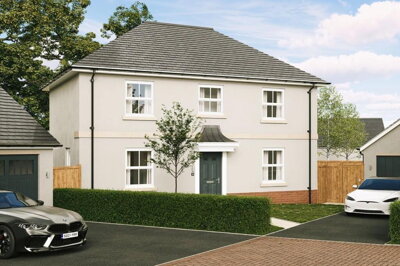
Browse 4 homes new builds in Ilsington, Teignbridge from local developer agents.
The larger property sector typically features multiple bathrooms, substantial reception space, and private gardens or off-street parking. Four bedroom houses in Ilsington span detached, semi-detached, and occasionally terraced configurations, with styles ranging from period properties to modern executive homes.
£595k
5
0
127
Source: home.co.uk
Showing 5 results for 4 Bedroom Houses new builds in Ilsington, Teignbridge. The median asking price is £595,000.
Source: home.co.uk
Detached
3 listings
Avg £673,333
Semi-Detached
1 listings
Avg £325,000
Terraced
1 listings
Avg £675,000
Source: home.co.uk
Source: home.co.uk
The Ilsington property market has demonstrated steady growth, with house prices increasing by 1% over the past 12 months according to Rightmove data. This modest but consistent rise indicates a healthy market that continues to attract buyers seeking the Dartmoor lifestyle without the volatility seen in larger urban areas. The overall average property price stands at £544,250, with detached properties averaging £628,333 and semi-detached homes at £350,000, demonstrating the premium that buyers place on space and privacy in this rural setting.
Property sales activity in Ilsington remains modest, with 6 transactions completing in the last 12 months, which is typical for a village of its size. This limited supply means that desirable properties can move quickly, making it essential for buyers to be prepared with mortgage agreement in principle before viewing. The market is characterised by traditional stone-built properties, many dating from the pre-1919 era, offering character features such as original fireplaces, beam ceilings, and thick granite walls that are increasingly sought after by buyers tired of modern developments.
New build development activity within the Ilsington postcode area remains minimal, with no active developments verified through local planning portals. For buyers seeking modern construction, the nearest new build opportunities are more likely to be found in larger neighbouring towns like Newton Abbot or Bovey Tracey. However, many buyers find that the charm of an older property in Ilsington, with its authentic Dartmoor character and often generous plot sizes, more than compensates for the absence of new build options.
The housing stock in Ilsington reflects its rural character and historic origins. Detached properties dominate the landscape, with semi-detached homes forming a smaller proportion of available housing. Terraced properties are relatively rare in the village, and flats are virtually non-existent given the predominantly low-density development pattern. This housing mix means that buyers searching for a Ilsington home for sale are most likely to encounter stone-built detached cottages and substantial period farmhouses rather than the terraced rows or apartment blocks found in urban centres.

Ilsington sits at the gateway to Dartmoor National Park, offering residents direct access to one of Britain's finest landscapes while maintaining proximity to the amenities of surrounding towns. The parish is characterised by its rolling hills, winding lanes, and traditional Devon farmland, creating a landscape that has changed little over centuries. The village itself clusters around the historic Church of St Michael, a Grade I listed building that serves as both a spiritual centre and the area's long history. Scattered throughout the parish are numerous Grade II listed farmhouses and cottages, many built from the local granite that defines Dartmoor's built environment.
The local economy of Ilsington revolves primarily around agriculture and tourism, sectors that have shaped the community for generations. Many residents work in the agricultural sector, managing farms that produce livestock and crops typical of south-west England, while others benefit from the steady stream of visitors drawn to Dartmoor's walking trails, historic sites, and natural beauty. The tourism economy supports local businesses including pubs, farm shops, and craft outlets, providing essential services to both residents and visitors while maintaining the village's traditional character.
Community life in Ilsington centres on the village hall, local pub, and parish church, where events throughout the year bring residents together. The village benefits from an active community spirit, with organised activities ranging from harvest festivals to summer fetes that maintain the social fabric that larger communities often lack. For families, the village offers a safe environment for children to grow up, with the freedom to explore the surrounding countryside that modern life frequently denies to young people in urban areas.
The surrounding Dartmoor landscape provides endless opportunities for outdoor recreation, with extensive public footpaths, bridleways, and open moorland right on the doorstep. Residents can explore ancient stone circles, visit historic manor houses, or simply enjoy the dramatic views that have inspired artists and writers for centuries. The River Lemon and its tributaries wind through the parish, adding to the scenic beauty while also creating areas where prospective buyers should consider flood risk when evaluating properties.

Families considering a move to Ilsington will find educational options within the parish and the surrounding Teignbridge area. The village is served by Ilsington Church of England Primary School, a small rural school that provides quality education for children from reception through to Year 6. Primary school education in the area emphasises the close relationship between school and community that smaller settings can offer, allowing teachers to provide individual attention that larger schools may struggle to match. Parents should research current Ofsted ratings and visit schools personally to assess suitability for their children's specific needs.
Secondary education options for Ilsington families include schools in the surrounding towns, with students typically travelling to institutions in Newton Abbot, Bovey Tracey, or further afield. The nearby town of Newton Abbot offers several secondary school options, including grammar school provision for academically gifted students who pass the entrance examination. Transport arrangements for secondary students are managed through the local education authority, with school bus services connecting Ilsington to schools across the Teignbridge district.
For families with sixth form or further education requirements, the greater Exeter area provides an excellent range of options, including grammar school sixth forms, sixth form colleges, and further education institutions offering vocational courses. The proximity of Exeter, approximately 20 miles from Ilsington, opens up opportunities for older students to access higher education at the University of Exeter while benefiting from the quality of life that Dartmoor village living provides. Many parents find that the combination of primary education in the village followed by selective secondary provision in nearby towns offers the best of both worlds for their children's educational journey.
When evaluating schools for children moving to Ilsington, parents should also consider the admissions criteria and catchment areas that apply to their specific circumstances. Devon County Council manages school admissions for primary and secondary phases, with policies that can affect placement eligibility depending on proximity to schools and sibling connections. Given the rural nature of Ilsington, some families may find that their nearest preferred school requires a longer daily journey, making early research into admission arrangements essential before committing to a property purchase.
Transport connections from Ilsington reflect its rural village character, with residents typically relying on private vehicles as the primary means of transport. The village sits approximately 5 miles from the market town of Newton Abbot, which provides access to mainline railway services connecting to Exeter, Plymouth, and Bristol. Newton Abbot railway station offers regular services to major cities, making it practical for commuters working in larger urban centres while enjoying countryside living. For those working in Exeter, the A38 and A382 roads provide a reasonably direct route, though journey times will naturally be longer than from more centrally located towns.
Bus services connect Ilsington with surrounding villages and towns, providing essential access for those without private vehicles. The local bus network, while not as frequent as urban services, offers connections to Newton Abbot, Bovey Tracey, and other nearby settlements, allowing residents to access shopping, healthcare, and other essential services without a car. However, prospective buyers without private transport should carefully review current bus timetables and consider whether the service frequency meets their practical needs, particularly for regular commuting or school transport.
Cycling and walking are popular modes of transport for local journeys within the parish and for accessing the wider Dartmoor landscape. The network of public footpaths and bridleways throughout the area provides excellent opportunities for recreational travel and commuting on foot or by bicycle, particularly during the summer months. Many residents combine active travel with public transport for longer journeys, parking at Newton Abbot station before catching trains to destinations further afield. This multimodal approach to commuting reflects the practical reality of rural living in the Dartmoor fringe area.
For commuters working in Exeter or Plymouth, regular rail services from Newton Abbot offer a viable alternative to daily driving, with journey times to Exeter taking approximately 30 minutes. Those working in Bristol or London can access the national rail network from Newton Abbot, with direct services to major hub stations. The village's position relative to the A38 provides relatively straightforward access to the wider motorway network, though traffic on country lanes approaching the dual carriageway can be slow during peak hours.
Before beginning your property search in Ilsington, obtain a mortgage agreement in principle from a lender. This document confirms how much you can borrow and demonstrates to sellers that you are a serious buyer, which is particularly important in a village market where properties can sell quickly to well-prepared buyers.
Use Homemove to browse current listings in Ilsington and surrounding villages. Understand the price ranges for different property types, from stone cottages to detached family homes, and identify areas of the parish that best match your requirements. Consider factors such as proximity to the village centre, access to schools, and views of Dartmoor when narrowing your search.
Contact estate agents to arrange viewings of properties that interest you. In Ilsington, viewings often include viewing the inside of a property and discussing its history, previous renovations, and any issues the current owners are aware of. Take time to visit the village at different times of day and speak to local residents to gauge the community atmosphere.
For older properties in Ilsington, which make up the majority of the housing stock, a RICS Level 2 Survey is essential. This inspection will identify defects common to granite-built properties such as damp in solid walls, roof condition issues, and the state of traditional construction methods. Survey costs for a 3-bedroom detached property typically range from £450 to £700 in the Devon area.
Once your offer is accepted, instruct a solicitor to handle the legal aspects of your purchase. Your solicitor will conduct searches with Teignbridge District Council, investigate the property's title, and manage the contract process. Budget for legal fees from around £499 for standard conveyancing work, plus local authority search fees.
Your solicitor will handle the exchange of contracts once all searches are satisfactory and your mortgage is finalised. On completion day, the remaining balance is transferred, and you receive the keys to your new home in Ilsington. Plan your move carefully, particularly if travelling from further away, as rural removals can require advance booking with specialist companies.
Properties in Ilsington require careful inspection due to the age and traditional construction methods common throughout the parish. The Dartmoor granite geology provides generally stable building conditions, but areas with clay-rich soils derived from weathered shales can experience shrink-swell movement that affects foundations. A thorough survey is essential, particularly for older properties that may show signs of historic movement or have had limited structural maintenance in recent years. Understanding the specific ground conditions of a plot before purchasing can prevent unexpected foundation issues down the line.
Flood risk in Ilsington is concentrated around the River Lemon and its tributaries, where properties in low-lying positions adjacent to watercourses may be at risk of fluvial flooding during periods of heavy rainfall. Surface water flooding can also occur on steeply sloped ground where water runs rapidly downhill, so prospective buyers should check the Environment Agency flood maps and consider the elevation and drainage of any garden or outdoor space. Buildings insurance costs can be significantly higher for properties in identified flood risk areas, a factor that should be included in your overall budget calculation.
Properties within Dartmoor National Park, including many in Ilsington, are subject to strict planning controls designed to preserve the natural and built environment. Any modifications or extensions to listed buildings require consent from the National Park Authority, and standard planning permissions may be more restricted than in non-national park areas. Buyers considering renovation or extension projects should discuss their plans with Teignbridge planning department and the Dartmoor National Park Authority before committing to a purchase, as planning restrictions can significantly affect a property's potential and value.
The predominant construction materials in Ilsington properties include local granite, rendered stone, and traditional cob construction. Cob buildings, made from a mixture of clay, sand, and straw, are particularly characteristic of the Devon landscape but require careful assessment for signs of erosion at the base and cracking in external walls. Properties built before the year 2000 may contain asbestos-containing materials in areas such as pipe insulation, floor tiles, or roof cladding, which our surveyors will identify during a thorough inspection. The granite bedrock underlying most of the parish provides excellent stability for building foundations, though historical mining activity in the wider Dartmoor area means that our inspectors will check for any signs of underground voiding that could affect ground conditions.
The average house price in Ilsington is currently £544,250 according to Rightmove data. Detached properties average £628,333 while semi-detached homes average £350,000. House prices have increased by 1% over the past 12 months, indicating a stable market with consistent demand for Dartmoor fringe properties. The premium for detached properties reflects the generous plot sizes and rural settings that characterisation of the village.
Properties in Ilsington fall under Teignbridge District Council, with most homes in the village likely to be in council tax bands B through E. Band A properties are less common in rural villages due to the age and size of the housing stock, while bands F and G are typically reserved for higher value properties. You can check the specific band for any property through the Teignbridge Council website or your solicitor during the conveyancing process. Council tax contributions fund local services including education, refuse collection, and local authority facilities across the Teignbridge district.
Ilsington Church of England Primary School serves the village for children aged 4-11, providing a community-focused education within walking distance of most properties in the parish. Secondary options in the wider Teignbridge area include schools in Newton Abbot, with grammar school places available for students who pass the entrance examination at schools such as Coombeshead Academy and Torquay Boys' Grammar School. The quality of individual schools should be verified through current Ofsted reports, as school performance can change over time and catchment areas may affect placement eligibility for families considering specific properties.
Public transport connections from Ilsington are limited, reflecting its rural village status. The nearest railway station is Newton Abbot, approximately 5 miles away, offering mainline services to Exeter, Plymouth, Bristol, and beyond with journey times of around 30 minutes to Exeter Central. Bus services connect Ilsington with surrounding villages and towns including Bovey Tracey and Heathfield, though frequencies are lower than urban routes with services perhaps running two or three times daily on certain routes. Most residents rely on private vehicles for daily transport, and this should be factored into your decision if you do not drive or work in locations not served by the current bus network.
Property in Ilsington can be a sound investment for those seeking long-term appreciation and the lifestyle benefits of Dartmoor living. The 1% annual price increase indicates steady rather than spectacular growth, typical of rural markets where limited supply meets persistent demand from buyers seeking countryside living. Rental demand in the village is likely modest given the limited local employment opportunities, making buy-to-let investments less attractive than in towns with stronger rental markets. However, the enduring appeal of Dartmoor National Park fringe living ensures that properties in Ilsington maintain their value relative to broader regional trends.
Stamp duty rates for 2024-25 are 0% on the first £250,000 of purchase price, 5% on £250,001 to £925,000, 10% on £925,001 to £1.5 million, and 12% on any amount above £1.5 million. First-time buyers pay 0% on the first £425,000, 5% on £425,001 to £625,000, with no relief above £625,000. On the average Ilsington property price of £544,250, a standard buyer would pay £14,712 in stamp duty, while a first-time buyer would pay £5,962. These calculations should be verified with HMRC or your solicitor, as rates can change with each financial statement.
Properties in Ilsington, being predominantly older construction, commonly show signs of damp in solid walls, roof condition issues with slate or tile coverings, and outdated electrical wiring that does not meet current standards. Timber defects including woodworm and dry rot can occur in older properties, particularly where maintenance has been neglected. Our inspectors frequently find that traditional cob construction requires assessment for surface erosion and structural integrity, while properties with large nearby trees may show foundation movement related to moisture changes in clay soils. Properties built before 2000 should be assessed for potential asbestos-containing materials in insulation, floor coverings, or roof materials.
Budgeting for stamp duty is an essential part of planning your Ilsington property purchase. For a typical detached home at the village average of £544,250, standard buyers pay £14,712 in SDLT. First-time buyers benefit from increased thresholds, reducing this to £5,962, representing significant savings for those who qualify. These calculations should be performed early in your planning process to ensure you have sufficient funds available beyond your mortgage deposit and other purchase costs.
Beyond stamp duty, purchasing a property in Ilsington involves several additional costs that can add substantially to your budget. Survey fees for a RICS Level 2 HomeBuyer Report typically range from £450 to £700 for a 3-bedroom detached property in the Devon area, depending on the property's value and complexity. Conveyancing fees start from around £499 for standard transactions, plus disbursements for local authority searches with Teignbridge District Council, land registry fees, and bankruptcy checks, which together can amount to several hundred pounds.
For properties within Dartmoor National Park or listed buildings, buyers should budget for potentially higher survey costs if specialist inspections prove necessary. Heritage properties may require a more detailed RICS Level 3 Building Survey rather than a standard Level 2, which increases costs but provides the thorough investigation that historic construction requires. Factor in removals costs, which can be higher for rural locations due to limited access and longer travel distances, and consider buildings insurance from completion day onwards, particularly for older properties that may attract higher premiums.
When calculating your total budget, remember to include mortgage arrangement fees, which can range from nothing to around £2,000 depending on the lender and product chosen. Surveyor fees for a RICS Level 2 Survey on a 3-bedroom detached property in the Ilsington area typically fall between £450 and £700, with larger or more complex period properties at the higher end of this range. Your solicitor will also conduct local authority searches with Teignbridge District Council, environmental searches, and drainage enquiries, which collectively can cost between £200 and £400 in disbursements.
From 4.5% APR
Get competitive mortgage deals for your Ilsington purchase
From £499
Expert legal services for your property purchase
From £450
Detailed inspection for Ilsington properties
From £80
Energy performance certificate for your new home
Properties New Builds In London

Properties New Builds In Plymouth

Properties New Builds In Liverpool

Properties New Builds In Glasgow

Properties New Builds In Sheffield

Properties New Builds In Edinburgh

Properties New Builds In Coventry

Properties New Builds In Bradford

Properties New Builds In Manchester

Properties New Builds In Birmingham

Properties New Builds In Bristol

Properties New Builds In Oxford

Properties New Builds In Leicester

Properties New Builds In Newcastle

Properties New Builds In Leeds

Properties New Builds In Southampton

Properties New Builds In Cardiff

Properties New Builds In Nottingham

Properties New Builds In Norwich

Properties New Builds In Brighton

Properties New Builds In Derby

Properties New Builds In Portsmouth

Properties New Builds In Northampton

Properties New Builds In Milton Keynes

Properties New Builds In Bournemouth

Properties New Builds In Bolton

Properties New Builds In Swansea

Properties New Builds In Swindon

Properties New Builds In Peterborough

Properties New Builds In Wolverhampton

Enter your details to see if this property is within your budget.
Loans, cards, car finance
Estimated property budget
Borrowing + deposit
You could borrow between
Typical borrowing
Monthly repayment
Est. at 4.5%
Loan-to-value
This is an estimate only. Your actual budget may vary depending on interest rates, credit history, and personal circumstances. For an accurate affordability assessment, speak to one of our free mortgage advisors.
This calculator provides estimates for illustrative purposes only and does not constitute financial advice. Your home may be repossessed if you do not keep up repayments on your mortgage. Estimates based on 4.5% interest rate, repayment mortgage. Actual rates depend on your circumstances.
Homemove is a trading name of HM Haus Group Ltd (Company No. 13873779, registered in England & Wales). Homemove Mortgages Ltd (Company No. 15947693) is an Appointed Representative of TMG Direct Limited, trading as TMG Mortgage Network, which is authorised and regulated by the Financial Conduct Authority (FRN 786245). Homemove Mortgages Ltd is entered on the FCA Register as an Appointed Representative (FRN 1022429). You can check registrations at NewRegister or by calling 0800 111 6768.

We use cookies to show you personalised content and improve your experience of our website. Find out more in our Privacy policy and Cookie policy.