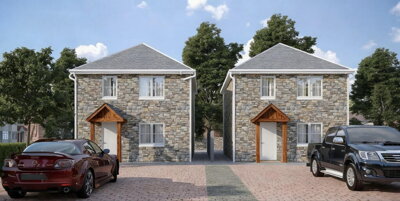
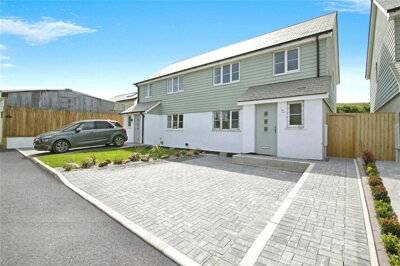
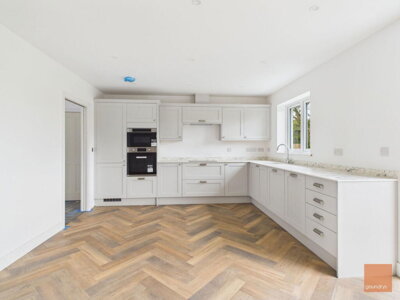
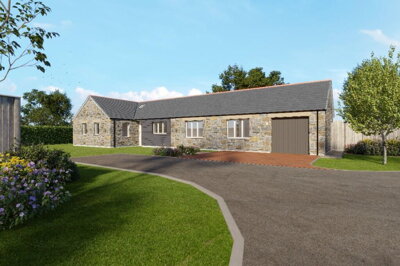
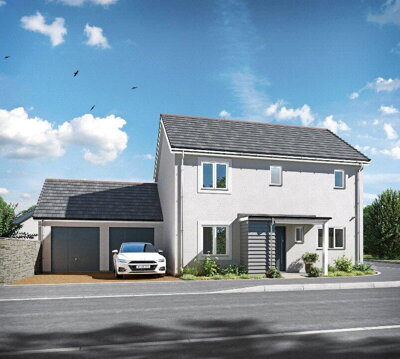
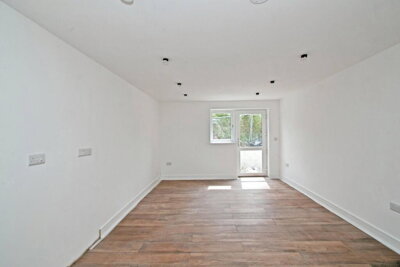
Browse 6 homes new builds in Illogan, Cornwall from local developer agents.
Three bedroom properties represent a significant portion of the Illogan housing market, offering space for families with multiple reception rooms and gardens in many cases. Browse detached, semi-detached, and terraced options ranging across new residential developments.
£290k
6
0
102
Source: home.co.uk
Showing 6 results for 3 Bedroom Houses new builds in Illogan, Cornwall. The median asking price is £289,950.
Source: home.co.uk
Semi-Detached
3 listings
Avg £291,650
Terraced
2 listings
Avg £257,475
Detached
1 listings
Avg £375,000
Source: home.co.uk
Source: home.co.uk
The Bulwick property market reflects the village's position as a premium rural location within North Northamptonshire. Our current listings showcase properties ranging from traditional stone cottages to substantial period homes, with sale prices in the wider NN17 postcode area spanning from around £130,050 for smaller leasehold properties to over £794,602 for larger family homes with generous grounds. The average sold price in Bulwick stands at approximately £630,000, representing a market that has experienced a modest 1.6% correction over the past twelve months following a sustained period of growth. This slight softening offers thoughtful buyers an opportunity to enter a market that has demonstrated strong long-term fundamentals.
Historical transaction data from the NN17 area indicates approximately 16 property sales recorded since 1995, though this figure encompasses the broader postcode rather than the village itself. The housing stock in Bulwick skews heavily towards older, characterful properties, with numerous homes dating back to the 17th and 18th centuries. Detached properties command the highest values, particularly those with Listed status or positioned within the Conservation Area. Semi-detached and terraced cottages provide more accessible entry points to the village market, though such properties appear less frequently given Bulwick's predominantly scattered settlement pattern.
New build activity in Bulwick remains extremely limited, with no active residential developments currently underway in the NN17 3 postcode sector. This absence of new housing stock means that buyers seeking property in the village must look to the existing housing stock, which includes historic farmhouses, converted agricultural buildings, and traditionally constructed village homes. The distinctive building materials seen throughout the village include coursed rubble with freestone dressings, ashlar, brick, timber lintels, and thatch, reflecting the local geology and creating architectural consistency that buyers rarely encounter in modern developments. For purchasers prioritising character and heritage over modern conveniences, this scarcity of new-build supply actually enhances the appeal of period properties in the village.

Life in Bulwick offers a rare opportunity to experience traditional English village life within one of North Northamptonshire's most historically significant parishes. The village takes its name from the Old English "Bilwic," suggesting an ancient settlement site, and archaeological evidence indicates continuous habitation since at least the 17th century when records show 99 families residing here. Today, with a population of approximately 161, the community maintains an intimate scale that fosters genuine neighbourly connections while still offering access to essential services through the well-preserved village stores and post office. The surrounding landscape comprises limestone and boulder clay plateau, with pockets of free-draining sandy soils on exposed ironstone outcrops creating varied terrain for walkers and nature enthusiasts to explore.
Bulwick Estates serves as a significant landowner within the parish, actively managing commercial arable crops and environmental schemes while undertaking substantial environmental enhancement projects across their holdings. The estate's commitment to conservation is evident throughout the village, from the carefully maintained historic buildings to the restoration of floodplain meadows along the River Welland. Local initiatives have converted cultivated land to grassland and created habitat areas that were once vulnerable to soil wash, demonstrating the community's dedication to preserving the natural environment for future generations. The Willow Brook, which crosses the parish, and the nearby River Welland contribute to the area's scenic beauty while providing important ecological corridors.
The village's architectural heritage is exceptional, with a Conservation Area encompassing much of the historic settlement. The Grade I listed Church of St Nicholas dominates the skyline, its construction featuring coursed rubble with freestone dressings and a tower built of ashlar. Nearby, Bulwick Hall represents Georgian architecture at its finest, dating from around 1730 with significant 19th-century additions while incorporating even earlier elements from 1676. Traditional building materials throughout the village reflect the local geology, including the distinctive coursed rubble, freestone, and ashlar seen in the Church, along with brick, timber lintels, and thatch used in domestic properties. A brick kiln was established in the south of the parish by 1845, using Lower Estuarine clays, demonstrating the village's historical connection to local building material production. This architectural consistency creates a streetscape of considerable visual harmony that residents work actively to preserve.

Families considering a move to Bulwick will find educational provision available within reasonable driving distance, though the village itself does not host a school. The nearest primary schools serve the surrounding villages and smaller communities, with parents typically travelling to nearby towns for early years education. The village falls within the catchment areas for primary schools in the surrounding North Northamptonshire region, and the local authority maintains clear admission policies that parents should consult when planning a move. Many families choose to supplement local provision with independent schooling options available in the wider county, and registering interest early with preferred schools is advisable given the competitive nature of placements in sought-after educational establishments.
Secondary education in the area centres on schools in nearby market towns, with secondary schools offering comprehensive curricula and strong academic records. The proximity of Corby, Kettering, and Stamford provides families with multiple options for secondary education, and school transport links connect Bulwick to these establishments. Parents should research current Ofsted ratings and admission criteria for schools they are considering, as catchment areas and oversubscription criteria can significantly impact placement decisions. Sixth form provision is available at secondary schools in nearby towns, offering a range of A-level and vocational courses that cater to different academic pathways and career aspirations.
For families prioritising academic excellence, independent schools in the region provide additional options. Schools in Stamford, Oakham, and other nearby towns have established reputations for high standards and strong examination results. These institutions typically require registration and assessment for entry, so prospective parents should initiate enquiries well before any planned move. The village's position between multiple towns gives families valuable flexibility in school choice, though this does mean accepting some travel commitments for children of school age. Planning for school transport and understanding the time implications of daily journeys should form part of any move decision for families with school-age children.
Bulwick occupies a relatively rural position in North Northamptonshire, with transport connections that reflect its village status. The nearest railway stations are located in Corby and Kettering, offering East Midlands Railway services connecting to London St Pancras International, Leicester, Nottingham, and other major destinations. Corby station provides regular services to the capital, with journey times of approximately one hour making day commuting feasible for those working in London. Kettering station offers similar connectivity with additional routes to Birmingham and the wider rail network. Car ownership is considered essential for daily life in Bulwick, given the limited public transport options serving the village itself.
Road connections from Bulwick provide access to the broader regional network, with the A43 passing nearby and connecting to the A14, which runs from the M1 to the East Coast ports. The A14 provides direct access to Northampton, Cambridge, and Felixstowe, making Bulwick reasonably well-connected for logistics and distribution workers. The village's position between Corby and Stamford offers convenient access to both towns for everyday amenities, shopping, and employment. Local bus services operate between villages, though frequency is limited and may not suit those dependent on public transport for regular commuting. Those considering Bulwick as a primary residence should factor in the need for reliable personal transport as a practical necessity rather than an optional convenience.
For cyclists, the Northamptonshire countryside offers both challenges and rewards, with rolling terrain and scenic routes through farmland and villages. National Cycle Network routes pass through the region, connecting Bulwick to surrounding communities and providing off-road options for recreational cycling. Walking routes are well-established, with public footpaths crossing farmland and connecting the village to neighbouring settlements. The combination of road, rail, and active travel options means that while Bulwick is undeniably rural, it remains accessible to those willing to plan their travel arrangements accordingly. Weekend excursions to local market towns or countryside destinations are popular among residents who appreciate the slower pace of village life while maintaining connections to urban amenities.
Begin by exploring our current listings for Bulwick properties and understanding the village's property market dynamics. With average prices around £630,000 and limited stock, identifying suitable properties early gives buyers a competitive advantage in this sought-after village location. The NN17 postcode area has demonstrated consistent growth of 40.3% over the past decade, suggesting stable long-term demand for quality village properties.
Once you have identified properties of interest, arrange viewings through the estate agents listing each property. Before making offers, obtain a mortgage agreement in principle from a lender to demonstrate your purchasing capacity to sellers. Given the premium nature of the Bulwick market and the likelihood of period properties requiring specialist lending considerations, securing your mortgage position early is particularly important.
When you find your ideal Bulwick home, submit an offer through the selling agent. Given the village's character and limited turnover, be prepared for negotiation on price and conditions. Your offer should reflect comparable sales, property condition, and any specialist considerations for period properties with Listed status or Conservation Area implications. Properties with specific heritage features may require additional negotiation on maintenance obligations.
Before completing your purchase, arrange an appropriate property survey. Given Bulwick's heritage properties and potential ground conditions, a RICS Level 2 or Level 3 survey is strongly recommended to identify any structural concerns or maintenance issues in period homes. Historical mining activity in the area has left over 500 acres of poorly restored ground, making thorough survey assessment essential for properties in affected locations.
Choose a solicitor experienced in rural property transactions to handle the legal aspects of your purchase. They will conduct searches, handle contract negotiations, and manage the registration process with the Land Registry. Specialist searches including mining, drainage, and environmental assessments should be included given the local geology and historical land use.
Once all searches are satisfactory and finances are confirmed, your solicitor will exchange contracts and agree a completion date. On completion day, the remaining balance is transferred and you receive the keys to your new Bulwick home. Buildings insurance must be in place from this date, and many mortgage lenders require proof of insurance before releasing funds.
Purchasing property in Bulwick requires careful consideration of factors specific to this historic Northamptonshire village. Many properties fall within or adjacent to the designated Conservation Area, which imposes planning restrictions on alterations, extensions, and exterior changes. Prospective buyers should review the Conservation Area designation details with their solicitor and familiarise themselves with permitted development rights, which may be more limited than in non-designated areas. Planning consent requirements tend to be more stringent, and any plans for modifications should be discussed with the local planning authority before committing to a purchase. The concentration of listed buildings including Grade I and Grade II* structures demonstrates the village's exceptional heritage value, and properties in proximity may be subject to additional heritage considerations.
The age and construction of Bulwick's housing stock warrants thorough investigation during the survey process. Properties built using traditional materials such as coursed rubble, ashlar, thatch, and timber lintels require specialist maintenance knowledge and may present issues unfamiliar to buyers from newer housing stock. The presence of boulder clay locally indicates potential for shrink-swell ground movement, which can affect foundations and cause structural movement in susceptible properties. Historical mining activity associated with the Corby steel industry has left over 500 acres of poorly restored ground in the area, and a mining search should be included in your conveyancing process. Properties in areas of poorly restored ground may face elevated risks of subsidence or ground instability that require professional assessment.
Flood risk assessment is essential for properties near the Willow Brook or River Welland, with historical records indicating areas vulnerable to soil wash and flood risk. Your survey should address drainage and any history of water ingress. For Listed buildings, additional considerations apply regarding permitted works, specialist insurance requirements, and eligibility for heritage maintenance grants. Service charges, ground rent, and leasehold terms should be verified for any flat or leasehold property, while freehold properties should be checked for any shared driveway arrangements or common land access rights common in villages of this age. Properties with thatched roofs, such as those at Home Farm, require specialist insurance and ongoing maintenance provisions that buyers should factor into their overall cost calculations.
The average sold price for property in Bulwick is approximately £630,000 according to recent transaction data. Properties in the wider NN17 postcode area have ranged from around £130,050 for smaller leasehold flats to over £794,602 for larger detached family homes. House prices in the NN17 area have increased by approximately 40.3% over the past decade, though the local market has experienced a modest 1.6% correction over the past twelve months. Detached properties with Listed status or Conservation Area positioning command the highest values in the village, while period cottages provide more accessible entry points to this sought-after market.
Bulwick falls under North Northamptonshire Council administration. Council tax bands in rural villages like Bulwick typically include a good distribution across bands A through F, though specific property bands depend on the valuation of individual homes. Period properties and larger family homes often fall into higher bands (E, F, or G) due to their historical value and generous proportions. Prospective buyers should verify the council tax band for any specific property through the local authority or Land Registry records, and should factor ongoing council tax obligations into their household budgeting alongside mortgage and maintenance costs.
Bulwick village does not have its own school, so families typically travel to schools in nearby towns. Primary schools in the surrounding villages serve the local catchment area, while secondary education options include schools in Corby, Kettering, and Stamford. Several well-regarded independent schools are accessible in the wider region, including establishments in Stamford and Oakham that have strong academic reputations. School transport links connect Bulwick to secondary schools in nearby market towns, though parents should research current Ofsted ratings and admission criteria, as catchment areas and oversubscription criteria can significantly impact placement decisions for families moving to the village.
Public transport options in Bulwick are limited, reflecting its rural village status. Local bus services operate between villages but with limited frequency that makes daily commuting impractical for most residents. The nearest railway stations are in Corby and Kettering, offering East Midlands Railway services to London St Pancras (approximately one hour) and connections to Leicester, Nottingham, and Birmingham. Car ownership is considered essential for daily life in Bulwick, and those considering the village as a primary residence should factor in the need for reliable personal transport as a practical necessity rather than an optional convenience.
Bulwick offers several characteristics that appeal to property investors and homebuyers seeking long-term value. The village's Conservation Area status, wealth of listed buildings, and limited new-build supply help preserve property values and create sustained demand for quality period homes. The NN17 area has demonstrated 40.3% price growth over ten years, suggesting solid fundamentals for long-term investment. However, the small population of approximately 161 residents and limited rental market may restrict buy-to-let opportunities compared to larger towns. Investors should also consider the specialist maintenance requirements and insurance costs associated with period and Listed properties when calculating potential returns.
Stamp duty rates for 2024-25 apply the following thresholds: 0% on purchases up to £250,000, 5% between £250,001 and £925,000, 10% between £925,001 and £1.5 million, and 12% above £1.5 million. First-time buyers benefit from relief on purchases up to £425,000 (0% rate), with 5% applying between £425,001 and £625,000. Given Bulwick's average price of £630,000, most buyers will pay stamp duty on the portion above the relevant threshold. A standard buyer would pay approximately £19,000, while first-time buyers could benefit from reduced liability of around £10,250 under current relief provisions.
Several environmental factors warrant investigation when purchasing property in Bulwick. Properties near the Willow Brook or River Welland face potential flood risk, and historical records indicate areas vulnerable to soil wash and surface water flooding, particularly in low-lying fields adjacent to the River Welland that have been restored as floodplain meadow. The local geology includes boulder clay, which can cause shrink-swell ground movement affecting foundations, and the presence of free-draining sandy soils on exposed ironstone outcrops creates varied ground conditions across the parish. Historical ironstone mining has left over 500 acres of poorly restored ground in the area associated with the Corby steel industry, and a mining search is strongly recommended for all transactions in the NN17 postcode area. Properties built on or near poorly restored ground may face elevated risks of subsidence or ground instability that require professional structural assessment.
Properties within the Conservation Area are subject to planning restrictions on alterations, extensions, and exterior changes that go beyond standard planning requirements. These restrictions help preserve the village's distinctive character and architectural consistency using traditional materials such as coursed rubble, ashlar, and thatch. Listed buildings have additional requirements regarding permitted works, specialist insurance requirements, and eligibility for heritage maintenance grants. However, these restrictions also protect the character and value of the village, making conservation designation generally positive for long-term property values. Prospective buyers should review Conservation Area boundaries and discuss any planned modifications with North Northamptonshire Council planning department before purchase.
From 4.5%
Professional mortgage advice and competitive rates for your Bulwick property purchase
From £499
Expert legal services for property transactions including local searches
From £400
Thorough property survey recommended for period homes in Bulwick
From £60
Energy performance certificate for your Bulwick property
Understanding the full costs of purchasing property in Bulwick is essential for budgeting effectively. The headline cost for most buyers will be Stamp Duty Land Tax, which applies to the purchase price of residential property. For properties priced at £630,000, a standard buyer would pay nothing on the first £250,000, then 5% on the amount between £250,001 and £630,000, totalling approximately £19,000. First-time buyers purchasing properties up to £625,000 would pay 5% only on the amount between £425,001 and £630,000, reducing their liability to approximately £10,250. These figures demonstrate the significant advantage available to first-time buyers under current relief provisions, though eligibility criteria must be met to qualify.
Beyond stamp duty, buyers should budget for solicitor conveyancing costs, which typically range from £500 to £1,500 depending on the complexity of the transaction and property value. Local searches with North Northamptonshire Council will be required, along with drainage and environmental searches that should specifically include mining searches given the historical ironstone extraction in the area. Survey costs should be allocated based on property type: a RICS Level 2 Survey for standard properties typically costs between £400 and £800, while the average for properties above £500,000 is around £586. Older properties or those with complex features may require a more comprehensive RICS Level 3 Building Survey, which costs more but provides greater detail on structural concerns relevant to period buildings with traditional construction methods.
Additional purchase costs include Land Registry fees for registering your ownership, which vary by property value, and mortgage arrangement fees if you are borrowing, typically ranging from zero to 2% of the loan amount. Buildings insurance must be in place from completion day, and many mortgage lenders require this before releasing funds. For leasehold properties, you may need to pay ground rent and service charges, which should be verified during conveyancing. Properties with thatched roofs or Listed status may require specialist insurance arrangements that can be more costly than standard policies. Setting aside 3-5% of the purchase price for additional costs beyond the stamp duty and mortgage is a prudent approach for buyers in the Bulwick market.
Properties New Builds In London

Properties New Builds In Plymouth

Properties New Builds In Liverpool

Properties New Builds In Glasgow

Properties New Builds In Sheffield

Properties New Builds In Edinburgh

Properties New Builds In Coventry

Properties New Builds In Bradford

Properties New Builds In Manchester

Properties New Builds In Birmingham

Properties New Builds In Bristol

Properties New Builds In Oxford

Properties New Builds In Leicester

Properties New Builds In Newcastle

Properties New Builds In Leeds

Properties New Builds In Southampton

Properties New Builds In Cardiff

Properties New Builds In Nottingham

Properties New Builds In Norwich

Properties New Builds In Brighton

Properties New Builds In Derby

Properties New Builds In Portsmouth

Properties New Builds In Northampton

Properties New Builds In Milton Keynes

Properties New Builds In Bournemouth

Properties New Builds In Bolton

Properties New Builds In Swansea

Properties New Builds In Swindon

Properties New Builds In Peterborough

Properties New Builds In Wolverhampton

Enter your details to see if this property is within your budget.
Loans, cards, car finance
Estimated property budget
Borrowing + deposit
You could borrow between
Typical borrowing
Monthly repayment
Est. at 4.5%
Loan-to-value
This is an estimate only. Your actual budget may vary depending on interest rates, credit history, and personal circumstances. For an accurate affordability assessment, speak to one of our free mortgage advisors.
This calculator provides estimates for illustrative purposes only and does not constitute financial advice. Your home may be repossessed if you do not keep up repayments on your mortgage. Estimates based on 4.5% interest rate, repayment mortgage. Actual rates depend on your circumstances.
Homemove is a trading name of HM Haus Group Ltd (Company No. 13873779, registered in England & Wales). Homemove Mortgages Ltd (Company No. 15947693) is an Appointed Representative of TMG Direct Limited, trading as TMG Mortgage Network, which is authorised and regulated by the Financial Conduct Authority (FRN 786245). Homemove Mortgages Ltd is entered on the FCA Register as an Appointed Representative (FRN 1022429). You can check registrations at NewRegister or by calling 0800 111 6768.

We use cookies to show you personalised content and improve your experience of our website. Find out more in our Privacy policy and Cookie policy.