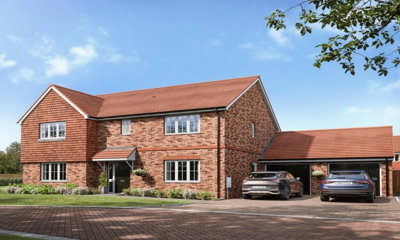
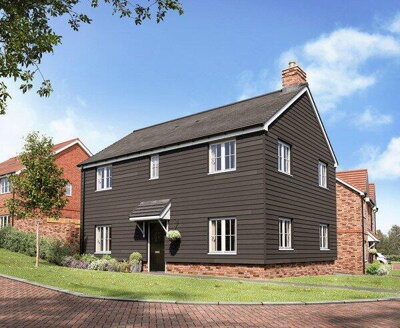
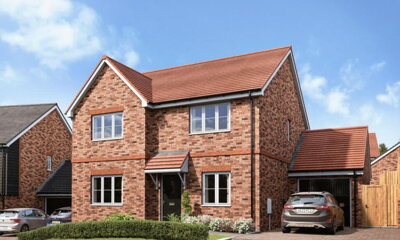
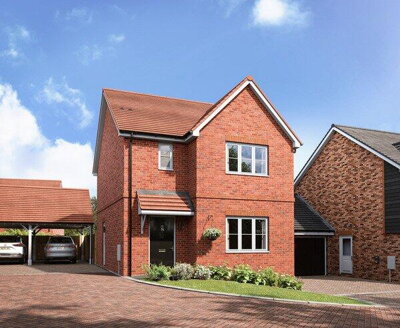
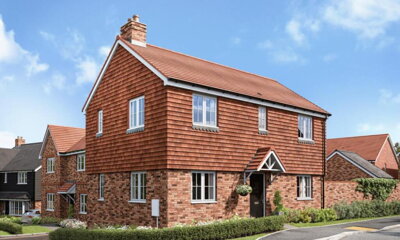
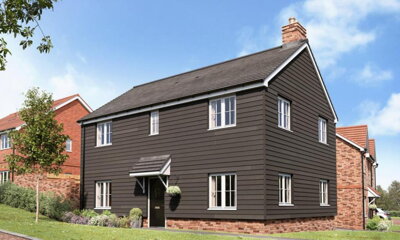
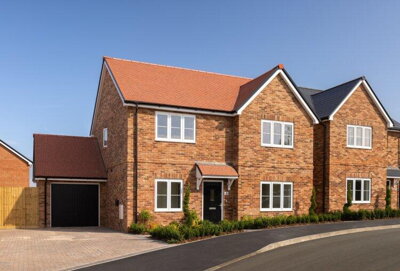
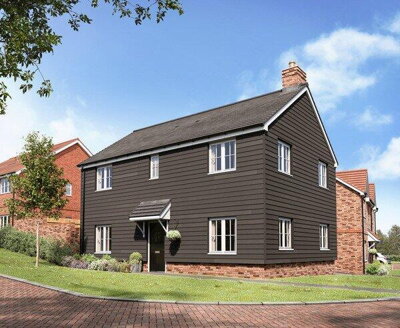
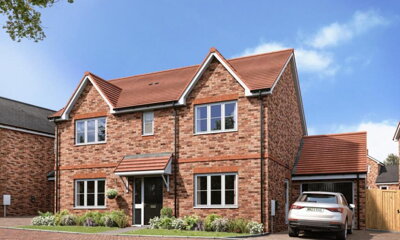
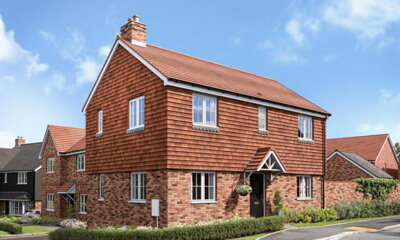
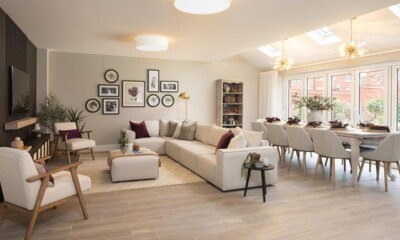
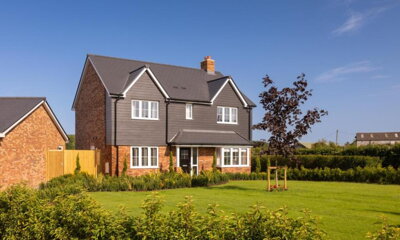
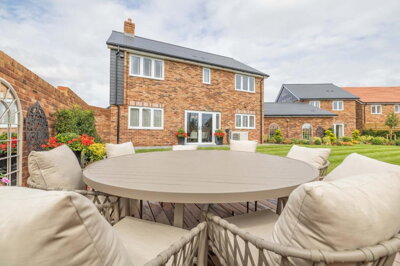
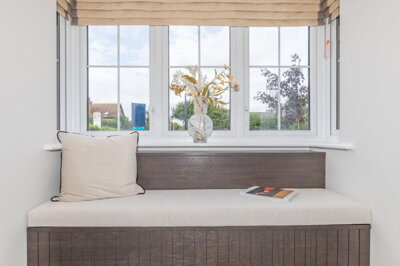
Browse 14 homes new builds in Ickham and Well from local developer agents.
The Millington property market reflects the broader strength of the East Riding of Yorkshire, which has seen average house prices rise by 4.8% over the past twelve months, reaching £221,000 by December 2025. While specific sales data for Millington village itself is limited due to the small number of transactions typical of rural villages, properties in this area tend to command prices in line with or above the regional average, particularly for detached homes and period properties. The most recent verified sale in Millington achieved £327,500, demonstrating that buyers are willing to pay a premium for the village's character, privacy, and rural setting.
Within the broader East Riding area, property types command different price points that provide useful context for Millington buyers. Detached properties average around £337,000 across the region, while semi-detached homes fetch approximately £214,000. Terraced properties in the East Riding typically sell for around £170,000, with flats and maisonettes averaging £103,000. Semi-detached properties have shown particular strength recently, with prices rising by 5.6% in the year to December 2025. For those considering Millington specifically, the village's period properties and generous plot sizes often place values in the detached property bracket.
The village's limited new build activity means buyers in Millington are primarily looking at the existing housing stock, which includes a mix of traditional stone farmhouses, period cottages, and later additions that have been built to complement the rural character. This lack of new development helps preserve property values and the distinctive appearance of the village, though it also means that well-presented properties rarely stay on the market for long. Competitive interest from buyers seeking similar rural Yorkshire lifestyles means that serious purchasers should be prepared to move quickly when suitable properties become available.

Millington embodies the classic Yorkshire village character that makes rural East Riding locations so desirable. The village features traditional stone properties, including imposing farmhouses and period cottages that speak to its agricultural heritage. The presence of a Grade II listed Georgian residence within the village confirms that Millington has long attracted families of substance, and this architectural heritage contributes to the area's distinctive appearance. The village and civil parish structure means residents benefit from a strong sense of community while enjoying the privacy that comes with rural living. Gardens in Millington tend to be generous, and the surrounding countryside offers extensive walking opportunities through rolling farmland and meadows.
The local economy around Millington reflects its rural character, with agriculture remaining significant alongside residents who commute to nearby towns for work. Pocklington, just four miles away, serves as the nearest service centre, offering supermarkets, independent shops, pubs, and restaurants that meet most daily needs. The town has developed something of a reputation for its food scene and artisan businesses, making it a pleasant destination for weekend outings. For larger shopping trips or cultural activities, York is accessible within approximately forty minutes by car, providing access to the city's shops, theatres, restaurants, and the historic castle and Minster.
The surrounding countryside around Millington offers exceptional opportunities for outdoor pursuits and recreation. The rolling Wolds landscape provides excellent walking and cycling routes, with numerous public footpaths crossing farmland and meadows. The area is popular with hikers following the Yorkshire Wolds Way, a long-distance trail that passes through the region. Local pubs in nearby villages provide welcoming refreshment stops for walkers and cyclists exploring the area. Horse riding is another popular activity in this rural corner of Yorkshire, with properties occasionally offering stabling facilities that appeal to equestrian buyers seeking larger holdings with land.

Families considering a move to Millington will find educational provision centred on the nearby market town of Pocklington, which offers a strong selection of schools within easy reach. Pocklington Junior School and Pocklington Infant School provide primary education for younger children, serving families from Millington and the surrounding villages. For secondary education, Pocklington School is a notable independent school offering both day and boarding options from nursery through to sixth form, while the local authority secondary provision in the wider area includes schools with good Ofsted ratings. Parents should note that school catchment areas can be competitive in popular rural areas, so early enquiry about admissions policies is advisable when planning a family move.
The proximity of York to Millington also opens access to some of Yorkshire's most respected educational institutions. The city offers a choice of secondary schools including grammar schools with strong academic records, as well as private schools that draw students from across the region. For sixth form and further education, York College and Askham Bryan College provide a range of vocational and academic courses, while the University of York is one of the country's leading institutions, attracting students from across the UK and internationally. Families moving to Millington from further afield often cite the quality of local education as a key factor in their decision, and the variety of options within reasonable travelling distance adds significant value to the area.
For younger children, several village primary schools serve the wider Millington area, with some families choosing to combine local primary education with longer journeys for secondary schooling to access particular academic or extracurricular programmes. The independent education sector is well-represented locally, with Pocklington School and similar institutions offering alternative paths for families seeking particular educational approaches. Transport arrangements for secondary school pupils typically involve school bus services or parent transport, which is factored into family logistics by those living in rural villages like Millington.
Millington enjoys a strategic position within East Yorkshire, offering reasonable connectivity despite its rural setting. The village sits close to the A1079 road, which runs between York and Hull and provides the main artery for car travel to and from the area. This route connects directly to York in approximately thirty to forty minutes, making it practical for daily commuting for those working in the city. For travel to Hull, the A1079 continues east, reaching the city in roughly the same timeframe, which opens employment opportunities in the region's largest city. The nearby town of Pocklington provides local bus services connecting to York and other destinations, though frequency is limited compared to urban routes.
For longer-distance travel, York railway station offers excellent services to major destinations including London King's Cross, with journey times of around two hours to the capital. Edinburgh can be reached in approximately three hours by rail, while Leeds is accessible in under an hour. Leeds Bradford Airport provides domestic and international flights within reasonable driving distance for those who need to travel further. Within the village itself, car ownership rates are high as would be expected in a rural location, and properties typically include parking provision. Cyclists benefit from some scenic routes through the surrounding countryside, though the hilly Yorkshire terrain requires reasonable fitness for longer rides.
The A1079 route through the area has seen ongoing improvements in recent years, though travellers should be aware of seasonal traffic variations that can affect journey times. Summer weekends see increased recreational traffic as visitors head to the coast and countryside, while agricultural machinery movements on rural roads are a year-round consideration for drivers. Those considering Millington as a commuting base should factor in the need for reliable personal transport, as services connecting village residents to key destinations remain limited compared to urban areas.
Start by exploring our listings for Millington properties and understanding price trends in the East Riding area. With an average price of £327,500 for recent Millington sales, factor in additional costs including stamp duty, legal fees, and surveys when setting your budget. The village's period properties may require specific surveys due to their age and construction, and older stone farmhouses often have features that benefit from specialist assessment.
Before viewing properties, obtain a mortgage agreement in principle from a lender. This strengthens your position when making offers and demonstrates to sellers that you have financing in place. Given that Millington properties often attract competitive interest from buyers seeking rural lifestyles, having this documentation ready can make the difference in a bidding situation. Speak to a mortgage broker who understands the rural property market if you need guidance on suitable products.
Visit properties in person to assess their character and condition. Pay particular attention to the age of the property, potential maintenance issues common in period homes, and whether the property meets your practical requirements. Note any listed building restrictions that may affect future renovations, and consider how the property's rural location will affect your daily logistics and transport needs.
Once your offer is accepted, instruct a RICS Level 2 Survey for a conventional property or a Level 3 Building Survey for older or listed properties. Given Millington's Georgian and Victorian housing stock, a thorough survey is essential to identify any structural concerns or needed repairs before you commit to purchase. The village's traditional stone construction may reveal issues with damp penetration, roof condition, or outdated services that a comprehensive survey will identify.
Appoint a solicitor to handle the legal aspects of your purchase, including searches, contracts, and registration at the Land Registry. Local knowledge of East Riding properties can be valuable for identifying any area-specific concerns or requirements. Your solicitor should check for any planning constraints, rights of way, or shared drainage arrangements that commonly affect rural properties in the region.
Once all searches are satisfactory and legal work is complete, you will exchange contracts and pay your deposit. Completion typically follows shortly after, at which point you will receive your keys and can move into your new Millington home. Allow time for setting up services in your new property, as rural locations may require additional arrangements for utilities and telecoms compared to urban properties.
Properties in Millington span a range of ages and styles, from traditional stone farmhouses to more recent additions to the village. The presence of listed buildings, including properties of Georgian vintage, means that any older property may be subject to conservation area restrictions or listed building status that limit permitted alterations. Before purchasing, establish whether the property is listed and understand what this means for future maintenance and renovation plans. Listed building consent is required for external alterations and some internal works, which can affect both costs and feasibility of any changes you might want to make.
The rural location of Millington means certain practical considerations apply more strongly than in urban areas. Properties often sit on private drainage systems rather than mains sewage, and buyers should verify the condition and capacity of any septic tank or treatment plant. Rural broadband speeds can vary significantly, so testing connectivity before purchase is advisable for those who work from home. Agricultural traffic on local roads is common, and properties adjacent to farmland may experience seasonal noise from farming operations.
Garden boundaries should be clearly established, and any shared access arrangements documented as part of your conveyancing. Properties with larger gardens or land should be valued separately for their plot worth, as these often attract premium interest from buyers seeking outdoor space. Stone construction, which is prevalent in Millington's older properties, may show signs of weathering or require repointing that should be reflected in your offer price or addressed through renegotiation following survey findings.
When viewing properties in Millington, pay particular attention to the condition of traditional features such as timber-framed windows, thatch or slate roofing, and original fireplaces that may be present in period properties. These features contribute significantly to the character and value of village homes but require ongoing maintenance that differs from modern construction. Energy efficiency can be a consideration in older properties, though sympathetically upgraded homes can achieve reasonable running costs while retaining their traditional character.
The most recent verified sale in Millington achieved £327,500, representing the current market value for properties in this East Riding village. When compared to the broader East Riding of Yorkshire average of £221,000, Millington properties command a premium reflecting the village's desirable rural character, period housing stock, and proximity to York and Pocklington. Across the wider region, detached properties average £337,000, semi-detached homes around £214,000, and terraced properties approximately £170,000, with Millington's mix of detached and period properties typically falling in the higher brackets. The village's small size means that transaction volumes are low, making individual sales have a significant impact on perceived average values.
Properties in Millington fall under East Riding of Yorkshire Council's jurisdiction, with council tax bands ranging from A through to H depending on property value and type. Most traditional stone cottages and period farmhouses in the village would typically fall within bands C to E, while newer or more substantial properties might be in higher bands. You can check specific banding for any property through the Valuation Office Agency website or by contacting East Riding of Yorkshire Council directly. Council tax payments in the East Riding fund local services including bin collections, road maintenance, and local authority schools, with charges varying based on property band and any applicable discounts.
While Millington itself has limited formal school provision as a small village, the nearby town of Pocklington offers excellent educational options within four miles. Pocklington Junior School and Pocklington Infant School serve primary-age children, while Pocklington School provides independent secondary education from nursery through to sixth form, with both day and boarding options available. For state secondary options, schools in the wider East Riding area offer good Ofsted-rated provision. The proximity of York also provides access to grammar schools and other highly regarded institutions, making the area attractive to families prioritising education. School transport arrangements should be considered when budgeting for a family move to Millington, as longer journeys to secondary schools may be necessary.
Millington is served by limited public transport due to its rural nature, with local bus services connecting to Pocklington and York being the primary option. These services typically operate at reduced frequencies compared to urban routes, making car ownership advisable for most residents. York railway station, accessible within approximately forty minutes by car, provides excellent national rail connections including two-hour services to London King's Cross. For daily commuting, the A1079 road offers reasonable access to York and Hull, though those working in cities may prefer the train for environmental or practical reasons. Weekend and evening bus services are particularly limited, which residents should factor into social and leisure planning.
The Millington and East Riding property market has shown consistent growth, with regional prices rising 4.8% in the twelve months to December 2025. Rural villages with strong community ties and proximity to major cities tend to maintain their appeal, and the East Riding continues to attract buyers seeking countryside living without full urban isolation. Properties with land, period features, or listed status may offer particular long-term value, though these require appropriate maintenance budgets. As with any property investment, thorough research into specific locations and properties is essential before committing. The village's lack of new build development helps protect existing property values by maintaining scarcity of supply in this desirable rural location.
For properties purchased at the December 2024 sale price of £327,500, a standard buyer would pay stamp duty calculated on the portion of the price within each threshold. For a £327,500 property, this would be zero on the first £250,000, then 5% on the remaining £77,500, totalling £3,875 in stamp duty land tax. First-time buyers claiming relief would pay zero on the first £425,000, meaning no stamp duty would be due on a property at this price point, provided they meet the eligibility criteria. Additional properties purchased by existing homeowners or buy-to-let investors attract higher rates, with 3% supplement applying to standard residential rates.
Millington's status as a small village means that available properties are limited at any given time, with only occasional homes coming to market each year. This scarcity creates strong competition among buyers seeking rural village lifestyles in the East Riding, and well-presented properties typically attract multiple viewings and offers. Our platform monitors listings across all major estate agents to bring you the latest available properties in Millington and the surrounding area. Setting up property alerts can help you respond quickly when new properties matching your criteria become available, as desirable village homes can sell rapidly once marketed.
Millington contains at least one Grade II listed Georgian residence, indicating that the village has heritage properties subject to listed building controls. If you are considering purchasing a listed property in the village, you should understand that both external and certain internal alterations will require listed building consent from East Riding of Yorkshire Council. This applies to features such as windows, doors, fireplaces, and other original elements that contribute to the building's historic interest. The additional constraints on maintenance and alteration should be factored into your purchase decision and ongoing costs, though the unique character of listed properties often justifies the extra considerations required.
Understanding the full costs of buying property in Millington extends beyond the purchase price itself. Stamp duty land tax applies to all purchases above £250,000 for standard buyers, calculated on a tiered basis. For a property at the recent Millington average of £327,500, you would pay nothing on the first £250,000 and then 5% on the amount between £250,000 and £327,500, which equals £3,875. First-time buyers benefit from increased thresholds, paying nothing on the first £425,000, meaning a property at £327,500 would incur no stamp duty for eligible first-time purchasers. These thresholds were updated for 2024-25, and changes to thresholds or rates could affect future purchases.
Beyond stamp duty, budget for solicitor fees typically ranging from £500 to £1,500 depending on complexity, plus disbursements for searches which can add several hundred pounds. Survey costs should be factored in, with a RICS Level 2 Survey starting from around £350 for a standard property and a Level 3 Building Survey from approximately £600 for more complex or period properties. Given Millington's older housing stock, the additional cost of a comprehensive Level 3 Survey may be money well spent to identify any structural concerns or required maintenance in traditional stone construction. Mortgage arrangement fees vary by lender but often fall between £500 and £2,000, though some deals offer fee-free mortgages in exchange for a slightly higher rate.
Removal costs, potential redecoration, and furnishing for a larger rural property should also be considered when setting your overall budget for moving to Millington. Properties in the village often feature larger rooms and more extensive gardens than urban homes, which can increase furnishing and maintenance costs. Buildings insurance should be arranged from the point of contract exchange, and life insurance or income protection may be advisable when committing to a significant mortgage on any property purchase. Setting aside a contingency fund equivalent to at least 10% of your purchase price is advisable to cover unexpected costs that can arise with any property, and particularly with older rural homes that may reveal hidden defects once you take ownership.
Properties New Builds In London

Properties New Builds In Plymouth

Properties New Builds In Liverpool

Properties New Builds In Glasgow

Properties New Builds In Sheffield

Properties New Builds In Edinburgh

Properties New Builds In Coventry

Properties New Builds In Bradford

Properties New Builds In Manchester

Properties New Builds In Birmingham

Properties New Builds In Bristol

Properties New Builds In Oxford

Properties New Builds In Leicester

Properties New Builds In Newcastle

Properties New Builds In Leeds

Properties New Builds In Southampton

Properties New Builds In Cardiff

Properties New Builds In Nottingham

Properties New Builds In Norwich

Properties New Builds In Brighton

Properties New Builds In Derby

Properties New Builds In Portsmouth

Properties New Builds In Northampton

Properties New Builds In Milton Keynes

Properties New Builds In Bournemouth

Properties New Builds In Bolton

Properties New Builds In Swansea

Properties New Builds In Swindon

Properties New Builds In Peterborough

Properties New Builds In Wolverhampton

Enter your details to see if this property is within your budget.
Loans, cards, car finance
Estimated property budget
Borrowing + deposit
You could borrow between
Typical borrowing
Monthly repayment
Est. at 4.5%
Loan-to-value
This is an estimate only. Your actual budget may vary depending on interest rates, credit history, and personal circumstances. For an accurate affordability assessment, speak to one of our free mortgage advisors.
This calculator provides estimates for illustrative purposes only and does not constitute financial advice. Your home may be repossessed if you do not keep up repayments on your mortgage. Estimates based on 4.5% interest rate, repayment mortgage. Actual rates depend on your circumstances.
Homemove is a trading name of HM Haus Group Ltd (Company No. 13873779, registered in England & Wales). Homemove Mortgages Ltd (Company No. 15947693) is an Appointed Representative of TMG Direct Limited, trading as TMG Mortgage Network, which is authorised and regulated by the Financial Conduct Authority (FRN 786245). Homemove Mortgages Ltd is entered on the FCA Register as an Appointed Representative (FRN 1022429). You can check registrations at NewRegister or by calling 0800 111 6768.

We use cookies to show you personalised content and improve your experience of our website. Find out more in our Privacy policy and Cookie policy.