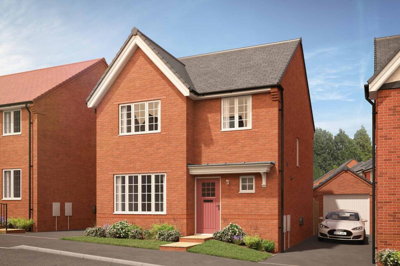
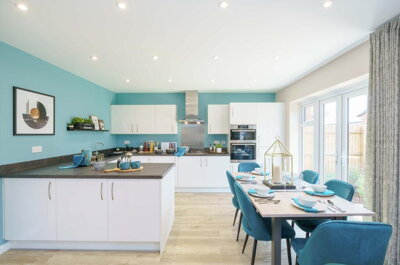
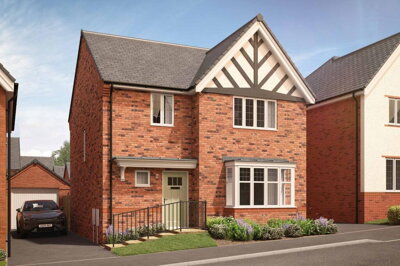
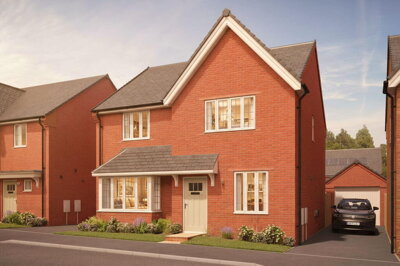
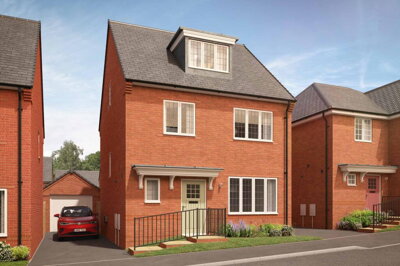
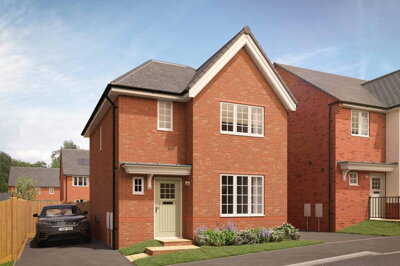
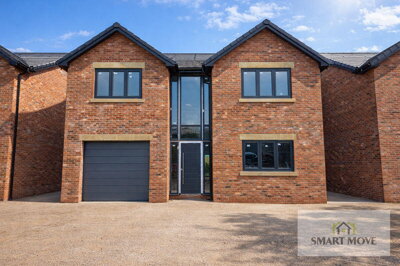
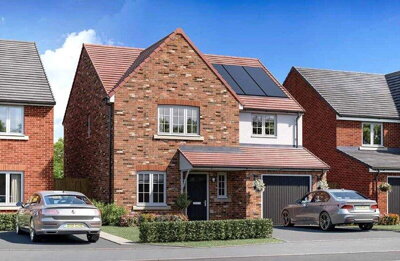
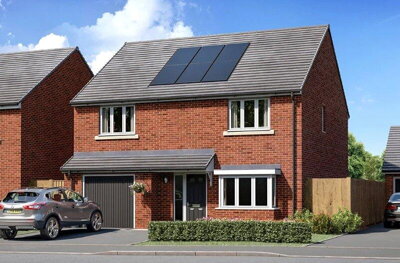
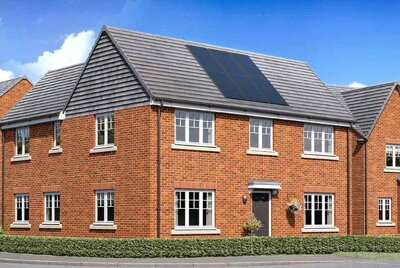
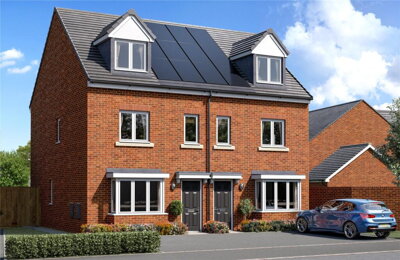
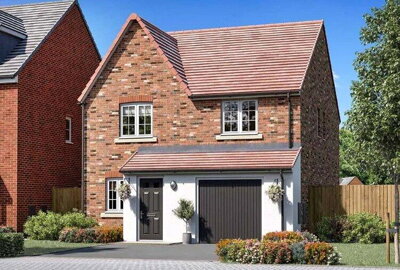
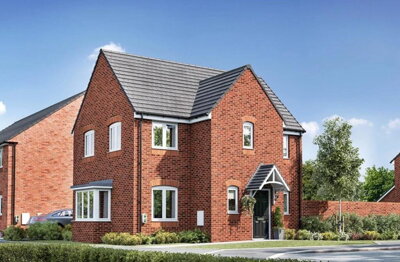
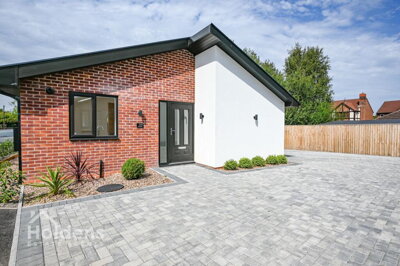
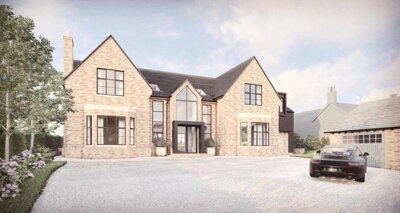
Browse 21 homes new builds in Hutton from local developer agents.
The Culmstock property market reflects the character of the village itself - traditional, stable, and deeply rooted in its Devon heritage. The average property price stands at £468,750, with detached properties commanding premium prices of around £525,000 given their generous proportions and often superior positions with countryside views. Semi-detached homes in the village typically sell for approximately £350,000, offering excellent value for families seeking more space than a terraced property provides. Terraced cottages, many of which feature original period features such as exposed beams and stone fireplaces, average around £280,000 and represent an accessible entry point to village life in this desirable location.
Housing stock in Culmstock skews heavily towards larger properties, with detached homes comprising 45.4% of the housing mix and semi-detached properties adding another 28.1%. This predominance of family-sized homes makes the village particularly attractive to buyers with children or those working from home who need dedicated space. The property age distribution reveals that over two-thirds of homes were built before 1980, with 28.5% dating from the pre-1919 era. These older properties offer tremendous character but may require ongoing maintenance, so prospective buyers should budget accordingly for surveys and potential renovation work. The market has remained remarkably stable, with prices holding firm at around 1.1% growth over the past year across all property types.
Local construction in Culmstock reflects the Blackdown Hills heritage, with many properties built using traditional methods and materials that reflect the local geology. The Blackdown Hills are predominantly formed from Greensand and Clay with Flints, which historically provided the raw materials for local building. Properties built before 1980 commonly feature solid brick walls, local stone, and cob construction - a traditional Devon building material made from subsoil, straw, and water that provides excellent thermal mass. Roofs throughout the village are typically finished with natural slate or clay tiles, materials that complement the rural landscape and have proven durable over generations. Understanding these construction methods helps buyers appreciate the character of Culmstock homes while also identifying maintenance considerations specific to traditional building techniques.
Life in Culmstock revolves around the rhythms of the countryside, with the village offering a pace of life that feels a world away from urban pressures. The village has a population of approximately 1,029 residents across 423 households, creating a close community where neighbours often know each other by name. The River Culm flows through the village, providing a focal point for walks and wildlife observation, while the surrounding Blackdown Hills offer endless opportunities for hiking, cycling, and exploring the great outdoors. The local area is characterised by traditional Devon farmland, winding lanes bordered by hedgerows, and sweeping views across unspoiled countryside that changes beautifully with each season.
Local amenities in Culmstock include a traditional village pub serving hearty Devon fare, while the wider area offers farm shops, village stores, and weekly markets in nearby towns. The village falls within the Blackdown Hills AONB, meaning development is carefully controlled to preserve the area's natural beauty and rural character. Culmstock has a designated Conservation Area covering the historic core around the church and main street, which includes numerous listed buildings such as St Andrew's Church, a Grade I listed medieval church that anchors the village's heritage. The community hosts regular events including fetes, quiz nights, and seasonal celebrations that bring residents together throughout the year. For families, the village provides a nurturing environment where children can play safely and grow up with a strong connection to nature and community.
Practical considerations for daily life in Culmstock include broadband connectivity, which has improved significantly in recent years though speeds can vary depending on your exact location within the village. Mobile phone coverage from major networks is generally adequate in the village centre but may be patchy in some of the surrounding lanes and outlying properties. Most households have adapted to village living by combining remote working capabilities with occasional trips to nearby towns for specialist shopping, healthcare appointments, and entertainment. The village benefits from a active community spirit, with residents organising everything from village clean-ups to and elderly support networks that ensure no one feels isolated in this rural setting.

Education provision in Culmstock serves families with primary-age children through local village schools and those in the surrounding area, with pupils typically progressing to secondary education in the nearby market towns of Cullompton or Honiton. The surrounding Mid Devon area maintains several primary schools that serve the village and surrounding hamlets, with many achieving good Ofsted ratings for teaching quality and pupil welfare. For secondary education, families can access grammar schools and comprehensive schools in the wider area, with transport arrangements in place for pupils living in more rural locations. The local educational landscape reflects Devon's commitment to providing quality schooling across both urban and rural settings.
Parents considering Culmstock as a family home will find that the village's rural setting provides excellent opportunities for outdoor learning and development, with the surrounding countryside serving as an extended classroom for nature studies and environmental education. Several primary schools in the nearby towns have established reputations for strong academic performance and caring pastoral support. The shorter school runs compared to urban areas mean children spend less time on buses and more time on homework, hobbies, and family life - a significant advantage of rural schooling that many families come to appreciate. For families with older children, the nearby city of Exeter offers a wide range of secondary school options including grammar schools, academy schools, and independent schools, with good transport connections from the Culmstock area. Further and higher education options are readily accessible in Exeter, which hosts the University of Exeter and several further education colleges providing courses across a wide range of subjects and career paths.

Transport connectivity from Culmstock centres on road travel, with the village positioned near the A373 and with good access to the M5 motorway for regional and national travel. The nearest mainline railway stations are located in Tiverton Parkway and Honiton, providing direct services to Exeter, Bristol, Bristol Temple Meads, and London Paddington. Daily commuters to Exeter typically find the journey takes around 30-40 minutes by car, making Culmstock viable for workers who need occasional access to the city while preferring rural living. Bus services connect Culmstock with nearby towns, though frequencies are limited with typically 2-3 buses per day on most routes, so private car ownership is considered essential for village residents.
For those who travel further afield, Exeter Airport offers domestic and international flights, while the M5 provides access to the major cities of Bristol and Exeter within approximately one hour. The road network around Culmstock consists largely of single-carriageway country lanes, which offer scenic drives but require confident driving skills, particularly during winter months when weather conditions can be challenging. Cyclists will appreciate the quiet lanes and rural routes that connect Culmstock to surrounding villages, though the hilly terrain demands a reasonable level of fitness. Parking in the village is generally straightforward given the low traffic volumes, and many properties come with off-road parking or garages, a significant advantage over more urban locations.
Planning your commute from Culmstock requires consideration of the rural road network and potential seasonal challenges. The B3181 provides a direct route towards Honiton, while the A373 connects the village to the M5 at junction 27 near Tiverton. During autumn and winter, fallen leaves, frost on shaded lanes, and occasional flooding can extend journey times, so building in extra travel buffer is prudent for regular commuters. Many residents find that the peaceful rural setting more than compensates for the need to be organised about transport arrangements, and remote working has reduced the frequency of commuting for many Culmstock households.
Start by exploring our current listings to understand what properties are available in Culmstock and the surrounding Blackdown Hills area. Given the village's small size with only around 8 property sales per year, opportunities can be relatively infrequent, so setting up property alerts ensures you do not miss new listings. Understanding the local property types, from Victorian cottages to 1970s detached homes, helps you identify which areas of the village and which property styles best suit your needs and budget. Our platform updates listing information throughout the day, keeping you informed as soon as new properties come to market in this sought-after location.
Before viewing properties, obtain a mortgage agreement in principle from a lender to confirm your borrowing capacity. The typical Culmstock home priced at £468,750 will require a substantial deposit, with most buyers contributing 15-25% of the purchase price. Our mortgage partners can help you compare rates and find the most suitable mortgage product for your circumstances, whether you are a first-time buyer or an experienced property owner. Having your financing in place before viewing demonstrates to sellers that you are a serious buyer, which can be advantageous in a village market where multiple offers are not uncommon.
View multiple properties to compare the condition, character, and value on offer across different Culmstock homes. Pay particular attention to the age of properties, as 68.5% of homes in the village predate 1980 and may require maintenance or updating. Viewing properties at different times of day and in various weather conditions reveals how the village and individual properties perform in everyday use. Take time to walk the village and speak with residents - they can provide insights into the community that no listing can convey, from the best walking routes to which properties have had ongoing issues.
Given the prevalence of older properties in Culmstock, a thorough RICS Level 2 Survey is essential before proceeding with a purchase. For a typical 3-bedroom home, expect to budget £450-£750 for this comprehensive inspection. The survey will identify issues common to the area, including potential damp in solid-walled properties, roof condition on slate and tile coverings, and any signs of subsidence related to the clay soils prevalent in the Blackdown Hills. If the property is listed or falls within the Conservation Area, a more detailed RICS Level 3 Survey may be advisable to fully assess the implications of traditional construction methods and any previous alterations.
Once your offer is accepted, instruct a solicitor with experience in rural Devon properties to handle the legal work. Conveyancing costs typically start from around £499 for a standard transaction, rising for leasehold properties or those with complications such as rights of way or unusual boundary arrangements common in village properties. Your solicitor will conduct searches, handle local authority enquiries, and manage the transfer of funds through to completion. Given Culmstock's Conservation Area status, additional searches regarding planning history and listed building status may be required for period properties.
The final stage involves exchanging contracts with the seller, at which point the transaction becomes legally binding. A typical timeline from offer acceptance to completion in Culmstock is around 8-12 weeks, though older properties with listed building status or conservation area considerations may require additional time for specialist searches and approvals. On completion day, your solicitor transfers the remaining funds and you receive the keys to your new Culmstock home. We recommend arranging your building insurance before completion and coordinating with local utility providers to ensure services are connected from day one.
Properties in Culmstock present several considerations that buyers should investigate thoroughly before committing to a purchase. The Blackdown Hills geology means that clay soils are prevalent, and properties may be susceptible to shrink-swell ground movement during periods of extreme wet or dry weather. This can manifest as subsidence or heave affecting foundations, so a careful inspection of walls, floors, and doors for signs of movement or cracking is essential. Surveyors will specifically look for evidence of this issue given the known ground conditions in the area. Properties with larger gardens or those adjacent to trees may be particularly susceptible to foundation movement during summer months when clay soils shrink.
Many older properties in Culmstock have solid walls without cavity insulation, which can lead to damp problems if not properly maintained, particularly in properties that have not been updated in recent years. Traditional cob construction, which uses a mix of subsoil and straw, can be vulnerable to weather penetration if renders have cracked or if the cob has been exposed to prolonged damp. Timber-framed properties with infill panels require careful inspection for woodworm and dry rot, especially in areas with poor ventilation. A thorough damp survey by a specialist may be worthwhile for older properties showing any signs of moisture ingress.
Electrical and plumbing systems in older Culmstock properties frequently require updating to meet modern standards. Properties built before the 1980s commonly have wiring and plumbing that would not comply with current regulations, and rewiring or repiping may be necessary during renovation. Consumer unit upgrades, additional socket outlets, and improved earthing are typical requirements for period properties being prepared for modern living. Budgeting for these essential upgrades prevents unexpected costs after purchase and ensures the property can safely accommodate contemporary appliances and technology.
Flood risk represents another important consideration for Culmstock buyers, as the village sits adjacent to the River Culm. Properties located near the river or in low-lying areas may face surface water flooding during periods of heavy rainfall, so checking the Environment Agency flood risk maps and reviewing any flood history with the current owners provides valuable intelligence. The Conservation Area designation covering parts of Culmstock means that exterior alterations, extensions, or significant landscaping works may require planning permission from Mid Devon District Council. If you are considering any changes to a period property, you should consult the planning department before purchasing to understand what may and may not be permissible. Similarly, listed buildings require listed building consent for most alterations, and works must preserve the property's historic character.
The average property price in Culmstock currently stands at £468,750, based on recent sales data. Detached properties average around £525,000, semi-detached homes fetch approximately £350,000, and terraced cottages typically sell for about £280,000. The market has shown steady stability with price growth of 1.1% over the past 12 months. Given the limited number of annual sales in this small village, prices can vary significantly depending on property condition, position, and whether any recent renovations have been completed. Buyers should note that the Blackdown Hills premium adds value to properties with attractive rural views or convenient access to the surrounding countryside.
Properties in Culmstock fall under Mid Devon District Council's jurisdiction, and council tax bands range from A through to H depending on the property's assessed value. Most standard family homes in the village fall within bands B through D, with period cottages and smaller properties potentially sitting in bands A or B, while larger detached homes with high valuations may be placed in bands E through G. Band D properties currently pay around £1,800-£2,000 per year to Mid Devon District Council, though this figure varies based on property-specific factors. Prospective buyers can check the specific band for any property through the Valuation Office Agency website or request this information during the conveyancing process.
Culmstock itself has access to primary education through local village schools and those in nearby towns such as Cullompton and Honiton, many of which have achieved good or outstanding Ofsted ratings. For secondary education, pupils typically attend schools in the surrounding market towns, with several options available within reasonable daily travel distance. Families should research current catchment areas as these can influence school placement, and visiting potential schools before committing to a property purchase is strongly advisable. Exeter, approximately 20 miles away, offers additional options including grammar schools and independent schools for families seeking a broader range of educational provision.
Culmstock has limited public transport options, with bus services providing connections to nearby towns but with frequencies that may not suit regular commuters. The hourly services that operate on main routes can be supplemented by community transport schemes operating in the wider Mid Devon area for those without cars. The nearest railway stations are in Tiverton Parkway and Honiton, offering direct services to Exeter and connections to the national rail network. Most residents of Culmstock rely on private cars for daily travel, and access to a vehicle is generally considered essential for village living. The village does have good road connections to the A373 and proximity to the M5 motorway, making regional travel by car straightforward. Commuters working in Exeter should expect a drive of approximately 30-40 minutes to the city centre.
Culmstock offers several characteristics that appeal to property investors, including its location within the Blackdown Hills AONB, which helps protect property values by limiting new development and maintaining the area's attractive character. The village's stable market with consistent demand from buyers seeking rural lifestyles supports long-term value retention, though capital growth tends to be modest compared to urban hotspots. Properties with original period features, riverside positions, or views across the Devon countryside tend to hold their value well and can command premiums when market conditions are favourable. The village's small size means rental demand is limited, with the primary market being families and individuals seeking lifestyle purchases rather than buy-to-let investments. Anyone considering Culmstock for investment should understand that liquidity may be lower than in larger towns, and properties may take longer to sell during quieter market periods.
Stamp Duty Land Tax rates for 2024-25 are 0% on the first £250,000 of property value, 5% on the portion from £250,001 to £925,000, 10% from £925,001 to £1.5 million, and 12% above £1.5 million. For a typical Culmstock property priced at £468,750, you would pay no stamp duty on the first £250,000 and 5% on the remaining £218,750, totalling approximately £10,938. First-time buyers benefit from relief on the first £425,000, meaning no stamp duty would be due on this typical purchase, provided the property is their first home and valued at or below £625,000. Additional calculations apply for higher-value properties or those purchased by non-first-time buyers. We recommend using the HMRC online calculator or consulting a conveyancing solicitor to confirm your exact liability before proceeding with a purchase.
From 4.5% APR
Compare rates from leading lenders for your Culmstock purchase
From £499
Expert solicitors handling your legal work
From £450
Comprehensive inspection for Culmstock properties
From £600
Detailed building survey for period properties
Budgeting for your Culmstock purchase requires careful consideration of all costs beyond the property price itself. The largest additional cost is typically Stamp Duty Land Tax, which for a £468,750 property purchased by a non-first-time buyer amounts to approximately £10,938. First-time buyers purchasing properties up to £425,000 pay no stamp duty under current government relief, making Culmstock an accessible option for those entering the property market for the first time. Understanding these thresholds helps you calculate the true cost of any property you are considering and factor this into your overall financial planning.
Survey costs represent another essential budget item, particularly important for Culmstock where the majority of properties are over 50 years old and may harbour hidden defects. A RICS Level 2 Survey for a typical 3-bedroom home will cost between £450 and £750 depending on the property's size and complexity. Properties that are listed buildings or fall within the Conservation Area may benefit from a more detailed RICS Level 3 Building Survey given the specialist considerations involved. Legal fees for conveyancing typically start from around £499 for straightforward transactions but may increase for leasehold properties or those with complex titles. Land Registry fees, search costs, and mortgage arrangement fees complete the typical buying cost package, so budgeting around 2-3% of the property price for these additional expenses provides a reasonable contingency.
Moving costs should also be factored into your overall budget, with quotes varying depending on the volume of belongings and distance involved. Given Culmstock's rural location, removal costs may be slightly higher than for urban moves, and booking removals well in advance is advisable given the village's popularity and the limited number of removal companies operating in the immediate area. Ongoing costs after purchase include council tax (typically bands A-D for most Culmstock properties), buildings insurance, and service charges where applicable for any leasehold elements. Properties in the village may also have higher maintenance costs than modern homes due to their age and traditional construction methods, so setting aside funds for inevitable repairs and updates represents prudent financial planning. Many buyers find that establishing a maintenance reserve of 1-2% of property value annually helps manage the costs of keeping a period property in good condition.
Properties New Builds In London

Properties New Builds In Plymouth

Properties New Builds In Liverpool

Properties New Builds In Glasgow

Properties New Builds In Sheffield

Properties New Builds In Edinburgh

Properties New Builds In Coventry

Properties New Builds In Bradford

Properties New Builds In Manchester

Properties New Builds In Birmingham

Properties New Builds In Bristol

Properties New Builds In Oxford

Properties New Builds In Leicester

Properties New Builds In Newcastle

Properties New Builds In Leeds

Properties New Builds In Southampton

Properties New Builds In Cardiff

Properties New Builds In Nottingham

Properties New Builds In Norwich

Properties New Builds In Brighton

Properties New Builds In Derby

Properties New Builds In Portsmouth

Properties New Builds In Northampton

Properties New Builds In Milton Keynes

Properties New Builds In Bournemouth

Properties New Builds In Bolton

Properties New Builds In Swansea

Properties New Builds In Swindon

Properties New Builds In Peterborough

Properties New Builds In Wolverhampton

Enter your details to see if this property is within your budget.
Loans, cards, car finance
Estimated property budget
Borrowing + deposit
You could borrow between
Typical borrowing
Monthly repayment
Est. at 4.5%
Loan-to-value
This is an estimate only. Your actual budget may vary depending on interest rates, credit history, and personal circumstances. For an accurate affordability assessment, speak to one of our free mortgage advisors.
This calculator provides estimates for illustrative purposes only and does not constitute financial advice. Your home may be repossessed if you do not keep up repayments on your mortgage. Estimates based on 4.5% interest rate, repayment mortgage. Actual rates depend on your circumstances.
Homemove is a trading name of HM Haus Group Ltd (Company No. 13873779, registered in England & Wales). Homemove Mortgages Ltd (Company No. 15947693) is an Appointed Representative of TMG Direct Limited, trading as TMG Mortgage Network, which is authorised and regulated by the Financial Conduct Authority (FRN 786245). Homemove Mortgages Ltd is entered on the FCA Register as an Appointed Representative (FRN 1022429). You can check registrations at NewRegister or by calling 0800 111 6768.

We use cookies to show you personalised content and improve your experience of our website. Find out more in our Privacy policy and Cookie policy.