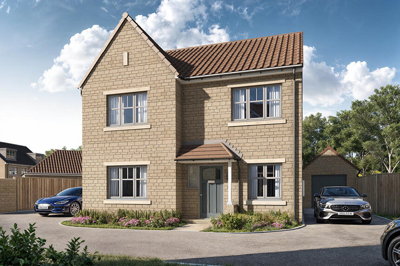
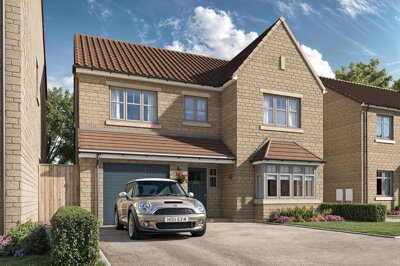
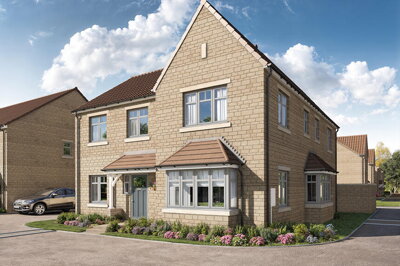
Browse 3 homes new builds in Hullavington, Wiltshire from local developer agents.
The larger property sector typically features multiple bathrooms, substantial reception space, and private gardens or off-street parking. Four bedroom houses in Hullavington span detached, semi-detached, and occasionally terraced configurations, with styles ranging from period properties to modern executive homes.
£647k
6
1
63
Source: home.co.uk
Showing 6 results for 4 Bedroom Houses new builds in Hullavington, Wiltshire. 1 new listing added this week. The median asking price is £647,498.
Source: home.co.uk
Detached
4 listings
Avg £711,248
Semi-Detached
2 listings
Avg £545,000
Source: home.co.uk
Source: home.co.uk
The Hullavington property market presents an attractive opportunity for buyers seeking character-rich homes in a proven location. Detached properties command the highest prices, with the current average sitting at £679,000, reflecting the desirability of generous gardens and spacious layouts that village living affords. Semi-detached homes average around £385,000, while terraced properties typically sell for approximately £350,000, offering more accessible entry points to this sought-after postcode. The premium for detached properties in Hullavington reflects both the larger plot sizes typical of village homes and the high demand from families seeking room to grow.
The market has demonstrated strong momentum, with property values rising by 16% over the past twelve months. This growth outpaces many neighbouring areas and reflects the enduring appeal of Wiltshire villages with excellent transport connections. Given the limited stock typical of smaller communities, with only around 10 sales recorded annually, properties in Hullavington tend to attract committed buyers who appreciate the village lifestyle and strategic location near the M4 corridor. This relatively small transaction volume means the market can move quickly when suitable properties become available, making early research and mortgage readiness essential for serious buyers.
New build activity within the Hullavington postcode remains limited, with no major developments currently marketed in the immediate area. Smaller infill opportunities and self-build plots may arise periodically, but these are not widely advertised. Most buyers in Hullavington therefore focus on the existing housing stock, which includes traditional stone properties, period cottages, and well-maintained family homes built throughout the twentieth century. The mix of historic and modern housing provides options across different budgets and preferences, from centuries-old farmhouses requiring modernisation to properties that were built post-war and have been updated to contemporary standards.

Hullavington embodies the classic English village experience, combining centuries of architectural heritage with the practical amenities required for modern family life. The village falls within a designated Conservation Area, meaning that planning decisions carefully preserve its historic character and that any renovations must respect traditional materials and methods. St Mary Magdalene Church anchors the village centre, while a collection of listed buildings including historic houses and cottages line the winding lanes that define this community. The conservation designation protects features such as traditional stone walls, original window styles, and the overall layout that has evolved over generations, creating an environment that feels genuinely historic rather than artificially preserved.
The village benefits from a small selection of local facilities including a parish church, village hall, and nearby pubs in surrounding villages. For comprehensive shopping and services, residents typically travel to Malmesbury, approximately five miles away, where weekly markets and independent retailers provide for daily needs. The larger centres of Chippenham and Swindon offer major supermarkets, high street shops, healthcare facilities, and leisure centres within easy reach by car. Malmesbury in particular has established itself as a thriving market town with a good selection of independent shops, cafes, and restaurants, while also being home to the historic Malmesbury Abbey and beautiful Abbey Gardens.
The surrounding Wiltshire countryside provides exceptional opportunities for outdoor recreation. Public footpaths crisscross the agricultural land between villages, while the Cotswold landscape offers walking, cycling, and riding routes that attract visitors from across the region. The proximity to the Cotswold Water Park provides additional recreational options including watersports, fishing, and nature reserves, making Hullavington particularly appealing to families who value access to natural green spaces. The Wiltshire countryside around Hullavington is characterised by rolling farmland, historic hedgerows, and scattered woodlands that provide habitats for diverse wildlife, offering endless exploration opportunities for outdoor enthusiasts.
Families considering Hullavington will find a range of educational options within the wider area, with primary schools serving the village and surrounding communities. The local primary school in Hullavington provides education for Reception through to Year 6, while several Outstanding and Good-rated primary schools operate in nearby villages including Sherston, Great Badminton, and Little Somerford. Parents should research current catchment areas and admission arrangements, as these can change and may influence school placement offers. The village primary school benefits from its small class sizes and strong community connections, though some families choose to explore options in neighbouring villages to find the best fit for their children's needs.
Secondary education in the area is well-served by schools in Malmesbury, including Malmesbury School which offers a comprehensive curriculum and sixth form provision. The school has earned recognition for its academic achievements and extracurricular programmes, making it a popular choice for families across the surrounding villages. Transport arrangements for secondary school pupils typically involve school buses serving the wider rural catchment area, with routes connecting Hullavington to Malmesbury and other nearby towns. Many families consider the quality of secondary education available when choosing to relocate to the Hullavington area, and Malmesbury School's reputation helps maintain the village's appeal to family buyers.
Independent schooling options within driving distance include St Mary's Calne, a leading girls' boarding and day school, and a selection of preparatory schools catering to younger children. For families seeking grammar school education, the nearby towns of Chippenham and Swindon offer grammar school options, though competition for places can be intense and catchment areas are strictly defined. Parents are advised to research school performance data, Ofsted ratings, and admission criteria when selecting their preferred educational options. The Wiltshire grammar school system operates on a selective basis, with entrance examinations determining admission, and families should begin researching options well in advance of secondary transfer to understand the commitment required.
Hullavington's location proves particularly attractive to commuters, with the M4 motorway accessible within minutes by car, connecting the village directly to Bristol, Swindon, Reading, and London. This strategic position makes Hullavington popular with professionals who work in larger towns or cities but prefer the lifestyle benefits of village living. The journey to Bristol takes approximately 40 minutes, while Swindon lies just 20 minutes away, and London can be reached in around 90 minutes from the nearby Chippenham station. The M4 corridor remains one of the most important transport routes in southern England, providing access to employment centres, retail destinations, and recreational facilities throughout the region.
Rail connections from Chippenham and Swindon stations provide regular services to major destinations including London Paddington, with journey times of approximately 75 minutes from Chippenham. Great Western Railway operates services along this route, and holders of a Freedom Pass or similar concessionary travel passes can benefit from reduced travel costs. For those who travel to London regularly, the proximity of Swindon's direct services makes commuting practical on a daily basis. Both stations offer parking facilities, with Chippenham providing both free and pay-and-display options for those who prefer to drive to the station before continuing by rail.
Local bus services connect Hullavington with surrounding villages and market towns, though frequencies may be limited compared to urban routes. Residents without cars should consider these timetables carefully when evaluating the practicalities of daily life. For cycling enthusiasts, the flat Wiltshire countryside offers relatively easy cycling routes, though the narrow country lanes common in the area require appropriate care. The Wiltshire Cycleway passes through the region, providing signed routes for recreational cycling, while the National Cycle Network connects to wider destinations across the county. Many residents find that car ownership remains essential for daily life in Hullavington, despite the village's proximity to major transport corridors.
Properties in Hullavington reflect the traditional building practices of north Wiltshire, with local limestone the predominant material for older structures. The Jurassic limestone of the Cotswolds, specifically from the Great Oolite Group formations, has been quarried locally for centuries and used extensively in the village's historic buildings. Traditional stone properties typically feature solid walls without cavity insulation, constructed using lime mortar rather than modern cement, which allows the walls to breathe and prevents moisture retention that can lead to structural problems. Understanding these construction methods helps buyers appreciate why older properties require different maintenance approaches compared to modern buildings.
Many historic properties in Hullavington incorporate red brick additions or dressings that complement the local stone, reflecting the evolution of building techniques over the centuries. Later additions to the housing stock include brick and block cavity wall construction from the post-war period onwards, often with rendered finishes that provide weather resistance while maintaining a traditional appearance. Concrete tiled roofs became common from the mid-twentieth century, replacing the natural slate that covered earlier buildings, though many original slate roofs survive on listed properties. The mix of construction ages and methods means that survey requirements vary significantly between properties in the village.
Timber framing appears in some of the oldest properties in Hullavington, with oak posts and beams supporting the structure and often visible internally as exposed features. Ground floors in older properties were traditionally constructed using suspended timber boards, which can be susceptible to rot and require inspection for signs of deterioration. Modern extensions and conversions may combine traditional materials with contemporary construction techniques, and the junction between old and new elements requires careful assessment to ensure weathertightness and structural integrity. A thorough RICS Level 2 Survey will identify any concerns relating to construction type and condition.
Properties in Hullavington encompass a wide range of ages and construction types, from traditional Cotswold stone cottages dating back centuries to twentieth-century family homes. When viewing properties, pay particular attention to the construction materials and their condition. Traditional stone properties feature solid walls without cavity insulation, which can lead to different maintenance requirements compared to modern buildings. Lime mortar was historically used in older structures, and repairs should ideally use compatible materials to prevent damage to the fabric of the building. Using modern cement-based mortars on historic lime-built structures can cause moisture to become trapped, leading to spalling and decay of the original stonework.
The local geology around Hullavington comprises Jurassic limestone, specifically the Great Oolite Group, with clay-rich soils present in some lower-lying areas such as those associated with the Oxford Clay Formation. These clay soils can exhibit shrink-swell behaviour depending on moisture levels, potentially affecting foundations over time. A thorough survey will check for signs of movement, cracking, or subsidence that might indicate foundation issues. Properties with mature trees nearby may be particularly susceptible to root-related subsidence or heave, as trees extract moisture from the clay soils during dry periods causing the ground to contract, while the reverse occurs when rainfall returns.
Surface water flooding represents the primary flood risk concern in the Hullavington area, particularly during periods of heavy rainfall when local drainage may be challenged. The village's position away from major rivers means that river flooding is not typically a significant concern, but local topography can create areas where surface water accumulates during exceptional rainfall events. Prospective buyers should consult the Environment Agency flood maps for the specific property location and consider whether any flood resilience measures are in place. Buildings insurance costs may be influenced by flood risk assessments, so this factor warrants careful attention during the purchase process, particularly for properties in lower-lying parts of the village.
Properties within the Hullavington Conservation Area or those that are listed buildings carry additional considerations that affect both purchase and ongoing ownership. Listed Building Consent may be required for alterations, extensions, or significant repairs, and any works must respect the property's historic character using appropriate traditional materials and techniques. A standard RICS Level 2 Survey may be sufficient for modern properties, but older or listed buildings might benefit from the more detailed RICS Level 3 Building Survey, which provides comprehensive analysis of construction, condition, and repair options. The additional cost of a Level 3 Survey is often justified for historic properties where understanding the building's construction and identifying necessary repairs can significantly affect purchase decisions or negotiation outcomes.
Begin by exploring current listings in Hullavington and understanding price trends. With prices rising 16% annually and limited stock available, early research helps buyers identify suitable properties quickly and make competitive decisions. Set up alerts with estate agents and monitor property portals regularly to stay informed about new listings, as desirable village properties can sell rapidly.
Before viewing properties, obtain a mortgage agreement in principle from a lender. This demonstrates your financial credibility to sellers and estate agents, giving you an advantage when making an offer on a desirable village property. Having your financing arranged also helps you understand your true budget range, which may differ from your initial estimates once lender affordability checks are complete.
Visit properties that match your requirements, paying attention to construction materials, condition, and any signs of damp or structural issues. Older stone properties and those in the Conservation Area may require more detailed inspection due to their age and traditional construction methods. Take photographs during viewings and note any concerns to discuss with your surveyor before making an offer.
For most properties, especially those over 50 years old, commissioning a RICS Level 2 Survey provides valuable information about condition, defects, and necessary repairs. Given the prevalence of historic properties in Hullavington, surveys typically cost between £600 and £1,000 or more for properties in the village's price range. Choose a RICS-qualified surveyor with experience of local property types to ensure they understand the specific issues affecting traditional Cotswold buildings.
Your solicitor will handle the legal aspects of the purchase, including searches, contracts, and registration with the Land Registry. They will also check for any planning restrictions affecting the property, particularly relevant given the village's Conservation Area status. For listed properties, additional searches regarding listed building status and any historic consents will be required, which may extend the timeline slightly compared to standard conveyancing.
Once all searches are satisfactory and finance is confirmed, you will exchange contracts and pay your deposit. Completion typically follows within weeks, when the remaining balance is transferred and you receive the keys to your new Hullavington home. On the day of completion, collect keys from the estate agent and take time to check the property condition against the survey report before settling in.
The current average house price in Hullavington stands at £525,441, with detached properties averaging £679,000, semi-detached homes around £385,000, and terraced properties approximately £350,000. Prices have increased by 16% over the past year, reflecting strong demand for village properties in this desirable Wiltshire location. With only around 10 properties sold in the past 12 months, the market is relatively small but active, meaning that suitable homes rarely remain available for long once listed.
Properties in Hullavington fall under Wiltshire Council's jurisdiction for council tax purposes, which sets the rates for the area. Bands range from A through to H depending on property value, with most village homes typically falling in Bands C through E based on their assessed value. Exact banding can be confirmed through the Valuation Office Agency listing when specific properties are identified, and this information is publicly available on their website.
Hullavington has a local primary school serving Reception through Year 6, with several Outstanding and Good-rated primaries in surrounding villages including Sherston and Great Badminton. Secondary options include Malmesbury School, which offers comprehensive education and sixth form provision and is popular with families from across the surrounding villages. Independent and grammar school options are available in nearby towns, with St Mary's Calne offering private education and grammar schools in Chippenham and Swindon providing selective alternatives, though admission is determined by catchment areas and entrance criteria.
Hullavington is primarily accessed by car, with the M4 motorway within easy reach providing connections to Bristol, Swindon, and London. Local bus services operate between surrounding villages and market towns, though frequencies are limited compared to urban routes, so residents should check current timetables for practical planning. Rail services from Chippenham (approximately 20 minutes by car) and Swindon provide regular trains to London Paddington in around 75 minutes, making day commuting feasible for those working in the capital.
Hullavington offers several factors that may appeal to property investors, including the strong 16% annual price growth, the enduring appeal of Cotswold village locations, and proximity to major transport links that maintain desirability. The village attracts commuters, families seeking rural lifestyles, and buyers looking for period properties in Conservation Areas, creating a diverse market for both rental and sale properties. However, the small market size with approximately 10 annual sales means liquidity may be lower than in larger towns, and investment decisions should consider individual circumstances and long-term plans rather than assuming quick resale opportunities.
Stamp Duty Land Tax applies to purchases above £250,000 at standard rates of 5% on the portion between £250,001 and £925,000, 10% up to £1.5 million, and 12% above that threshold. First-time buyers benefit from increased thresholds under current regulations, paying no stamp duty on the first £425,000 and 5% only on the portion between £425,001 and £625,000. For example, a first-time buyer purchasing a typical terraced property at £350,000 would pay no stamp duty, while a £525,000 home would incur approximately £5,000 in SDLT under first-time buyer relief.
Older properties in Hullavington, particularly those in the Conservation Area or with listed status, may have specific risks including damp due to solid wall construction, roof wear requiring maintenance, and potential foundation movement related to clay soils that can shrink and swell with moisture changes. Outdated electrical and plumbing systems often require updating to meet modern standards, which can add significant cost to renovation projects if not identified before purchase. Properties may also have had previous works that were not carried out to current building regulations, and a thorough survey helps identify these issues before purchase so that informed decisions can be made.
Hullavington's Conservation Area status means that planning applications for external alterations, extensions, or significant changes may be subject to additional scrutiny to preserve the village's historic character, and pre-application advice from Wiltshire Council is recommended for significant projects. Listed buildings require Listed Building Consent for most works, with the local planning authority assessing whether proposed changes respect the property's heritage significance. Permitted development rights may be more limited than in non-designated areas, so prospective buyers should consult Wiltshire Council's planning portal and seek specialist advice before committing to purchase if they have plans for future alterations.
Purchasing a property in Hullavington involves several costs beyond the purchase price, with stamp duty representing one of the most significant expenses. For standard buyers purchasing a home above £250,000, Stamp Duty Land Tax applies at 5% on the portion of price between £250,001 and £925,000. A property priced at the village average of £525,000 would therefore incur approximately £13,750 in SDLT before any reliefs or exemptions apply, representing a substantial upfront cost that buyers should budget for alongside their deposit and other fees.
First-time buyers benefit from increased thresholds under current regulations, paying no stamp duty on the first £425,000 and 5% only on the portion between £425,001 and £625,000. This means a first-time buyer purchasing at the village average could save approximately £5,000 compared to standard buyer rates, making property purchase more accessible for those entering the market for the first time. Properties above £625,000 do not qualify for first-time buyer relief regardless of buyer status, so higher-value purchases in this desirable village location will incur the full standard SDLT rates.
Additional purchase costs include solicitor fees for conveyancing, which typically range from £500 to £1,500 depending on complexity and whether the property is freehold or leasehold. Survey costs for a RICS Level 2 Survey on a typical Hullavington property fall between £600 and £1,000 or more, depending on property size and the surveyor selected. Land Registry fees, local authority search fees, and mortgage arrangement fees should also be budgeted, with total additional costs typically ranging from £3,000 to £5,000 on a standard transaction.

Properties New Builds In London

Properties New Builds In Plymouth

Properties New Builds In Liverpool

Properties New Builds In Glasgow

Properties New Builds In Sheffield

Properties New Builds In Edinburgh

Properties New Builds In Coventry

Properties New Builds In Bradford

Properties New Builds In Manchester

Properties New Builds In Birmingham

Properties New Builds In Bristol

Properties New Builds In Oxford

Properties New Builds In Leicester

Properties New Builds In Newcastle

Properties New Builds In Leeds

Properties New Builds In Southampton

Properties New Builds In Cardiff

Properties New Builds In Nottingham

Properties New Builds In Norwich

Properties New Builds In Brighton

Properties New Builds In Derby

Properties New Builds In Portsmouth

Properties New Builds In Northampton

Properties New Builds In Milton Keynes

Properties New Builds In Bournemouth

Properties New Builds In Bolton

Properties New Builds In Swansea

Properties New Builds In Swindon

Properties New Builds In Peterborough

Properties New Builds In Wolverhampton

Enter your details to see if this property is within your budget.
Loans, cards, car finance
Estimated property budget
Borrowing + deposit
You could borrow between
Typical borrowing
Monthly repayment
Est. at 4.5%
Loan-to-value
This is an estimate only. Your actual budget may vary depending on interest rates, credit history, and personal circumstances. For an accurate affordability assessment, speak to one of our free mortgage advisors.
This calculator provides estimates for illustrative purposes only and does not constitute financial advice. Your home may be repossessed if you do not keep up repayments on your mortgage. Estimates based on 4.5% interest rate, repayment mortgage. Actual rates depend on your circumstances.
Homemove is a trading name of HM Haus Group Ltd (Company No. 13873779, registered in England & Wales). Homemove Mortgages Ltd (Company No. 15947693) is an Appointed Representative of TMG Direct Limited, trading as TMG Mortgage Network, which is authorised and regulated by the Financial Conduct Authority (FRN 786245). Homemove Mortgages Ltd is entered on the FCA Register as an Appointed Representative (FRN 1022429). You can check registrations at NewRegister or by calling 0800 111 6768.

We use cookies to show you personalised content and improve your experience of our website. Find out more in our Privacy policy and Cookie policy.