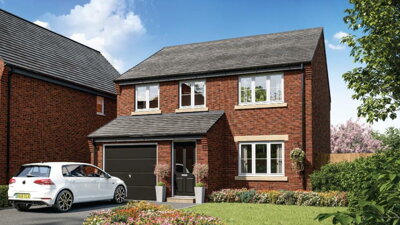
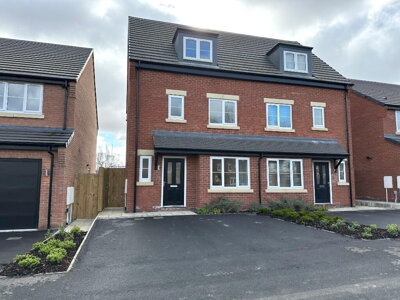
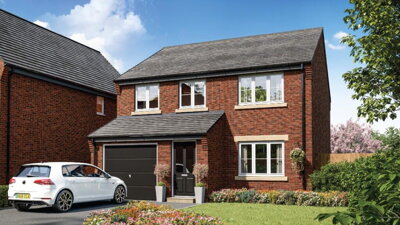
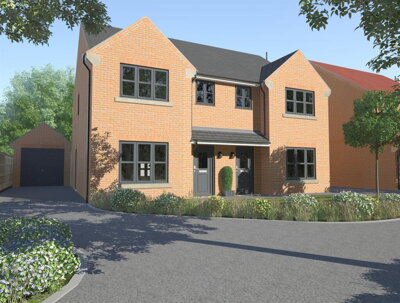
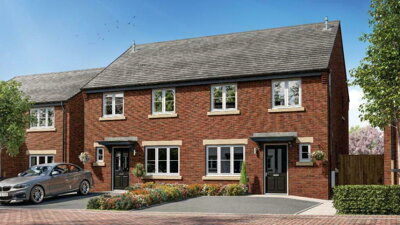
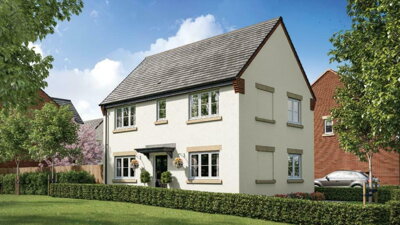
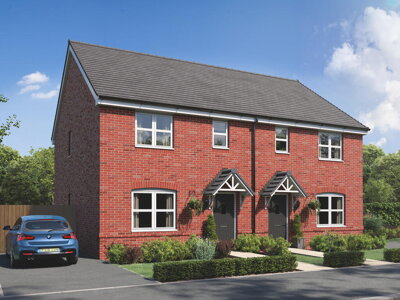
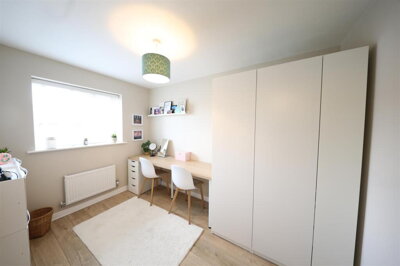
Browse 8 homes new builds in HU5 from local developer agents.
Three bedroom properties represent a significant portion of the HU5 housing market, offering space for families with multiple reception rooms and gardens in many cases. Browse detached, semi-detached, and terraced options ranging across new residential developments.
£155k
67
5
94
Source: home.co.uk
Showing 67 results for 3 Bedroom Houses new builds in HU5. 5 new listings added this week. The median asking price is £155,000.
Source: home.co.uk
Terraced
45 listings
Avg £142,720
Semi-Detached
17 listings
Avg £194,432
Detached
5 listings
Avg £257,990
Source: home.co.uk
Source: home.co.uk
The HU5 property market demonstrates the characteristics of a stable, family-oriented residential area with terraced properties forming the backbone of available stock. Recent data shows 493 residential property sales completed in HU5 over the past year, though this represents a decrease of approximately 24% compared to the previous year, reflecting broader national trends in transaction volumes. The majority of these sales fell within the £110,000 to £170,000 price brackets, with 141 transactions in the £110k-£140k range and 104 sales in the £140k-£170k bracket, indicating strong demand for mid-range family homes.
Property type pricing in HU5 reveals clear market segments that help buyers understand what to expect. Detached properties command the highest prices, averaging around £255,008 to £273,533, while semi-detached homes typically sell for approximately £174,094 to £179,978. Terraced properties, which make up a significant portion of the housing stock, average £127,351 to £137,634, making them the most accessible entry point for buyers seeking character homes at reasonable prices. Flats in the area average around £81,600, offering an affordable option for first-time buyers or those seeking low-maintenance accommodation.
Price trends across the postcode show nuanced patterns when examined at the sector level. The HU5 3 postcode sector experienced nominal price growth of 1.8% over the last year, though this translated to a real-terms decrease of 2.0% after accounting for inflation. Meanwhile, the HU5 5 sector showed more modest nominal growth of 0.2%, with a real-terms decline of 3.6% after inflation. These variations highlight the importance of understanding micro-location within the broader HU5 area when assessing property values and investment potential.

HU5 sits in the western part of Kingston upon Hull, one of England's most distinctive cities with a rich maritime heritage and an evolving modern economy. The postcode area benefits from proximity to the University of Hull campus, which brings a youthful energy to the neighbourhood and supports a diverse community of students, academics, and local residents. The surrounding streets feature a pleasant mix of architectural styles, from Victorian and Edwardian terraced houses to 1930s semi-detached homes, creating an established streetscape that feels genuinely rooted in local history.
The local economy draws strength from several key sectors that provide employment across the region. Hull's port operations, manufacturing facilities, and the growing renewable energy sector centred around companies like Siemens Gamesa all contribute to job creation in the wider area. Healthcare and public services also represent significant employers, providing stable employment opportunities that support the local housing market. For residents of HU5, this means relatively short commute times to major employment hubs within the city and surrounding areas.
The neighbourhood offers practical local amenities including supermarkets, independent shops, pubs, and restaurants that serve the day-to-day needs of residents. Several parks and green spaces provide recreational opportunities, while the proximity to the River Hull corridor offers pleasant walking and cycling routes. The area's character strikes a balance between urban convenience and residential calm, making it suitable for a wide range of buyers from young professionals to established families looking for a stable community to put down roots.
Areas like Spring Bank and the streets surrounding Chanterlands Avenue provide particularly good examples of traditional Hull architecture, with tree-lined avenues and a mix of period properties. The proximity to the university also means that local shops, cafes, and amenities cater to a diverse population, creating a vibrant street scene particularly evident during term time. Weekend markets and local events throughout the year add to the community atmosphere that long-term residents value about this part of Hull.
Education provision in HU5 serves families with children of all ages, from primary through to further education. The presence of the University of Hull itself creates additional educational opportunities for older students and adult learners, with the campus offering undergraduate and postgraduate programmes across a wide range of subjects. This university presence also contributes to the broader educational infrastructure of the area, with associated facilities and services that benefit the local community.
Primary schools in the HU5 area and surrounding neighbourhoods provide essential early years and Key Stage 1-2 education for young children. Parents moving to the area should research specific catchment areas and recent Ofsted inspection outcomes to identify the most suitable options for their family circumstances. Many primary schools in the region have established reputations within their communities, though individual school performance can vary year by year.
Secondary education options serve students progressing from primary school, with several schools in the wider Hull area offering GCSE and A-level programmes. The selection process for secondary schools often involves consideration of catchment areas and specific criteria set by individual institutions. Sixth form provision allows older students to continue their education locally, while further education colleges in Hull provide vocational and academic pathways for school leavers seeking alternative routes into higher education or employment.
HU5 benefits from straightforward transport connections that make commuting into Hull city centre straightforward for workers and visitors alike. The area sits within reasonable distance of major road routes that provide access across the city and beyond, including connections to the A63 and the broader national road network. Regular bus services operate throughout the HU5 postcode area, linking residents to the city centre, university campus, and surrounding neighbourhoods without requiring private vehicle ownership.
For those who need to travel further afield, Hull's location provides access to the national rail network via Hull Paragon Interchange, one of the major railway stations in the region. Journey times from Hull to cities like Leeds, Sheffield, and York make day commuting feasible for those working in larger regional centres. The port facilities at Hull also connect to ferry services for those travelling to continental Europe, while Humberside Airport provides limited international travel options from the wider region.
Local road infrastructure within HU5 handles daily traffic flows between residential areas and local amenities, with parking provision varying by specific location. Properties on quieter residential streets typically offer on-street parking, while some newer developments may include designated parking spaces. The cycling infrastructure in Hull has improved in recent years, with dedicated routes making cycling a viable option for shorter commutes and local journeys, particularly during drier weather conditions.
Start by exploring current listings in HU5 to understand what your budget buys in this postcode. With terraced homes averaging around £127,000 to £137,000 and semi-detached properties at approximately £174,000 to £180,000, knowing your price range helps narrow your search effectively.
Before arranging viewings, speak to a mortgage broker or lender to obtain an agreement in principle. This demonstrates your purchasing readiness to estate agents and sellers, strengthening your position when you find a property you want to buy.
View multiple properties in HU5 to compare neighbourhoods, property conditions, and proximity to schools, transport links, and local amenities. Take notes on each property and ask questions about the local area, service charges if applicable, and any recent renovations or maintenance.
Once your offer is accepted, arrange a RICS Level 2 Homebuyer Report survey on the property. Given HU5's predominantly older housing stock, this survey can identify common issues such as damp, roofing problems, or potential subsidence concerns related to local clay soils.
Your solicitor will handle the legal aspects of your purchase, including searches, contracts, and registration with HM Land Registry. They will liaise with the seller's solicitor and manage the transfer of funds on completion day.
After all searches are satisfactory and finances are arranged, you will exchange contracts and agree a completion date. On completion day, you receive the keys to your new HU5 home.
Properties in HU5 span several decades of construction, meaning buyers should pay close attention to the age and condition of any home they consider purchasing. Many terraced properties in the area date from the Victorian and Edwardian periods, offering character features but potentially requiring updates to electrical wiring, plumbing, and insulation. A thorough RICS Level 2 survey becomes particularly valuable for these older properties, identifying issues that may not be immediately apparent during viewings.
The local geology presents considerations that buyers should understand before committing to a purchase. Hull and the surrounding area sit on clay soils that can experience shrink-swell behaviour during periods of extreme weather, potentially affecting property foundations. The geology of the area includes superficial deposits of alluvium and glacial till (boulder clay) with underlying chalk bedrock, creating conditions where foundations may be susceptible to movement. While specific subsidence risk in HU5 requires individual assessment, buyers should look for signs of structural movement such as cracked walls, sticking doors, or uneven floors, and factor any necessary remediation into their purchasing decision.
Flood risk awareness matters for any property purchase in the Hull area, given the city's low-lying geography and proximity to the River Hull and Humber Estuary. Surface water flooding represents a particular concern in various parts of the city, and buyers should enquire about any historical flooding incidents and check Environment Agency flood maps for specific locations. Properties in higher positions within HU5 may present lower flood risk, while those in lower-lying areas warrant additional investigation and potentially specialist surveys.
Building construction across HU5 predominantly uses traditional brick methods, with solid wall construction on older terraced homes and cavity wall systems in properties built from the mid-20th century onwards. Electrical systems in many older properties may not meet current standards, and timber elements such as floorboards and roof structures can show signs of rot or woodworm in properties of this age. Given that a significant proportion of the housing stock exceeds 50 years old, a comprehensive survey before purchase is strongly advisable to identify these common issues and budget for any necessary remediation work.
Average house prices in HU5 currently sit between £138,947 and £151,272 depending on the data source consulted. Detached properties average approximately £255,000 to £273,000, semi-detached homes around £174,000 to £180,000, terraced properties between £127,000 and £137,000, and flats average approximately £81,600. Prices have increased by around 2-3% over the past year, showing continued modest growth in this Hull postcode area.
Council tax bands in HU5 follow Kingston upon Hull City Council's valuation system, with properties placed in bands A through H based on their estimated value as of April 1991. Most terraced properties and smaller semi-detached homes typically fall into bands A or B, which represent the lowest council tax contributions. Larger properties, particularly detached homes, may be placed in higher bands. Buyers should check specific band information for any property they are considering, as this affects ongoing monthly outgoings.
HU5 and the surrounding Hull area offer education options across all levels, with several primary and secondary schools serving the local community. The University of Hull provides higher education opportunities within the postcode area itself. Parents should research individual school Ofsted ratings, examination results, and catchment area boundaries when selecting properties, as school quality and availability can significantly impact family housing decisions. For families prioritising educational outcomes, viewing the full list of available options in the area helps narrow down suitable neighbourhoods.
HU5 benefits from regular bus services that connect the area to Hull city centre, the university campus, and surrounding neighbourhoods. Hull Paragon Interchange provides mainline rail connections to cities including Leeds, Sheffield, and York. The A63 trunk road provides road access to the wider region, while Humberside Airport offers limited international flights from the broader area. Commuters travelling to Leeds typically face a journey of around 1.5 to 2 hours by rail, making HU5 a viable base for those working in the city.
HU5 offers several factors that may appeal to property investors, including relatively affordable average prices compared to major UK cities, a stable rental market driven by the university and local employment, and consistent demand from students and young professionals. The 2-3% annual price growth indicates a steady market rather than rapid appreciation, which may suit investors seeking moderate returns over longer holding periods. However, individual investment decisions should consider specific property condition, rental yields, and potential void periods between tenants.
Stamp duty Land Tax for residential properties follows standard UK thresholds: no SDLT is due on purchases up to £250,000, 5% applies to the portion between £250,001 and £925,000, 10% on the portion between £925,001 and £1.5 million, and 12% on amounts exceeding £1.5 million. First-time buyers may qualify for relief on properties up to £625,000, paying 0% on the first £425,000 and 5% on the amount between £425,001 and £625,000. Given HU5's average property prices, most purchases will fall within the lower tax bands.
Given the age of much of the housing stock in HU5, common defects include rising damp and penetrating damp in solid-walled Victorian and Edwardian properties, worn or damaged roofing including missing tiles and faulty flashing, and outdated electrical systems that may not comply with current regulations. Timber elements such as floorboards, joists, and roof structures can be affected by woodworm or rot, particularly in properties with history of damp issues. A thorough survey by a qualified RICS inspector can identify these problems before you commit to purchase, allowing you to negotiate repairs or adjust your offer accordingly.
Understanding the full costs of buying property in HU5 helps you budget accurately and avoid financial surprises during the purchase process. Beyond the property price itself, buyers should factor in Stamp Duty Land Tax, solicitor fees, survey costs, and moving expenses. Given that most properties in HU5 fall within the £80,000 to £180,000 price range, SDLT costs will be relatively modest for standard purchases, though investors and those buying higher-value properties should budget accordingly.
Current SDLT thresholds for residential purchases start at 0% for the first £250,000 of property value, with 5% applying to the portion between £250,001 and £925,000. This means a typical terraced property in HU5 at approximately £130,000 would attract no SDLT at all, while a semi-detached home at £175,000 would incur SDLT only on the portion above £250,000, which in this case would be zero. First-time buyers purchasing properties up to £625,000 can benefit from enhanced relief, paying 0% on the first £425,000 and 5% on amounts between £425,001 and £625,000.
Additional purchasing costs include RICS survey fees ranging from approximately £400 to £900 depending on property size, conveyancing fees typically starting from £499 for standard transactions, and mortgage arrangement fees that vary by lender. Search fees, land registry fees, and electronic money transfer charges add further modest costs to the process. Buyers should aim to hold approximately 5% of the property price in reserve for these additional costs, ensuring they can complete their purchase without financial strain.
Properties New Builds In London

Properties New Builds In Plymouth

Properties New Builds In Liverpool

Properties New Builds In Glasgow

Properties New Builds In Sheffield

Properties New Builds In Edinburgh

Properties New Builds In Coventry

Properties New Builds In Bradford

Properties New Builds In Manchester

Properties New Builds In Birmingham

Properties New Builds In Bristol

Properties New Builds In Oxford

Properties New Builds In Leicester

Properties New Builds In Newcastle

Properties New Builds In Leeds

Properties New Builds In Southampton

Properties New Builds In Cardiff

Properties New Builds In Nottingham

Properties New Builds In Norwich

Properties New Builds In Brighton

Properties New Builds In Derby

Properties New Builds In Portsmouth

Properties New Builds In Northampton

Properties New Builds In Milton Keynes

Properties New Builds In Bournemouth

Properties New Builds In Bolton

Properties New Builds In Swansea

Properties New Builds In Swindon

Properties New Builds In Peterborough

Properties New Builds In Wolverhampton

Enter your details to see if this property is within your budget.
Loans, cards, car finance
Estimated property budget
Borrowing + deposit
You could borrow between
Typical borrowing
Monthly repayment
Est. at 4.5%
Loan-to-value
This is an estimate only. Your actual budget may vary depending on interest rates, credit history, and personal circumstances. For an accurate affordability assessment, speak to one of our free mortgage advisors.
This calculator provides estimates for illustrative purposes only and does not constitute financial advice. Your home may be repossessed if you do not keep up repayments on your mortgage. Estimates based on 4.5% interest rate, repayment mortgage. Actual rates depend on your circumstances.
Homemove is a trading name of HM Haus Group Ltd (Company No. 13873779, registered in England & Wales). Homemove Mortgages Ltd (Company No. 15947693) is an Appointed Representative of TMG Direct Limited, trading as TMG Mortgage Network, which is authorised and regulated by the Financial Conduct Authority (FRN 786245). Homemove Mortgages Ltd is entered on the FCA Register as an Appointed Representative (FRN 1022429). You can check registrations at NewRegister or by calling 0800 111 6768.

We use cookies to show you personalised content and improve your experience of our website. Find out more in our Privacy policy and Cookie policy.