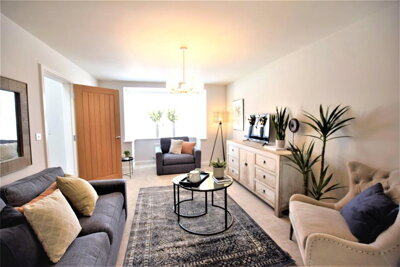
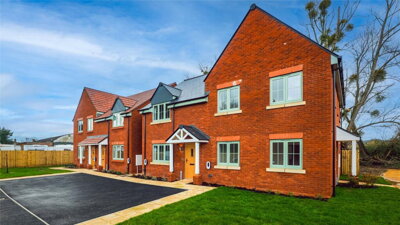
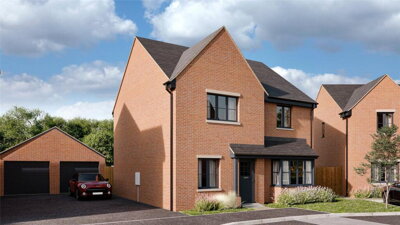
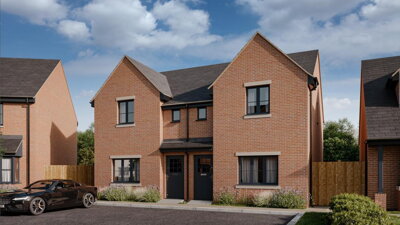
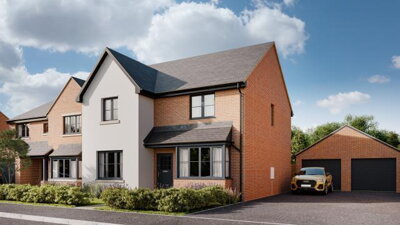
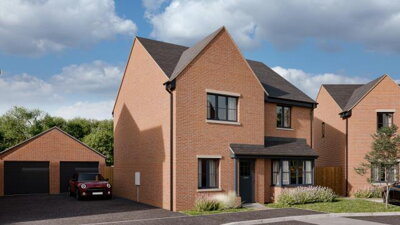
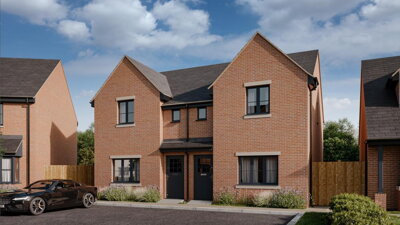
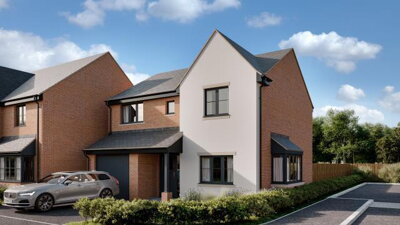
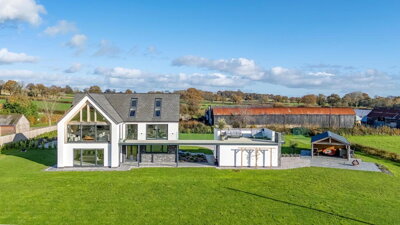
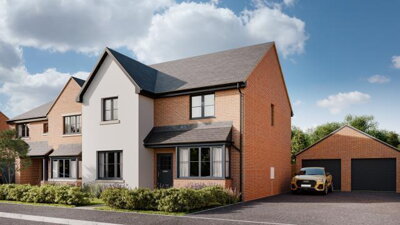
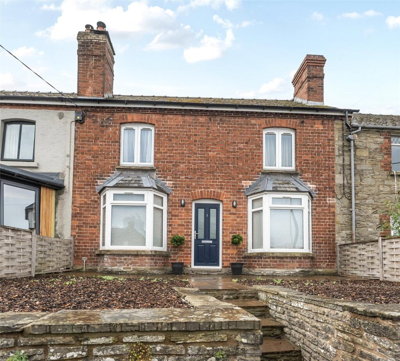
Browse 11 homes new builds in HR3 from local developer agents.
Three bedroom properties represent a significant portion of the HR3 housing market, offering space for families with multiple reception rooms and gardens in many cases. Browse detached, semi-detached, and terraced options ranging across new residential developments.
£399k
23
0
221
Source: home.co.uk
Showing 23 results for 3 Bedroom Houses new builds in HR3. The median asking price is £399,000.
Source: home.co.uk
Detached
15 listings
Avg £442,246
Semi-Detached
6 listings
Avg £293,067
Terraced
2 listings
Avg £392,500
Source: home.co.uk
Source: home.co.uk
The HR3 property market reflects the character of its rural setting, with over half of all housing stock consisting of detached properties at 51.5%. These detached homes command an average price of £437,885, offering generous space and privacy that appeals to families and those seeking a countryside retreat. Semi-detached properties, comprising 25% of the housing stock, average £276,250 and provide an excellent entry point into the HR3 market for buyers seeking more affordable rural living without sacrificing the character of the area. The predominance of larger detached properties gives HR3 a distinctive character compared to more urban postcodes.
Terraced properties in HR3 average £246,250, with many featuring the traditional stone construction that defines the local architecture. Flats remain relatively scarce at just 6% of the housing stock, with average prices around £145,000, making them an attractive proposition for first-time buyers or investors looking for a compact base in this desirable location. The market has seen consistent activity with 40 sales in the past year, and three active new-build developments from Freeman Homes at Pen-y-Bryn, The Paddocks, and The Orchards in Clyro offer modern 3, 4, and 5 bedroom homes from £395,000 for those preferring contemporary construction with the benefits of new-build warranties.
Property age distribution in HR3 reveals a predominantly older housing stock, with 30.5% of properties built pre-1919 and a further 70.5% constructed before 1980. This means the vast majority of homes in the area are over 45 years old, carrying the construction characteristics typical of their era including solid walls, traditional stone masonry, and older heating systems. Buyers should factor in the potential maintenance requirements that come with period properties, from repointing stonework to updating electrical systems that may predate modern safety standards. The newer stock, accounting for 29.5% of properties built post-1980, offers more modern construction methods for those prioritising low-maintenance homes.

Life in HR3 revolves around the unique character of Hay-on-Wye, a town that has reinvented itself as the "Town of Books" while maintaining its medieval market town roots. The population of approximately 5,100 residents across 2,200 households enjoys an exceptional quality of life, with the town centre featuring an extraordinary concentration of independent bookshops that attract visitors from around the world, particularly during the renowned Hay Festival each spring. The local economy benefits from agriculture, tourism, and small businesses, with many residents also commuting to larger centres such as Hereford or Brecon for work. The literary festival, held annually in late May and early June, transforms the town and creates significant seasonal demand for accommodation and services.
The surrounding villages within HR3 offer quintessential rural living, from the conservation areas of Hay-on-Wye with its high concentration of listed buildings to smaller hamlets scattered across the rolling countryside. The geology of the area, dominated by Old Red Sandstone around Hay-on-Wye and Silurian rocks including mudstones and limestones across wider HR3, has shaped both the landscape and the architecture. Properties feature traditional stone construction using local sandstone and grey stone, alongside timber framing and slate or tile roofing that reflect centuries of building heritage. The Silurian limestone formations have historically provided building materials for walls and agricultural structures throughout the surrounding hills.
Local amenities include traditional pubs, artisan shops, art galleries, and excellent restaurants that showcase the best of Herefordshire produce. Outdoor pursuits are abundant, with the River Wye providing opportunities for fishing, canoeing, and paddleboarding, while the surrounding hills offer excellent walking and cycling. The Black Mountains provide stunning backdrop for those who love exploring the great outdoors, making HR3 ideal for active families and outdoor enthusiasts. The River Wye, designated a Site of Special Scientific Interest, flows through the heart of the area and forms part of the border between England and Wales, offering not only recreational opportunities but also important ecological habitats.
Education provision in HR3 serves families considering a move to this beautiful rural area, with several primary schools in and around Hay-on-Wye providing education for younger children. Hay-on-Wye Primary School serves as the main primary option within the town itself, providing education for children from Reception through to Year 6. The local primary schools typically serve their immediate communities, and catchment areas are determined by Herefordshire Council. For secondary education, pupils generally travel to schools in nearby towns, with school transport provision being an important consideration for families with older children. The journey times to secondary schools in Hereford or Brecon can be significant, and parents should factor this into their property search.
The area attracts families specifically because of the strong sense of community that local schools provide, often with close relationships between teachers, pupils, and parents. Many families choose to relocate to HR3 precisely for the quality of life that rural education can offer, with smaller class sizes and strong community ties. Parents should research current Ofsted ratings for schools serving the HR3 postcode, as these can vary and may influence educational outcomes. The intimate scale of rural schools often means teachers know each child individually, which many families find preferable to larger urban school settings where children can feel less recognised.
Those seeking grammar school options would need to explore provision in Hereford or Brecon, as these selective schools typically have defined catchment areas that may not include all parts of HR3. For families with children of sixth form age, options include sixth forms at secondary schools in nearby towns or further education colleges offering a wide range of A-level and vocational courses. The nearest further education college is in Hereford, offering courses from construction and engineering to healthcare and business studies. Parents researching schools in HR3 should contact the local education authority for the most current information on admissions policies, catchment area boundaries, and any planned changes to school provision in the area.
The HR3 postcode sits on the Welsh-English border country, with transport connections reflecting its rural character. Hay-on-Wye itself is served by limited bus services connecting to Hereford and Brecon, with journey times varying depending on connections. For those dependent on public transport, understanding the local bus timetables is essential, as services may be less frequent than in urban areas. The nearest railway stations are in Hereford and Builth Wells, requiring onward travel to reach HR3 properties. Builth Wells station sits on the Heart of Wales line, providing connections to Swansea and Shrewsbury, while Hereford station offers direct services to major cities including London, Birmingham, and Cardiff.
Road access is the primary means of transport for most HR3 residents, with the A438 providing an important connection through the area linking Hay-on-Wye to Brecon and the A465 Heads of the Valleys road. The journey to Hereford takes approximately 45 minutes by car, while Brecon is accessible in around 30 minutes via the A438. The market town of Hay-on-Wye itself is well-connected by road, though visitors should be aware that narrow lanes are common in the surrounding countryside, and some routes may be challenging for larger vehicles or during winter months. Commuters working in Hereford or other larger towns will find a car essential, and many residents factor commute times into their property search within HR3.
Cycling infrastructure is improving in parts of the area, though the hilly terrain presents challenges for some riders. The Black Mountains and surrounding hills create dramatic scenery but also steep gradients that may deter all but the most confident cyclists. Walking is popular within village communities, where amenities are often within reasonable distance. Parking in Hay-on-Wye can be limited during peak tourist seasons, particularly during the Hay Festival, when the town welcomes thousands of visitors and parking pressures are significantly elevated. Those considering a move to HR3 should factor these seasonal variations into their expectations about parking and traffic, particularly if working from home or running a business that requires deliveries.
Explore different villages and neighbourhoods within HR3 to find the community that best suits your lifestyle. Consider factors such as distance to amenities, school catchments, and commute times when narrowing your search. The area includes Hay-on-Wye itself, plus villages like Clyro, Clifford, and numerous hamlets, each with their own character and proximity to facilities.
Contact a mortgage broker to obtain an agreement in principle before viewing properties. This strengthens your position when making offers and demonstrates you're a serious buyer to estate agents in the HR3 market. With average property prices at £372,217, most buyers will require mortgage finance, and having documentation ready can accelerate the purchasing process.
Use Homemove to browse all available properties in HR3 and schedule viewings with local estate agents. Take time to view properties in different weather conditions and at various times of day to assess lighting, access, and any seasonal considerations such as flooding risk or parking availability during busy periods.
Given that over 70% of properties in HR3 were built before 1980, a Level 2 Survey is essential to identify any defects. Many older stone properties may have damp issues, roof problems, or outdated electrics that need addressing. Survey costs typically range from £400 to £800 depending on property size, and this investment can save significant money by identifying problems before completion.
Choose a conveyancing solicitor experienced in rural property transactions to handle the legal aspects of your purchase. They will conduct local searches through Herefordshire Council and manage the transfer of ownership. Given that many HR3 properties are in conservation areas or may be listed buildings, the legal process can involve additional considerations around planning conditions and permitted development rights.
Once all searches are satisfactory and finance is in place, your solicitor will exchange contracts and set a completion date. On completion day, you will receive the keys to your new HR3 home. Allow time for utility transfers and any immediate maintenance requirements that your survey may have identified.
Purchasing a property in HR3 requires careful consideration of several area-specific factors that may not be apparent during a standard viewing. The high proportion of older properties, with 30.5% built pre-1919 and 70.5% built before 1980, means that traditional construction methods are prevalent throughout the area. Stone walls, solid floor construction, and older heating systems are common features that may require maintenance or upgrading. A thorough RICS Level 2 Survey is strongly recommended for any property in HR3 to identify potential issues with damp, timber defects, or structural movement. The prevalence of lime mortar in older stone buildings means that repairs require specialist knowledge to maintain the breathability of traditional construction.
Flood risk is a significant consideration in parts of HR3, particularly in areas near the River Wye and its floodplain. Properties in Hay-on-Wye and downstream villages should be checked for flood history and any existing flood resilience measures. Surface water flooding can also affect low-lying areas, so reviewing the Environment Agency flood maps and discussing flood risk with the vendor is advisable before proceeding with a purchase. The River Wye floodplain extends beyond the main channel, and properties on lower ground may experience water ingress during periods of heavy rainfall.
The presence of shrink-swell clay soils in parts of Herefordshire, including areas within HR3, means that properties with inadequate foundations or those close to large trees may be at risk of subsidence or heave. This is particularly relevant for older properties with shallower foundations, which are more susceptible to movement as clay soils expand and contract with moisture content changes. Buyers should look for signs of structural movement such as cracking in walls or doors that stick, and should ensure their survey covers foundation condition thoroughly. The Silurian mudstones present in parts of the HR3 area can contain clay minerals that increase shrink-swell risk, particularly where ground conditions have been altered by drainage works or tree planting.
Hay-on-Wye's conservation area status means that properties may be subject to planning restrictions regarding external alterations, extensions, or changes that affect the historic character. Listed buildings require consent for most works and must use appropriate traditional materials and methods for any repairs. The extensive concentration of listed buildings in Hay-on-Wye town centre reflects its medieval origins and distinctive architectural heritage. Buyers considering properties in conservation areas or those that are listed should factor in the additional responsibilities and potential costs associated with maintaining these special buildings, including requirements to use lime-based mortars, natural stone, and traditional roofing materials.
The average house price in HR3 is £372,217 as of February 2026. Property prices vary significantly by type, with detached homes averaging £437,885, semi-detached properties at £276,250, terraced houses at £246,250, and flats around £145,000. The market has shown modest growth with a 1.05% increase over the past twelve months, and 40 property sales were completed during this period, indicating steady activity in this desirable rural postcode. Over half of the housing stock consists of detached properties, which reflects buyer preferences for the spacious rural lifestyle that HR3 offers.
Council tax bands in HR3 are set by Herefordshire Council, with bands ranging from A through to H depending on the property's assessed value. Most terraced properties and smaller homes fall into bands A to C, while larger detached homes and country houses may be in higher bands D through F. You can check the specific band for any property through the Valuation Office Agency website or by contacting Herefordshire Council directly. Properties in Hay-on-Wye conservation area may have different valuations reflecting their historic character and location.
HR3 has several primary schools serving the local community, with Hay-on-Wye Primary School being the main primary option in the town itself. The school serves children from Reception through Year 6 and typically draws from the immediate catchment area within and around Hay-on-Wye. For secondary education, pupils typically attend schools in nearby towns such as Hereford or Brecon, with many families relying on school transport provided by Herefordshire Council. The area is popular with families due to the strong community feel of rural schools and the quality of life offered in the Border Counties, though parents should research current Ofsted ratings and consider journey times when choosing a property in HR3.
Public transport options in HR3 are limited, reflecting the rural nature of the area. Hay-on-Wye is served by bus services connecting to Hereford and Brecon, though frequencies are reduced compared to urban areas, with some routes running only on certain days of the week. The nearest railway stations are in Hereford and Builth Wells, with Builth Wells offering connections on the Heart of Wales line to Swansea and Shrewsbury, while Hereford provides access to major intercity routes. Most residents in HR3 rely on private vehicles for daily transport, and a car is considered essential for those working outside the immediate area or with family commitments requiring regular travel to schools and amenities.
HR3 can be a sound investment for buyers seeking a rural lifestyle rather than rapid capital growth. Property values have shown modest increases of 1.05% over the past year, and the area's popularity as a tourist destination and literary hub supports demand. The scarcity of new housing, combined with the strong appeal of Hay-on-Wye's unique character, helps maintain property values, particularly for period stone properties in desirable locations. However, investors should be aware of seasonal tourism fluctuations and the limited rental market in such a rural location, as demand for rental properties can vary significantly between the busy summer period and quieter winter months.
Stamp Duty Land Tax rates from April 2025 are 0% on the first £250,000 of residential property, 5% between £250,001 and £925,000, 10% between £925,001 and £1.5 million, and 12% above £1.5 million. First-time buyers benefit from relief on the first £425,000, with 5% charged between £425,001 and £625,000. For the average HR3 property at £372,217, a standard buyer would pay no stamp duty on the first £250,000 and 5% on £122,217, totaling £6,110.85. First-time buyers purchasing at the average price point would pay no stamp duty due to the higher threshold for first-time buyer relief.
From 4.5%
Expert mortgage advice for HR3 buyers
From £499
Solicitors experienced in HR3 property transactions
From £400
Essential for older HR3 properties
From £600
Comprehensive survey for period properties
Buying a property in HR3 involves several costs beyond the purchase price, with Stamp Duty Land Tax being a significant consideration for most buyers. For properties at the HR3 average price of £372,217, standard buyers will pay stamp duty on the portion above £250,000 at 5%, resulting in a tax bill of approximately £6,110.85. First-time buyers purchasing properties up to £425,000 can benefit from relief that reduces their stamp duty to zero on the first £425,000, making the HR3 market more accessible for those taking their first step onto the property ladder. Properties priced above £625,000 do not qualify for first-time buyer relief and will pay standard rates.
Beyond stamp duty, buyers should budget for solicitor conveyancing costs, which typically start from £499 for a straightforward transaction but may be higher for properties with complex titles, listed building consent requirements, or agricultural land. Local searches through Herefordshire Council are essential and usually cost between £250 and £400, covering matters such as planning history, environmental constraints, and flooding risk. Given that HR3 includes River Wye floodplain areas, these searches are particularly important for properties in lower-lying positions. Additional searches may be required for properties near former quarries or with unusual access arrangements.
A RICS Level 2 Survey is strongly recommended for any HR3 property purchase, with costs typically ranging from £400 to £800 depending on property size and value. For the older properties that dominate the HR3 housing stock, this survey can identify defects such as damp, roof issues, timber decay, or structural movement that may not be visible during a standard viewing. The investment in a professional survey is particularly valuable for the 30.5% of properties built pre-1919, where specialist knowledge of traditional construction methods may be required to assess condition accurately. Given the prevalence of stone construction and potential for conservation area restrictions, buyers should consider whether a more comprehensive RICS Level 3 Survey might be appropriate for listed buildings or properties with unusual features.
Properties New Builds In London

Properties New Builds In Plymouth

Properties New Builds In Liverpool

Properties New Builds In Glasgow

Properties New Builds In Sheffield

Properties New Builds In Edinburgh

Properties New Builds In Coventry

Properties New Builds In Bradford

Properties New Builds In Manchester

Properties New Builds In Birmingham

Properties New Builds In Bristol

Properties New Builds In Oxford

Properties New Builds In Leicester

Properties New Builds In Newcastle

Properties New Builds In Leeds

Properties New Builds In Southampton

Properties New Builds In Cardiff

Properties New Builds In Nottingham

Properties New Builds In Norwich

Properties New Builds In Brighton

Properties New Builds In Derby

Properties New Builds In Portsmouth

Properties New Builds In Northampton

Properties New Builds In Milton Keynes

Properties New Builds In Bournemouth

Properties New Builds In Bolton

Properties New Builds In Swansea

Properties New Builds In Swindon

Properties New Builds In Peterborough

Properties New Builds In Wolverhampton

Enter your details to see if this property is within your budget.
Loans, cards, car finance
Estimated property budget
Borrowing + deposit
You could borrow between
Typical borrowing
Monthly repayment
Est. at 4.5%
Loan-to-value
This is an estimate only. Your actual budget may vary depending on interest rates, credit history, and personal circumstances. For an accurate affordability assessment, speak to one of our free mortgage advisors.
This calculator provides estimates for illustrative purposes only and does not constitute financial advice. Your home may be repossessed if you do not keep up repayments on your mortgage. Estimates based on 4.5% interest rate, repayment mortgage. Actual rates depend on your circumstances.
Homemove is a trading name of HM Haus Group Ltd (Company No. 13873779, registered in England & Wales). Homemove Mortgages Ltd (Company No. 15947693) is an Appointed Representative of TMG Direct Limited, trading as TMG Mortgage Network, which is authorised and regulated by the Financial Conduct Authority (FRN 786245). Homemove Mortgages Ltd is entered on the FCA Register as an Appointed Representative (FRN 1022429). You can check registrations at NewRegister or by calling 0800 111 6768.

We use cookies to show you personalised content and improve your experience of our website. Find out more in our Privacy policy and Cookie policy.