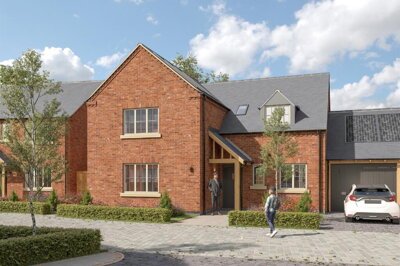
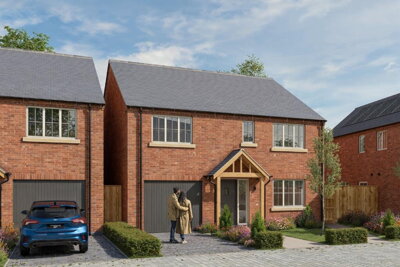
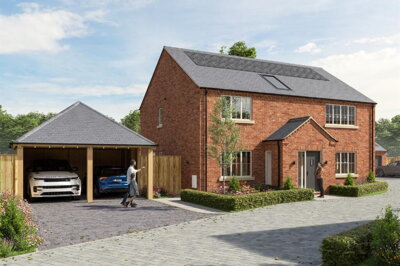
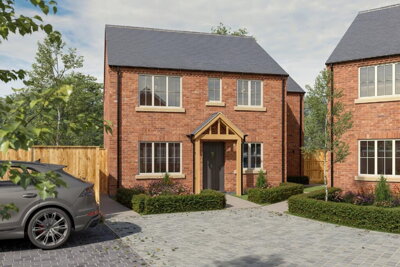
Browse 4 homes new builds in Hopwell, Erewash from local developer agents.
£0k
0
0
0
Source: home.co.uk
The property market in Hallington and the surrounding south Northumberland area reflects the character of rural England at its finest, offering buyers a selection of traditional sandstone properties alongside more recent constructions. Homes in this part of Northumberland typically include detached farmhouses, traditional cottages constructed from local stone, and semi-detached houses built during various periods of expansion. The hamlet itself and nearby settlements provide options across different property types, though availability naturally varies according to demand and the limited number of homes within any single small community.
Property prices in Northumberland generally offer good value compared to metropolitan areas, with the county average sitting around £215,000 to £253,000 depending on the data source. In Hallington specifically, average prices have shown resilience, with recent transactions averaging around £460,000 for the village itself, reflecting the premium attached to rural hamlet properties with character and land. The broader Northumberland market saw prices increase by approximately 10.8% from December 2024 to December 2025, with semi-detached properties rising by 12.2% over the same period.
The local economy draws from agriculture, tourism, and manufacturing sectors, with Hexham providing employment and amenities that support the wider property market. Major employers in the county include health services, tourism enterprises, and manufacturing companies such as Egger in Hexham and Coca-Cola in Morpeth. New build developments in the broader area, including the Briar Fields development in Great Whittington featuring stone-built four-bedroom homes, have added modern options to the housing stock in nearby villages, though much of the area's character comes from its older properties and traditional building styles using local sandstone.
Life in Hallington, Northumberland, embodies the essence of rural English living, where community connections and natural beauty define everyday experience. The village and surrounding area form part of south Northumberland, which spans from the North Pennines in the west to the coast near Whitley Bay in the east. This geography provides residents with varied landscapes, from rolling farmland and scenic valleys to open countryside and proximity to the heritage coast.
The demographics of Northumberland reflect an ageing population alongside young families drawn by affordable housing and quality of life compared to nearby Newcastle. Villages like Hallington typically feature tight-knit communities where neighbours know one another and local events bring people together throughout the year. The population of Hallington itself remains small, with historical records indicating around 177 residents across approximately 74 households in the broader parish area, creating the intimate village atmosphere that appeals to those seeking escape from urban congestion.
Amenities in the wider area include village shops, primary schools, traditional pubs, and community facilities, while Hexham provides access to supermarkets, healthcare services, secondary schools, and a broader range of retail and dining options. The pace of life here suits those seeking respite from city living while maintaining access to necessary services, with Newcastle upon Tyne reachable for those requiring metropolitan amenities or commuting to work in the city.

Understanding the construction methods and materials used in local properties is essential for anyone buying in the Hallington area of Northumberland. The region is characterised by traditional sandstone buildings, with thick walls constructed from local stone that varies in colour from grey to pink hues. This vernacular architecture reflects centuries of building tradition, with rubble sandstone used in earlier buildings and regularly sized squared and coursed blocks appearing in later 18th to mid-19th century construction. Our inspectors regularly assess these traditional properties and understand the maintenance requirements specific to sandstone construction.
Roof construction in the area typically features slate or stone tiles, with Welsh slate particularly common on more prestigious buildings such as Hallington Hall, which features an ashlar and dressed stone construction under its Welsh slate roof. Lime mortar was traditionally used throughout, allowing buildings to breathe in ways that modern cement mortars do not replicate. When we assess properties built before 1900, we pay particular attention to mortar condition, as the use of inappropriate modern repairs can cause moisture trapping and accelerated stone deterioration.
Properties built from the 18th century onwards often feature dressed and squared limestone alongside sandstone, while brick was used more sparingly for repairs, chimney stacks, and additions during that period. Timber framing is rarely used as a primary structural element in this part of Northumberland, distinguishing the local building tradition from other regions. This information helps our surveyors identify potential issues related to non-standard construction methods and assess maintenance requirements accurately when evaluating properties across the Hexham area.
Families considering a move to Hallington and the surrounding Northumberland area will find a selection of educational establishments serving the local population. Primary education is typically provided through village schools or those in nearby small towns, offering young children accessible schooling within a short distance of home. Schools in the Hexham area and surrounding villages often serve multiple communities, providing education within a familiar and supportive environment. Ofsted inspection outcomes vary across rural Northumberland, and parents are encouraged to research current ratings for specific schools relevant to their location.
Secondary education options in south Northumberland include schools in Hexham, where students from the Hallington area may travel for secondary schooling, with school transport arrangements supporting access from surrounding villages. For those pursuing further education, colleges in Newcastle upon Tyne and Carlisle provide vocational and academic courses, while sixth forms at established secondary schools offer A-level pathways. The range of educational options reflects the county's commitment to serving its dispersed rural population while maintaining strong connections to metropolitan educational resources.
The aging population demographic of Northumberland, which is increasing faster than other areas of England, has implications for educational provision and community services. However, young families continue to be attracted to the area by housing affordability relative to Newcastle and the quality of life offered by rural living, ensuring that schools in the Hexham catchment remain viable and well-supported community institutions.
Transport connections from Hallington and the wider south Northumberland area reflect its rural character, with private vehicle travel forming the primary means of getting around. The hamlet's position in rural Northumberland means that access to major road networks is via the A69 running toward Hexham and Newcastle, with the A68 providing routes toward Edinburgh and the Scottish Borders. For residents commuting to work, journey times to Newcastle typically range from 45 minutes to an hour under normal traffic conditions, making metropolitan employment feasible for those who need it.
Public transport options in rural Northumberland include bus services connecting villages to Hexham and surrounding towns, though frequencies may be limited compared to urban areas. Those considering property in Hallington should review local bus timetables to understand connectivity for daily commuting, school runs, or accessing amenities without a vehicle. The nearest railway stations are located in Hexham and Corbridge, providing connections to Newcastle, Carlisle, and the broader rail network. For longer-distance travel, Newcastle International Airport and Carlisle Lake District Airport provide connections to domestic and international destinations.
The North East's transport infrastructure continues to develop, with improvements to road connections and public transport options making rural living increasingly viable for commuters. However, prospective buyers should honestly assess their transport needs and ensure that the rural connectivity of the Hallington area aligns with their lifestyle requirements before committing to a purchase.
Contact lenders or brokers to secure a mortgage agreement in principle before beginning your property search. This demonstrates your financial readiness to sellers and estate agents when making offers, and helps you understand your true budget in the current market where Northumberland prices have shown strong growth recently.
Spend time exploring Hallington and surrounding villages to understand the community, amenities, and property types available. Visit at different times of day and week if possible to get a genuine feel for the area, and speak with local residents to understand what daily life is like in this part of south Northumberland.
Register with Homemove and browse available properties in Hallington and the wider Hexham area. Our platform aggregates listings from local estate agents, giving you comprehensive access to the market including traditional cottages, modern developments like those at Briar Fields in nearby Great Whittington, and period properties throughout the region.
Schedule viewings of properties that meet your criteria. Take notes and photographs during visits, and don't hesitate to return for second viewings before deciding. When viewing traditional sandstone properties, pay particular attention to roof condition, mortar joints, and signs of damp penetration through the thick stone walls.
Once you find your ideal home, submit an offer through the selling agent. Instruct a solicitor to handle conveyancing and a surveyor to conduct a property assessment. For older properties or those with listed status, we recommend our RICS Level 3 Building Survey to provide the comprehensive assessment these homes may require.
Work with your solicitor to progress through legal checks, exchange contracts, and arrange completion. On completion day, keys are transferred and you can move into your new home in this beautiful corner of Northumberland.
Purchasing property in a rural Northumberland hamlet like Hallington requires attention to factors specific to the area's housing stock and local conditions. Many properties in south Northumberland are traditional buildings constructed using local sandstone materials, which require different maintenance approaches compared to modern brick or timber-frame construction. Our inspectors regularly assess these traditional properties and understand how the thick stone walls behave in the local climate, including their susceptibility to penetrating damp through mortar joints and the importance of maintaining lime-based pointing rather than cement repairs.
Given the age of much of the housing stock in the Hallington area, with properties dating from the 18th century and earlier such as Hallington Hall (1768) and Hallington Mill (1708), buyers should anticipate common defects associated with historic buildings. These include dampness caused by poor ventilation or failing damp-proof courses, roof deterioration affecting slate or stone tiles, and outdated electrical systems that may not meet modern safety standards. Our RICS Level 2 Survey is specifically designed to identify these issues in properties of standard construction, while our Level 3 Building Survey provides more comprehensive assessment for complex historic properties or those with non-standard construction methods.
Flood risk in the Hallington area is generally very low according to government flood risk data, with the village not falling within high-risk zones for river, sea, or groundwater flooding. However, surface water flooding can occur, and the area near Hallington Reservoirs and the Whittledean Watercourse warrants investigation for specific properties. Mining history in the broader Northumberland region is another consideration, as historic unrecorded coal mine workings can occasionally cause ground movement; a more in-depth survey might be recommended if there are concerns about historical mining activity near a particular property.
Listed building status applies to several properties in Hallington, including Hallington Hall and Hallington Mill, which are both Grade II listed. Any property within the nearby Great Bavington Conservation Area or other designated areas may be subject to restrictions on alterations and require specific maintenance approaches using appropriate materials and methods. Buyers should clarify any such designations before committing to a purchase, as works to listed buildings require consent and must be sympathetic to the property's architectural or historic character.
Average house prices in Hallington itself have shown strength in recent years, with transactions averaging around £460,000 for the village. This reflects the premium attached to rural hamlet properties with character features and land in this sought-after part of south Northumberland. For the broader Northumberland county, average prices range from £215,000 to £253,000 depending on the data source, with detached properties averaging around £378,000 to £406,000 and terraced properties averaging approximately £173,000. Property prices in Northumberland increased by approximately 10.8% from December 2024 to December 2025, with semi-detached properties showing the strongest growth at 12.2% over that period.
Direct new-build developments within Hallington itself are highly unlikely given the hamlet's small size and conservation character. However, the Briar Fields development in nearby Great Whittington, approximately 2-3 miles from Hallington, offers ten individually designed four-bedroom detached family homes by Anvil Homes. These properties feature stone construction with timber sash windows, reflecting traditional Northumbrian building methods while offering modern specifications. Planning permission was granted by Northumberland County Council, and the development represents the type of modern housing becoming available in the immediate surrounding area.
Properties in the Hallington and south Northumberland area are predominantly constructed from local sandstone, with thick walls featuring rubble sandstone in earlier buildings and squared coursed stone in later constructions. Roofs typically feature slate or stone tiles, with Welsh slate particularly common on prestigious properties. The stone varies in colour from grey to pink hues, and lime mortar was traditionally used throughout, allowing buildings to breathe in ways that modern materials may not replicate. This traditional construction gives the area its distinctive character but requires specific maintenance approaches that our surveyors understand intimately.
Hallington is not listed as a high-risk flood area according to government flood risk data, with very low risk from rivers, the sea, and groundwater sources. However, a 2015 Strategic Flood Risk Assessment for Northumberland indicates that the area has high groundwater vulnerability and low surface water risk. Properties near waterways such as the Whittledean Watercourse or in proximity to Hallington Reservoirs should be investigated specifically. For most properties in the village itself, flooding from major sources is not a significant concern, though prospective buyers should review government flood maps for specific locations and consider the low but not zero surface water risk.
Given the prevalence of older traditional properties in the Hallington area, our inspectors frequently identify dampness issues caused by poor ventilation, leaking roofs, or failing damp-proof courses in older buildings. Roof deterioration affecting traditional slate or stone tiles is common, as is structural movement that may manifest as hairline cracks or, more seriously, larger cracks indicating subsidence. Outdated electrical systems in properties built before the 1980s are frequently found, along with timber defects such as woodworm or wet rot in properties with damp penetration issues. Our RICS Level 2 Survey specifically targets these common defects and provides clear recommendations for addressing them.
Public transport options from Hallington reflect its rural location, with bus services providing connections to Hexham and surrounding villages, though service frequencies are limited compared to urban areas. A private vehicle is advantageous for full connectivity, and journey times to Newcastle by car typically range from 45 minutes to an hour. The nearest railway stations are located in Hexham and Corbridge, providing connections to Newcastle and Carlisle. For longer-distance travel, Newcastle International Airport is reachable within approximately an hour by car. Prospective buyers should review current timetables and consider their transport needs carefully.
If you are purchasing a listed property such as Hallington Hall or Hallington Mill, or any property within a conservation area, we strongly recommend our RICS Level 3 Building Survey rather than a Level 2 inspection. Listed building status imposes restrictions on alterations and renovations, and a comprehensive survey is essential to understand the property's condition, identify any inappropriate previous works, and assess the maintenance requirements specific to historic buildings. The Level 3 survey provides detailed assessment of construction, defects, and recommendations for appropriate repair methods and materials that will preserve the building's special character while addressing any issues identified.
Stamp Duty Land Tax applies to property purchases in England, including Hallington. Current thresholds for 2024-25 include zero duty on the first £250,000 of property value, 5% on the portion from £250,001 to £925,000, 10% up to £1.5 million, and 12% above that. First-time buyers benefit from relief on the first £425,000, with 5% applying between £425,001 and £625,000. Given that average prices in Hallington itself are around £460,000, a first-time buyer purchasing at this level would pay no stamp duty, while a non-first-time buyer would pay 5% on the amount above £250,000, which would be £10,500. Calculate your specific liability using HMRC tools or consult a financial advisor.
From 4.5%
Competitive mortgage rates for buyers in rural Northumberland
From £499
Solicitors experienced in Northumberland property transactions
From £350
Homebuyer Report ideal for standard modern properties
From £619
Comprehensive Building Survey for historic and complex properties
Understanding the costs associated with purchasing property in Hallington, Northumberland, is essential for budgeting effectively. Beyond the property price itself, buyers must account for Stamp Duty Land Tax, which applies to all purchases above £250,000 at varying rates depending on the total price and buyer status. With average prices in Hallington around £460,000, a typical purchase would incur stamp duty at the standard rate unless the buyer qualifies for first-time buyer relief. For a property at this price point, a non-first-time buyer would pay approximately £10,500 in stamp duty, calculated as 5% on the amount above £250,000.
Additional buying costs include solicitor fees for conveyancing, typically ranging from £500 to £1,500 depending on complexity and property value, with rural properties sometimes requiring additional due diligence regarding rights of way, agricultural restrictions, or unusual title arrangements. Survey costs vary according to the level of inspection required, with RICS Level 2 surveys starting from around £350 for standard properties and Level 3 comprehensive surveys from approximately £619, rising for larger homes or those with non-standard construction. Properties over 100 years old or built with non-traditional methods may incur additional charges reflecting the increased assessment complexity.
Mortgage arrangement fees typically range from £0 to £2,000 depending on the lender and product selected, while valuation fees vary based on property value and lender requirements. Land registry charges and search fees complete the typical purchase cost breakdown. Buyers should ensure they have funds available beyond the deposit to cover these expenses, which can add several thousand pounds to the total budget required for completing a purchase in the Hallington area. For properties at the village average of £460,000, total additional costs beyond deposit and mortgage could reach £8,000 to £12,000 depending on circumstances and professional choices.
Properties New Builds In London

Properties New Builds In Plymouth

Properties New Builds In Liverpool

Properties New Builds In Glasgow

Properties New Builds In Sheffield

Properties New Builds In Edinburgh

Properties New Builds In Coventry

Properties New Builds In Bradford

Properties New Builds In Manchester

Properties New Builds In Birmingham

Properties New Builds In Bristol

Properties New Builds In Oxford

Properties New Builds In Leicester

Properties New Builds In Newcastle

Properties New Builds In Leeds

Properties New Builds In Southampton

Properties New Builds In Cardiff

Properties New Builds In Nottingham

Properties New Builds In Norwich

Properties New Builds In Brighton

Properties New Builds In Derby

Properties New Builds In Portsmouth

Properties New Builds In Northampton

Properties New Builds In Milton Keynes

Properties New Builds In Bournemouth

Properties New Builds In Bolton

Properties New Builds In Swansea

Properties New Builds In Swindon

Properties New Builds In Peterborough

Properties New Builds In Wolverhampton

Enter your details to see if this property is within your budget.
Loans, cards, car finance
Estimated property budget
Borrowing + deposit
You could borrow between
Typical borrowing
Monthly repayment
Est. at 4.5%
Loan-to-value
This is an estimate only. Your actual budget may vary depending on interest rates, credit history, and personal circumstances. For an accurate affordability assessment, speak to one of our free mortgage advisors.
This calculator provides estimates for illustrative purposes only and does not constitute financial advice. Your home may be repossessed if you do not keep up repayments on your mortgage. Estimates based on 4.5% interest rate, repayment mortgage. Actual rates depend on your circumstances.
Homemove is a trading name of HM Haus Group Ltd (Company No. 13873779, registered in England & Wales). Homemove Mortgages Ltd (Company No. 15947693) is an Appointed Representative of TMG Direct Limited, trading as TMG Mortgage Network, which is authorised and regulated by the Financial Conduct Authority (FRN 786245). Homemove Mortgages Ltd is entered on the FCA Register as an Appointed Representative (FRN 1022429). You can check registrations at NewRegister or by calling 0800 111 6768.

We use cookies to show you personalised content and improve your experience of our website. Find out more in our Privacy policy and Cookie policy.