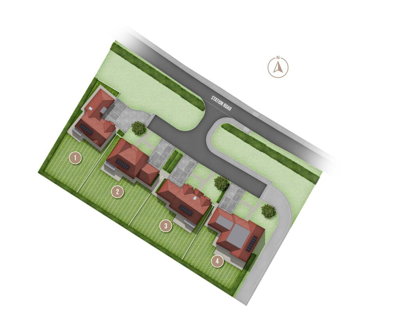
Browse 2 homes new builds in Honeybourne, Wychavon from local developer agents.
The larger property sector typically features multiple bathrooms, substantial reception space, and private gardens or off-street parking. Four bedroom houses in Honeybourne span detached, semi-detached, and occasionally terraced configurations, with styles ranging from period properties to modern executive homes.
£480k
2
0
99
Source: home.co.uk
Showing 2 results for 4 Bedroom Houses new builds in Honeybourne, Wychavon. The median asking price is £480,000.
Source: home.co.uk
Detached
1 listings
Avg £360,000
Semi-Detached
1 listings
Avg £600,000
Source: home.co.uk
Source: home.co.uk
The Honeybourne property market presents a varied landscape of housing options to suit different buyer requirements. Detached properties dominate the local housing stock, accounting for approximately 45% of homes, with average prices around £489,680. These family-sized homes often feature generous gardens and driveways, appealing to buyers prioritising space and privacy. The village's semi-detached properties, representing roughly 30% of the housing mix, offer excellent value at an average of £316,667, making them popular among first-time buyers and growing families seeking quality homes at more accessible price points.
Terraced properties in Honeybourne average around £265,000, while flats start from approximately £175,000, providing entry-level options for those new to the local market. Recent market data indicates a modest cooling trend, with overall prices decreasing by approximately 2.6% over the past twelve months. This slight correction offers prospective buyers a window of opportunity to secure properties at more favourable valuations before potential market stabilisation. The village has seen active development in recent years, with new-build schemes adding modern options to the traditional housing stock.
Two significant new developments currently shape the Honeybourne property landscape. Honeybourne Gate on Weston Road, developed by Spitfire Homes, offers 2, 3, 4 and 5 bedroom homes priced from £315,000 to £695,000. The Orchards development on Station Road, built by Orbit Homes, provides 2, 3 and 4 bedroom properties ranging from £290,000 to £475,000. Both developments attract buyers seeking modern construction methods and energy-efficient homes while remaining within the village's highly regarded community. We track listings across all property types including these new-build options to give you complete market coverage when browsing homes for sale in Honeybourne.

Honeybourne offers a welcoming village atmosphere with a population of approximately 2,017 residents across 836 households. The village preserves much of its historic character through a designated Conservation Area, centred around the traditional village core and areas near St Ecgwin's Church, which holds Grade I listed status. Several 17th to 19th-century farmhouses and cottages contribute to the architectural heritage, many constructed using the distinctive local Cotswold stone and traditional red brick techniques that define the Worcestershire-Gloucestershire border region. These historic properties form the backbone of the village's character, though they require specific maintenance approaches suited to traditional construction methods.
The local community benefits from essential amenities including a village shop, popular pubs serving food, and recreational facilities. Residents enjoy access to beautiful countryside walks and cycling routes that traverse the surrounding farmland and follow the nearby River Isbourne. The village's positioning within Wychavon district provides access to both state and independent schooling options, with many parents travelling short distances to secure preferred school places for their children. The blend of historic architecture, community spirit, and rural scenery makes Honeybourne particularly attractive to families and professionals seeking a better quality of life away from urban congestion.
Property age distribution across Honeybourne reveals a diverse housing stock spanning multiple eras. Approximately 20-25% of properties predate 1919, concentrated within the historic core near the church and along traditional lanes. A further 10-15% represent inter-war expansion from the 1920s and 1930s, while post-war development from 1945-1980 accounts for around 20-25% of the housing stock. The remaining 35-45% comprises post-1980 construction, including contemporary developments and the more recent Honeybourne Gate and The Orchards schemes. This mix means buyers can choose between characterful period properties requiring different levels of maintenance and modern homes offering contemporary insulation and construction standards.

Families considering a move to Honeybourne will find educational options serving various age groups within and near the village. Primary education is available through local schools serving the Honeybourne catchment area, with additional options in neighbouring villages and towns. The village's positioning within Wychavon district provides access to both state and independent schooling options, with many parents travelling short distances to secure preferred school places for their children. We recommend checking current catchment boundaries and admission policies, as these directly influence school allocations and can affect which properties prove most suitable for family buyers.
Secondary education in the area includes schools in surrounding towns offering comprehensive curricula and specialist facilities. Students from Honeybourne typically access secondary schools in nearby market towns including Evesham and Stratford-upon-Avon, both of which offer strong academic programmes and extracurricular activities. Sixth form provision is available at secondary schools in these nearby market towns, providing progression pathways for older students seeking A-level qualifications before university or vocational training. Parents are advised to check current catchment areas and admission arrangements, as these can influence school allocations and should be factored into property search decisions.
The presence of quality educational establishments throughout Wychavon and South Warwickshire ensures families have reasonable access to good schools, whether seeking state-funded or independent options. Primary schools in the surrounding villages of Pebworth, Weston-sub-Edge, and Harvington serve the local catchment, with several achieving good or outstanding Ofsted ratings in recent inspections. Many families relocating to Honeybourne specifically cite the accessibility of quality schools in the wider area as a key factor in their decision to purchase property in the village.
Honeybourne benefits from excellent rail connectivity, making it particularly attractive to commuters seeking homes for sale in Honeybourne who work in major urban centres. Honeybourne railway station provides direct services to Worcester, Oxford, and London Paddington, with the capital reachable in approximately two hours. This rail access transforms the village from a purely rural settlement into a practical base for professionals working in major urban centres while maintaining countryside living standards. Regular train services throughout the day support flexible working arrangements and commuting patterns, with stations along the Cotswold Line offering convenient access to employment hubs.
Road connectivity complements the rail options, with the village situated near major routes connecting to Evesham, Stratford-upon-Avon, and the wider motorway network. The A46 and A44 provide good road connections to Worcester and Oxford respectively, while the M5 motorway is accessible via Evesham, linking Honeybourne to the wider national road network. Bus services provide additional local transport options connecting Honeybourne to surrounding villages and towns for those without private vehicles, with regular services to Evesham market town where residents can access additional amenities and facilities.
Local cycling infrastructure and footpaths enable sustainable travel for shorter journeys, while adequate parking provision at the railway station supports commuters combining rail travel with car ownership. The station car park offers convenient parking for those wishing to commute by train while living in Honeybourne, making it practical to own a vehicle for weekend use while relying on public transport for daily commuting. These transport links significantly influence property values and demand in the village, with properties closer to the station typically commanding premium valuations reflecting the convenience factor.
Explore current property listings and recent sales in Honeybourne to understand pricing, property types available, and market trends. We provide comprehensive data on homes for sale, including new developments like Honeybourne Gate on Weston Road and The Orchards on Station Road. Reviewing sold prices alongside current listings helps you gauge realistic valuations and identify properties priced competitively within the market.
Before scheduling viewings, obtain a mortgage agreement in principle from a lender. This strengthens your position when making offers and demonstrates serious intent to sellers in what can be a competitive market. Given the variety of property types in Honeybourne, from period cottages to modern detached homes, securing financing clarity early helps you focus your search on realistically affordable options.
Arrange viewings for properties matching your criteria, visiting multiple homes to compare condition, location within the village, and proximity to amenities, schools, and transport links. Consider viewing properties across different price ranges and property ages to understand the trade-offs between character, maintenance requirements, and modern conveniences that characterise the Honeybourne market.
Once your offer is accepted, commission a RICS Level 2 Survey to assess the property's condition thoroughly. Given Honeybourne's clay geology and mix of older properties, this survey can identify potential issues with foundations, drainage, or historic building fabric. Properties constructed before the 1980s may require particular attention to electrical rewiring, plumbing upgrades, or roof condition assessments that a thorough survey will highlight.
Appoint a solicitor to handle the legal aspects of your purchase, including searches, contracts, and registration. Local conveyancers familiar with Wychavon district can streamline the process efficiently, particularly for properties within the Conservation Area where additional planning considerations may apply. Your solicitor will conduct local authority searches, drainage and water searches, and environmental searches to identify any issues affecting the property.
Finalise your purchase by exchanging contracts through your solicitor, paying stamp duty, and completing your transaction to receive the keys to your new Honeybourne home. On completion day, your solicitor will transfer the remaining balance to the seller's conveyancer, and you will receive the keys to your new property. We recommend arranging building insurance and utility connections before completion day for a smooth transition to your new home.
Understanding the predominant construction methods in Honeybourne helps buyers appreciate the characteristics and maintenance requirements of properties across the village. Older properties predating 1945 typically feature solid wall construction using local Cotswold stone or red brick with lime mortar, while roofs commonly use clay tiles or natural slate. These traditional materials require specialist conservation approaches rather than modern repair techniques, making it important to understand a property's construction before budgeting for maintenance or renovation work.
Properties built during the inter-war and post-war periods from 1920-1980 generally employ cavity wall construction with brick or render finishes, often featuring pitched roofs with concrete tiles. Timber floors and traditional joinery remain common in these mid-century homes, which may require updates to insulation standards to meet contemporary expectations for thermal performance. Many buyers purchasing these properties budget for gradual improvements to bring energy efficiency in line with modern standards without compromising the character of the original construction.
Modern developments constructed after 1980, including The Orchards and Honeybourne Gate, typically feature standard cavity wall construction with brick or rendered finishes, often incorporating timber frame elements for improved thermal performance. Contemporary homes generally comply with modern building regulations regarding insulation, ventilation, and energy efficiency, reducing the likelihood of issues commonly found in older properties. However, newer construction may still present defects in finish quality or specification, making a thorough survey valuable even for recently built homes.
Purchasing property in Honeybourne requires attention to several local-specific factors that can significantly impact your investment. The underlying geology of Lower Lias Clay and Charmouth Mudstone presents a moderate to high shrink-swell risk, meaning properties may be susceptible to ground movement with changes in soil moisture levels. This risk is particularly relevant for older properties with potentially shallow foundations, especially those constructed before modern building regulations established deeper foundation requirements. A thorough RICS Level 2 Survey is essential to assess foundation conditions and identify any signs of subsidence or heave that might require remediation.
Flood risk awareness is important when evaluating properties in Honeybourne. Surface water flooding can affect low-lying areas and properties near drainage systems, while proximity to the River Isbourne and its tributaries creates river flood risk during periods of heavy rainfall. Property buyers should review Environment Agency flood maps and ask sellers about any previous flooding history. Additionally, properties within the Conservation Area may face planning restrictions on alterations and extensions, which is worth considering if you plan modifications to your new home. These considerations apply particularly to the older properties along the village lanes near St Ecgwin's Church where many historic buildings cluster.
Common defects found during surveys of Honeybourne properties include damp issues in older buildings, particularly rising damp or penetrating damp due to the age of materials, poor maintenance, or inadequate drainage around foundations. Roof condition frequently requires attention in period properties, where original slate or clay tile roofs may show signs of deterioration including slipped tiles, degraded pointing, or failing felt. Properties built before the 1980s often have electrical wiring and plumbing systems that do not meet current standards, potentially requiring upgrading by qualified contractors before purchase.
Timber defects including woodworm, wet rot, and dry rot can affect older timber elements throughout traditional Honeybourne properties, particularly in damp conditions or where ventilation is poor. Our inspectors pay particular attention to these issues when surveying properties in the village, as they can significantly impact both the structural integrity and the cost of owning a period property. Identifying these defects before purchase allows buyers to negotiate appropriate remedies or adjust their offer to reflect the cost of necessary repairs.
The average house price in Honeybourne currently sits at approximately £371,296 according to recent Rightmove market data. Detached properties average around £489,680, semi-detached homes around £316,667, terraced properties approximately £265,000, and flats from £175,000. The market has experienced a modest cooling with prices decreasing by roughly 2.6% over the past twelve months, offering opportunities for buyers in various budget ranges looking for homes for sale in Honeybourne.
Properties in Honeybourne fall under Wychavon District Council jurisdiction. Council tax bands range from A to H depending on property value, with most residential properties in the village falling within bands B to E. Prospective buyers should check specific bandings for individual properties through the Wychavon Council website or the listing details, as bands affect ongoing annual costs. Band D properties typically pay around £1,800-£2,000 annually to Wychavon, making this a relatively affordable district compared to surrounding areas.
Honeybourne serves primary school-aged children through local catchment schools, with several good and outstanding primary schools available in surrounding villages including Pebworth, Harvington, and Childswickham. Secondary education options include schools in nearby towns such as Evesham and Stratford-upon-Avon, both of which have secondary schools with strong reputations and good facilities. Parents should verify current catchment boundaries and admission policies, as these can change and directly impact school allocations for families moving to the area.
Honeybourne offers excellent public transport connectivity through its railway station, providing direct services to Worcester, Oxford, and London Paddington via the Cotswold Line. Journey times to London take approximately two hours, making the village practical for commuters working in the capital while enjoying rural living. Local bus services connect Honeybourne to neighbouring towns and villages, while adequate parking at the railway station supports those combining car travel with rail commuting. This connectivity significantly enhances the village's appeal to workers in major cities.
Honeybourne represents an attractive investment opportunity due to its combination of rural charm, strong transport links, and ongoing new development activity. The presence of major developments including Honeybourne Gate by Spitfire Homes and The Orchards by Orbit Homes indicates continued investment in the area. Commuter appeal, quality of life factors, and the relative affordability compared to London and surrounding expensive areas support sustained demand. However, buyers should consider local market conditions, potential flood risk in certain areas near the River Isbourne, and any planning restrictions in the Conservation Area before purchasing.
Stamp duty rates for 2024-25 apply as follows: no tax on purchases up to £250,000, 5% on the portion from £250,001 to £925,000, 10% from £925,001 to £1.5 million, and 12% above £1.5 million. First-time buyers benefit from relief on the first £425,000 (paying 5% between £425,001 and £625,000). Given Honeybourne's average price of around £371,296, many buyers may qualify for first-time buyer relief, significantly reducing their purchase costs to zero or minimal amounts.
From 4.5% APR
Compare mortgage deals from leading lenders
From £499
Specialist conveyancers for Honeybourne properties
From £400
Thorough condition survey for Honeybourne homes
From £85
Energy performance certificate for your new home
Understanding the full costs of purchasing property in Honeybourne helps you budget accurately for your move. Beyond the property price, buyers should budget for stamp duty land tax, solicitor fees, survey costs, and moving expenses. Current SDLT thresholds charge 0% on the first £250,000 of residential purchases, 5% on amounts between £250,001 and £925,000, 10% on the portion from £925,001 to £1.5 million, and 12% on any amount exceeding £1.5 million. For a typical Honeybourne property at the village average of £371,296, standard rate buyers would pay approximately £6,065 in stamp duty after the nil-rate threshold.
First-time buyers purchasing properties up to £425,000 benefit from relief on that amount, with 5% applying between £425,001 and £625,000. At the village average price, many first-time buyers would pay stamp duty on approximately £425,000 or less, resulting in zero or minimal liability. RICS Level 2 Survey costs for Honeybourne properties typically range from £400 to £700 depending on property size and complexity, with smaller terraced properties or flats starting from around £350-£450 and larger detached homes potentially costing £600-£900 or more.
Conveyancing fees generally start from around £499 for standard purchases, while more complex transactions involving properties in the Conservation Area or those with unusual features may cost more. Additional costs include land registry fees, local authority search fees, drainage and water searches, and environmental reports. Removal expenses vary depending on the distance of your move and the volume of belongings. We recommend obtaining a mortgage agreement in principle before property hunting to strengthen your buying position in Honeybourne's competitive market, particularly for popular property types like detached family homes and modern new-builds.
Properties New Builds In London

Properties New Builds In Plymouth

Properties New Builds In Liverpool

Properties New Builds In Glasgow

Properties New Builds In Sheffield

Properties New Builds In Edinburgh

Properties New Builds In Coventry

Properties New Builds In Bradford

Properties New Builds In Manchester

Properties New Builds In Birmingham

Properties New Builds In Bristol

Properties New Builds In Oxford

Properties New Builds In Leicester

Properties New Builds In Newcastle

Properties New Builds In Leeds

Properties New Builds In Southampton

Properties New Builds In Cardiff

Properties New Builds In Nottingham

Properties New Builds In Norwich

Properties New Builds In Brighton

Properties New Builds In Derby

Properties New Builds In Portsmouth

Properties New Builds In Northampton

Properties New Builds In Milton Keynes

Properties New Builds In Bournemouth

Properties New Builds In Bolton

Properties New Builds In Swansea

Properties New Builds In Swindon

Properties New Builds In Peterborough

Properties New Builds In Wolverhampton

Enter your details to see if this property is within your budget.
Loans, cards, car finance
Estimated property budget
Borrowing + deposit
You could borrow between
Typical borrowing
Monthly repayment
Est. at 4.5%
Loan-to-value
This is an estimate only. Your actual budget may vary depending on interest rates, credit history, and personal circumstances. For an accurate affordability assessment, speak to one of our free mortgage advisors.
This calculator provides estimates for illustrative purposes only and does not constitute financial advice. Your home may be repossessed if you do not keep up repayments on your mortgage. Estimates based on 4.5% interest rate, repayment mortgage. Actual rates depend on your circumstances.
Homemove is a trading name of HM Haus Group Ltd (Company No. 13873779, registered in England & Wales). Homemove Mortgages Ltd (Company No. 15947693) is an Appointed Representative of TMG Direct Limited, trading as TMG Mortgage Network, which is authorised and regulated by the Financial Conduct Authority (FRN 786245). Homemove Mortgages Ltd is entered on the FCA Register as an Appointed Representative (FRN 1022429). You can check registrations at NewRegister or by calling 0800 111 6768.

We use cookies to show you personalised content and improve your experience of our website. Find out more in our Privacy policy and Cookie policy.