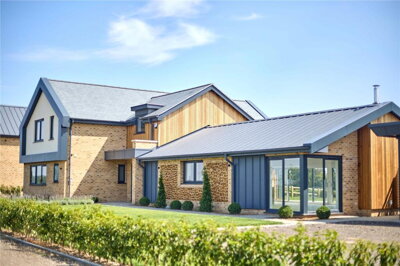
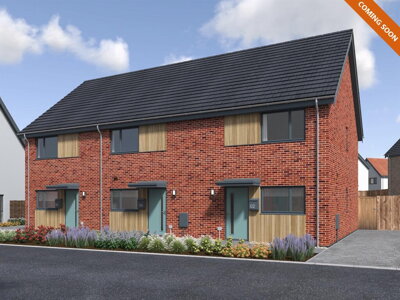
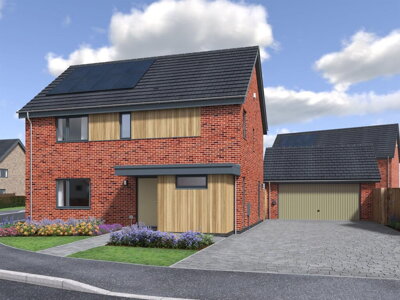
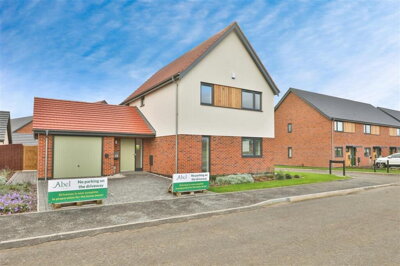
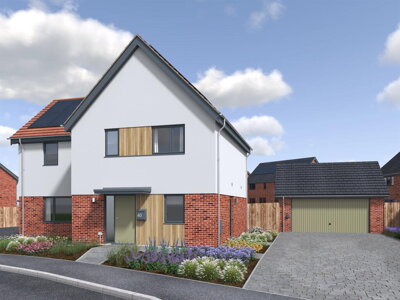
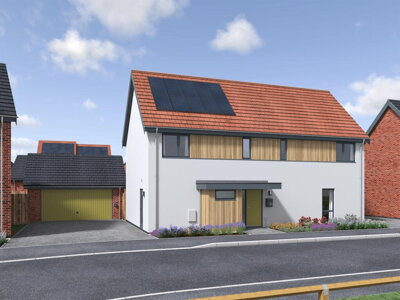
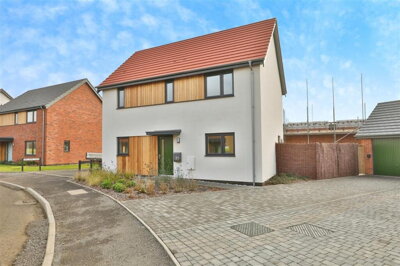
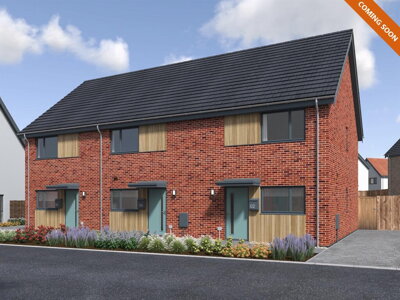
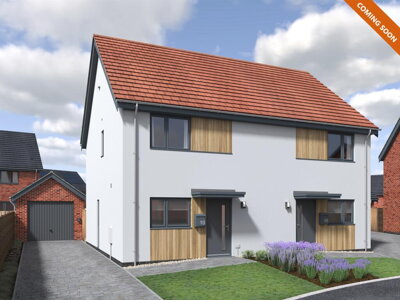
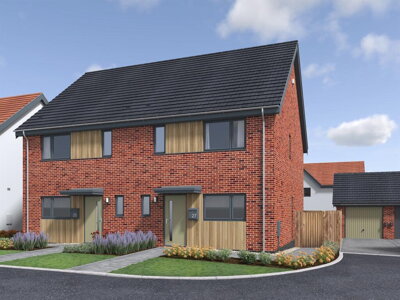
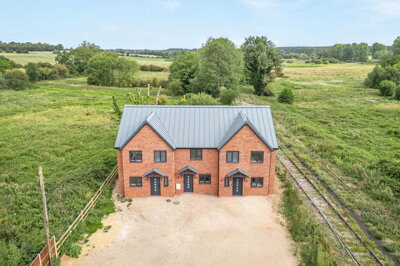
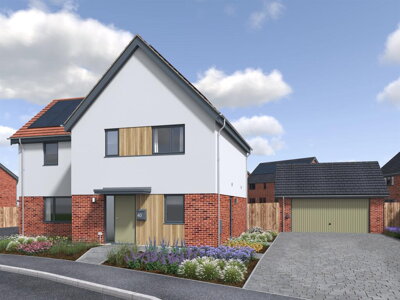
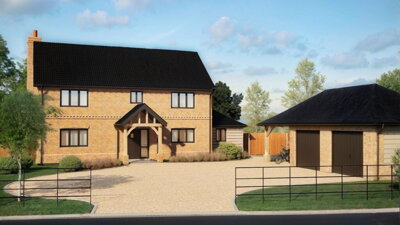
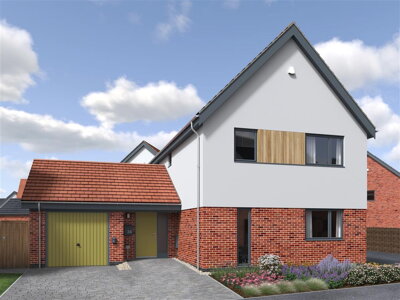
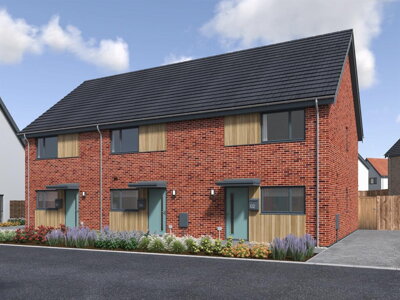
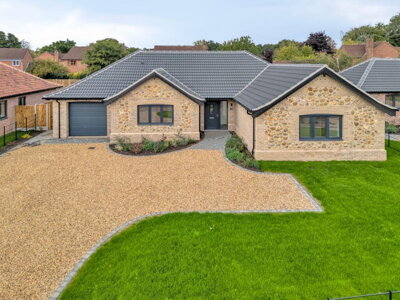
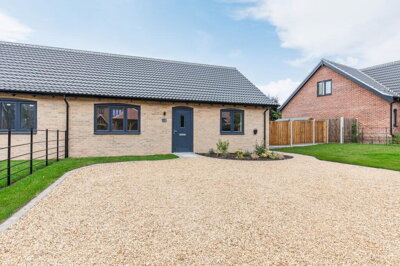
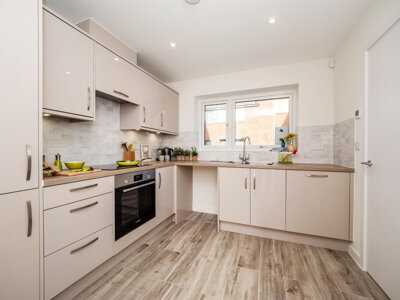
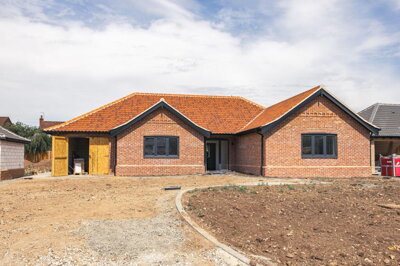
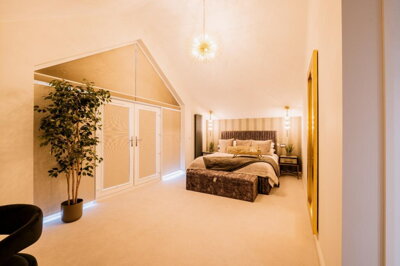
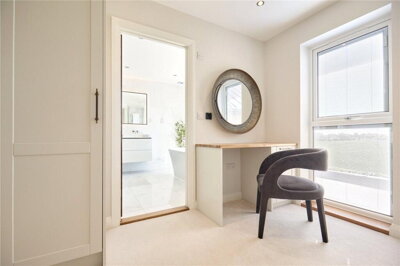
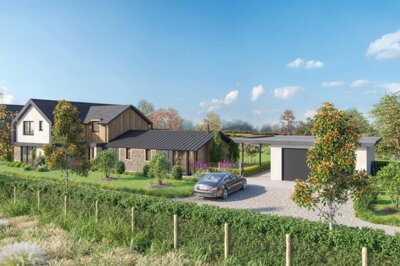
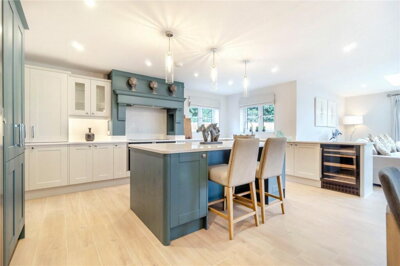
Browse 30 homes new builds in Hoe, Breckland from local developer agents.
The Hoe property market offers detached, semi-detached, and terraced houses spanning various price ranges and neighbourhoods. Each listing includes detailed property information, photographs, and direct contact with the marketing agent.
£0k
0
0
0
Source: home.co.uk
Showing 0 results for Houses new builds in Hoe, Breckland.
The Greater Willington property market presents attractive opportunities for buyers seeking affordable housing in County Durham. Detached properties command the highest prices in the area, with the current average for this property type reaching approximately £226,712. These larger homes typically offer generous gardens, off-street parking, and spacious living accommodation that appeals to families looking for room to grow. The premium for detached housing reflects the relative scarcity of this property type within the village compared to demand from buyers seeking more space and privacy.
Semi-detached homes form a significant portion of available stock in Greater Willington, with average prices around £127,634 according to market data. These properties often represent excellent value for first-time buyers and young families, offering two or three bedrooms, a garden, and the convenience of a manageable property size. Terraced properties, which reflect the village's historic coal mining character, average approximately £95,043 and remain popular among budget-conscious buyers seeking their first step onto the property ladder. The variety of property types available ensures that buyers with different requirements and budgets can find suitable options within this village community.
New build development continues to contribute to the local housing stock, with Westward Green by Avant Homes at Monarch Way offering contemporary two to five bedroom houses priced from £155,000 to £275,000. This development provides modern living standards, energy-efficient construction, and warranties that appeal to buyers prioritising low maintenance and quality finish. Recent market trends show some volatility, with Rightmove reporting prices 6% down from the previous year while OnTheMarket indicates a 16.3% rise over the twelve months to February 2026. The 2023 peak of £149,855 provides context for current pricing, suggesting that buyers entering the market now may find favourable conditions depending on property type and specific location.
Approximately 1,233 properties have sold in the Willington and Hunwick area over the past decade, indicating a steady level of market activity in this part of County Durham. This sales volume demonstrates sustained demand for property in the area, driven by affordability compared to Durham city and surrounding towns. Buyers researching the Greater Willington market should examine both current asking prices and recent sale prices to gauge realistic valuations for specific property types and locations within the village.

Greater Willington carries a proud industrial heritage that continues to shape its character and community spirit today. The village grew substantially during the 19th century coal mining boom, expanding from a population of 258 in 1841 to 965 by 1851 as miners and their families settled near the collieries. The terraced housing built during this period still forms the backbone of the village centre, constructed predominantly from local stone with natural slate roofing before the later adoption of red brick construction. These historic properties give parts of Greater Willington a distinctive architectural character that distinguishes it from newer residential estates.
The architectural evolution of Greater Willington reflects the changing fortunes and building practices of different eras. Early 19th-century terraces feature stone walls with natural slate roofs, while properties built later in the century increasingly used red brick with render finishes and artificial grey or terracotta roof tiles. Post-war public housing estates expanded the village significantly, adding semi-detached houses and bungalows to meet post-war housing demands. More recent developments have introduced two-storey detached and semi-detached dwellings that blend traditional proportions with contemporary design expectations. This mix of architectural styles creates varied streetscapes throughout the village.
The village maintains its community focus through local amenities and gathering spaces that serve residents of all ages. The presence of several Grade II listed buildings, including Willington Hall dating from the mid-18th century and the Church of St Stephen built in 1857, adds historical interest to the area. Willington Park provides green space near the village centre, with the war memorial at its entrance serving as a focal point for community commemorations. Hunwick, situated nearby within the same ward, contributes additional listed buildings including Hunwick Hall and its associated structures, enriching the historical fabric of the wider Greater Willington area.
Local amenities within Greater Willington include convenience shops, a post office, and pubs serving the community alongside healthcare facilities and places of worship. The village hosts regular community events that bring residents together throughout the year, fostering the strong social connections that characterise North East communities. The nearby market towns of Crook and Bishop Auckland provide access to larger retail centres, supermarkets, and professional services for residents requiring facilities beyond what the village offers.

Families considering a move to Greater Willington will find educational provision within the village itself and the surrounding area of County Durham. Primary school options serve the local community, with schools in the village and nearby settlements providing education for children from reception through to Year 6. The proximity of Greater Willington to larger towns means that secondary education options are accessible, with several secondary schools in the surrounding area serving students from Year 7 onwards. Parents should research specific catchment areas and admission policies when considering properties, as school places are allocated based on proximity and catchment criteria.
Further education opportunities are available in nearby towns, with colleges and sixth form centres providing academic and vocational courses for students completing their secondary education. Bishop Auckland College and Durham College offer a range of qualifications from GCSE retakes to A-levels and vocational diplomas. Sixth forms at local secondary schools provide an alternative pathway for students preferring to remain within the school environment for their further education. The availability of diverse further education options ensures that families do not need to move away from Greater Willington to access quality post-16 education.
Early years provision includes nurseries and preschool settings within the village and surrounding areas, offering childcare for working parents and pre-school education to prepare children for primary school. These settings provide essential support for families with young children and contribute to the village's suitability for families at all stages. Parents should visit local schools, review Ofsted reports, and speak with school administrators when considering specific properties to understand the educational landscape and any upcoming changes to school capacities or catchments that might affect their family.
Transport connections from Greater Willington rely primarily on road networks and local bus services, with the village positioned between major routes serving County Durham. The A688 road provides direct access towards Bishop Auckland and Durham, while the A690 offers connections toward Crook and the wider North East road network. These arterial routes enable residents to commute to larger employment centres while enjoying the lower property prices and community atmosphere of village living. The road infrastructure supports both car travel and local bus services that operate along these corridors.
Bus services connect Greater Willington with surrounding towns and villages, providing essential transport for residents without access to private vehicles. Regular services operate between Willington and nearby settlements including Crook, Bishop Auckland, and Durham, enabling commuting, shopping trips, and access to healthcare appointments. The village location means that journey times to larger towns vary depending on destination and traffic conditions, with off-peak travel typically offering faster connections than rush hour periods. Families considering Greater Willington should check current bus timetables and consider how they align with work and school commitments.
For commuters with longer-distance travel requirements, mainline railway stations are available in nearby towns, connecting to the wider rail network across the North East and beyond. Durham railway station provides access to East Coast Main Line services reaching major cities including Newcastle, York, Leeds, and London King's Cross. The combination of road and rail connections makes Greater Willington viable for residents working in diverse locations throughout the region. Cycling infrastructure varies throughout the village, with some routes available for shorter local journeys and recreational cycling along country lanes surrounding the settlement.
Prospective buyers should consider the construction era and building materials common in Greater Willington properties when assessing potential purchases. The village contains numerous Victorian and Edwardian terraced properties constructed from stone or early brick techniques, which may require ongoing maintenance to roofs, chimneys, and pointing. These historic properties often feature original sash windows, fireplaces, and architectural details that require careful assessment before purchase. A thorough survey can identify any deterioration or defects requiring attention or price negotiation.
The presence of listed buildings throughout Greater Willington and the nearby Hunwick area indicates that certain properties may be subject to additional planning controls and conservation requirements. Grade II listed buildings cannot be altered without listed building consent from Durham County Council, which affects the scope for future modifications and improvements. Buildings including Willington Hall, the Church of St Stephen, and various structures in Hunwick demonstrate the historical significance of the area. Buyers should clarify the listing status of any property they are considering and understand the implications for renovation plans and ongoing maintenance responsibilities. Insurance requirements and costs may also differ for listed properties.
Newer developments in Greater Willington, including properties at Westward Green, offer contemporary construction with modern insulation, heating systems, and building warranties. These newer properties typically require less immediate maintenance but may command premium prices reflecting their condition and remaining warranty periods. Freehold versus leasehold tenure should be confirmed for all purchases, with particular attention to any service charges, ground rent arrangements, and management company responsibilities that affect leasehold properties. Understanding these ongoing costs ensures you budget accurately for your total purchase and ownership costs.
Start by exploring our comprehensive listings for Greater Willington properties and understanding current price points. The average terraced home costs around £95,043 while semi-detached properties average approximately £127,634, giving you benchmarks for your budget. Set up property alerts to stay informed about new listings in this competitive County Durham village market. Research comparable sales in the DL15 postcode area to understand realistic valuations for specific property types.
Contact mortgage lenders or brokers to obtain an agreement in principle before viewing properties. With average house prices at approximately £138,259 in Greater Willington, most buyers will require a mortgage to fund their purchase. Having your financing confirmed strengthens your position when making offers and demonstrates to sellers that you are a serious buyer with completed finances. Consider speaking with a mortgage broker who can compare deals across multiple lenders to find the most competitive rate for your circumstances.
Arrange viewings of shortlisted properties and consider requesting a RICS Level 2 Survey once you have identified your preferred property. For Victorian terraced homes common in Greater Willington, surveys can identify common issues including roof condition, damp penetration, and the condition of older plumbing and electrical systems. Budget approximately £455 for a comprehensive survey that provides detailed assessment of the property condition and any defects requiring attention.
Submit your offer through the estate agent handling the property, referencing comparable sales and current market conditions in Greater Willington. Be prepared to negotiate on price and conditions, particularly for properties that have been on the market for some time. Your survey findings can provide legitimate grounds for price adjustments if defects are identified during the inspection process.
Appoint a conveyancing solicitor to handle the legal aspects of your purchase, including searches, contracts, and registration with the Land Registry. Conveyancing costs in the area typically start from around £499 for straightforward purchases. Your solicitor will liaise with the seller's representative, exchange contracts when all parties are ready, and complete the transaction on your agreed completion date.
The average house price in Greater Willington stands at approximately £138,259 according to recent market data from Rightmove, with other sources reporting averages around £121,000 to £122,000. Property prices vary significantly by type, with detached homes averaging £226,712, semi-detached properties at £127,634, and terraced homes at approximately £95,043. New build properties at Westward Green start from £155,000 for three-bedroom terraced houses, rising to £275,000 for larger five-bedroom detached homes.
Properties in Greater Willington fall under Durham County Council's council tax system, with bands ranging from A through to H depending on property value and type. Most terraced properties and smaller semi-detached homes typically fall into bands A to C, while larger detached properties may be in higher bands. You can check the specific band for any property through the Valuation Office Agency website or your solicitor during the conveyancing process. Council tax rates for band A properties in Durham County Council area are among the lowest in the region, making Greater Willington an economical choice for budget-conscious buyers.
Greater Willington has primary schools serving the local community, with additional primary and secondary options available in nearby towns including Crook, Bishop Auckland, and Durham. Parents should research specific school catchments and admission policies, as places are allocated based on proximity and availability. Ofsted inspection reports are publicly available and provide detailed assessments of school quality and pupil outcomes for all maintained schools in the area. The proximity to larger towns means families have access to a wider choice of secondary schools including grammar school options in nearby Durham.
Greater Willington is served by local bus services connecting the village to surrounding towns including Crook, Bishop Auckland, and Durham. The A688 and A690 roads provide road transport links, while mainline railway stations in nearby towns offer connections to the broader rail network. Durham railway station provides access to East Coast Main Line services reaching Newcastle, York, Leeds, and London. Bus timetables should be checked to confirm current service patterns and journey times to your specific destinations. For commuters working in Durham city, the journey from nearby stations typically takes under 30 minutes by train.
Greater Willington offers competitive property prices compared to nearby Durham city and larger regional centres, making it attractive for investors seeking affordable entry points to the County Durham property market. The village maintains steady demand from buyers seeking value for money, first-time buyers, and families looking for affordable accommodation outside larger towns. Rental demand exists from local workers, young families, and those seeking convenient access to employment in the surrounding area. As with any investment, thorough research into rental yields, void periods, and local demand factors is advisable before purchasing.
Standard Stamp Duty Land Tax rates from April 2025 apply to property purchases in Greater Willington and the rest of England. Purchases up to £250,000 attract zero SDLT, with 5% charged on the portion between £250,001 and £925,000. Properties priced between £925,001 and £1.5 million incur 10% on that portion, with 12% above £1.5 million. First-time buyers purchasing properties up to £425,000 pay zero SDLT on the first £425,000 and 5% on the remainder, provided they meet the qualifying criteria.
Understanding the full costs of buying property in Greater Willington helps you budget accurately and avoid surprises during the purchase process. The property prices in this County Durham village mean that most buyers fall within the lower SDLT bands, with properties under £250,000 attracting zero stamp duty under standard rates. A typical semi-detached home at approximately £127,634 would incur no SDLT, while a detached property at around £226,712 would incur 5% on the portion above £250,000, which in this case would be zero as the price falls below that threshold. First-time buyers purchasing properties up to £425,000 pay no SDLT at all, making Greater Willington particularly accessible for those taking their first steps onto the property ladder.
Beyond stamp duty, buyers should budget for survey costs, solicitor fees, and various other expenses associated with property purchase. A RICS Level 2 Survey costs approximately £455 on average across the UK, providing a thorough assessment of the property condition that is particularly valuable for older terraced properties common in Greater Willington. Conveyancing fees typically start from around £499 for straightforward purchases, though more complex transactions involving listed buildings or leasehold properties may incur additional costs. Land Registry registration fees and local authority search fees add further modest amounts to the total.
Additional ongoing costs to factor into your budget include moving expenses, buildings insurance from completion date, and any immediate repairs or improvements to the property. If purchasing a leasehold property, you should budget for annual service charges and ground rent, which vary significantly between developments. Utility connections, Council Tax registration, and arranging contents insurance complete the list of tasks and costs facing new buyers. Our platform provides access to recommended service providers including surveyors, conveyancers, and mortgage brokers who can support you through each stage of purchasing your Greater Willington home.
From £455
Thorough inspection of your Greater Willington property identifying defects and condition
From £600
Comprehensive structural survey for older or complex properties
From £60
Energy performance certificate for your property
From £499
Legal services for your property purchase
From 4.5%
Find the best mortgage deal for your purchase
Properties New Builds In London

Properties New Builds In Plymouth

Properties New Builds In Liverpool

Properties New Builds In Glasgow

Properties New Builds In Sheffield

Properties New Builds In Edinburgh

Properties New Builds In Coventry

Properties New Builds In Bradford

Properties New Builds In Manchester

Properties New Builds In Birmingham

Properties New Builds In Bristol

Properties New Builds In Oxford

Properties New Builds In Leicester

Properties New Builds In Newcastle

Properties New Builds In Leeds

Properties New Builds In Southampton

Properties New Builds In Cardiff

Properties New Builds In Nottingham

Properties New Builds In Norwich

Properties New Builds In Brighton

Properties New Builds In Derby

Properties New Builds In Portsmouth

Properties New Builds In Northampton

Properties New Builds In Milton Keynes

Properties New Builds In Bournemouth

Properties New Builds In Bolton

Properties New Builds In Swansea

Properties New Builds In Swindon

Properties New Builds In Peterborough

Properties New Builds In Wolverhampton

Enter your details to see if this property is within your budget.
Loans, cards, car finance
Estimated property budget
Borrowing + deposit
You could borrow between
Typical borrowing
Monthly repayment
Est. at 4.5%
Loan-to-value
This is an estimate only. Your actual budget may vary depending on interest rates, credit history, and personal circumstances. For an accurate affordability assessment, speak to one of our free mortgage advisors.
This calculator provides estimates for illustrative purposes only and does not constitute financial advice. Your home may be repossessed if you do not keep up repayments on your mortgage. Estimates based on 4.5% interest rate, repayment mortgage. Actual rates depend on your circumstances.
Homemove is a trading name of HM Haus Group Ltd (Company No. 13873779, registered in England & Wales). Homemove Mortgages Ltd (Company No. 15947693) is an Appointed Representative of TMG Direct Limited, trading as TMG Mortgage Network, which is authorised and regulated by the Financial Conduct Authority (FRN 786245). Homemove Mortgages Ltd is entered on the FCA Register as an Appointed Representative (FRN 1022429). You can check registrations at NewRegister or by calling 0800 111 6768.

We use cookies to show you personalised content and improve your experience of our website. Find out more in our Privacy policy and Cookie policy.