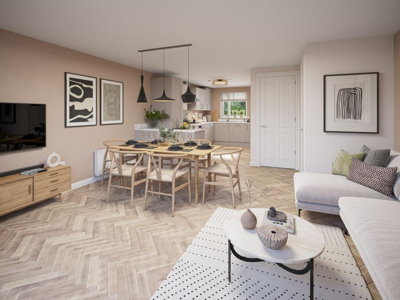
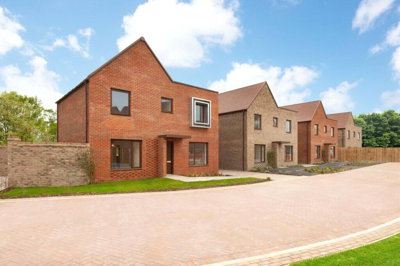
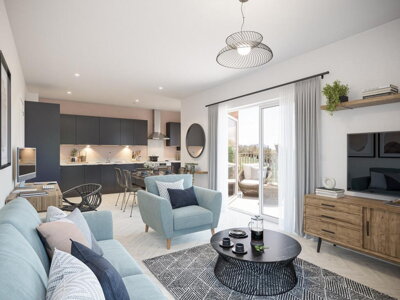
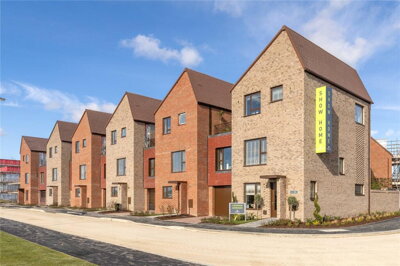
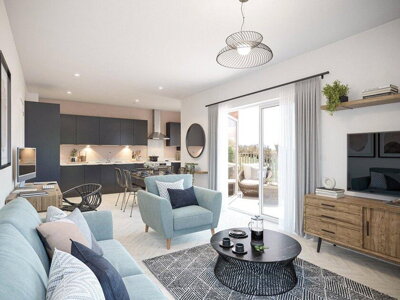
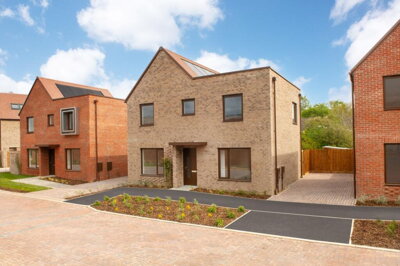
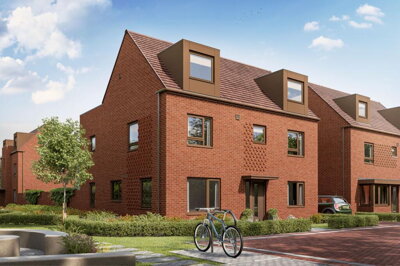
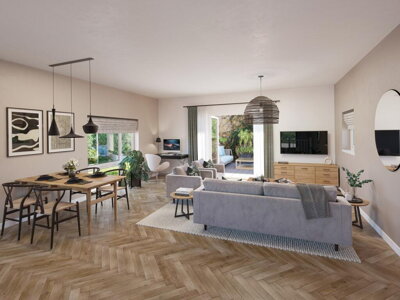
Browse 8 homes new builds in Histon, South Cambridgeshire from local developer agents.
Studio apartments feature open-plan living spaces without separate bedrooms, incorporating sleeping, living, kitchen, and bathroom facilities. The Histon studio market includes properties in modern apartment complexes, modern purpose-built developments and new residential complexes.
£200k
3
0
29
Source: home.co.uk
Showing 3 results for Studio Flats new builds in Histon, South Cambridgeshire. The median asking price is £200,000.
Source: home.co.uk
Flat
3 listings
Avg £191,667
Source: home.co.uk
Source: home.co.uk
The Gressenhall property market has demonstrated robust growth, with average prices climbing 15% over the past year to reach £383,556 according to Rightmove data. Despite this recovery, prices remain 23% below the 2022 peak of £497,412, presenting opportunities for buyers who missed the previous market high. The village predominantly features detached properties, which command the highest average prices at £417,143, reflecting buyer demand for spacious family homes with gardens in this attractive rural setting. Semi-detached properties average £320,000, while terraced homes provide more accessible entry points at around £212,000, making Gressenhall accessible to a range of budgets.
Property types in Gressenhall reflect its historic character, with numerous listed buildings and period properties dating back centuries. The village centre features charming cottages and farmhouses constructed from traditional Norfolk Red brick, many with distinctive pantile roofs that characterise the local vernacular. New build opportunities are limited but include the Shrublands development on Gressenhall Road in neighbouring Beetley, offering detached four-bedroom houses and three-bedroom bungalows with flint facades that echo traditional local construction. A proposed affordable housing scheme on Bittering Street was unfortunately withdrawn in December 2024 due to planning complexities, highlighting ongoing demand for homes at various price points in the village.
Recent sales data from Rightmove indicates that detached homes dominate transactions in Gressenhall, consistent with buyer preferences for generous space and garden areas in rural settings. The village's proximity to Dereham provides convenient access to supermarkets, healthcare facilities, and high street amenities while maintaining the character of village living. For buyers considering Gressenhall homes for sale, the combination of steady price appreciation, strong community ties, and accessible countryside makes the village an attractive proposition in Norfolk's residential market.
Understanding local market dynamics requires examining both recent trends and longer-term patterns. The village experienced significant price growth during the pandemic years, followed by a correction that has now largely reversed. Current conditions favour motivated buyers who can act decisively on well-priced properties, particularly given the limited supply of homes coming to market in this sought-after village location.
Life in Gressenhall centres on community and connection to Norfolk's rural landscape. The village name derives from Old English, meaning a grassy or gravelly nook of land, which reflects the area's gentle topography and fertile soils. The name itself suggests underlying gravel deposits, which contribute to the free-draining characteristics of some local soils. The Gressenhall Farm and Workhouse Museum serves as both a cultural landmark and community hub, offering workshops, seasonal events, and exhibitions that bring together residents and visitors alike. The museum sits within the historic Union House, a former workhouse built in 1777 in distinctive Norfolk Red brick, which has been carefully preserved to tell the story of rural Norfolk life through the centuries.
The village supports several local businesses that serve the community, from traditional pubs where neighbours gather to small shops meeting everyday needs. The surrounding Breckland landscape offers excellent walking and cycling opportunities, with public footpaths crossing farmland and countryside that has been cultivated for centuries. The area's fertile stony clay loams have supported arable farming for generations, creating the patchwork fields and hedgerows that define the Norfolk countryside. The River Nar flows through Gressenhall, contributing to the village's rural charm while also presenting environmental considerations for property buyers to understand, particularly regarding flood risk in certain areas.
The population has remained relatively stable over recent decades, with 1,032 residents recorded in the 2021 Census, down slightly from 1,050 in 2011. This population stability reflects the village's appeal to long-term residents and its strong sense of community identity. Many families have lived in Gressenhall for multiple generations, creating established social networks and local ties that newcomers often find welcoming. The village's economic profile shows significantly higher home ownership than the national average, indicating an area where residents put down roots and invest in their community.

Education provision in Gressenhall includes Gressenhall Voluntary Aided Primary School and its associated School House, both of which are Grade II listed buildings reflecting the village's long commitment to education. The primary school serves families with young children, providing local schooling within the village community. For secondary education, pupils typically travel to nearby Dereham, which offers a choice of secondary schools and sixth form colleges, or to other market towns in the Breckland district. Parents considering a move to Gressenhall should research current catchment areas and admissions policies, as these can affect school placements and should be verified before committing to a property purchase.
The village's historic character extends to its educational heritage, with the Grade II listed school buildings representing important local architecture. Families moving to Gressenhall often find that the village's intimate scale creates strong community connections between schools, families, and local organisations. The Gressenhall Farm and Workhouse Museum also offers educational workshops and activities that complement formal schooling, providing children with hands-on learning experiences about Norfolk's rural heritage. These community educational resources add value beyond the formal curriculum, enriching the lives of young residents and fostering appreciation for local history.
For families prioritising education in their property search, the availability of quality primary schooling within the village combined with good secondary options in nearby towns makes Gressenhall an attractive proposition. The journey to secondary schools in Dereham typically takes around 15-20 minutes by car, which is manageable for families accustomed to school commutes. Several schools in the surrounding area have established reputations, thoughOFSTED ratings and performance data should be checked through current official records as these can change over time and vary between institutions.

Gressenhall sits at a crossroads of country lanes connecting the village to the wider Norfolk road network, providing access to neighbouring towns and villages. The A47 trunk road passes nearby, offering connections to Norwich to the east and King's Lynn to the west, while the market town of Dereham lies just a short drive away for everyday shopping, supermarkets, and services. For those working in Norwich, the city is accessible within approximately 40 minutes by car, making Gressenhall viable for commuters who appreciate village life but need city connectivity. Bus services operate in the area, though prospective residents should check current timetables and routes for their specific needs.
The nearest railway stations are located in larger towns, with Norwich offering direct services to London Liverpool Street and Cambridge. For residents who need to travel regularly for work, the drive to Norwich railway station takes around 35 minutes, placing London within approximately two hours by train. King's Lynn station provides access to Cambridge and London's King's Cross via Peterborough, offering an alternative route for commuters who find Norwich more convenient to reach. Advance booking for train tickets can significantly reduce the cost of regular commuting, with return fares to London available from around £40 when booked ahead.
Cycling is popular in the flat Norfolk countryside, with dedicated routes and quiet country lanes making cycling feasible for recreational purposes and short local journeys. The surrounding landscape offers excellent opportunities for cycling enthusiasts, with scenic routes through the Breckland area connecting Gressenhall to neighbouring villages and market towns. The village's position in rural Norfolk does mean that residents benefit from relatively quiet roads and beautiful scenery, though those accustomed to urban public transport may need to adapt their travel expectations. Community transport schemes operated by local volunteers provide additional options for residents without cars, particularly for essential journeys to healthcare appointments and shopping.
Start by exploring current property listings in Gressenhall and surrounding villages. Understand price trends, with detached homes averaging £417,143 and overall prices up 15% year-on-year. Consider property types from modern new builds to historic cottages, and factor in the 23% price reduction from the 2022 peak when evaluating value. Online property portals provide current listings, but local estate agents in Dereham often have access to properties not yet marketed nationally.
Before viewing properties, obtain a mortgage agreement in principle from a lender. This demonstrates your financial readiness to estate agents and sellers, strengthening your position when making an offer. Local brokers familiar with Norfolk properties can advise on appropriate lending levels for properties in the Breckland area. Having this documentation ready allows you to move quickly when you find a property that meets your requirements, which is particularly important in a village market where desirable homes can sell rapidly.
Visit properties that match your requirements, paying attention to the specific characteristics of each home. In Gressenhall, many properties are period homes that may require maintenance or updating. Take time to assess the condition of older properties and consider whether renovations would suit your timeline and budget. Viewing properties at different times of day can reveal aspects like natural light levels, traffic noise, and neighbourhood activity that single visits may miss.
Before completing your purchase, arrange a RICS Level 2 Survey to assess the property condition. Given Gressenhall's historic housing stock, including many pre-1900 properties, a thorough survey is essential. The average cost ranges from £380 to £629 depending on property value and size, with older or non-standard construction requiring additional inspection time. Properties with Norfolk Red brick construction or period features may benefit from the more detailed RICS Level 3 Building Survey for complete .
Choose a solicitor experienced in Norfolk property transactions to handle the legal aspects of your purchase. They will conduct searches, review contracts, and coordinate with your mortgage lender to ensure a smooth transfer of ownership. Breckland Council searches will reveal any planning decisions, conservation areas, and local authority matters affecting the property. Given the village's history and listed buildings, your solicitor should investigate whether any historic permissions or obligations attach to the property.
Once all searches are satisfactory and finances are confirmed, you will exchange contracts and pay your deposit. Completion typically follows within days or weeks, when you will receive the keys to your new Gressenhall home. At this point, you will need to arrange buildings insurance, notify utility companies of your moving date, and update your address with banks, employers, and service providers. The process from offer acceptance to completion typically takes 8-12 weeks in a straightforward transaction.
Buying a property in Gressenhall requires awareness of several local factors that could affect your investment. Flood risk is a consideration for some properties, as the village sits along the River Nar and has experienced fluvial flooding historically. The 2007 Breckland Strategic Flood Risk Assessment documented flooding from Wendling Beck affecting the area, and surface water flow paths exist during significant rainfall events. Prospective buyers should request flood risk assessments from vendors and consider whether properties fall within known flood zones or have experienced previous flooding. Properties in lower-lying areas near the river require particular attention to drainage, gutters, and the condition of any basement or cellar spaces.
The presence of clay soils throughout the Breckland area suggests potential for shrink-swell ground movement, particularly during prolonged dry spells or where large trees are present near foundations. Clay-rich soils contract during dry weather and expand when wet, which can cause foundation movement and structural damage over time. Properties built on traditional clay lump or cob techniques, common in Norfolk's older buildings, may require specialist maintenance approaches. A thorough survey will identify any signs of subsidence, cracking, or movement that might indicate foundation issues requiring attention or negotiation with the seller. The combination of mature trees and clay soils means that properties with established gardens or neighbouring land with significant vegetation warrant careful evaluation.
Conservation and listed building status affects numerous properties in Gressenhall, including the Grade I Church of St Mary and the Grade II Union House, Hall Farmhouse, Methodist Chapel, Mill House, and several other historic homes. If you are considering a listed property, be aware that any modifications or extensions require Listed Building Consent from Breckland Council. This protects the character of the village but also introduces additional responsibilities and costs for homeowners. Standard surveys may not fully address the specialist requirements of heritage properties, so consider whether a more detailed survey is appropriate for period homes with significant historic interest.
Many Gressenhall properties date from the 18th and 19th centuries, with construction methods reflecting the materials available locally. Norfolk Red brick and pantile roofs characterise much of the historic housing stock, while some older cottages may incorporate clay lump or cob construction techniques that were popular before brick taxation ended in the 1850s. These traditional building methods require different maintenance approaches than modern construction, and materials like lime mortar rather than cement are typically required for repairs to preserve the breathability of historic walls. Understanding these construction characteristics helps buyers appreciate both the charm and the responsibilities of owning a period property in Gressenhall.
Properties in Gressenhall, given their age and construction methods, can present specific defect patterns that prospective buyers should understand. Dampness represents one of the most common issues in older Norfolk properties, arising from outdated ventilation systems, leaking roofs, or failed damp proof courses. Modern interventions like sealing up natural airflow through double glazing and solid floor installations can exacerbate damp problems in buildings designed to breathe through traditional methods. A thorough survey will assess damp levels throughout the property and identify likely causes and appropriate remediation measures.
Roof condition requires careful evaluation in period properties, where original tiles and flashings may have endured decades of weathering. Missing or slipped tiles, deterioration of mortar joints, and wear to lead flashings around chimneys and roof intersections can allow water ingress that damages timbers and interior finishes. Given the pantile roofs common in the area, inspection should include assessment of these distinctive tiles, which can be more susceptible to wind damage than flat interlocking alternatives. Properties with multiple roof extensions or complex configurations require particular attention as junctions between different roof sections are common failure points.
Electrical wiring in properties built before the 1940s may still utilise knob-and-tube or early cloth-insulated systems that do not meet modern safety standards and pose fire risks. Rewiring is often essential for homes over 80 years old, and costs should be factored into renovation budgets when purchasing older properties. A qualified electrician should inspect older electrical installations before purchase, and the survey report will note any visible wiring that appears outdated or potentially dangerous. Gas installations, where present in older properties, should similarly be inspected for compliance with current safety regulations.
Timber decay including woodworm and both wet and dry rot can affect structural elements, window frames, and floorboards throughout period properties. These issues often relate to damp problems, as wood-boring insects and fungal decay require moisture to establish and spread. Surveyors will probe accessible timber to assess its condition and identify any active infestation or decay that requires treatment. Given Gressenhall's proximity to farmland and mature vegetation, properties with significant gardens or adjacent woodland may face elevated risks from timber pests.
The average house price in Gressenhall is currently £383,556 according to recent Rightmove data, representing a 15% increase over the past year. Detached properties average £417,143, semi-detached homes command around £320,000, and terraced properties typically sell for approximately £212,000. Despite this recent growth, prices remain 23% below the 2022 peak of £497,412, suggesting opportunities for buyers who entered the market after that high point. Alternative data from Zoopla shows an average of £403,625 over the last twelve months, with OnTheMarket recording £381,000 as of January 2026.
Properties in Gressenhall fall within Breckland Council's jurisdiction, and council tax bands range from A through to H depending on the property's assessed value. Specific bands for individual properties can be checked through the Valuation Office Agency website or your solicitor during the conveyancing process. Historic and listed properties may have particular band classifications that reflect their special characteristics, and band appeals can occasionally result in reclassification. Prospective buyers should verify current banding as part of their budget planning, as annual council tax bills will form part of ongoing ownership costs.
Gressenhall Voluntary Aided Primary School serves the village and holds Grade II listed status for its school buildings, reflecting the establishment's historic importance to the community. For secondary education, families typically access schools in Dereham, which offers several options within reasonable travelling distance including schools with sixth form provision. The quality and Ofsted ratings of specific schools should be verified through current official records, as these can change over time and vary between institutions. School catchment areas can affect placements, so parents should confirm their proposed property falls within the desired school's area before committing to a purchase.
Gressenhall has limited public transport provision typical of a rural Norfolk village, with bus services connecting to Dereham and surrounding villages on scheduled routes that may not operate frequently throughout the day. The A47 trunk road provides road connections to Norwich and King's Lynn, while Norwich railway station offers direct services to London Liverpool Street and Cambridge with journey times of around two hours to the capital. Residents without cars should verify current bus timetables and consider whether cycling or community transport schemes meet their practical needs, particularly for regular commuting or healthcare appointments.
Gressenhall offers stable property fundamentals with 75.85% home ownership, well above the national average, indicating a settled community with long-term residents who take pride in their village. Prices have recovered strongly with 15% annual growth, though remaining below previous peaks suggests potential for continued appreciation as the market adjusts. The withdrawal of an affordable housing scheme in December 2024 highlights ongoing demand for housing in the village, which could support future values as supply remains constrained. However, any investment should consider local factors including flood risk along the River Nar and the maintenance requirements of older period properties that may require ongoing investment.
Stamp Duty Land Tax applies to purchases in England, including Gressenhall. For primary residences, buyers pay nothing on the first £250,000, then 5% on amounts between £250,001 and £925,000. For a typical Gressenhall property at the village average of £383,556, a non-first-time buyer would pay £6,678 in stamp duty, while a first-time buyer would pay nothing under current first-time buyer relief thresholds. Properties priced above £625,000 do not qualify for first-time buyer relief, so clarify your eligibility before budgeting. Your solicitor will calculate the exact amount due based on your purchase price and circumstances at the time of completion.
Period properties in Gressenhall, many dating from the 18th and 19th centuries, may present risks including damp related to outdated ventilation systems, roof deterioration requiring maintenance, potential subsidence from clay shrink-swell ground movement, and outdated electrical wiring in properties built before the 1940s. Timber decay and woodworm can affect structural elements and floors, particularly where damp has been allowed to penetrate poorly maintained structures. A comprehensive survey is essential for any period property, and listed buildings may require specialist assessment beyond standard inspections to address the unique construction methods and materials used in historic buildings.
The Shrublands development on Gressenhall Road in neighbouring Beetley offers new build detached four-bedroom houses and three-bedroom bungalows with flint facades reflecting traditional Norfolk construction methods. Developers Clayland Land and Country Homes have planning permission for this development, though marketing materials indicate only limited plots remain available at the final house and final two bungalows stage. New build homes offer the advantage of modern construction standards, energy efficiency, and no chain of purchase, though they may command premiums above comparable older properties in the area. The proposed affordable housing scheme for Bittering Street in Gressenhall itself was withdrawn in December 2024, reducing near-term new build options within the village.
Given that many Gressenhall properties predate modern building regulations and construction standards, a professional survey before purchase can identify issues that might not be apparent during a casual viewing. The village's historic housing stock includes properties built with traditional Norfolk Red brick and pantile roofs that may have specific maintenance requirements, as well as older buildings incorporating clay lump or cob construction techniques. A thorough inspection will assess structural condition, identify any damp or timber issues, evaluate the condition of roofs and foundations, and flag any alterations that may require permissions. The investment in a survey typically costs between £380 and £629 but can save significantly by enabling price negotiations or highlighting properties that may prove more expensive to maintain than initially apparent.
From £380
Professional survey ideal for most Gressenhall properties including older homes and period cottages
From £600
Comprehensive building survey recommended for older, larger, or listed properties
From £85
Energy performance certificate required for all property sales
From £499
Legal services for your Gressenhall property purchase
When purchasing a property in Gressenhall, budget carefully for all associated costs beyond the purchase price. Stamp Duty Land Tax represents a significant expense, calculated on a sliding scale starting at 0% for the first £250,000 of a primary residence purchase. For a typical Gressenhall property at the village average of £383,556, a non-first-time buyer would pay £6,678 in stamp duty, while a first-time buyer would pay nothing under current first-time buyer relief thresholds that exempt purchases up to £425,000. Properties priced above £625,000 do not qualify for first-time buyer relief, so clarify your eligibility before budgeting your total acquisition costs.
Beyond stamp duty, factor in solicitor conveyancing costs which typically start from £499 for standard transactions, though leasehold properties, chain sales, or complex titles may incur higher fees. Search fees through Breckland Council and drainage authorities usually total a few hundred pounds and cover local authority matters, environmental searches, and drainage and water enquiries. A survey for a typical Gressenhall property, given its likely age and character, should cost between £380 and £629 depending on size and complexity, with older or non-standard construction properties potentially requiring higher fees due to increased inspection time.
An Energy Performance Certificate is mandatory and costs from £85, with the seller responsible for providing this document before completion. If you require a mortgage, arrangement fees typically range from 0% to £1,500 or more depending on the lender and loan amount, and you should also budget for survey and valuation fees charged by your mortgage provider. Building a contingency of 10-15% above the purchase price covers these costs and any unexpected repairs discovered after moving into older properties common in Gressenhall. Removals costs, building insurance from completion date, and potential renovation expenses should also feature in your complete budget for buying in this attractive Norfolk village.
Properties New Builds In London

Properties New Builds In Plymouth

Properties New Builds In Liverpool

Properties New Builds In Glasgow

Properties New Builds In Sheffield

Properties New Builds In Edinburgh

Properties New Builds In Coventry

Properties New Builds In Bradford

Properties New Builds In Manchester

Properties New Builds In Birmingham

Properties New Builds In Bristol

Properties New Builds In Oxford

Properties New Builds In Leicester

Properties New Builds In Newcastle

Properties New Builds In Leeds

Properties New Builds In Southampton

Properties New Builds In Cardiff

Properties New Builds In Nottingham

Properties New Builds In Norwich

Properties New Builds In Brighton

Properties New Builds In Derby

Properties New Builds In Portsmouth

Properties New Builds In Northampton

Properties New Builds In Milton Keynes

Properties New Builds In Bournemouth

Properties New Builds In Bolton

Properties New Builds In Swansea

Properties New Builds In Swindon

Properties New Builds In Peterborough

Properties New Builds In Wolverhampton

Enter your details to see if this property is within your budget.
Loans, cards, car finance
Estimated property budget
Borrowing + deposit
You could borrow between
Typical borrowing
Monthly repayment
Est. at 4.5%
Loan-to-value
This is an estimate only. Your actual budget may vary depending on interest rates, credit history, and personal circumstances. For an accurate affordability assessment, speak to one of our free mortgage advisors.
This calculator provides estimates for illustrative purposes only and does not constitute financial advice. Your home may be repossessed if you do not keep up repayments on your mortgage. Estimates based on 4.5% interest rate, repayment mortgage. Actual rates depend on your circumstances.
Homemove is a trading name of HM Haus Group Ltd (Company No. 13873779, registered in England & Wales). Homemove Mortgages Ltd (Company No. 15947693) is an Appointed Representative of TMG Direct Limited, trading as TMG Mortgage Network, which is authorised and regulated by the Financial Conduct Authority (FRN 786245). Homemove Mortgages Ltd is entered on the FCA Register as an Appointed Representative (FRN 1022429). You can check registrations at NewRegister or by calling 0800 111 6768.

We use cookies to show you personalised content and improve your experience of our website. Find out more in our Privacy policy and Cookie policy.