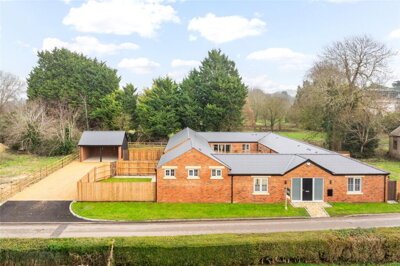
Browse 1 home new builds in Hexton, North Hertfordshire from local developer agents.
The Hexton property market offers detached, semi-detached, and terraced houses spanning various price ranges and neighbourhoods. Each listing includes detailed property information, photographs, and direct contact with the marketing agent.
£1.00M
1
0
30
Source: home.co.uk
Showing 1 results for Houses new builds in Hexton, North Hertfordshire. The median asking price is £1,000,000.
Source: home.co.uk
Detached
1 listings
Avg £1.00M
Source: home.co.uk
The property market in Gratton reflects the scarcity and desirability of homes within the Peak District National Park. With such a limited number of properties coming to market in any given year, this hamlet represents a niche segment of the Derbyshire property landscape. Our research shows that properties on Gratton Lane have sold for between £380,000 and £1,100,000, demonstrating the premium that buyers place on homes in this protected location. The market is characterised by traditional stone-built homes, many dating from the 18th and 19th centuries, constructed using local limestone that defines the visual character of the White Peak area.
Property types in Gratton typically include substantial detached farmhouses, semi-detached stone cottages, and occasional barn conversions that have been sensitively transformed into contemporary rural homes. Terraced properties and flats are exceptionally rare in this hamlet, as the housing stock reflects the agricultural origins of the settlement with detached and semi-detached homes set within generous grounds. New build development is virtually non-existent within Gratton itself, as the Peak District National Park planning authority maintains strict controls over new construction to preserve the landscape and character of existing villages and hamlets. The housing stock in this area overwhelmingly consists of pre-1919 properties, meaning that virtually every home you view will be a traditional stone construction requiring specialist knowledge of historic building techniques.

Properties in Gratton are predominantly built from local limestone, characteristic of the White Peak area of the Peak District National Park. The geology beneath your feet in this part of Derbyshire consists of Carboniferous limestone, a pale grey rock that has been quarried locally for centuries and used in the construction of virtually every building in the hamlet. Understanding this local geology is important for prospective buyers, as limestone bedrock typically presents lower shrink-swell clay risk compared to other parts of Derbyshire, though localised ground movement can still occur from other factors. The solid stone walls found in most Gratton properties were built without the cavity construction methods common in modern homes, which means they require different approaches to insulation, damp proofing, and maintenance.
The traditional building methods used in Gratton properties include lime mortar pointing, which allows the stone walls to breathe and move slightly with temperature changes. This contrasts sharply with modern cement-based mortars and renders, which can trap moisture within solid walls and cause deterioration of the underlying stonework. When viewing properties in Gratton, look carefully for evidence of inappropriate modern repointing in cement, as this is a common issue that accelerates stone weathering. Our inspectors frequently identify properties where well-meaning but incorrect repairs have caused long-term damage to traditional fabric. If you are purchasing a listed building or a property within a conservation area, you will need to use appropriate traditional materials for any repair or alteration work, and the Peak District National Park planning authority will require these specifications in any consent applications.

Gratton exemplifies the timeless appeal of the English countryside, offering residents a pace of life far removed from urban. The hamlet sits within the White Peak area of the Peak District National Park, characterised by rolling limestone hills, ancient drystone walls, and picturesque valleys carved by the River Wye and its tributaries. The local geology consists primarily of limestone bedrock, which shapes both the landscape and the traditional architecture of the area. Properties in Gratton typically feature solid stone walls constructed with lime mortar, a construction method that requires specialist knowledge to maintain and repair correctly. The surrounding landscape offers excellent walking opportunities, with footpaths crossing farmland that has been worked for generations.
The demographic character of the area skews towards established families and retirees who value the sense of community found in small rural settlements. Many residents have deep roots in the area, with several families farming the surrounding land that has been worked for generations. The local economy revolves around agriculture, tourism, and the service sector serving the wider Peak District visitor economy. Bakewell, just a short drive away, provides access to everyday amenities including supermarkets, independent shops, and healthcare facilities, while larger centres like Chesterfield and Sheffield are within reasonable driving distance for those requiring more extensive services. The tourism economy of the Peak District brings visitors throughout the year, particularly during the summer months when the area's famous gardens, walking trails, and historic sites attract large numbers of day-trippers and holidaymakers to the region.
Families considering a move to Gratton will find educational options within the wider Derbyshire Dales area, though the hamlet itself does not have its own school. The nearest primary schools are located in the surrounding villages and in Bakewell, with local provision extending to secondary education in the market town. The Peak District National Park authority has shaped settlement patterns in ways that mean school catchments can span considerable geographic areas, so prospective buyers with children should carefully research which schools serve specific properties in the Gratton area. Primary schools in the nearby villages include those in Taddington and Hartington, serving the scattered rural communities of the White Peak, while Bakewell offers several primary options including Bakewell Methodist Junior School and St. Oswald's Church of England Primary School.
For secondary education, Lady Manners School in Bakewell is the principal state secondary school serving the area, offering a broad curriculum with strong academic results that regularly place it among the top-performing schools in Derbyshire. The school occupies a historic building in the heart of Bakewell and maintains high standards across all subject areas. Parents should verify which schools serve their specific property in Gratton by contacting Derbyshire County Council admissions, as catchment boundaries can be complex in rural areas where schools serve multiple villages. For families requiring grammar school provision, the nearby town of Buxton offers options, though this involves travelling outside the Peak District boundary and requires passing the 11-plus examination. Secondary school options in the area typically feed into further education colleges in Chesterfield or Derby for sixth form and vocational courses.
Transport connections from Gratton reflect its rural character within the Peak District National Park, with residents relying primarily on private vehicles for daily commuting and errands. The hamlet sits close to the A619, which provides access to Bakewell to the north and Chesterfield to the east, connecting with the wider road network including the M1 motorway for those working further afield. Journey times to Sheffield take approximately 45 minutes by car, making it feasible for occasional commuting, though the nature of Peak District roads means this journey involves driving through scenic but sometimes narrow country lanes. Derby can be reached in around an hour via the A6 and A38 corridor, while Nottingham is approximately 75 minutes away by car under normal traffic conditions.
Public transport options are limited, with local bus services connecting Gratton to Bakewell and the surrounding villages on reduced schedules compared to urban areas. The 442 bus service operated by Stagecoach provides connections between Bakewell and Chesterfield, passing through nearby villages on its route, though frequencies are typically limited to hourly or two-hourly services during daytime hours only. The nearest railway stations are in Chesterfield, offering East Midlands Railway services to Nottingham, Derby, and Sheffield, and in Matlock, which provides access to the scenic Peak District line running to Derby. For residents travelling to major cities like London, the journey typically involves driving to Chesterfield or Sheffield for direct rail services to the capital, with journey times of around two hours from Sheffield to London St Pancras on East Midlands Railway services.
Before viewing properties, spend time understanding what Gratton offers by exploring the area at different times of day and week. Understand the implications of Peak District National Park planning restrictions, which affect what you can do with a property after purchase. Given the age of local properties, research the typical defects found in stone-built homes and consider how these might affect your plans. The limited supply of properties coming to market means that when a suitable home does become available, competition among buyers can be intense, so being well-prepared before you begin viewing gives you a significant advantage.
Obtain a mortgage agreement in principle before viewing properties, as sellers in this competitive market will take offers from financially verified buyers more seriously. Speak to local mortgage brokers who understand the Derbyshire Dales property market, as they will be familiar with lenders who have experience with rural properties and older constructions. Remember that properties in the Peak District may have higher valuations reflecting their desirability, and some lenders have specific criteria for properties within National Parks. Getting your mortgage in principle sorted before you view any properties demonstrates to sellers that you are a serious buyer capable of proceeding quickly once you find the right property.
Work with local estate agents who know the Gratton area intimately and can advise on properties before they reach the wider market. When viewing older stone properties, attend with a checklist covering roof condition, damp evidence, electrical and plumbing age, and any signs of structural movement. Consider the cost of maintaining a historic property before committing to purchase, including the need for specialist tradespeople who understand traditional building techniques. Many of the properties in Gratton will have been subject to various planning permissions over the years, so ask the agent for a history of any works undertaken and check whether permissions were obtained for any alterations or extensions.
Given that most properties in Gratton are older than 50 years, a comprehensive RICS Level 2 Survey is essential before proceeding. This will identify defects common to traditional stone construction, including damp, timber issues, roof problems, and any signs of subsidence or movement. Surveyors inspecting properties in this area will pay particular attention to the condition of lime mortar pointing, any evidence of cement repointing on traditional walls, the state of traditional slate or stone flag roofs, and the condition of lead flashings and valley gutter details. Survey costs typically range from £400 to over £1,000 depending on property size and value, and for listed buildings, additional specialist surveys may be required.
Choose a conveyancing solicitor with experience in Peak District National Park properties, as they will understand the specific considerations including planning conditions, rights of way, and any covenants affecting the property. The legal process for properties in protected landscapes can involve additional checks to ensure compliance with National Park planning policies. Your solicitor should conduct local authority searches with Derbyshire Dales District Council, who administer planning within the Peak District National Park, and should also check for any rights of way that cross the property or any ancient hedgerow protections that affect the land. The additional complexity of buying in a National Park often means the conveyancing process takes longer than in standard urban locations.
Once all surveys and searches are satisfactory, your solicitor will exchange contracts and agree a completion date. On completion day, you will receive the keys to your new home in this remarkable Peak District hamlet. Remember that properties in conservation areas or with listed status may have restrictions on future alterations, and you should familiarise yourself with the specific conditions attached to any planning permissions the property benefits from. Buildings insurance for older stone properties can be more expensive than for modern homes, and you should arrange cover before completion day.
Buying a property in Gratton requires careful attention to issues specific to this part of the Peak District National Park. Properties are predominantly traditional stone constructions, often built with solid walls that lack modern insulation. This construction type means that damp can be a concern, particularly rising damp in older properties with inadequate or failed damp-proof courses. Prospective buyers should look carefully at the condition of stone walls, checking for signs of weathering, inappropriate repointing with cement mortar rather than lime, and any evidence of water penetration. Older lime mortar pointing allows the walls to breathe, while modern cement pointing can trap moisture and cause stone deterioration. Pay particular attention to areas where render has been applied to stone walls, as this can hide deterioration and trap moisture within the fabric of the building.
Roof condition demands close inspection on any Gratton property, as traditional slate or stone flag roofs on historic buildings frequently require ongoing maintenance. Look for slipped or missing tiles, deterioration of leadwork around chimneys and valleys, and any sagging or movement in the roof structure that might indicate timber decay. Lead flashings on traditional buildings can deteriorate over decades, and replacement leadwork must be carried out by contractors familiar with traditional building techniques. Given the age of properties in this area, electrical wiring and plumbing systems may well be original or at least several decades old, requiring potential upgrading to meet current standards. Always check when major building work was last carried out and what permissions were obtained from the Peak District National Park planning authority.
One issue that requires particular attention when purchasing in the Peak District is the possibility of historical mining activity beneath or near the property. The Peak District has a long history of lead mining, and while specific mining risk for Gratton has not been confirmed, the wider region contains abandoned mine workings that can cause localised subsidence. A thorough survey will check for any signs of ground movement that might indicate mine working issues, and your solicitor should make enquiries with the Coal Authority if there is any suspicion of historical mining beneath the property. Environmental searches will also reveal any historical land uses that might have left contamination or other issues that could affect the property.
Specific average price data for this small hamlet is not comprehensively tracked, but our research shows that properties on Gratton Lane have sold for between £380,000 and over £1,100,000 depending on size, condition, and land attached. The premium location within the Peak District National Park means that prices for comparable properties tend to exceed those in surrounding non-protected areas. Properties in Gratton are selling at prices that reflect the scarcity of homes available in this protected landscape, with demand consistently outstripping supply in this highly desirable corner of Derbyshire Dales.
Properties in Gratton fall under Derbyshire Dales District Council for council tax purposes. Bands will vary depending on the property's assessed value, with most traditional stone cottages and farmhouses likely falling in bands C through E. The age and character of properties in Gratton means they have typically been assessed at values reflecting their substantial nature, though specific bands depend on the property's characteristics. Prospective buyers should check the specific band for any property they are considering, as council tax costs form part of the ongoing cost of ownership alongside mortgage payments, insurance, and maintenance.
The nearest primary schools to Gratton are located in surrounding villages and Bakewell, including St. Oswald's Church of England Primary School and Bakewell Methodist Junior School, both offering good standards of education for younger children. Lady Manners School in Bakewell provides secondary education and has a strong local reputation for academic achievement, regularly performing well in Derbyshire school comparisons. The specific school serving a property will depend on its exact location within the catchment, so buyers with children should verify school placements with Derbyshire County Council before committing to a purchase, particularly given the rural nature of the area and the wide geographic spread of school catchments.
Public transport connections from Gratton are limited, reflecting its rural location within the Peak District National Park. Local bus services including the 442 route connect the hamlet to Bakewell and surrounding villages, but services run less frequently than in urban areas, typically with hourly or two-hourly frequencies during daytime hours. The nearest railway stations are in Chesterfield and Matlock, offering connections to the East Midlands mainline network and beyond. Most residents of Gratton rely on private vehicles for daily transport, and this should be factored into any decision to relocate to the area, particularly for those who would need to commute regularly to larger towns or cities.
Properties within the Peak District National Park have historically demonstrated strong capital appreciation, supported by strict planning controls that limit supply and maintain the character of the area. The rarity of homes coming to market in Gratton means that well-presented properties attract considerable interest when offered for sale. Rental demand in the wider Peak District is supported by tourism and the attraction of the area for short-term lettings, though buyers should understand that the Peak District National Park authority has specific policies governing holiday lets and temporary accommodation, and planning permission may be required before establishing any rental business from a property in this location.
Stamp duty Land Tax applies at standard rates for purchases in Gratton, and from April 2025 the nil-rate threshold stands at £250,000, with 5% charged on the portion between £250,001 and £925,000. For residential purchases between £925,001 and £1,500,000, the rate is 10%, rising to 12% on the portion above £1,500,000. First-time buyers may qualify for relief on properties up to £625,000, which can provide significant savings compared to standard rates. Given that most properties in Gratton exceed £250,000, stamp duty costs will be a significant consideration in your budget planning, and you should factor these costs into your overall financial preparations before proceeding with a purchase.
Given the traditional stone construction of virtually all properties in Gratton and the hamlet's location within the Peak District National Park, many properties are likely to be listed or within the curtilage of listed structures. Listed buildings in this area are typically Grade II listed, which means that any alterations, extensions, or significant repairs require consent from the Peak District National Park planning authority. Properties with listed status must be maintained using appropriate traditional materials and techniques, which can increase maintenance costs but also protects the character and value of these historic homes. Your solicitor should confirm the listed status of any property you are considering purchasing, as this will affect what you can and cannot do with the property after purchase.
The Peak District has a long history of lead mining, and while no specific mining risk has been identified for Gratton itself, the wider region contains abandoned mine workings that can occasionally cause localised subsidence issues. A thorough RICS Level 2 Survey will check for any signs of ground movement or subsidence that might indicate mining-related problems beneath the property. Your solicitor should include appropriate searches with the Coal Authority as part of the conveyancing process, particularly if the property is in an area where historical mining activity is known to have occurred. Properties affected by mining issues may require specialist insurance, and this should be investigated before completing any purchase.
Purchasing a property in Gratton involves several costs beyond the purchase price itself, and budgeting accurately for these expenses is essential before committing to a purchase. Stamp duty Land Tax is the most significant additional cost and will depend on the property price and your buyer status. At current thresholds, a property priced at £400,000 would incur £7,500 in stamp duty for a standard buyer, while a £1,100,000 property would attract £56,250 in stamp duty. First-time buyers can benefit from relief on properties up to £625,000, which can save up to £10,000 compared to standard rates, though the high values of properties in Gratton mean that many purchases will exceed this threshold.
Additional buying costs include solicitor fees for conveyancing, which typically range from £800 to £2,500 depending on complexity and whether the property is leasehold or freehold. Given the National Park location and potential for listed building status, conveyancing for Gratton properties often involves additional work that can push costs towards the higher end of this range. A RICS Level 2 Survey is essential for traditional stone properties like those found in Gratton, with costs typically between £400 and £1,000 based on property value and size. Mortgage arrangement fees, valuation fees, and searches including local authority, drainage, and environmental searches will add further costs of around £300 to £500. Buildings insurance must be in place from completion, and for older properties, you may wish to budget for immediate maintenance or repairs identified during survey. Insurance for period properties can be more expensive than for modern homes, so obtain quotes before completion to avoid any surprises.
Properties New Builds In London

Properties New Builds In Plymouth

Properties New Builds In Liverpool

Properties New Builds In Glasgow

Properties New Builds In Sheffield

Properties New Builds In Edinburgh

Properties New Builds In Coventry

Properties New Builds In Bradford

Properties New Builds In Manchester

Properties New Builds In Birmingham

Properties New Builds In Bristol

Properties New Builds In Oxford

Properties New Builds In Leicester

Properties New Builds In Newcastle

Properties New Builds In Leeds

Properties New Builds In Southampton

Properties New Builds In Cardiff

Properties New Builds In Nottingham

Properties New Builds In Norwich

Properties New Builds In Brighton

Properties New Builds In Derby

Properties New Builds In Portsmouth

Properties New Builds In Northampton

Properties New Builds In Milton Keynes

Properties New Builds In Bournemouth

Properties New Builds In Bolton

Properties New Builds In Swansea

Properties New Builds In Swindon

Properties New Builds In Peterborough

Properties New Builds In Wolverhampton

Enter your details to see if this property is within your budget.
Loans, cards, car finance
Estimated property budget
Borrowing + deposit
You could borrow between
Typical borrowing
Monthly repayment
Est. at 4.5%
Loan-to-value
This is an estimate only. Your actual budget may vary depending on interest rates, credit history, and personal circumstances. For an accurate affordability assessment, speak to one of our free mortgage advisors.
This calculator provides estimates for illustrative purposes only and does not constitute financial advice. Your home may be repossessed if you do not keep up repayments on your mortgage. Estimates based on 4.5% interest rate, repayment mortgage. Actual rates depend on your circumstances.
Homemove is a trading name of HM Haus Group Ltd (Company No. 13873779, registered in England & Wales). Homemove Mortgages Ltd (Company No. 15947693) is an Appointed Representative of TMG Direct Limited, trading as TMG Mortgage Network, which is authorised and regulated by the Financial Conduct Authority (FRN 786245). Homemove Mortgages Ltd is entered on the FCA Register as an Appointed Representative (FRN 1022429). You can check registrations at NewRegister or by calling 0800 111 6768.

We use cookies to show you personalised content and improve your experience of our website. Find out more in our Privacy policy and Cookie policy.