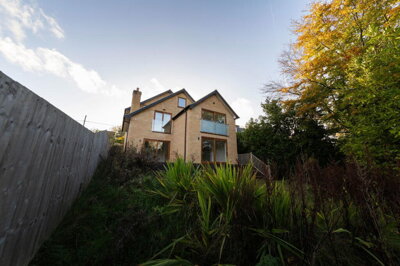
Browse 1 home new builds in Hermitage, West Berkshire from local developer agents.
The Hermitage property market offers detached, semi-detached, and terraced houses spanning various price ranges and neighbourhoods. Each listing includes detailed property information, photographs, and direct contact with the marketing agent.
£585k
9
0
39
Source: home.co.uk
Showing 9 results for Houses new builds in Hermitage, West Berkshire. The median asking price is £585,000.
Source: home.co.uk
Detached
7 listings
Avg £834,285
Semi-Detached
2 listings
Avg £397,500
Source: home.co.uk
Source: home.co.uk
The Poslingford property market has demonstrated significant resilience and growth in recent years, with Rightmove recording prices 68% higher than the previous year. However, the current average of £512,500 remains 32% below the 2016 peak of £754,250, suggesting that the market offers opportunities for buyers looking to enter this sought-after village location before prices potentially recover to previous highs. Zoopla lists approximately 98 properties found in Poslingford, sorted from newest to oldest, giving prospective buyers a reasonable selection to explore. The wider CO10 8RA postcode area, which encompasses parts of Poslingford, has seen prices fall by 1.8% over the past year but has achieved a total increase of 15.8% over five years and an impressive 42.6% rise over the past decade.
Detached properties dominate the local market, with an average price of around £503,286 for this property type on The Street in Poslingford. The village's historic housing stock includes timber-framed properties, red brick homes, and flint and stone constructions that reflect centuries of architectural development. Semi-detached and terraced properties are also available, with comparable sales on The Street in the nearby CO10 area showing semi-detached homes selling for around £265,000 and terraced properties for approximately £215,000. No active new-build developments were identified specifically within Poslingford itself, meaning buyers are primarily looking at the existing historic housing stock, which often includes characterful period features and generous plot sizes.
The long-term performance of the Poslingford property market reflects the enduring appeal of Suffolk village life, with prices rising 42.6% over the past decade in the wider postcode area. For buyers considering investment potential, this track record suggests confidence in the local market, though limited local amenities and the need for car ownership are practical considerations that may influence demand. The village's concentration of listed buildings and period properties attracts buyers seeking character homes in a rural setting, with properties ranging from modest cottages to substantial farmhouses and manor houses.

Poslingford embodies the classic Suffolk village experience, offering residents a peaceful retreat surrounded by rolling farmland and historic architecture. The village sits within the West Suffolk district and is characterised by its concentration of listed buildings, with over 20 properties holding protected status including farmhouses, cottages, and the village pub. The historic construction of local properties showcases traditional Suffolk building techniques, with timber-framed houses, red brick elevations, and flint and stone walls featuring prominently in the villagescape. Properties such as Poslingford House, built circa 1820 with its stuccoed brick facade, represent the Georgian evolution of the village's architectural heritage.
While Poslingford was historically self-sufficient with its own school, post office, small shop, blacksmith, and The Shepherd and Dog public house, most of these facilities have since closed. Today, residents typically travel to nearby market towns for everyday requirements, shopping, and services, though the village pub remains an important social hub for the community. The village is connected to the wider Suffolk Stour river system via a local stream that flows through the area, contributing to the rural landscape's natural charm. The 2021 Census recorded 202 residents living in 91 households, suggesting a stable population that has grown slightly from the 2011 figure of 187 and an estimated 194 in 2024.
The historic heritage of Poslingford is evident throughout the village, with buildings such as Chipley Abbey demonstrating the architectural evolution from the 17th century through to the early 19th century. This Grade II listed property was originally a timber-framed house that was refronted in red brick, with wings constructed from random flint and stone, exemplifying the mixed building materials found throughout the village. Other notable heritage properties include New House, where the Golding family resided, described as far back as 1572 as a very old property, and numerous farmhouses and cottages that line the village's historic lanes. For buyers seeking a property with genuine historical character, Poslingford offers an exceptional concentration of period homes set within an unspoiled Suffolk landscape.

Families considering a move to Poslingford should note that the village no longer has its own primary school, as the historic local school has closed. Children in the village typically attend schools in neighbouring communities, with parents often travelling short distances to nearby towns where primary and secondary education options are available. The West Suffolk area offers a range of educational settings, and prospective residents should research specific school catchment areas and admissions criteria when planning a family move to the village. The closure of local educational facilities reflects broader trends in rural communities where small schools struggle to maintain pupil numbers, though this does mean families need to factor school runs into their daily routines.
Secondary education in the region includes options in the nearby market towns of Sudbury and Haverhill, where secondary schools serve broader catchment areas encompassing rural villages like Poslingford. Sudbury, located approximately 8 miles from Poslingford, offers several primary schools and a secondary school with good transport links from surrounding villages. Haverhill provides additional educational options within reasonable driving distance, and many families choose to drive their children to school rather than relying on rural bus services, which may have limited routes and schedules compared to urban provision.
Parents should verify current school performance data and Ofsted ratings for their specific circumstances, as school provision can influence property values and demand in rural communities. For families prioritising educational access, viewing the Poslingford property market while also exploring schools in surrounding towns is advisable. It is worth noting that some families choose to relocate to the village specifically for the peaceful lifestyle, accepting the trade-off of travelling for schooling in exchange for the character and charm of a historic Suffolk village setting. Private schooling options may also be worth considering for families seeking alternatives to state education, with several independent schools located within reasonable driving distance in Suffolk and Essex.
Transport connectivity from Poslingford reflects its rural village character, with most residents relying on private vehicles for daily commuting and errands. The village sits within the CO10 postcode area, which provides access to the wider Suffolk road network connecting to towns including Sudbury, Bury St Edmunds, and Haverhill. The historic closure of local amenities means that car ownership is practically essential for residents, though the village's position offers relatively straightforward access to surrounding communities for those working locally or in nearby towns. The A134 provides a key route connecting the area to Bury St Edmunds to the north and Sudbury to the south, while the A1017 links to Haverhill and beyond.
For those needing to travel further afield, the nearest railway stations are typically found in larger Suffolk towns, providing connections to Cambridge, Ipswich, and London via the regional rail network. Sudbury railway station offers connections to Cambridge and London Liverpool Street via Marks Tey, though services are relatively infrequent compared to mainline stations. For regular commuting to London, buyers may need to factor in journey times to reach mainline stations such as Colchester or Ipswich, which offer faster services to the capital. This commuting consideration is important for buyers who work in London or other major centres and are evaluating whether Poslingford offers a practical base.
Bus services connecting Poslingford to neighbouring villages and market towns may be available, though rural bus provision tends to be limited compared to urban areas. Prospective buyers without access to a vehicle should carefully consider their transport requirements before committing to a purchase in the village. Cyclists and walkers can enjoy the quiet country lanes and public footpaths that crisscross the surrounding farmland, though those commuting to offices or regular employment will likely need to factor in travel time to major centres. The rural lanes are popular with recreational cyclists, with routes available through the surrounding Suffolk countryside linking to neighbouring villages and market towns.
The Poslingford property market offers a distinctive range of period properties that reflect the village's centuries-long history. The majority of properties in the village date from the 17th, 18th, and 19th centuries, constructed using traditional building methods that remain characteristic of West Suffolk villages. Timber-framed construction predominates among the older properties, with many homes featuring exposed beams, inglenook fireplaces, and original floorboards that require specialist knowledge for maintenance and restoration. The village's heritage of mixed construction is evident in properties like Chipley Abbey, which combines timber-frame with red brick refronting and flint and stone wing constructions.
Flint and stone construction features prominently in several Poslingford properties, reflecting the local geology and traditional building practices of the Suffolk chalkland. This construction method, which uses nodules of flint set in lime mortar, creates distinctive banded or knapped patterns in the village's older walls. Properties built or refronted in the Georgian and Victorian periods often feature red brick elevations, with later Victorian and Edwardian homes adding decorative features such as terracotta dressings and patterned brickwork. The stuccoed brick of Poslingford House, scored to imitate ashlar stone, demonstrates how later builders imitated more expensive materials using render techniques.
The absence of significant new-build development in Poslingford means that buyers are typically looking at the existing historic housing stock, which includes listed buildings requiring planning consent for alterations. With over 20 listed buildings in the village, ranging from modest cottages to substantial farmhouses, buyers should understand that owning a heritage property carries both privileges and responsibilities. Specialist surveys are often recommended for older properties, particularly those of listed status, as traditional construction methods and aging building fabrics may harbour hidden defects that a thorough inspection can identify before purchase.
Start by exploring our current listings for properties in Poslingford and understanding the local market dynamics, including the average price of around £512,500 and the predominance of detached period homes in the village. Review comparable sales in the CO10 postcode area to understand what similar properties have sold for recently, and consider how the 42.6% price growth over the past decade reflects the enduring appeal of this Suffolk village location.
Before arranging viewings, obtain a mortgage agreement in principle from a lender to confirm your budget and strengthen your position when making an offer on a property in this competitive village market. Given that many Poslingford properties are valued at £500,000 or above, securing appropriate mortgage finance is essential, and a mortgage broker familiar with rural property lending can help navigate the process for properties that may have non-standard construction or listed status.
Visit properties that match your requirements, paying particular attention to the condition of older listed buildings, traditional construction methods including timber-frame and flint, and any historic features that may require specialist maintenance. Take time to explore the village and surrounding area, speaking to existing residents about the practical realities of living in Poslingford, including access to services, schools, and commuting options.
Given the age of many Poslingford properties, arrange a thorough survey to assess the condition of the building, identify any defects, and ensure you understand the full cost of ownership before completing your purchase. For listed buildings or properties with complex histories, a more detailed RICS Level 3 survey may be appropriate, as traditional construction methods and aging materials require experienced assessors who understand historic building fabrics.
Appoint a solicitor with experience in rural property transactions to handle the legal aspects of your purchase, including any planning restrictions or listed building considerations that may apply in Poslingford. Your solicitor should conduct thorough searches for drainage, flooding risk, and planning history, as rural properties often have private water supplies, septic tanks, and oil-fired heating systems that require specific enquiries.
Once all searches and surveys are satisfactory, proceed to exchange contracts and complete your purchase, becoming a new owner in this historic Suffolk village. Factor in additional moving costs such as removal services, buildings insurance (which may be more expensive for listed properties), and any immediate maintenance works identified in your survey report.
Buying a property in Poslingford requires careful consideration of the village's historic housing stock, much of which consists of listed buildings requiring specialist maintenance and planning consent for alterations. With over 20 listed buildings in the village, including properties dating back to the 17th century, buyers should understand the responsibilities and restrictions that come with owning a heritage property. Timber-framed construction, a common feature in older Poslingford homes, may require specialist knowledge for maintenance and insurance purposes, and traditional building materials such as flint and thatch need experienced tradespeople for repairs.
Flood risk should be considered when purchasing in Poslingford, as the village sits near a stream that feeds into the Chilton stream and the Suffolk Stour river system. While specific flood risk maps for the village were not detailed in available data, buyers should request drainage and flood risk searches during the conveyancing process to understand any potential exposure. The rural location means that properties often have private drainage systems, septic tanks, or oil-fired heating rather than mains services, and these should be thoroughly inspected as part of any purchase. Many older properties will have septic tanks that require emptying and maintenance on a regular basis, with costs that buyers should factor into their ongoing household budget.
Rural properties in the CO10 postcode area typically have varying broadband speeds depending on location, and buyers working from home should verify current connectivity options before committing to a purchase. The village's rural setting means that some properties may rely on slower copper-based broadband connections, though fibre rollout is gradually extending to more locations in West Suffolk. Mobile phone signal quality can also vary in rural villages, and buyers should test signal strength at the property before purchase if reliable mobile connectivity is important for their daily lives. Satellite broadband services offer an alternative for properties that cannot access conventional fibre connections, though setup and monthly costs tend to be higher.
The average property price in Poslingford is currently around £512,500 according to Rightmove data, though other property portals show figures of approximately £628,000 to £685,000 depending on the data source and methodology. Prices have risen 68% over the past year according to Rightmove, though they remain 32% below the 2016 peak of £754,250. Detached properties are the most common type sold in the area, averaging around £503,286, while the wider postcode area has seen prices increase by 42.6% over the past decade, demonstrating the long-term resilience of the Suffolk village property market.
Properties in Poslingford fall under West Suffolk Council for council tax purposes. Specific band distribution for Poslingford was not detailed in available data, though Suffolk council tax bands range from A through to H depending on property value. Rural properties with larger plots or historic features may fall into higher bands, and buyers should verify the specific council tax band of any property they are considering purchasing. West Suffolk Council sets the annual charge based on band valuations, and the band can be checked on the Valuation Office Agency website using the property address.
Poslingford no longer has its own primary school, with children typically attending schools in neighbouring villages or towns. The wider West Suffolk area offers various primary and secondary school options, with families advised to research current Ofsted ratings and catchment area boundaries before committing to a purchase. Secondary education is available in nearby towns including Sudbury and Haverhill, which serve the broader rural catchment area, with school transport arrangements varying depending on the specific school and the family's location within Poslingford.
Public transport connectivity in Poslingford is limited, reflecting its rural village character. Most residents rely on private vehicles for daily travel to work, shopping, and services, with the village sitting approximately 8 miles from Sudbury where the nearest railway station provides connections to Cambridge and London Liverpool Street via Marks Tey. Bus services connecting the village to surrounding towns may be available but are less frequent than urban routes, with limited evening and weekend services that may not suit all commuting patterns. Prospective buyers without a car should carefully consider their transport requirements before purchasing in Poslingford.
Poslingford offers investment potential for buyers seeking a peaceful rural lifestyle with the benefits of historic village character. The property market has shown long-term growth, with prices rising 42.6% over the past decade in the wider postcode area, though the lack of local amenities and school closures may limit rental demand to those specifically seeking the quiet rural lifestyle. The predominance of detached period properties and listed buildings suggests demand from buyers seeking character homes in scenic Suffolk countryside, though buyers should understand that listed properties require specialist maintenance and any alterations require planning consent.
Stamp Duty Land Tax rates from April 2024 are 0% on the first £250,000 of property value, 5% on £250,001 to £925,000, 10% on £925,001 to £1.5 million, and 12% on amounts above £1.5 million. First-time buyers pay 0% on the first £425,000 and 5% on £425,001 to £625,000. Given that the average Poslingford property is priced at around £512,500, a standard buyer would pay approximately £13,125 in stamp duty, while a first-time buyer would pay around £4,375. Buyers purchasing above the first-time buyer threshold should budget accordingly for this significant upfront cost.
When viewing properties in Poslingford, pay particular attention to the construction and condition of traditional building materials, as many properties feature timber-frame, flint, and stone construction that requires specialist maintenance. Check the condition of roofs, as older properties may have original or period-appropriate coverings that need replacement, and inspect for signs of damp or structural movement in older walls. Properties with listed status will have restrictions on alterations and may require consent for works that owners of modern homes can carry out freely, so understanding these implications before purchase is essential.
No active new-build developments specifically within Poslingford itself were identified, meaning buyers are primarily looking at the existing historic housing stock when searching for property in the village. The village's heritage character and concentration of listed buildings means that new development is likely to be restricted, preserving the historic villagescape that makes Poslingford attractive to buyers seeking period properties. Some smaller infill developments may occasionally come to market, but these are uncommon in villages of this size and character.
From 4.5%
Expert mortgage advice tailored to your property purchase
From £499
Specialist property solicitors for your Poslingford purchase
From £350
Professional survey recommended for period properties
From £60
Energy performance certificate for your new home
Understanding the full cost of purchasing a property in Poslingford is essential for budgeting effectively, with stamp duty forming a significant part of the upfront costs. For a typical Poslingford property priced at around £512,500, a standard buyer would pay stamp duty of approximately £13,125, calculated at 0% on the first £250,000 and 5% on the remaining £262,500. First-time buyers purchasing properties up to £625,000 would benefit from relief, reducing their stamp duty to approximately £4,375 on the same property. It is worth noting that Poslingford's average property price sits just above the first-time buyer threshold, so buyers who do not qualify for first-time buyer relief should budget for the higher stamp duty costs.
Beyond stamp duty, buyers should budget for survey costs, with a RICS Level 2 survey typically costing between £350 and £600 depending on property size and value. Given the age of many Poslingford properties and the prevalence of traditional construction methods, buyers may also wish to consider a more detailed Level 3 survey for complex or listed buildings, which provides a more comprehensive assessment of the property's condition. Survey costs for listed buildings or properties with unusual construction may be higher than standard rates, as surveyors require additional time and specialist expertise to assess heritage properties thoroughly.
Conveyancing costs usually range from £500 to £1,500 for a standard transaction, with rural properties sometimes requiring additional searches for drainage, flooding, and planning history. Given the number of listed buildings in Poslingford, your solicitor should conduct thorough enquiries into any planning conditions or restrictions that apply to the property. Removal costs, mortgage arrangement fees, and buildings insurance should also be factored into the overall moving budget for your Poslingford purchase, and buyers of listed properties should note that buildings insurance premiums may be higher than for modern properties due to the increased risk profile of period construction.
Properties New Builds In London

Properties New Builds In Plymouth

Properties New Builds In Liverpool

Properties New Builds In Glasgow

Properties New Builds In Sheffield

Properties New Builds In Edinburgh

Properties New Builds In Coventry

Properties New Builds In Bradford

Properties New Builds In Manchester

Properties New Builds In Birmingham

Properties New Builds In Bristol

Properties New Builds In Oxford

Properties New Builds In Leicester

Properties New Builds In Newcastle

Properties New Builds In Leeds

Properties New Builds In Southampton

Properties New Builds In Cardiff

Properties New Builds In Nottingham

Properties New Builds In Norwich

Properties New Builds In Brighton

Properties New Builds In Derby

Properties New Builds In Portsmouth

Properties New Builds In Northampton

Properties New Builds In Milton Keynes

Properties New Builds In Bournemouth

Properties New Builds In Bolton

Properties New Builds In Swansea

Properties New Builds In Swindon

Properties New Builds In Peterborough

Properties New Builds In Wolverhampton

Enter your details to see if this property is within your budget.
Loans, cards, car finance
Estimated property budget
Borrowing + deposit
You could borrow between
Typical borrowing
Monthly repayment
Est. at 4.5%
Loan-to-value
This is an estimate only. Your actual budget may vary depending on interest rates, credit history, and personal circumstances. For an accurate affordability assessment, speak to one of our free mortgage advisors.
This calculator provides estimates for illustrative purposes only and does not constitute financial advice. Your home may be repossessed if you do not keep up repayments on your mortgage. Estimates based on 4.5% interest rate, repayment mortgage. Actual rates depend on your circumstances.
Homemove is a trading name of HM Haus Group Ltd (Company No. 13873779, registered in England & Wales). Homemove Mortgages Ltd (Company No. 15947693) is an Appointed Representative of TMG Direct Limited, trading as TMG Mortgage Network, which is authorised and regulated by the Financial Conduct Authority (FRN 786245). Homemove Mortgages Ltd is entered on the FCA Register as an Appointed Representative (FRN 1022429). You can check registrations at NewRegister or by calling 0800 111 6768.

We use cookies to show you personalised content and improve your experience of our website. Find out more in our Privacy policy and Cookie policy.