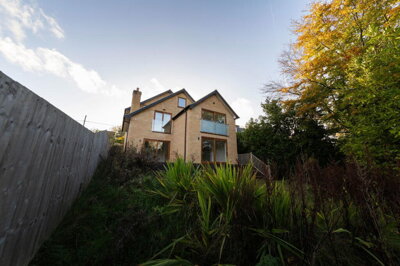
Browse 1 home new builds in Hermitage, West Berkshire from local developer agents.
£585k
13
0
62
Source: home.co.uk
Source: home.co.uk
Detached
7 listings
Avg £834,285
Apartment
2 listings
Avg £212,475
Semi-Detached
2 listings
Avg £397,500
Bungalow
1 listings
Avg £875,000
Cottage
1 listings
Avg £695,000
Source: home.co.uk
Source: home.co.uk
The Poslingford property market presents a compelling picture for buyers seeking character homes in rural Suffolk. Rightmove data indicates average sold prices of £512,500 over the past year, with Zoopla recording slightly higher figures at £685,000 and OnTheMarket at £628,000, reflecting varying methodologies in tracking transactions across this dispersed village community. Detached properties dominate the local market, comprising approximately 53% of all sales, with prices for this property type averaging £503,286 according to Zoopla records for The Street, Poslingford CO10. The substantial average prices reflect both the quality of period properties available and the desirability of this village location for families seeking space and privacy away from urban centres.
Property values in the Poslingford area have demonstrated considerable resilience and growth over the longer term. While Rightmove indicates that prices rose 68% over the last year compared to the previous year, they remain 32% below the 2016 peak of £754,250, suggesting opportunities for buyers in a market that has corrected from previous highs. Over the past decade, the CO10 8RA postcode area has seen cumulative growth of 42.6%, demonstrating the enduring appeal of this part of West Suffolk for property investors and homeowners alike. New build activity in the village itself remains limited, with no verified developments within Poslingford itself, though the nearby Chilton Woods development in Sudbury offers shared ownership options for those seeking newer construction in the wider area.
The village's location near streams feeding into the Suffolk Stour means flood risk should form part of any due diligence process for prospective buyers. While specific flood risk mapping data requires investigation with the Environment Agency, properties along The Street and lower-lying areas warrant particular attention during survey work. The local geology in this part of West Suffolk includes areas of clay that can cause shrink-swell movement affecting building foundations, particularly relevant for the many older properties in the village. Our team frequently encounters properties where past ground movement has occurred, and we always recommend a thorough inspection of foundations and any visible cracking in walls before committing to purchase.
When comparing property prices by type, the data reveals interesting patterns for Poslingford buyers. Detached properties average £503,286, while terraced properties in the surrounding CO10 8RA area have sold for around £215,000 and semi-detached homes for approximately £265,000. Flats are notably absent from recent transaction data, reflecting the predominantly houses-and-cottages nature of this village setting. These price differentials help buyers understand what their budget might secure in different property types across the Poslingford market.

Life in Poslingford offers an authentic taste of Suffolk countryside living, characterised by rolling farmland, historic architecture, and a strong sense of community heritage. The village is defined by its collection of listed buildings, including the impressive Church of St Mary (Grade II*), Chipley Abbey with its 17th-century timber-framed origins, and Poslingford House, a stuccoed brick residence dating from around 1820. The predominant building materials across the village reflect centuries of local construction traditions, with timber-frame structures, red brick, flint, and stone featuring prominently in the historic housing stock. These architectural details create a distinctive streetscape along The Street and surrounding lanes, where properties dating from the 17th through 19th centuries stand alongside more recent additions.
The village sits within the wider West Suffolk landscape, with a stream feeding through Poslingford into the Chilton stream and the Suffolk Stour, adding to the pastoral character of the area. Historically, Poslingford was largely self-sufficient, supporting a school, post office, small shop, blacksmith, and The Shepherd and Dog public house. While these amenities have since closed, the village retains its residential character and attracts residents who appreciate rural tranquility while commuting to nearby towns for employment and services. The population of 202 residents across 91 households creates an intimate community where neighbours are likely to know one another, making Poslingford particularly suitable for families, retirees, or anyone seeking an escape from urban without sacrificing access to essential facilities.
For those considering a move to Poslingford, the village's heritage buildings provide considerable character but also require understanding from prospective buyers. The concentration of listed buildings, including the Grade II* Church of St Mary, Bulley Green Farmhouse, Chipley Abbey, and numerous cottages along The Street, means that many properties carry planning restrictions. Works to these buildings require consent from West Suffolk Council's planning authority, and alterations must respect the historic fabric. The Post Office, Rose Cottage and the Thatch, Wentworth House, and several farmhouses including Hall Farmhouse and Hermitage Farmhouse all contribute to the protected character of the village. Understanding these obligations before purchasing helps buyers avoid costly mistakes or delays when planning renovations or improvements to their new home.

Families considering a move to Poslingford will find educational options available within the wider West Suffolk area, though parents should research current provision and catchment areas carefully. The village once supported its own school, reflecting the community's historical self-sufficiency, though this facility has long since closed. Today, primary aged children typically attend schools in neighbouring villages or the market town of Sudbury, with several primary schools serving the surrounding area. Secondary education is available at schools in nearby towns, with school transport arrangements supporting families living in more rural locations. Parents are advised to contact Suffolk County Council or individual schools directly for current admissions information and to understand which schools serve their specific property in Poslingford.
For families prioritising educational outcomes, the wider Suffolk area offers several well-regarded schools, though competition for places in popular establishments can be significant. Grammar school provision exists in nearby towns including Sudbury, with selective admissions based on examination performance. Independent schools in the region provide alternative educational pathways for families seeking private education. Given the rural nature of Poslingford, parents should factor school transportation logistics and journey times into their property search, particularly for secondary aged children who may require bus services to reach schools further afield. The village's proximity to Sudbury, approximately 8 miles distant, provides access to a broader range of educational facilities than many comparable rural villages.
Our local team often advises buyers with children to investigate school transport arrangements before completing a purchase in Poslingford. Suffolk County Council operates bus services for pupils residing beyond walking distance thresholds, but these routes and schedules can change annually. Properties on The Street, near the Church of St Mary, or in outlying farmsteads may have different transport arrangements depending on their exact location. We recommend visiting the Suffolk County Council school transport website or contacting their passenger transport team to confirm current arrangements for any specific Poslingford address under consideration.
Transport connectivity from Poslingford relies primarily on road networks, with the village situated in a rural location that requires car ownership for most daily activities. The A134 provides the main route connecting the village to nearby towns, offering access to Sudbury to the south and Bury St Edmunds to the north. The scenic Suffolk countryside surrounding Poslingford makes driving through the area pleasant, though narrow country lanes are common, and journey times to larger centres reflect the rural setting. For residents working in Cambridge, Colchester, or Ipswich, commuting is feasible but requires significant time investment, with these destinations approximately 40-60 minutes away by car depending on traffic conditions.
Public transport options are limited in common with many Suffolk villages, and residents should not expect the same level of connectivity found in urban areas. Bus services connect some villages in the wider area to market towns, but frequencies are typically reduced compared to urban routes, making car travel essential for most residents. For rail travel, the nearest stations are located in Sudbury, with direct services to London Liverpool Street via Colchester, providing access to the capital in approximately 90 minutes. Many Poslingford residents choose to commute partly by car to a station before completing their journey by train. Cycling can be enjoyed on quieter country lanes, though the undulating Suffolk landscape requires reasonable fitness for longer routes.
The K6 Telephone Kiosk adjacent to the Post Office serves as a reminder that some rural infrastructure in Poslingford has remained unchanged for decades, though mobile phone coverage in the village has improved in recent years. Prospective buyers accustomed to urban connectivity should confirm broadband speeds at any property under consideration, as rural internet provision can vary significantly even within small villages. Working from home has become increasingly common, and we recommend checking with providers about current broadband availability and any planned upgrades for the CO10 8RA postcode area.
Explore current property listings and recent sales data to understand pricing in this rural Suffolk village. With average prices around £512,500 and detached properties commanding premium values, reviewing comparable properties helps set realistic expectations and identify good value when it becomes available.
Before viewing properties, obtain a mortgage agreement in principle from a lender to confirm your borrowing capacity. Given the above-average property values in Poslingford, understanding your financial position early helps focus your search on achievable properties and strengthens your position when making offers.
Visit properties that match your requirements, paying particular attention to construction materials and condition given the prevalence of period properties. Many homes in Poslingford are listed buildings or older constructions requiring careful assessment for issues such as timber frame condition, thatch if present, or flint wall stability.
Once you have an offer accepted, instruct a RICS Level 2 survey to assess the property condition thoroughly. With many older properties in Poslingford, this survey identifies defects common in period construction including damp, roof condition, and any signs of structural movement. Our network of RICS qualified surveyors understand the local construction methods and can advise on remedial requirements for historic buildings.
Appoint a solicitor experienced in rural property transactions to handle the legal aspects of your purchase. They will conduct local authority searches, check planning permissions for any alterations, and ensure the title is clear for your new Poslingford home.
Once all searches are satisfactory and finances are confirmed, your solicitor will exchange contracts and set a completion date. On completion day, you receive the keys to your new Poslingford home and can begin settling into this charming Suffolk village.
Purchasing property in Poslingford requires careful consideration of several factors unique to this historic village setting. The prevalence of listed buildings means many properties carry planning restrictions and obligations regarding maintenance and alterations. Grade II listed properties require consent from the local planning authority for significant changes to the building's character, and works must respect the historic fabric. Before purchasing, prospective buyers should obtain a copy of the listing description from Historic England to understand exactly which elements are protected. The concentration of heritage buildings along The Street and surrounding lanes creates planning considerations that may affect renovation plans or extensions.
Building materials in Poslingford properties reflect centuries of local construction traditions, with timber framing, flint, brick, and stone all present in the historic stock. These materials require understanding and appropriate maintenance, and prospective buyers should assess the condition of timber-framed elements, check for signs of movement in flint walls, and verify that brickwork is sound. Older properties may have less modern insulation than contemporary buyers expect, and renovation to improve energy efficiency must be balanced against listed building constraints. The village's location near streams feeding into the Suffolk Stour means flood risk should be considered, though specific flood risk mapping for Poslingford itself requires investigation with the Environment Agency. Drainage in rural villages can also present challenges that buyers should investigate during conveyancing searches.
The local geology in this part of West Suffolk includes clay soils that can cause foundation movement through shrink-swell processes, particularly during periods of drought or heavy rainfall. Properties built on clay subsoil may show signs of foundation movement over time, and our surveyors pay particular attention to cracks in walls, sticking doors, and uneven floors when inspecting older Poslingford properties. Chipley Abbey, with its early 19th-century refronting in red brick and random flint and stone wings, exemplifies the complex construction history that characterises many village properties. Such buildings may have been extended, altered, or repaired over their lifetime, and a thorough survey helps identify any resulting defects or areas requiring attention.
Energy efficiency represents another consideration for Poslingford property buyers, as many historic homes were built before modern insulation standards existed. Properties with original single-glazed windows, solid walls without cavity insulation, or older heating systems may have higher running costs than newer homes. The balance between maintaining historic character and achieving acceptable energy performance requires careful consideration, particularly for listed buildings where permitted development rights may be limited. We recommend including energy performance certificate details in any viewing enquiries and discussing upgrade options with the vendor before proceeding.
The average property price in Poslingford stands at approximately £512,500 according to Rightmove data from the past year, though figures from Zoopla and OnTheMarket show slightly higher averages of £685,000 and £628,000 respectively. Detached properties, which dominate the local market at around 53% of sales, average £503,286, with prices reflecting the village's desirable rural location and the quality of period properties available. The CO10 8RA postcode area has seen prices fall by 1.8% over the past year but rise 15.8% over five years and 42.6% over the past decade, suggesting a market that has corrected from recent highs while maintaining long-term growth.
Properties in Poslingford fall under West Suffolk Council administration. Council tax bands in this rural area follow the standard England banding system from A through H, with actual bands depending on the specific property's valuation. Band D is commonly cited as typical for mid-range properties in similar Suffolk villages. Prospective buyers should check the specific band for any property they are considering as part of their pre-purchase enquiries, as council tax costs form part of the ongoing cost of ownership alongside mortgage payments and maintenance.
Primary and secondary schools are available in nearby towns, particularly Sudbury approximately 8 miles away. Families should research current Ofsted ratings and admissions criteria directly with schools and Suffolk County Council, as school transport arrangements and catchment boundaries will affect which schools serve a specific Poslingford property. Grammar schools in the wider area offer selective education for secondary aged children. The village's rural location means parents should confirm bus routes and timings before purchasing, as these arrangements can significantly affect family logistics.
Public transport options in Poslingford are limited, consistent with many rural Suffolk villages. Bus services connecting to nearby towns operate but with reduced frequencies compared to urban routes. The nearest railway stations are in Sudbury, offering services to London Liverpool Street via Colchester in approximately 90 minutes. Most residents require car ownership for daily activities, and the village is best suited to those who can accommodate driving as their primary transport method. We recommend confirming broadband speeds at any property under consideration, as reliable internet access has become essential for remote working.
The Poslingford property market has demonstrated steady long-term growth, with the CO10 8RA postcode area seeing a 42.6% increase over the past decade and a 15.8% rise over five years. The combination of limited new supply, strong heritage character, and proximity to desirable market towns supports continued demand. Properties with historic features or listed building status may appeal to niche buyers, while family homes with gardens attract those seeking rural lifestyles within commuting distance of employment centres. The village's location within easy reach of Sudbury, Bury St Edmunds, and major road networks makes it attractive to buyers seeking countryside living without complete isolation.
Stamp Duty Land Tax for England applies to all Poslingford property purchases. Standard rates are 0% on the first £250,000, 5% on £250,001 to £925,000, 10% on £925,001 to £1.5 million, and 12% above £1.5 million. First-time buyers receive relief on properties up to £625,000, paying 0% on the first £425,000 and 5% on the remainder. Given Poslingford's average price of £512,500, a first-time buyer purchasing at this level would pay no stamp duty on the first £425,000 and 5% on the remaining £87,500, totalling £4,375. A non-first-time buyer would pay £13,125 on the same property.
Poslingford has a stream that flows through the village before feeding into the Chilton stream and the Suffolk Stour. While specific flood risk mapping data requires investigation with the Environment Agency, proximity to watercourses warrants attention before purchasing. Properties along lower-lying areas near the stream, including some along The Street, may warrant particular investigation during the survey process. Your solicitor should conduct appropriate drainage and flood risk searches as part of the conveyancing process, and the Environment Agency provides online flood maps that prospective buyers can check for specific locations. The clay geology prevalent in this part of West Suffolk can also cause drainage issues in older properties, and we recommend including a thorough investigation of soakaways and drainage systems during survey work.
Understanding the full costs of purchasing property in Poslingford requires careful budgeting beyond the advertised purchase price. Stamp Duty Land Tax represents the most significant additional cost for most buyers, with current thresholds for England offering relief on the first £250,000 at zero percent. Given Poslingford's average property price of £512,500, a buyer paying the typical price would incur SDLT at 5% on the amount above £250,000, resulting in £13,125 in stamp duty under standard rates. First-time buyers benefit from enhanced thresholds, paying nothing on the first £425,000 and only 5% on amounts between £425,001 and £625,000, which would eliminate stamp duty entirely for a £512,500 purchase by a first-time buyer.
Beyond stamp duty, buyers should budget for survey costs, legal fees, and various other charges that accompany property purchases. A RICS Level 2 survey typically costs between £416 and £639 nationally, though prices can reach £1,000 for larger or more complex properties. Given the prevalence of older and potentially listed properties in Poslingford, a thorough survey is particularly important to identify any structural concerns or heritage-related issues before completion. Our surveyors understand the construction methods common in Suffolk's historic buildings, including timber-framed structures, flint walls, and traditional brickwork, allowing them to provide accurate assessments of condition and likely repair costs.
Conveyancing fees for a standard purchase in this price range typically start from around £499, with additional costs for local authority searches, Land Registry fees, and bank transfer charges. For properties in Poslingford's conservation area or listed buildings, additional searches may be required to confirm planning history and any enforcement notices. Mortgage arrangement fees vary by lender but commonly range from zero to £2,000, and should be factored into the overall cost comparison when selecting a mortgage product. Moving costs, including furniture removal and any immediate renovation requirements, should also be considered when setting your total budget for moving to your new Poslingford home. Our team can provide estimates for all these costs when you begin your property search.
Properties New Builds In London

Properties New Builds In Plymouth

Properties New Builds In Liverpool

Properties New Builds In Glasgow

Properties New Builds In Sheffield

Properties New Builds In Edinburgh

Properties New Builds In Coventry

Properties New Builds In Bradford

Properties New Builds In Manchester

Properties New Builds In Birmingham

Properties New Builds In Bristol

Properties New Builds In Oxford

Properties New Builds In Leicester

Properties New Builds In Newcastle

Properties New Builds In Leeds

Properties New Builds In Southampton

Properties New Builds In Cardiff

Properties New Builds In Nottingham

Properties New Builds In Norwich

Properties New Builds In Brighton

Properties New Builds In Derby

Properties New Builds In Portsmouth

Properties New Builds In Northampton

Properties New Builds In Milton Keynes

Properties New Builds In Bournemouth

Properties New Builds In Bolton

Properties New Builds In Swansea

Properties New Builds In Swindon

Properties New Builds In Peterborough

Properties New Builds In Wolverhampton

Enter your details to see if this property is within your budget.
Loans, cards, car finance
Estimated property budget
Borrowing + deposit
You could borrow between
Typical borrowing
Monthly repayment
Est. at 4.5%
Loan-to-value
This is an estimate only. Your actual budget may vary depending on interest rates, credit history, and personal circumstances. For an accurate affordability assessment, speak to one of our free mortgage advisors.
This calculator provides estimates for illustrative purposes only and does not constitute financial advice. Your home may be repossessed if you do not keep up repayments on your mortgage. Estimates based on 4.5% interest rate, repayment mortgage. Actual rates depend on your circumstances.
Homemove is a trading name of HM Haus Group Ltd (Company No. 13873779, registered in England & Wales). Homemove Mortgages Ltd (Company No. 15947693) is an Appointed Representative of TMG Direct Limited, trading as TMG Mortgage Network, which is authorised and regulated by the Financial Conduct Authority (FRN 786245). Homemove Mortgages Ltd is entered on the FCA Register as an Appointed Representative (FRN 1022429). You can check registrations at NewRegister or by calling 0800 111 6768.

We use cookies to show you personalised content and improve your experience of our website. Find out more in our Privacy policy and Cookie policy.