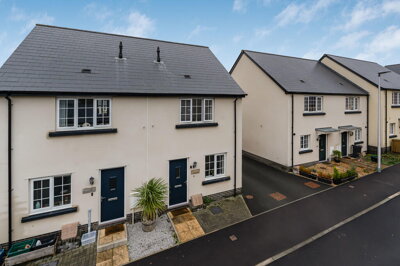
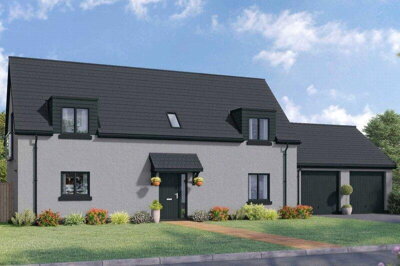
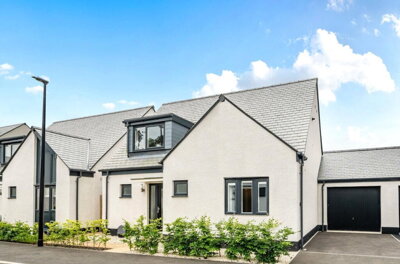
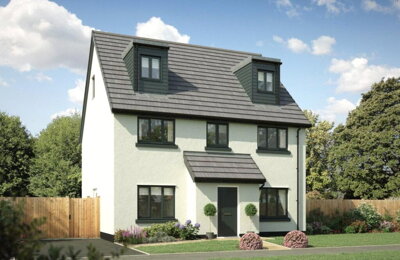
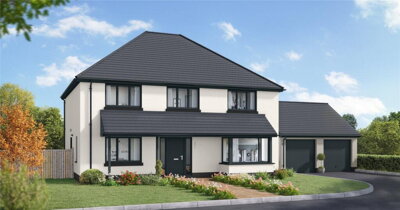
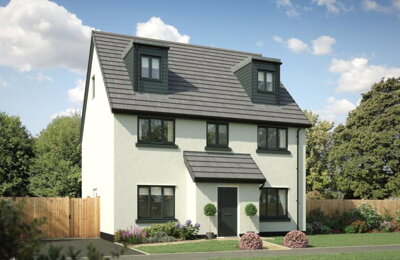
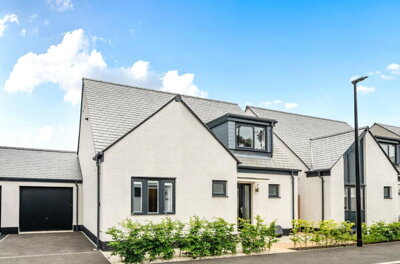
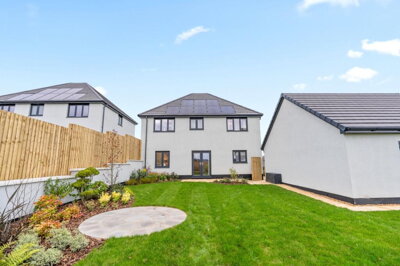
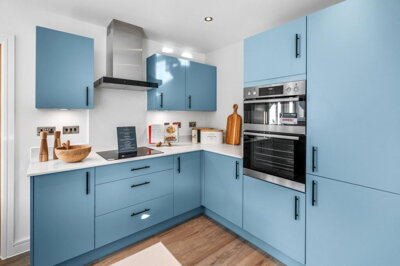
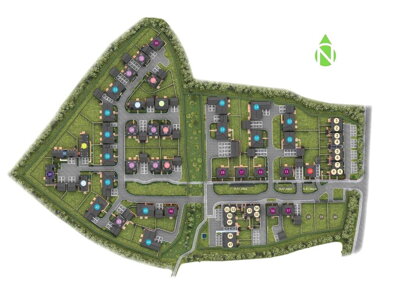
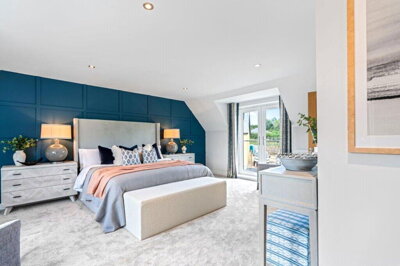
Browse 18 homes new builds in Hennock, Teignbridge from local developer agents.
The Hennock property market offers detached, semi-detached, and terraced houses spanning various price ranges and neighbourhoods. Each listing includes detailed property information, photographs, and direct contact with the marketing agent.
£450k
15
0
134
Source: home.co.uk
Showing 15 results for Houses new builds in Hennock, Teignbridge. The median asking price is £450,000.
Source: home.co.uk
Detached
9 listings
Avg £576,664
Terraced
4 listings
Avg £219,750
Semi-Detached
2 listings
Avg £624,998
Source: home.co.uk
Source: home.co.uk
Newton St. Petrock's property market reflects the dynamics of rural North Devon, where limited supply meets consistent demand from buyers seeking countryside living. The overall average house price stands at £320,000, though this figure masks considerable variation between property types. Detached homes command premium prices averaging £472,500, reflecting the desirability of standalone properties with land and views across Devon's rolling hills. Terraced properties average around £210,000, offering more accessible entry points into this attractive village for first-time buyers or those seeking a holiday let investment. Recent sales data shows semi-detached bungalows achieving prices around £194,000 to £210,000, demonstrating the ongoing demand for single-storey accommodation in this rural setting.
The market has experienced notable price corrections over the past year, with average values decreasing by approximately £240,000 or 38.40% compared to the previous twelve months. This decline follows a broader pattern across rural Devon, where post-pandemic price acceleration has given way to more measured growth as buyer priorities stabilise. Despite this short-term correction, the long-term trajectory remains positive, with prices increasing by £74,750 representing 24.09% growth over the past decade. The 2021 market peak of £430,000 illustrates the heights reached during the pandemic rural relocation boom, when demand for countryside properties surged as remote working became normalised. For buyers entering the market now, this correction presents genuine opportunities to secure properties at more realistic valuations.
Property availability in Newton St. Petrock remains naturally limited given the village's small scale, with typically fewer than 15 properties available at any time across all listing platforms. This scarcity creates a competitive environment for desirable properties, particularly character cottages and period farmhouses that attract attention from buyers seeking traditional Devon homes. Properties in the village span a range of ages, from cottages that may predate the Victorian era to more modern conversions and replacements built in recent decades. The tight supply means prospective buyers should monitor listings regularly and be prepared to move quickly when suitable properties become available, as rural village properties often sell faster than urban equivalents once competitively priced.

Life in Newton St. Petrock revolves around the rhythms of rural Devon, where community spirit remains strong and the pace of life offers genuine respite from urban stresses. The village itself comprises a small cluster of historic properties centred around the parish church, with the surrounding countryside characterised by mixed farmland, woodland, and traditional Devon hedgerows that support abundant wildlife. The area falls within Torridge District Council jurisdiction, and local governance maintains the village's appearance through conservation considerations that preserve its traditional character. Residents typically describe the community as welcoming, with newcomers quickly finding opportunities to integrate through village events and the network of footpaths that crisscross the surrounding farmland.
The property stock in Newton St. Petrock reflects its agricultural heritage, with many homes dating from the Georgian or Victorian periods alongside earlier cottages that may predate the Industrial Revolution. Traditional building materials include local stone, cob (a sustainable mix of clay, sand, and straw), and rendered exteriors finished in the distinctive colours common throughout North Devon. Thatched roofs grace several character cottages, adding to the village's picturesque appearance while requiring specialist maintenance knowledge. The presence of Grade II listed properties, including period farmhouses and historic cottages, demonstrates the architectural significance of certain buildings and means that any modifications require careful consideration of heritage requirements. For buyers seeking authenticity and craftsmanship that modern construction simply cannot match, the housing stock in Newton St. Petrock offers genuine character in abundance.
Daily life in Newton St. Petrock requires acceptance of the rural lifestyle, where trips to nearby towns form part of regular routines. The market town of Torrington, approximately 15 minutes away by car, provides access to everyday amenities including supermarkets, banks, and healthcare facilities that serve the surrounding rural communities. Holsworthy, slightly further afield, offers additional shopping options and a weekly market that has served the area for generations. Many residents combine remote working arrangements with periodic trips to larger centres, making Newton St. Petrock particularly suited to those with flexible employment or those approaching retirement.

Families considering Newton St. Petrock as their home will find educational provision centred in nearby towns, with primary schools serving the village's younger residents. The village falls within catchment areas for primary schools in surrounding communities, and school transport arrangements are typically available for families living in rural locations where local provision is limited. Primary school options in the broader Torridge area include community schools and those with religious affiliations, with Ofsted ratings varying across the network. Parents are advised to verify current catchment boundaries and admission arrangements directly with Devon County Council, as these can change and may influence property choices in this rural setting.
Secondary education is provided at schools in larger settlements such as Torrington or Holsworthy, meaning secondary-aged children will require transport arrangements for daily commuting. The nearest secondary schools offer standard curricula alongside vocational options, with sixth form provision available for those pursuing A-level qualifications. For families prioritising educational access, proximity to these secondary schools may influence which Newton St. Petrock properties are most suitable, particularly those with straightforward road connections to nearby towns. Independent schooling options exist in Devon, though these require travel to private institutions in towns like Exeter or Barnstaple. When purchasing property in Newton St. Petrock, understanding the local education landscape ensures families can plan appropriately for children's educational journeys through primary, secondary, and post-16 stages.
The Torridge area hosts several primary schools rated Good or Outstanding by Ofsted, with community schools in Torrington serving as popular choices for families in the surrounding villages. Parents should note that school transport eligibility typically applies to children attending their nearest appropriate school, with Devon County Council providing transport for pupils meeting distance criteria. School admissions in Devon operate through a coordinated scheme, with applications submitted through the county council portal and offers made on national offer day each spring.
Transport connectivity from Newton St. Petrock reflects its rural village status, with residents relying primarily on private vehicles for daily commuting and major journeys. The village sits within reasonable reach of the A39 Atlantic Highway, which provides access to Bideford, Barnstaple, and the wider North Devon coast. Journey times by car to Barnstaple, the largest town in North Devon, typically take around 30 to 40 minutes depending on exact location and traffic conditions. The market town of Torrington, approximately 15 minutes away, provides access to everyday amenities including supermarkets, banks, and healthcare facilities that serve the surrounding rural communities.
Public transport options are limited in common with many rural Devon villages, with bus services operating on reduced frequencies compared to urban routes. Those without private vehicles will find daily commuting challenging, making Newton St. Petrock most suitable for remote workers, retirees, or those with flexible arrangements who do not require daily travel to employment centres. The nearest railway stations are located in Barnstaple or Exeter, with Exeter St. David's providing connections to major destinations including London Paddington. For international travel, Exeter Airport offers flights to European destinations, while Bristol Airport provides broader international connections.
Cyclists will appreciate the network of quiet country lanes and bridleways that characterise the local area, though the hilly terrain requires reasonable fitness. The South West Coast Path and numerous inland footpaths provide recreational opportunities, with routes passing through farmland and woodland that showcase North Devon's countryside. For daily commuting needs, realistic planning around transport availability should form a key part of any property purchase decision in Newton St. Petrock. Road conditions in rural Devon can be affected by seasonal weather, with narrow lanes and occasional flooding requiring driver awareness during adverse conditions.
Explore available properties on Homemove, understand current price trends in Newton St. Petrock (average £320,000), and familiarise yourself with the types of homes available including detached cottages, period farmhouses, and converted barns. Given the village's limited supply, starting your search early gives you the best chance of securing a property when it becomes available. Register with estate agents in the Torridge area to receive alerts when new properties matching your criteria are listed.
Contact lenders or use Homemove's mortgage comparison tool to obtain an agreement in principle before making offers. This demonstrates your financial credibility to sellers and estate agents, particularly important in Newton St. Petrock where competition for quality properties can be strong despite the modest overall market. Rural properties may occasionally attract cash buyers, making mortgage-ready buyers more attractive in competitive situations.
Visit properties that match your requirements, taking time to assess the village's character, nearby amenities, and your practical connectivity to larger towns. For older properties with Grade II listing status, consider whether you have the resources and patience to maintain heritage buildings appropriately. Viewing properties at different times of day and in various weather conditions reveals aspects that a single visit might miss.
Commission a RICS Level 2 Survey for standard properties or consider a Level 3 Building Survey for older homes with non-standard construction methods. Given the prevalence of pre-1919 properties featuring cob, stone, and thatched roofs in Newton St. Petrock, a thorough survey is essential to identify any structural or maintenance issues before commitment. Surveyors familiar with traditional Devon construction can spot issues that a general practitioner might miss.
Choose a solicitor with experience in rural Devon properties to handle legal work including local searches, title verification, and any planning restrictions affecting heritage properties. Use Homemove's conveyancing comparison to find competitive rates and experienced providers. Rural properties may require additional searches regarding agricultural rights, rights of way, or environmental factors.
Finalise your purchase with your solicitor, transfer funds, and receive keys to your new Newton St. Petrock home. Allow time for utilities connections and any immediate maintenance requirements if purchasing an older property. Factor in the time needed to familiarise yourself with the property's maintenance requirements and any historic features requiring specialist care.
Purchasing property in Newton St. Petrock requires careful consideration of factors specific to rural North Devon that differ significantly from urban property transactions. The age of many properties means traditional construction methods are prevalent, with solid walls, cob construction, and traditional lime-based mortars rather than modern cement products. These materials require different maintenance approaches, and mortgage lenders may have specific requirements for older properties, particularly those with non-standard construction. Before committing to a purchase, verify that your lender is comfortable with the property type and construction method, as some mortgage products exclude certain older properties or those of non-traditional construction.
Listed building status affects numerous properties throughout Newton St. Petrock, with Grade II listing applying to buildings of special architectural or historic interest. These properties require consent for alterations, extensions, and even some maintenance works through the planning system, adding complexity and potential costs to any future plans. Buildings insurance for listed properties may cost more than standard cover, and specialist policies are often required. Conservation area status may also apply, introducing additional planning controls on external appearance, demolitions, and tree work. Prospective buyers should request copies of listing descriptions from the estate agent and verify any planning history or outstanding enforcement notices through Torridge District Council planning records before proceeding.
Environmental considerations merit investigation before purchase, including any flood risk from watercourses in the vicinity and ground conditions that may affect older structures. Local searches will reveal information about easements, covenants, and rights of way that affect the property. Properties bordering farmland may have associated agricultural usage to consider. A comprehensive property survey by a qualified RICS surveyor will identify structural concerns, maintenance priorities, and any issues that might affect your purchase decision or negotiation position.
The average house price in Newton St. Petrock stands at £320,000 according to recent market data. Detached properties command higher prices averaging £472,500, while terraced homes average around £210,000. The market has experienced a 38.40% decrease over the past year following the 2021 peak of £430,000, though long-term prices have increased by 24.09% over the past decade. This short-term correction may present buying opportunities for those patient enough to wait for completions in this rural village market where property availability is naturally limited.
Properties in Newton St. Petrock fall under Torridge District Council and Devon County Council for council tax purposes. Most properties in this rural area, particularly older cottages and farmhouses, typically fall within council tax bands A through D, though larger detached homes or recently valued properties may be in higher bands E or F. Exact council tax bands vary by individual property and should be confirmed through the local authority or the property listing details. When budgeting for your purchase, factor in annual council tax costs alongside mortgage payments, utilities, and maintenance expenses for older properties. Current Torridge District Council tax rates for band D properties are available on the council website.
Newton St. Petrock is a small village without its own school, so families rely on primary schools in surrounding communities accessed via school transport or private vehicles. Primary schools in nearby Torrington and the surrounding Torridge villages serve the area, with several achieving Good or Outstanding Ofsted ratings. Secondary education is provided at schools in nearby towns such as Torrington or Holsworthy, with school transport arrangements typically available for residents. Parents should verify current catchment areas and admission policies through Devon County Council's school admissions service, as these can change and vary depending on individual circumstances. Independent schooling options require travel to institutions in larger towns like Barnstaple or Exeter.
Public transport connectivity in Newton St. Petrock is limited, reflecting its status as a rural village. Bus services operate in the area but with frequencies significantly reduced compared to urban routes, making private vehicles essential for most residents' daily needs. The nearest railway stations are in Barnstaple and Exeter, with Exeter St. David's providing connections to London Paddington and other major destinations. Journey times to Barnstaple take approximately 30 to 40 minutes by car via the A39 Atlantic Highway. For buyers who need to commute regularly or access services without driving, this limited connectivity is an important practical consideration that should influence property selection and lifestyle planning in this rural location.
Newton St. Petrock offers different investment considerations compared to urban markets. Long-term price growth of 24.09% over the past decade demonstrates underlying demand for rural Devon property, though the market is smaller and less liquid than city markets with typically fewer than 15 properties available at any time. Rental demand in the area tends to be modest given limited employment opportunities within the village itself, though properties may appeal as holiday lets given North Devon's tourism appeal and the region's popularity with visitors seeking countryside retreats. Capital appreciation potential exists, particularly if remote working trends continue driving demand for countryside living, though buyers should approach investment decisions with realistic expectations about rental yields and void periods in this niche market. Properties with traditional features like thatched roofs or Grade II listing status may attract premium interest from buyers seeking authentic character.
Stamp duty land tax (SDLT) applies to all property purchases in England, including Newton St. Petrock. Standard SDLT rates start at 0% for the first £250,000 of purchase price, rising to 5% on the portion from £250,001 to £925,000. For a typical £320,000 property in Newton St. Petrock, this means SDLT of £3,500 applies to the amount above the £250,000 threshold. First-time buyers benefit from relief on the first £425,000, meaning no SDLT would be due on a £320,000 purchase under the current first-time buyer threshold. Above £625,000, first-time buyer relief does not apply. Always verify your SDLT liability with a solicitor or use HMRC's online calculator before budgeting for your purchase.
Older properties in Newton St. Petrock present specific risks that buyers should investigate thoroughly before purchasing. Properties of non-standard construction such as cob, stone, or those with thatched roofs may face difficulties with mortgage lending and require specialist insurance products. Listed buildings involve planning restrictions on alterations and maintenance that can increase costs and limit future flexibility. Traditional construction methods often show signs of damp, timber defects, or outdated services that require ongoing maintenance investment. A thorough RICS Level 2 or Level 3 Survey is essential to identify these issues before commitment. Environmental risks including flood risk and ground conditions should be verified through local searches and the property survey before completing your purchase in this rural location.
Budgeting accurately for your Newton St. Petrock purchase requires understanding all costs beyond the property price itself. Stamp duty land tax (SDLT) represents a significant upfront cost for most buyers, with standard rates applying 0% on the first £250,000, 5% on the portion from £250,001 to £925,000, 10% on the next £575,000, and 12% on amounts exceeding £1.5 million. For the village's average priced property of £320,000, SDLT at standard rates would amount to £3,500, calculated on the £70,000 portion above the nil-rate threshold. First-time buyers purchasing properties up to £425,000 pay no SDLT, meaning a £320,000 property would attract no stamp duty under first-time buyer relief.
Beyond SDLT, purchasing costs include solicitor fees typically ranging from £500 to £1,500 depending on complexity and property value, plus disbursements for local searches, title registration, and land registry fees that can add £300 to £500. Survey costs vary by property type and inspection level, with a RICS Level 2 Survey starting from around £350 for a modest property but potentially £600 to £800 for larger homes. For Newton St. Petrock's older properties featuring traditional construction, a more comprehensive Level 3 Building Survey may cost £800 to £1,200 but provides detailed assessment of structural issues, construction methods, and maintenance requirements. Mortgage arrangement fees typically range from 0% to 1.5% of the loan amount, while broker fees if applicable vary between providers. Building insurance must be in place from exchange of contracts, and for listed properties, specialist insurance may cost more than standard cover. Factor in moving costs, potential repairs or renovations, and an emergency fund for unexpected issues when calculating your total budget for moving to Newton St. Petrock.
From 4.5% APR
Compare mortgage rates from leading lenders to find the right deal for your Newton St. Petrock purchase
From £499
Expert conveyancing solicitors experienced in rural Devon property transactions
From £350
Thorough inspection of your Newton St. Petrock property by qualified surveyors
From £600
Comprehensive building survey ideal for older properties with traditional construction
From £60
Energy performance certificate required for all Newton St. Petrock property sales
Properties New Builds In London

Properties New Builds In Plymouth

Properties New Builds In Liverpool

Properties New Builds In Glasgow

Properties New Builds In Sheffield

Properties New Builds In Edinburgh

Properties New Builds In Coventry

Properties New Builds In Bradford

Properties New Builds In Manchester

Properties New Builds In Birmingham

Properties New Builds In Bristol

Properties New Builds In Oxford

Properties New Builds In Leicester

Properties New Builds In Newcastle

Properties New Builds In Leeds

Properties New Builds In Southampton

Properties New Builds In Cardiff

Properties New Builds In Nottingham

Properties New Builds In Norwich

Properties New Builds In Brighton

Properties New Builds In Derby

Properties New Builds In Portsmouth

Properties New Builds In Northampton

Properties New Builds In Milton Keynes

Properties New Builds In Bournemouth

Properties New Builds In Bolton

Properties New Builds In Swansea

Properties New Builds In Swindon

Properties New Builds In Peterborough

Properties New Builds In Wolverhampton

Enter your details to see if this property is within your budget.
Loans, cards, car finance
Estimated property budget
Borrowing + deposit
You could borrow between
Typical borrowing
Monthly repayment
Est. at 4.5%
Loan-to-value
This is an estimate only. Your actual budget may vary depending on interest rates, credit history, and personal circumstances. For an accurate affordability assessment, speak to one of our free mortgage advisors.
This calculator provides estimates for illustrative purposes only and does not constitute financial advice. Your home may be repossessed if you do not keep up repayments on your mortgage. Estimates based on 4.5% interest rate, repayment mortgage. Actual rates depend on your circumstances.
Homemove is a trading name of HM Haus Group Ltd (Company No. 13873779, registered in England & Wales). Homemove Mortgages Ltd (Company No. 15947693) is an Appointed Representative of TMG Direct Limited, trading as TMG Mortgage Network, which is authorised and regulated by the Financial Conduct Authority (FRN 786245). Homemove Mortgages Ltd is entered on the FCA Register as an Appointed Representative (FRN 1022429). You can check registrations at NewRegister or by calling 0800 111 6768.

We use cookies to show you personalised content and improve your experience of our website. Find out more in our Privacy policy and Cookie policy.