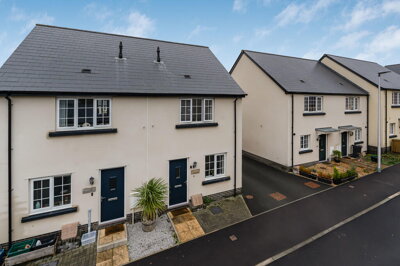
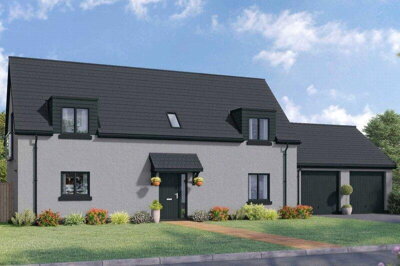
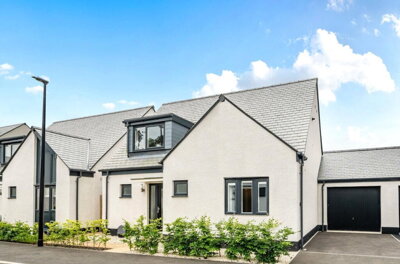
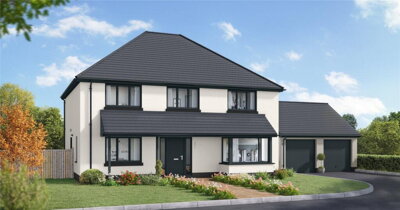
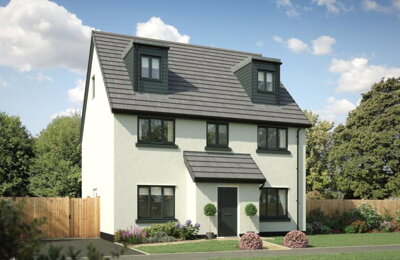
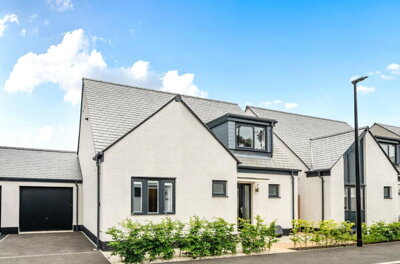
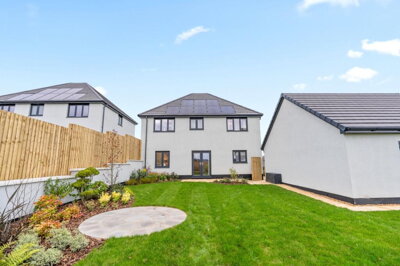
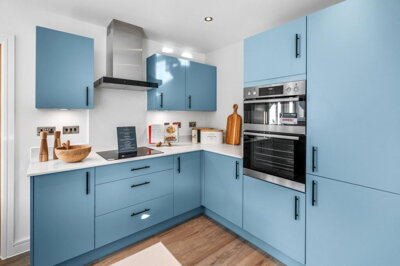
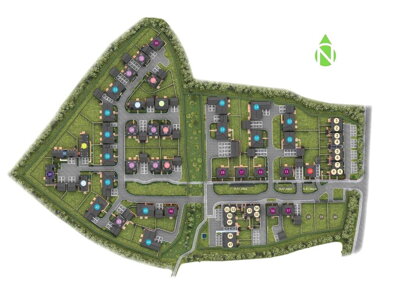
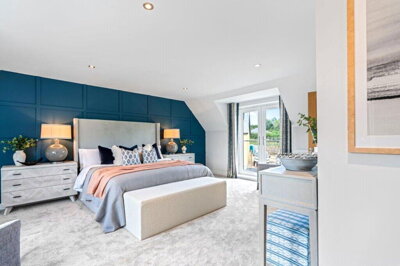
Browse 18 homes new builds in Hennock, Teignbridge from local developer agents.
£150k
57
0
118
Source: home.co.uk
Source: home.co.uk
Lodge
25 listings
Avg £93,518
Detached
9 listings
Avg £576,664
Park Home
6 listings
Avg £132,917
Bungalow
4 listings
Avg £487,495
Terraced
4 listings
Avg £219,750
Apartment
2 listings
Avg £262,500
End of Terrace
2 listings
Avg £375,000
Semi-Detached
2 listings
Avg £624,998
Cottage
1 listings
Avg £475,000
House
1 listings
Avg £700,000
Source: home.co.uk
Source: home.co.uk
The Newton St. Petrock property market presents a distinctive picture of rural North Devon living. Detached properties command the highest average prices at around £472,500, reflecting the desirability of spacious family homes with land and countryside views in this area. Terraced properties offer more accessible entry points at approximately £210,000, making them attractive to first-time buyers and those seeking a character cottage in a village setting. Semi-detached properties similarly provide good value, with recent sales including bungalows and family homes in the £190,000 to £210,000 range.
The market has experienced notable price adjustments over the past year, with overall values decreasing by approximately £240,000 or 38.40 percent. This decline brings current prices around 26 percent below the 2021 peak of £430,000, representing a significant correction in local property values. However, the longer-term view remains positive, with prices having increased by £74,750 over the past decade, equivalent to 24.09 percent growth. These figures demonstrate that Newton St. Petrock property has historically held and grown its value, even if short-term fluctuations are more pronounced given the smaller number of transactions in this rural market.
New build activity in Newton St. Petrock itself remains limited, with no active developments currently identified within the village boundary. Buyers seeking brand new properties may wish to expand their search to nearby towns such as Holsworthy or Torrington, where larger housing developments occasionally become available. The existing housing stock predominantly consists of older properties, including character cottages, traditional farmhouses, and period homes that have been maintained and updated over generations. This means many properties will come to market requiring varying degrees of renovation or modernisation, presenting both challenges and opportunities for buyers with a vision for their new home.
The village falls within the Torridge local planning authority, and buyers should be aware that properties may be subject to policies under the North Devon and Torridge Local Plan that protect rural character and limit development in smaller settlements. Properties in or near the village conservation area will be subject to additional planning controls that affect permitted development rights and external alterations. We recommend consulting with Torridge District Council planning department before committing to any purchase where renovation or extension is intended.

Life in Newton St. Petrock embodies the essence of rural Devon living, offering residents a tranquil environment surrounded by rolling farmland and hedgerows. The village takes its name from Saint Petrock, an early Cornish saint, reflecting the deep historical roots of this community. Properties in the area reflect traditional West Country architecture, with many homes built using local stone, cob construction, and rendered exteriors that give the village its distinctive character. Some properties feature thatched roofs, adding to the picturesque nature of the streetscene and reinforcing the historic feel of this North Devon settlement.
The local economy centres primarily on agriculture, with farming remaining central to the surrounding landscape and community. Residents appreciate the sense of space and the connection to the natural environment that village life provides. Walking routes through the surrounding countryside are readily accessible, and the nearby Tarka Trail offers excellent cycling and walking opportunities connecting to broader Devon. The village community hosts various events throughout the year, and the traditional pub serves as a focal point for social gatherings and local entertainment.
Daily amenities are typically accessed in nearby towns, with Holsworthy offering a good range of shops, supermarkets, and services within reasonable driving distance. Torrington provides additional facilities including healthcare services and recreational amenities. The coastal towns of Bideford and Barnstaple are within easy reach for those seeking seaside days out, while Exeter provides access to larger retail centres, hospitals, and rail connections to the broader rail network. This balance of peaceful village living with accessible urban amenities makes Newton St. Petrock an attractive proposition for buyers seeking the best of both worlds.
Local attractions within easy reach include RHS Garden Rosemoor near Torrington, which offers 65 acres of stunning gardens and regular seasonal events throughout the year. Dartington Crystal at Great Torrington provides guided factory tours and a renowned glass museum, while the Milky Way Adventure Park near Clovelly offers family entertainment with rides and indoor play areas. These attractions, combined with excellent local pubs serving Devon ales and farm shops selling local produce, ensure that residents of Newton St. Petrock have plenty to explore without travelling far from the village.

Families considering a move to Newton St. Petrock will find educational options available within the local area, though choices may be more limited than in larger towns. Primary education is typically provided through village schools in the surrounding area, with the nearest schools serving the immediate community and surrounding parishes. These smaller rural schools often benefit from strong community connections and individual attention for pupils, though class sizes and facilities may differ from those found in urban schools. Primary schools in nearby villages such as Shebbear and Dolton serve families from Newton St. Petrock and have historically achieved good results in Key Stage 2 assessments.
Secondary education options include schools in nearby market towns, which families can access via school transport arrangements. Parents should research specific catchment areas and admissions policies when considering properties in Newton St. Petrock, as school placements can vary depending on individual circumstances and availability. The closest secondary schools offer a range of GCSE and A-Level courses, with some providing specialist subjects and extracurricular activities that may not be available at smaller institutions. Holsworthy Community Academy serves as the nearest secondary school for many Newton St. Petrock families and offers a broad curriculum alongside vocational pathways.
For those seeking further education, colleges and training providers are located in larger towns such as Barnstaple and Exeter, which offer a comprehensive range of vocational and academic courses. Students from Newton St. Petrock often travel to these centres for post-16 education, taking advantage of the broader curriculum and specialist facilities available in towns. University options in Exeter and Plymouth are accessible for older students, with regular bus and rail connections making daily commuting feasible for those who prefer to remain in the family home while studying. The Petroc College in Barnstaple provides further education and apprenticeship opportunities for students across North Devon.
Transport connections from Newton St. Petrock reflect its rural nature, with residents relying primarily on private vehicles for daily commuting and larger journeys. The village sits within reasonable driving distance of the A39 Atlantic Highway, which provides access to the North Devon coast and connects eastward toward Exeter and the M5 motorway. Journey times to Exeter typically take around 60 to 90 minutes by car, making day trips and weekend visits to the county capital entirely feasible for most residents. The journey to Barnstaple takes approximately 30 minutes, providing regular access to the largest town in North Devon.
Public transport options are more limited in this rural location, with bus services providing connections to nearby towns on fewer frequencies than in urban areas. The 21A bus service operates through Newton St. Petrock, connecting the village to Torrington and other nearby communities. The nearest railway stations are located in Barnstaple and Exeter, with Exeter St. Davids providing direct services to London Paddington, Bristol, and Birmingham. London Paddington can be reached in approximately two and a half hours from Exeter, making the capital accessible for business travel or occasional visits without the need for an overnight stay.
For cyclists and walkers, the Tarka Trail provides an excellent traffic-free route connecting many North Devon communities and offering safe passage to coastal towns and larger settlements. This makes car-free days out possible for those who can combine cycling with bus or train travel. The Tarka Trail passes through several nearby villages, making circular routes achievable for adventurous cyclists. Many residents of Newton St. Petrock embrace the rural transport reality by working from home where possible, using the improved broadband connections now available in many parts of Devon to maintain professional careers without lengthy daily commutes. Remote working has become increasingly common in the village since the pandemic, with many residents maintaining professional careers while enjoying the rural lifestyle that Newton St. Petrock offers.
Start by exploring our property listings for Newton St. Petrock and surrounding villages to understand what is currently available and how prices compare to recent sales data. Consider engaging with local estate agents who have detailed knowledge of the village and can alert you to properties before they appear on major portals. Given the limited number of properties that come to market in this small village, early engagement with agents in nearby towns such as Holsworthy and Torrington can be particularly advantageous.
Once you have identified properties of interest, arrange viewings through our platform or directly with selling agents. Before making offers, obtain a mortgage agreement in principle from a lender to demonstrate your purchasing capability to sellers in what can be a competitive market. With average prices at £320,000, most buyers will require a mortgage, and having your financing arranged before making an offer strengthens your position considerably.
When you find your ideal property, submit an offer through the selling agent, ideally with your mortgage agreement in principle and details of your position. In Newton St. Petrock's smaller market, sellers may value buyers who are genuinely committed and able to move quickly, so be prepared to negotiate on price and terms. Given the recent price corrections in the local market, there may be room for negotiation on properties that have been listed for some time.
Given the age of many properties in Newton St. Petrock, we strongly recommend arranging a RICS Level 2 survey before proceeding. This will identify any structural issues, damp, roof problems, or other defects common in period properties that may not be apparent during viewings. For older listed buildings or properties with non-standard construction, a more detailed RICS Level 3 building survey may be appropriate.
Appoint a solicitor experienced in rural property transactions to handle the legal aspects of your purchase. They will conduct searches, handle contracts, and manage the transfer of funds through to completion. Searches should include drainage and water authority enquiries, local authority planning records, and environmental searches given the rural location of the village.
Once all searches are satisfactory and finance is confirmed, your solicitor will exchange contracts and agree a completion date with the seller. On completion day, the remaining funds are transferred and you receive the keys to your new Newton St. Petrock home. We recommend arranging buildings insurance from the point of exchange, as this is typically a condition of most mortgage offers.
Purchasing property in Newton St. Petrock requires careful consideration of factors specific to rural Devon living and the age of the local housing stock. Many properties in the village will be listed buildings or within conservation areas, meaning planning restrictions apply to alterations, extensions, and even external paint colours. Buyers should verify the listing status of any property they are considering and understand the implications for future renovation plans or changes they may wish to make. The Grade II listing of St. Petrock's Church and surrounding period properties indicates that heritage considerations are significant in this area.
The construction methods used in older Devon properties can differ significantly from modern standards, with cob walls, solid floors, and traditional timber frames requiring specialist understanding during surveys and renovations. A thorough building survey is particularly important for period properties, as issues such as rising damp, timber rot, and roof condition are common in homes of this age. Budget provisions should be made for potential repairs or upgrades to electrical systems, plumbing, and insulation that may be necessary in older properties. Many properties in the village will have original wiring and plumbing that has been partially updated over the years but may still require comprehensive renewal.
Flood risk in Newton St. Petrock should be verified through the appropriate environmental agency databases and local authority records before committing to a purchase. While the village is inland, proximity to watercourses and low-lying land means some properties may be at risk from surface water or river flooding during extreme weather events. Building insurance costs can reflect these risks, so obtaining quotes before completion is advisable. Septic tank arrangements and private water supplies may also be relevant for some properties, adding considerations not typically encountered in urban homes. Properties on private water supplies will require regular testing and maintenance, and buyers should factor these ongoing costs into their budgeting.
Given the agricultural character of the surrounding area, prospective buyers should also consider the proximity of working farms to their potential new home. Agricultural activities generate noise, smells, and traffic associated with farming operations, particularly during harvest seasons and when slurry is being spread. These are normal aspects of rural living but may come as a surprise to buyers moving from urban or suburban areas. Walking and bridleway routes that cross farmland can also bring members of the public through or near properties, and this should be borne in mind when evaluating specific locations within the village.
The current average house price in Newton St. Petrock stands at approximately £320,000 based on recent market activity. Detached properties average around £472,500, while terraced properties offer more accessible pricing at approximately £210,000. Semi-detached properties in the village have sold recently at prices including £210,000 for a bungalow in August 2023 and £194,250 for a house in November 2006, showing the range of values in this segment. The market has experienced some correction over the past year, with prices around 26 percent below the 2021 peak of £430,000, though long-term growth over the past decade shows a 24 percent increase of approximately £74,750.
Properties in Newton St. Petrock fall under Torridge District Council for council tax purposes. Specific band allocations vary by property depending on the valuation band assigned by the Valuation Office Agency. Most period cottages and older detached properties in the village typically fall within bands A through D, with newer or more valuable properties potentially in higher bands. The village's average house price of £320,000 would typically place most standard detached properties in band C or D, while character cottages and smaller terraced properties often fall in bands A or B. Prospective buyers should verify the council tax band for any specific property through the Torridge District Council website or the government valuation portal.
Newton St. Petrock itself has limited schooling options, with primary education typically accessed through schools in surrounding villages and the nearest market towns. Primary schools in nearby villages such as Shebbear Primary School and Dolton Primary School serve the local community and have historically achieved favourable Ofsted ratings. Families should research specific catchment schools and admissions criteria for the nearest primary and secondary schools, which may include schools in Holsworthy, Torrington, and nearby communities. Secondary school options within reasonable travel distance include Holsworthy Community Academy, which provides comprehensive education for students from across the surrounding area.
Public transport connections from Newton St. Petrock are limited, reflecting its rural location. The 21A bus service operates through the village, connecting residents to Torrington and other nearby communities, though services run with less frequency than in urban areas. The nearest railway stations are in Barnstaple and Exeter, with Exeter St. Davids offering direct services to London and major cities. Most residents rely on private vehicles for daily commuting and larger journeys, though cycling on routes such as the Tarka Trail provides an alternative for shorter trips to nearby villages and towns. For those working in Exeter or further afield, the approximately 75-minute drive to the M5 motorway at Tiverton makes longer commuting feasible, particularly with hybrid working arrangements.
Newton St. Petrock offers potential for buyers seeking long-term appreciation in a peaceful rural setting. The 24 percent increase in property values over the past decade demonstrates that rural Devon property can hold and grow its value over time. The lifestyle appeal of village living, combined with the character of period properties and the broader trend toward rural relocation following the pandemic, suggests continued demand from buyers seeking this type of location. However, the smaller market size means transaction volumes are low, with only around 12 properties recorded in recent sales data for the EX38 postcode area, and short-term price volatility can be more pronounced than in larger towns. Investors should be prepared for a long-term holding strategy rather than expecting quick returns.
Stamp duty rates for 2024-25 apply the standard thresholds to all purchases in Newton St. Petrock. Properties up to £250,000 attract zero stamp duty, with rates of 5 percent on the portion between £250,001 and £925,000, 10 percent between £925,001 and £1.5 million, and 12 percent above £1.5 million. First-time buyers benefit from relief on properties up to £425,000, with 5 percent charged between £425,001 and £625,000. At current average prices of £320,000, a typical buyer might expect to pay stamp duty of around £3,500, though this varies based on individual circumstances and property value. Those purchasing additional properties above £40,000 will incur the additional 3 percent surcharge on the entire purchase price.
The Newton St. Petrock property market is dominated by older, period properties including traditional Devon cottages, farmhouses, and family homes. Detached houses with land and countryside views are common, alongside terraced cottages that offer more affordable entry points to the local market. The village's older housing stock includes historic farmsteads, some of which have been converted into residential properties over the years. Flats are rare in this village setting, and new build properties are very limited. Many properties will be listed buildings or attached to historic farmsteads, requiring careful consideration of planning restrictions during purchase. Construction types include traditional cob, local stone, and rendered brick, with roofing materials ranging from slate to thatch on the most characterful cottages.
Properties in Newton St. Petrock fall within Torridge District Council's planning authority and may be subject to policies under the North Devon and Torridge Local Plan that protect the character of rural settlements. Many properties in the village will be listed buildings, either Grade II or higher, which means any external alterations, extensions, or even changes to windows and doors will require Listed Building Consent from the council. Interior alterations may also be restricted for listed properties. Properties within any designated conservation area face reduced permitted development rights, limiting the scope for extensions and outbuildings without formal planning permission. We recommend that buyers consult with Torridge District Council planning department before committing to any purchase where future alterations or renovations are planned.
From 4.5% APR
Compare mortgage rates from lenders across Newton St. Petrock
From £499
Expert property solicitors for your Newton St. Petrock purchase
From £350
Essential survey for period properties in Newton St. Petrock
From £80
Energy performance certificate for your new home
Understanding the full costs of purchasing property in Newton St. Petrock is essential for budgeting effectively. Beyond the property price, buyers should account for stamp duty, which for a typical £320,000 property would amount to approximately £3,500 at standard rates. First-time buyers may qualify for relief that reduces this cost, while those purchasing additional properties above £40,000 will incur the additional 3 percent surcharge on the entire purchase price. Stamp duty calculations can be complex, particularly for properties close to the threshold boundaries, and using a stamp duty calculator or consulting with a financial adviser is recommended.
Solicitor fees for conveyancing typically start from around £499 for straightforward transactions, rising for leasehold properties, complex titles, or transactions involving new builds. Search fees, land registry fees, and bank transfer charges add further costs of several hundred pounds. For rural properties in Newton St. Petrock, additional searches may be required, including drainage and water searches, environmental agency checks for flood risk and contamination, and potentially more specialist surveys depending on the property. A RICS Level 2 survey costs from £350 depending on property size and value, while an Energy Performance Certificate will cost around £80 to £120. Buildings insurance should be in place from the point of exchange, and removal costs vary according to the volume of belongings being moved.
Mortgage arrangement fees can add significantly to costs, with many lenders charging between 0.5 and 1.5 percent of the loan amount. Some borrowers choose to add these fees to their mortgage, though this means interest is paid on them for the life of the loan. For a £288,000 mortgage on a £320,000 property with a 10 percent deposit, arrangement fees of around £2,000 are not unusual. Valuation fees are charged separately by lenders and vary according to property value and the type of mortgage product chosen. Budgeting a total of approximately 3 to 5 percent of the property price for buying costs is prudent for Newton St. Petrock purchases, allowing for contingencies that frequently arise in rural property transactions.
Properties New Builds In London

Properties New Builds In Plymouth

Properties New Builds In Liverpool

Properties New Builds In Glasgow

Properties New Builds In Sheffield

Properties New Builds In Edinburgh

Properties New Builds In Coventry

Properties New Builds In Bradford

Properties New Builds In Manchester

Properties New Builds In Birmingham

Properties New Builds In Bristol

Properties New Builds In Oxford

Properties New Builds In Leicester

Properties New Builds In Newcastle

Properties New Builds In Leeds

Properties New Builds In Southampton

Properties New Builds In Cardiff

Properties New Builds In Nottingham

Properties New Builds In Norwich

Properties New Builds In Brighton

Properties New Builds In Derby

Properties New Builds In Portsmouth

Properties New Builds In Northampton

Properties New Builds In Milton Keynes

Properties New Builds In Bournemouth

Properties New Builds In Bolton

Properties New Builds In Swansea

Properties New Builds In Swindon

Properties New Builds In Peterborough

Properties New Builds In Wolverhampton

Enter your details to see if this property is within your budget.
Loans, cards, car finance
Estimated property budget
Borrowing + deposit
You could borrow between
Typical borrowing
Monthly repayment
Est. at 4.5%
Loan-to-value
This is an estimate only. Your actual budget may vary depending on interest rates, credit history, and personal circumstances. For an accurate affordability assessment, speak to one of our free mortgage advisors.
This calculator provides estimates for illustrative purposes only and does not constitute financial advice. Your home may be repossessed if you do not keep up repayments on your mortgage. Estimates based on 4.5% interest rate, repayment mortgage. Actual rates depend on your circumstances.
Homemove is a trading name of HM Haus Group Ltd (Company No. 13873779, registered in England & Wales). Homemove Mortgages Ltd (Company No. 15947693) is an Appointed Representative of TMG Direct Limited, trading as TMG Mortgage Network, which is authorised and regulated by the Financial Conduct Authority (FRN 786245). Homemove Mortgages Ltd is entered on the FCA Register as an Appointed Representative (FRN 1022429). You can check registrations at NewRegister or by calling 0800 111 6768.

We use cookies to show you personalised content and improve your experience of our website. Find out more in our Privacy policy and Cookie policy.