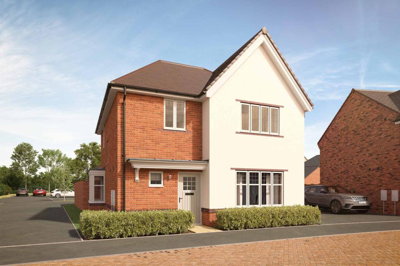
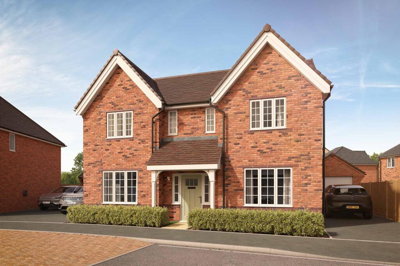
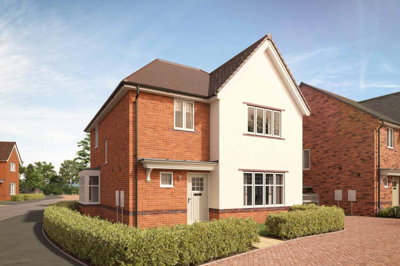
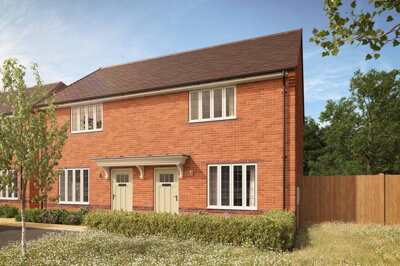
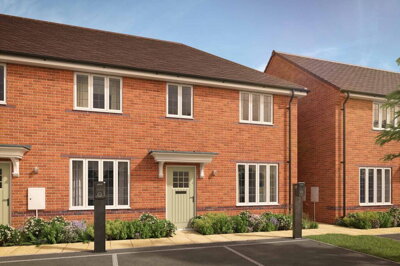
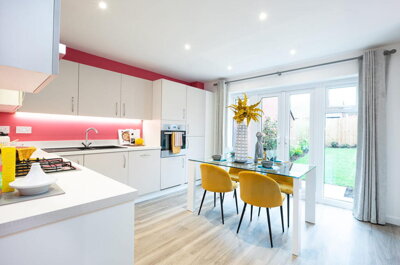
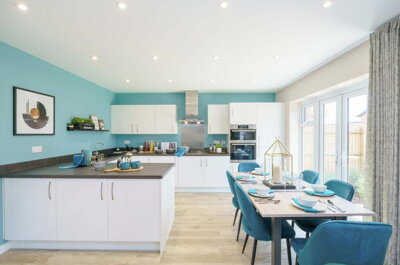
Browse 7 homes new builds in Henlow, Central Bedfordshire from local developer agents.
Studio apartments feature open-plan living spaces without separate bedrooms, incorporating sleeping, living, kitchen, and bathroom facilities. The Henlow studio market includes properties in modern apartment complexes, modern purpose-built developments and new residential complexes.
£0k
0
0
0
Source: home.co.uk
Showing 0 results for Studio Flats new builds in Henlow, Central Bedfordshire.
The Wareside property market presents an interesting opportunity for buyers seeking village life without sacrificing connectivity. Detached properties command the highest prices in the area, with an average of £840,000, reflecting the desirability of standalone homes with generous gardens and privacy. Semi-detached properties offer a more accessible entry point at around £490,000, making them particularly attractive to first-time buyers and growing families looking to establish roots in this thriving community. For those seeking smaller properties, terraced homes in the broader Ware area average £437,605, while flats typically sell for around £250,560, though specific Wareside data for these property types remains limited in public records.
Recent data shows 84 properties have sold in Wareside over the past twelve months through Rightmove, demonstrating active market participation despite broader national uncertainties. The broader SG12 postcode sector, encompassing Ware and surrounding villages, recorded 254 residential sales in the same period, though this represents a decrease of 34 transactions compared to the previous year. The Ware Road area of Wareside (SG12 7QX) has shown particularly dramatic price movements, with a 130% increase over the previous year, though still sitting 35% below the 2010 peak of £1,300,000. These variations highlight the importance of understanding micro-market conditions within the village when evaluating property values.
New build activity remains limited within Wareside itself, with most development taking the form of conversions and single-dwelling planning applications rather than large-scale housing estates. Notable conversions include The Grange at Swades Farm (SG12 7QG), which received approval for barn conversion to residential use, and Bourne Farm on Bourne Villa Lane, where a barn conversion to holiday accommodation has been proposed. The broader SG12 area does include significant strategic development allocations, with land north and east of Ware allocated for approximately 1,000 new homes under East Herts District Plan Policy WARE2, though this development lies closer to the town of Ware itself.

Wareside embodies the quintessential English village experience, characterised by winding country lanes, historic architecture, and a strong sense of community. The village is fortunate to have a Conservation Plan dating from 2013, which helps preserve its distinctive character and ensures thoughtful development that respects Wareside's heritage. This protective approach has maintained the area's visual appeal and contributed to its popularity among buyers seeking properties with character and history. Our inspectors frequently encounter properties where this conservation ethos has influenced maintenance standards and renovation approaches, with owners investing in sympathetic improvements that respect original features.
The concentration of listed buildings in Wareside is remarkable, with notable examples including Blakesware Manor, rebuilt in red-brick neo-Tudor style between 1876 and 1889, and Holy Trinity Church, a Grade II listed building constructed in 1841. Other significant structures include Castlebury, Little Blakesware (a farmhouse dating from around 1800, featuring grey brick with a hipped slate roof), and the intriguing Round House. The village also includes the notable Fanhams Hall estate, where 17 stone lanterns in the Japanese Garden and the Austrian House both hold Grade II listing status. These historic properties contribute to the village's architectural diversity and provide a tangible connection to East Hertfordshire's rich past.
The village's location approximately two miles east of the market town of Ware means residents enjoy easy access to additional amenities, shops, and railway services while returning to a peaceful residential environment. Local community facilities and annual events foster neighbourly connections, making Wareside particularly appealing to families and those who value village cohesion. The blend of period properties, modern conversions, and well-maintained gardens creates an attractive streetscape that welcomes visitors and provides residents with an enviable quality of life. The nearby Fanhams Hall Road provides an important local artery connecting the village to surrounding communities and offering access to the wider Hertfordshire countryside for recreational activities.
Education provision near Wareside serves families with children of all ages, with primary and secondary schools available in the nearby town of Ware. The village's position within East Hertfordshire means residents benefit from access to schools that consistently perform well in Ofsted inspections. Parents researching properties in Wareside should prioritise school catchment areas when house hunting, as these can significantly impact both property values and daily family routines. The journey to schools in Ware typically involves a short drive or bus ride, making the village practical for families with children of all ages. Schools in the surrounding area serve as a key driver for property values, with homes in desirable catchment zones commanding premiums that reflect the long-term educational benefits for children.
Secondary education options in the surrounding area include schools offering comprehensive curricula and sixth-form provision for older students. Families should verify current catchment boundaries and admission policies directly with Hertfordshire County Council, as these can change annually and may affect which schools children can access from specific addresses in Wareside. Private education alternatives are also available within reasonable driving distance for families seeking faith-based or independent schooling options. The proximity of Ware to Wareside means that secondary school-aged children can reasonably travel to schools in the town, avoiding the need for boarding arrangements that might otherwise be necessary in more remote locations.
For younger children, preschool and nursery facilities in the nearby village communities provide early years education in nurturing environments. These settings often introduce outdoor learning and community engagement from an early age, reflecting the rural character of the wider area. Parents are encouraged to visit potential schools, meet teaching staff, and understand the full admissions process before finalising any property purchase in Wareside. The investment in understanding school provision before purchasing is particularly valuable given that school performance can influence future resale values and the attractiveness of your property to other family buyers. Many families relocate to Wareside specifically for the educational opportunities available through Hertfordshire's well-regarded school network.
Connectivity from Wareside proves a strong selling point for the village, with the nearby town of Ware offering direct rail services to London. Commuters can reach London Liverpool Street in approximately 45-50 minutes from Ware railway station, making the village an attractive option for professionals who need regular access to the capital. This journey time compares favourably with many more expensive London suburbs, positioning Wareside as a practical choice for those balancing career requirements with quality of life considerations. The station also provides access to Cambridge via changes at Bishop Stortford, opening employment opportunities in that direction as well.
Road connections from Wareside include convenient access to major routes serving the wider Hertfordshire region. The A10 provides a direct route north towards Cambridge and south towards London, while connections to the M25 offer broader motorway network access for those travelling by car. Residents frequently use the A414 to access nearby towns including Hertford, Sawbridgeworth, and Harlow, expanding the range of employment and retail destinations easily reachable from the village. Local bus services link Wareside with surrounding villages and towns, though private vehicle ownership remains beneficial for those with irregular schedules or who need to reach locations not served by public transport. The X505 service provides regular connections between Ware and surrounding villages, though frequencies may be limited on weekends and evenings.
Cycling infrastructure in the area continues to improve, with country lanes offering scenic routes for recreational cyclists and commuters willing to brave varying conditions. Many residents appreciate the opportunity to combine cycling with train travel, parking cycles at stations for onward journeys into London. The combination of reliable train services and accessible road networks makes Wareside an ideal base for professionals working across the Southeast. The Lea Valley cycle route passes through nearby areas, providing traffic-free options for longer journeys and weekend leisure rides. For those working from home, the village benefits from improving broadband connectivity, making remote working practical for many residents.
Before viewing properties in Wareside, obtain a mortgage agreement in principle from a lender. This strengthens your position when making offers and helps you understand exactly how much you can spend. Factor in additional costs including stamp duty, solicitor fees, and survey charges. With typical Wareside properties averaging £665,000, most buyers will pay SDLT at the 5% rate on the portion above £250,000, totalling approximately £20,750. A solicitor can provide a detailed breakdown of all costs before you commit to purchasing.
Connect with estate agents operating in Wareside and the surrounding East Hertfordshire area. They can alert you to new listings before they appear on major property portals and provide valuable insights into local market conditions, property values, and seller motivations. Given the village's relatively small size and strong community connections, local agents often have early intelligence on properties coming to market. Building relationships with multiple agents increases your chances of finding suitable properties before they receive wide publicity.
Visit a range of properties in different price brackets to understand what your budget buys in Wareside. Pay attention to the condition of properties, their proximity to amenities, and the feel of different neighbourhoods within the village and nearby areas. Our inspectors recommend paying particular attention to the construction materials and condition of older properties, as traditional building methods common in the village can present specific maintenance requirements. Viewing properties across different seasons can also reveal aspects such as drainage performance and light availability that may not be apparent in summer months.
Before completing your purchase, arrange a RICS Level 2 Home Survey for your chosen property. This inspection highlights defects such as damp, structural movement, or roof issues, providing negotiating leverage and ensuring you understand the property's true condition. Given Wareside's heritage properties, specialist attention to older construction may be warranted. Our surveyors typically charge between £400 and £800 for properties in this price range, with older or more complex buildings potentially attracting higher fees due to the additional inspection requirements. We strongly recommend a Level 3 Building Survey for listed properties or buildings constructed before 1900.
Your solicitor handles all legal aspects of the purchase, including searches, contracts, and registration with HM Land Registry. They coordinate with your mortgage lender and the seller's legal team to ensure a smooth transfer of ownership. Given Wareside's conservation area status and number of listed buildings, searches should specifically investigate any planning conditions or listed building consent requirements that may affect the property. Your solicitor should also check for any ongoing enforcement notices or historical planning permissions that might impact your future use of the property.
Once all searches are satisfactory and finances are confirmed, you exchange contracts and pay your deposit. Completion typically follows within days or weeks, at which point you receive the keys and take ownership of your new Wareside home. We recommend arranging buildings insurance to commence before completion, particularly for older properties where the risk of unexpected damage requires prompt cover. Your solicitor will notify HM Land Registry of the change of ownership and transfer any applicable documents to you once registration is complete.
Properties in Wareside often carry heritage considerations that buyers should carefully evaluate before committing to a purchase. The village's conservation status and concentration of listed buildings mean that permitted development rights may be restricted, limiting your ability to extend or alter properties without planning permission. Listed building consent requirements can add complexity and cost to renovation projects, so understanding these constraints before purchase proves essential. Our inspectors have extensive experience assessing heritage properties across East Hertfordshire and can identify issues specific to historic construction, including potential conflicts between planned improvements and listed building requirements. Properties at Blakesware Manor, Holy Trinity Church, and numerous farm buildings across the village demonstrate the range of heritage designations present in the area.
Flood risk assessment deserves attention despite the absence of verified local flood data in available research. Arrange appropriate surveys that evaluate drainage, proximity to watercourses, and the property's historical performance during extreme weather events. Given the regional climate patterns, surface water flooding warrants particular consideration, and buyers should request documentation of any previous flooding incidents from current or previous owners. Our surveyors pay particular attention to basement areas, cellars, and lower ground floor accommodation where water ingress may not be immediately apparent during a single inspection visit.
The predominance of older construction in Wareside, including properties dating from the nineteenth century and earlier, means that building materials such as red brick, grey brick, and slate roofs are commonly encountered. These traditional materials can require specialist maintenance and repair, potentially increasing ongoing ownership costs. A thorough RICS Level 2 or Level 3 survey, particularly for heritage properties, provides detailed assessment of these construction elements and highlights any maintenance requirements or structural concerns. Our inspectors commonly identify issues with original timber-framed windows, aging slate roofs requiring replacement tiles, and traditional lime-based mortar that may need repointing rather than modern cement repairs. Properties like Little Blakesware, with their hipped slate roofs and traditional brick construction, exemplify the building styles our surveyors regularly assess in the village.
Electrical and plumbing systems in older Wareside properties may require updating to meet current standards. Our surveyors frequently recommend thorough testing of existing installations before purchase, particularly for properties that have not been updated in recent years. Gas heating systems, where present, should be inspected by a registered engineer, and wiring should be checked by a qualified electrician who can assess whether the consumer unit and distribution board meet modern safety requirements. The cost of comprehensive electrical re-wiring can reach £5,000-£8,000 for a typical three-bedroom property, and this should be factored into your overall budget when evaluating older homes in the village.
The average house price in Wareside currently stands at approximately £665,000 according to Rightmove data. Detached properties average around £840,000, while semi-detached homes typically sell for approximately £490,000. The market has shown strong performance with a 40% increase over the past year, though prices remain 8% below the 2020 peak of £725,000. For context, terraced properties in the broader Ware area average £437,605, while flats sell for around £250,560, though specific Wareside data for these types remains limited.
Properties in Wareside fall under East Hertfordshire District Council for council tax purposes. Bands range from A through H depending on property value, with most residential properties in the village likely falling within bands C to E given the property values in the area. A typical £665,000 property would typically fall into band E or F. Prospective buyers should verify the specific band for any property through the East Hertfordshire Council website or by requesting this information during the conveyancing process, as council tax bands can affect both ongoing costs and mortgage lender assessments.
Wareside families access primary and secondary education through schools in the nearby town of Ware and surrounding villages. Schools in the area are regularly inspected by Ofsted, with various options available to suit different educational approaches and requirements. Parents should verify current catchment areas with Hertfordshire County Council, as these can affect school placement eligibility from specific addresses. The proximity to Ware's secondary schools means most families can manage the short journey without requiring school transport arrangements, though catchment boundaries should be confirmed before purchase to avoid unexpected school placement issues.
Wareside benefits from proximity to Ware railway station, offering direct services to London Liverpool Street in approximately 45-50 minutes. Local bus services connect the village with surrounding communities, while the A10 provides convenient road access to nearby towns and connections to the wider motorway network. The combination of rail and road links makes Wareside practical for commuters working in London or Cambridge. The X505 bus service provides regular connections to surrounding villages, though private vehicle ownership remains advantageous for those with irregular schedules or needing to reach locations outside the bus network.
Wareside offers several investment considerations including the village's conservation status, limited new build supply, and proximity to strong commuter links. The 40% year-on-year price increase demonstrates market strength, though the 8% fall from the 2020 peak suggests some volatility. Properties with development potential or those requiring renovation may offer particular value, though buyers should factor in conservation and listed building requirements that could affect future plans. The strategic development allocated for land north and east of Ware (approximately 1,000 new homes) may impact the local property market as the development progresses, potentially increasing demand for village properties with character and character.
Standard SDLT rates apply to properties in Wareside, with 0% tax on purchases up to £250,000, 5% between £250,000 and £925,000, 10% from £925,000 to £1.5 million, and 12% above £1.5 million. First-time buyers may qualify for relief on purchases up to £625,000, paying 0% up to £425,000 then 5% on the remainder. A typical £665,000 property would attract approximately £20,750 in SDLT for non-first-time buyers. Given the average property price sits above the first-time buyer threshold, most buyers purchasing in Wareside will not qualify for first-time buyer relief and should plan their budgets accordingly.
Wareside has a remarkable concentration of listed buildings, with over twenty structures holding Grade II designation within the village and surrounding area. Notable examples include Blakesware Manor (red-brick neo-Tudor, 1876-1889), Holy Trinity Church (1841), Castlebury, Little Blakesware (circa 1800 farmhouse), and the Round House. The Fanhams Hall estate adds further heritage credentials with the Austrian House and 17 stone lanterns in the Japanese Garden all listed. Purchasers considering listed properties should understand that listed building consent is required for virtually any alteration, and specialist surveyors may be needed to assess the condition of historic fabric and identify works that preserve rather than compromise heritage values.
The older properties common in Wareside, many dating from the nineteenth century or earlier, often feature traditional construction methods that require specialist understanding. Red brick and grey brick construction, often with lime-based mortars and hipped slate roofs, represents the predominant building style in the village. Our inspectors frequently identify issues including deteriorating mortar pointing, slipped or broken slate tiles, damp penetration through solid walls lacking cavity insulation, and timber elements affected by wood-boring insects or fungal decay. Properties like Little Blakesware exemplify the construction methods found throughout the village, with their traditional brick walls and slate roofing requiring ongoing maintenance by owners familiar with historic building techniques. We recommend budgeting for maintenance costs of approximately 1-2% of property value annually for older heritage properties.
From 4.5%
Finding the right mortgage is essential when buying in Wareside. Compare rates from leading lenders to finance your property purchase.
From £499
Our approved conveyancing solicitors handle all legal aspects of your Wareside property purchase, including local searches and title registration.
From £400
Our RICS qualified surveyors inspect properties across Wareside, identifying defects and providing detailed reports for buyers.
From £80
An Energy Performance Certificate is required for all property sales. Our assessors provide accurate ratings for Wareside homes.
Budgeting accurately for your Wareside purchase requires understanding the full cost landscape beyond the property price. Stamp Duty Land Tax represents the most significant additional expense for most buyers, with the standard thresholds applying to properties in this Hertfordshire village. A buyer purchasing a typical Wareside property at the current average price of £665,000 would pay £20,750 in SDLT under standard rates, a figure that rises substantially for higher-value properties. Our conveyancing partners can provide detailed SDLT calculations based on your specific circumstances, including any relief or additional rates that may apply.
First-time buyers may benefit from relief that increases the zero-rate threshold to £425,000, with 5% applying between £425,000 and £625,000. Properties priced above £625,000 do not qualify for first-time buyer relief. Given the average price in Wareside sits above this threshold, many buyers in the village will not qualify for first-time buyer exemptions and should plan their budgets accordingly. Those relocating from London or other high-value areas may find that their previous property sale provides additional capital for their Wareside purchase, potentially offsetting the higher SDLT costs associated with properties in this price range.
Additional costs to factor into your Wareside purchase include solicitor fees typically ranging from £500 to £2,000 depending on complexity, survey costs for a RICS Level 2 Home Survey between £400 and £800 depending on property value and size, and removal expenses. Search fees, land registry fees, and mortgage arrangement fees can add several hundred pounds to the total. Budgeting for a buffer of around 5-10% above the purchase price helps ensure you can complete your purchase without financial strain. For heritage properties or those in conservation areas, additional costs may arise from specialist surveys, listed building consent applications, or conservation area assessments that your solicitor should factor into their quote.

Properties New Builds In London

Properties New Builds In Plymouth

Properties New Builds In Liverpool

Properties New Builds In Glasgow

Properties New Builds In Sheffield

Properties New Builds In Edinburgh

Properties New Builds In Coventry

Properties New Builds In Bradford

Properties New Builds In Manchester

Properties New Builds In Birmingham

Properties New Builds In Bristol

Properties New Builds In Oxford

Properties New Builds In Leicester

Properties New Builds In Newcastle

Properties New Builds In Leeds

Properties New Builds In Southampton

Properties New Builds In Cardiff

Properties New Builds In Nottingham

Properties New Builds In Norwich

Properties New Builds In Brighton

Properties New Builds In Derby

Properties New Builds In Portsmouth

Properties New Builds In Northampton

Properties New Builds In Milton Keynes

Properties New Builds In Bournemouth

Properties New Builds In Bolton

Properties New Builds In Swansea

Properties New Builds In Swindon

Properties New Builds In Peterborough

Properties New Builds In Wolverhampton

Enter your details to see if this property is within your budget.
Loans, cards, car finance
Estimated property budget
Borrowing + deposit
You could borrow between
Typical borrowing
Monthly repayment
Est. at 4.5%
Loan-to-value
This is an estimate only. Your actual budget may vary depending on interest rates, credit history, and personal circumstances. For an accurate affordability assessment, speak to one of our free mortgage advisors.
This calculator provides estimates for illustrative purposes only and does not constitute financial advice. Your home may be repossessed if you do not keep up repayments on your mortgage. Estimates based on 4.5% interest rate, repayment mortgage. Actual rates depend on your circumstances.
Homemove is a trading name of HM Haus Group Ltd (Company No. 13873779, registered in England & Wales). Homemove Mortgages Ltd (Company No. 15947693) is an Appointed Representative of TMG Direct Limited, trading as TMG Mortgage Network, which is authorised and regulated by the Financial Conduct Authority (FRN 786245). Homemove Mortgages Ltd is entered on the FCA Register as an Appointed Representative (FRN 1022429). You can check registrations at NewRegister or by calling 0800 111 6768.

We use cookies to show you personalised content and improve your experience of our website. Find out more in our Privacy policy and Cookie policy.