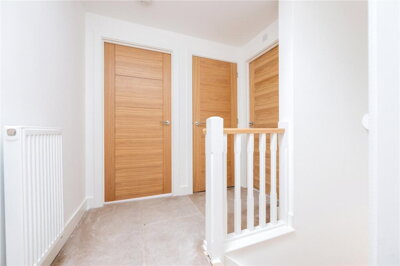
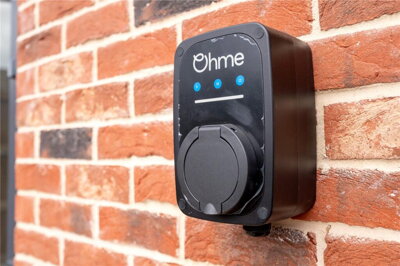
Browse 2 homes new builds in Hemblington, Broadland from local developer agents.
£650k
3
1
46
Source: home.co.uk
Source: home.co.uk
Detached
3 listings
Avg £650,000
Source: home.co.uk
Source: home.co.uk
The property market in Great Sturton operates on a very small scale, reflecting the hamlet's intimate nature of just twelve homes. Zoopla currently lists a handful of properties in the area, though transactions are infrequent due to the limited housing stock and the tendency of residents to stay long-term once settled. One notable recent sale was Corner Farm on Sturton Lane, which achieved £575,000 in June 2021, demonstrating that quality period properties with land can command premium prices in this sought-after location. The Old Chapel, a distinctive three-bedroom detached property also on Sturton Lane, last changed hands for £260,000 in November 2014, showing the enduring value of character homes in the area.
For buyers seeking comparable data, broader Sturton averages provide some context, though they encompass nearby villages. Overall averages for the wider Sturton area show semi-detached properties around £162,500 and detached homes averaging £350,000, though Great Sturton's unique position within the Lincolnshire Wolds and its heritage properties may justify higher valuations. The hamlet's location within an Area of Outstanding Natural Beauty, combined with the scarcity of available homes, means that properties rarely appear on the open market and typically attract motivated buyers willing to pay a premium for the rural lifestyle.
New build activity within the hamlet itself is essentially non-existent, as there is simply no space for development in this compact settlement. Any recent construction tends to be conversions of existing agricultural buildings or renovation projects rather than new-build houses. Buyers interested in the area should be prepared to act quickly when properties become available, as the combination of limited supply and steady interest from buyers seeking rural lifestyles creates a competitive environment. Properties in Great Sturton often sell through private treaty or local knowledge rather than wide public marketing campaigns.

Life in Great Sturton centres on the simple pleasures of countryside living, with the hamlet offering an authentic slice of rural Lincolnshire that has remained largely unchanged over generations. The village forms part of the civil parish of Great Sturton, which encompasses a slightly larger area with a population of 238, yet the hamlet itself maintains an intimate community feel where neighbours know one another by name. This sense of community is strengthened by the annual events and gatherings that bring residents together throughout the year, from village hall activities to seasonal celebrations in nearby Horncastle.
The local economy historically revolves around farming, with agricultural land surrounding the settlement and contributing to the patchwork of fields, hedgerows, and farmland that defines the local landscape. This farming heritage is tangible in the architecture and layout of the village, where traditional agricultural buildings sit alongside residential properties. Several working farms in the surrounding area continue to operate, maintaining the agricultural character that has defined the parish for centuries.
The location within the Lincolnshire Wolds Area of Outstanding Natural Beauty cannot be overstated, as this designation protects the stunning rolling countryside, chalk hills, and picturesque villages that make this region so desirable. Residents enjoy immediate access to miles of public footpaths, bridal paths, and scenic drives through the wolds, with opportunities for walking, cycling, and horse riding right on the doorstep. The nearby market town of Horncastle, approximately 7 miles away, provides access to larger supermarkets, independent shops, restaurants, and a weekly market, ensuring that residents need not travel far for everyday necessities.
Cultural attractions in the wider area include historic churches such as the Grade II* listed All Saints' Church, country estates opening their grounds to visitors, and museums celebrating Lincolnshire's rich agricultural and military heritage. The annual Wolds Walking Festival attracts visitors from across the country, showcasing the natural beauty that residents enjoy daily. For those seeking a deeper connection with English countryside heritage, Great Sturton offers an unrivalled quality of life in one of the nation's most cherished landscapes.
Families considering a move to Great Sturton will find that educational provision in the immediate vicinity is limited, consistent with the hamlet's tiny scale and rural character. The nearest primary schools are located in surrounding villages and the market town of Horncastle, with several schools within reasonable driving distance serving Key Stage 1 and Key Stage 2 pupils. Schools in the nearby villages of Lusby, Winceby, and Mareham-le-Fen serve the surrounding rural communities, while Horncastle Primary School and St. Mary's Primary School in Horncastle offer larger capacity options for families within the town itself.
Parents should research specific catchment areas and admission policies, as rural schools often have defined geographic boundaries that determine eligibility. The admissions process for Lincolnshire schools operates on a system that prioritises proximity to the school, children with siblings already attending, and then other criteria. Transport arrangements for school children living in Great Sturton are typically provided through Lincolnshire County Council, connecting the hamlet to schools in nearby villages and towns via dedicated school bus services.
Secondary education options include The Banovallum School and Horncastle Community School, both located in Horncastle and offering a range of GCSE and A-Level courses. For families prioritising academic excellence, investigating individual school performance data, including recent Ofsted ratings and examination results, is strongly recommended. The Giles School in Boston and Kesteven and Sleaford High School in Sleaford provide alternative options for secondary-aged children, while Lincoln's grammar schools attract students from across the wider region.
Sixth form provision is available at schools in larger nearby towns, while further education colleges in Lincoln and Boston serve students seeking vocational qualifications and specialised training. Given the rural location, parents should factor school transport arrangements and journey times into their decision-making process, particularly for secondary-aged children who may be commuting to schools some distance from the hamlet. Private school options in the region include Elmington House near Oakham and SMK Group of Schools in Spalding.
Transport connectivity from Great Sturton reflects its rural character, with residents primarily relying on private vehicles for daily commuting and essential journeys. The hamlet sits approximately 7 miles from Horncastle, which provides access to the A158 trunk road connecting Lincoln to the coast at Skegness. This road forms a vital artery for the area, linking Great Sturton to surrounding villages and towns for work, shopping, and leisure purposes. The A158 is well-maintained year-round, though rural road conditions can be affected by agricultural machinery during harvest seasons.
For commuters working in larger cities, the journey to Lincoln takes approximately 40 minutes by car, placing Great Sturton within reasonable reach of the county capital's employment opportunities, hospitals, and retail amenities. The coast at Skegness is reachable in around 35 minutes, making day trips to the seaside a practical possibility for residents. For those working further afield, the journey to Nottingham takes around 1 hour 15 minutes, while Sheffield and Leeds are accessible in approximately 2 hours.
The nearest railway stations are located in Market Rasen and Lincoln, providing connections to the wider rail network for those travelling further afield. Lincoln station offers direct services to London King's Cross, with journey times of around 2 hours, while East Midlands Railway services from Newark and Peterborough connect the region to destinations across the UK. Humberside Airport near Grimsby offers limited international flights, while East Midlands Airport provides a broader range of European destinations.
Public transport options serving Great Sturton are limited, as is typical for small hamlets in rural Lincolnshire. The Stagecoachbus service 6 connects Horncastle with Lincoln via various villages, but stops are infrequent and primarily designed for occasional journeys rather than daily commuting. Residents without private vehicles may find the limited public transport provision challenging, particularly for accessing hospitals, specialist services, or employment in larger towns. Cycling can be a viable option for shorter journeys, with the flat to gently undulating terrain of the Lincolnshire Wolds offering pleasant routes for confident cyclists.
Start by exploring available properties in Great Sturton through Homemove, reviewing current listings and recent sale prices to understand the market dynamics. Given the limited number of homes in this hamlet of just twelve properties, homes here change hands infrequently, so patience and persistence are essential. Study the Lincolnshire Wolds character and consider whether a rural lifestyle with limited local amenities suits your needs before committing to viewings. Building relationships with local estate agents in Horncastle can also provide early access to properties that may not be widely advertised.
Before viewing properties, obtain a mortgage agreement in principle from a lender to confirm your budget and demonstrate seriousness to sellers. Rural properties can sometimes involve complex financing, particularly for homes with land or agricultural buildings, so discuss your requirements with a mortgage broker familiar with the Lincolnshire Wolds area. Factor in additional costs such as surveys, legal fees, and Stamp Duty Land Tax when calculating your true budget. For properties in the £260,000 to £575,000 range typical of Great Sturton, most buyers will pay Stamp Duty only on amounts exceeding the standard threshold.
Once suitable properties are identified, arrange viewings through the listing agents. Given the tight-knit nature of the local property market, estate agents in this area often have personal knowledge of properties and vendors. Take time to assess not just the property itself but also the surrounding neighbourhood, road access, and proximity to amenities in nearby villages. Viewing properties at different times of day can reveal variations in traffic, noise, and light that may be relevant to your decision.
For older properties, which make up a significant proportion of Great Sturton's housing stock, a RICS Level 2 survey is strongly recommended. With several listed buildings and period properties in the area including The Thatched Cottage and Sturton Harden Corner Farm House, professional surveys can identify issues such as damp, structural movement, or roof condition that may not be apparent during a standard viewing. National average costs for RICS Level 2 surveys range from £416 to £639, with the final fee depending on property value and size.
Appoint a conveyancing solicitor with experience in rural Lincolnshire properties, particularly if the property includes land, agricultural buildings, or sits within the Lincolnshire Wolds AONB. Specialist solicitors understand the additional considerations involved, including rights of way, common land, and any planning restrictions associated with the AONB designation. Our partner conveyancing services start from £499 for standard transactions, though rural properties with land may require additional legal work.
Once surveys are satisfactory and legal checks are complete, your solicitor will coordinate the exchange of contracts and final completion. For properties in Great Sturton, completion dates are typically arranged to suit both parties, with the rural setting often allowing flexibility in timing. On completion day, collect your keys and begin settling into your new home in this peaceful Lincolnshire hamlet. We recommend arranging building insurance from exchange of contracts to protect your investment.
Purchasing a property in Great Sturton requires careful attention to matters specific to rural Lincolnshire and the historic nature of much of the housing stock. Several properties in the hamlet are listed buildings, including All Saints' Church, which holds Grade II* status and dates from the 11th century, along with Sturton Harden Corner Farm House and The Thatched Cottage, both Grade II listed. Listed buildings require special considerations, as any alterations, extensions, or significant works require Listed Building Consent from the local planning authority, East Lindsey District Council, adding complexity and cost to any future renovation plans. Buyers should factor in the additional responsibilities and potential expenses associated with maintaining period and heritage properties.
The geology of the Lincolnshire Wolds, which underlies Great Sturton, typically includes chalk, limestone, and glacial tills that may contain clay, sand, and gravel. While no specific shrink-swell risk data is available for the hamlet, clay subsoils can cause ground movement in periods of drought or saturation, so a thorough survey is essential for older properties. Properties with thatched roofs, such as The Thatched Cottage, require specialist maintenance and insurance considerations that differ from standard brick-built homes. The traditional building materials common to the area, including local brick and render, reflect the construction methods of earlier centuries.
Flood risk for the immediate area has not been specifically mapped by the Environment Agency, though buyers should request a flood risk report when conducting due diligence and review local authority records for any historical flooding incidents. The elevated position of many properties within the Lincolnshire Wolds generally provides protection from river flooding, but surface water and groundwater conditions should be assessed on a property-by-property basis. The surrounding agricultural land and natural drainage patterns of the wolds contribute to the overall hydrological character of the area.
Properties in Great Sturton typically feature larger plots than urban equivalents, and boundaries may be defined by traditional hedgerows rather than fences or walls. Rights of way, public footpaths crossing agricultural land, and any common land arrangements should be verified during the conveyancing process. Understanding the relationship between residential properties and surrounding farmland is important, as agricultural activities are a normal part of rural life and should be expected by incoming residents.
Specific average house prices for Great Sturton are not reliably available due to the extremely limited number of property sales in this hamlet of just twelve homes. However, recent transactions provide some guidance: Corner Farm on Sturton Lane sold for £575,000 in June 2021, while The Old Chapel, a three-bedroom detached property, achieved £260,000 in November 2014. Broader comparables from the wider Sturton area suggest detached properties average around £350,000, though heritage properties with land in desirable locations within the Lincolnshire Wolds typically command premiums. For accurate valuations, consult local estate agents in Horncastle with current market knowledge of the LN9 area.
Properties in Great Sturton fall under East Lindsey District Council's jurisdiction for council tax purposes. Council tax bands are determined by the Valuation Office Agency based on property characteristics and market value as of April 1991. The specific band for any property in Great Sturton depends on factors including property size, age, and construction type. Contact East Lindsey District Council directly or check the Valuation Office Agency website using the property's specific address to confirm the exact council tax band and current charges before committing to a purchase.
The immediate Great Sturton area has no schools due to its tiny scale, with the nearest primary schools located in surrounding villages and Horncastle, approximately 7 miles away. Horncastle Primary School and St. Mary's Catholic Primary School serve the local primary-age population, while secondary schools including The Banovallum School and Horncastle Community School offer comprehensive education through to A-Level. Parents should research individual school performance data and Ofsted ratings, and confirm admission boundaries, as catchment areas can extend some distance in rural Lincolnshire. School transport arrangements should be verified with Lincolnshire County Council before committing to a purchase.
Public transport connections from Great Sturton are limited, reflecting its status as a small rural hamlet. The Stagecoachbus service 6 operates a limited timetable between Horncastle and Lincoln, passing through nearby villages but stopping infrequently. This service is most practical for occasional journeys to market towns rather than daily commuting to employment in larger cities. The nearest railway stations are in Market Rasen and Lincoln, requiring a car journey of approximately 20-30 minutes to reach. Residents without vehicles should carefully consider the implications of limited public transport before purchasing in Great Sturton, particularly if commuting or accessing services without a car is regularly necessary.
Great Sturton appeals to a specific niche of buyers seeking genuine rural isolation within the Lincolnshire Wolds AONB, and property values in such locations tend to remain stable due to persistent demand from downsizers, retirees, and those seeking countryside lifestyles. The hamlet's extremely limited supply of just twelve homes creates inherent scarcity, though this also means opportunities to purchase are rare. Capital growth potential should be viewed as moderate rather than high, as the rural location and small population limit certain types of buyer demand. Properties with land, character features, or renovation potential generally hold their value well in this area. The AONB designation provides some protection against future development that might alter the character of the area.
Stamp Duty Land Tax for residential purchases in England follows standard UK thresholds: zero percent on the first £250,000 of purchase price, 5 percent on the portion from £250,001 to £925,000, 10 percent from £925,001 to £1.5 million, and 12 percent above £1.5 million. For a typical Great Sturton property in the £260,000 to £575,000 range, most buyers would pay Stamp Duty only on amounts exceeding £250,000, resulting in costs of £500 to £16,250. First-time buyers purchasing properties up to £425,000 benefit from complete Stamp Duty relief, which can save up to £8,750 compared to standard rates. Properties above £625,000 do not qualify for first-time buyer relief.
When purchasing property in Great Sturton, budget planning must account for Stamp Duty Land Tax alongside the purchase price and various additional costs. The current thresholds for standard residential purchases in England apply: zero percent on the first £250,000, 5 percent between £250,001 and £925,000, 10 percent from £925,001 to £1.5 million, and 12 percent on any amount exceeding £1.5 million. For a property priced around £260,000 to £575,000, which represents the typical range for homes in this area, most buyers would pay Stamp Duty only on amounts exceeding £250,000, resulting in costs of £500 to around £16,250 depending on the final purchase price.
First-time buyers purchasing properties up to £425,000 benefit from complete Stamp Duty relief under the current relief scheme, which can save up to £8,750 compared to standard rates. For properties priced between £425,001 and £625,000, the first £425,000 remains zero-rated while the remainder attracts 5 percent Stamp Duty. Properties above £625,000 do not qualify for first-time buyer relief. Given that most Great Sturton properties are likely to fall below £425,000, first-time buyers may qualify for relief on the full purchase price, though should verify their eligibility with HMRC or a solicitor.
Beyond Stamp Duty, buyers should budget for mortgage arrangement fees typically ranging from zero to 2 percent of the loan amount, valuation fees of around £200-500, and survey costs of £416-639 for a RICS Level 2 report. Solicitor fees for conveyancing typically range from £500-1,500 depending on complexity, with rural properties involving land or listed buildings requiring additional legal work. Land Registry fees, local authority search fees, and mortgage account fees can add another £300-500 to the total. For listed buildings or properties with land, additional specialist surveys and legal work may increase costs further, so obtaining detailed quotes from service providers before committing to a purchase is essential.
From £416
A detailed inspection of the property condition, ideal for period homes in Great Sturton's Lincolnshire Wolds setting. Covers all major building elements, defects, and recommendations.
From £650
A comprehensive building survey recommended for older or listed properties, providing in-depth analysis of construction, defects, and renovation requirements.
From £60
Energy Performance Certificate required for all property sales, rating energy efficiency from A to G with recommendations for improvement.
From £499
Our partner solicitors handle all legal aspects of your purchase, including local authority searches, contract review, and registration at Land Registry.
Properties New Builds In London

Properties New Builds In Plymouth

Properties New Builds In Liverpool

Properties New Builds In Glasgow

Properties New Builds In Sheffield

Properties New Builds In Edinburgh

Properties New Builds In Coventry

Properties New Builds In Bradford

Properties New Builds In Manchester

Properties New Builds In Birmingham

Properties New Builds In Bristol

Properties New Builds In Oxford

Properties New Builds In Leicester

Properties New Builds In Newcastle

Properties New Builds In Leeds

Properties New Builds In Southampton

Properties New Builds In Cardiff

Properties New Builds In Nottingham

Properties New Builds In Norwich

Properties New Builds In Brighton

Properties New Builds In Derby

Properties New Builds In Portsmouth

Properties New Builds In Northampton

Properties New Builds In Milton Keynes

Properties New Builds In Bournemouth

Properties New Builds In Bolton

Properties New Builds In Swansea

Properties New Builds In Swindon

Properties New Builds In Peterborough

Properties New Builds In Wolverhampton

Enter your details to see if this property is within your budget.
Loans, cards, car finance
Estimated property budget
Borrowing + deposit
You could borrow between
Typical borrowing
Monthly repayment
Est. at 4.5%
Loan-to-value
This is an estimate only. Your actual budget may vary depending on interest rates, credit history, and personal circumstances. For an accurate affordability assessment, speak to one of our free mortgage advisors.
This calculator provides estimates for illustrative purposes only and does not constitute financial advice. Your home may be repossessed if you do not keep up repayments on your mortgage. Estimates based on 4.5% interest rate, repayment mortgage. Actual rates depend on your circumstances.
Homemove is a trading name of HM Haus Group Ltd (Company No. 13873779, registered in England & Wales). Homemove Mortgages Ltd (Company No. 15947693) is an Appointed Representative of TMG Direct Limited, trading as TMG Mortgage Network, which is authorised and regulated by the Financial Conduct Authority (FRN 786245). Homemove Mortgages Ltd is entered on the FCA Register as an Appointed Representative (FRN 1022429). You can check registrations at NewRegister or by calling 0800 111 6768.

We use cookies to show you personalised content and improve your experience of our website. Find out more in our Privacy policy and Cookie policy.