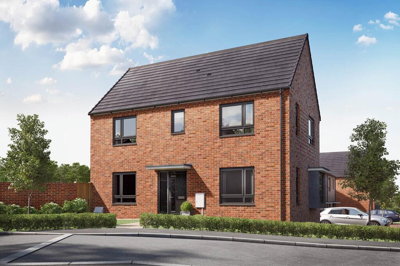
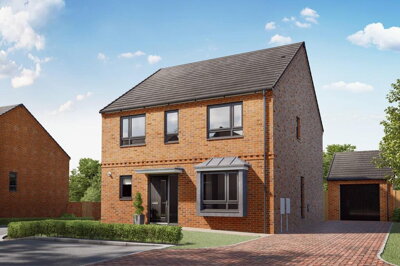
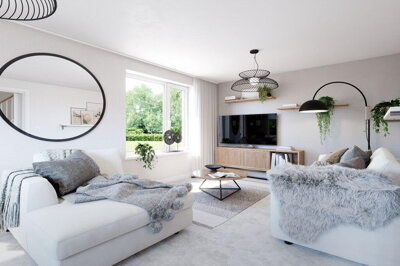
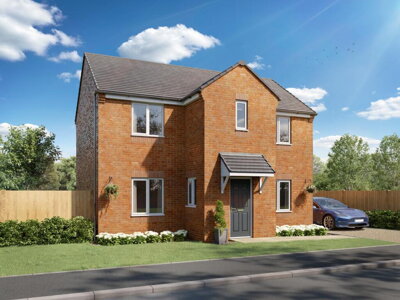
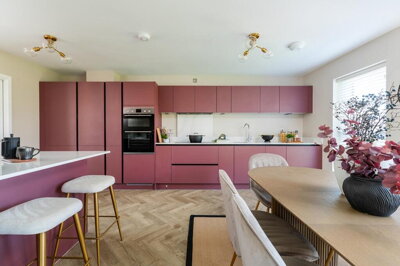
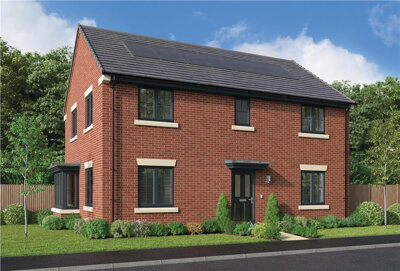
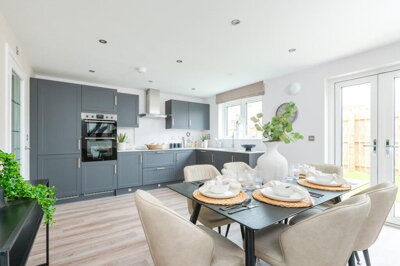
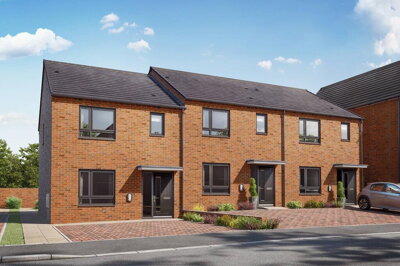
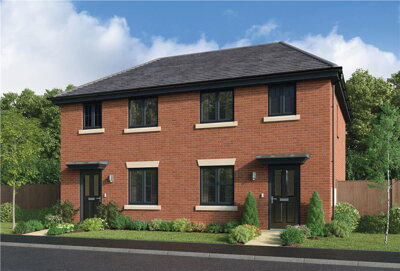
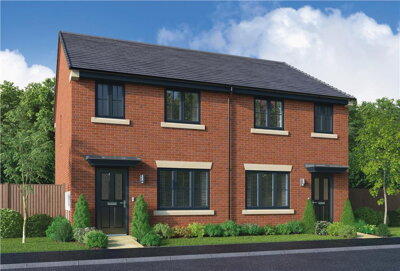
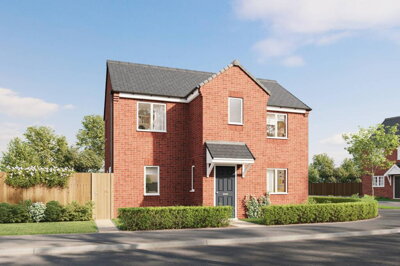
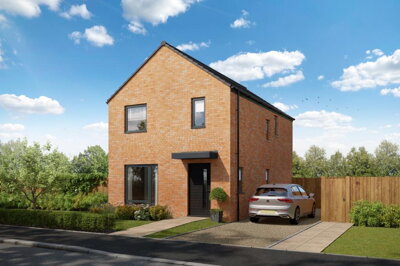
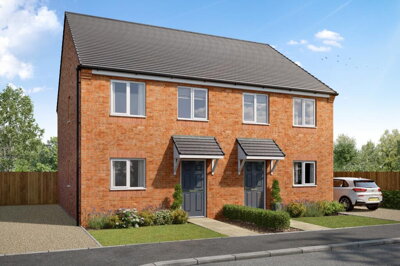
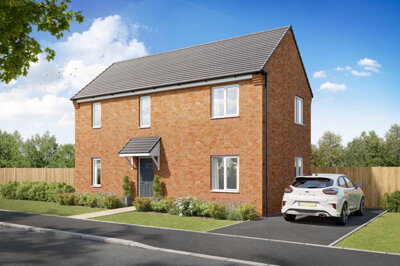
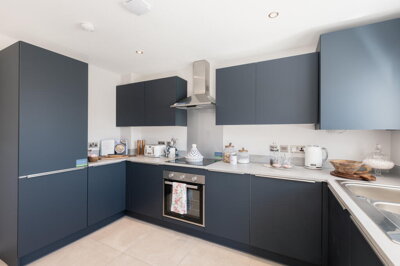
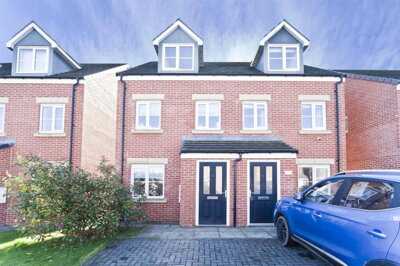
Browse 16 homes new builds in Hawthorn, County Durham from local developer agents.
£235k
11
2
52
Source: home.co.uk
Source: home.co.uk
Detached
5 listings
Avg £320,596
Semi-Detached
3 listings
Avg £201,000
Terraced
2 listings
Avg £213,997
End of Terrace
1 listings
Avg £234,995
Source: home.co.uk
Source: home.co.uk
The housing market in Llanfihangel-ar-Arth reflects the character of the surrounding Carmarthenshire countryside. Our data shows that 16 property sales were recorded within the parish in 2025, with an average price of £236,750, while 2024 saw a similar 16 sales at an average of £215,656. The market experienced a notable peak in 2023 when average prices reached £555,000, though values have since settled to more sustainable levels. This adjustment represents a 30% reduction from that peak, presenting opportunities for buyers seeking value in the current market.
Property types in the area span a wide range, with detached homes commanding the highest average prices at £244,057. Semi-detached properties average £152,975, while terraced homes offer more accessible entry points at around £101,566. The predominance of detached housing in Llanfihangel-ar-Arth reflects the rural nature of the parish, where properties typically enjoy generous gardens and countryside views. Sales data since 2018 shows 106 detached properties changing hands compared to 42 semi-detached and 40 terraced homes, confirming the dominance of spacious family accommodation. Flats remain extremely rare in this village setting, with limited stock recorded at approximately £40,000, making houses the virtually exclusive option for buyers.
The current market presents a nuanced picture for prospective purchasers. Prices have decreased by an average of 1.1% since June 3rd, 2025, according to our street-level analysis, though this modest correction follows the significant 30% pullback from the 2023 peak. For buyers who missed the previous highs, today's market offers opportunities to secure quality rural properties at more realistic valuations while still benefiting from the area's proven long-term performance. The consistent annual sales volume of 16 transactions demonstrates that the market remains active despite the price adjustment.

Life in Llanfihangel-ar-Arth centres around the tranquil rhythms of rural Carmarthenshire. The village derives its name from the Welsh "Llan" (church) and "fihangel" (archangel), reflecting the strong religious and cultural heritage that has shaped this community for centuries. Traditional stone and slated houses line the winding country lanes, many dating back to the Victorian era and earlier, creating a distinctive architectural character that distinguishes the parish from more modern developments. The local landscape features rolling farmland, hedgerow-lined lanes, and the gentle valleys that define this part of West Wales.
Residents of Llanfihangel-ar-Arth enjoy access to the natural beauty of the Carmarthenshire countryside, with ample opportunities for walking, cycling, and enjoying the Welsh outdoors. The community supports local events and gatherings that bring neighbours together throughout the year. The Welsh language remains an important part of daily life here, with many residents speaking both Welsh and English. For those seeking a move away from urban pressures, this village offers a genuine sense of place and belonging that is increasingly hard to find elsewhere in Britain.
The local economy reflects the agricultural character of the area, with farms and smallholdings contributing to the rural economy alongside those who commute to nearby towns for work. Several properties have been marketed in the area including character homes such as an 1860s stone-built three-bedroom cottage that showcases the traditional construction methods prized by buyers seeking authentic Welsh heritage. Our listings reflect this diversity, from compact terraced homes suitable for first-time buyers to substantial detached properties offering generous accommodation and land.

Understanding the construction methods used in Llanfihangel-ar-Arth properties helps buyers appreciate the character and potential maintenance considerations of homes in this parish. The majority of properties here were built using traditional techniques, with local stone and Welsh slate featuring prominently in both walls and roofs. These materials were sourced from the surrounding landscape and have proven durable over generations, though they require different maintenance approaches compared to modern brick or concrete construction. When evaluating properties, we encourage buyers to consider how these traditional building methods might affect ongoing maintenance costs and repair requirements.
Stone-built properties in the area typically feature solid walls without the cavity insulation found in newer construction. This means that thermal performance can vary significantly between properties depending on any subsequent improvements made by previous owners. Some stone homes have been upgraded with internal wall insulation or external rendering to improve energy efficiency, while others retain their original character at the cost of higher heating bills. A thorough survey can assess the current state of insulation and identify opportunities for improvement without compromising the historic fabric of the building.
Welsh slate roofing remains the hallmark of traditional Carmarthenshire properties, and the condition of slates should be a key focus during property inspections. While quality Welsh slate can last over a century, individual slates can become cracked, slipped, or damaged over time, particularly after severe weather. Properties such as the delightful detached stone and slated houses found in the parish represent the finest examples of local building craft, but their roofs require regular attention to remain watertight. Budgeting for eventual roof maintenance is sensible when purchasing any older property in the area.
Families considering a move to Llanfihangel-ar-Arth will find educational provision within reasonable reach in Carmarthenshire. The county maintains a network of primary schools serving rural communities, with smaller village schools providing early years education close to home. Secondary education is typically accessed through schools in nearby towns, with school transport arrangements supporting families who choose properties in village locations. The local education authority ensures that children across the parish have access to quality schooling, whether at community primaries or through Welsh-medium education options.
Carmarthenshire schools have developed strong reputations for academic achievement and pastoral care, with several institutions earning positive recognition in Ofsted inspections. For families prioritising Welsh-medium education, the county offers excellent provision, with pupils benefiting from immersive language learning from an early age. The Welsh language is integral to the cultural identity of Llanfihangel-ar-Arth, and many parents choose Welsh-medium schooling to ensure their children develop fluency in both languages from an early age. This bilingual education can be a significant advantage for future employment opportunities throughout Wales.
Sixth form and further education opportunities are available at secondary schools in larger towns such as Carmarthen, which also hosts the University of Wales Trinity Saint David campus. Families should note that school transport from village locations to secondary schools may involve longer journeys than in urban areas, so factoring in travel time is worthwhile when evaluating educational options. Parents are advised to check specific catchment areas and admissions policies when considering properties in Llanfihangel-ar-Arth, as school places can be competitive in popular areas. Our property listings include information on nearby schools to help families make informed decisions about their move to the area.
Getting around from Llanfihangel-ar-Arth requires an understanding of the local transport network that serves this rural corner of Carmarthenshire. The village is connected by country lanes that link to the A486, providing routes to nearby towns including Carmarthen and Llandysul. Bus services operate along these routes, offering connections to larger settlements for shopping, healthcare, and employment, though frequencies are typical of rural provision with limited evening and weekend services. Car ownership remains important for residents who need flexibility in their travel arrangements.
For commuters working in Carmarthen, the journey by car typically takes around 30-40 minutes depending on exact start and end points. The drive to the county town of Carmarthen offers access to the A48, which continues east towards Swansea and beyond. Those working in larger cities will find that Carmarthen provides a practical hub for commuting, with the journey to Swansea taking approximately one hour by car under normal traffic conditions. The West Wales railway line serves Carmarthen station, connecting passengers to the broader rail network with services to Cardiff, London, and other major destinations.
Those travelling further afield will find that Carmarthenshire's strategic position provides reasonable access to ferry ports at Pembroke Dock and Fishguard for Irish Sea crossings to Ireland. Cardiff Airport offers international flight options within reasonable driving distance for those who travel abroad regularly. Many residents of Llanfihangel-ar-Arth appreciate the balance between rural tranquility and accessibility that the location provides, being sufficiently removed from major roads to enjoy peace and quiet while maintaining reasonable connections to regional transport hubs when needed.
Start by exploring property listings in Llanfihangel-ar-Arth through Homemove, comparing prices against recent sold prices to understand fair market value. The 50.4% price growth over ten years demonstrates the area's long-term appeal, while the recent 6% annual increase indicates current market activity. Our platform provides access to comprehensive sales data so you can make informed decisions about property values in this parish.
Before viewing properties, obtain a mortgage agreement in principle from a lender. This strengthens your position when making offers and helps you understand your budget within the Llanfihangel-ar-Arth market, where detached homes average £244,057 and terraced properties start around £101,566. Having your finances in order demonstrates to sellers that you are a serious buyer ready to proceed quickly.
Arrange viewings through local estate agents, paying attention to the condition of traditional stone and slated properties common in the area. Older properties may require surveys to assess roof condition, damp, and the state of electrics and plumbing. We recommend visiting properties in different weather conditions to identify any issues with damp or water ingress that might not be apparent on dry days.
When you find your ideal home, submit a competitive offer based on your research. With 16 recent sales in the parish and prices averaging £236,750, the market offers reasonable negotiation scope compared to peak 2023 values. Present your offer through the selling agent, ideally including your mortgage agreement in principle to demonstrate your capability to proceed.
Commission a RICS Level 2 survey to assess the property's condition, particularly important for older stone-built homes common in Llanfihangel-ar-Arth. Instruct a conveyancing solicitor to handle the legal aspects of your purchase, including local searches relevant to Carmarthenshire properties. Our network of trusted surveyors and conveyancers can help ensure this process runs smoothly.
Once surveys are satisfactory and legal searches are complete, exchange contracts and set a completion date. On completion, you receive the keys to your new Llanfihangel-ar-Arth home. Your solicitor will arrange the transfer of funds and registration of your ownership with HM Land Registry.
Purchasing a property in Llanfihangel-ar-Arth requires careful consideration of factors specific to rural Carmarthenshire. The predominance of older stone and slated construction means that buyers should pay particular attention to the condition of roofs, which can be expensive to repair or replace on traditional properties. Damp penetration is a common concern in older buildings, and a thorough survey can identify any existing issues before you commit to the purchase. The presence of properties dating from the Victorian era and earlier means that electrical and plumbing systems may require updating to meet modern standards.
Potential buyers should also investigate planning restrictions that may affect their intended use of the property. Rural properties sometimes have permissions tied to agricultural use or may be subject to occupancy conditions. Drainage arrangements in village locations can differ from urban provision, with some properties relying on private septic systems or wells rather than mains services. Checking the condition of boundaries, outbuildings, and access rights is particularly important in rural settings where property extents may not always be clearly defined. Engaging a local solicitor with experience in Carmarthenshire property transactions can help navigate these area-specific considerations.
Properties in Llanfihangel-ar-Arth typically feature solid stone walls that require different assessment approaches compared to modern cavity wall construction. Our inspectors pay particular attention to signs of movement or cracking in stonework, as these can indicate foundation issues or the effects of moisture on the structural elements. The Welsh slate roofing found on most traditional properties should be inspected for missing, cracked, or slipped slates, as water ingress through a damaged roof can cause significant damage to the underlying timbers and internal plasterwork. Given the age of much of the housing stock in this parish, budgeting for essential upgrades to heating systems, insulation, and building services is prudent when calculating the true cost of purchasing a traditional Welsh home.
The average sold house price in Llanfihangel-ar-Arth stands at £387,500 based on recent data. Property prices have increased by 6% over the past year and by an impressive 50.4% over the last decade. Detached homes average £244,057, semi-detached properties £152,975, and terraced homes around £101,566. Prices peaked at £555,000 in 2023 before settling to current levels around £236,750, creating potential opportunities for buyers who missed the previous market peak. Our platform provides access to the latest sold prices and current listings to help you understand the local market.
Properties in Llanfihangel-ar-Arth fall under Carmarthenshire County Council jurisdiction. Council tax bands are assigned based on property valuation by the Valuation Office Agency, ranging from Band A for lower-value homes up to Band H for the most expensive properties. The village's mix of traditional stone cottages and larger detached homes means that properties span multiple bands, with terraced properties typically falling into lower bands and substantial detached homes occupying higher categories. Prospective buyers should check the specific banding for any property they are considering, as this affects ongoing running costs and can range from around £1,200 to over £2,500 per year depending on the band.
Llanfihangel-ar-Arth is served by primary schools within the village and surrounding Carmarthenshire communities. The county maintains several primary schools rated Good or Outstanding by Ofsted inspectors, with class sizes generally smaller than in urban schools due to the rural setting. Secondary education is available at schools in nearby towns, accessible via school transport arrangements that are coordinated by the local education authority. Carmarthenshire offers particularly strong Welsh-medium education options, which many families in the area actively seek for their children to become bilingual in Welsh and English from an early age. Parents should verify current catchment areas and admissions criteria with the local education authority before purchasing, as places at popular schools can be limited.
Public transport options in Llanfihangel-ar-Arth reflect its rural location within Carmarthenshire. Bus services connect the village to nearby towns including Carmarthen and Llandysul, though frequencies are limited compared to urban areas, with some services operating only on certain days of the week. The nearest railway station is in Carmarthen, offering connections on the West Wales line to destinations including Swansea, Cardiff, and London Paddington. Car travel remains the most practical option for most daily needs, with Carmarthen approximately 30-40 minutes away by road, and the A48 providing onward connections to the M4 motorway for travel further afield.
Llanfihangel-ar-Arth has demonstrated consistent long-term property value growth, with prices rising 50.4% over the past decade compared to national averages. The 6% increase in the past year shows continued market activity despite broader economic uncertainties affecting the UK housing market. Rural Carmarthenshire properties appeal to buyers seeking peaceful village living with good access to countryside amenities, and this demand-supply balance supports values over time. While the market is smaller than urban areas with only around 16 annual sales, the steady demand for quality rural homes suggests solid investment potential, particularly for detached properties which command the highest prices and have shown the strongest appreciation over the long term.
Stamp duty in Wales is known as Land Transaction Tax (LTT), with different thresholds from English SDLT. The standard LTT rates are 0% on the first £225,000, 5% on £225,000 to £400,000, 7.5% on £400,000 to £750,000, and 10% on £750,000 to £1.5 million. First-time buyers in Wales do not receive the same relief as their English counterparts, though the higher nil-rate threshold of £225,000 provides some benefit compared to England's £125,000. For a typical Llanfihangel-ar-Arth property averaging £387,500, LTT would be calculated at 5% on the portion above £225,000, resulting in a tax bill of approximately £8,125. Properties priced below £225,000 would incur no LTT at all under current rates.
Stone-built properties in Llanfihangel-ar-Arth require careful inspection of several key areas that differ from modern construction. The condition of the stonework itself should be assessed for signs of erosion, biological growth, or mortar deterioration that could indicate structural concerns. Our surveyors pay close attention to the roof structure, checking for any evidence of water damage to rafters and joists, particularly around valleys and junctions where Welsh slate tiles meet other elements. Electrical and plumbing systems in older properties may not comply with current regulations, and a thorough survey will identify any safety concerns or necessary upgrades. Given that many properties date from the Victorian era or earlier, budgeting for updates to heating systems and insulation is sensible when calculating the total cost of ownership.
Understanding the full costs of buying property in Llanfihangel-ar-Arth goes beyond the purchase price itself. In Wales, buyers pay Land Transaction Tax rather than Stamp Duty Land Tax, with current thresholds set at 0% for the first £225,000 of the purchase price. For a property priced at the area average of £387,500, this means LTT would apply at 5% on the portion between £225,000 and £400,000, resulting in a tax bill of approximately £8,125. Properties exceeding £400,000 move into higher rate bands of 7.5% or above, so those purchasing premium detached homes should budget accordingly for their tax liability.
Beyond LTT, buyers should budget for solicitor conveyancing costs, which typically start from around £499 for standard transactions in Carmarthenshire. A RICS Level 2 survey costs from £350 and is particularly recommended for the older stone and slated properties common in Llanfihangel-ar-Arth. Surveyors can identify issues with traditional construction methods, roof conditions, and potential damp problems that might not be apparent during a standard mortgage valuation. For larger or older properties, a RICS Level 3 building survey may be more appropriate and provides more detailed analysis of structural issues and repair recommendations.
Mortgage arrangement fees, valuation costs, and land registry fees add further expense to the purchase budget, while removal costs complete the moving budget. Many buyers also choose to budget for immediate repairs or renovations identified during the survey process. First-time buyers should also consider that unlike England, Wales does not offer first-time buyer relief on LTT above the standard nil-rate threshold, though the higher £225,000 starting point does provide some advantage compared to English SDLT thresholds. Our platform provides tools to help you calculate the total costs of purchasing in Llanfihangel-ar-Arth, including stamp duty estimates and access to competitive conveyancing and survey services.
From 4.5%
Competitive mortgage rates from trusted lenders
From £499
Expert property solicitors for Llanfihangel-ar-Arth
From £350
Professional property surveyors in Carmarthenshire
From £80
Energy performance certificate for your new home
Properties New Builds In London

Properties New Builds In Plymouth

Properties New Builds In Liverpool

Properties New Builds In Glasgow

Properties New Builds In Sheffield

Properties New Builds In Edinburgh

Properties New Builds In Coventry

Properties New Builds In Bradford

Properties New Builds In Manchester

Properties New Builds In Birmingham

Properties New Builds In Bristol

Properties New Builds In Oxford

Properties New Builds In Leicester

Properties New Builds In Newcastle

Properties New Builds In Leeds

Properties New Builds In Southampton

Properties New Builds In Cardiff

Properties New Builds In Nottingham

Properties New Builds In Norwich

Properties New Builds In Brighton

Properties New Builds In Derby

Properties New Builds In Portsmouth

Properties New Builds In Northampton

Properties New Builds In Milton Keynes

Properties New Builds In Bournemouth

Properties New Builds In Bolton

Properties New Builds In Swansea

Properties New Builds In Swindon

Properties New Builds In Peterborough

Properties New Builds In Wolverhampton

Enter your details to see if this property is within your budget.
Loans, cards, car finance
Estimated property budget
Borrowing + deposit
You could borrow between
Typical borrowing
Monthly repayment
Est. at 4.5%
Loan-to-value
This is an estimate only. Your actual budget may vary depending on interest rates, credit history, and personal circumstances. For an accurate affordability assessment, speak to one of our free mortgage advisors.
This calculator provides estimates for illustrative purposes only and does not constitute financial advice. Your home may be repossessed if you do not keep up repayments on your mortgage. Estimates based on 4.5% interest rate, repayment mortgage. Actual rates depend on your circumstances.
Homemove is a trading name of HM Haus Group Ltd (Company No. 13873779, registered in England & Wales). Homemove Mortgages Ltd (Company No. 15947693) is an Appointed Representative of TMG Direct Limited, trading as TMG Mortgage Network, which is authorised and regulated by the Financial Conduct Authority (FRN 786245). Homemove Mortgages Ltd is entered on the FCA Register as an Appointed Representative (FRN 1022429). You can check registrations at NewRegister or by calling 0800 111 6768.

We use cookies to show you personalised content and improve your experience of our website. Find out more in our Privacy policy and Cookie policy.