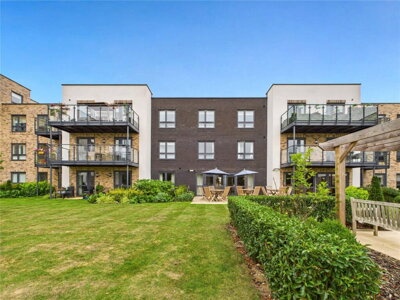
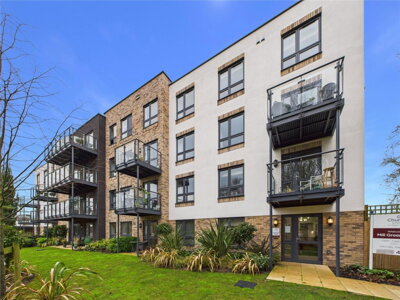
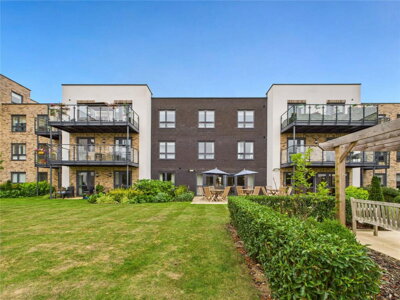
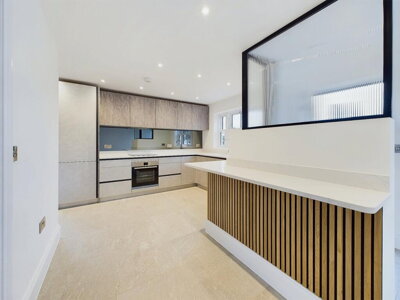
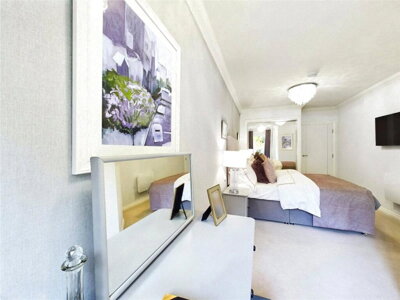
Browse 6 homes new builds in Hatfield Peverel from local developer agents.
Studio apartments feature open-plan living spaces without separate bedrooms, incorporating sleeping, living, kitchen, and bathroom facilities. The Hatfield Peverel studio market includes properties in modern apartment complexes, modern purpose-built developments and new residential complexes.
The Dallington property market reflects the exclusive nature of this sought-after village location within the High Weald AONB. Our current listings showcase the diversity of housing available, from substantial detached farmhouses with multiple acres to elegant Victorian and Edwardian family homes positioned along quiet country lanes. The TN21 postcode area has recorded approximately 85 property sales over the past year, with detached properties dominating the market at an average price of £934,067, while semi-detached homes have averaged around £540,000.
Recent market data reveals a 12% decline in property values over the past twelve months, with prices currently sitting 35% below the 2022 peak of £1,282,750. This price correction presents opportunities for buyers seeking exceptional period properties in a premier Sussex location at more accessible entry points. The village has seen consistent demand from buyers seeking rural lifestyles, with properties typically taking between four and eight weeks to sell once competitively priced given the limited supply of quality homes coming to market in this desirable location.
No active new-build developments exist specifically within the Dallington, East Sussex postcode area, with Zoopla and Rightmove listings showing only period properties and historic residences rather than new construction. This scarcity of new housing stock reinforces the character of the village and limits options for buyers seeking modern amenities within this AONB location, making existing period properties the primary choice for those seeking to join this exclusive community.

Dallington offers a lifestyle that increasingly appeals to buyers seeking refuge from urban pressures, combining the charm of traditional English village life with access to the natural beauty of the High Weald AONB. The village sits within the Rother district, governed by Rother District Council, and maintains excellent connections to the market towns of Battle and Heathfield, both within easy reach for shopping, healthcare, and schooling. Residents enjoy exploring the extensive public footpaths that traverse the local countryside, including the 1066 Country Walk and longer-distance trails that showcase the best of East Sussex countryside.
The village features a historic parish church dating from the 13th century, a traditional pub serving local ales and hearty country fare, and a village hall hosting regular events that bring residents together throughout the year. The surrounding High Weald landscape comprises ancient woodlands, wildflower meadows, and working farmland, creating an environment where wildlife thrives and residents enjoy daily contact with nature. This strong sense of community spirit, combined with the area's natural beauty, creates an environment where neighbours become friends and children grow up with the freedom to explore the countryside on their doorstep.
Families considering a move to Dallington will find a selection of well-regarded educational options within the surrounding area. Primary education is served by local village schools in the neighbouring communities, with the nearest primary school located in Battle, approximately four miles from Dallington, offering education for children from Reception through to Year 6. Many families in the area also access schools in Heathfield and Ninfield, both of which maintain good reputations for academic achievement and nurturing environments suitable for young learners.
Dallington embodies the classic English village experience, with a population drawn to its peaceful surroundings and strong sense of community spirit. The village features a historic parish church dating from the 13th century, a traditional pub serving local ales and hearty country fare, and a village hall hosting regular events that bring residents together throughout the year. The surrounding High Weald landscape comprises ancient woodlands, wildflower meadows, and working farmland, creating an environment where wildlife thrives and residents enjoy daily contact with nature.
The village sits within the Rother district, governed by Rother District Council, and maintains excellent connections to the market towns of Battle and Heathfield, both within easy reach for shopping, healthcare, and schooling. The High Weald AONB designation protects the area from major development, ensuring the unspoiled character that defines Dallington remains intact for future generations. Residents enjoy exploring the extensive public footpaths that traverse the local countryside, including the 1066 Country Walk and longer-distance trails that showcase the best of East Sussex countryside. The nearby villages of Brightling and Ashburnham offer additional amenities and historic attractions, including the famous Ashburnham Place gardens.
Transport connections from Dallington reflect its rural character while providing reasonable access to wider transport networks. The village sits approximately 8 miles from Battle railway station, which offers regular services to London Bridge via a change at Brighton or Eastbourne, with journey times to the capital typically taking around 90 minutes. For commuters working in the South East, the A21 trunk road passes nearby, providing direct access to Tunbridge Wells and the M25 motorway network for broader connectivity across the region.

Properties in Dallington predominantly feature traditional construction methods characteristic of the High Weald region, including weatherboarded exteriors, timber-framed structures, and locally sourced materials that reflect centuries of building tradition. The village contains numerous Grade II listed buildings that showcase the architectural heritage of the area, with many homes featuring original inglenook fireplaces, exposed beam ceilings, and sash windows that form part of the local character. These period properties require careful consideration during purchase, as maintenance of traditional construction often differs from modern building standards.
The age of properties in Dallington means that building materials may include lime mortar, horsehair plaster, and solid brick walls rather than the cavity wall construction found in newer properties. Understanding these traditional building methods proves essential for assessing maintenance requirements and planning renovations that respect the historic character of the property. Our inspectors frequently note that properties in this area may have plumbing and electrical systems that require updating to meet modern standards while preserving original features that contribute to the home's character and value.
The High Weald AONB designation and presence of listed buildings impose planning restrictions on extensions, alterations, and new buildings to protect the natural landscape and architectural heritage. Grade II listing constraints apply to many properties in the village, requiring Listed Building Consent from Rother District Council for most alterations to external features or historic interiors. These considerations add complexity to purchasing decisions but also help preserve the village character that makes Dallington so desirable to buyers seeking authentic English rural living.
Start by exploring our comprehensive Dallington listings to understand what is available at your budget. Given the village's AONB location and period property stock, factor in potential survey requirements for older properties, particularly those with historic listings that may require specialist assessments beyond standard surveys.
Contact local estate agents specialising in High Weald properties to arrange viewings of properties that match your requirements. Many homes in Dallington are sold by private treaty, so building relationships with agents proves advantageous for accessing properties before they reach wider market visibility.
Secure a mortgage Agreement in Principle before making offers. This strengthens your position with sellers and demonstrates your financial capability. Several lenders offer competitive rates for properties in this price range, though rural properties may require specialist mortgage products.
Given the prevalence of period and listed properties in Dallington, a Level 2 Survey provides essential assessment of the property condition. This report identifies defects common in older properties, including potential damp, roof issues, and structural considerations that affect traditional construction methods common in the area.
Appoint a solicitor with experience in rural property transactions, particularly for homes within AONB boundaries or those subject to planning restrictions. They will handle legal searches, title checks, and the completion process, including any specialist requirements for listed properties.
Once surveys are satisfactory and legal matters resolved, your solicitor will arrange the exchange of contracts and set a completion date. Properties in Dallington typically complete within 4-6 weeks of exchange, though the rural nature of the village and any specialist survey requirements may extend this timeline.
Properties in Dallington frequently feature the charming characteristics of traditional Sussex construction, including weatherboarded exteriors, original timber windows, and inglenook fireplaces that form part of the village's architectural heritage. Before purchasing, consider arranging a thorough RICS Level 2 Survey to assess the condition of these period features and identify any maintenance requirements that may not be immediately visible. The age of many properties in the village means that electrics, plumbing, and insulation may require updating to meet modern standards while preserving the character that makes these homes so desirable.
Our inspectors commonly identify issues in Dallington properties that buyers should be aware of before completing a purchase. These include damp penetration in solid wall construction, roof condition concerns on older properties, and electrical systems that may date from previous decades rather than meeting current regulations. Properties with original timber windows may require restoration or replacement to improve energy efficiency while maintaining the character that planning authorities expect in this AONB location.
Buyers should be aware that Dallington falls within the High Weald AONB, which imposes planning restrictions on extensions, alterations, and new buildings to protect the natural landscape. If you are considering renovations or changes to a listed property, Grade II listing constraints will apply, requiring Listed Building Consent from Rother District Council for most alterations. Properties on private drainage systems should be checked for compliance with current regulations, while those with septic tanks may require upgrading to meet environmental standards. Service charges and maintenance arrangements for shared facilities, if applicable, should be verified through the legal documentation provided by your solicitor.
Buying a property in Dallington involves several costs beyond the purchase price, with Stamp Duty Land Tax representing a significant consideration for most buyers. The current SDLT thresholds for residential purchases see no tax charged on the first £250,000, 5% on the portion between £250,001 and £925,000, 10% on amounts from £925,001 to £1.5 million, and 12% on any value exceeding £1.5 million. For the average Dallington property priced at £835,550, this calculates to SDLT of approximately £29,277 at standard rates.
First-time buyers purchasing residential properties may benefit from increased thresholds, paying no SDLT on the first £425,000 and 5% on amounts between £425,001 and £625,000, provided the purchase price does not exceed £625,000 and the buyer meets eligibility criteria. Additional costs to budget for include solicitor fees typically ranging from £800 to £2,000 for conveyancing, surveyor fees of £350 to £600 for a Level 2 Survey, and removal costs which vary based on distance and volume of belongings. Property in Dallington may also require an EPC assessment costing around £80 to £150, while buildings insurance and moving day expenses complete the typical budget for a successful purchase in this sought-after East Sussex village.
Properties in Dallington often include substantial gardens, agricultural land, or outbuildings that may affect purchase costs and ongoing maintenance expenses. Buyers should factor in the cost of maintaining extensive grounds, potential agricultural building compliance requirements, and any shared access arrangements common in rural properties. Rural mortgage products may be required for properties with land included, and specialist insurance coverage for period properties often costs more than standard home insurance policies.
The average house price in Dallington, East Sussex, currently stands at £835,550 based on transactions over the past twelve months. Detached properties average around £934,067, while semi-detached homes have sold for approximately £540,000. The market has seen a 12% decline over the past year, with prices now 35% below the 2022 peak of £1,282,750, potentially offering opportunities for buyers seeking character properties in this AONB village. The limited supply of properties coming to market in Dallington means that prices remain resilient despite broader market fluctuations, with desirable period properties retaining their value well in this protected rural location.
Properties in Dallington fall under Rother District Council authority. Most period homes in the village are likely to fall within Bands F through H due to their substantial size, historic character, and elevated values relative to the wider Rother district. Specific bandings depend on the property's valuation and should be confirmed through the local authority or the property listing documentation. Buyers should note that larger properties with extensive gardens or land may incur higher council tax responsibilities, and any agricultural buildings or annexes could affect the banding of the main residence.
Dallington itself has a small primary school serving the immediate village community. Families commonly access primary education in the nearby towns of Battle, Heathfield, and Ninfield, all within reasonable commuting distance from Dallington. Secondary options include the independent Battle Abbey School, a co-educational establishment with an excellent academic record and extensive extracurricular programme, while grammar school provision is available in surrounding towns for pupils who pass the selection test. The historic town of Battle, home to the famous 1066 battlefield, provides additional educational resources and cultural attractions that enrich the learning environment for local children.
Public transport options from Dallington reflect its rural character, with limited but functional bus services connecting the village to Battle, Heathfield, and Eastbourne operated by Stagecoach and local providers. Battle railway station, approximately 8 miles away, provides access to rail services toward London Bridge via changes at Brighton or Eastbourne, with journey times to the capital typically taking around 90 minutes. Most residents find a private vehicle essential for daily life in this rural location, though the village's position offers pleasant country walks and cycling routes for shorter journeys through the High Weald AONB.
Dallington presents a compelling investment case due to its position within the High Weald AONB, where planning restrictions limit supply and help maintain property values over time. The village attracts buyers seeking rural lifestyles with access to quality period properties, supporting consistent demand despite broader market conditions. Properties within AONB boundaries and those with historic listings tend to hold their value well, particularly when well-maintained and sympathetically updated to meet modern living standards. The scarcity of new-build development in the area ensures that period properties continue to appreciate as demand from buyers seeking authentic rural living experiences grows.
Stamp Duty Land Tax applies to purchases above £250,000 at standard rates, with 5% charged on the portion from £250,001 to £925,000. For a typical Dallington property averaging £835,550, this would result in SDLT of approximately £29,277. First-time buyers may qualify for relief on purchases up to £625,000, reducing costs to 5% on amounts between £425,001 and £625,000, with no relief above that threshold. Additional SDLT surcharges apply for second homes and investment properties, which buyers purchasing period properties with annexes or additional dwellings should factor into their budget calculations.
Dallington contains numerous Grade II listed buildings that form part of the village's historic architectural heritage, reflecting its origins as a medieval settlement within the High Weald AONB. These listed properties require special consideration during purchase, as any alterations or renovations typically require Listed Building Consent from Rother District Council before work can commence. The additional complexity and cost of maintaining listed buildings is offset by their character and the planning protections that help preserve the village's distinctive appearance. Specialist surveys for listed buildings may be required beyond standard RICS assessments to fully understand the implications of ownership.
When viewing properties in Dallington, pay particular attention to the condition of traditional construction elements including weatherboarded exteriors, original timber windows, and solid wall insulation that may be inadequate by modern standards. Our inspectors recommend checking for signs of damp in older properties, assessing roof condition on period homes, and verifying that electrical and plumbing systems meet current regulations. Properties with septic tanks should be inspected for compliance with current environmental standards, while those with private drainage systems require verification through the legal process. Gardens and grounds at Dallington properties can be extensive, so factor in ongoing maintenance costs and any planning implications for outbuildings or agricultural land.
From £350
Essential assessment for period properties in the High Weald AONB, identifying defects common in traditional construction
From £500
Comprehensive structural survey for older properties or those with complex renovation requirements
From £80
Energy performance certificate required for property sales and rentals
From £499
Specialist conveyancing for rural properties including AONB and listed buildings
From 4.5%
Competitive mortgage rates for rural properties including specialist rural lending
Properties New Builds In London

Properties New Builds In Plymouth

Properties New Builds In Liverpool

Properties New Builds In Glasgow

Properties New Builds In Sheffield

Properties New Builds In Edinburgh

Properties New Builds In Coventry

Properties New Builds In Bradford

Properties New Builds In Manchester

Properties New Builds In Birmingham

Properties New Builds In Bristol

Properties New Builds In Oxford

Properties New Builds In Leicester

Properties New Builds In Newcastle

Properties New Builds In Leeds

Properties New Builds In Southampton

Properties New Builds In Cardiff

Properties New Builds In Nottingham

Properties New Builds In Norwich

Properties New Builds In Brighton

Properties New Builds In Derby

Properties New Builds In Portsmouth

Properties New Builds In Northampton

Properties New Builds In Milton Keynes

Properties New Builds In Bournemouth

Properties New Builds In Bolton

Properties New Builds In Swansea

Properties New Builds In Swindon

Properties New Builds In Peterborough

Properties New Builds In Wolverhampton

Enter your details to see if this property is within your budget.
Loans, cards, car finance
Estimated property budget
Borrowing + deposit
You could borrow between
Typical borrowing
Monthly repayment
Est. at 4.5%
Loan-to-value
This is an estimate only. Your actual budget may vary depending on interest rates, credit history, and personal circumstances. For an accurate affordability assessment, speak to one of our free mortgage advisors.
This calculator provides estimates for illustrative purposes only and does not constitute financial advice. Your home may be repossessed if you do not keep up repayments on your mortgage. Estimates based on 4.5% interest rate, repayment mortgage. Actual rates depend on your circumstances.
Homemove is a trading name of HM Haus Group Ltd (Company No. 13873779, registered in England & Wales). Homemove Mortgages Ltd (Company No. 15947693) is an Appointed Representative of TMG Direct Limited, trading as TMG Mortgage Network, which is authorised and regulated by the Financial Conduct Authority (FRN 786245). Homemove Mortgages Ltd is entered on the FCA Register as an Appointed Representative (FRN 1022429). You can check registrations at NewRegister or by calling 0800 111 6768.

We use cookies to show you personalised content and improve your experience of our website. Find out more in our Privacy policy and Cookie policy.