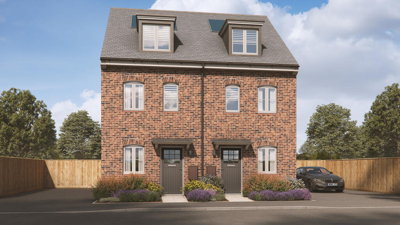
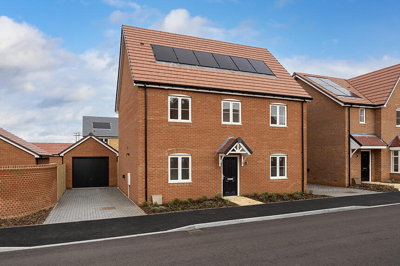
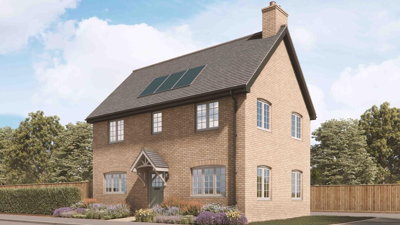
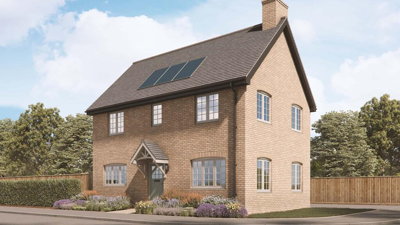
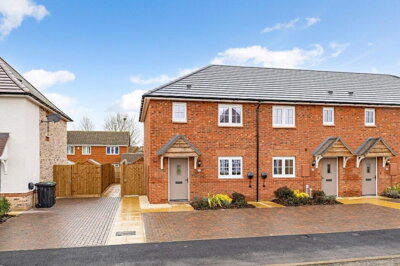
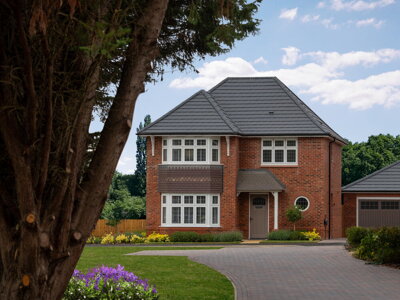
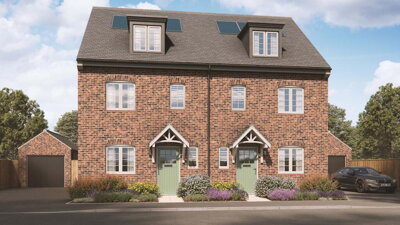
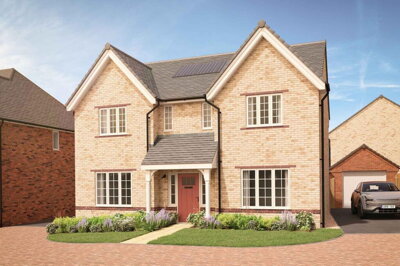
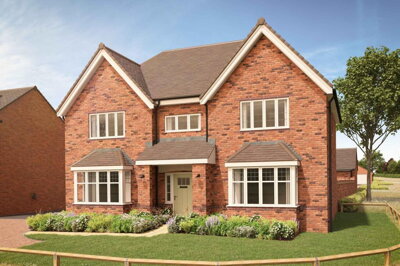
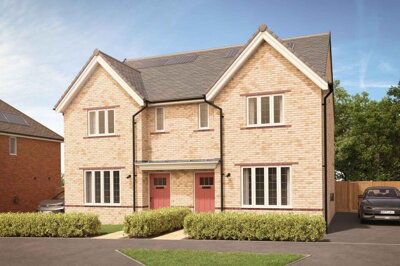
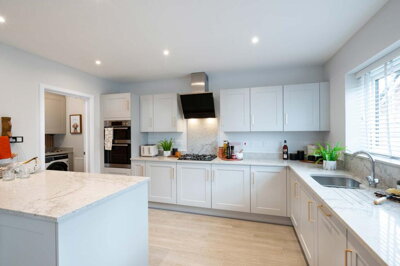
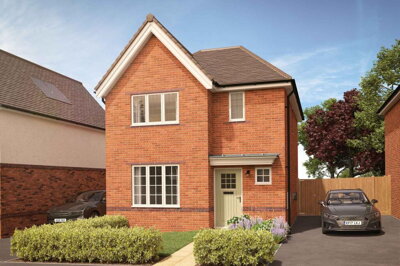
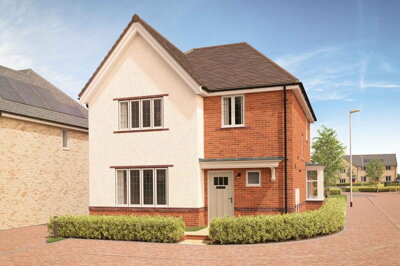
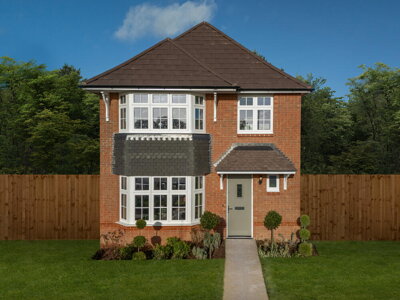
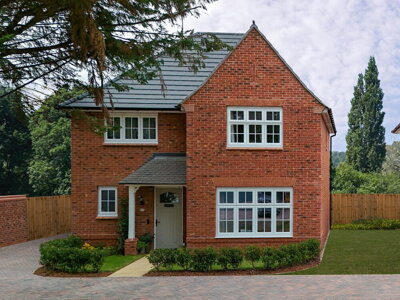
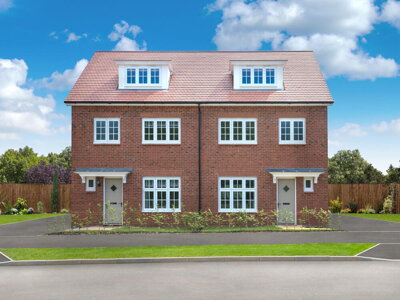
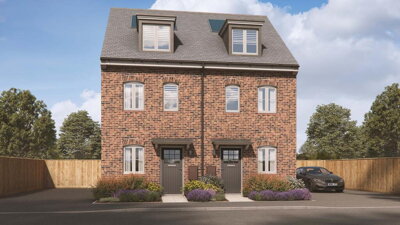
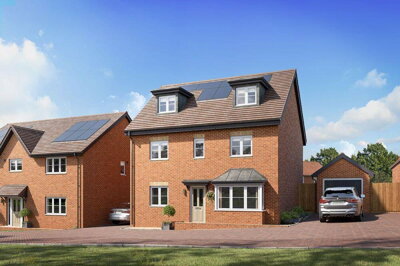
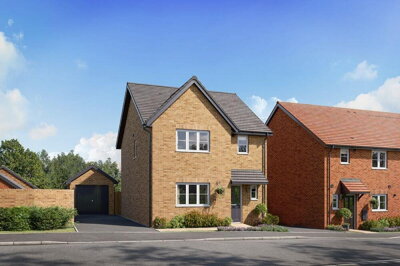
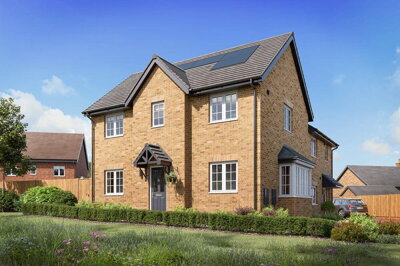
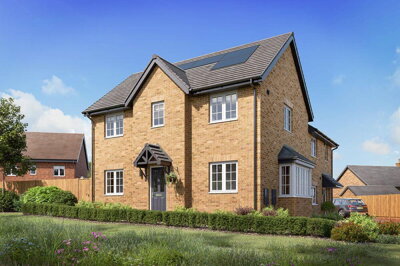
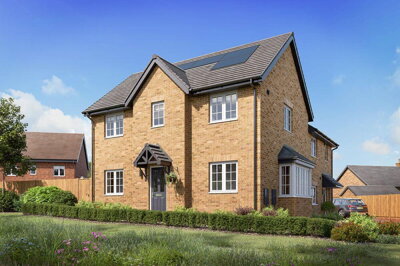
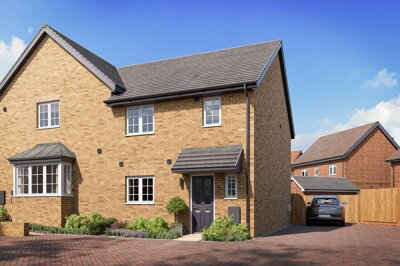
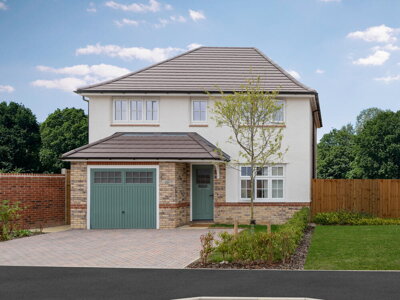
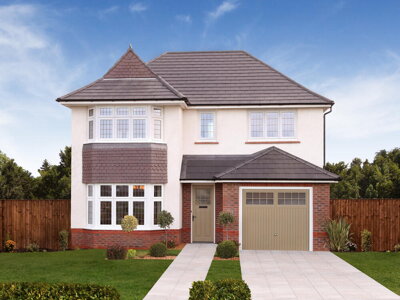
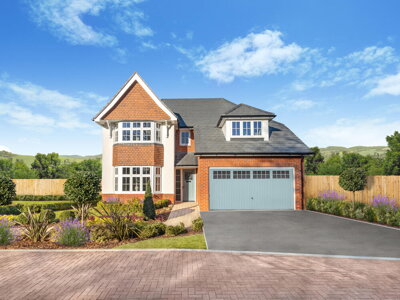
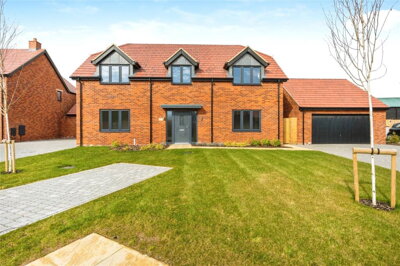
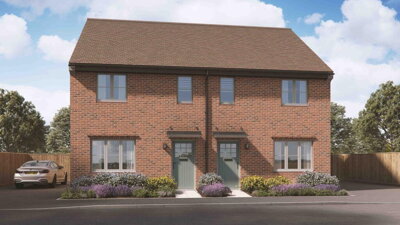
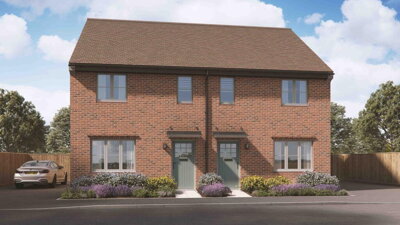
Browse 54 homes new builds in Harlington, Central Bedfordshire from local developer agents.
£490k
37
1
90
Source: home.co.uk
Source: home.co.uk
Detached
15 listings
Avg £640,600
Semi-Detached
12 listings
Avg £454,583
End of Terrace
4 listings
Avg £327,438
Terraced
4 listings
Avg £408,750
Cottage
1 listings
Avg £185,000
Detached Bungalow
1 listings
Avg £425,000
Source: home.co.uk
Source: home.co.uk
£358,165
Average House Price
£466,516
Detached Average
£312,938
Semi-Detached Average
£324,600
Terraced Average
£201,400
Flats Average
+16%
Annual Price Growth
43
Properties Sold (12 months)
The Ashburton property market demonstrates the town's appeal as a residential destination, with prices reflecting both its coveted location on Dartmoor's boundary and the quality of its historic housing stock. Detached properties command the highest prices, averaging £466,516 according to Rightmove data, making them ideal for families seeking generous space and the flexibility to enjoy Devon's outdoor lifestyle. Semi-detached homes average £312,938, offering excellent value for buyers looking for a practical family home without the premium associated with larger detached properties. This variety in price points makes Ashburton accessible to a range of buyers, from first-time purchasers to those seeking their forever home in an area of outstanding natural beauty.
Terraced properties in Ashburton average £324,600, according to both Rightmove and Zoopla data, with these homes often featuring the characterful timber-framed construction and stone side walls typical of the town's Georgian and Victorian heritage. Flats remain the most affordable entry point, averaging £201,400, and are popular among professionals working locally or those seeking a holiday let investment opportunity. The holiday let market in Devon is particularly robust, though this has also contributed to the broader housing shortage affecting the county. For buyers considering investment, the strong rental demand driven by tourism and the area's popularity with remote workers provides a solid foundation, though prospective landlords should be aware of evolving regulations in this sector.
The local new build market has expanded in recent years, with the Longstone Cross development providing much-needed homes to the area. Phase I, delivered by LiveWest with Coyde Construction, completed in 2022 and delivered 39 affordable homes including a specially designed wheelchair-accessible bungalow. Phase II, developed by Devonshire Homes, offers 2 to 5-bedroom homes with prices ranging from £525,000 to £590,000 for the larger properties. This development sits close to the town centre, providing options for buyers seeking modern construction with easy access to Ashburton's amenities. Another site at Chuley Road received planning consent for 29 dwellings, though this development remains at an earlier stage.
Ashburton is a community that punches well above its weight for a town of approximately 3,513 residents, with 1,750 households calling this Dartmoor edge location home. The town has served as a Stannary Town since medieval times, when tin mining drove the local economy until the early 18th century. Today, Ashburton has reinvented itself as a centre for quality artisan food, independent shops, and creative businesses, while retaining the architectural heritage that makes it so visually distinctive. The town's economy is broadly based, with health, retail, and tourism accounting for 42.7% of employment across Devon, supplemented by agriculture, education, manufacturing, and construction sectors that are over-represented compared to national figures.
The town centre clusters around its historic market square and features buildings constructed using local materials that define Ashburton's visual character. Natural slate roofs dominate the skyline, while many buildings showcase the distinctive timber-framed construction common throughout historic Devon towns, with stone side walls adding structural integrity and local identity. The highly significant Ashburton Marble, a limestone featuring spectacular patterns of white calcite and red haematite, was historically used for decorative purposes and remains the area's geological heritage. Residents enjoy a range of local amenities including independent retailers, traditional inns dating back centuries, and easy access to the open spaces of Dartmoor, where walking, cycling, and riding opportunities abound throughout the year.
The Devon housing crisis affects Ashburton alongside the broader county challenges, with a significant shortage of affordable homes particularly impacting younger residents and key workers. Average earnings in Devon fall below national averages, creating affordability pressures that have led some long-term residents to relocate. Meanwhile, the area continues attracting wealthier retirees and remote workers seeking quality of life, contributing to ongoing price appreciation. This dynamic has also seen many properties converted to holiday lets, removing them from the long-term rental market and intensifying competition for purchasers seeking homes in this desirable location.
Families considering a move to Ashburton will find a range of educational options within the town and the surrounding Teignbridge district. Ashburton Primary School serves the local community, providing education for children from Reception through to Year 6, with the school playing a central role in community life. For secondary education, pupils typically travel to nearby towns including Newton Abbot, which offers several secondary school options, or pursue places at the selective grammar schools in the wider area. Parents should research specific catchment areas and admission policies, as these can significantly influence school placement.
The quality of education in Devon compares favourably in many areas, with schools demonstrating commitment to both academic achievement and the holistic development that comes from learning in a county of outstanding natural beauty. For families seeking private education, several independent schools operate in the region, offering alternative curricula and smaller class sizes. Further education opportunities are readily accessible at Exeter College and other institutions in the county, with good transport connections making commuting for sixth form or college studies practical for older students. The presence of quality schooling within reach of Ashburton contributes significantly to the area's attractiveness for families, helping to sustain property values and community cohesion in this desirable Dartmoor town.
The daily commute to secondary schools in Newton Abbot involves a journey of approximately 8 miles, typically taking 15-20 minutes by car depending on traffic conditions on the A38 and surrounding roads. Several bus services operate this route during term time, though families should verify current timetables as rural services may operate on reduced frequencies during school holidays. Schools in Newton Abbot include Coombeshead Academy and Newton Abbot College, with the former offering a sixth form provision. For those pursuing selective grammar school places, schools in Exeter or Plymouth may be options, though these involve longer daily journeys that some families find challenging to sustain long-term.
Ashburton sits at a strategic crossroads on the southern edge of Dartmoor, with the A38 dual carriageway providing swift access to Plymouth to the west and Exeter to the north-east. The town lies approximately 20 miles from Exeter, Devon's principal city, making regular commuting feasible for those working in the city while enjoying the lifestyle benefits of rural living. Newton Abbot, the nearest mainline railway station, is roughly 8 miles away and offers direct services to Exeter St Davids, Plymouth, and Bristol, with connections to London Paddington available from Exeter. This connectivity makes Ashburton viable for professionals who need occasional access to major employment centres without committing to a daily long-distance commute.
For those working from home, which has become increasingly common since the pandemic, Ashburton offers reliable broadband infrastructure alongside the mental health benefits of moorland views and easy access to green space. Local bus services connect Ashburton with surrounding towns and villages, though residents planning to rely entirely on public transport should check current timetables carefully, as rural bus services operate on reduced frequencies compared to urban routes. The lack of a railway station within the town itself means that access to Newton Abbot for rail services is essential for regular commuters. However, many residents find that the quality of life improvements from living in this beautiful market town, with Dartmoor on the doorstep, more than compensate for the additional travel considerations.
Driving times from Ashburton place several major destinations within practical reach. Plymouth can be reached in approximately 30 minutes via the A38, making the city's hospital, university, and retail amenities accessible for those working or studying there. Exeter is approximately 25 minutes away in normal traffic conditions, with the city offering comprehensive healthcare facilities, shopping, and cultural attractions. The historic naval city of Plymouth provides access to the Tamar Bridge crossing into Cornwall, opening up further exploration possibilities. For air travel, Exeter Airport offers flights to UK and European destinations, located approximately 30 minutes' drive from Ashburton.
Explore our platform to browse all properties currently listed in Ashburton and understand the price ranges for different property types. With detached homes averaging £466,516 and terraced properties at around £324,600, setting a realistic budget is your essential first step. Consider engaging with local estate agents who know the area intimately, as some properties may never reach major portal listings. The Longstone Cross development offers new build options if you prefer modern construction with a builder's warranty.
Before arranging viewings, approach a lender to obtain an Agreement in Principle. This document confirms how much you can borrow and demonstrates to sellers that you are a serious, financially prepared buyer. With average property prices in Ashburton sitting at £358,165, most buyers will require a mortgage, and having your finances organised gives you a competitive edge in what can be a busy market. First-time buyers should explore the increased stamp duty thresholds available to them, which could significantly reduce their upfront costs.
Visit properties that match your criteria, paying attention to both the property condition and the neighbourhood. In a town with a Conservation Area dating from 1971 and numerous Listed Buildings, understanding any restrictions on alterations or improvements is important. Take time to explore the surrounding streets at different times of day to gauge the local community atmosphere and noise levels. Properties near the River Ashburn in areas such as the Bull Ring or Chuley Road may be at elevated flood risk during heavy rainfall.
Given Ashburton's historic housing stock, with many properties featuring traditional construction methods and natural slate roofs, a thorough survey is essential. The average cost for a RICS Level 2 Survey in the UK is around £455, varying with property value and size. For older properties, consider whether a more comprehensive RICS Level 3 Building Survey might be warranted, particularly for Listed Buildings where specialist knowledge of traditional building techniques is valuable. Our inspectors frequently identify issues with natural slate roof fixings, timber-framed wall damp penetration, and potential shrink-swell foundation movement in this area.
Once your offer is accepted, instruct a conveyancing solicitor to handle the legal aspects of your purchase. Your solicitor will conduct searches, handle contracts, and coordinate with the Land Registry to transfer ownership. With properties potentially affected by flood risk from the River Ashburn or the local geology's shrink-swell hazard, thorough local searches are particularly important in this area. Drainage and water searches should confirm whether the property connects to mains systems or relies on private arrangements.
After all surveys, searches, and legal checks are satisfactory, you will exchange contracts and pay your deposit. Completion typically follows within weeks, at which point you will receive your keys and can begin enjoying your new home in Ashburton. Remember that stamp duty rates have changed, so factor these costs into your budget alongside survey fees and solicitor charges. Properties at the current average price of £358,165 will incur SDLT of approximately £5,408 for standard purchasers.
Properties in Ashburton require careful inspection given the prevalence of historic construction methods and local environmental factors. The natural slate roofs common throughout the town require periodic maintenance and may contain original fixings that differ from modern standards. Timber-framed walls, while structurally sound when maintained correctly, can be susceptible to damp penetration if modern non-breathable materials have been inappropriately applied during renovations. Look for signs of water staining, musty odours, or black mould that might indicate ongoing damp issues, and ask about the history of any previous damp-proof course installations.
The local geology presents specific considerations for prospective buyers. The British Geological Survey GeoSure data indicates that properties in Ashburton may have a notable shrink-swell hazard score due to clay minerals in the local soil. This means foundation movement caused by seasonal moisture changes is possible, and buyers should look for signs of cracking to walls, ceilings, and around door and window frames. A structural survey from a qualified RICS surveyor is particularly valuable for detecting such issues. Additionally, the River Ashburn creates flood risk for properties in the town centre, with areas around the Bull Ring, East Street, West Street, Chuley Road, North Street, Old Totnes Road, Church Path, Stonepark Crescent, Kingsbridge Lane, St Lawrence Lane, Station Yard, and Tuckers Meadow among those potentially affected by river flooding during heavy rainfall events.
Properties within Ashburton's Conservation Area or those that are Listed Buildings offer exceptional character but come with additional responsibilities. Listed Building consent may be required for alterations that would otherwise be permitted development, and specialist surveyors familiar with traditional building techniques can provide invaluable advice on maintenance and improvement options. The town's Neighbourhood Plan identifies heritage assets including the former Ashburton Station and associated buildings, reflecting the community's commitment to preserving its distinctive character. When viewing period properties, always ask about the planning history, any building regulation consents, and whether the property is connected to mains drainage or relies on private systems.
Electrical and plumbing systems in older Ashburton properties may not meet current safety standards and could require updating. Original wiring systems, particularly those predating modern regulations, should be inspected by a qualified electrician. Similarly, lead pipework or older plumbing installations may need replacement. Our inspectors assess these systems as part of any survey, identifying what may need attention before or shortly after purchase. Budgeting for essential upgrades ensures you are not caught out by unexpected costs after moving in.
When purchasing a property in Ashburton, budget awareness extends beyond the advertised sale price to encompass various additional costs that can add significantly to your overall expenditure. Stamp Duty Land Tax (SDLT) is calculated on a tiered basis, with standard rates starting at 0% for the first £250,000 of purchase price, rising to 5% on the portion between £250,001 and £925,000. Given that the average property in Ashburton sells for £358,165, most buyers would incur SDLT of approximately £5,408 on the £108,165 portion exceeding the nil-rate threshold. First-time buyers benefit from an increased nil-rate threshold of £425,000 and a reduced rate of 5% between £425,001 and £625,000, which may eliminate SDLT entirely for properties at or below £425,000.
Survey costs represent another important consideration, particularly given Ashburton's historic housing stock. A RICS Level 2 Survey costs around £455 on average nationally, with prices varying based on property value, size, and location. For a typical three-bedroom property in Ashburton, expect to budget approximately £437, while larger four-bedroom detached homes might cost closer to £495. Properties in Conservation Areas or Listed Buildings may warrant the more comprehensive RICS Level 3 Building Survey, which provides detailed assessment of construction, condition, and recommendations for maintenance. Conveyancing fees typically start from around £499 for standard purchases, though complex transactions involving leasehold properties, new builds, or properties with title complications may cost more.
Additional costs to factor into your budget include lender arrangement fees if applicable, which often range from £500 to £2,000 depending on the mortgage product chosen. Property searches conducted by your solicitor, including drainage and water searches, local authority checks, and environmental searches covering flood risk and ground stability, typically total between £200 and £400. Given that properties in Ashburton may be affected by the River Ashburn flood risk and local geology considerations, these searches are particularly valuable. Removal costs, potential renovation expenses if the property requires updating, and buildings insurance commencing from exchange of contracts all add to the total outlay. Careful budgeting for these costs before beginning your property search ensures you remain financially prepared at each stage of your Ashburton purchase.
The average house price in Ashburton is £358,165 according to Rightmove data over the last year, with Zoopla reporting a slightly higher figure of £360,155. Detached properties average £466,516, semi-detached homes £312,938, and terraced properties around £324,600. Flats remain the most affordable option at approximately £201,400. Prices have risen 16% compared to the previous year and are now 6% above the 2023 peak, indicating strong ongoing demand for property in this Dartmoor market town. The Longstone Cross development offers new build options from £525,000 for larger properties.
Properties in Ashburton fall under Teignbridge District Council, which sets council tax rates based on the valuation band assigned by the Valuation Office Agency. Bands range from A through H, with the specific band determined by the property's assessed value. You can find the current council tax band for any specific property on the gov.uk website or on your local council's online portal. Given the mix of period properties and modern developments in Ashburton, council tax bands can vary significantly depending on property type and size, with larger detached homes typically in higher bands than terraced cottages or flats.
Ashburton Primary School serves the local community for children aged 5 to 11 years, providing education from Reception through Year 6. For secondary education, families typically look to schools in nearby Newton Abbot such as Coombeshead Academy, which is approximately 8 miles away. The daily commute by car takes around 15-20 minutes, with school bus services available during term time. The quality of local education can be verified through Ofsted's website, where parents can search for specific schools and review their most recent inspection reports. Several independent schools operate in the wider Devon area for those seeking alternative educational options, with Exeter College providing further education opportunities for older students.
Ashburton is served by local bus routes connecting the town to Newton Abbot, Bovey Tracey, and surrounding villages, though frequencies are reduced compared to urban services. The nearest mainline railway station is Newton Abbot, approximately 8 miles away, offering direct services to Exeter, Plymouth, Bristol, and London Paddington. The A38 dual carriageway provides road connections to Plymouth and Exeter, with Plymouth reachable in around 30 minutes and Exeter in approximately 25 minutes under normal traffic conditions. For air travel, Exeter Airport is approximately 30 minutes' drive from Ashburton.
Ashburton offers several investment considerations. The Dartmoor location, combined with a shortage of affordable housing across Devon, supports long-term demand. The strong holiday let market indicates healthy rental potential, though this sector faces evolving regulatory scrutiny. Prices have shown resilience with 16% annual growth, but the Devon housing crisis, driven by lower average wages and high property demand from incoming retirees and remote workers, creates complex market dynamics. Those considering buy-to-let should carefully calculate yields against current mortgage rates and potential void periods, taking into account that the limited local employment base may affect tenant demand for longer-term rentals.
Stamp duty rates for 2024-25 are 0% on the first £250,000 of residential property value, 5% on the portion from £250,001 to £925,000, 10% on £925,001 to £1.5 million, and 12% on any amount above £1.5 million. First-time buyers benefit from relief on the first £425,000, with 5% charged between £425,001 and £625,000, though no relief applies above £625,000. With the average Ashburton property at £358,165, most buyers will pay stamp duty only on amounts exceeding £250,000, resulting in costs of around £5,408 for standard purchasers. First-time buyers purchasing at or below £425,000 may pay no SDLT at all.
From 4.5% APR
Compare mortgage products from our approved lenders
From £499
Expert legal services for your Ashburton property purchase
From £350
Comprehensive inspection of your new Ashburton home
From £600
Detailed structural survey for period properties
Properties New Builds In London

Properties New Builds In Plymouth

Properties New Builds In Liverpool

Properties New Builds In Glasgow

Properties New Builds In Sheffield

Properties New Builds In Edinburgh

Properties New Builds In Coventry

Properties New Builds In Bradford

Properties New Builds In Manchester

Properties New Builds In Birmingham

Properties New Builds In Bristol

Properties New Builds In Oxford

Properties New Builds In Leicester

Properties New Builds In Newcastle

Properties New Builds In Leeds

Properties New Builds In Southampton

Properties New Builds In Cardiff

Properties New Builds In Nottingham

Properties New Builds In Norwich

Properties New Builds In Brighton

Properties New Builds In Derby

Properties New Builds In Portsmouth

Properties New Builds In Northampton

Properties New Builds In Milton Keynes

Properties New Builds In Bournemouth

Properties New Builds In Bolton

Properties New Builds In Swansea

Properties New Builds In Swindon

Properties New Builds In Peterborough

Properties New Builds In Wolverhampton

Enter your details to see if this property is within your budget.
Loans, cards, car finance
Estimated property budget
Borrowing + deposit
You could borrow between
Typical borrowing
Monthly repayment
Est. at 4.5%
Loan-to-value
This is an estimate only. Your actual budget may vary depending on interest rates, credit history, and personal circumstances. For an accurate affordability assessment, speak to one of our free mortgage advisors.
This calculator provides estimates for illustrative purposes only and does not constitute financial advice. Your home may be repossessed if you do not keep up repayments on your mortgage. Estimates based on 4.5% interest rate, repayment mortgage. Actual rates depend on your circumstances.
Homemove is a trading name of HM Haus Group Ltd (Company No. 13873779, registered in England & Wales). Homemove Mortgages Ltd (Company No. 15947693) is an Appointed Representative of TMG Direct Limited, trading as TMG Mortgage Network, which is authorised and regulated by the Financial Conduct Authority (FRN 786245). Homemove Mortgages Ltd is entered on the FCA Register as an Appointed Representative (FRN 1022429). You can check registrations at NewRegister or by calling 0800 111 6768.

We use cookies to show you personalised content and improve your experience of our website. Find out more in our Privacy policy and Cookie policy.