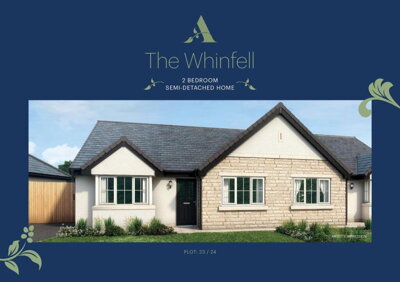
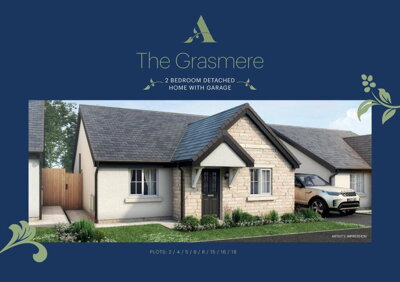
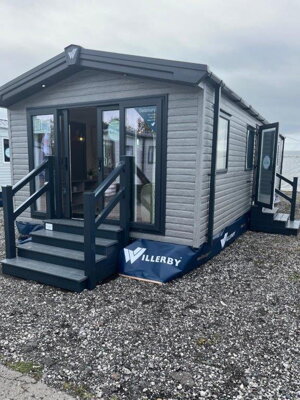
Browse 5 homes new builds in Halton-with-Aughton from local developer agents.
The property market in Great Salkeld reflects the village's desirable rural character and architectural heritage. Detached properties dominate the local housing stock, with average prices around £450,000 for this property type. Terraced properties offer more accessible entry points at around £153,000, while semi-detached homes, including a 4-bedroom example listed at £327,500 in May 2024, provide family accommodation without the premium of detached prices. The market has demonstrated resilience over the past decade, with sales prices increasing by 29.3% since 2014, though current values sit 57% below the peak of £708,750 recorded in 2022.
New build activity in the village remains limited, with JIW Properties Ltd developing a 12-property scheme called Fold Gardens. DMB Building Ltd also has an ongoing new build project in the village using traditional block cavity construction with storm-facing cladding. For buyers seeking newer construction, the nearby Penrith area offers developments such as Barratt Homes at Carleton Chase, though buyers should note these fall outside Great Salkeld's boundaries. The majority of available properties are period homes built between 1800 and 1911, constructed from the distinctive local red sandstone that gives the village its characteristic appearance.

Life in Great Salkeld centres around community spirit and the beauty of the Eden Valley landscape. The village is home to approximately 467 residents according to the 2021 Census, a slight increase from the 412 recorded in 2011, suggesting growing appreciation for rural village living. The award-winning Highland Drove Inn serves as the village's social hub, offering excellent food and drink in traditional surroundings. The village hall hosts community events throughout the year, while the surrounding countryside provides endless opportunities for walking, cycling, and enjoying the natural beauty of Cumbria.
The local economy is primarily agricultural, with the fertile farmland of the Eden Valley supporting mixed arable and crop farming operations. The quality red sandstone bedrock has shaped not only the local geology but also the distinctive architectural character of the village. Many residents work in Penrith, the busy market town just 5 miles away, which offers supermarkets, retail shopping, healthcare facilities, and additional employment opportunities. Younger residents sometimes leave seeking training and employment, often replaced by more affluent families drawn to the village's exceptional architecture and peaceful environment. The village provides an enviable quality of life for those who value rural living without complete isolation.
Families considering a move to Great Salkeld will find educational provision available within easy reach. The village falls within the catchment area for primary schools in surrounding villages and towns, with Lazonby C of E Primary School serving younger children from the local area. This small rural school provides a nurturing environment with class sizes that allow individual attention, making it ideal for children in the early stages of their education. For secondary education, pupils typically travel to schools in Penrith, where several options are available including the highly regarded Ullswater Community College.
Penrith offers additional educational opportunities including further education colleges and training providers for older students. The town's schools serve a wide area of the Eden Valley, reflecting the rural nature of the region where travel to access services is commonplace. Parents buying property in Great Salkeld should research specific catchment areas and admissions criteria, as these can vary and may influence school placements. The close-knit nature of village communities means that local schools often benefit from strong parental engagement and community support, enhancing the educational experience for children growing up in this distinctive part of Cumbria.
Transport connectivity from Great Salkeld relies primarily on road networks and the nearby railway station at Lazonby, just 2 miles northwest of the village. Lazonby station sits on the scenic Settle to Carlisle line, offering regular train services connecting passengers to Carlisle, Leeds, and intermediate stations along this famous route through the Yorkshire Dales and Cumbrian countryside. For longer distance travel, Penrith railway station, approximately 5 miles away, provides access to the West Coast Main Line with direct services to London Euston, Edinburgh, Manchester, and Birmingham.
Road connections from Great Salkeld are excellent, with the A6 passing through the village providing direct routes to Penrith and the M6 motorway. The M6 junction 40 near Penrith gives straightforward access to the national motorway network, making car travel to major cities highly feasible. Bus services operate in the area, connecting Great Salkeld with Penrith and surrounding villages, though frequencies are typical of rural Cumbria with limited evening and weekend services. Cyclists benefit from scenic country lanes and the proximity of the Eden Valley to popular cycling routes, while the village's position above the River Eden offers pleasant routes for recreational cycling and walking.
Explore available properties on Homemove, understand price trends, and familiarise yourself with the village's Conservation Area status and listed building requirements before beginning your property search.
Contact lenders to obtain a mortgage agreement in principle before viewing properties. With detached properties averaging around £450,000, securing appropriate financing is essential for making competitive offers.
Visit properties that match your requirements, taking time to explore the village and assess the proximity to amenities, transport links, and the quality of local countryside for walks and recreation.
Given the village's predominantly older property stock, many homes dating from the 17th to 19th centuries, a Level 2 survey is strongly recommended to identify any structural issues, damp problems, or outdated electrics common in period properties.
Appoint a solicitor experienced in Cumbrian rural properties to handle the legal aspects of your purchase, including any conservation area consents or listed building considerations.
Once surveys and searches are satisfactory, your solicitor will arrange the exchange of contracts and set a completion date for your move into your new Great Salkeld home.
Properties in Great Salkeld require careful consideration due to the village's Conservation Area status and prevalence of listed buildings. The central village was designated a Conservation Area in 2008, with revised planning guidance adopted in 2020, meaning that exterior alterations, extensions, and certain works may require consent from Eden District Council. Buyers should factor in the additional responsibilities and potential costs associated with owning a listed property, which include restrictions on modifications and requirements to maintain historic fabric using appropriate materials and techniques.
The predominant building materials in Great Salkeld include red Penrith sandstone, roughcast render, and traditional roofing materials such as Westmorland blue slate and sandstone flag. These materials contribute to the village's distinctive appearance but require ongoing maintenance and specialist repair when damaged. Properties built before modern electrical standards may have outdated wiring, fuse boxes, and earthing systems requiring inspection and potential upgrading. The village sits on the fertile agricultural land of the Eden Valley with the River Eden nearby, and while specific flood risk areas within the village are not detailed, buyers should request drainage and flood risk searches as part of their conveyancing.
The building fabric of Great Salkeld reflects centuries of local building tradition using materials quarried from the surrounding Eden Valley. Vernacular properties are predominantly two-storey houses constructed with load-bearing solid masonry walls, featuring locally sourced red sandstone in random coursed patterns for the oldest buildings. Many 19th-century properties were rendered with roughcast finish over the stonework, while late 20th-century additions introduced brick construction to the material palette. Roof coverings throughout the village include traditional sandstone flag, Westmorland blue slate laid in graduated courses, and concrete tiles on more recent properties.
Understanding local construction methods is essential when evaluating properties for purchase. The red Penrith sandstone used extensively throughout the village is a distinctive feature but requires careful assessment for signs of weathering, spalling, and mortar joint deterioration. Lime-based mortars were traditionally used in historic pointing, and modern cementitious repairs can cause problems by trapping moisture within the softer historic stone. uPVC windows have been fitted to many properties, though conservation area guidance generally encourages retention of original timber sash windows on historic buildings. Our inspectors assess these construction details carefully when surveying properties throughout the village.
Period properties in Great Salkeld are susceptible to several characteristic defects that our surveyors regularly identify during inspections. Sandstone deterioration is prevalent given the age of many buildings, with surface erosion, crumbling mortar joints, and biological growth particularly affecting north and west-facing elevations exposed to prevailing weather. Properties with sandstone flag roofs often show cracked or slipped flags requiring attention, while Westmorland blue slate roofs may exhibit nail fatigue and broken slates. Leadwork around chimneys, valleys, and roof penetrations on older properties frequently shows signs of deterioration and may require replacement.
Electrical systems in properties built before the 1960s commonly require updating, with many homes in Great Salkeld still featuring original wiring, inadequate earthing, and consumer units that do not meet current standards. A qualified electrician should inspect all accessible electrical installations before purchase. Damp problems manifest in various forms across traditionally constructed buildings, from rising damp due to absent or failed damp-proof courses to penetrating damp through weathered stone or damaged render. The quality red sandstone bedrock underlying the village has historically influenced foundation conditions, though our surveyors check for signs of settlement or subsidence movement in all properties inspected.
The village's conservation designation adds another dimension to property condition assessment. The 23 listed buildings in Great Salkeld, including Grade II* structures such as the Church of St. Cuthbert and Hunter Hall with its origins dating to 1666, require particular specialist attention. Listed building obligations under the Planning (Listed Buildings and Conservation Areas) Act 1990 mean that works affecting historic fabric require Local Planning Authority consent, and properties may have been subject to unsympathetic alterations over the years. Our inspectors assess these heritage considerations alongside standard building condition issues when surveying properties in this distinctive Cumbrian village.
The average property price in Great Salkeld over the last year was £301,500, though some sources indicate current prices around £550,000 reflecting recent sales. Detached properties command higher prices averaging approximately £450,000, while terraced properties offer more affordable options at around £153,000. House prices have risen 10% over the past year but remain 57% below the 2022 peak of £708,750. The market has shown long-term strength with prices increasing 29.3% over the past decade, demonstrating sustained demand for property in this desirable Eden Valley village.
Properties in Great Salkeld fall under Eden District Council for council tax purposes. Specific band allocations vary by property depending on their valuation and characteristics. As a guide, period detached houses in desirable Cumbrian villages like Great Salkeld typically fall into bands D through G, while smaller cottages and terraced properties may be in bands A through C. Contact Eden District Council or check the Valuation Office Agency website for specific band information on individual properties.
Primary education is served by Lazonby C of E Primary School, a small rural school approximately 2 miles from Great Salkeld that provides excellent education for younger children in a supportive environment. This village primary school typically achieves strong results relative to its size and benefits from close community involvement. Secondary school pupils typically attend schools in Penrith, including Ullswater Community College, which serves a wide catchment area across the Eden Valley and offers a broad curriculum for students from Year 7 through Sixth Form. Parents should verify current catchment areas and admissions policies as these can change and may affect school placements for their children.
Great Salkeld has reasonable public transport connections for a rural village. Lazonby railway station, 2 miles northwest, provides services on the Settle to Carlisle line connecting to Carlisle, Leeds, and intermediate destinations including scenic routes through the Yorkshire Dales. Penrith railway station, 5 miles away, offers faster services via the West Coast Main Line to London, Edinburgh, Manchester, and Birmingham. Bus services operate between Great Salkeld and Penrith, though frequencies reflect typical rural Cumbrian provision with limited evening and weekend services. Many residents rely on car ownership for daily flexibility while using rail services for longer journeys and commuting.
Great Salkeld offers solid investment potential due to its desirable village location, architectural heritage, and limited property supply. The Conservation Area status and 23 listed buildings ensure the village retains its character, while proximity to Penrith and the M6 motorway maintains accessibility to regional employment centres. The 29.3% price increase over the past decade demonstrates long-term value growth, though the village's small size and rural location mean liquidity may be lower than urban markets. Properties requiring renovation may offer particular value opportunities for investors willing to undertake period property restoration, though buyers should budget for the additional costs and consents associated with historic buildings.
Stamp duty Land Tax rates from April 2025 apply as follows: 0% on the first £250,000 of property value, 5% on the portion between £250,001 and £925,000, 10% between £925,001 and £1.5 million, and 12% above £1.5 million. First-time buyers benefit from relief on the first £425,000 (0% rate), with 5% applying between £425,001 and £625,000. For a typical detached property at £450,000, a first-time buyer would pay £1,250 in stamp duty while an additional rate purchaser would pay £10,000. These thresholds apply to all properties including those in Great Salkeld regardless of their rural location.
Understanding the full costs of buying property in Great Salkeld is essential for budgeting effectively. Beyond the purchase price, buyers should budget for stamp duty Land Tax, which for a property priced at the village average of £301,500 would amount to £2,575 for a standard rate purchaser. First-time buyers purchasing properties up to £425,000 would pay no stamp duty on the first £250,000 and only 5% on amounts between £425,001 and the purchase price, though first-time relief is only available for properties up to £625,000.
Additional purchase costs include conveyancing fees, typically ranging from £499 to £1,500 depending on complexity and whether the property is listed or within a Conservation Area. Given the age of most properties in Great Salkeld and potential complications with titles, we recommend instructing a solicitor experienced in Cumbrian rural properties. A RICS Level 2 survey is strongly recommended for Great Salkeld properties, with national average costs around £455 for homes in this price range, though older period properties may incur additional fees due to their complexity and the time required for thorough inspection of historic fabric.
Land Registry fees, local authority searches, and mortgage arrangement fees add further costs of approximately £300 to £500 combined. Removal costs vary significantly depending on distance and volume of belongings, while home insurance must be in place before completion. Insurers may charge higher premiums for older properties or those with listed status. Budget for potential immediate repairs identified in your survey, as properties in Great Salkeld frequently require attention to roofing, pointing, or damp-proofing soon after purchase. Setting aside a contingency fund equivalent to around 1.5% of the purchase price will ensure you can address any issues discovered during the survey without financial strain.
Whether you are searching for a period cottage with original features, a traditional farmhouse with generous land, or a modern family home in this sought-after Eden Valley village, our comprehensive listings showcase what Great Salkeld has to offer. Browse current properties for sale and take the first step towards finding your perfect Cumbrian village home. With average prices around £301,500 for the village overall, and detached properties commanding premium values, Great Salkeld presents opportunities for various budgets and requirements. The village's Conservation Area status, excellent transport connections, and proximity to Penrith make it an attractive location for families, professionals, and those seeking a peaceful rural lifestyle with good access to amenities.

Properties New Builds In London

Properties New Builds In Plymouth

Properties New Builds In Liverpool

Properties New Builds In Glasgow

Properties New Builds In Sheffield

Properties New Builds In Edinburgh

Properties New Builds In Coventry

Properties New Builds In Bradford

Properties New Builds In Manchester

Properties New Builds In Birmingham

Properties New Builds In Bristol

Properties New Builds In Oxford

Properties New Builds In Leicester

Properties New Builds In Newcastle

Properties New Builds In Leeds

Properties New Builds In Southampton

Properties New Builds In Cardiff

Properties New Builds In Nottingham

Properties New Builds In Norwich

Properties New Builds In Brighton

Properties New Builds In Derby

Properties New Builds In Portsmouth

Properties New Builds In Northampton

Properties New Builds In Milton Keynes

Properties New Builds In Bournemouth

Properties New Builds In Bolton

Properties New Builds In Swansea

Properties New Builds In Swindon

Properties New Builds In Peterborough

Properties New Builds In Wolverhampton

Enter your details to see if this property is within your budget.
Loans, cards, car finance
Estimated property budget
Borrowing + deposit
You could borrow between
Typical borrowing
Monthly repayment
Est. at 4.5%
Loan-to-value
This is an estimate only. Your actual budget may vary depending on interest rates, credit history, and personal circumstances. For an accurate affordability assessment, speak to one of our free mortgage advisors.
This calculator provides estimates for illustrative purposes only and does not constitute financial advice. Your home may be repossessed if you do not keep up repayments on your mortgage. Estimates based on 4.5% interest rate, repayment mortgage. Actual rates depend on your circumstances.
Homemove is a trading name of HM Haus Group Ltd (Company No. 13873779, registered in England & Wales). Homemove Mortgages Ltd (Company No. 15947693) is an Appointed Representative of TMG Direct Limited, trading as TMG Mortgage Network, which is authorised and regulated by the Financial Conduct Authority (FRN 786245). Homemove Mortgages Ltd is entered on the FCA Register as an Appointed Representative (FRN 1022429). You can check registrations at NewRegister or by calling 0800 111 6768.

We use cookies to show you personalised content and improve your experience of our website. Find out more in our Privacy policy and Cookie policy.