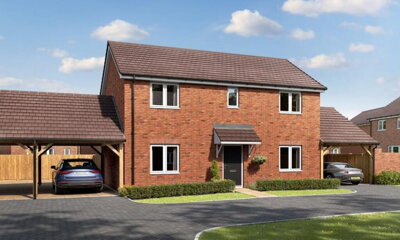
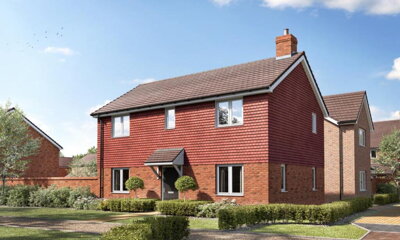
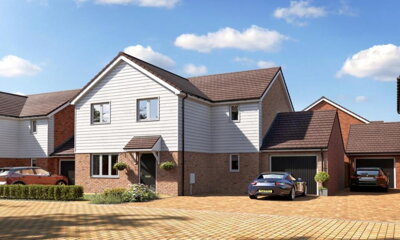
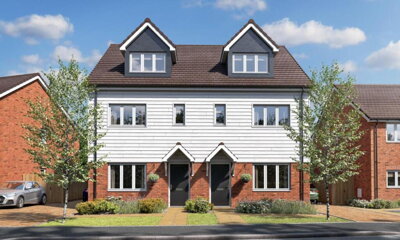
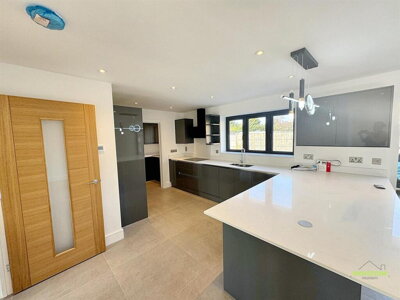
Browse 7 homes new builds in Hadlow, Tonbridge and Malling from local developer agents.
The Hadlow property market offers detached, semi-detached, and terraced houses spanning various price ranges and neighbourhoods. Each listing includes detailed property information, photographs, and direct contact with the marketing agent.
£525k
29
2
105
Source: home.co.uk
Showing 29 results for Houses new builds in Hadlow, Tonbridge and Malling. 2 new listings added this week. The median asking price is £525,000.
Source: home.co.uk
Detached
15 listings
Avg £773,733
Semi-Detached
14 listings
Avg £482,857
Source: home.co.uk
Source: home.co.uk
The Hertfordshire property market has demonstrated remarkable resilience despite broader national economic pressures. The average property price currently stands at £530,000, with the market experiencing a modest 2% decline over the past twelve months, translating to a reduction of approximately £9,600 on the average property. This correction follows a period of sustained growth, with sold prices sitting 2% below the 2022 peak of £544,035, presenting opportunities for buyers who have been waiting for more favourable entry conditions into this premium location.
Property types across the county reflect Hertfordshire's varied housing stock, from spacious detached family homes to convenient apartments ideal for first-time buyers. Detached properties command an average price of £864,499, while semi-detached homes average £585,966 and terraced properties fetch around £447,420. Flats remain the most accessible entry point at an average of £282,332, making them particularly attractive for commuters and young professionals seeking to establish themselves in the county. Sales volumes have contracted by 12.5% year-on-year, with approximately 2,000 fewer transactions recorded, indicating a market adjusting to changed economic conditions and buyer sentiment.
New build activity continues to energise certain pockets of the county, with prices for newly constructed properties rising 12% over the past year to reach an average of £596,000. Developers including Taylor Wimpey, David Wilson Homes, and Croudace Homes Ltd maintain active developments across the county, offering two to five-bedroom homes in locations such as Hertford, Hemel Hempstead, Berkhamsted, and Bushey. At Weavers Gate in Codicote, Croudace Homes offers two to five-bedroom properties, while David Wilson Homes provides three-bedroom homes from £406,000 to £471,000 and four and five-bedroom homes ranging from £635,000 to £735,000. Current asking prices have stabilised with an average change of just -1.9% over the past six months, suggesting the market may be finding its equilibrium point as we move through 2026.

Hertfordshire's character reflects centuries of English history alongside modern prosperity, creating communities that blend heritage with contemporary living. The county's population of approximately 1.24 million residents enjoys one of the highest standards of living in the country, with 89% of inhabitants residing in urban areas that comprise roughly a third of the county's total landmass. This balance of town and country explains why Hertfordshire has remained consistently popular with families, professionals, and retirees seeking a lifestyle that metropolitan London cannot easily replicate.
The county encompasses 519,460 dwellings across 482,900 households, with housing stock comprising terraced properties at 32.9% of sales volume, semi-detached homes at 24.2%, flats at 24.1%, and detached properties at 18.8%. This diversity of housing types ensures that buyers can find properties suited to various budgets and lifestyle requirements, whether seeking the character of a period property in a conservation area or the low-maintenance appeal of a modern apartment. Historic market towns like St Albans, famous for its Roman cathedral and vibrant city centre, offer different amenities compared to the post-war new town development of Stevenage or the commercial centre of Watford.
The natural landscape across Hertfordshire includes chalk downland in the north, woodland throughout the county, and the river valleys of the Lea, Stort, and Colne that have shaped settlement patterns for millennia. Green belt designation protects much of the countryside surrounding the main towns, preserving the rural character that distinguishes Hertfordshire from more urbanised counties. Weekend markets, village pubs, annual festivals, and community events contribute to a strong sense of local identity across the county's diverse towns and villages. The county's proximity to major employers in London, Cambridge, and Oxford continues to drive demand from professionals seeking the perfect balance between career opportunities and quality of life.

Education provision across Hertfordshire ranks among the best in the country, making the county particularly attractive to families prioritising academic excellence for their children. The county maintains an extensive network of primary and secondary schools, with numerous institutions achieving outstanding or good ratings from Ofsted. Parents purchasing property in Hertfordshire benefit from access to both county-maintained schools and selective grammar school systems in certain areas, providing educational pathways suited to children of all abilities and aspirations.
Secondary education in Hertfordshire includes several highly sought-after grammar schools, particularly in the south and east of the county, where selective intake creates competitive entry processes. Schools in towns such as St Albans, Hemel Hempstead, and Hitchin consistently appear in regional and national performance tables, with strong examination results and above-average progression rates to higher education. The county also hosts outstanding comprehensives and academy schools for families preferring a broader comprehensive intake without selective examination requirements. Researching specific catchments proves essential, as school quality can significantly impact property values and family routines in different neighbourhoods.
Beyond statutory schooling, Hertfordshire offers excellent further and higher education opportunities, with colleges providing A-level programmes, vocational qualifications, and apprenticeships across numerous disciplines. The proximity to London means that world-renowned universities, specialist colleges, and professional training institutions remain accessible for older students and adults pursuing continuing education. Parents researching the county's educational landscape should always verify current Ofsted ratings, admission catchment areas, and transport arrangements, as these factors can significantly impact daily family routines and long-term educational outcomes.
Hertfordshire's transport infrastructure represents one of its most significant advantages for residents, offering exceptional connectivity to London and the wider region. The county is served by multiple train operators providing frequent services from stations including St Albans City, St Albans Abbey, Watford Junction, Hemel Hempstead, Stevenage, and Bishop's Stortford. Journey times to London termini vary from approximately 20 minutes from stations like Watford Junction to around 50 minutes from more distant towns, allowing buyers to prioritise either speed or property value when choosing their location.
Road connections complement rail services, with the county threaded by major arterial routes including the M1 motorway running through the western corridor, the M25 orbital motorway encircling Greater London and passing through the county's southern reaches, the A1(M) providing north-south access, and the A10 connecting to Cambridge and beyond. This network enables car-dependent commuters and businesses to access employment centres throughout the South East efficiently, while local road networks connect communities throughout the county. However, the A414 road around Hatfield and Hertford can experience flooding during heavy rainfall, and the A10 near Cheshunt has also been subject to periodic flooding, factors worth considering when evaluating properties in these areas.
For cyclists and pedestrians, several towns have invested in dedicated infrastructure, though rural villages may require vehicle ownership for everyday convenience. Many Hertfordshire residents enjoy the flexibility of occasional office working combined with home-based work, a pattern that has shifted demand patterns across the county. Towns with multiple station options, such as St Albans with both City and Abbey connections, often provide more competitive pricing than locations with single, less-frequent services. Bus services operated by Arriva and other providers connect towns with villages and provide local connections where rail access is limited.
Explore different towns and villages across Hertfordshire to understand which community best matches your lifestyle requirements, budget, and commuting needs. Consider factors including school catchment areas, local amenities, transport links, and the character of each neighbourhood before narrowing your search.
Contact lenders or brokers to obtain a mortgage agreement in principle before viewing properties. This financial pre-approval demonstrates your seriousness to sellers and estate agents, strengthens your negotiating position, and helps you understand your realistic budget within Hertfordshire's current price ranges.
View multiple properties across different locations and price points to develop your understanding of what Hertfordshire offers at your budget level. Take notes, photograph properties, and prepare questions about property condition, service charges, lease terms, and any planning concerns raised during your visit.
Once your offer is accepted, instruct a qualified surveyor to conduct a RICS Level 2 Survey before proceeding to exchange contracts. Given Hertfordshire's susceptibility to subsidence on clay soils, this professional assessment of the property's condition can identify structural issues, renovation requirements, and potential negotiation points on purchase price.
Appoint a solicitor or licensed conveyancer to handle the legal transfer of ownership, including local searches, title checks, and contract preparation. Your conveyancer will liaise with the seller's legal team and manage the administrative process through to completion and registration with HM Land Registry.
Upon satisfactory completion of all searches, surveys, and legal checks, both parties sign contracts and you pay your deposit. On the agreed completion date, your solicitor transfers the remaining funds and you receive the keys to your new Hertfordshire home.
Properties across Hertfordshire face specific environmental and structural considerations that buyers should evaluate carefully before committing to a purchase. The prevalence of London Clay throughout much of the county creates particular vulnerability to subsidence, with areas including St Albans, Hatfield, and Potters Bar experiencing higher-than-average ground movement issues. Signs of subsidence include cracking to walls and brickwork, sticking doors and windows, and uneven floors, though minor movement can be managed with appropriate underpinning or root barriers where mature trees are present. The British Geological Survey has warned that millions of homes in coming decades could face subsidence due to climate change, with London and the South East most at risk from shrink-swell ground movement.
Flood risk requires careful investigation depending on your chosen location, as Hertfordshire experiences multiple types of flooding from different sources. Properties along river corridors including the River Lea through Hertford and Ware, the River Stort through Bishop's Stortford, and the River Bulbourne through Hemel Hempstead face fluvial flood risk during periods of heavy rainfall. Surface water flooding affects numerous towns and villages including Bishop's Stortford, Hertford, Much Hadham, Walkern, and Buntingford, while groundwater flooding has been recorded in areas such as Kimpton, Lilley Bottom, and Flamstead. The River Beane represents the closest natural water source to Stevenage, a town that has experienced regular flooding at junctions including London Road, Stevenage Road, and Hertford Road near Broadwater.
For buyers considering apartments, understanding lease terms, service charges, and ground rent arrangements proves essential to calculating the true cost of ownership. Lease extensions may require significant expenditure in the future, and increasingly restrictive lease terms can affect mortgageability and resale value. Properties in conservation areas may carry planning restrictions affecting permitted development rights and exterior alterations, while new build properties often include developer snagging issues that benefit from professional inspection. The chalk geology of parts of the county, particularly Hemel Hempstead where historic chalk mines were stabilised in 2015, adds another consideration for structural surveys. The average cost of a RICS Level 2 Survey in Hertfordshire is £498.95, representing a worthwhile investment given the property-specific risks present across different parts of the county.
The average property price in Hertfordshire stands at £530,000 as of late 2025, with a median price of £450,000. Detached properties average £864,499, semi-detached homes £585,966, terraced properties £447,420, and flats approximately £282,332. The market has experienced a 2% decline over the past twelve months, representing a reduction of around £9,600 on average prices, which may present buying opportunities for those entering the market at this time.
Council tax bands in Hertfordshire vary by property value and location, ranging from Band A for the lowest-valued properties up to Band H for the most expensive homes. The county is served by multiple district and borough councils including St Albans City and District Council, East Hertfordshire District Council, Watford Borough Council, and Stevenage Borough Council, each setting council tax rates according to their budgetary requirements. Prospective buyers should verify the specific council tax band and current annual charge for any property they are considering purchasing, as these costs form part of the ongoing expenses associated with home ownership in the county.
Hertfordshire offers excellent educational provision across all levels, with numerous primary and secondary schools achieving outstanding or good Ofsted ratings. The county operates selective grammar schools in certain areas, with schools in St Albans, Hemel Hempstead, and Hitchin consistently performing well in examination results and progression rates. Families should research specific catchments, verify current Ofsted ratings, and understand admission criteria for their chosen area, as school quality significantly impacts both family lifestyle and long-term property values. The presence of good schools across the county makes Hertfordshire particularly attractive to families, and properties within desirable school catchments often command a premium.
Hertfordshire benefits from excellent rail connections to London and the wider region, with journey times ranging from approximately 20 minutes from stations like Watford Junction to around 50 minutes from towns such as Bishop's Stortford. The M1, M25, A1(M), and A10 provide comprehensive road access, while bus services operated by Arriva and other providers connect towns with surrounding villages. For commuters, season ticket costs reflect the premium of convenient locations, and buyers should factor both transport times and costs into their location decisions. Towns offering multiple station options often provide more competitive property pricing compared to locations with single, less frequent services.
Hertfordshire has historically demonstrated strong capital growth and resilience through economic cycles, driven by its proximity to London, excellent transport infrastructure, and consistently high demand from buyers seeking the lifestyle balance the county offers. The recent 2% market correction following 2022 price peaks may present opportunities for medium to long-term investors, particularly as interest rates stabilise and buyer confidence returns. Rental demand remains robust given the county's commuting population and the presence of major employers, though investors should factor in stamp duty costs, landlord licensing requirements in certain councils, and ongoing maintenance responsibilities for what is predominantly older housing stock.
Stamp Duty Land Tax rates for standard buyers start at 0% on the first £250,000 of property value, rising to 5% on the portion between £250,001 and £925,000, 10% up to £1.5 million, and 12% on any amount above that threshold. First-time buyers benefit from relief on the first £425,000 (0% rate), with 5% applying between £425,001 and £625,000, though no relief is available above £625,000. Given the average Hertfordshire property price of £530,000, a standard buyer without first-time buyer status would expect to pay approximately £14,000 in stamp duty, while a qualifying first-time buyer would pay around £5,250.
Understanding the full financial picture when purchasing property in Hertfordshire requires careful consideration of all associated costs beyond the purchase price itself. Stamp Duty Land Tax represents the most significant additional expense for most buyers, with current thresholds of 0% on the first £250,000, 5% between £250,001 and £925,000, 10% up to £1.5 million, and 12% on amounts exceeding that figure. For a typical Hertfordshire property priced at the county average of £530,000, standard buyers would incur approximately £14,000 in SDLT, a sum that should feature prominently in your financial planning.
First-time buyers benefit from more favourable SDLT treatment, with relief applying to the first £425,000 at 0% and 5% on the portion between £425,001 and £625,000. This means a qualifying first-time buyer purchasing a property at the Hertfordshire median price of £450,000 would pay around £5,250 in stamp duty, representing a saving of £8,750 compared to non-first-time buyers. The relief is available only to buyers who have never previously owned property anywhere in the world, and no relief applies to portions of purchase price exceeding £625,000, regardless of first-time buyer status.
Beyond stamp duty, buyers should budget for survey costs averaging £498.95 for a RICS Level 2 Survey in Hertfordshire, conveyancing fees typically ranging from £499 to over £1,500 depending on complexity, and mortgage arrangement fees that can reach 1-2% of the loan amount with leading lenders. Removal costs, estate agent fees if selling an existing property, and potential renovation or repair costs following survey findings should also feature in your financial preparations. Survey costs vary by property value and type, with homes above £500,000 averaging £586 and properties under £200,000 around £384, while pre-1900 properties may incur a 20-40% premium due to their complexity. Property in and around Hertfordshire commands premium prices that reflect the county's desirability, but thorough financial planning ensures your purchase proceeds smoothly through to completion and beyond.
Properties New Builds In London

Properties New Builds In Plymouth

Properties New Builds In Liverpool

Properties New Builds In Glasgow

Properties New Builds In Sheffield

Properties New Builds In Edinburgh

Properties New Builds In Coventry

Properties New Builds In Bradford

Properties New Builds In Manchester

Properties New Builds In Birmingham

Properties New Builds In Bristol

Properties New Builds In Oxford

Properties New Builds In Leicester

Properties New Builds In Newcastle

Properties New Builds In Leeds

Properties New Builds In Southampton

Properties New Builds In Cardiff

Properties New Builds In Nottingham

Properties New Builds In Norwich

Properties New Builds In Brighton

Properties New Builds In Derby

Properties New Builds In Portsmouth

Properties New Builds In Northampton

Properties New Builds In Milton Keynes

Properties New Builds In Bournemouth

Properties New Builds In Bolton

Properties New Builds In Swansea

Properties New Builds In Swindon

Properties New Builds In Peterborough

Properties New Builds In Wolverhampton

Enter your details to see if this property is within your budget.
Loans, cards, car finance
Estimated property budget
Borrowing + deposit
You could borrow between
Typical borrowing
Monthly repayment
Est. at 4.5%
Loan-to-value
This is an estimate only. Your actual budget may vary depending on interest rates, credit history, and personal circumstances. For an accurate affordability assessment, speak to one of our free mortgage advisors.
This calculator provides estimates for illustrative purposes only and does not constitute financial advice. Your home may be repossessed if you do not keep up repayments on your mortgage. Estimates based on 4.5% interest rate, repayment mortgage. Actual rates depend on your circumstances.
Homemove is a trading name of HM Haus Group Ltd (Company No. 13873779, registered in England & Wales). Homemove Mortgages Ltd (Company No. 15947693) is an Appointed Representative of TMG Direct Limited, trading as TMG Mortgage Network, which is authorised and regulated by the Financial Conduct Authority (FRN 786245). Homemove Mortgages Ltd is entered on the FCA Register as an Appointed Representative (FRN 1022429). You can check registrations at NewRegister or by calling 0800 111 6768.

We use cookies to show you personalised content and improve your experience of our website. Find out more in our Privacy policy and Cookie policy.